Easy To Identify Plywood
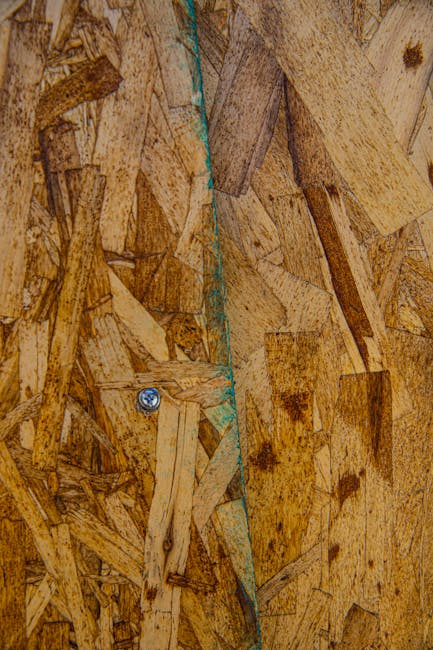
Beyond the Surface: Effortlessly Identifying Plywood Like a Pro
Ever found yourself staring at a stack of plywood, wondering if that leftover piece is the robust exterior grade you need or the more delicate interior kind? It’s a common conundrum, especially when you’re working on a project and every scrap counts. Back in 1958, J. Mitchell from Akron, Ohio, shared a simple yet brilliant trick: dye one ply of exterior plywood. This simple act made it impossible to confuse with interior stock when using leftovers. While the core idea is sound, let’s dive deeper into how you can confidently identify plywood types, understand their applications, and avoid costly mistakes in your projects, whether you’re building furniture, crafting prototypes, or innovating new products.
The Simple Secret: Color Me Plywood!
Mitchell’s ingenious hack highlights a fundamental principle: distinct characteristics lead to easy identification. Imagine trying to distinguish between two software versions without any version control – chaos! Dyeing a ply is like adding a clear ‘Exterior’ label. Exterior-grade plywood is built to withstand the elements. It uses waterproof glue and typically features more durable wood species for its plies. Interior plywood, on the other hand, uses water-resistant glue and might use softer wood, making it suitable for indoor applications where moisture isn’t a concern.
This concept extends beyond physical materials into the realm of innovation. When developing new products or services, clearly defining their purpose and target environment is crucial. Are you aiming for a robust, long-lasting solution (Designing Innovative Systems) or a quick, iterative prototype? Understanding these distinctions upfront, just like identifying plywood grades, saves time and resources.
Why Does Plywood Identification Matter?
Using the wrong type of plywood can lead to:
- Structural Failure: Interior plywood in an outdoor project can delaminate or warp when exposed to moisture, leading to instability or complete failure.
- Wasted Resources: Purchasing the wrong type means you’ll likely need to buy the correct material later, doubling your costs and delaying your project.
- Compromised Aesthetics: Interior plywood might not hold finishes as well as exterior grades, affecting the final look of your work.
Think of it like launching a startup without a clear value proposition or target market. You might have a great idea, but if it’s not suited for its intended environment, it’s unlikely to succeed. This is where understanding your materials—whether wood or ideas—becomes paramount. It’s a core part of effective Agile Product Development.
Beyond Color: Deeper Plywood Differentiators
While dyeing a ply is a clever trick, here are more professional ways to identify plywood, applicable even without prior treatment:
1. Stamping and Markings
Often, manufacturers will stamp or label plywood sheets. Look for stamps indicating:
- Grade: AC, BC, CDX, X, etc. (CDX, for instance, signifies C-grade veneer, D-grade veneer, and X for exterior glue).
- Intended Use: ‘Exterior’, ‘Interior’, ‘Marine’.
- Standards: Such as APA (The Engineered Wood Association) trademark.
These markings are like the user stories or technical specifications in Agile for Startup Innovation – they tell you precisely what the product is designed to do and how it should be used.
2. Glue Type Inspection
If markings are absent, a close inspection of the edges can sometimes reveal clues. Exterior plywood uses waterproof adhesives, while interior plywood uses water-resistant (but not waterproof) glues. You might be able to see the glue lines between the plies. While subtle, this can be a critical differentiator, akin to understanding the Service Design Innovation Frameworks you’ll employ.
3. Veneer Quality and Wood Type
- Face Veneer: The outermost layer is often the easiest to inspect. High-grade plywood (like AC) has smooth, knot-free faces. Lower grades might have knots, patches, or voids.
- Species: While harder to identify without expertise, some species are more commonly used for exterior (like Douglas Fir or Southern Pine) versus interior applications.
This is like evaluating the user experience design. A smooth, flawless interface (high-grade veneer) suggests a premium product, while visible imperfections (voids, knots) might indicate a more cost-effective or utility-focused build.
4. Edge Grain Examination
Look at the exposed grain on the edges. You can often see the alternating grain direction of the plies. If you see any signs of delamination, bubbling, or swelling on the edge, it’s a strong indicator the glue is failing due to moisture, meaning it’s likely interior grade or has been misused.
This is analogous to spotting a flaw in a Lean Product Development cycle that requires immediate attention to prevent larger issues down the line.
Putting Plywood Knowledge to Work
Understanding these identification methods empowers you to make better choices, whether you’re selecting materials for a physical product or strategizing for your next business venture. It’s about having clarity and making informed decisions.
Imagine you’re running a Startup Incubation Programs. You need to guide new ventures to understand their core offerings and market fit. Just as you’d ensure they don’t use interior plywood for an outdoor kiosk, you’d ensure they have a robust strategy for their product.
Myth vs. Fact: Plywood Edition
| Myth | Fact |
|---|---|
| All plywood is basically the same. | False. Plywood varies significantly in grade, glue type, wood species, and intended use (interior vs. exterior), impacting its strength, durability, and cost. |
| If it looks okay, it will work for any job. | False. Using the wrong grade for the application, especially in structural or outdoor settings, can lead to failure, safety hazards, and costly repairs. |
| You can always tell exterior from interior by looking. | False. While exterior grades are often marked, subtle differences or unmarked sheets require closer inspection of glue type, markings, and veneer quality. Dyeing a ply is one trick, but not standard. |
This section is like applying Design Thinking Fundamentals – challenge assumptions and get to the root of the problem.
Action Plan: Your Plywood Pro Checklist
- Inspect for Stamps: Always look for manufacturer markings indicating grade, glue type (like ‘Exterior’ or ‘X’), and standards (e.g., APA).
- Check the Edges: Examine the ply edges for signs of delamination, swelling, or damage, which can indicate moisture exposure and potential interior-grade failure.
- Consider the Glue: While harder to see, recall that exterior grades use waterproof glue; interior grades use water-resistant.
- Evaluate Veneer Quality: Assess the face veneer for smoothness and absence of voids. Higher quality often correlates with better durability.
- Ask Questions: If buying new, don’t hesitate to ask suppliers about the specific grade and intended use.
- When in Doubt, Test (Carefully): For leftovers, a small piece can be tested by exposing it to moisture. However, this is destructive and best avoided with proper initial identification.
By systematically applying these checks, you’re not just identifying plywood; you’re ensuring the integrity and longevity of your projects. It’s a small detail that makes a big difference, much like refining Ideation Techniques with Mind Maps to ensure you capture the most viable concepts.
The Innovation Connection
The principles of careful material selection and identification are mirrored in the world of innovation. Whether you’re developing a new app, a physical product, or a business model, understanding the ‘ingredients’ and their ‘performance characteristics’ is vital.
- Understanding Constraints: Just as plywood has limits based on its grade and environment, innovative solutions must operate within technical, financial, and market constraints. This requires robust Problem Solving Strategies.
- Materiality of Ideas: Concepts born from Open Innovation Strategy Development need to be evaluated for their suitability and feasibility within your existing Understanding Open Innovation Ecosystems.
- Measuring Success: Just as using the right plywood ensures structural integrity, having clear Measuring Innovation ROI metrics ensures your innovative efforts are delivering tangible business value. This ties directly into understanding Innovation ROI Metrics.
- Iterative Improvement: Like selecting different plywood grades for different project phases, innovation often involves iterative development. Teams adopting Service Design Thinking for Disruptive Innovation or employing TRIZ principles for creative problem-solving constantly refine their offerings.
- Leveraging New Tools: Just as new construction techniques evolve, the innovation landscape is rapidly changing with tools. Exploring AI-powered storytelling techniques, Generative AI for Creative Writing, or AI-Powered Creative Tools for Future Work can unlock new possibilities. Even The Role of AI in Designing Smart Factories highlights how advanced tech impacts traditional fields.
Ultimately, whether you’re a carpenter or an innovator, the habit of meticulous identification and informed selection is a cornerstone of success. It fosters trust, ensures quality, and builds a solid foundation for whatever you aim to create.