Stakeholder Identification & Analysis: Your Ultimate Guide to Project Success
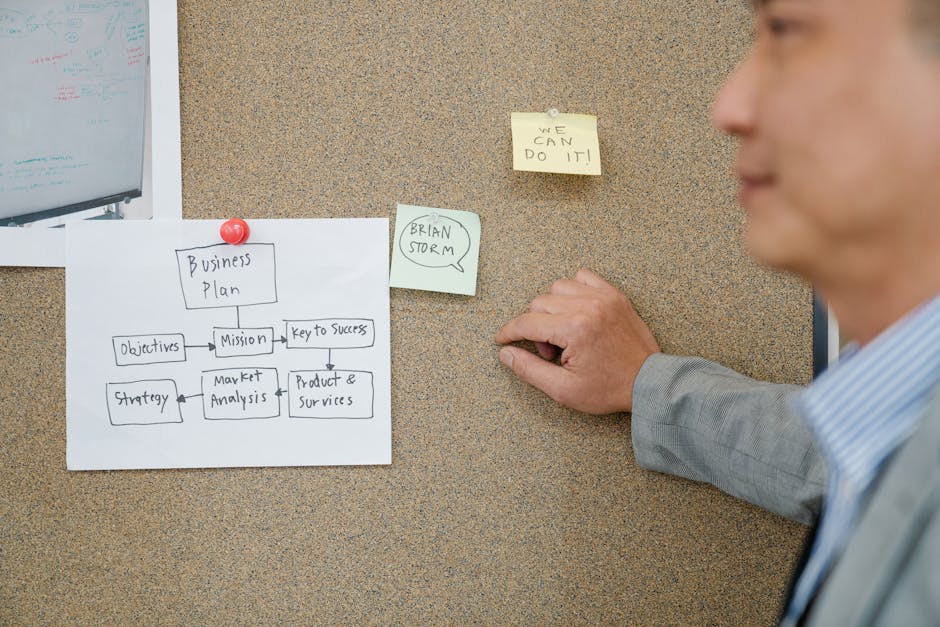
Stakeholder Identification and Analysis: Your Blueprint for Project Success
Every project, initiative, or business endeavor operates within a complex ecosystem of individuals and groups who have an interest in, or can influence, its outcome. Ignoring these key players is a recipe for disaster. Understanding who your stakeholders are and what they care about is not just good practice; it’s fundamental to achieving your goals. This comprehensive guide will equip you with the knowledge and tools to effectively identify and analyze stakeholders, turning potential roadblocks into powerful allies.
Table of Contents
- Why Stakeholder Analysis Matters
- Who Are Stakeholders?
- The Stakeholder Identification and Analysis Process
- Common Stakeholder Analysis Tools
- Analogies to Understand Stakeholder Management
- The Importance of Continuous Engagement
- References
Why Stakeholder Analysis Matters
Imagine embarking on a journey without knowing who you might encounter on the road, who needs to grant you passage, or who might benefit from your arrival. That’s akin to launching a project without proper stakeholder analysis. Effective analysis ensures:
- Alignment and Buy-in: Securing support from key individuals prevents resistance and fosters collaboration.
- Risk Mitigation: Identifying potential opposition early allows you to address concerns before they derail progress.
- Resource Allocation: Understanding stakeholder needs helps in prioritizing and allocating resources effectively.
- Improved Decision-Making: Diverse perspectives from stakeholders can lead to more robust and well-rounded decisions.
- Project Success: Ultimately, a project is considered successful not just by its deliverables, but by its acceptance and positive impact on its stakeholders.
Who Are Stakeholders?
A stakeholder is any individual, group, or organization that can affect or be affected by a project, program, or policy. This definition is broad and includes both internal and external parties. Common examples include:
- Internal Stakeholders: Employees, managers, executives, project team members, owners.
- External Stakeholders: Customers, suppliers, government regulators, creditors, the local community, media, advocacy groups.
It’s crucial to think broadly and consider anyone whose work might be impacted, who provides essential resources, or who has a vested interest in the project’s outcome. Even seemingly minor groups can wield significant influence.
The Stakeholder Identification and Analysis Process
This systematic approach ensures no stone is left unturned when identifying and understanding your project’s stakeholders. It’s an iterative process, meaning you might revisit earlier steps as you gather more information.
Step 1: Brainstorming Potential Stakeholders
Gather your project team and cast a wide net. Think about everyone who might have a connection to the project. Consider:
- Directly Involved: Project sponsors, team members, end-users.
- Indirectly Affected: Other departments, adjacent project teams, support staff.
- External Influencers: Regulators, community leaders, key suppliers, influential media outlets.
- Those with Power: Individuals or groups who can approve or block resources, decisions, or project progress.
- Those Affected by Outcome: Customers, the public, beneficiaries.
Don’t filter at this stage; the goal is to generate a comprehensive list. This initial phase is similar to how you might start by brainstorming all possible ways to categorize or label different types of media when organizing your thoughts, much like using Film Identification Tabs to sort through various film genres before deeper analysis.
Step 2: Categorizing Stakeholders
Once you have a raw list, it’s helpful to group stakeholders to better understand their roles and relationships. Common categories include:
- By Relationship: Internal vs. External, Primary vs. Secondary.
- By Interest: Those who benefit directly, those who provide resources, those who regulate.
- By Impact: High impact on project vs. Low impact on project.
This categorization helps streamline the subsequent analysis steps.
Step 3: Assessing Stakeholder Influence and Interest
This is where you start to understand the importance of each stakeholder to your project. Consider:
- Power/Influence: How much ability does this stakeholder have to impact the project (positively or negatively)? Do they control resources, make key decisions, or have a strong voice?
- Interest: How much does this stakeholder care about the project’s outcome? Are they actively engaged, or is their involvement passive?
These two dimensions are critical for prioritization.
Step 4: Mapping Stakeholders
Visualization is key. Tools like the Power/Interest Grid (discussed below) help you plot stakeholders based on their influence and interest. This mapping reveals who needs close attention, who needs to be kept informed, and who might be monitored.
Step 5: Developing Engagement Strategies
Based on your analysis, tailor your communication and engagement approach for each stakeholder or group. The goal is to build and maintain positive relationships. Consider:
- High Power, High Interest: Manage Closely (e.g., involve them fully, make them key partners).
- High Power, Low Interest: Keep Satisfied (e.g., meet their needs, avoid overwhelming them with details).
- Low Power, High Interest: Keep Informed (e.g., regular updates, consult on areas of interest).
- Low Power, Low Interest: Monitor (e.g., minimal effort, provide general information as needed).
This is where you move from understanding to action. It requires a clear understanding of the underlying issues, much like a thorough Deconstruct Problems to Fundamentals: Your Ultimate Guide to Root Cause Analysis helps in addressing the core of a problem.
Common Stakeholder Analysis Tools
Several frameworks can aid in your analysis:
Power/Interest Grid
This is the most widely used tool. It’s a 2×2 matrix where stakeholders are plotted based on their level of power (influence) and interest in the project. This directly informs your engagement strategy (as described in Step 5).
Salience Model
This model uses three attributes: Power (ability to impose their will), Legitimacy (degree to which their actions are considered proper), and Urgency (degree to which their claims require immediate attention). Stakeholders are categorized into different types (e.g., Dormant, Discretionary, Demanding, Dominant, Dangerous, Dependent, Definitive) based on which attributes they possess. This offers a more nuanced view than the Power/Interest Grid.
Stakeholder Matrix
A broader term that can encompass various tools for organizing stakeholder information, often including their needs, expectations, potential impact, and preferred communication methods, in addition to their power and interest levels.
Analogies to Understand Stakeholder Management
Think of managing stakeholders like being the conductor of an orchestra. You have many musicians (stakeholders) playing different instruments (having different interests, influences, and needs). Your role as conductor (project manager) is to:
- Identify all musicians: Who is in the orchestra? (Stakeholder Identification)
- Understand their instruments and roles: What does the violin section do? What about the percussion? (Categorizing and assessing interests/power)
- Know who leads sections or has a particularly powerful instrument: The lead violinist might have more influence than a cymbal player. (Assessing power/influence)
- Decide how to guide each group: You’ll give different cues and direction to the strings versus the brass. (Developing engagement strategies)
If you mismanage the dynamics, the music (project) will be discordant and unappealing. A well-conducted orchestra produces harmony and a beautiful performance.
The Importance of Continuous Engagement
Stakeholder analysis isn’t a one-time activity. Stakeholders’ influence, interests, and even their presence can change throughout the project lifecycle. Regular review and updates to your stakeholder register and engagement plans are crucial for navigating evolving project landscapes and ensuring sustained support.
References
- Freeman, R. E. (2010). Strategic Management: A Stakeholder Approach. Cambridge University Press.
- Mitchell, R. K., Agle, B. R., & Wood, D. J. (1997). Toward a Theory of Stakeholder Identification and Salience: Refinements in the Managerial Meta-Theory of the Firm. Academy of Management Review, 22(4), 853-886. scholar.google.com
- Eden, C., & Ackermann, F. (1998). Making Strategy: The Journey of Strategic Management. SAGE Publications.
- Harvard Business Review. (n.d.). Stakeholder Analysis. hbr.org
- Project Management Institute. (n.d.). A Guide to the Project Management Body of Knowledge (PMBOK® Guide). pmi.org
- Forbes. (n.d.). Understanding Your Stakeholders. forbes.com
- Clemson University. (n.d.). Stakeholder Analysis. clemson.edu
Featured image by Felicity Tai on Pexels