Industrial Internet of Things (IIoT): Revolutionizing Your Business Operations
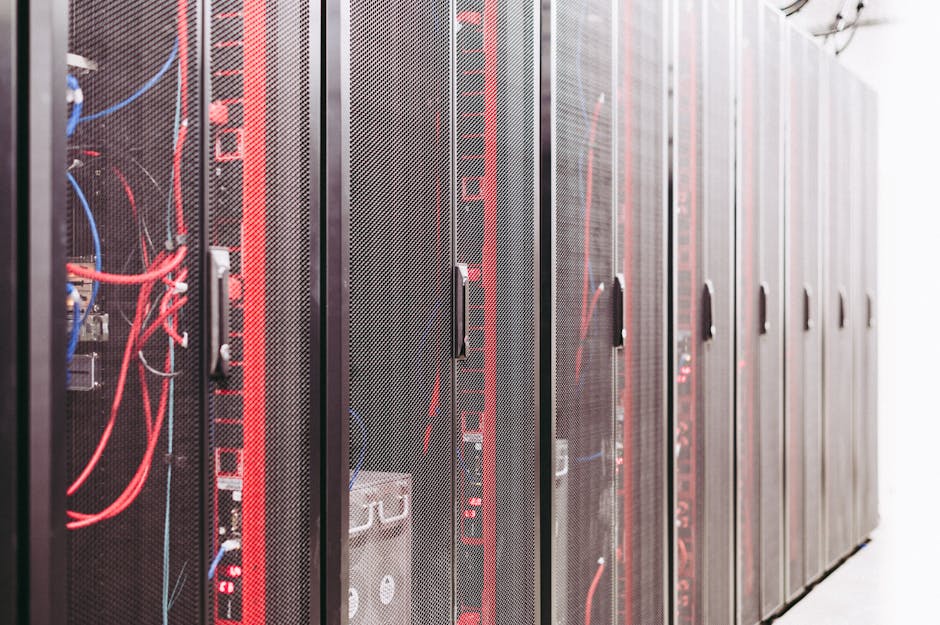
Imagine a factory floor humming with efficiency, where machines communicate seamlessly, predict their own maintenance needs, and optimize production lines in real-time. This isn’t a scene from science fiction; it’s the reality being built by the Industrial Internet of Things (IIoT).
Once, the concept of interconnected devices seemed confined to our personal lives – smart homes and wearable tech. But the true revolution is happening on a grander scale, within the very heart of our industries. IIoT is bridging the gap between the physical and digital worlds, unlocking unprecedented levels of productivity, safety, and innovation.
Table of Contents
- What is the Industrial Internet of Things (IIoT)?
- How IIoT Works
- Key Components of an IIoT System
- The Transformative Impact of IIoT
- IIoT vs. IoT: Understanding the Distinction
- Challenges and Considerations for IIoT Adoption
- The Future of IIoT
- Frequently Asked Questions
- References
What is the Industrial Internet of Things (IIoT)?
The Industrial Internet of Things (IIoT) refers to the application of Internet of Things (IoT) technology within industrial sectors. It involves connecting industrial machinery, sensors, software platforms, and people to collect, analyze, and act upon data generated from industrial processes. This interconnected ecosystem enables smarter decision-making, improved operational efficiency, and the creation of new value propositions for businesses. Think of it as the nervous system for your entire industrial operation, allowing every part to communicate and respond.
How IIoT Works
At its core, IIoT functions through a continuous cycle of data collection, transmission, analysis, and action:
- Sensing and Data Collection: Sensors embedded in machinery, equipment, and environments gather real-time data on parameters like temperature, pressure, vibration, location, energy consumption, and operational status.
- Connectivity and Transmission: This raw data is transmitted securely over networks, which can include wired Ethernet, Wi-Fi, cellular (like 4G/5G), or specialized industrial protocols, to a central platform or cloud.
- Data Processing and Analysis: Advanced analytics, including machine learning and artificial intelligence, process the vast amounts of data to identify patterns, anomalies, predict failures, and optimize performance.
- Action and Automation: Insights gained from the analysis are used to trigger automated actions (e.g., adjusting machine settings, initiating maintenance requests) or to inform human decision-makers.
- User Interface: Dashboards and applications provide users with visualizations of data, alerts, and control capabilities.
This process is a dynamic loop, constantly refining operations based on up-to-the-minute information. It’s a testament to the evolution of connectivity that began with foundational technologies like those discussed in articles on The World Wide Web / Internet and its origins, like World Wide Web / Internet (1989).
Key Components of an IIoT System
An effective IIoT ecosystem comprises several critical elements:
- Sensors and Actuators: The ‘eyes’ and ‘hands’ of the system, collecting data and implementing changes.
- Connectivity: The infrastructure enabling data flow (networks, gateways).
- Data Storage and Processing Platforms: Cloud or on-premise solutions for handling large datasets.
- Analytics Software: Tools for deriving insights from data (AI, ML).
- User Interfaces and Applications: Dashboards and applications for visualization and control.
- Cybersecurity Measures: Essential for protecting sensitive industrial data and operational integrity.
The Transformative Impact of IIoT
IIoT isn’t just an upgrade; it’s a fundamental shift in how industries operate. Here’s how you can expect it to revolutionize your business:
Enhanced Efficiency and Productivity
By providing real-time visibility into every stage of production, IIoT allows for immediate identification of bottlenecks and inefficiencies. Automated adjustments to machinery and processes ensure optimal performance, reducing waste and maximizing output. For instance, a smart manufacturing plant can dynamically reallocate resources based on demand signals from interconnected supply chains.
Predictive Maintenance and Reduced Downtime
Instead of reactive repairs or scheduled, often unnecessary, maintenance, IIoT enables predictive maintenance. Sensors monitor equipment health, identifying subtle anomalies that precede failure. This allows you to schedule maintenance precisely when needed, preventing costly breakdowns and ensuring continuous operation. Imagine averting a critical machine failure just hours before a major order was due to be completed.
Improved Safety and Risk Management
IIoT sensors can monitor hazardous environments, track worker location in real-time, and detect safety breaches. This proactive approach significantly reduces workplace accidents and ensures compliance with safety regulations. For example, sensors can detect gas leaks or monitor structural integrity in real-time, alerting personnel to potential dangers.
Supply Chain Optimization
From raw material tracking to final product delivery, IIoT provides end-to-end visibility. You can monitor inventory levels, track assets, optimize logistics routes, and predict delivery times with greater accuracy. This leads to reduced holding costs, improved customer satisfaction, and a more resilient supply chain.
New Business Models and Revenue Streams
IIoT can unlock innovative service-based models. Instead of selling a piece of equipment, you can offer ‘uptime-as-a-service,’ leveraging IIoT data to guarantee performance and charge based on usage or output. This shifts the focus from product sales to ongoing customer value.
IIoT vs. IoT: Understanding the Distinction
While often used interchangeably, IIoT is a specialized subset of the broader Internet of Things (IoT). The key difference lies in the application and stakes:
| Feature | Internet of Things (IoT) | Industrial Internet of Things (IIoT) |
|---|---|---|
| Primary Focus | Consumer convenience, smart homes, lifestyle | Industrial efficiency, productivity, safety |
| Applications | Wearables, smart appliances, smart cities | Manufacturing, energy, logistics, healthcare |
| Data Volume | Large, but often less critical | Massive, highly critical for operations |
| Reliability | Important, but typically lower stakes | Mission-critical, high uptime required |
| Security | Important | Paramount, high-stakes security requirements |
| Precision | Moderate to high | Extremely high, sub-millisecond precision often needed |
Challenges and Considerations for IIoT Adoption
Despite its immense potential, implementing IIoT comes with challenges:
- Cybersecurity Risks: Protecting vast networks of connected devices from cyber threats is paramount.
- Data Management and Analytics: Handling and deriving meaningful insights from massive data volumes requires robust infrastructure and expertise.
- Integration with Legacy Systems: Many industrial environments rely on older equipment that may not be easily compatible with new IIoT technologies.
- Interoperability: Ensuring different devices and platforms can communicate effectively is crucial.
- Skills Gap: A shortage of professionals with the necessary expertise in data science, cybersecurity, and IoT technologies.
- Initial Investment Costs: The upfront cost of sensors, infrastructure, and software can be substantial.
The Future of IIoT
The trajectory of IIoT is one of continuous growth and integration. Expect deeper collaboration between humans and machines, enhanced AI-driven automation, greater use of edge computing for real-time processing, and the further convergence of IIoT with other advanced technologies like digital twins and augmented reality. The foundation laid by early networking innovations continues to enable increasingly sophisticated applications that are reshaping global industries.
Frequently Asked Questions
Q1: How does IIoT improve worker safety?
IIoT systems can monitor environmental conditions (like gas levels or temperature extremes), track the location of personnel in hazardous areas, and automatically trigger alerts or shut down machinery in case of emergencies, thereby preventing accidents and ensuring compliance.
Q2: What is the difference between IIoT and Industry 4.0?
Industry 4.0 is a broader concept that describes the fourth industrial revolution, characterized by automation, data exchange, and smart manufacturing. IIoT is a foundational technology that enables many of the capabilities associated with Industry 4.0, such as smart factories and interconnected production systems.
Q3: Is IIoT implementation expensive?
The initial investment can be significant, covering hardware, software, network infrastructure, and integration. However, the long-term benefits, such as reduced downtime, improved efficiency, optimized resource usage, and new revenue streams, often provide a substantial return on investment.
References
- National Institute of Standards and Technology (NIST): https://www.nist.gov/
- McKinsey & Company: https://www.mckinsey.com/
- Gartner: https://www.gartner.com/en/industries/technology
- IEEE Xplore Digital Library: https://ieeexplore.ieee.org/
- World Economic Forum: https://www.weforum.org/
- MIT Technology Review: https://www.technologyreview.com/
Featured image by Brett Sayles on Pexels