Generative AI in Creative Arts: Revolutionizing Imagination
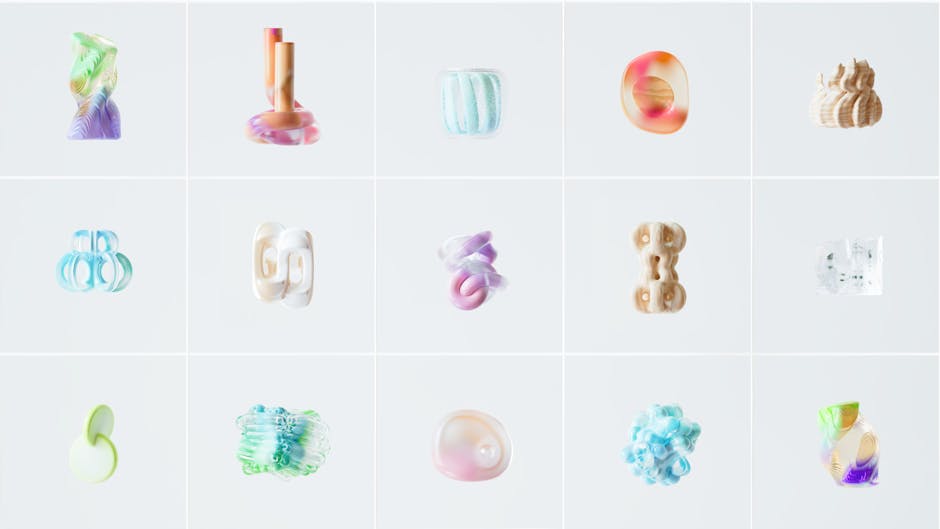
The intersection of artificial intelligence and artistic expression is no longer science fiction; it’s a rapidly evolving reality. Generative AI, a powerful subset of AI capable of creating new content, is revolutionizing the creative arts, offering unprecedented tools for artists and redefining the very nature of imagination and creation.
Table of Contents
- The Dawn of AI-Assisted Creativity
- How Generative AI Works in the Arts
- Empowering Artists: A Collaborative Future
- Navigating the Ethical Landscape
- Getting Started with Generative AI for Artists
- Conclusion: The Evolving Canvas
- References
The Dawn of AI-Assisted Creativity
For centuries, creativity has been considered an exclusively human domain. However, advancements in machine learning, particularly deep learning and neural networks, have given rise to Generative AI. These systems can learn patterns from vast datasets of existing art, music, and text, and then use that knowledge to generate entirely new, original content. This capability is fundamentally changing how we approach artistic creation, moving from purely manual processes to a more collaborative partnership between human artists and intelligent machines. To understand more about this dynamic, explore The Algorithmic Artist: Generative AI in Creative Endeavors. Similarly, historical innovations like The Gutenberg Press: Revolutionizing Information Dissemination dramatically altered how knowledge was shared and accessed, paralleling the current impact of AI on creative output.
How Generative AI Works in the Arts
Generative AI models operate on the principle of learning distributions from data. By analyzing millions of examples, they develop an understanding of aesthetics, composition, harmony, narrative structure, and more. When prompted, they can then sample from this learned distribution to produce novel outputs.
Text-to-Image Generation
Perhaps the most visually striking application is text-to-image generation. Platforms like Midjourney, DALL-E, and Stable Diffusion allow users to describe an image in natural language, and the AI generates a visual representation. This opens up new avenues for illustration, concept art, and digital painting.
Music Composition
AI is also composing music. Models can generate melodies, harmonies, and even full orchestral pieces in various styles. While some AI music aims to replicate existing genres, others explore entirely new sonic landscapes, offering composers a powerful tool for inspiration and arrangement. This complements traditional approaches to unlock your genius: master Edward De Bono’s creative thinking methods, by providing new starting points.
Literature and Scriptwriting
In literature, AI can assist with generating plot ideas, character descriptions, dialogue, or even entire drafts of stories and scripts. While it’s unlikely to replace human authors entirely, it can be an invaluable assistant for overcoming writer’s block or exploring narrative possibilities. For a deeper dive into this area, consider learning about Generative AI for Creative Writing Assistance.
Visual Arts Beyond Static Images
Beyond static images, generative AI is being used for animation, video generation, and even creating virtual environments. This expands the toolkit for filmmakers, game developers, and digital artists, enabling the creation of complex visual narratives with greater efficiency.
Empowering Artists: A Collaborative Future
Contrary to fears of AI replacing human artists, many see it as a powerful augmentation tool.
Augmenting Human Creativity
Generative AI can act as a tireless collaborator, offering endless variations on a theme, suggesting unexpected combinations, and handling laborious tasks. This allows artists to focus on higher-level conceptualization and refinement. The process can feel like a true partnership, fostering a more dynamic creative flow.
Overcoming Creative Blocks
Every artist encounters creative blocks. AI can serve as a powerful antidote. By generating novel ideas or visual prompts, it can jolt an artist out of a rut and inspire new directions. This is particularly helpful when you start thinking of yourself as a creative person and want to explore new horizons. Moreover, understanding Cultivating Psychological Safety for Creative Risk-Taking can further empower artists to experiment freely, both with AI tools and traditional methods, without fear of judgment.
Democratizing Art Creation
Generative AI lowers the barrier to entry for many creative pursuits. Individuals without extensive technical skills in traditional art forms can now bring their visions to life through intuitive AI interfaces. This democratization could lead to a richer and more diverse creative landscape.
Navigating the Ethical Landscape
While the potential is immense, the rise of generative AI in the arts brings significant ethical considerations.
Authorship and Ownership
A key debate revolves around who owns the copyright to AI-generated art. Is it the AI developer, the user who provided the prompt, or the AI itself? Current legal frameworks are still catching up to these new technologies.
Bias in AI Models
AI models are trained on existing data, which can contain societal biases. This can lead to AI generating content that reflects or even amplifies these biases. Careful curation of training data and ongoing model refinement are crucial.
The Future of Artistic Professions
There are concerns about the impact on professional artists, illustrators, and designers. However, many believe that AI will shift, rather than eliminate, roles, emphasizing curation, conceptualization, and the unique human touch.
Getting Started with Generative AI for Artists
Embracing generative AI doesn’t require a computer science degree. Many user-friendly tools are available.
Step-by-Step Guide: Creating Your First AI-Generated Artwork
- Choose a Platform: Select a generative AI art tool (e.g., Midjourney, DALL-E 3, Stable Diffusion). Many offer free trials or web interfaces.
- Craft Your Prompt: Describe your desired image in detail. Be specific about subjects, style, colors, mood, and composition. Think of it like giving instructions to an artist.
- Generate Images: Input your prompt into the AI tool and let it generate several variations.
- Iterate and Refine: Review the results. If they aren’t quite right, adjust your prompt. Add more details, change keywords, or specify artistic styles (e.g., “in the style of Van Gogh,” “photorealistic,” “cyberpunk”).
- Select and Edit: Choose the image(s) you like best. You can then further refine them using traditional digital art software (like Photoshop) or other AI editing tools.
- Consider the ‘Why’: Reflect on how this AI-generated element serves your overall creative vision. Is it a starting point, a background, or a complete piece?
Action Plan: Integrating AI into Your Creative Workflow
- Educate Yourself: Spend time learning about different generative AI tools and their capabilities.
- Experiment Regularly: Dedicate time each week to experiment with prompts and see what the AI can produce.
- Identify Specific Use Cases: Determine how AI can best support your existing creative projects (e.g., generating mood boards, exploring character designs, creating background textures).
- Develop Prompt Engineering Skills: Learn how to write effective prompts to get the desired outputs.
- Integrate, Don’t Replace: Use AI as a tool to enhance, not replace, your unique artistic skills and vision. For example, you might use AI-generated textures on a digitally painted character.
- Stay Updated: The field of AI is evolving rapidly; keep abreast of new tools and techniques.
- Consider the Ethics: Be mindful of copyright, attribution, and potential biases in your AI-assisted work.
Conclusion: The Evolving Canvas
Generative AI is not just a new technology; it’s a paradigm shift in the creative arts. It empowers artists with unprecedented tools, democratizes creation, and pushes the boundaries of imagination. While challenges and ethical questions remain, the future of art is increasingly intertwined with artificial intelligence. Artists who embrace these tools will find themselves at the forefront of a creative revolution, painting on a canvas that is continually expanding.
References
- Generative AI for Content Creation: Your Ultimate Guide to Automation & Innovation
- MIT Technology Review: Generative AI
- The New Yorker: The Art of AI
- Harvard Business Review: AI in Creative Industries
- Forbes: AI in the Arts
- Scholarship on Generative Models
- Adobe Blog: Generative AI for Creatives
Featured image by Google DeepMind on Pexels