AI-Powered Design Inspiration
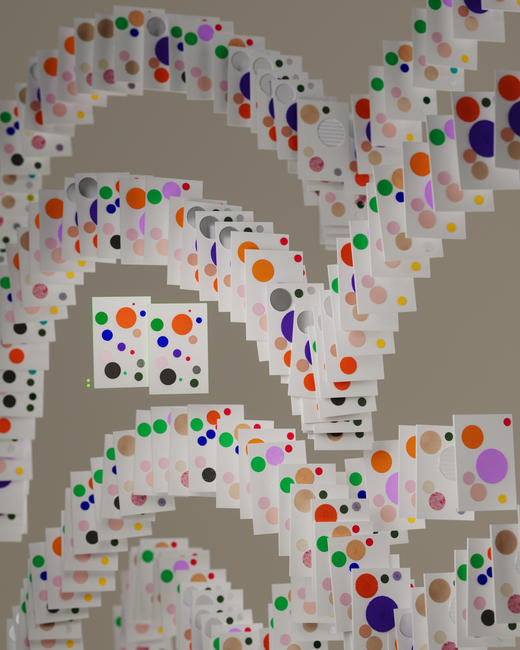
Table of Contents
- Generative AI Tools for Visual Inspiration
- AI for Ideation and Concept Development
- AI in Specific Design Disciplines
- Challenges and Ethical Considerations
- The Future of AI in Design Inspiration
Generative AI Tools for Visual Inspiration
The landscape of design inspiration has been fundamentally reshaped by the advent of generative AI tools. These powerful platforms, capable of conjuring novel imagery from textual prompts, are democratizing visual ideation and accelerating the creative process. Among the frontrunners are Midjourney, known for its artistic and often dreamlike aesthetics; DALL-E, which excels at producing photorealistic and conceptually diverse images; and Stable Diffusion, a highly customizable open-source model offering immense flexibility for technical users.
Mastering these tools hinges on the art of prompt engineering. It’s not just about describing what you want; it’s about guiding the AI’s understanding of style, mood, and specific visual elements. Think of it as a conversation where precision and creative intent are paramount. For instance, instead of a simple prompt like "a chair," one might experiment with "an art deco armchair, upholstered in emerald velvet, with polished brass legs, in a dimly lit, moody studio setting, inspired by the style of Tamara de Lempicka." This level of detail allows designers to steer the AI towards highly specific aesthetic outcomes, akin to how early innovators meticulously refined their designs, reminiscent of The Wright Brothers’ First Flight: Engineering and Iterative Design.
Beyond single images, these platforms are invaluable for generating comprehensive visual assets. Need a mood board to capture the essence of a new brand? Prompt the AI with keywords describing the brand’s personality, target audience, and desired emotional impact. The result will be a curated collection of images that encapsulate the mood and visual language. Similarly, AI can be instrumental in building bespoke color palettes and texture libraries. By describing desired color combinations or material properties – for example, "a warm, earthy color palette with hints of deep forest green and burnt sienna," or "a collection of rough, hand-stitched leather textures with visible grain" – designers can quickly assemble a rich visual foundation. This ability to rapidly iterate on visual elements is a cornerstone of AI-Powered Design Thinking.
The practical applications are already profound, impacting various design disciplines. In concept art, AI can generate a multitude of character designs, environments, and prop variations at an unprecedented speed, providing a rich pool of ideas for further refinement. For product design, these tools can visualize entirely new product forms, material combinations, and user interface concepts, pushing the boundaries of what’s possible and informing AI-Powered Product Design Innovation. For branding, AI can generate logo concepts, visual identities, and marketing imagery that resonate with specific target demographics, moving beyond traditional approaches to Service Design Innovation.
Case Study: Accelerating Branding with Generative AI
A boutique branding agency was tasked with developing a new visual identity for a sustainable fashion startup. Faced with tight deadlines and a need for highly original concepts, they leveraged Midjourney to rapidly explore various aesthetic directions. By inputting prompts that combined keywords related to nature, organic materials, minimalism, and a touch of artisanal craftsmanship, they generated hundreds of initial logo concepts and stylistic elements. This allowed them to quickly identify promising visual themes and motifs that aligned with the client’s brand values. The AI-generated imagery served as a powerful starting point for brainstorming, significantly reducing the time spent on initial ideation and freeing up designers to focus on refining the chosen concepts and developing a cohesive brand system. This efficient approach exemplifies how AI can augment Sustainable Product Design Innovations by streamlining the visual exploration phase.
The integration of generative AI into the design workflow is not about replacing human creativity, but about augmenting it. It’s about providing designers with supercharged tools to explore possibilities, overcome creative blocks, and accelerate the journey from nascent idea to tangible innovation. As these technologies mature, their influence on AI-Powered Industrial Design and the broader field of AI-Powered Design Innovation will only continue to grow, fostering a more dynamic and experimental approach to creation. This also has significant implications for The Role of AI in Designing Smart Factories, where visual simulation and rapid prototyping are key.
AI for Ideation and Concept Development
The early stages of innovation are often a whirlwind of possibilities, a delicate dance between existing knowledge and entirely novel concepts. This is where Artificial Intelligence truly shines, acting as a powerful catalyst for ideation and concept development. By leveraging Natural Language Processing (NLP), AI can ingest vast amounts of text data – from market reports and academic papers to social media trends and customer feedback – to identify emerging themes, predict future directions, and even highlight subtle shifts in consumer sentiment. This capability goes beyond simple keyword analysis; advanced NLP models can understand context, sentiment, and relationships between disparate ideas, providing designers with a nuanced understanding of the landscape. Think of it as having a tireless research assistant who can sift through mountains of information to present you with the most potent seeds of innovation.
The advent of AI-powered brainstorming tools has revolutionized how teams approach the initial ideation phase. These platforms go beyond static idea repositories. They can suggest prompts based on identified trends, generate a multitude of divergent ideas by remixing existing concepts, and even facilitate collaborative sessions by surfacing relevant information or posing challenging questions. For instance, if you’re exploring AI-Powered Product Design Innovation, an AI tool might analyze successful products in adjacent markets and suggest novel feature combinations or entirely new product categories. This not only speeds up the brainstorming process but also encourages a broader exploration of the solution space, pushing beyond initial cognitive biases. Tools that facilitate AI-Powered Design Thinking are particularly adept at this, guiding users through a structured ideation process while injecting AI-generated stimulus.
One of AI’s most exciting contributions is its ability to generate variations of existing designs or concepts. Whether you’re looking to iterate on a user interface, explore different material applications in AI-Powered Industrial Design, or re-imagine a service offering, AI can rapidly produce a spectrum of possibilities. This goes beyond simple parameter adjustments; AI can explore stylistic variations, functional modifications, and even entirely new aesthetic directions that a human might not have readily conceived. This iterative capability is reminiscent of the meticulous experimentation of early innovators, akin to The Wright Brothers’ First Flight: Engineering and Iterative Design, but executed at an unprecedented speed and scale. The underlying principles of AI-Powered Design Automation are crucial here, allowing for rapid prototyping of these variations.
Perhaps the most profound impact of AI in this phase is its capacity to identify unmet user needs or market gaps. By analyzing vast datasets, AI can uncover subtle pain points that users might not even be consciously aware of, or identify underserved niches where demand significantly outstrips supply. This is invaluable for AI-Powered Design Thinking and forms a crucial component of understanding user needs, much like the focus on Empathy in Design for Innovation. For example, by analyzing customer service logs and product reviews across an entire industry, AI might flag a recurring frustration with a specific product feature that has been overlooked by competitors. This foresight allows organizations to pivot towards solutions that genuinely address market deficiencies, rather than simply refining existing offerings.
To illustrate the range of AI’s capabilities in this domain, consider the following comparison:
| AI Functionality | Description | Example Application |
|---|---|---|
| Trend Analysis & Prediction | Uses NLP to identify emerging patterns and forecast future market shifts. | Predicting the next big trend in sustainable fashion by analyzing social media and industry reports, informing the direction of **Sustainable Product Design Innovation**. |
| Idea Generation & Augmentation | Creates novel concepts by combining existing ideas or suggesting new angles. | Generating marketing campaign ideas for a new tech gadget by drawing inspiration from successful campaigns in unrelated industries. |
| Concept Variation | Produces multiple versions of an existing design or concept with variations in aesthetics, functionality, or form. | Creating dozens of color palettes and material combinations for a new furniture line to assess market appeal. |
| Gap Identification | Analyzes market data and user feedback to pinpoint unmet needs or underserved segments. | Identifying a lack of accessible charging solutions for electric scooters in urban environments, paving the way for new product development. |
The ability of AI to not only generate ideas but also to rigorously analyze the market and user landscape offers a powerful synergy. It enables a more informed, data-driven approach to innovation, ensuring that initial concepts are grounded in real-world opportunities. This holistic approach is central to effective AI-Powered Design Innovation.
AI in Specific Design Disciplines
The pervasive influence of AI is not a distant theoretical concept; it’s actively reshaping the creative landscape across a multitude of design disciplines. No longer confined to broad strokes, AI is offering granular assistance, pushing the boundaries of what’s imaginable and achievable.
In Graphic Design, AI tools are becoming indispensable partners. Beyond simple template suggestions, they are capable of generating countless logo variations based on brand keywords and aesthetic preferences, allowing designers to explore a much wider conceptual space in a fraction of the time. Typography exploration is another area where AI shines, analyzing legibility, aesthetic appeal, and contextual relevance to suggest optimal font pairings or even generate novel glyphs. Layout suggestions are similarly enhanced, with AI understanding visual hierarchy and composition to propose dynamic and engaging arrangements for websites, marketing collateral, and more. This move towards more sophisticated generation is a testament to the broader trend of AI-Powered Design Automation.
For Product Design, AI’s impact is equally profound. Imagine generating thousands of potential product forms based on functional requirements and desired aesthetics – this is now a reality. AI algorithms can explore material combinations, predicting their performance characteristics and identifying novel composites. Furthermore, AI excels in performing sophisticated ergonomic analysis, ensuring designs are not only visually appealing but also comfortable and safe for end-users. This deep dive into form and function is a cornerstone of AI-Powered Product Design Innovation, building upon principles of AI-Powered Industrial Design.
The vibrant world of Fashion Design is also experiencing an AI-driven renaissance. AI can analyze vast datasets of past and present trends to forecast future styles, enabling designers to stay ahead of the curve. Pattern generation, once a laborious manual process, is now being augmented by AI that can create intricate and unique textile designs. The ability to create realistic virtual prototypes means designers can iterate on garments and collections without the need for expensive physical samples, significantly streamlining the development cycle and supporting Sustainable Product Design Innovations.
In Architectural Design, AI is proving to be a powerful tool for tackling complexity. Form-finding algorithms can explore an immense range of structural possibilities, optimizing for factors like load-bearing capacity and aesthetic appeal. Site analysis is enhanced by AI’s ability to process vast amounts of environmental data, from solar exposure to wind patterns, informing better design decisions. Crucially, AI is a game-changer for sustainable design optimization, identifying ways to minimize environmental impact through energy efficiency, material selection, and waste reduction, aligning with the growing imperative of Sustainable Design Thinking. This iterative process, similar to how pioneers like The Wright Brothers’ First Flight: Engineering and Iterative Design meticulously refined their creations, is being accelerated by AI.
Challenges and Ethical Considerations
The meteoric rise of AI in design, while undeniably exciting and promising breakthroughs in AI-Powered Product Design Innovation and AI-Powered Industrial Design, is not without its formidable challenges and profound ethical considerations. As we harness these powerful tools to augment our creative processes, akin to how early innovators like the Wright Brothers embraced iterative design in The Wright Brothers’ First Flight: Engineering and Iterative Design, we must also confront the potential pitfalls.
One of the most pressing concerns revolves around copyright and intellectual property. AI models are trained on vast datasets of existing creative works. This raises complex questions: to whom does the copyright belong for an AI-generated design? Is it the user, the AI developer, or is the output even copyrightable in the traditional sense? The legal landscape is still catching up, creating uncertainty for designers and businesses alike. Furthermore, the potential for accidental plagiarism, where AI might inadvertently reproduce protected elements, adds another layer of complexity to AI-Powered Design Automation.
Equally critical is the issue of bias in AI algorithms. AI systems learn from the data they are fed, and if that data reflects societal biases, the AI will perpetuate and even amplify them in its design outputs. This can lead to designs that are exclusionary, reinforce harmful stereotypes, or fail to serve diverse user needs. For instance, an AI trained on a narrow dataset for facial recognition might struggle with certain ethnicities, and this same principle can apply to aesthetic preferences or functional considerations in design. This underscores the importance of embedding principles of Empathy in Design for Innovation and Empathy in Design Thinking for Creative Solutions into the development and deployment of these tools.
A further concern is the potential for homogenization of design styles. As more designers rely on similar AI tools and prompts, there’s a risk of converging towards predictable aesthetics, stifling true originality. The unique artistic voice and cultural nuances that enrich the design landscape could be diluted if we become overly dependent on AI to dictate creative direction. This makes it imperative to foster a culture that values distinct perspectives, much like in Service Design Thinking Fundamentals where understanding diverse user journeys is paramount.
Finally, we must vigilantly guard against over-reliance on AI and maintain originality. AI should be a co-pilot, not an autopilot. The true power of innovation lies in human creativity, critical thinking, and problem-solving. Designers must continue to cultivate their own skills and intuition, using AI as a tool to explore possibilities and accelerate workflows, rather than as a crutch that replaces their own creative agency. This aligns with the spirit of Design Thinking Principles for Innovation, which emphasizes deep user understanding and iterative problem-solving driven by human insight. Embracing AI in a way that augments, rather than supplants, human ingenuity is key to unlocking its full, ethical potential for AI-Powered Design Innovation.
FAQ: How can designers ensure their AI-generated work doesn’t infringe on existing copyrights?
This is a complex and evolving area. Best practices currently include using AI tools that provide transparency about their training data, conducting thorough originality checks, and being aware of the specific licensing terms of the AI platform being used. Some suggest that the “transformative use” of AI-generated content might offer a defense, but this is legally untested. Designers should also consider that AI outputs may not be eligible for copyright protection in the first place, according to current rulings in several jurisdictions. Consulting with intellectual property lawyers is advisable for high-stakes projects.
FAQ: What steps can be taken to mitigate bias in AI design tools?
Mitigating bias requires a multi-pronged approach. Firstly, AI developers must prioritize diverse and representative training datasets. Secondly, implementing fairness metrics and bias detection algorithms during the AI’s development and deployment is crucial. Users can also play a role by actively prompting AI with diverse scenarios and critically evaluating outputs for any skewed results. Continuous auditing and feedback loops are essential to identify and correct emerging biases. This is particularly important when considering applications like The Role of AI in Designing Smart Factories, where biased design could have significant real-world consequences.
The Future of AI in Design Inspiration
The trajectory of AI in design inspiration is not merely about incremental improvements; it’s about a fundamental shift in how we conceive, create, and innovate. We’re moving beyond AI as a sophisticated filter or generator of random concepts. The future promises AI systems that possess an almost uncanny intuition, capable of understanding nuanced design briefs, anticipating user needs even before they are articulated, and generating sophisticated design solutions that push the boundaries of aesthetics and functionality. Think of AI that doesn’t just present variations, but actively probes the designer’s intent, offering generative pathways informed by deep learning of historical precedents, material science, and even emotional design principles. This evolution will fuel advancements in areas like AI-Powered Product Design Innovation and AI-Powered Industrial Design, making the design process more fluid and responsive.
This evolution positions AI not just as a powerful tool, but as a genuine creative partner. Imagine a collaborative dialogue where AI can challenge assumptions, propose radical alternatives, and even identify ethical considerations or opportunities for Sustainable Product Design Innovations that a human might overlook. This shifts the focus from the tedious execution of tasks to the higher-level strategic and conceptual aspects of design. It’s akin to the iterative process that powered The Wright Brothers’ First Flight: Engineering and Iterative Design, but amplified by the computational power and pattern recognition capabilities of AI. The AI will become a sounding board, a tireless explorer of design space, and a catalyst for emergent ideas, deeply integrated into AI-Powered Design Thinking.
One of the most profound implications of this advanced AI in design is its potential to democratize the field. By lowering the technical barriers to entry and providing intuitive interfaces, AI can empower individuals and small businesses with sophisticated design capabilities that were once the exclusive domain of large corporations with extensive design departments. This opens the door for a wider range of voices and perspectives to contribute to the design landscape, fostering innovation from unexpected quarters. We could see a surge in personalized product creation and tailored user experiences, enhancing Designing for Delight for a broader audience. This democratizing effect will be crucial in driving AI-Powered Design Innovation across industries.
| Potential AI Impact on Design Workflow | Description |
|---|---|
| Ideation Acceleration | AI can rapidly generate a vast array of concepts, mood boards, and initial sketches based on user input and learned patterns, significantly shortening the initial brainstorming phase. |
| Parametric Design & Optimization | AI algorithms can explore complex design spaces, optimizing for factors like structural integrity, material usage (crucial for Sustainable Product Design Innovation), and manufacturing constraints. |
| User Experience Enhancement | AI can analyze user behavior and feedback to suggest design improvements that lead to more intuitive and satisfying interactions, a core tenet of Designing for Accessibility in Product Innovation. |
| Automated Design Iteration | Beyond simple variations, AI can intelligently iterate on designs based on performance metrics or evolving requirements, streamlining the refinement process. This directly relates to AI-Powered Design Automation. |
Looking ahead, the long-term implications for the design profession are transformative. Rather than replacing designers, AI will redefine their roles. Designers will increasingly focus on strategic problem-solving, cultivating Empathy in Design Thinking for Creative Solutions, setting the creative direction, and curating the AI’s output. The ability to effectively prompt, guide, and critically evaluate AI-generated designs will become a paramount skill. This shift echoes the evolution of other technical fields; for instance, the advent of sophisticated tools in engineering hasn’t eliminated the need for engineers, but rather elevated their capacity for complex problem-solving and systems design, much like the principles in Designing Innovative Systems. The demand for designers who can leverage AI for breakthrough innovation, perhaps even leading Intrapreneurship Programme Design, will skyrocket. This partnership between human creativity and artificial intelligence promises an era of unprecedented design output and impact.
Featured image by Google DeepMind on Pexels