Rapid Prototyping: Fast, Smart Product Development
What is Rapid Prototyping?
In the whirlwind world of innovation and creativity, speed and agility aren’t just buzzwords; they’re the lifeblood of bringing groundbreaking ideas to market. At its core, Rapid Prototyping is the intelligent embodiment of this principle. It’s a methodology for quickly creating a working model or simulation of a product, process, or system, allowing you to physically or digitally test, validate, and refine your concepts with unprecedented efficiency. Think of it as fast-forwarding through the iterative design and development cycle, transforming abstract notions into tangible realities in a fraction of the time.
Table of Contents
- What is Rapid Prototyping?
- Key Rapid Prototyping Technologies & Methods
- Additive Manufacturing: Building Layer by Layer
- Subtractive Manufacturing: Carving from the Solid
- Forming Processes: Shaping Under Pressure
- Hybrid Approaches: The Best of All Worlds
- The Rapid Prototyping Workflow
- Ideation and Conceptualization
- CAD Model Creation and Design
- File Preparation (Slicing/Toolpath Generation)
- Prototyping Execution (Printing/Machining)
- Post-Processing (Finishing, Assembly, Testing)
- Iteration and Refinement based on Feedback
- Applications Across Industries
- Benefits of Rapid Prototyping
- Case Study: Rethinking Urban Mobility with a Smart E-Scooter
- Challenges and Considerations
- Case Study: Bridging the Gap from Hand-Feel to Mass Production
- Choosing the Right Rapid Prototyping Method
- Case Study: From Sketch to Interactive Display with 3D Printing
- The Future of Rapid Prototyping
Where traditional prototyping often involved manual craftsmanship, lengthy lead times, and significant investment in tooling before even a basic version could be assessed, rapid prototyping shatters these constraints. Instead of weeks or months, we’re talking about days or even hours. This isn’t just about doing things faster; it’s about doing them smarter. The ability to rapidly iterate means you can explore more design directions, uncover flaws early on, and converge on the optimal solution without the crippling penalties of traditional methods.
The key goals and benefits are crystal clear:
- Unleash Speed: Accelerate the entire product development lifecycle, allowing you to get to market faster and gain a crucial competitive edge.
- Drive Cost-Effectiveness: Minimize expensive rework and costly mistakes by identifying design issues when they are cheap and easy to fix. Reduce the need for elaborate, upfront tooling.
- Foster Early Feedback: Get your ideas into the hands of users, stakeholders, or investors quickly to gather invaluable feedback that shapes the final product and ensures market fit.
The evolution of rapid prototyping technologies has been nothing short of revolutionary. From early stereolithography (SLA) and fused deposition modeling (FDM) techniques that laid the groundwork, we’ve witnessed the meteoric rise of additive manufacturing (often referred to as 3D printing). This encompasses a vast array of technologies like selective laser sintering (SLS), material jetting, and binder jetting, each offering unique capabilities in material, precision, and speed. Beyond physical fabrication, rapid prototyping also extends to software development with techniques like agile development and the creation of interactive wireframes and mockups, all designed to achieve similar goals of rapid iteration and validation. Understanding these technological leaps is crucial, and embracing 3D Printing Prototyping ensures these advancements benefit the widest possible audience.
Key Rapid Prototyping Technologies & Methods
The genesis of innovation often lies in its tangible form, and in the realm of rapid prototyping, this tangibility is achieved through a diverse and powerful arsenal of technologies. These methods are the forge where nascent ideas are hammered into testable, iterated realities, accelerating the feedback loop and igniting creative leaps.
Additive Manufacturing: Building Layer by Layer
At the forefront of rapid prototyping is additive manufacturing, more commonly known as 3D printing. This revolutionary approach builds objects by depositing material layer by layer, offering unparalleled design freedom and complexity.
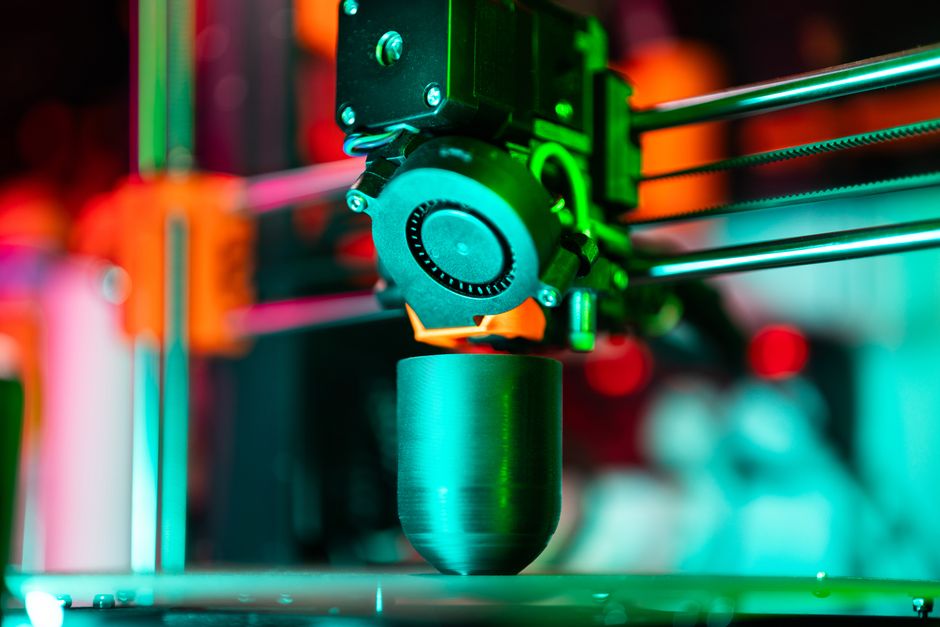
Fused Deposition Modeling (FDM): The workhorse of many prototyping labs, FDM extrudes thermoplastic filament through a heated nozzle, drawing out the object layer by layer. It’s cost-effective, versatile, and ideal for functional prototypes and early-stage concept models. Think of it as a highly precise hot glue gun for engineering.
Stereolithography (SLA): SLA uses a UV laser to cure liquid photopolymer resin, layer by layer. This process yields incredibly smooth surfaces and intricate details, making it perfect for visually stunning models, molds, and complex geometries where precision is paramount. It’s like sculpting with light.
Selective Laser Sintering (SLS): SLS employs a laser to fuse powdered materials (typically nylon or other polymers) together. The unfused powder acts as support, enabling complex, self-supporting structures without the need for dedicated support material. This results in robust, functional parts suitable for testing in demanding environments. It’s the artisan of the powder bed.
Material Jetting (PolyJet/MultiJet): Imagine an inkjet printer for solids. Material jetting technologies deposit droplets of photopolymer onto a build platform, which are then instantly cured by UV light. This method excels at creating multi-material and multi-color prototypes with a phenomenal level of detail and accuracy, allowing for the simulation of diverse material properties within a single object.
Digital Light Processing (DLP): Similar to SLA, DLP uses a digital projector to cure entire layers of liquid resin simultaneously. This often results in faster print times compared to SLA for certain geometries, while still maintaining excellent resolution and surface finish. It’s a speed demon in the resin world.
Subtractive Manufacturing: Carving from the Solid
While additive processes build up, subtractive manufacturing techniques start with a solid block of material and remove excess to create the desired shape.
- CNC Machining: Computer Numerical Control (CNC) milling and turning are powerful methods for producing highly accurate and durable prototypes from a wide range of materials, including metals, plastics, and composites. For applications requiring high strength, tight tolerances, or the feel of a production part, CNC machining is an indispensable tool. It’s the sculptor’s chisel for the digital age.
Forming Processes: Shaping Under Pressure
Vacuum Casting: This technique uses a silicone mold created from an original master part (often 3D printed). Liquid polyurethane is then poured into the mold under vacuum to eliminate air bubbles. Vacuum casting is excellent for producing high-quality, short-run cosmetic and functional prototypes with excellent detail and accuracy, often mimicking the look and feel of injection-molded parts.
Injection Molding (for low-volume prototypes): While typically associated with mass production, modified injection molding processes can be used to create low-volume prototypes. This is particularly useful when the final product will be injection molded, allowing for early testing of tooling and part behavior.
Hybrid Approaches: The Best of All Worlds
The most innovative prototyping often arises from the intelligent combination of these techniques. For instance, a complex part might be 3D printed for its intricate geometry and then CNC machined for critical mating surfaces or improved surface finish. This synergy allows designers and engineers to leverage the strengths of each technology, pushing the boundaries of what’s possible in early-stage development.
FAQ: How do I choose the right rapid prototyping technology for my project?
The selection of the optimal rapid prototyping technology hinges on several key factors: your project’s stage of development, the required material properties (strength, flexibility, heat resistance, etc.), desired surface finish and aesthetic quality, budget constraints, and the intended use of the prototype (e.g., functional testing, visual representation, mold creation). For quick, low-cost conceptual models, FDM is often a good starting point. For high-detail visual prototypes or complex geometries, SLA or Material Jetting might be preferred. If your prototype needs to withstand significant stress or replicate the feel of a production metal part, CNC machining is likely the best choice. For replicating injection molded parts in small batches, vacuum casting or low-volume injection molding are excellent options. Often, a combination of technologies offers the most comprehensive solution.
The Rapid Prototyping Workflow
The whirlwind of innovation doesn’t just happen in flashes of genius; it’s built, tested, and honed through a dynamic process. Rapid prototyping is the engine that powers this journey from a spark of an idea to a tangible reality. It’s about embracing agility, learning fast, and making your wildest concepts touchable. Let’s dive into the streamlined, yet remarkably thorough, workflow that defines rapid prototyping.
Our journey begins not with a machine, but with a mind.
Ideation and Conceptualization
This is where the magic truly starts. Brainstorming sessions, sketching on napkins, mind mapping – whatever fuels your creative fire, this is the genesis. The goal here is to explore a broad spectrum of possibilities, to cast a wide net, and to capture those initial sparks of inspiration. Don’t censor yourself; encourage wild ideas and unconventional thinking. This stage is about quantity and divergence, aiming to generate a rich pool of concepts that can be explored further.
CAD Model Creation and Design
Once you have a promising concept, it’s time to bring it into the digital realm. This involves translating your 2D sketches and abstract ideas into precise, three-dimensional computer-aided design (CAD) models. Whether you’re using industry-standard software like SolidWorks, Fusion 360, or more accessible tools, this stage requires a blend of technical skill and artistic vision. The fidelity of your CAD model directly impacts the accuracy and functionality of your prototype. Think of it as sculpting your idea in digital clay, refining every curve and angle to perfectly represent your intent.
File Preparation (Slicing/Toolpath Generation)
Your beautiful 3D model is ready, but your prototyping machine needs a specific language to understand it. This is where file preparation comes in. For additive manufacturing (like 3D printing), this involves “slicing” your CAD model into hundreds or thousands of thin, horizontal layers. The slicing software generates instructions (G-code) that tell the printer exactly where to deposit material, layer by layer. For subtractive manufacturing (like CNC machining), this process involves generating toolpaths – the precise movements the cutting tool will make to carve your design from a block of material. Optimizing these settings is crucial for print speed, material usage, and overall part quality.
Prototyping Execution (Printing/Machining)
Here’s where the tangible magic happens! This is the core of rapid prototyping – the actual fabrication of your design. Whether you’re firing up a FDM 3D printer, sending a job to a resin printer, or running a CNC mill, this is the moment your digital creation takes physical form. The choice of technology and materials will depend on the specific requirements of your prototype – its intended function, required strength, surface finish, and budget. This stage can be incredibly exciting, watching your concept materialize before your eyes.
Post-Processing (Finishing, Assembly, Testing)
The freshly printed or machined part is rarely the end of the story. Post-processing is essential for transforming a raw prototype into a functional and presentable object. This can involve removing support structures, sanding and smoothing surfaces to achieve a desired finish, painting, or applying coatings. If your prototype consists of multiple parts, this is also where assembly takes place. Crucially, this is also the stage for initial testing to see if your prototype functions as intended, identifying any immediate flaws or areas for improvement.
Iteration and Refinement based on Feedback
The beauty of rapid prototyping isn’t just in speed; it’s in the feedback loop. Once you have a tangible prototype and have conducted initial tests, you gather feedback. This feedback can come from team members, potential users, or market research. It’s rarely perfect on the first try, and that’s the point! You analyze the performance, identify weaknesses, and pinpoint areas that don’t meet expectations. This feedback then fuels the next iteration of your design, sending you back to the ideation, CAD, or preparation stages with newfound knowledge. This continuous cycle of design, build, test, and refine is the engine of true innovation.
FAQ: How quickly can I get a prototype?
The timeline for rapid prototyping is highly variable and depends on several factors: the complexity of the design, the chosen prototyping technology, the material used, and the availability of equipment. Simple 3D prints can sometimes be completed in a matter of hours, while more complex multi-part assemblies or parts requiring specialized materials and finishing might take several days or even weeks. The “rapid” aspect comes from significantly compressing the traditional product development cycle, not necessarily completing every prototype within a single workday.
Applications Across Industries
The true power of rapid prototyping lies not just in its speed, but in its astonishing adaptability. It’s a chameleon technology, seamlessly integrating into diverse sectors and unlocking new frontiers of innovation. Let’s explore how this transformative approach is reshaping industries:
In the realm of Product Design and Development, rapid prototyping is no longer a luxury, but a necessity. Imagine iterating on a sleek new smartphone casing or a revolutionary kitchen gadget in a matter of days, not months. Consumer goods companies are using 3D printing to produce highly realistic aesthetic models for market testing and focus groups, gathering invaluable feedback before committing to costly mass production. Similarly, the electronics sector leverages it to craft functional prototypes of circuit boards and intricate housings, accelerating the path from concept to market-ready device. The ability to hold, feel, and test these physical manifestations of an idea early on drastically reduces the risk of costly design flaws and delays. Embracing principles of Accessible Design in Product Development ensures these benefits reach the widest possible user base, making products usable by everyone.
The Automotive Industry is a prime example of how rapid prototyping fuels continuous improvement. Think about testing the aerodynamic properties of a new spoiler or the structural integrity of a chassis component. Instead of waiting weeks for traditional manufacturing methods, engineers can print multiple design variations of critical parts, allowing for rapid component testing in wind tunnels or under simulated stress. Furthermore, ergonomics are being revolutionized. Designers can quickly produce full-scale mockups of car interiors, allowing drivers and passengers to experience the feel of new dashboards, seating arrangements, and control layouts, ensuring a comfortable and intuitive user experience.
For the Aerospace industry, where every gram counts, rapid prototyping is a game-changer. The ability to create intricate, lightweight designs with complex geometries that would be impossible or prohibitively expensive with traditional methods is paramount. Imagine printing incredibly optimized structural components for aircraft or spacecraft, reducing fuel consumption and increasing payload capacity. This technology allows for the exploration of novel and organic forms, pushing the boundaries of what’s structurally feasible and aerodynamically efficient.
The impact on Medical Devices is nothing short of profound. Surgical guides are being printed with astonishing precision, tailored to a patient’s specific anatomy, ensuring optimal placement during complex procedures. Implants, from orthopedic joints to dental crowns, can be custom-designed and rapidly prototyped to perfectly fit an individual’s needs, leading to improved outcomes and faster recovery times. Beyond that, anatomical models derived from patient scans allow surgeons to meticulously plan and rehearse intricate operations before entering the operating room, significantly reducing risks and enhancing confidence.
Even the world of Architecture and Construction benefits immensely. While not typically building full-scale structures (yet!), architects utilize rapid prototyping to create highly detailed and accurate scale models. These models are invaluable for visualizing designs, communicating complex spatial relationships to clients, and identifying potential design challenges before construction begins, saving time and resources on-site.
And then there’s the vibrant world of Art, Entertainment, and Fashion. Artists are using 3D printing to bring fantastical sculptures and intricate props to life. Filmmakers can rapidly prototype unique character models and set pieces. In fashion, designers are experimenting with entirely new forms and textures for clothing and accessories, pushing the boundaries of wearable art and fast-fashion customization.
- Rapid prototyping accelerates time-to-market for new products across all sectors.
- It enables cost-effective iteration and risk reduction in the design process.
- Customization and personalization are made feasible for a wide range of applications.
- Complex geometries and lightweight structures can be easily manufactured.
- It facilitates hands-on testing and validation of functional prototypes.
Benefits of Rapid Prototyping
In the fast-paced world of innovation, speed isn’t just a competitive advantage; it’s a prerequisite for survival. Rapid prototyping throws open the doors to a faster runway, transforming nebulous ideas into tangible realities with astonishing speed. This isn’t about rushing; it’s about intelligently compressing the development lifecycle. By quickly creating functional, albeit preliminary, versions of a product, you can move from concept to validation in days or weeks, not months or years. Imagine seeing your vision materialize, allowing you to seize market opportunities before your competitors even finish their initial scribbles.
The financial implications are equally compelling. While the initial investment in rapid prototyping tools might seem significant, the long-term savings are immense. Think about it: fewer physical prototypes mean less material waste, reduced labor costs associated with traditional manufacturing methods, and a drastically lowered risk of investing heavily in a flawed design. Every iteration that costs less and takes less time translates directly into a more robust bottom line.
This is where the magic truly happens for the creative mind. Rapid prototyping isn’t just about building; it’s about learning, adapting, and refining. Each prototype serves as a powerful learning tool, providing immediate feedback that fuels enhanced design iteration. You can experiment with different forms, functionalities, and user experiences without the penalty of costly rework. This iterative cycle fosters a culture of continuous improvement, allowing for bolder experimentation and ultimately, more groundbreaking innovation. You’re not just building a product; you’re sculpting it, guided by real-world interaction.
This hands-on approach inherently leads to superior product quality and functionality. Instead of relying solely on theoretical assessments, you can rigorously test your designs in a practical environment. This early and continuous validation ensures that the final product is not only aesthetically pleasing but also performs as intended, meeting and exceeding user expectations.
The benefits extend to the crucial early stages of development, where hidden flaws and usability snags often lie dormant. Rapid prototyping acts as an early warning system, allowing you to identify and address design deficiencies, ergonomic issues, and potential user frustrations long before they become expensive problems in mass production. This proactive approach saves countless hours and resources, ensuring a smoother path to market.
Finally, and perhaps most importantly, rapid prototyping is a powerful communication tool. A physical prototype speaks volumes, far more effectively than any set of blueprints or PowerPoint slides. It provides a concrete object for stakeholders – investors, marketing teams, engineers, and end-users – to interact with, understand, and provide meaningful feedback on. This shared understanding fosters stronger buy-in, aligns expectations, and builds consensus, paving the way for a more cohesive and successful product launch.
Case Study: Rethinking Urban Mobility with a Smart E-Scooter
A startup aiming to disrupt urban transportation faced the challenge of designing a lightweight, durable, and highly customizable electric scooter. Traditional manufacturing would have involved months of tooling and expensive material trials. Using fused deposition modeling (FDM) and stereolithography (SLA) 3D printing, they were able to produce multiple functional prototypes of key components like the chassis, handlebar assembly, and battery casing within weeks. This allowed them to test different ergonomic designs for rider comfort, evaluate material strengths under simulated stress, and gather immediate feedback from potential users at public demonstrations. One prototype revealed a subtle vibration issue at higher speeds, which was quickly addressed in the next iteration, preventing a costly recall down the line. The ability to rapidly iterate on aesthetics and functionality significantly accelerated their path to a market-ready product and secured crucial early-stage investment based on their tangible progress.
Challenges and Considerations
The allure of rapidly bringing ideas to life through prototyping is undeniable, but it’s crucial to approach this powerful methodology with a clear understanding of its inherent hurdles. Ignoring these can quickly transform a promising innovation into a costly dead end.
Material Limitations and Properties: While the universe of 3D printable and machinable materials is expanding at breakneck speed, it’s not yet an infinite playground. Early-stage prototypes often use materials that mimic final product performance but don’t replicate it entirely. For example, a plastic prototype might feel rigid, but it won’t possess the same tensile strength, thermal resistance, or chemical compatibility as the intended production material. Understanding these discrepancies is vital for accurate testing and preventing design decisions based on misleading material behavior. Don’t underestimate the importance of material selection; it can make or break the functional validation of your prototype.
Accuracy, Precision, and Tolerance: The magic of rapid prototyping often lies in its ability to generate complex geometries with relative ease. However, achieving the exacting specifications required for final production can be a significant challenge. Every prototyping technology has its inherent limitations in terms of achievable accuracy and the tolerances it can hold. Post-processing steps like sanding, polishing, or machining may be necessary to meet tight tolerances, adding time and cost. For critical components where even microscopic deviations can lead to failure, meticulous planning and potentially multiple prototyping iterations are essential.
Surface Finish and Aesthetics: For many products, especially in consumer goods and design-intensive industries, the look and feel are as important as the function. While some rapid prototyping techniques can produce smooth, aesthetically pleasing surfaces, others may result in layer lines or a rougher texture. Achieving a production-quality finish often requires significant post-processing, which can be time-consuming and expensive. If consumer-facing aesthetics are paramount, factoring in the effort and cost of achieving the desired surface finish is a non-negotiable consideration.
Scalability and Production Readiness: A beautiful, functional prototype is a fantastic achievement, but it’s only the first step. The real test lies in whether your prototype can be scaled up for mass production. Design choices made for ease of prototyping might not translate well to manufacturing processes like injection molding or CNC machining. Consider tooling costs, assembly methods, and potential bottlenecks as you move from prototype to production. Early engagement with manufacturing experts can help bridge this gap and ensure your design is not just a proof-of-concept but a viable product.
Cost of Equipment and Materials (for in-house): Investing in in-house rapid prototyping capabilities can offer significant advantages in speed and control. However, the initial outlay for high-quality 3D printers, CNC machines, and associated software can be substantial. Furthermore, the ongoing costs of materials, maintenance, and skilled personnel need careful budgeting. For smaller businesses or those with infrequent prototyping needs, the cost-benefit analysis might lean towards outsourcing to specialized prototyping bureaus.
Case Study: Bridging the Gap from Hand-Feel to Mass Production
A startup developing a new ergonomic gaming mouse invested heavily in rapid prototyping using SLA 3D printing to achieve intricate internal structures and a comfortable grip. While the prototypes perfectly captured the desired feel and functionality in their hands, they discovered during DFM (Design for Manufacturing) analysis that the complex internal support structures and delicate button actuators, easily printed, would be prohibitively expensive and difficult to mass-produce using injection molding. They had to revisit their design, simplifying certain internal features and opting for a more traditional button mechanism, adding significant time to their development cycle but ultimately ensuring production viability. This highlights the critical need to consider production constraints early, even when speed is paramount.
Intellectual Property Protection: In the race to innovate, safeguarding your intellectual property (IP) is paramount. Sharing detailed design files, even with trusted prototyping partners, carries inherent risks. Ensure robust non-disclosure agreements (NDAs) are in place and that your chosen partners have a strong track record of IP security. For highly sensitive innovations, consider the implications of outsourcing and the potential need for more controlled, in-house prototyping or working with highly vetted, secure facilities.
Choosing the Right Rapid Prototyping Method
Choosing the Right Rapid Prototyping Method
Embarking on the rapid prototyping journey is thrilling, but selecting the right method can feel like navigating a maze. Fear not, innovator! A seasoned approach involves weighing several crucial factors, ensuring your prototype not only comes to life but does so effectively, efficiently, and in a way that truly fuels your creative spark.
The first quartet of considerations revolves around cost, speed, material, and complexity. Are you on a shoestring budget, needing a quick proof-of-concept that might evolve significantly? Or do you have room for a more expensive, robust build that mimics the final product’s intended feel? Speed is often paramount in the fast-paced world of innovation. How quickly do you need tangible results? Your material choices will directly impact the look, feel, and performance of your prototype. Are you aiming for a lightweight visual model, a durable part that can withstand stress testing, or something that replicates the thermal or electrical properties of your final design? Finally, the complexity of your design will dictate which technologies can even render it accurately. Intricate geometries, internal channels, or highly detailed surfaces might push you towards additive manufacturing (like 3D printing) rather than subtractive methods.
Crucially, you must match the technology to the prototype’s purpose. Is this a visual prototype designed to impress stakeholders, showcase aesthetics, and gather initial feedback on form and ergonomics? Here, surface finish and detail are king, and technologies like SLA (Stereolithography) or FDM (Fused Deposition Modeling) with post-processing might be your best bet. If it’s a functional prototype intended to test moving parts, electrical components, or mechanical stresses, you’ll need materials with specific mechanical properties and manufacturing processes that can achieve the required tolerances and durability. Think SLS (Selective Laser Sintering) for strong nylon parts or even CNC machining for high-precision metal components. For testing prototypes, you might be focusing on specific performance metrics – fluid dynamics, heat dissipation, or strength under load. This will heavily influence your material selection and the manufacturing precision required.
Next, take stock of your available resources and expertise. Do you have in-house 3D printers, CNC machines, or the skilled operators to run them? If not, don’t let that be a roadblock! This is where the invaluable role of rapid prototyping services comes into play. These specialized companies offer a vast array of technologies and materials, often with quick turnaround times and expert guidance. They can handle everything from simple 3D prints to complex multi-material assemblies and advanced machining, freeing you to focus on the design and iteration process. Engaging with these services can democratize access to cutting-edge manufacturing, allowing even the smallest startups to compete with larger organizations.
Case Study: From Sketch to Interactive Display with 3D Printing
A small team developing a novel smart home device was struggling to convey the intuitive user interface of their product to potential investors. Traditional sketching and wireframing weren’t enough to showcase the tactile feedback and ergonomic feel. They opted for FDM 3D printing to create several iterations of their device’s physical enclosure. This allowed them to test different button placements, grip angles, and overall form factor. The speed of FDM enabled them to refine the design in under a week, and the cost-effectiveness meant they could produce multiple prototypes with slight variations. While not the final production material, the plastic prototypes were sufficient for demonstrating the core user experience, ultimately securing the crucial seed funding they needed.
Ultimately, the "right" method is the one that best supports your current stage of development, aligns with your project goals, and leverages the resources at your disposal. Don’t be afraid to iterate on your prototyping method itself as your project evolves.
The Future of Rapid Prototyping
The horizon for rapid prototyping isn’t just bright; it’s ablaze with transformative potential. We’re witnessing an accelerating evolution that will fundamentally reshape how we conceive, design, and manufacture. Forget the limitations of yesterday; the future of rapid prototyping is about unlocking unprecedented levels of innovation and creativity.
At the forefront is the relentless march of advancements in materials science. We’re moving beyond basic plastics and resins. Imagine printing with biocompatible materials for bespoke medical implants that seamlessly integrate with the human body, or fabricating high-strength composites that rival traditional manufacturing processes for aerospace and automotive applications. The ability to combine these diverse materials within a single print opens up a universe of complex geometries and integrated functionalities that were once the stuff of science fiction.
This material revolution is being supercharged by the integration of AI and Machine Learning. These intelligent systems are not just automating processes; they’re becoming active collaborators in the design phase. AI can analyze vast datasets of user needs, performance metrics, and manufacturing constraints to propose optimized designs, identify potential failure points before they even arise, and even suggest novel aesthetic forms. Think of AI as an extension of your creative mind, capable of exploring design spaces at a speed and scale impossible for humans alone.
The synergy between AI and hardware is also driving increased automation and distributed manufacturing. Smart factories are becoming more agile, with robotic arms and sophisticated print farms capable of producing complex assemblies with minimal human intervention. Furthermore, the decentralization of manufacturing capabilities means that prototyping can happen closer to the point of need, whether that’s a research lab, a design studio, or even a remote location.
This leads directly to the burgeoning era of on-demand manufacturing and personalized products. The ability to quickly and cost-effectively produce unique items on demand is democratizing product creation. From mass customization of consumer goods to highly specialized tools for niche industries, rapid prototyping is the engine that powers this shift. No longer are we limited by economies of scale; every product can be tailored to the individual, fostering a deeper connection between creator and consumer.
Amidst this exhilarating progress, the imperative of sustainability in rapid prototyping is also gaining critical momentum. The industry is actively exploring bio-based and recycled materials, as well as optimizing print processes to reduce waste and energy consumption. The future of rapid prototyping isn’t just about speed and complexity; it’s about creating in a way that is responsible and mindful of our planet. We’re seeing innovations in dissolvable support structures, energy-efficient printing technologies, and circular economy models for materials. This commitment to sustainability will not only reduce the environmental footprint of innovation but will also drive new creative avenues and market opportunities. The future of rapid prototyping is not just a technological marvel; it’s a more intelligent, accessible, and ultimately, a more responsible way to bring ideas to life.
Featured image by Jakub Zerdzicki on Pexels