3D Printing Prototyping: Speed, Cost, & Design Freedom
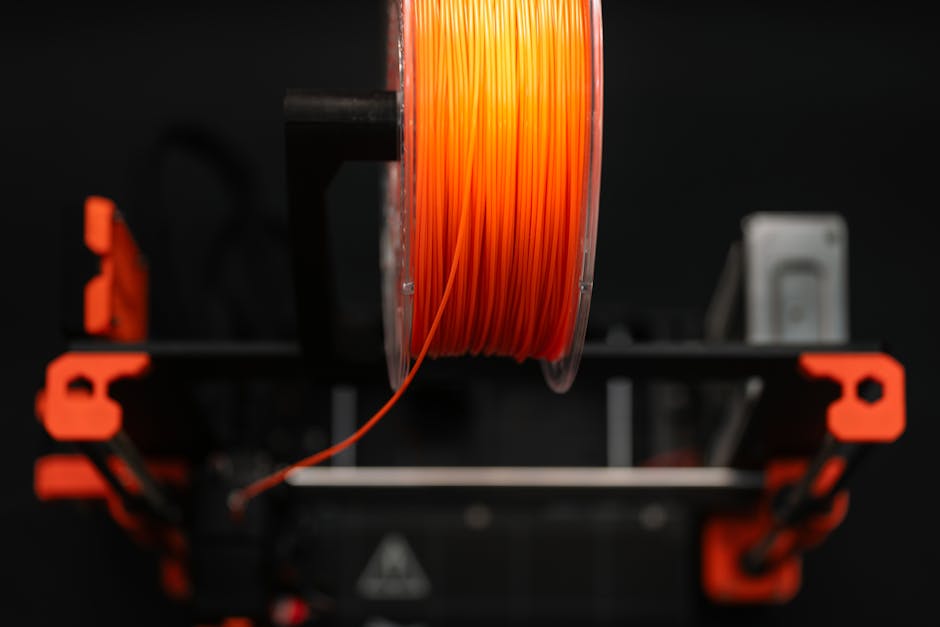
Understanding the Fundamentals of 3D Printing Prototyping
In the dynamic world of innovation, the ability to quickly bring ideas to life is paramount. At the heart of this rapid iteration lies 3D printing prototyping, a revolutionary approach that is reshaping how we design, test, and refine products. But what exactly is 3D printing, and how does it fit into the crucial process of product development?
Table of Contents
- Understanding the Fundamentals of 3D Printing Prototyping
- The 3D Printing Prototyping Workflow
- The 3D Printing Prototyping Workflow: From Pixels to Physicality
- Applications and Case Studies in Various Industries
- Revolutionizing Realization: 3D Printing Prototyping Across the Innovation Landscape
- Benefits and Challenges of 3D Printing Prototyping
- Unlocking Innovation: The Double-Edged Sword of 3D Printing Prototyping
- The Future of 3D Printing in Prototyping
- Case Study: AI-Driven Aerodynamic Optimization for Drone Prototypes
At its core, 3D printing, also known as additive manufacturing, is a process of creating a three-dimensional object layer by layer from a digital design. Unlike subtractive manufacturing methods that carve away material, 3D printing builds objects by adding material precisely where it’s needed. Several core technologies drive this process, each with its unique strengths:
- Fused Deposition Modeling (FDM): This is perhaps the most recognizable 3D printing technology, extruding thermoplastic filament layer by layer. It’s cost-effective and versatile, making it a popular choice for early-stage prototypes.
- Stereolithography (SLA): SLA utilizes a UV laser to cure liquid photopolymer resin layer by layer. It excels at producing highly detailed and smooth prototypes, ideal for visual models and intricate designs.
- Selective Laser Sintering (SLS): SLS employs a high-power laser to sinter (fuse) powdered material, typically polymers or metals, layer by layer. This method is known for its strength and ability to create complex geometries without support structures.
- Material Jetting: This technology deposits droplets of photopolymer material that are then cured by UV light. It offers high accuracy and the ability to print in multiple colors and materials simultaneously.
Prototyping, in the grand theater of product development, plays a starring role. It’s the critical phase where abstract concepts begin to take tangible form, allowing designers and engineers to validate functionality, ergonomics, aesthetics, and even manufacturing feasibility before committing to expensive mass production. Think of it as a dress rehearsal for your product – a chance to identify and fix flaws in a low-risk environment.
The advantages of embracing 3D printing for rapid prototyping over traditional methods are manifold and, frankly, game-changing:
- Speed: The most obvious benefit is the dramatic reduction in turnaround time. Instead of weeks or months for traditional tooling and manufacturing, complex prototypes can be printed in hours or days, accelerating the entire development cycle.
- Cost-Effectiveness: For low-volume production runs, 3D printing eliminates the need for expensive molds or tooling, significantly reducing upfront costs. This allows for more iterations and experimentation.
- Design Freedom: 3D printing unlocks unparalleled design complexity. Intricate internal structures, organic shapes, and customized geometries that were once impossible to manufacture are now readily achievable.
- Iteration and Refinement: The speed and affordability of 3D printed prototypes encourage a culture of continuous iteration. Designers can quickly test multiple variations, gather feedback, and refine their designs with agility.
- Material Versatility: A wide array of materials can be used, allowing for prototypes that closely mimic the properties of the final product.
To illustrate the diverse applications of 3D printing in prototyping, consider this comparison:
| 3D Printing Technology | Typical Prototype Applications | Key Material Properties Demonstrated |
|---|---|---|
| FDM | Functional test parts, form/fit checks, concept models | Durability, rigidity, impact resistance (depending on filament) |
| SLA | Highly detailed visual models, complex assemblies, investment casting patterns | Smooth surface finish, excellent dimensional accuracy, translucency |
| SLS | Robust functional prototypes, end-use part replacements, complex mechanical components | High strength, chemical resistance, fatigue resistance |
| Material Jetting | Multi-color prototypes, realistic visual models, medical simulations | Accurate color representation, varying material properties within a single part |
The common materials employed in 3D printing for prototypes are as varied as the applications themselves. From the ubiquitous ABS and PLA filaments in FDM, offering good mechanical properties and ease of printing, to the high-strength engineering resins used in SLA for precise detail, and the robust nylon powders in SLS for demanding functional prototypes, the choice of material is critical. Understanding the properties – such as tensile strength, flexibility, heat resistance, and chemical compatibility – of these materials allows innovators to create prototypes that truly represent the intended final product, paving the way for smarter, more efficient, and ultimately more successful product launches.
The 3D Printing Prototyping Workflow
The 3D Printing Prototyping Workflow: From Pixels to Physicality
Embarking on the journey of bringing an innovative idea to life through 3D printing prototyping is an exhilarating process. It’s a powerful dance between the digital and the tangible, allowing you to iterate, test, and refine your creations with unprecedented speed and flexibility. Let’s break down the essential steps that transform a nascent concept into a physical prototype.
The genesis of any 3D printed prototype lies in its digital blueprint. This begins with your initial concept. Whether it’s a sketch on a napkin or a detailed brainstorm, the first crucial step is translating that idea into a Computer-Aided Design (CAD) model. This isn’t just about drawing; it’s about designing with manufacturability in mind. Think about tolerances, wall thicknesses, interlocking parts, and how the object will be supported during the printing process. Designers leveraging CAD software like Fusion 360, SolidWorks, or even more accessible options like Tinkercad, must consider the limitations and strengths of 3D printing to avoid costly design flaws down the line.
Once your digital masterpiece is ready, the next critical decisionpoint is choosing the right 3D printing technology and material. This is where innovation meets pragmatism. Are you aiming for a visually stunning, high-fidelity representation with an SLA or DLP printer using photopolymer resins? Or do you need a robust, functional part for stress testing, where FDM printing with materials like ABS or PETG might be more suitable? Perhaps a metal prototype is in order, necessitating SLS or Binder Jetting. Each technology offers a unique balance of resolution, build volume, speed, and material properties. The material choice is equally vital, influencing strength, flexibility, temperature resistance, and even biocompatibility.
With your design finalized and your printing strategy mapped out, it’s time to prepare your model for the printer itself. This is the domain of slicing software, such as Cura, Simplify3D, or PrusaSlicer. This indispensable software "slices" your 3D CAD model into hundreds or thousands of thin, horizontal layers. It then generates the machine code (G-code) that instructs the 3D printer on how to trace each layer, dictating nozzle paths, extrusion rates, and print speeds. This is also where you’ll define crucial print settings like infill density, layer height, and support structures – the temporary scaffolding that prevents overhangs from collapsing during the build.
Now, the magic truly begins: the printing process. This is the captivating spectacle of your prototype being built layer by layer. Whether it’s a laser curing resin, an extruder depositing molten plastic, or a print head binding powder, the printer meticulously follows the G-code instructions. Watching your digital creation materialize, often in a matter of hours or days, is a deeply rewarding experience, offering immediate, tangible feedback on your design.
Finally, the raw print emerges from the machine, but the journey isn’t quite complete. Post-processing techniques are essential for refining the prototype and achieving its intended form and function. This can involve carefully removing support structures, a delicate operation to ensure the final part is pristine. Sanding can smooth out layer lines and create a polished surface finish. For visual prototypes, painting adds color and detail. In cases where the prototype consists of multiple parts, assembly brings everything together, allowing for functional testing and validation.
FAQ: How important is designing for manufacturability in the initial CAD stage?
Designing for manufacturability (DFM) is paramount. Overlooking DFM in the CAD phase can lead to failed prints, extended print times due to complex supports, and ultimately, a prototype that doesn’t accurately reflect the intended production process. It’s about anticipating how the part will be built to minimize iteration and maximize success.
FAQ: Can I use the same material for my prototype as the final production part?
Ideally, yes, if the cost and time permit. However, for rapid prototyping, it’s often more practical to use materials that are easier or faster to print, even if they don’t perfectly match the final production material. The goal of a prototype is to validate form, fit, and function, and sometimes a slightly different material can still achieve this effectively. However, for functional prototypes that undergo rigorous stress testing, using a material closer to the final product is highly recommended.
Applications and Case Studies in Various Industries
Revolutionizing Realization: 3D Printing Prototyping Across the Innovation Landscape
The transformative power of 3D printing prototyping isn’t confined to a single sector; it’s a pervasive engine of innovation, accelerating the journey from abstract concept to tangible reality across a diverse array of industries. This technology empowers creators to iterate rapidly, validate designs, and produce highly specialized components with unprecedented speed and flexibility.
In the Automotive realm, 3D printing is no longer just for concept cars. Manufacturers are leveraging it to produce fully functional prototypes of critical components, from engine parts to intricate interior trim. This allows for rigorous testing of performance and durability long before expensive tooling is commissioned. Imagine test-driving a vehicle with a dashboard designed and printed just days before. Beyond functional parts, it’s invaluable for quickly realizing aesthetic concept models, allowing designers to physically interact with and refine the form factor of future vehicles.
The Aerospace industry, with its relentless pursuit of efficiency and performance, has enthusiastically embraced additive manufacturing. The ability to print incredibly lightweight yet strong parts with complex internal geometries is a game-changer. Think of intricate turbine blades or satellite components that were once impossible to manufacture, now brought to life through 3D printing. Furthermore, it’s revolutionizing the creation of specialized tooling aids, jigs, and fixtures, significantly reducing lead times and costs for complex assembly processes.
For the Medical field, 3D printing is nothing short of revolutionary. Surgeons can now train on incredibly accurate, patient-specific anatomical models derived from CT scans, leading to better preparation and improved patient outcomes. Custom surgical guides, printed to perfectly match a patient’s anatomy, ensure precision during complex procedures. The pinnacle of this innovation is the creation of bespoke implants, from cranial plates to orthopedic joints, tailored to an individual’s unique needs, promising enhanced comfort and faster recovery.
The Consumer Goods sector benefits immensely from the agility 3D printing offers. Companies can rapidly produce prototypes for ergonomic testing, allowing designers to feel and evaluate the comfort and usability of everything from a new power tool grip to a futuristic smartphone casing. Form-factor validation is streamlined, enabling quick adjustments to product dimensions and aesthetics. This rapid iteration ensures that the final product not only looks good but also feels intuitively right in the hands of the user.
Finally, Industrial Design is fundamentally reshaped. 3D printing facilitates relentless iterative design exploration. Designers can print dozens of variations of a product in a matter of days, allowing for a deep dive into different aesthetic possibilities and functional configurations. This rapid prototyping also opens doors for invaluable user feedback models, enabling stakeholders to interact with and comment on designs early in the process, leading to more user-centric and successful products.
FAQ: How does 3D printing prototyping impact the cost of product development?
3D printing prototyping can significantly reduce development costs by minimizing the need for expensive traditional tooling for early-stage prototypes. It allows for rapid iteration, which helps identify design flaws early on, preventing costly rework later in the production cycle. The ability to print on-demand also reduces material waste and inventory costs for prototype parts.
FAQ: What are the limitations of using 3D printing for functional prototypes?
While 3D printing has advanced dramatically, some limitations persist for functional prototypes. Material properties, such as strength, temperature resistance, and chemical durability, may not always match those of traditionally manufactured parts. The resolution and surface finish can also be a factor depending on the application. For highly demanding mechanical applications, post-processing or hybrid manufacturing approaches might still be necessary.
Benefits and Challenges of 3D Printing Prototyping
Unlocking Innovation: The Double-Edged Sword of 3D Printing Prototyping
In the relentless pursuit of groundbreaking ideas, 3D printing prototyping has emerged as a transformative force, revolutionizing how we bring concepts to life. Its ability to rapidly materialize digital designs into tangible objects offers unparalleled advantages, yet like any powerful tool, it comes with its own set of hurdles. Understanding this duality is crucial for any innovator looking to harness its full potential.
The Undeniable Advantages: Accelerating Your Creative Journey
The allure of 3D printing prototyping lies in its inherent ability to dramatically compress the innovation lifecycle. Here’s why it’s become indispensable:
- Unprecedented Speed: Gone are the days of waiting weeks or months for traditional prototypes. 3D printing allows for near-instantaneous iteration. A design tweak can be realized as a physical model within hours, enabling swift feedback loops and rapid refinement. This speed is the engine of agile development, allowing creative teams to pivot and adapt with remarkable agility.
- Democratized Cost-Effectiveness: For early-stage concepts and small-batch production, 3D printing often shatters the prohibitive costs associated with traditional manufacturing. The elimination of expensive tooling and the ability to print only what’s needed significantly reduces upfront investment, making advanced prototyping accessible to startups and individual creators alike.
- Boundless Design Freedom: What can you imagine, you can likely print. 3D printing liberates designers from the constraints of subtractive manufacturing. Complex geometries, intricate internal structures, organic shapes – these are no longer theoretical exercises but achievable realities, fostering truly novel and optimized designs.
- Hyper-Personalization at Your Fingertips: Whether it’s a custom-fit medical device, an ergonomically designed consumer product, or a unique architectural model, 3D printing excels at producing one-off, highly customized items. This opens doors to niche markets and personalized solutions previously unimaginable.
- Minimizing Your Footprint: Compared to traditional methods that often generate significant material waste, additive manufacturing builds objects layer by layer. This precision minimizes material offcuts and scrap, contributing to a more sustainable prototyping process.
Navigating the Obstacles: Turning Challenges into Opportunities
While the benefits are compelling, it’s essential to acknowledge the challenges that accompany 3D printing prototyping. Addressing these proactively ensures your innovation journey is as smooth as possible:
- Material Limitations: While the material palette for 3D printing is constantly expanding, it still hasn’t caught up to the vast array of options available in traditional manufacturing. Certain high-performance polymers, metals, or specialized composites might still be out of reach or require specialized, often expensive, equipment.
- The Precision Puzzle: Accuracy and Tolerances: Achieving the exact dimensional accuracy and tight tolerances required for some applications can be a significant challenge. Factors like material shrinkage, printer calibration, and the layer-by-layer build process can introduce variances that need careful consideration.
- Surface Finish Realities: The characteristic layer lines of many 3D printing technologies can impact the aesthetic and functional surface finish. Post-processing techniques like sanding, polishing, or coating are often necessary to achieve a desired look and feel, adding time and cost.
- The Scalability Question: While excellent for prototypes and small runs, scaling up 3D printing for mass production can present its own set of economic and logistical challenges compared to established high-volume manufacturing methods.
To help visualize the trade-offs and considerations, consider this:
| Challenge | Potential Impact | Mitigation Strategies |
|---|---|---|
| Material Limitations | Inability to test with final production material; compromise on performance characteristics | Explore material research and development; leverage hybrid approaches with traditional materials; use 3D printing for form and fit checks with dissimilar materials. |
| Accuracy and Tolerances | Functional parts may not assemble or perform as intended; need for secondary machining | Optimize CAD models for printability; invest in high-precision printers; implement rigorous calibration and testing; consider tolerance analysis in design. |
| Surface Finish | Aesthetic concerns; potential for reduced performance (e.g., aerodynamics, fluid flow) | Utilize post-processing techniques (sanding, polishing, vapor smoothing, painting); explore multi-material printing for smoother interfaces; select print orientations that minimize visible layer lines. |
| Scalability | Prohibitive cost per unit for high volumes; slow production rates | Focus on applications where low-volume or customization is key; explore partnerships with service bureaus offering specialized industrial 3D printing; use 3D printing for tooling or jigs in larger production workflows. |
The Ripple Effect: Redefining Innovation Cycles
The impact of 3D printing prototyping on innovation cycles is profound. By drastically reducing the time and cost associated with bringing an idea from concept to a testable model, it fosters an environment of constant experimentation and learning. Teams can afford to fail faster, iterate more extensively, and ultimately arrive at more robust and market-ready solutions. This accelerated feedback loop not only shortens the time-to-market for new products but also empowers a more creative and iterative approach to problem-solving, driving a continuous wave of innovation. The ability to rapidly validate designs and gather user feedback early in the process minimizes the risk of costly late-stage design changes, ensuring that the products reaching the market are precisely what the customer needs and desires.
The Future of 3D Printing in Prototyping
The landscape of prototyping is being reshaped at an unprecedented pace, and 3D printing is at the vanguard of this revolution. As we peer into the horizon, the trajectory of 3D printing in prototyping points towards even greater sophistication, accessibility, and impact.
The relentless march of innovation in materials science and printing technologies is the bedrock of this future. We’re moving beyond basic plastics to embrace a dazzling array of advanced polymers, high-performance composites, metals with intricate internal structures, and even biomaterials. Imagine printing a prototype with the exact mechanical properties, thermal resistance, or electrical conductivity of its final production counterpart. This level of fidelity dramatically reduces the guesswork and accelerates validation cycles. Simultaneously, advancements in printing speed, resolution, and multi-material capabilities are making it possible to create increasingly complex and functional prototypes in a single build, blurring the lines between prototype and end-use part.
The integration of Artificial Intelligence (AI) and simulation is another seismic shift. AI algorithms are now capable of analyzing design parameters, identifying potential failure points, and even suggesting design modifications for optimal printability and performance before a single layer is deposited. This "generative design" process, fueled by AI, can explore a vast design space, uncovering solutions that human designers might never conceive. Coupled with sophisticated simulation software that can predict stress, flow, and thermal behavior, engineers can iterate on designs virtually, achieving near-perfect prototypes with a fraction of the physical iterations.
Case Study: AI-Driven Aerodynamic Optimization for Drone Prototypes
A leading aerospace startup utilized AI-powered generative design software integrated with their 3D printing workflow to optimize the aerodynamic efficiency of a new drone prototype. The AI analyzed thousands of potential wing and fuselage designs based on desired lift, drag, and stability parameters. The system then automatically generated multiple printable design options, each with unique lattice structures and surface contours. Engineers selected the most promising designs and rapidly prototyped them using advanced polymer printing. Rigorous wind tunnel testing confirmed that the AI-generated designs achieved a 15% reduction in drag compared to their initial human-designed concept, drastically improving flight endurance and speed. This accelerated the development timeline by months, allowing them to enter the market ahead of competitors.
The advent of distributed manufacturing and on-demand prototyping is democratizing innovation. Instead of relying on a central manufacturing facility, companies can now leverage networks of 3D printing service bureaus or even establish their own in-house printing capabilities closer to design teams and end-users. This significantly reduces lead times and shipping costs, enabling rapid iteration cycles and fostering a culture of continuous improvement. On-demand prototyping means that designs can be printed precisely when and where they are needed, minimizing waste and inventory. This agility is crucial for agile development methodologies and for responding swiftly to market demands.
Sustainability is no longer an afterthought but a core consideration for the future of 3D printing in prototyping. The ability to print only what is needed, using precise amounts of material, inherently reduces waste compared to traditional subtractive manufacturing. Furthermore, the development of bio-based and recyclable printing materials, along with more energy-efficient printing technologies, are paving the way for a greener prototyping ecosystem. Expect to see a greater emphasis on life cycle assessment for 3D printed parts and a drive towards closed-loop recycling systems for printing materials. The future of 3D printing in prototyping is not just about speed and complexity; it’s about creating smarter, more efficient, and ultimately, more sustainable innovations.
Featured image by Jakub Zerdzicki on Pexels