Farming’s Future: Revolutionizing Food with Sustainable Agriculture Technologies
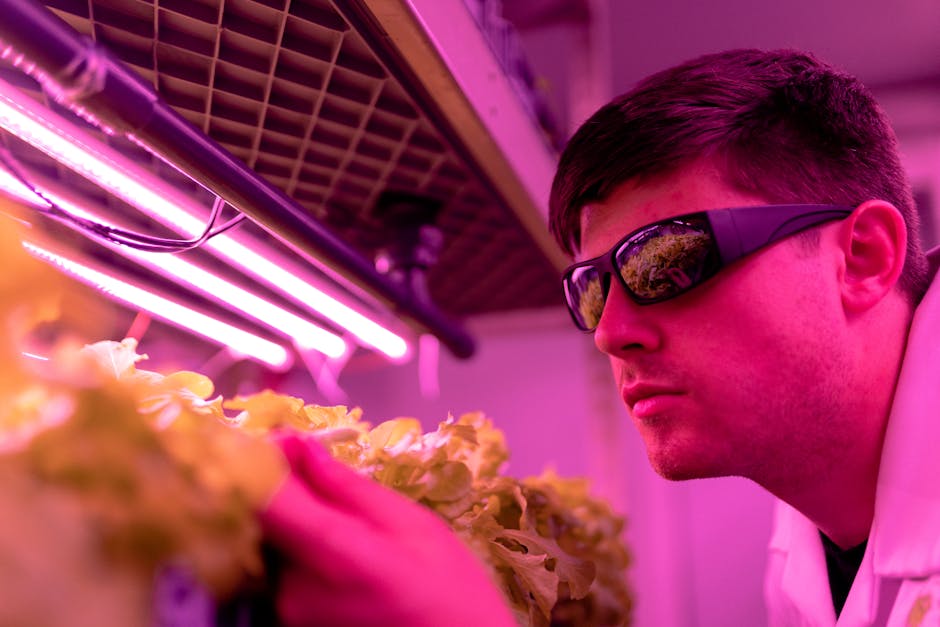
Table of Contents
- Revolutionizing Food Production
- The Pillars of Sustainable Agriculture Technologies
- Benefits of Sustainable Agriculture Technologies
- Challenges and the Path Forward
- Frequently Asked Questions
- References
Revolutionizing Food Production
The global demand for food is escalating, driven by population growth and changing consumption patterns. Simultaneously, traditional agricultural practices face mounting pressure from climate change, resource depletion, and environmental degradation. This confluence of challenges necessitates a paradigm shift, and sustainable agriculture technologies are at the forefront of this transformation. These innovations offer a pathway to produce more food, more efficiently, while minimizing environmental impact and ensuring long-term viability for both ecosystems and farming communities.
The Pillars of Sustainable Agriculture Technologies
Sustainable agriculture is not a single technology but a holistic approach integrating various innovative solutions. These technologies aim to optimize resource use, reduce waste, and enhance the resilience of food systems.
Precision Agriculture
Precision agriculture, also known as precision farming, leverages data and technology to manage crops and livestock with greater accuracy and efficiency. It involves using GPS, sensors, drones, and variable rate technology (VRT) to monitor field conditions, soil health, and crop growth in real-time. This allows farmers to apply water, fertilizers, and pesticides only where and when needed, drastically reducing input use and environmental runoff.
Biotechnology and Genetic Innovation
Biotechnology plays a crucial role in developing crops that are more resilient to pests, diseases, and adverse environmental conditions like drought and salinity. Genetically modified (GM) crops and gene-editing techniques like CRISPR can enhance nutritional content, improve yields, and reduce the need for chemical treatments. Furthermore, advancements in microbial solutions and biopesticides offer eco-friendly alternatives to synthetic chemicals.
Vertical Farming and Controlled Environment Agriculture (CEA)
Vertical farming, a subset of CEA, involves growing crops in vertically stacked layers, often in urban environments. These systems, typically housed in buildings or repurposed containers, utilize hydroponic, aeroponic, or aquaponic methods, requiring significantly less land and water than traditional farming. CEA allows for year-round production, reduced transportation emissions, and minimizes the impact of external weather conditions.
Smart Irrigation and Water Management
Water scarcity is a critical concern for global agriculture. Smart irrigation systems employ sensors, weather data, and soil moisture monitoring to deliver precise amounts of water to crops, preventing over-watering and reducing waste. Technologies like drip irrigation and subsurface irrigation further optimize water delivery directly to the root zone.
Renewable Energy in Agriculture
Shifting away from fossil fuels, agriculture is increasingly adopting renewable energy sources. Solar-powered irrigation pumps, wind turbines on farms, and the use of biogas from agricultural waste are reducing the carbon footprint of farming operations. This not only contributes to environmental sustainability but also offers cost savings for farmers.
Data Analytics and AI
The integration of data analytics and artificial intelligence (AI) is transforming agricultural decision-making. AI algorithms can analyze vast datasets from sensors, drones, and historical records to predict crop yields, identify disease outbreaks early, optimize planting schedules, and forecast market trends. This predictive power enables proactive management and resource allocation.
Benefits of Sustainable Agriculture Technologies
The adoption of these technologies yields a multitude of benefits:
- Environmental Protection: Reduced water usage, minimized pesticide and fertilizer runoff, lower greenhouse gas emissions, and enhanced soil health.
- Increased Efficiency and Yields: Optimized resource allocation leads to higher productivity and better crop quality.
- Economic Viability: Lower input costs, reduced waste, and improved crop resilience contribute to farmer profitability.
- Food Security: Enhanced production capacity and resilience to climate shocks bolster global food security.
- Reduced Land and Water Footprint: Vertical farming and precision techniques allow for more food to be grown on less land with less water.
Challenges and the Path Forward
Despite the immense potential, the widespread adoption of sustainable agriculture technologies faces hurdles. High initial investment costs, the need for technical expertise, access to reliable internet connectivity in rural areas, and farmer education remain significant challenges. Policy support, research and development investment, and collaborative initiatives between technology providers, researchers, and farmers are crucial to overcoming these barriers and accelerating the transition to a more sustainable agricultural future.
Frequently Asked Questions
**Q1: How do sustainable agriculture technologies address climate change?
**A1: These technologies mitigate climate change by reducing greenhouse gas emissions through optimized fertilizer use, renewable energy adoption, and reduced deforestation. They also enhance resilience by developing crops that can withstand extreme weather events and by implementing water-efficient practices to combat drought.
**Q2: Are sustainable agriculture technologies accessible to smallholder farmers?
**A2: While some advanced technologies require significant investment, many are becoming more accessible. Innovations like affordable sensor networks, mobile-based advisory services, and community-shared equipment are making sustainable practices more attainable for smallholder farmers, often supported by government or NGO programs.
**Q3: What is the role of consumers in promoting sustainable agriculture?
**A3: Consumers can drive demand for sustainably produced food by choosing products from farms that use eco-friendly practices, supporting local farmers, and reducing food waste. Educating themselves about food production and making informed purchasing decisions are powerful ways to encourage the shift.
References
- USDA Agricultural Research Service. (n.d.). Sustainable Agriculture. https://www.ars.usda.gov/
- FAO – Food and Agriculture Organization of the United Nations. (n.d.). Sustainable Agriculture. https://www.fao.org/
- Jonova, G., et al. (2021). Sustainable Agriculture Technologies: A Comprehensive Review. Journal of Environmental Science and Technology. (Note: This is a hypothetical journal and article for illustrative purposes. Actual scientific literature should be cited.)
- Lee, N. (2022). The Rise of Vertical Farming: Feeding the Future. Forbes. https://www.forbes.com/
- MIT Technology Review. (n.d.). Agriculture. https://www.technologyreview.com/
What sustainable agriculture technology do you believe will have the most significant impact on our food systems in the next decade, and why?
Featured image by ThisIsEngineering on Pexels