The 1962 ‘No-Rock’ Camp Table: A Stability Revolution
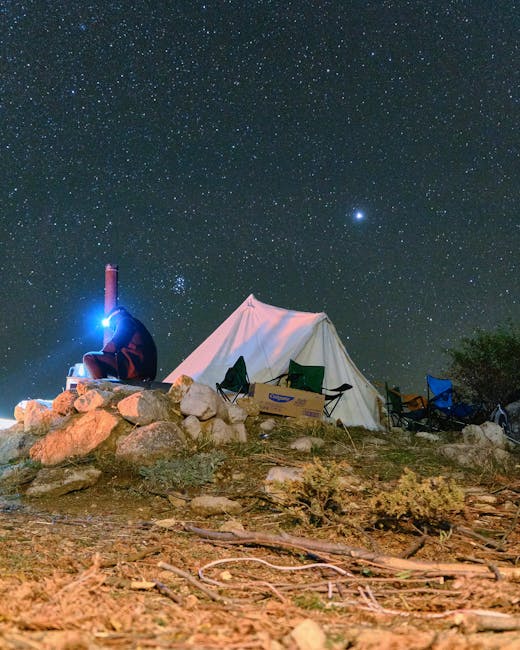
The Quest for the Unshakeable Camp Table: Skip Mosher’s 1962 Revelation
Imagine this: you’ve finally found the perfect campsite. Sunlight dapples through the trees, a gentle breeze rustles the leaves, and the promise of a relaxing weekend hangs in the air. But then, reality hits. Your table rocks. Your coffee sloshes. Your carefully prepared meal threatens to slide onto the dusty ground. Frustrating, right? Back in September 1962, a clever camper named Skip Mosher from Rialto, California, felt your pain. He envisioned a simple, yet brilliant, solution – a camping table that refused to wobble, no matter how treacherous the terrain.
The Age-Old Problem: Rocky Ground Woes
For decades, campers have wrestled with the universal annoyance of uneven campsites. Whether it’s a patch of loose gravel, a cluster of stubborn rocks, or a subtle slope, achieving a stable surface for your gear has always been a challenge. Before Mosher’s idea, solutions were often makeshift: jamming pebbles under legs, whittling wood scraps, or simply accepting a perpetually tilted experience. This wasn’t just inconvenient; it was a genuine hindrance to comfortable camping.
Enter the ‘No-Rock’ Concept: A Tripod for Your Table
Skip Mosher’s genius lay in borrowing a concept already familiar to photographers: the telescopic tripod leg. His proposed ‘no-rock’ table featured legs that could be individually adjusted, much like the extendable legs on a camera tripod. This meant each leg could be precisely calibrated to compensate for the ground beneath it.
The beauty of Mosher’s design was its **adaptability**. Instead of forcing the campsite to conform to the table, the table adapted to the campsite. This simple shift in perspective unlocked a new level of convenience and stability for outdoor living.
The Unsung Benefits of a Level Surface
Think about what a stable, level table truly enables:
- Effortless Meal Prep: Chop vegetables, mix ingredients, and serve meals without worry. No more runaway onions or precariously balanced plates.
- Game Night Stability: Perfect for card games, board games, or even just keeping drinks from tipping over during lively evening conversations.
- Secure Gear Storage: Keep your lanterns, stoves, and sensitive equipment stable and safe. Reduces the risk of accidental spills or damage.
- Enhanced Comfort: Simply put, a level surface makes everything feel more ‘home-like’ and less like a constant battle against nature.
Bringing Mosher’s Vision to Life: Modern Parallels
While Skip Mosher’s original concept might not have hit the mass market in 1962, his core idea is alive and well in today’s camping world. Many modern camping tables incorporate adjustable legs, and some even feature independent adjustment mechanisms that echo Mosher’s innovative approach. You’ll find tables designed for RVs, car camping, and even backpacking that prioritize stability on uneven ground.
For instance, tables with individually locking leg mechanisms allow for micro-adjustments, ensuring a perfectly level surface even on notoriously tricky terrain like a rocky mountainside or a sandy beach. This commitment to stability is a direct descendant of the foresight shown by pioneers like Skip Mosher.
Key Takeaways from a 1962 Innovation
- **Problem:** Uneven, rocky, or sloping ground makes standard camping tables unstable and inconvenient.
- **Mosher’s Solution:** A ‘no-rock’ table with telescopic, independently adjustable legs, inspired by camera tripods.
- **Core Benefit:** The table adapts to the terrain, ensuring a stable, level surface regardless of campsite conditions.
- **Impact:** Enhances meal prep, game playing, gear stability, and overall camping comfort.
- **Legacy:** The principle of adaptable, stable table design persists in modern camping gear.
The Enduring Appeal of Smart Design
Skip Mosher’s simple idea, born from a common camping frustration, highlights a fundamental truth: practical innovation often comes from observing everyday challenges and applying clever solutions. The ‘no-rock’ camping table is a testament to the power of thoughtful design. It reminds us that even the most basic aspects of our outdoor adventures can be improved with a little ingenuity, ensuring our focus remains on enjoying the experience, not wrestling with wobbly furniture. Next time you set up camp, spare a thought for the quest for stability – a quest championed by Skip Mosher all the way back in 1962.


