Ornamental Shutter Latches
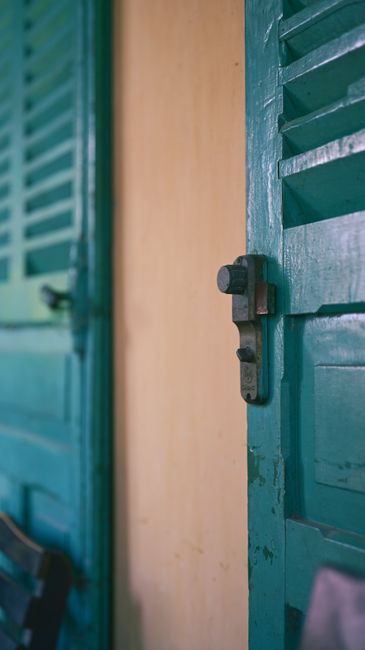
Ornamental Shutter Latches: Beyond the Rust and Rust Stains
Let’s talk about something often overlooked but critically important for the curb appeal and longevity of any home: ornamental shutter latches. For years, the go-to material was wrought iron, and while it has a certain rustic charm, it also comes with a hefty dose of maintenance and potential headaches. Imagine this: beautiful shutters, painstakingly painted, and then, after a few seasons, you notice unsightly rust streaks bleeding down your pristine siding. Annoying, right? Well, a brilliant innovation emerged to tackle this exact problem – ornamental shutter latches made from durable, black plastic.
The Case for Plastic: Solving Age-Old Problems
This isn’t about settling for less; it’s about smart, innovation-driven change that enhances value. Traditional metal latches, especially in damp or coastal environments, are magnets for corrosion. This rust doesn’t just look bad; it actively damages the surfaces it touches. Over time, these streaks can become permanent stains, requiring costly cleaning or even repainting. It’s a classic example of a recurring problem that homeowners and builders have grappled with for decades.
By J.E.Weber, Chevy Chase, Md.
Why Plastic Makes Perfect Sense
The beauty of using high-quality, UV-resistant plastic for ornamental shutter latches lies in its inherent properties:
- Rust-Proof: This is the headline benefit. Plastic simply doesn’t rust. Say goodbye to those unsightly stains and the need for constant rust removal.
- Weather Resistant: Unlike some metals that can warp or degrade under extreme temperature fluctuations or prolonged UV exposure, good plastic latches are designed to withstand the elements.
- Low Maintenance: No need for regular sanding, priming, and painting to prevent rust. A simple wipe-down is usually all that’s required to keep them looking fresh.
- Cost-Effective: Often, plastic alternatives are more budget-friendly than their wrought iron counterparts, both in terms of initial purchase price and long-term maintenance costs. This can be a significant factor when considering the overall business models: blueprint for value creation & success for renovation projects.
- Versatile Aesthetics: While black is a classic choice that mimics wrought iron, modern plastic latches come in various colors and finishes, allowing for seamless integration with different architectural styles.
Beyond Latches: Innovation in Architectural Hardware
This simple yet effective shift from metal to plastic for shutter latches is a microcosm of broader trends in product design and innovation. It highlights a commitment to solving practical problems with smart material choices. Think about how this principle applies elsewhere:
- Composite Decking: Replacing traditional wood with composite materials that resist rot, insects, and weathering.
- Vinyl or Composite Windows: Offering better insulation, durability, and lower maintenance than older wooden or aluminum frames.
- Fiberglass Doors: Providing strength, security, and resistance to warping or cracking.
This focus on user experience and long-term value is key. It’s about understanding the ‘jobs to be done’ by a product – not just its primary function, but also the underlying needs like durability, ease of maintenance, and aesthetic preservation. For anyone involved in product development, understanding jobs to be done: hire products for solutions is crucial for driving meaningful innovation.
When Problems Demand Better Solutions
Every industry faces challenges, and the key to progress lies in our ability to master problem solving: innovate & drive progress. The rust-prone shutter latch is a perfect example of a persistent issue that found a more elegant solution through material science and thoughtful design. It’s a reminder that sometimes, the most impactful innovations aren’t the most complex, but the most practical and user-centric.
This is where a strong culture of innovation comes into play. Companies that encourage structured idea generation: boost your business and actively seek feedback on existing products are often the ones to identify and implement these kinds of improvements. It’s about fostering an environment where even small-scale improvements are valued, contributing to the overall cultivating an innovative culture: drivers & leadership.
Considerations for Your Next Project
Whether you’re a homeowner looking to upgrade, a contractor selecting materials, or a designer developing new hardware, keep these points in mind:
- Assess Your Environment: Coastal areas or regions with high humidity and rainfall benefit most from rust-proof materials.
- Prioritize Durability: Look for products specifically designed for outdoor use with UV protection.
- Balance Aesthetics and Function: Modern plastic options offer a good blend, but always ensure they complement your home’s style.
- Think Long-Term Value: While initial cost is a factor, consider the total cost of ownership, including maintenance and potential damage from material failure.
This approach to product selection is similar to how one might approach agile service development: faster, better, customer-centric. It’s about understanding user needs, iterating on solutions, and prioritizing outcomes that deliver lasting value.
Action Plan: Implementing Smarter Hardware Choices
- Audit Existing Hardware: Identify any metal components (latches, hinges, etc.) showing signs of rust or wear.
- Research Material Alternatives: Explore plastic, composite, or coated metal options for replacements.
- Prioritize Rust-Prone Areas: Focus on exteriors, especially near water sources or in humid climates.
- Consult with Professionals: Get recommendations from builders or architects on durable, low-maintenance options.
- Factor in Aesthetics: Ensure new hardware complements your home’s existing style and color scheme.
- Educate Stakeholders: Share the benefits of durable, low-maintenance materials with clients or family members involved in the decision-making process. Understanding how to identify innovation stakeholders: your key to success is vital here.
The Future is Resilient
The shift towards practical, durable materials in architectural elements like shutter latches reflects a broader move towards resilience and sustainability in building and design. It’s about creating products and solutions that not only look good but also perform reliably over time, minimizing waste and maintenance. This mirrors the innovation seen in fields like 3D printing prototyping: speed, cost, & design freedom, where new methods enable more durable and customized solutions.
Ultimately, the humble ornamental shutter latch, when designed with modern materials, becomes more than just a decorative piece. It’s a testament to smart design, a commitment to problem-solving, and a step towards more enduring and less maintenance-intensive homes. It’s a small detail that makes a big difference, proving that even in the most traditional elements, there’s always room for improvement and innovation. Embracing this mindset can fuel breakthroughs, much like the advancements seen with the introduction of Gutenberg’s Bible: revolutionizing information through accessible distribution.
What other everyday home features do you think could benefit from a similar material or design upgrade to solve common problems?


