Unlocking the Grid: Breakthrough Renewable Energy Storage Innovations
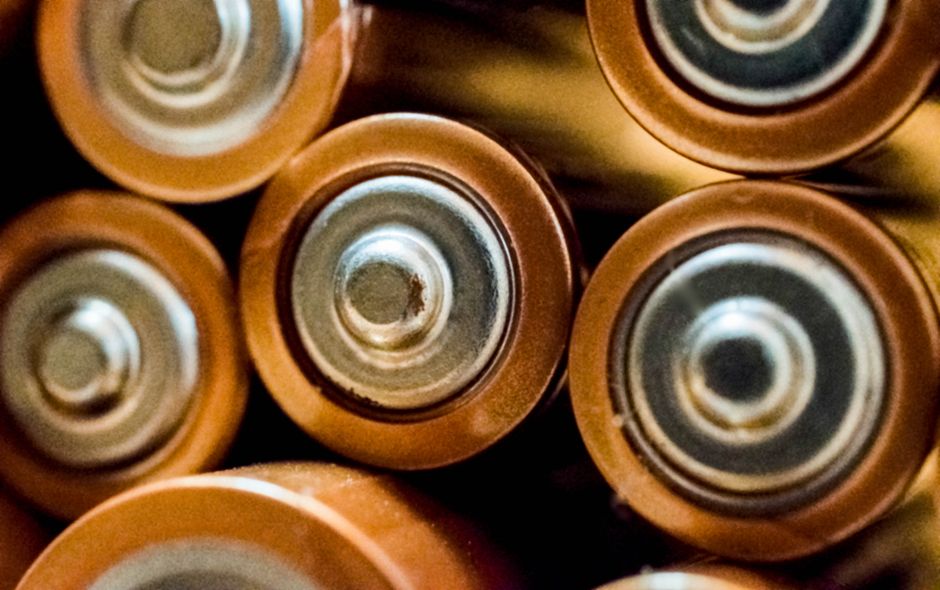
The Grid’s New Backbone: Innovations in Renewable Energy Storage
Are we truly ready to ditch fossil fuels if the sun doesn’t shine or the wind doesn’t blow? For decades, the intermittent nature of renewables has been the Achilles’ heel of decarbonization. But what if the power of innovation could capture that fleeting solar ray or gust of wind and deploy it on demand? The answer lies in the often-overlooked, yet critically important, world of energy storage.
Table of Contents
- The Grid’s New Backbone: Innovations in Renewable Energy Storage
- The Intermittency Conundrum: Why Storage is the Unsung Hero of Renewables
- Innovation in Battery Chemistry: Beyond Lithium-Ion
- Mechanical and Thermal Storage Innovations
- Emerging Technologies and Creative Applications
- The Role of Innovation in Overcoming Storage Challenges
- Conclusion
- Further Reading & Frameworks
- The Challenge: Renewable energy’s intermittency necessitates reliable storage solutions.
- Battery Advancements: Beyond lithium-ion, solid-state, flow, and sodium-ion batteries offer new possibilities.
- Mechanical & Thermal: Gravity, compressed air, and thermal storage provide grid-scale alternatives.
- Emerging Tech: Green hydrogen and smart grid software are transforming storage potential.
- Innovation Drivers: Cost reduction, sustainability, and supportive policies are key.
The Intermittency Conundrum: Why Storage is the Unsung Hero of Renewables
Think of your smartphone. It’s great when it’s charged, but useless when the battery dies, right? Renewable energy sources like solar and wind face a similar plight. They produce power when conditions are right, but not necessarily when demand peaks. This is where energy storage steps in, acting as the buffer, the reserve, the ‘on-demand’ button for clean energy. Without it, a grid heavily reliant on renewables would be as unstable as a single-engine plane in a hurricane.
Innovation in Battery Chemistry: Beyond Lithium-Ion
Lithium-ion batteries have powered our transition so far, but they’re not the end of the story. The relentless pursuit of better performance, lower costs, and enhanced safety is driving a Cambrian explosion in battery chemistry.
Solid-State Batteries: The Next Frontier?
Imagine a battery without flammable liquid electrolytes. That’s the promise of solid-state batteries. They could offer higher energy density, faster charging, and significantly improved safety. While still facing manufacturing hurdles, their potential to revolutionize everything from EVs to grid storage is immense. It’s like moving from a leaky garden hose to a perfectly sealed, high-pressure pipe.
Flow Batteries: Scaling Up for Grid Stability
For large-scale, grid-level storage, flow batteries are gaining serious traction. Unlike traditional batteries, their energy is stored in liquid electrolytes held in external tanks. This means you can scale energy capacity and power output independently, simply by increasing tank size. They are particularly well-suited for long-duration storage, keeping the lights on for hours or even days.
Beyond Traditional Chemistries: Sodium-Ion and Beyond
Lithium is abundant, but not infinitely so, and its extraction has environmental impacts. This is spurring innovation in alternatives. Sodium-ion batteries, for instance, use a much more common and cheaper element. While typically having lower energy density than lithium-ion, they are proving viable for stationary storage applications where extreme portability isn’t the primary driver. This is a prime example of adapting ideas, akin to how we might explore Built-In Storage solutions in different contexts.
Mechanical and Thermal Storage Innovations
It’s not all about electrochemistry. Ingenious mechanical and thermal solutions are also emerging:
Gravity-Based Storage: Lifting Energy, Literally
Yes, you read that right. Companies are exploring ways to store energy by lifting massive weights (think blocks of concrete or steel) when renewable energy is plentiful and lowering them to generate electricity when needed. It’s a modern, high-tech take on the potential energy stored in a pendulum. This leverages fundamental physics in novel ways.
Compressed Air Energy Storage (CAES): Nature’s Battery
CAES systems store energy by compressing air into underground caverns or tanks. When electricity is needed, the compressed air is released, heated, and expanded through a turbine. It’s a proven technology, but innovations are focusing on improving efficiency and reducing reliance on natural gas for heating.
Thermal Energy Storage (TES): Heat and Cold as Assets
TES stores energy in the form of heat or cold. This can be done using molten salts, water, or phase-change materials. For example, excess solar thermal energy can be stored as heat and used later for industrial processes or to generate electricity. This is particularly relevant for industries looking to decarbonize heat-intensive operations, similar to how we analyze Green Building Material Innovations for their holistic impact.
Emerging Technologies and Creative Applications
The innovation wave extends beyond raw storage hardware:
Green Hydrogen: The Multifaceted Energy Carrier
When renewable electricity is used to split water into hydrogen and oxygen (electrolysis), the resulting hydrogen is ‘green’. This green hydrogen can be stored for long periods, transported, and used as a clean fuel for transportation, industrial processes, or even to generate electricity. It’s a versatile energy carrier, enabling a form of energy storage that can bridge seasonal gaps. This concept aligns with broader Circular Economy Innovations by creating new value streams from renewable inputs.
Advanced Grid Management and Software
It’s not just about the physical storage; it’s about how intelligently we manage it. AI and sophisticated software are crucial for optimizing charging and discharging cycles, predicting grid needs, and integrating diverse storage assets seamlessly. This is about applying innovative thinking to operational challenges, much like exploring new ways to achieve More Storage In Cars.
Decentralized Storage and Microgrids
The future likely involves a distributed network of storage systems – from utility-scale batteries to rooftop solar with home battery backup. Microgrids, which can operate independently of the main grid, become more resilient and reliable with localized storage. This approach enhances energy security and flexibility.
💡 Pro-Tip: When evaluating new storage technologies, don’t just look at upfront cost. Consider the total cost of ownership, including lifespan, efficiency degradation, safety features, and end-of-life recyclability. A seemingly cheaper option upfront could be far more expensive over its operational lifetime.
The Role of Innovation in Overcoming Storage Challenges
Despite the exciting progress, significant hurdles remain. Cost, lifespan, safety, and environmental impact are all areas where innovation is paramount.
Cost Reduction Through Manufacturing Innovation
Scaling up production is key to driving down costs. Advanced manufacturing techniques, automation, and supply chain optimization are critical. It’s not just about inventing a better battery; it’s about figuring out how to make billions of them affordably, similar to the challenges faced in bringing new consumer products to market, like a specialized Portable Grill With A Storage Bin.
Sustainability and Circular Economy Approaches
The materials used in batteries (lithium, cobalt, nickel) raise environmental and ethical concerns. Innovative recycling processes and the development of batteries using more sustainable materials are essential for a truly clean energy future. This ties directly into the principles of the Circular Economy Innovations in Materials.
Important Warning: Safety is non-negotiable. As storage systems become larger and more powerful, robust safety protocols, thermal management, and fail-safe mechanisms are critical to prevent accidents and ensure public trust.
Policy and Market Design Driving Innovation
Innovative technologies need supportive market structures and policies to thrive. Incentives for deploying storage, clear regulations, and market mechanisms that value the grid services storage provides are crucial. Government R&D funding and forward-thinking utility procurement strategies can accelerate development.
Conclusion
The journey to a 100% renewable energy future is inextricably linked to our ability to store that energy reliably and affordably. The innovations we’re seeing – from advanced battery chemistries to clever mechanical solutions and the burgeoning hydrogen economy – are not just incremental improvements; they are transformative leaps. The companies, researchers, and policymakers who embrace creative problem-solving and foster a culture of continuous innovation will be the ones to truly unlock the grid’s potential and power a sustainable world.
Further Reading & Frameworks
- Books:
- The Innovation Stack: Building an Unbeatable Business One Crazy Idea at a Time by Jim McKelvey
- Energy Storage: A Comparative Technical Analysis of Technologies by Valery L. Barsukov & Frank J. P. de Beer
- Frameworks/Theories:
- SCAMPER Method: A fantastic tool for ideation and improving existing concepts. Consider how Substitute, Combine, Adapt, Modify, Put to another use, Eliminate, and Reverse could be applied to energy storage designs. See our guide on SCAMPER: Adapt Your Ideas to Spark Breakthrough Innovations.
- Disruptive Innovation Theory: Clayton Christensen’s theory explains how new technologies can displace established ones. Energy storage is a prime candidate for disruptive innovation in the energy sector.
- Blue Ocean Strategy: Focuses on creating uncontested market space rather than competing in existing markets. This applies to identifying novel applications and market needs for energy storage solutions.