Wild Encounters: Your Guide to Observing Wildlife Responsibly
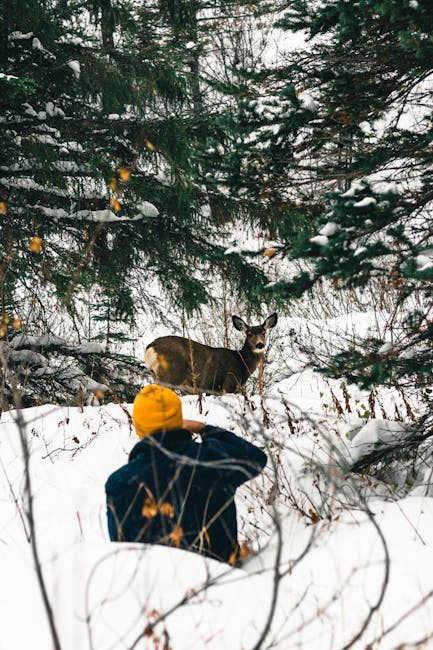
Observing wildlife in its natural habitat is a profound experience, offering a glimpse into the intricate lives of creatures we share our planet with. However, this privilege comes with a significant responsibility: to witness without intruding. Disturbing animals can disrupt their feeding, breeding, and nesting behaviors, potentially causing them stress, injury, or even death. This guide will equip you with the knowledge and techniques to become a respectful and observant naturalist.
Table of Contents
- The Importance of Responsible Observation
- Preparation is Key
- Observation Techniques
- Ethical Photography and Videography
- What to Do If You Disturb Wildlife
- Common Misconceptions and How to Address Them
- References
The Importance of Responsible Observation
Wildlife are not performers in a zoo; they are sentient beings with complex needs and behaviors. Our presence, even with good intentions, can alter these fundamental aspects of their lives. For instance, approaching nesting birds too closely can cause them to abandon their eggs, and startling grazing mammals might lead them to expend crucial energy fleeing unnecessarily. Responsible observation ensures the well-being of wildlife populations and preserves natural ecosystems for future generations. It’s about appreciating nature on its own terms.
Preparation is Key
Thorough preparation is the cornerstone of ethical wildlife observation. Going into the field without understanding your subject or environment can lead to unintentional disturbances.
Research Your Subject
Before you head out, learn about the species you hope to see. Understand their typical habitats, daily routines, mating seasons, and what might be considered stress signals. For example, knowing that deer are most active at dawn and dusk can help you plan your visit to minimize disturbance during their rest periods.
Choose the Right Time and Place
Select locations known for wildlife activity but also practice responsible access. Opt for trails that minimize habitat fragmentation and avoid venturing off-path. Consider the time of day; early mornings and late afternoons are often best for spotting wildlife when they are most active and human activity is typically lower.
Pack Wisely
Your gear can enhance your observation experience without hindering wildlife. Essential items include binoculars or a spotting scope, a camera with a telephoto lens, a field guide, water, snacks, and appropriate clothing. Avoid bright colors that can attract attention.
Observation Techniques
Once in the field, your behavior is paramount. These techniques will help you blend in and observe effectively.
Maintain Distance
This is the golden rule of wildlife observation. Always keep a safe and respectful distance from animals. What constitutes a safe distance varies by species, but if an animal shows any sign of awareness or distress (e.g., stops feeding, looks at you intently, vocalizes, moves away), you are too close. Binoculars and telephoto lenses allow you to get a closer view without getting physically near.
Use the Right Equipment
High-quality optics like binoculars and spotting scopes are invaluable. They allow you to see fine details from a distance, making the experience richer without disturbing the animals. A camera with a good zoom lens serves a similar purpose for photography.
Move Slowly and Quietly
Sudden movements and loud noises are the quickest ways to alert and scare wildlife. Walk at a relaxed pace, minimize talking, and be mindful of rustling leaves or snapping twigs. If you must speak, use a low, soft voice.
Camouflage and Concealment
Wearing neutral, earth-toned clothing can help you blend into your surroundings, making you less conspicuous. Using natural cover, like trees or bushes, can also enhance your ability to observe without being seen. This doesn’t mean you need full military camouflage; simple, muted colors are highly effective.
Listen Actively
Wildlife often announce their presence through sounds – birdsong, rustling in the undergrowth, or calls. By listening carefully, you can often locate animals before you see them, allowing you to approach discreetly or simply appreciate their presence from afar.
Ethical Photography and Videography
Capturing images of wildlife is a popular activity, but it requires extra vigilance to ensure ethical practices.
Respecting Boundaries
Never chase, corner, or bait animals for a photo. If an animal moves away from you, let it go. Your desire for a perfect shot should never compromise an animal’s safety or well-being. Patience is key; often, the animal will resume its natural behavior if you remain still and at a distance.
Avoiding Lures
Do not use food, calls, or artificial scents to attract wildlife for photography. This can lead to unnatural behaviors, dependency on humans, and can be detrimental to their health and natural foraging instincts. Feeding wildlife is also illegal in many parks and protected areas.
What to Do If You Disturb Wildlife
Mistakes happen. If you realize you’ve startled or disturbed an animal, the best course of action is to immediately and calmly retreat. Move away slowly and quietly, and give the animal space. Observe from a greater distance to ensure it has settled down. Learn from the experience to avoid repeating the disturbance.
Common Misconceptions and How to Address Them
Many people believe that as long as an animal doesn’t immediately flee, they aren’t being disturbed. However, this is often not the case.
Misconception 1: "It didn’t run away, so I’m fine."
Reality: Many animals, especially those habituated to human presence or with young to protect, may freeze or exhibit subtle stress signals rather than fleeing. Chronic stress from perceived threats can have long-term negative impacts on their health and reproductive success. Always err on the side of caution and maintain a greater distance than you think necessary.
Misconception 2: "I’m just observing from my car."
Reality: While cars offer a degree of concealment, they can still disturb wildlife. Stop only in designated pull-offs, never block roads, and avoid prolonged idling or loud noises. Animals may perceive your vehicle as a threat, especially if you approach them too closely by driving off-road.
Misconception 3: "It’s okay to feed wildlife if it’s cute and seems friendly."
Reality: Feeding wildlife, even with seemingly harmless foods, disrupts their natural diet, can spread diseases, and makes them dependent on humans. This dependence can lead to conflicts when animals seek food in human-populated areas, often resulting in their euthanasia. Never feed wild animals.
Here’s a comparison of responsible vs. irresponsible observation:
| Feature | Responsible Observation | Irresponsible Observation |
|---|---|---|
| Distance | Maintains significant, safe distance; uses optics. | Approaches closely, often too close for animal comfort. |
| Noise Level | Moves quietly, speaks softly or not at all. | Makes loud noises, shouts, talks loudly. |
| Movement | Slow, deliberate, avoids sudden actions. | Fast, erratic, or startling movements. |
| Habitat Impact | Stays on trails, avoids sensitive areas. | Goes off-trail, tramples vegetation, disturbs nests/dens. |
| Animal Behavior | Observes natural behaviors; retreats if animal is stressed. | Attempts to provoke reactions or lure animals. |
| Photography | Uses long lenses; respects animal’s space. | Chases, corners, or baits animals for photos. |
| Feeding | Never feeds wildlife. | Feeds wildlife, disrupting natural diets and behavior. |
References
- National Park Service: Wildlife Viewing Tips
- U.S. Fish & Wildlife Service: Wildlife Viewing Ethics
- The Wildlife Society: Best Practices for Wildlife Observation
- Cornell Lab of Ornithology: How to Watch Birds Ethically
- Journal of Wildlife Management
Featured image by Ali Kazal on Pexels