Sustainable Design Thinking
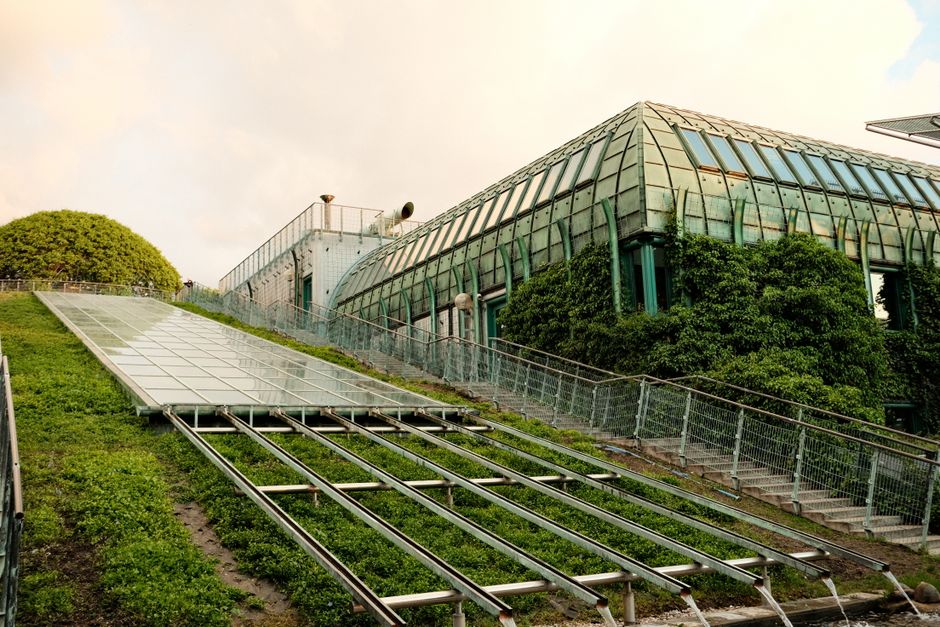
Table of Contents
- Understanding Sustainable Design Thinking: Core Principles
- The Design Thinking Process Through a Sustainability Lens
- Key Tools and Methodologies for Sustainable Design
- Case Studies: Sustainable Design Thinking in Action
- Overcoming Challenges in Implementing Sustainable Design
- The Future of Sustainable Design Thinking
Understanding Sustainable Design Thinking: Core Principles
Sustainable design thinking is more than just an ethical buzzword; it’s a fundamental shift in how we approach creation in a world grappling with unprecedented environmental and social challenges. At its heart, it’s a problem-solving methodology that prioritizes long-term well-being alongside immediate functionality and desirability. It asks us to move beyond simply making things "look good" or "work well" to considering the entire lifecycle and impact of our designs. The urgency for this paradigm shift is palpable, as the consequences of unchecked consumption and production are becoming increasingly evident. Understanding the core principles of sustainable design thinking is the first step for any innovator aiming to create meaningful and enduring solutions.
A cornerstone of this approach is the concept of the triple bottom line: People, Planet, and Profit (often also referred to as Social, Environmental, and Economic). Traditional design often focused primarily on profit, with social and environmental considerations taking a backseat, if they were considered at all. Sustainable design thinking demands a harmonious balance. The "People" aspect emphasizes social equity, fair labor practices, accessibility, and the well-being of all stakeholders involved, from creators to end-users. The "Planet" component focuses on minimizing environmental footprint, conserving resources, reducing pollution, and fostering biodiversity. Finally, the "Profit" element, far from being abandoned, is reframed. It’s about creating enduring economic value through efficient resource use, innovation, and building resilient business models that can thrive without depleting the planet or exploiting people. This holistic perspective is crucial for fostering truly innovative and responsible outcomes.
This holistic view naturally leads us to embrace circular economy principles, a stark departure from the prevailing linear "take-make-dispose" model. The linear model is inherently unsustainable, leading to massive waste and resource depletion. In contrast, circular economy design thinking aims to keep resources in use for as long as possible, extracting maximum value from them whilst in use, then recovering and regenerating products and materials at the end of each service life. This involves designing for durability, repairability, remanufacturing, and ultimately, recycling, creating closed-loop systems where waste is minimized and resources are continually cycled. This shift is not just about environmental responsibility; it’s a significant opportunity for Sustainable Product Design Innovations, driving new business models and value creation. We can see this principle in action across various industries, from product design to Service Design Thinking: The Innovation Powerhouse You’re Missing.
Beyond the tangible aspects of materials and lifecycle, sustainable design thinking inherently involves deep ethical considerations and a profound understanding of the long-term impact of design decisions. This requires a robust application of Design Thinking Principles for Innovation, particularly those related to empathy and systems thinking. Designers must ask not only "Can we make this?" but also "Should we make this?" and "What are the potential unintended consequences?" This necessitates a broader perspective, often incorporating Systems Thinking: Principles & Problem Solving to understand how a design interacts with complex social and environmental systems. The commitment to sustainability means actively considering the equity of access, the potential for obsolescence, and the environmental burden throughout the entire value chain. This proactive approach to ethics and impact is what truly differentiates sustainable design thinking and paves the way for genuinely forward-thinking solutions and Sustainable Product Development Strategies.
FAQ: How does sustainable design thinking differ from traditional design thinking?
Traditional design thinking, while valuable, often prioritizes user needs and functional innovation without explicitly integrating environmental and social impact into its core. Sustainable design thinking expands this by making the triple bottom line (People, Planet, Profit) a fundamental consideration from the outset. It’s about ensuring that the solutions developed are not only desirable and feasible but also viable and regenerative in the long term. This means a deeper dive into lifecycle analysis, resource efficiency, and social equity, moving beyond immediate problem-solving to consider the broader consequences. This expansion is key to unlocking new avenues in areas like Service Design Innovation.
FAQ: What are some key challenges in implementing circular economy principles in design?
Implementing circular economy principles can present several challenges. These include the need for significant upfront investment in redesigning products and processes, developing new supply chain models, and educating consumers about repairability and end-of-life options. Furthermore, existing infrastructure often supports linear models, requiring a systemic shift. However, overcoming these hurdles opens doors to significant opportunities, including reduced material costs, enhanced brand reputation, and the development of entirely new service-based revenue streams, aligning perfectly with Circular Economy Design Thinking.
The Design Thinking Process Through a Sustainability Lens
At its heart, Design Thinking is a human-centered approach to innovation, a powerful framework for tackling complex problems and developing creative solutions. When we overlay a sustainability lens onto this process, it transforms from simply designing for users to designing for a thriving planet and equitable society. This isn’t about adding an afterthought; it’s about fundamentally reorienting our understanding of needs and impact. Embracing Design Thinking Principles for Innovation with a sustainability imperative unlocks a new era of inventive and responsible creation.
Empathize: Understanding User Needs and Environmental Impacts
The foundational step of Empathize becomes richer and more profound when viewed through a sustainability lens. It’s no longer just about understanding what users want, but also about understanding their relationship with the environment and the wider social ecosystem. This means going beyond direct user interviews to explore their consumption habits, their awareness of waste, their desire for ethical products, and their experiences with environmental degradation. We must also empathize with the planet itself, understanding the ecological footprint of materials, manufacturing processes, and end-of-life scenarios. This deep dive into user and planetary needs is crucial for any endeavor, whether it’s Sustainable Product Design Innovations or developing more responsible service models. As Empathy in Design Thinking for Creative Solutions highlights, truly understanding the human element is paramount, and this understanding must now extend to their environmental context.
Define: Framing the Problem with Sustainability at Its Core
The Define stage is where we synthesize our empathic insights into a clear, actionable problem statement. With a sustainability focus, this statement must explicitly incorporate environmental and social considerations. Instead of "How can we make a more convenient coffee maker?", a sustainably-minded definition might be: "How can we design a coffee maker that minimizes energy consumption and waste throughout its lifecycle, while enhancing the user’s morning ritual and supporting ethical sourcing of coffee beans?" This framing shifts the focus from mere functionality to holistic impact. It requires us to think in terms of Systems Thinking: Principles & Problem Solving, recognizing that solutions are interconnected with broader environmental and social systems.
- Is the defined problem statement specific to environmental impact?
- Does the problem statement consider the social equity implications of the solution?
- Does the problem statement align with circular economy principles?
Ideate: Brainstorming Solutions that Minimize Ecological Footprint and Maximize Social Benefit
This is where the magic of Balancing Divergent and Convergent Thinking in Design truly shines, amplified by a sustainability imperative. The goal is to generate a wide range of ideas that not only meet user needs but actively contribute to a healthier planet and more just society. This involves exploring concepts like biomimicry, closed-loop systems, repairability, durability, and ethical labor practices. It’s about asking "What if we used biodegradable materials?" or "How can this product be designed for disassembly and recycling?" This phase might involve techniques like Visual Thinking Techniques to explore novel material applications or service delivery models that inherently reduce environmental load. We are looking for Sustainable Product Design Innovation that goes beyond incremental improvements.
Prototype: Developing Tangible Models with Sustainable Materials and Processes
Prototyping with a sustainability lens means making conscious choices about the materials and processes used to create tangible representations of our ideas. This could involve using recycled or upcycled materials, exploring 3D printing with biodegradable filaments, or even developing low-fidelity service prototypes that simulate resource-efficient operations. The emphasis is on learning quickly and cheaply, but also responsibly. For instance, if prototyping a new service, the prototype itself might model resource conservation, such as using digital touchpoints over paper, aligning with principles found in Service Design Thinking: The Innovation Powerhouse You’re Missing. This is where the practical application of Sustainable Materials Innovation becomes tangible.
Test: Evaluating Prototypes for Both User Desirability and Environmental Viability
The final stage of testing is critical for validating our sustainable design thinking. We need to assess not only if users find the solution desirable and effective but also its actual environmental performance. This might involve life cycle assessments (even at a conceptual level for early prototypes), user feedback on the product’s longevity, or evaluating the efficiency of a service delivery model. Are users willing to engage with a product designed for repair? Does the service genuinely reduce waste? This iterative testing loop, reminiscent of The Wright Brothers’ Secret: Iterative Design & Engineering Innovation That Took Flight, allows us to refine our solutions, ensuring they are both innovative and genuinely beneficial for people and the planet. It’s about ensuring our innovations contribute to a Circular Economy Design Thinking future.
Key Tools and Methodologies for Sustainable Design
In the realm of innovation and creativity, truly groundbreaking solutions are those that consider their long-term impact. Sustainable Design Thinking equips us with a powerful toolkit and a set of guiding principles to achieve this. Far from being a constraint, embracing sustainability often sparks novel ideas and leads to more resilient, future-proof designs.
At the core of this approach is Life Cycle Assessment (LCA). Think of it as a comprehensive environmental audit for your product or service, tracking its impacts from the very cradle – raw material extraction and processing – all the way through manufacturing, distribution, use, and ultimately, to its end-of-life disposal or recovery. This holistic view allows us to pinpoint "hot spots" where environmental improvements can be most impactful. Building upon this, materiality analysis becomes crucial. This involves meticulously choosing materials that are not only functional and aesthetically pleasing but also sustainable. We prioritize renewable resources, recycled content, and materials that are easily recyclable or biodegradable. Exploring innovations in Sustainable Materials Innovation is paramount here.
The ambitious yet essential concept of Cradle-to-Cradle design principles offers a radical reimagining of product lifecycles. Instead of the linear "take-make-dispose" model, Cradle-to-Cradle aims to eliminate waste entirely by designing products with the intention of their components being endlessly cycled. This involves creating two distinct material metabolisms: biological nutrients that can safely return to the earth, and technical nutrients that can be recovered and reused in closed-loop manufacturing processes. This fundamentally shifts our perspective from waste reduction to waste elimination, aligning perfectly with circular economy frameworks. These frameworks encourage designing for repair, reuse, remanufacturing, and recycling, ensuring that valuable resources remain in circulation for as long as possible. This is a key area where exploring Circular Economy Design Thinking can unlock significant opportunities.
Nature itself is the ultimate innovator when it comes to sustainability, and Biomimicry provides a direct channel to learn from its time-tested strategies. By studying how natural systems solve complex problems – from energy efficiency to material resilience – we can derive inspiration for our own designs. Think of the self-cleaning properties of the lotus leaf inspiring stain-resistant fabrics, or the structural efficiency of a honeycomb influencing lightweight yet strong building materials. This often leads to breakthroughs in Sustainable Product Design Innovations.
These methodologies are not isolated tools but rather interconnected elements of a broader design philosophy. They inform and enhance each other, leading to more robust and innovative outcomes. For instance, a deep understanding of LCA can highlight the need for specific material choices, which in turn might lead you to explore Cradle-to-Cradle principles for those materials. Similarly, biomimicry can reveal elegant solutions for resource efficiency that can be further refined through circular economy frameworks.
The application of these principles extends beyond physical products into the realm of services. Service Design Thinking Fundamentals emphasizes understanding user journeys and touchpoints. When applied through a sustainability lens, this means designing services that minimize resource consumption, reduce waste, and promote responsible behavior. Innovative approaches in Service Design Innovation Frameworks can help us rethink how we deliver value in more eco-conscious ways. Ultimately, integrating these tools and principles into our design process is not just about compliance; it’s about fostering a culture of responsible innovation that benefits both people and the planet. This is a core element of Design Thinking Principles for Innovation.
Case Studies: Sustainable Design Thinking in Action
The principles of Sustainable Design Thinking are not just theoretical ideals; they are being actively implemented across diverse industries, yielding tangible benefits for both businesses and the planet. By embedding sustainability into the core of the design process, innovators are unlocking new opportunities and creating more resilient, desirable solutions. Let’s explore some compelling examples.
Product Design: Greener Goods, Brighter Futures
The realm of product design offers a rich tapestry of sustainable innovation. Consider the evolution of packaging. Companies are moving beyond single-use plastics, embracing biodegradable materials, edible packaging, and refillable systems. A prime example is Loop, a global reuse platform that partners with major brands to deliver products in durable, returnable containers, significantly reducing waste. This shift represents a fundamental rethinking of product lifecycle, aligning perfectly with Circular Economy Design Thinking. Similarly, the electronics industry is grappling with its environmental footprint. Initiatives focusing on modular design, repairability, and the use of recycled or ethically sourced materials are gaining traction. Fairphone, for example, is a company dedicated to creating smartphones with longevity and repairability at their core, empowering consumers to extend the life of their devices and minimizing electronic waste. These are classic examples of Sustainable Product Design Innovations where Design Thinking Principles for Innovation are directly applied to create user-centric yet environmentally conscious products.
Service Design: Orchestrating Efficiency and Engagement
Sustainable Design Thinking extends far beyond physical products, profoundly impacting how services are conceived and delivered. In logistics, for instance, innovative solutions are emerging to minimize environmental impact. Companies are leveraging data analytics and Systems Thinking: Principles & Problem Solving to optimize delivery routes, reduce fuel consumption, and consolidate shipments. This not only lowers carbon emissions but also enhances operational efficiency. Platforms that facilitate the sharing economy, such as car-sharing services or tool libraries, are also powerful examples of how service design can promote sustainable consumption. By creating accessible and convenient alternatives to individual ownership, these services encourage resourcefulness and reduce the demand for new production. The application of Service Design Thinking: The Innovation Powerhouse You’re Missing is crucial here, ensuring that the user experience remains seamless and desirable while driving sustainable behaviors. Understanding Service Design Fundamentals is key to designing these impactful systems.
Urban Planning and Architecture: Building a Sustainable Tomorrow
The built environment presents a monumental opportunity for sustainable transformation. Green buildings, characterized by energy efficiency, water conservation, and the use of sustainable materials, are becoming the norm rather than the exception. Projects like The Edge in Amsterdam, often cited as one of the world’s smartest and greenest office buildings, showcase how integrated design, renewable energy sources, and intelligent building management systems can drastically reduce environmental impact. Sustainable transportation solutions are also central to this shift. Cities are investing in robust public transit networks, expanding cycling infrastructure, and promoting electric vehicle adoption. The concept of "15-minute cities," where essential amenities are accessible within a short walk or bike ride, is gaining momentum, reducing reliance on private vehicles and fostering more connected, sustainable communities. This holistic approach often draws upon Systems Thinking for Idea Generation to address complex urban challenges.
Analysis of Successful Strategies and Lessons Learned
Several overarching themes emerge from these successful case studies:
| Key Strategy | Description | Lesson Learned |
|---|---|---|
| **Holistic Systems Thinking** | Viewing products, services, and environments as interconnected systems, considering their entire lifecycle and impact. | Sustainability is not an add-on; it must be integrated from the initial ideation phase. For example, early adoption of Design Thinking Fundamentals for Innovation that includes environmental impact assessments can prevent costly redesigns later. |
| **User-Centricity with a Conscience** | Deeply understanding user needs and behaviors, then innovating solutions that are both desirable for the user and beneficial for the environment. | True sustainability resonates with users when it doesn’t compromise convenience or quality. This requires a strong emphasis on Empathy in Design Thinking for Creative Solutions. |
| **Embracing Circularity** | Moving away from linear “take-make-dispose” models towards closed-loop systems that prioritize reuse, repair, and recycling. | Designing for longevity and end-of-life recovery is paramount. This often involves exploring novel Sustainable Materials Innovation. |
| **Iterative Prototyping and Testing** | Continuously refining designs based on feedback and real-world performance, much like the The Wright Brothers’ Secret: Iterative Design & Engineering Innovation That Took Flight. | Sustainable solutions often require experimentation. A willingness to test, learn, and adapt through rapid prototyping is crucial for discovering optimal sustainable approaches. This is a cornerstone of Design Thinking Fundamentals. |
| **Cross-Disciplinary Collaboration** | Bringing together diverse expertise from designers, engineers, environmental scientists, and social scientists. | Complex sustainability challenges demand a multidisciplinary approach. Techniques like Visual Thinking Techniques can facilitate communication and shared understanding across these varied teams. |
These examples demonstrate that sustainable design thinking is not a niche pursuit but a powerful engine for innovation. By focusing on long-term impact, user value, and systemic change, businesses and organizations can create solutions that are not only environmentally responsible but also economically viable and socially beneficial. This approach offers a clear path towards a more creative and sustainable future.
Overcoming Challenges in Implementing Sustainable Design
Embracing sustainable design thinking is no longer an optional add-on; it’s a strategic imperative for forward-thinking organizations. However, transitioning from aspiration to tangible, sustainable solutions often encounters a formidable set of hurdles. As seasoned practitioners, we’ve witnessed firsthand the common roadblocks and, more importantly, the innovative pathways to surmount them.
One of the most pervasive challenges is the perception of cost. Many businesses, and indeed consumers, associate sustainability with a premium price tag. This initial investment barrier, while sometimes real, often overlooks the long-term savings and enhanced brand value that sustainable practices can unlock. Focusing on a Circular Economy Design Thinking approach, for instance, can lead to reduced material waste, lower energy consumption, and extended product lifecycles, all of which contribute to a healthier bottom line. It’s crucial to shift the narrative from "cost" to "value," highlighting the total cost of ownership and the intangible benefits of responsible production.
Navigating complex supply chains and material sourcing presents another significant challenge. Understanding the environmental and social impact of every component, from raw material extraction to manufacturing and disposal, requires a deep dive into intricate global networks. This is where embracing Systems Thinking: Principles & Problem Solving becomes invaluable. By mapping out the entire lifecycle and identifying leverage points for improvement, designers can make informed decisions about material selection and supplier partnerships. Exploring innovations in Sustainable Materials Innovation is vital, seeking out recycled, renewable, or biodegradable alternatives. The evolution of AI-Powered Design Thinking can also offer powerful tools for analyzing supply chain data and identifying areas for optimization, as seen in the development of smart factories.
Overcoming consumer resistance and promoting sustainable choices requires a delicate balance of education, convenience, and desirability. Consumers are often driven by habit, price, and immediate gratification. Sustainable design thinking, particularly through the lens of Empathy in Design Thinking for Creative Solutions, encourages us to truly understand user needs and motivations. This understanding allows us to design products and services that not only are sustainable but also meet or exceed existing consumer expectations. Clear, honest communication about a product’s sustainability credentials, coupled with making sustainable choices the easy and appealing option, is key to shifting consumer behavior. This is where Service Design Thinking plays a crucial role in crafting seamless, positive customer experiences that encourage greener alternatives.
Perhaps the most profound challenge is integrating sustainability into organizational culture and processes. This isn’t a one-off project; it’s a fundamental shift in how an organization operates. It requires a commitment from leadership and buy-in from all levels. Embracing Design Thinking Fundamentals for Innovation can foster a culture of continuous improvement and problem-solving, making sustainability a natural part of the innovation process. This involves embedding sustainability criteria into product development roadmaps, procurement policies, and performance metrics. The principles outlined in Design Thinking Principles for Innovation should extend to include ecological and social impact as core design considerations.
FAQ: How can small businesses overcome the initial financial hurdle of sustainable design?
For small businesses, the initial investment can seem daunting. However, focusing on incremental changes and prioritizing areas with the greatest potential for ROI is a smart strategy. This might involve sourcing recycled materials for packaging, optimizing energy efficiency in operations, or adopting a sustainable product development strategy that emphasizes longevity and repairability. Often, these initial steps can lead to significant cost savings over time through reduced waste and energy consumption. Additionally, many government programs and grants are available to support businesses transitioning to more sustainable practices. Exploring collaborations with other like-minded businesses can also share the burden and foster collective innovation, much like the spirit of the iterative design that powered early breakthroughs.
Finally, the role of policy, regulation, and industry standards cannot be overstated. Government incentives, clear labeling requirements, and ambitious environmental targets can create a level playing field and accelerate the adoption of sustainable practices. International agreements and industry-wide standards provide a framework for accountability and encourage a race to the top rather than a race to the bottom. As we see with evolving regulations around product lifecycle management and waste reduction, these external drivers can be powerful catalysts for innovation, pushing companies to explore new Sustainable Product Design Innovations.
FAQ: What is the role of service design in promoting sustainable choices?
Service design thinking is crucial for making sustainable choices convenient and desirable for consumers. It focuses on the entire user journey, identifying pain points and opportunities to integrate eco-friendly options seamlessly. For example, a service design approach to e-commerce could prioritize low-carbon shipping options, provide clear information on product end-of-life disposal, and design intuitive return processes that encourage reuse and recycling. By understanding the user experience, service designers can make sustainable actions feel effortless and rewarding, turning potential barriers into opportunities for positive engagement. This aligns with the core tenets of Service Design Thinking Fundamentals and its potential for driving significant change.
By proactively addressing these challenges with creativity, collaboration, and a commitment to the principles of sustainable design thinking, organizations can not only mitigate risks but also unlock new avenues for innovation and competitive advantage.
The Future of Sustainable Design Thinking
The future of sustainable design thinking is not just about minimizing harm; it’s about actively contributing to the restoration of our planet and society. We’re witnessing a profound shift from a linear "take-make-dispose" model to one that embraces circularity and regeneration. This evolution is fueled by a confluence of exciting technological advancements and a deeper understanding of our interconnected systems.
Emerging technologies are poised to revolutionize how we approach sustainable design. Artificial intelligence (AI), for instance, is becoming an indispensable tool in predicting environmental impacts, optimizing material usage, and even generating novel design solutions that minimize waste. Platforms leveraging AI-Powered Design Thinking can analyze vast datasets to identify patterns and suggest eco-efficient alternatives, significantly accelerating the pace of Sustainable Product Design Innovations. The Internet of Things (IoT) offers unprecedented visibility into product lifecycles, enabling real-time monitoring of resource consumption and facilitating predictive maintenance that extends product lifespan. Furthermore, the rapid development of advanced materials, from biodegradable composites to self-healing alloys, opens up entirely new avenues for Sustainable Material Innovation. These innovations are not merely incremental improvements; they represent a paradigm shift in how we conceive and create the products and services that shape our world.
This technological surge is intrinsically linked to the growing importance of regenerative design. Unlike traditional sustainability, which often focuses on reducing negative impacts, regenerative design aims to actively improve ecosystems and communities. This involves principles such as closing material loops, enhancing biodiversity, and fostering social equity. Embracing Circular Economy Design Thinking is a cornerstone of this approach, pushing us to envision products and systems that can be infinitely reused, repaired, and recycled. The goal is not just to be "less bad," but to be a force for positive change. Understanding Systems Thinking: Principles & Problem Solving is crucial here, as regenerative design recognizes the intricate web of relationships between environmental, social, and economic factors.
The synergies between sustainable design thinking and other innovation frameworks are becoming increasingly apparent. The human-centered approach of Design Thinking, particularly its emphasis on Empathy in Design Thinking for Creative Solutions, is vital for understanding the complex needs and behaviors of users and communities in a sustainable context. For instance, Service Design Thinking Fundamentals can be instrumental in creating services that encourage sustainable behaviors and minimize resource waste. The principles outlined in Design Thinking Principles for Innovation can be directly applied to address environmental challenges, fostering the Balancing Divergent and Convergent Thinking in Design needed for truly novel solutions. Indeed, exploring Service Design Thinking: The Innovation Powerhouse You’re Missing reveals how designing the entire service experience can drive significant sustainable impact.
Ultimately, the role of designers is evolving. We are no longer just creators of objects; we are becoming advocates for a sustainable future. This requires a deeper understanding of our impact, a commitment to ethical practices, and the courage to challenge existing norms. By integrating sustainable principles into the core of our design process, and by leveraging the power of frameworks like Design Thinking for Service Innovation, we can shape a future where innovation and environmental responsibility are not mutually exclusive, but inextricably linked. As noted by the Ellen MacArthur Foundation, a leading voice in the circular economy, the transition to circularity requires fundamental shifts in design and business models, underscoring the designer’s critical role in this transformation.
Featured image by Krystian Baran on Pexels