Sustainable Materials Innovation
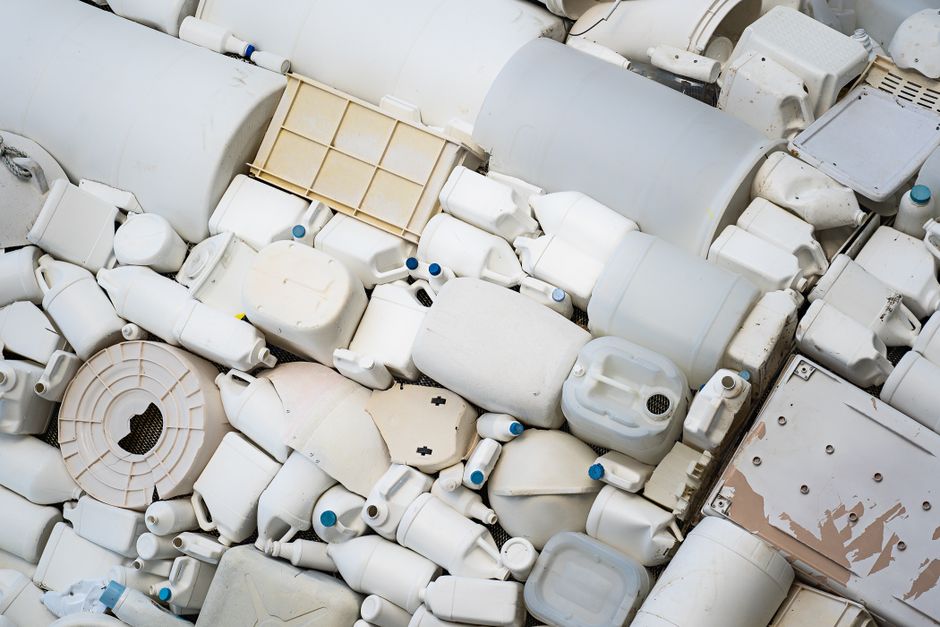
Table of Contents
- Defining Sustainable Materials Innovation
- Categories of Sustainable Materials
- Key Innovation Drivers and Technologies
- Industry Applications and Case Studies
- Challenges and Opportunities in Sustainable Materials
- The Future Outlook for Sustainable Materials
Defining Sustainable Materials Innovation
The conversation around materials has undergone a seismic shift. Gone are the days when raw material availability and cost were the sole arbiters of design and production. Today, ‘sustainable material’ is a nuanced term, encompassing a spectrum of qualities that prioritize the health of our planet and its inhabitants. In its current context, a sustainable material is one that minimizes negative environmental and social impacts throughout its entire lifecycle, from extraction and manufacturing to use, reuse, and end-of-life. This means considering factors like resource depletion, energy consumption, greenhouse gas emissions, water usage, waste generation, and toxicity. It’s about moving beyond a linear "take-make-dispose" model towards a more responsible and regenerative approach.
The impetus for this evolution is multifaceted and urgent. Environmentally, the undeniable realities of climate change, resource scarcity, and pollution are forcing industries to re-evaluate their material footprints. Economically, the long-term costs associated with unsustainable practices – from waste management to regulatory penalties and reputational damage – are becoming increasingly prohibitive. Forward-thinking businesses recognize that embracing sustainable materials can be a powerful driver of Innovation Strategy: Your Blueprint for Sustainable Growth & Breakthroughs, leading to cost savings, new market opportunities, and enhanced brand loyalty. Socially, consumers are demanding more ethical and environmentally conscious products, putting pressure on brands to align their material choices with these values. This societal awakening is fundamentally reshaping consumer expectations and driving demand for more responsible offerings, a phenomenon echoed in discussions around Sustainable Product Design Innovation.
At the heart of sustainable materials innovation lie several core principles. Circularity is paramount, advocating for materials that can be endlessly recycled, reused, or composted, effectively closing the loop in material flows. This contrasts sharply with the linear model and is a key tenet explored in understanding The Ultimate Guide to the Innovation Process: From Idea to Impact. Biodegradability and compostability are also crucial, ensuring that materials can safely return to the natural environment at the end of their useful life. Furthermore, minimizing embodied energy – the total energy required to produce a material, including extraction, manufacturing, and transportation – is a critical objective. Innovation in this space often draws inspiration from nature itself, as seen in the principles of Biomimicry for Sustainable Solutions: Nature’s Genius for Your Next Big Innovation.
| Key Principles of Sustainable Materials Innovation | Description |
|---|---|
| Circularity | Designing for reuse, repair, remanufacturing, and recycling to minimize waste and resource depletion. |
| Biodegradability/Compostability | Materials that can decompose naturally without leaving harmful residues. |
| Low Embodied Energy | Minimizing the total energy consumed throughout a material’s lifecycle. |
| Renewable Sourcing | Utilizing resources that can be replenished at a rate equal to or faster than they are consumed. |
| Non-toxicity | Ensuring materials are safe for human health and ecosystems. |
| Resource Efficiency | Optimizing the use of raw materials and reducing waste during production. |
The role of innovation in overcoming traditional material limitations is profound. For decades, we’ve been constrained by the properties and availability of conventional materials like plastics, metals, and concrete. Sustainable materials innovation liberates us from these constraints by exploring novel compositions, processing techniques, and manufacturing methods. This can lead to materials with entirely new functionalities, enhanced performance characteristics, and significantly reduced environmental impact. For instance, the development of advanced bioplastics offers a biodegradable alternative to petroleum-based plastics, while innovative composite materials can reduce weight in transportation, leading to fuel efficiency. This push for novel solutions is a form of What is Disruptive Innovation? Examples & Types, fundamentally altering existing markets and creating new paradigms. The pursuit of these breakthroughs often involves deep dives into fundamental science, as championed by Unlocking Innovation with First Principles.
Categories of Sustainable Materials
The landscape of materials science is undergoing a radical transformation, driven by the urgent need for sustainability and the relentless pursuit of innovation. This isn’t just about replacing old materials with new ones; it’s a fundamental rethinking of how we source, process, and utilize resources to minimize our environmental footprint while maximizing creative potential. Understanding the diverse categories of sustainable materials is the first step for any organization looking to embrace this paradigm shift and embed it within their Innovation Strategy: Your Blueprint for Sustainable Growth & Breakthroughs.
Bio-based and Renewable Materials
At the forefront of this revolution are bio-based and renewable materials, harnessing the power of nature’s cycles. Think of bamboo, a rapidly growing grass that requires minimal water and no pesticides, offering exceptional strength and versatility. Cork, harvested from the bark of cork oak trees without harming the tree itself, provides excellent insulation and a unique aesthetic. Then there’s the burgeoning field of mycelium (the root structure of mushrooms), which can be grown into robust, biodegradable materials for packaging, insulation, and even furniture. Similarly, algae are emerging as a powerful source for biofuels, bioplastics, and even textiles, requiring little land and often thriving in wastewater. These materials often draw inspiration from nature’s own design principles, a concept explored further in Biomimicry for Sustainable Solutions: Nature’s Genius for Your Next Big Innovation.
Recycled and Upcycled Materials
Giving existing materials a second life is another cornerstone of sustainable innovation. Recycled plastics, diverted from landfills and oceans, are being transformed into everything from clothing and building materials to sophisticated components for electronics. Reclaimed wood, salvaged from old buildings and structures, offers a rich history and character that new timber cannot replicate, reducing deforestation. Textile waste, a significant environmental challenge, is also being reimagined, with innovative processes turning discarded fabrics into new yarns, insulation, and even composite materials. This circular economy approach is crucial for The Ultimate Guide to the Innovation Process: From Idea to Impact.
Biodegradable and Compostable Materials
For applications where material end-of-life is a critical concern, biodegradable and compostable materials offer compelling solutions. PLA (Polylactic Acid), derived from renewable resources like corn starch or sugarcane, is a popular choice for packaging and single-use items, breaking down under specific industrial composting conditions. PHA (Polyhydroxyalkanoates) are a class of naturally occurring biopolyesters produced by microorganisms, offering a wider range of properties and often biodegrading in more diverse environments, including marine settings. Natural fibers like hemp, flax, and cotton, when sourced responsibly, also contribute to this category, offering inherent biodegradability.
FAQ: What’s the difference between biodegradable and compostable?
While often used interchangeably, there’s a key distinction. Biodegradable materials break down into natural elements (water, CO2, biomass) over time, but the timeline and environmental conditions required can vary significantly. Compostable materials are a subset of biodegradable materials that break down into nutrient-rich compost within a specified timeframe and under specific composting conditions (usually industrial composting facilities), without leaving harmful residues. It’s crucial to understand the labeling and disposal requirements for each to ensure proper end-of-life management.
Low-Impact Manufacturing Materials
Beyond the material itself, the manufacturing process plays a vital role in sustainability. This category encompasses materials produced using significantly less water and energy, or those that result in reduced greenhouse gas emissions. Innovations here can involve refining existing processes to be more efficient or developing entirely new production methods. For instance, advancements in cement production are focusing on reducing its carbon footprint, and new methods for dyeing textiles are emerging that use far less water. This focus on process efficiency is a key driver of Understanding Disruptive vs. Sustaining Innovation.
Advanced Sustainable Materials
Looking further into the future, a new wave of advanced sustainable materials is on the horizon, pushing the boundaries of what’s possible. Self-healing materials, inspired by biological systems, can repair damage autonomously, extending product lifespans and reducing waste. Carbon-capture materials actively absorb CO2 from the atmosphere, offering a dual benefit of creating useful materials while mitigating climate change. These are areas where significant R&D, often supported by Venture Capital for Tech Innovations and Venture Capital for Tech Innovation, is unlocking truly revolutionary possibilities.
FAQ: How do carbon-capture materials work?
Carbon-capture materials typically employ chemical or physical processes to selectively bind with carbon dioxide molecules from the air or industrial emissions. These CO2 molecules are then either stored permanently (sequestration) or utilized to create new products, such as building materials, plastics, or even fuels. This area is highly active, with ongoing research into materials like metal-organic frameworks (MOFs) and advanced sorbents. It represents a powerful example of applying scientific principles to address environmental challenges, akin to the ingenuity seen in Unlocking Innovation with First Principles.
The exploration and adoption of these diverse material categories are not merely trends; they represent a fundamental shift in how we approach product development and manufacturing. Embracing these innovations is essential for businesses aiming for long-term resilience and to lead in the next era of Sustainable Product Design Innovation.
Key Innovation Drivers and Technologies
The quest for truly sustainable materials is no longer a niche endeavor but a core driver of innovation across industries. This pursuit is fueling a renaissance in material science, pushing the boundaries of what’s possible and redefining product lifecycles. At the heart of this transformation are several interconnected innovation drivers and groundbreaking technologies.
Biotechnology and genetic engineering are emerging as powerful tools for material development. By understanding and manipulating biological processes, we can engineer materials with inherent sustainability. Think of self-healing concretes inspired by Biomimicry for Sustainable Solutions: Nature’s Genius for Your Next Big Innovation, or bio-based plastics derived from algae or fungi that are fully compostable. This approach allows for the creation of materials that are not only renewable but also biodegradable, closing the loop on the product lifecycle in a way previously unimaginable.
Complementing biological approaches are advanced recycling technologies. While traditional mechanical recycling has its limits, chemical recycling offers a pathway to break down plastics into their molecular building blocks, allowing them to be reconstituted into virgin-quality materials. Enzymatic degradation is another promising frontier, employing biological catalysts to efficiently break down complex polymers. These methods are crucial for tackling the plastic waste crisis and are vital components of a robust Innovation Strategy: Your Blueprint for Sustainable Growth & Breakthroughs.
The digital revolution is also profoundly impacting material innovation. 3D printing, or additive manufacturing, when paired with sustainable feedstocks, is transforming how we design and produce goods. This allows for on-demand manufacturing, reduced material waste through precise deposition, and the creation of complex geometries that can optimize material usage. Imagine printing furniture from recycled wood fibers or creating intricate medical implants from biodegradable polymers. This level of customization and efficiency aligns perfectly with the principles of Sustainable Product Design Innovation.
Nanotechnology offers another dimension of enhancement, enabling the development of materials with superior properties while often reducing the overall amount of material required. Nanocoatings can make surfaces more durable and water-repellent, reducing the need for frequent replacement or harsh cleaning agents. Furthermore, nanomaterials can be engineered to facilitate more efficient energy storage, contributing to advancements in areas like Unlocking the Grid: Breakthrough Renewable Energy Storage Innovations.
Case Study: Mycelium Composites for Sustainable Packaging
Companies like Ecovative Design are pioneering the use of mycelium, the root structure of mushrooms, as a sustainable alternative to petroleum-based packaging foams like Styrofoam. By growing mycelium on agricultural waste (such as hemp hurd or corn stalks) in custom molds, complex shapes can be formed. The resulting material is lightweight, naturally flame-resistant, biodegradable, and even compostable. This approach not only diverts waste from landfills but also eliminates the need for toxic chemicals and energy-intensive manufacturing processes associated with traditional foam production. The scalability of this bio-fabrication method represents a significant step towards circular economy principles and is a prime example of disruptive innovation in the materials sector. For further insights into this field, exploring the latest advancements in bio-fabrication at publications like Nature Biotechnology is highly recommended.
At the forefront of discovery and optimization are artificial intelligence (AI) and machine learning (ML). These powerful computational tools can sift through vast datasets of material properties, predict the performance of novel composites, and accelerate the discovery of new sustainable materials at an unprecedented rate. This enables researchers and developers to unlock innovation by digging deeper than ever before and to move beyond trial-and-error to a more predictive and efficient process.
Finally, Life Cycle Assessment (LCA) is not just a reporting tool but a critical enabler of innovation. By rigorously evaluating the environmental impact of a material from raw material extraction to end-of-life disposal, LCA provides invaluable insights that guide design decisions and validate sustainability claims. It helps identify hotspots for improvement, ensuring that innovations truly contribute to a more sustainable future, rather than merely shifting environmental burdens. Incorporating LCA early in the The Ultimate Guide to the Innovation Process: From Idea to Impact is paramount for achieving genuine breakthroughs.
Industry Applications and Case Studies
The surge in sustainable materials innovation is no longer confined to academic labs; it’s actively reshaping entire industries. From the foundations of our cities to the clothes on our backs, creative breakthroughs are offering viable, planet-friendly alternatives. This isn’t just about being green; it’s about smart design, enhanced performance, and often, a more profound understanding of Biomimicry for Sustainable Solutions: Nature’s Genius for Your Next Big Innovation.
Construction and Architecture: Building a Greener Future
The construction sector, a notorious emitter of greenhouse gases, is a prime area for sustainable materials. Traditional concrete, for instance, has a significant carbon footprint. Innovations include geopolymer concrete, which uses industrial byproducts like fly ash and slag, drastically reducing embodied carbon. For insulation, mycelium-based materials (grown from fungi) offer excellent thermal and acoustic properties, while also being biodegradable. Facade technologies are also evolving, with self-healing bio-concretes and facades incorporating algae for energy generation demonstrating the cutting edge. This drive reflects a broader commitment to Universal Design: The Unseen Innovation Spark in Architecture, ensuring new structures are not only sustainable but also adaptable and inclusive.
Packaging: Rethinking Our Wrappers
The problem of single-use packaging is a global challenge, and innovation is providing elegant solutions. Biodegradable films derived from sources like corn starch, seaweed, and even milk proteins are emerging as viable alternatives to petroleum-based plastics. Molded pulp, often made from recycled paper or agricultural waste, is gaining traction for its versatility in creating protective and aesthetically pleasing packaging. Furthermore, a renewed focus on robust, reusable packaging systems, often enabled by smart tracking technologies, represents a significant shift in Sustainable Product Design Innovation. Companies are increasingly adopting a The SCAMPER Method: A Revolutionary Framework for Innovation and Problem-Solving approach to reimagine packaging lifecycle.
Fashion and Textiles: Threads of Change
The fashion industry, known for its fast-paced trends and environmental impact, is undergoing a significant transformation. Recycled fibers, spun from post-consumer waste like plastic bottles and old garments, are becoming mainstream. Innovations in bio-leathers, created from pineapple leaves (Piñatex), mushroom roots (Mylo), or even fruit waste, offer luxurious alternatives to animal hides. The development of eco-friendly dyes, utilizing natural pigments or microbial processes, further reduces the chemical burden of textile production. This shift aligns with a growing consumer demand for transparency and ethical sourcing, pushing brands to adopt a more holistic Innovation Strategy: Your Blueprint for Sustainable Growth & Breakthroughs.
Automotive and Transportation: Driving Towards Sustainability
In automotive and transportation, the quest for lighter, more durable, and recyclable components is paramount for fuel efficiency and reduced end-of-life impact. Bio-composites derived from natural fibers like hemp and flax are being used for interior panels and structural elements. Recycled aluminum and advanced plastics are also playing crucial roles in reducing vehicle weight. The development of materials that can be easily disassembled and recycled at the end of a vehicle’s life is a key focus, reflecting a commitment to circular economy principles. This aligns with the broader pursuit of What is Disruptive Innovation? Examples & Types in the mobility sector.
Electronics: Minimizing the Digital Footprint
The growing problem of e-waste necessitates a fundamental rethinking of electronics design. Modular design, where components can be easily repaired or upgraded, is a key strategy. Beyond design, material innovation is focusing on the use of recycled metals and plastics, as well as the development of biodegradable electronic components where feasible. Companies are exploring novel ways to recover valuable rare earth elements from discarded devices, turning waste into a resource. This push is intrinsically linked to Understanding Open Innovation Ecosystems as companies collaborate to find systemic solutions.
Consumer Goods: Everyday Innovations
Across a vast array of consumer goods, from kitchenware to toys, eco-friendly replacements for traditional plastics are rapidly appearing. Bamboo, a rapidly renewable resource, is being used for everything from toothbrushes to cutting boards. Bioplastics derived from corn starch, sugarcane, or algae are finding applications in food containers and single-use items. Even everyday cleaning products are seeing innovation in biodegradable packaging and plant-based formulations. These innovations are a testament to Unlocking Innovation with First Principles by breaking down complex problems into their fundamental components and finding elegant, sustainable solutions.
Here’s a look at some key sustainable materials and their applications:
| Industry | Sustainable Material Innovation | Example Application | Environmental Benefit |
|---|---|---|---|
| Construction | Geopolymer Concrete | Foundations, structural elements | Reduced CO2 emissions compared to Portland cement |
| Packaging | Mycelium Composites | Protective inserts, packaging for electronics | Biodegradable, compostable, uses agricultural waste |
| Fashion | Recycled PET Fibers | Apparel, outdoor gear | Diverts plastic waste from landfills and oceans |
| Automotive | Hemp Fiber Composites | Interior panels, dashboards | Lighter weight, renewable resource, reduced reliance on petroleum-based plastics |
| Electronics | Recycled Rare Earth Elements | Magnets in motors, components | Reduces need for new mining, minimizes hazardous waste |
| Consumer Goods | PLA (Polylactic Acid) Bioplastics | Disposable cutlery, food packaging | Derived from renewable resources, can be industrially compostable |
The relentless pursuit of these material innovations is not just about compliance; it’s about unlocking new performance characteristics, creating novel aesthetics, and ultimately, building a more resilient and sustainable future. It underscores the importance of a strong Innovation Strategy: Your Blueprint for Sustainable Growth & Breakthroughs that embraces environmental responsibility as a core driver of creativity and progress.
Challenges and Opportunities in Sustainable Materials
The journey from a novel sustainable material concept to widespread adoption is paved with significant hurdles, but also brimming with immense opportunities. At the forefront of these challenges lies the scalability and cost-effectiveness of new materials. Developing a groundbreaking bio-plastic in a lab is one thing; producing it at a scale that can compete with petroleum-based incumbents, while remaining economically viable for manufacturers and consumers, is a vastly different proposition. This often requires substantial Venture Capital for Tech Innovations to bridge the gap between R&D and mass production.
Furthermore, the performance and durability of sustainable materials compared to traditional ones is a critical consideration. Consumers and industries alike demand materials that can withstand rigorous use, maintain their integrity over time, and meet or exceed existing performance benchmarks. Without this parity, adoption will remain niche. This ties directly into consumer acceptance and market demand. While awareness of sustainability is growing, price sensitivity and perceived performance limitations can still deter widespread adoption. Educating consumers and demonstrating clear benefits – beyond just environmental impact – is key to fostering demand. A strong understanding of Sustainable Product Design Innovation is crucial here, ensuring that the material’s benefits are clearly communicated through the product itself.
The regulatory landscape and standardization also present a complex maze. Emerging materials often lack established testing protocols, certifications, and clear guidelines, creating uncertainty for both producers and users. Harmonizing these standards globally is essential for facilitating trade and building trust. Beyond regulations, supply chain complexities and infrastructure needs are formidable. Establishing robust supply chains for novel, often bio-based or recycled, feedstocks requires new logistical networks, processing facilities, and partnerships. This demands a comprehensive Innovation Strategy: Your Blueprint for Sustainable Growth & Breakthroughs that accounts for these intricate dependencies.
Case Study: Mycelium Composites for Packaging
Companies like Ecovative Design have demonstrated the potential of mycelium (the root structure of fungi) to create biodegradable packaging materials. By growing mycelium on agricultural waste, they bypass traditional manufacturing energy inputs and petrochemical reliance. However, scaling this production to meet global demand for diverse packaging needs, ensuring consistent material properties, and educating logistics partners on handling a ‘living’ material are ongoing challenges. Despite these, their success highlights the potential for nature-inspired solutions, echoing principles found in Biomimicry for Sustainable Solutions: Nature’s Genius for Your Next Big Innovation.
Perhaps the most transformative opportunity lies in embracing the circular economy model: bridging the gap from linear to circular. For too long, our material flows have been linear – take, make, dispose. Sustainable materials innovation is intrinsically linked to designing for disassembly, repair, and remanufacturing, aiming for closed-loop systems where waste is minimized and resources are continually cycled. This requires a fundamental shift in thinking, moving beyond incremental improvements to truly What is Disruptive Innovation? Examples & Types, where new business models and material lifecycles are conceived from the outset. For instance, advancements in areas like Unlocking the Grid: Breakthrough Renewable Energy Storage Innovations are not just about energy, but also about the materials used in batteries and their end-of-life management, a perfect example of circular thinking. Ultimately, successful sustainable materials innovation will require a holistic approach, integrating technological advancement with strategic foresight and a commitment to a regenerative future.
The Future Outlook for Sustainable Materials
The future outlook for sustainable materials is not just bright; it’s transformative. We stand on the precipice of a new material age, one driven by necessity and amplified by ingenuity. Emerging trends and breakthroughs are rapidly moving from research labs to the market, promising a fundamental shift in how we create and consume. Think bio-integrated materials that self-heal, advanced composites derived from agricultural waste, and novel energy storage solutions that go beyond current limitations, mirroring advancements in Unlocking the Grid: Breakthrough Renewable Energy Storage Innovations. The principles of Biomimicry for Sustainable Solutions: Nature’s Genius for Your Next Big Innovation are increasingly informing material science, leading to designs that are inherently efficient and less resource-intensive.
The acceleration of this adoption hinges significantly on the role of policy and investment. Governments worldwide are recognizing the strategic imperative of a circular economy, with policies that incentivize sustainable material use and penalize waste. Simultaneously, a surge in Venture Capital for Tech Innovations is fueling startups and scaling innovative companies at an unprecedented pace. This influx of capital, coupled with a robust Innovation Strategy: Your Blueprint for Sustainable Growth & Breakthroughs, allows for the necessary research, development, and market penetration.
Crucially, this revolution thrives on collaboration. The traditional silos between research institutions, industry giants, and government agencies are dissolving, giving rise to dynamic Understanding Open Innovation Ecosystems. This cross-pollination of ideas and resources is essential for tackling complex global challenges. For instance, the development of truly biodegradable plastics requires a coordinated effort involving chemical engineers, polymer scientists, product designers, and waste management experts.
The potential for radical material transformation is immense, offering solutions to some of our most pressing global challenges. Imagine buildings constructed from materials that sequester carbon, or textiles that can be fully composted at the end of their life, contributing to soil health. This isn’t mere speculation; it’s the direction driven by a deep understanding of Unlocking Innovation with First Principles. These innovations are not just incremental improvements; they represent a fundamental re-imagining of material lifecycles, pushing the boundaries of what’s possible and challenging conventional wisdom.
A critical, yet often overlooked, aspect of this future is designing for disassembly and end-of-life management. The most innovative materials will be those that can be easily separated, reused, or safely returned to the biosphere. This requires a proactive approach, embedding principles of modularity and recyclability into the very fabric of product design. As we move towards a circular economy, the ability to deconstruct and repurpose materials will be as important as their initial performance characteristics. This shift aligns with the core tenets of What is Disruptive Innovation? Examples & Types, as it fundamentally alters established industry norms around material usage and waste. For a deeper dive into how these principles can be applied to specific design challenges, exploring resources on The Ultimate Guide to the Innovation Process: From Idea to Impact can provide valuable frameworks.
Featured image by Mike van Schoonderwalt on Pexels