Service Design Thinking Foundations
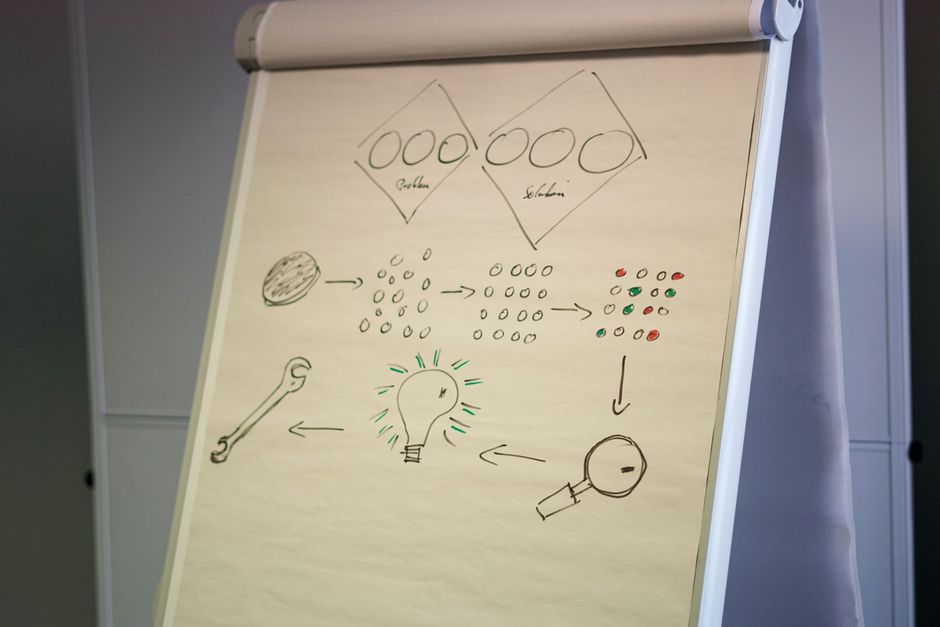
Table of Contents
- What is Service Design Thinking?
- The Core Pillars of Service Design Thinking
- Key Principles and Mindsets
- The Service Design Process: A Framework
- Essential Tools and Methods in Service Design
- Benefits of Adopting Service Design Thinking
- Common Pitfalls and How to Avoid Them
What is Service Design Thinking?
Service design thinking is far more than a buzzword; it’s a profound shift in how we approach the creation and improvement of services. At its heart, it’s a human-centered approach that seeks to understand the entire journey a user takes when interacting with a service, from their initial need to the final resolution and beyond. The fundamental purpose is to create services that are not only effective and efficient but also desirable, engaging, and ultimately, valuable for both the user and the provider.
At its core, service design thinking is characterized by several key principles. It is profoundly human-centered, meaning it places the needs, behaviors, and motivations of people at the forefront of all design decisions. This deep empathy is crucial for truly understanding what makes a service work for its users. It’s also inherently collaborative, bringing together diverse stakeholders – including users, designers, business strategists, and frontline staff – to co-create solutions. This cross-functional approach ensures that all perspectives are considered, leading to more robust and implementable outcomes.
Furthermore, service design thinking is iterative. It embraces a cycle of understanding, ideating, prototyping, and testing, recognizing that the first idea is rarely the best one. This continuous refinement process allows for learning and adaptation, much like the Wright Brothers’ First Flight: Engineering and Iterative Design. It is holistic, looking at the entire service ecosystem, including all touchpoints, backstage processes, and the underlying organizational structures that enable the service. Finally, it’s experimental, encouraging the testing of assumptions and ideas in low-fidelity ways before committing to significant investment. This aligns with the principles of Design Thinking Fundamentals for Innovation.
The emphasis on "thinking" is paramount. Service design thinking is less about a rigid, prescriptive process and more about adopting a specific mindset. It champions a way of approaching problems that is curious, experimental, and optimistic. This mindset encourages us to ask "why" repeatedly and to delve deeper into the root causes of service challenges. It’s about fostering a culture of continuous improvement and innovation. This exploration of mindset and approach is a key takeaway from understanding Design Thinking Fundamentals.
It’s important to distinguish service design thinking from related disciplines. While it shares common ground with User Experience (UX) design, which often focuses on the usability and interaction with digital interfaces, service design thinking takes a broader view, encompassing the entire end-to-end service experience across all channels and touchpoints, including physical spaces and human interactions. Similarly, Customer Experience (CX) management often focuses on measuring and improving existing customer interactions. Service design thinking, however, is a proactive methodology for creating and innovating those experiences from the ground up, often leading to significant Service Design Innovation. It often leverages tools and techniques found within Design Thinking Principles for Innovation and can be a powerful engine for Service Design Innovation Frameworks, ultimately driving Service Design Innovation. For a deeper dive, exploring Service Design Thinking Fundamentals will provide further context.
The Core Pillars of Service Design Thinking
Service Design Thinking, at its heart, is a human-centered approach to innovation that focuses on understanding and addressing the real needs of people. While it shares common ground with broader Design Thinking Principles for Innovation, its specific application to services reveals a distinct set of foundational pillars that drive successful Service Design Innovation.
At the absolute forefront is Empathy. This is not just about observing users; it’s about deeply understanding their needs, motivations, and the often-unspoken pain points they experience within existing service journeys. By stepping into the shoes of the user, we uncover opportunities for meaningful improvement. This deep dive into user perspectives is a cornerstone of our approach to Empathy in Design Thinking for Creative Solutions. Tools like journey mapping and in-depth interviews are invaluable here, allowing us to visualize and internalize the user experience. Consider how understanding customer frustrations was key to many successful tech startups; it’s that empathetic connection that fuels genuine innovation.
Next, Collaboration is paramount. Service design is rarely an insular activity. It thrives on bringing together diverse voices – the end-users, the frontline employees who deliver the service, the business leaders who set strategy, and even technology providers. This cross-pollination of perspectives ensures that solutions are not only desirable for users but also feasible for the organization and viable within the business context. Exploring different Service Design Thinking Frameworks can highlight the varied stakeholder engagement models that can be employed.
The third pillar is Ideation. Once we have a rich understanding of user needs and organizational capabilities, we enter a phase of generative thinking. This is where we cast a wide net, encouraging the creation of a multitude of potential solutions without premature judgment. Techniques like brainstorming, mind mapping, and even leveraging SCAMPER for Service Design can be instrumental in this divergent thinking phase. It’s crucial to foster an environment that celebrates the quantity and originality of ideas, knowing that even seemingly outlandish concepts can spark breakthrough innovations. This aligns with the importance of The Role of Divergent Thinking in Creative Breakthroughs.
Following ideation, Prototyping brings these nascent ideas into tangible form. Prototypes can range from simple storyboards and service blueprints to interactive mock-ups and role-playing scenarios. The goal is to create something concrete enough to be tested and evaluated, allowing us to visualize the service experience before committing significant resources. This iterative process of building and testing is a hallmark of effective Service Design Thinking Fundamentals.
Finally, Testing closes the loop. Prototypes are put in front of real users and stakeholders to gather crucial feedback. This feedback is not just about what works and what doesn’t, but why. It’s an opportunity to observe user interactions, listen to their critiques, and identify areas for refinement. This iterative testing and learning cycle is what transforms good ideas into truly exceptional services. As noted by the Harvard Business Review in discussions on agile development, rapid iteration and feedback loops are essential for delivering value effectively. This rigorous testing process is a fundamental part of achieving true Service Design Innovation. By mastering these core pillars, organizations can unlock significant potential for Service Design for Disruptive Innovation.
Key Principles and Mindsets
Service design thinking is built upon a bedrock of core principles and mindsets that guide practitioners toward creating truly impactful and desirable services. Embracing these tenets is crucial for fostering innovation and ensuring that your efforts resonate with the people you aim to serve.
At its heart, service design thinking is profoundly user-centric. This means that the needs, desires, and pain points of the end-user are not just considered, but are the absolute driving force behind every decision. This principle echoes the foundational concept of Empathy in Design Thinking for Creative Solutions, which emphasizes understanding human needs deeply. When we talk about understanding users, we’re not just asking what they say they want, but observing their behaviors and uncovering their underlying motivations, perhaps using frameworks like the JTBD Framework: Drive Service Design Innovation to get to the root of their "jobs to be done."
To truly serve users effectively, we must adopt a holistic view. This principle encourages us to look beyond individual touchpoints and consider the entire service ecosystem and the complete customer journey. Every interaction, from the initial awareness to post-service follow-up, is a piece of the puzzle. This interconnectedness is precisely what Systems Thinking: Principles & Problem Solving helps us to unravel, revealing how various elements of a service influence each other and impact the overall experience. Understanding these intricate relationships is key to meaningful Service Design Innovation.
Furthermore, effective service design thrives on co-creation. This involves actively bringing together all stakeholders – users, employees, partners, and even competitors – into the design process. By fostering collaboration and diverse perspectives, we can uncover blind spots and generate richer, more inclusive solutions. This participatory approach is a cornerstone of Design Thinking Fundamentals for Innovation.
The journey of service design is rarely a straight line; it’s an iterative approach. This means embracing cycles of learning, designing, and refining. We don’t aim for perfection in the first go. Instead, we embrace continuous improvement, understanding that feedback and adaptation are vital. This cyclical nature is essential for exploring the full spectrum of possibilities, and mirrors the early stages of The Wright Brothers’ First Flight: Engineering and Iterative Design, where relentless testing and refinement led to breakthroughs.
In this iterative process, prototyping as a tool for learning becomes indispensable. Making ideas tangible – whether through low-fidelity sketches, storyboards, or interactive mock-ups – allows us to test assumptions, identify flaws early, and discover unforeseen opportunities. Prototyping isn’t just about creating something; it’s about learning and de-risking innovation. This aligns with the core tenets of Design Thinking Fundamentals, where experimentation is paramount.
Underpinning all these principles is systems thinking. This mindset encourages us to understand how different parts of a service interact and influence each other, much like the intricate workings of an ecosystem. By recognizing these interdependencies, we can design more robust, resilient, and effective services that address complex challenges. This approach is particularly potent when considering Service Design Thinking for Disruptive Innovation and how new services can reshape entire industries.
Here’s a quick summary of these foundational elements:
| Principle | Description | Why It Matters |
|---|---|---|
| User-Centricity | Putting the end-user at the forefront of all design decisions. | Ensures services are relevant, desirable, and solve real problems. |
| Holistic View | Considering the entire service ecosystem and customer journey. | Prevents siloed thinking and creates seamless, integrated experiences. |
| Co-creation | Involving all relevant stakeholders in the design process. | Fosters ownership, diverse perspectives, and more innovative solutions. |
| Iterative Approach | Embracing cycles of learning, designing, and refining. | Allows for continuous improvement, adaptation, and robust service development. |
| Prototyping as a Tool for Learning | Making ideas tangible to discover flaws and opportunities. | Facilitates early validation, reduces risk, and accelerates innovation. |
| Systems Thinking | Understanding how different parts of a service interact. | Enables the design of resilient, efficient, and impactful services within a larger context. |
Mastering these principles is the first step towards truly transformative Service Design Innovation. They provide the conceptual scaffolding upon which effective Service Design Thinking Frameworks and methodologies are built, paving the way for groundbreaking Service Design Fundamentals. This holistic approach is essential for anyone looking to drive innovation, whether through Design Thinking for Service Innovation or by integrating principles like Sustainable Design Thinking for long-term impact.
The Service Design Process: A Framework
Service design isn’t a rigid, linear march from A to Z. Instead, it’s a dynamic, iterative journey guided by a robust process, often visualized through distinct phases. Understanding these phases is crucial to grasping the essence of Service Design Fundamentals. While specific methodologies may vary, most Service Design Thinking Frameworks converge on a core set of activities.
Discover/Research: Unearthing the Realities
This initial phase is all about deep diving. It’s where we shed assumptions and immerse ourselves in the lived experiences of users, stakeholders, and the operational realities of the service. Think of it as detective work, gathering clues to understand the "as-is" state. Methods here are varied and depend heavily on context, but they typically involve qualitative research like interviews, ethnographic studies, journey mapping, and service blueprinting. The goal is to foster profound Empathy in Design Thinking for Creative Solutions and identify unmet needs, pain points, and emergent opportunities. Understanding the underlying motivations behind user behavior, often through frameworks like the JTBD Framework: Drive Service Design Innovation, is paramount here.
Define: Crystallizing the Opportunity
With a wealth of insights from the discovery phase, the next step is to make sense of it all. This is where we synthesize the research findings, identify patterns, and frame the core problem or opportunity we aim to address. It’s about moving from a broad understanding to a focused brief. This involves clearly articulating the "to-be" vision and defining success metrics. This stage is critical for ensuring that all subsequent efforts are aligned with the most pressing needs and strategic objectives, setting the stage for impactful Service Design Innovation.
Develop/Ideate: Brainstorming the Future
Now, we unleash creativity. This phase is dedicated to generating a wide range of potential solutions. It’s about exploring the art of the possible, often by embracing The Role of Divergent Thinking in Creative Breakthroughs. Techniques like brainstorming, mind mapping, co-creation workshops, and leveraging tools such as SCAMPER for Service Design are employed to generate novel ideas. This is where Design Thinking Principles for Innovation truly shine, encouraging a culture of experimentation and pushing boundaries. We might also explore how AI-Powered Design Thinking can augment our ideation process.
Here’s a snapshot of how these phases interrelate:
| Phase | Key Activities | Outcome |
|---|---|---|
| Discover/Research | User interviews, ethnography, journey mapping, service blueprinting, JTBD analysis | Deep understanding of user needs, pain points, and service landscape. Identification of opportunities. |
| Define | Synthesizing research, problem framing, persona development, defining key metrics | Clear problem statement, user-centered vision, and measurable goals. |
| Develop/Ideate | Brainstorming, co-creation, prototyping (low-fidelity), SCAMPER, scenario planning | A diverse range of potential solutions and innovative service concepts. |
| Deliver/Implement | Prototyping (high-fidelity), pilot testing, stakeholder buy-in, service deployment | A launched or piloted service solution that addresses the defined problem. |
| Ongoing Iteration | User feedback loops, performance monitoring, A/B testing, continuous improvement | An evolving and optimized service that remains relevant and valuable. |
Deliver/Implement: Bringing Ideas to Life
This is where the well-crafted concepts begin to take tangible form. It involves moving from abstract ideas to concrete service offerings. Prototyping plays a crucial role, allowing for testing and refinement of the service experience before a full-scale launch. This phase often requires significant collaboration across different departments and a strong understanding of Service Design Thinking for Disruptive Innovation. The focus is on creating a seamless and positive experience for the end-user, ensuring that the designed service effectively meets its objectives. For impactful business outcomes, exploring Design Thinking for Business Innovation is essential.
Ongoing Iteration and Improvement: The Cycle of Excellence
Service design is not a one-and-done endeavor. The landscape of user needs, technological capabilities, and market conditions is constantly shifting. Therefore, a truly effective service design process embraces continuous iteration and improvement. This means establishing robust feedback mechanisms, regularly monitoring service performance, and being agile enough to adapt and evolve. This iterative approach mirrors the principles found in historical examples of engineering and design, such as The Wright Brothers’ First Flight: Engineering and Iterative Design. It’s about treating services as living entities that can and should be optimized over time, aligning with principles of Sustainable Design Thinking and driving long-term value. This commitment to refinement ensures that the service remains relevant, competitive, and delightful for its users, underpinning the core tenets of Service Design Innovation Frameworks.
Essential Tools and Methods in Service Design
At its core, service design is about understanding and improving the experiences people have with services. To achieve this, a rich toolkit of methods and techniques has emerged, allowing practitioners to empathize, ideate, and iterate effectively. These tools are crucial for uncovering unmet needs and designing services that are not only functional but also delightful and efficient. Mastering these foundational elements is key to unlocking the potential of Service Design Thinking Fundamentals.
User Personas are fictional, yet realistic, representations of your target users. They go beyond simple demographics, capturing motivations, goals, behaviors, and pain points. By crafting detailed personas, teams gain a shared understanding of who they are designing for, fostering empathy and guiding design decisions. This aligns closely with the principles of Design Thinking Principles for Innovation.
Complementing personas are Customer Journey Maps. These visual narratives trace a user’s entire experience with a service, from initial awareness to post-service engagement. They highlight touchpoints, emotions, and potential pain points at each stage, offering a holistic view that is essential for identifying opportunities for improvement and innovation. When combined with an understanding of JTBD Framework: Drive Service Design Innovation, these maps become even more powerful.
While personas and journey maps focus on the user’s perspective, Service Blueprints zoom out to map the entire service ecosystem. They differentiate between frontstage activities (what the customer sees and interacts with) and backstage activities (the internal processes and systems that support the service). This detailed mapping is invaluable for understanding operational feasibility and identifying bottlenecks, a critical step in Service Design Thinking Frameworks.
To truly get inside the user’s head, Empathy Maps are indispensable. These tools help teams to articulate what a user is thinking, feeling, saying, and doing, as well as their pains and gains. This deep dive into the user’s world is foundational for generating truly user-centric solutions, and it forms a core component of Empathy in Design Thinking for Creative Solutions.
Once a deep understanding of users and services is established, the next crucial step is to bring ideas to life through Prototyping Techniques. This can range from low-fidelity wireframing and storyboarding to more interactive mock-ups and role-playing exercises. Prototyping allows for rapid experimentation and testing of concepts before significant resources are invested. It embodies the iterative nature of Design Thinking for Product Development.
Finally, no design process is complete without rigorous Feedback and Testing Methods. This includes conducting user interviews to gather qualitative insights, performing usability testing to observe how users interact with a prototype, and employing A/B testing to compare different design variations. The insights gained here are vital for refining designs and ensuring they meet user needs effectively. This iterative feedback loop is a hallmark of successful Service Design Innovation.
Case Study: Revolutionizing Public Transit Ticketing
A city transit authority was struggling with low adoption rates of its new mobile ticketing app. Using service design methods, the team first developed detailed user personas representing commuters with varying levels of tech-savviness and accessibility needs. They then mapped the customer journey for purchasing and using transit tickets, uncovering significant friction points at the station, such as slow internet speeds and confusing app interfaces. Service blueprints revealed that the backstage systems for ticket validation were also a bottleneck. Through rapid prototyping, including interactive mock-ups of simplified payment flows and clear visual instructions, and subsequent usability testing with diverse user groups, they iterated on the app’s design. Feedback from interviews highlighted the need for offline purchase options and clearer error messages. The refined app, based on these insights, saw a 30% increase in mobile ticket usage within three months, significantly improving operational efficiency and rider satisfaction. This project exemplifies how applying Design Thinking Fundamentals can lead to impactful service improvements.
By systematically applying these essential tools and methods, organizations can move beyond simply offering services to actively designing experiences that foster loyalty, efficiency, and genuine value for their customers. This comprehensive approach is fundamental to driving meaningful innovation, especially in a rapidly evolving landscape where services are increasingly intertwined with technology. For organizations looking to push boundaries, understanding the interplay of these methods with concepts like Service Design Thinking for Disruptive Innovation is paramount.
Benefits of Adopting Service Design Thinking
Adopting a Service Design Thinking approach isn’t just a feel-good initiative; it’s a strategic imperative for any organization looking to thrive in today’s dynamic marketplace. The benefits are far-reaching, impacting every facet of your business from customer interactions to internal operations.
At its core, service design thinking is about deeply understanding the human needs and motivations behind every service interaction. This profound empathy, a cornerstone of Empathy in Design Thinking for Creative Solutions, naturally leads to enhanced customer satisfaction and loyalty. When services are designed from the user’s perspective, anticipating their needs and removing friction points, customers feel understood and valued. This leads to repeat business and positive word-of-mouth, a powerful driver of organic growth.
Furthermore, this user-centricity translates directly into improved operational efficiency and reduced costs. By mapping out the entire customer journey and identifying inefficiencies, redundancies, or pain points from both the customer and provider perspective, organizations can streamline processes. This holistic view, often achieved through Systems Thinking: Principles & Problem Solving, can uncover cost-saving opportunities that might otherwise remain hidden. For instance, understanding the "Jobs To Be Done" (JTBD) through frameworks like the JTBD Framework: Drive Service Design Innovation can prevent the development of services that don’t truly solve a customer problem, thereby saving resources.
Perhaps one of the most exciting outcomes is greater innovation and differentiation in the market. Service design thinking encourages a departure from conventional problem-solving. By employing techniques like SCAMPER for Service Design and embracing The Role of Divergent Thinking in Creative Breakthroughs, organizations can uncover unmet needs and develop novel solutions that set them apart. This can lead to true Service Design Innovation that captures new market share and establishes a competitive advantage, aligning closely with principles of Design Thinking for Business Innovation.
Internally, the impact is equally profound. Embracing service design thinking fosters increased employee engagement and understanding of user needs. When employees are involved in understanding the customer’s perspective, they gain a deeper appreciation for their role in delivering value. This collaborative approach, supported by Design Thinking Principles for Innovation, can break down silos and create a more unified organizational culture. This shared purpose can be a powerful motivator, leading to a more engaged and productive workforce.
Ultimately, the adoption of service design thinking leads to the creation of more meaningful and valuable experiences. It moves beyond transactional interactions to build genuine connections. By focusing on the entire ecosystem of a service, from the front-stage customer touchpoints to the back-stage operations and even the underlying business strategy, organizations can design services that are not only functional but also delightful and memorable. This often involves a deeper dive into Service Design Fundamentals and exploring various Service Design Thinking Frameworks to achieve these outcomes.
FAQ: How does Service Design Thinking differ from traditional product development?
Traditional product development often focuses on the tangible product itself. Service Design Thinking, on the other hand, takes a broader, holistic view, considering the entire customer experience across all touchpoints, including digital interactions, human interactions, and physical environments. It’s about designing the *experience* of using a product or service, not just the product itself. This aligns with the goals of Design Thinking for Product Development but expands the scope significantly.
FAQ: Can Service Design Thinking contribute to sustainability efforts?
Absolutely. By encouraging a focus on user needs and efficient processes, service design can inherently lead to more sustainable practices. For instance, designing services that encourage reuse, reduce waste, or promote circular economy principles, as explored in Circular Economy Design Thinking and Sustainable Design Thinking, are direct outcomes. Understanding the full lifecycle of a service and its impact is a key component, contributing to Sustainable Product Design Innovation.
Common Pitfalls and How to Avoid Them
Even with the most robust Service Design Fundamentals, it’s easy to stumble. Many promising service design initiatives falter due to a few recurring missteps. Understanding these pitfalls and proactively addressing them is crucial for unlocking true Service Design Innovation.
One of the most common traps is jumping straight to solutions without a deep, nuanced understanding of the underlying problem and the user’s context. This often stems from a desire for quick wins, but it invariably leads to solutions that miss the mark. Instead, invest heavily in the empathic research phase. Truly understanding the "Jobs to Be Done" for your users, as explored in frameworks like the JTBD Framework: Drive Service Design Innovation, will lay a much more solid foundation. This requires genuine Empathy in Design Thinking for Creative Solutions, going beyond surface-level observations to uncover unmet needs and pain points.
Another significant hurdle is the lack of genuine stakeholder buy-in and collaborative engagement. Service design isn’t a siloed activity; it’s a team sport. Without the involvement and support of key individuals across different departments – from front-line staff to executive leadership – even the best-designed services will struggle with implementation and adoption. Actively involve stakeholders from the outset, making them co-creators rather than passive recipients of the design. This fosters a sense of ownership and ensures that the proposed innovations are aligned with organizational goals and capabilities. This collaborative spirit is a hallmark of effective Design Thinking Principles for Innovation.
Insufficient user research and a lack of empathy are closely related to the first point. Relying on assumptions or anecdotal evidence will lead to a fundamentally flawed understanding of user needs. Dedicate time and resources to rigorous user research, employing a variety of methods like interviews, observation, and journey mapping. Tools like SCAMPER for Service Design can help uncover new perspectives once a deep understanding is achieved. Remember, user-centricity is the bedrock of successful service design.
Treating prototyping and testing as optional steps is a recipe for disaster. These iterative cycles are where brilliant ideas are refined and potential failures are identified early. Prototyping allows you to visualize and test your ideas in a low-fidelity manner, gathering valuable feedback before significant resources are committed. Testing with real users validates your assumptions and reveals unforeseen usability issues. This iterative approach mirrors the lessons learned from early innovators, such as The Wright Brothers’ First Flight: Engineering and Iterative Design.
Many projects overlook the critical "backstage" realities. A beautifully designed customer-facing service can crumble if the internal processes, systems, and employee experiences that support it are neglected. Always consider the implementation and operational aspects. This means understanding the backstage touchpoints, the technology infrastructure, and the training required for staff. Effective Systems Thinking: Principles & Problem Solving is vital here, ensuring that the entire service ecosystem is considered.
Finally, viewing service design as a one-off project rather than an ongoing practice is a fundamental misunderstanding of its value. The service landscape is constantly evolving, driven by changing customer expectations, technological advancements, and competitive pressures. Successful organizations embed service design thinking into their culture, making it a continuous process of observation, iteration, and improvement. This ongoing commitment is key to sustained Service Design Innovation and staying ahead of the curve. It also aligns with the principles of Sustainable Design Thinking, which emphasizes long-term viability and adaptability.
- Prioritize deep user understanding before ideating solutions.
- Secure active stakeholder buy-in and foster cross-functional collaboration.
- Conduct thorough user research and cultivate genuine empathy.
- Make prototyping and user testing integral parts of the design process.
- Consider the backstage operational realities and implementation challenges.
- Treat service design as an ongoing practice, not a single project.
Featured image by Dimitri on Pexels