Kanban for Creatives: Boost Your Project Flow
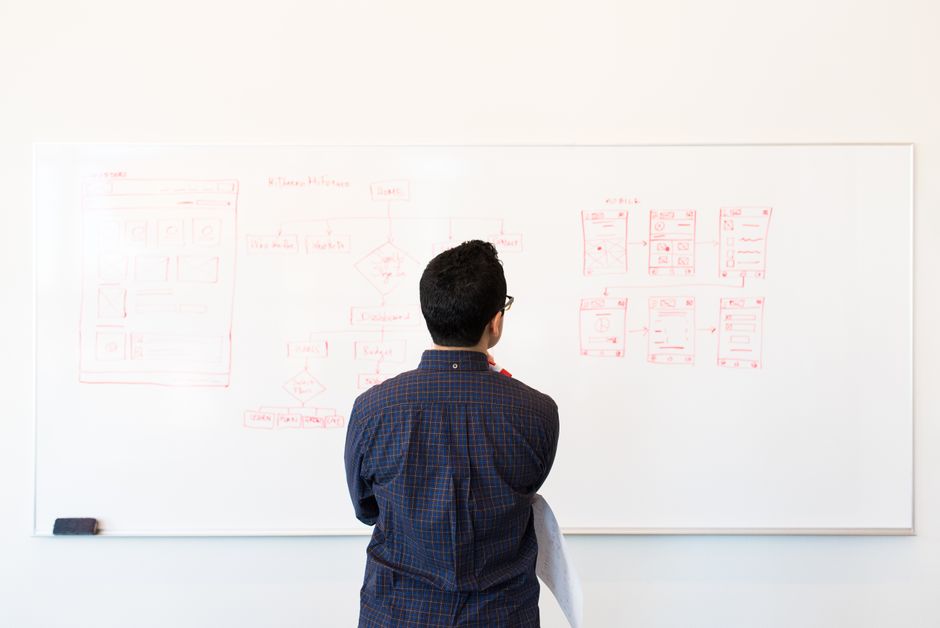
Table of Contents
- Understanding Kanban: The Creative Advantage
- Setting Up Your Creative Kanban Board
- Implementing Kanban for Creative Project Management
- Kanban in Action: Creative Workflow Scenarios
- Kanban Best Practices for Creative Teams
- Overcoming Common Kanban Challenges in Creative Work
Understanding Kanban: The Creative Advantage
Kanban, at its heart, is a visual management system that originated in the manufacturing world but has proven to be a surprisingly potent tool for the often chaotic realm of creative endeavors. Its core principles are elegantly simple, yet profoundly effective:
- Visualize Workflow: The fundamental idea is to make your entire creative process visible. This means mapping out each stage of your project, from initial ideation to final delivery, on a board. This visual representation allows everyone involved to see where a task is, who is working on it, and what’s coming next.
- Limit Work-in-Progress (WIP): This is arguably Kanban’s most transformative principle for creative teams. By setting explicit limits on how many tasks can be in any given stage at one time, you prevent individuals and the team as a whole from becoming overwhelmed. It forces prioritization and encourages the completion of existing tasks before starting new ones, drastically reducing context switching and its associated productivity drain.
- Manage Flow: Once WIP is limited, the focus shifts to ensuring a smooth and predictable flow of work through the system. This involves identifying and addressing bottlenecks – those points where work piles up – so that creative energy can move efficiently towards completion.
- Make Policies Explicit: Clearly define the "rules of the game" for your Kanban board. This includes things like how to move a card, what constitutes "done" for each stage, and the WIP limits themselves. This transparency eliminates ambiguity and ensures everyone is on the same page.
- Implement Feedback Loops: Regular check-ins and retrospectives are crucial. This allows the team to reflect on what’s working, what’s not, and how to adjust the process. This iterative feedback mechanism is vital for continuous improvement in any creative workflow.
- Improve Collaboratively, Evolve Experimentally: Kanban is not a rigid dogma. It’s a framework that encourages teams to experiment with their processes, learn from those experiments, and continuously improve based on data and team consensus.
Why Kanban is Uniquely Suited for Creative Projects
The inherent flexibility and iterative nature of creative projects make them a natural fit for Kanban. Unlike rigid, waterfall-style methodologies, creativity often thrives on exploration, iteration, and adaptation. Kanban embraces this by:
- Embracing Flexibility: Creative projects rarely follow a straight line. New ideas emerge, requirements shift, and unexpected challenges arise. Kanban’s visual nature and focus on flow allow teams to adapt quickly to these changes without derailing the entire project. You can easily re-prioritize, add new ideas, or pivot as needed.
- Supporting Iterative Development: Many creative breakthroughs happen through cycles of prototyping, testing, and refinement. Kanban’s structure naturally supports this iterative process, allowing teams to break down complex creative tasks into smaller, manageable chunks that can be reviewed and improved upon. This aligns well with principles found in Agile project management for creative teams and the broader philosophy of Agile for Creative Project Management.
- Facilitating Visual Problem-Solving: The visual aspect of a Kanban board isn’t just for tracking tasks; it’s a powerful tool for collaborative problem-solving. Seeing the entire workflow laid out can help teams identify creative roadblocks, understand dependencies, and brainstorm solutions together in a tangible way. This can be particularly helpful when exploring new territories, much like when undertaking User Persona Development for Creative Solutions or conducting thorough User Needs Research for Creative Solutions.
- Kanban encourages a focus on finishing tasks before starting new ones, reducing the risk of unfinished ideas.
- The visual nature of Kanban boards aids in understanding project progress and identifying areas for creative exploration.
- Limiting Work-in-Progress (WIP) helps prevent creative burnout and fosters deeper focus on individual tasks.
- Kanban’s adaptable nature supports the exploratory and often unpredictable path of creative innovation.
- Regular feedback loops inherent in Kanban facilitate continuous improvement of the creative process itself.
Key Benefits for Innovation and Creativity
Implementing Kanban can unlock significant advantages for innovation and creative teams:
- Reduced Bottlenecks: By visualizing the workflow and limiting WIP, teams can quickly spot and address any points where work is getting stuck. This means fewer stalled ideas and a more consistent output of creative work. When seeking to understand the anatomy of a failed innovation project, identifying bottlenecks is often a crucial first step.
- Enhanced Collaboration: A shared Kanban board acts as a single source of truth, fostering transparency and communication among team members. Everyone understands the collective workload and can offer support where needed. This can be particularly impactful when tackling complex problems using frameworks like TRIZ principles for creative problem-solving or exploring AI-Powered Creative Workflow solutions.
- Clearer Project Visibility: For creative projects, especially those with less defined scopes, maintaining clarity can be a challenge. Kanban provides an immediate, at-a-glance understanding of project status, individual contributions, and upcoming priorities. This visibility is invaluable for effective Creative Project Budgeting and managing expectations, potentially even influencing how Creative Project Funding Models are structured. It also helps in Measuring Innovative Project Success and Measuring Creative Output.
Embracing Kanban doesn’t mean stifling creativity; quite the opposite. It provides a structured yet flexible framework that empowers creative teams to do their best work, navigate uncertainty with confidence, and bring innovative ideas to fruition more effectively. This proactive approach can also help in Assessing Fear of Failure in Creative Projects and mitigating its impact, fostering an environment where The Psychology of Creative Mistakes is viewed as a learning opportunity, not a disaster.
Setting Up Your Creative Kanban Board
A well-structured Kanban board is the bedrock of an efficient and transparent creative workflow. It visualizes your process, highlights bottlenecks, and keeps everyone on the same page. Let’s break down how to set yours up for maximum creative impact.
The first crucial step is defining your creative workflow stages. Think of this as mapping the journey of an idea from its nascent spark to its public unveiling. Common stages for creative projects include:
- Ideation: Where raw concepts are born. This can involve brainstorming, mind mapping, or Unlocking Creative Flow: Bias-Free Ideation Techniques.
- Concept Development: Refining those initial ideas, fleshing them out, and developing initial briefs. This is where User Persona Development for Creative Solutions and User Needs Research for Creative Solutions often come into play.
- Design/Prototyping: Bringing the concept to life visually or tangibly. This stage might involve exploring different aesthetics, creating mockups, or building prototypes.
- Review/Feedback: Internal and external critiques to ensure the creative direction is sound and aligned with objectives. This is also where you might encounter the inherent Psychology of Failure in Creative Processes and need to be mindful of Assessing Fear of Failure in Creative Projects.
- Approval: Securing sign-off from stakeholders. This can sometimes be a critical path, and understanding Creative Project Funding Models can influence the approval process.
- Production: The execution phase, where the approved concept is built, created, or implemented. This could even involve exploring AI-Powered Creative Workflow solutions.
- Launch/Deployment: Releasing the final output to the intended audience.
- Post-Launch Analysis: Evaluating performance and gathering insights for future projects. This aligns with Measuring Innovative Project Success.
Next, choose the right Kanban tool. The market offers a spectrum of options, each with its strengths. For a tangible, in-your-face visualization, a physical board with sticky notes can be incredibly effective, especially for smaller, co-located teams. It fosters immediate engagement and makes WIP (Work In Progress) limitations very apparent. However, for distributed teams or projects requiring detailed tracking and integration, digital tools are indispensable. Popular options include:
- Trello: User-friendly and visually intuitive, excellent for simpler workflows.
- Asana: Offers more robust project management features, including dependencies and timelines, suitable for complex creative endeavors.
- Jira: Powerful and highly customizable, often favored by software development teams but adaptable for creative workflows, especially when integrated with other tools.
When crafting your task cards, remember they are more than just to-dos; they are miniature project briefs. Each card should contain essential, actionable information:
- Assignee: Who is responsible for this task?
- Due Date: A clear deadline for completion.
- Description: A concise summary of the task.
- Creative Brief Link/Attachment: Crucially, link directly to the relevant creative brief, design specifications, or any supporting documentation. This ensures context is always at hand, preventing misinterpretations and facilitating a deeper understanding of the project’s core.
Finally, customize your board to fit your unique needs. This is where Kanban truly shines in its adaptability.
- Swimlanes: These horizontal rows can segment your board for different projects, teams, or even types of work (e.g., "Client Projects" vs. "Internal Initiatives"). This brings clarity to where resources are allocated.
- Tags and Labels: Utilize these to categorize tasks further. You might use labels for "High Priority," "Bug," "Content," "Visual," or even link them to specific aspects of the project’s budget, such as Creative Project Budgeting. This allows for quick filtering and identification of specific task types, aiding in resource allocation and Measuring Creative Output.
Here’s a look at how different workflow stages might translate onto a board, illustrating the flexibility of customization:
| Ideation | Concept Development | Design | Review/Feedback | Production | Launch |
|---|---|---|---|---|---|
| Brainstorm new campaign ideas | Develop mood boards for Project X | Create wireframes for mobile app | Client review of ad copy | Produce video assets | Deploy website update |
| Research competitor strategies | Outline key messaging for Project Y | Illustrate characters for animation | Internal feedback on UX flow | Write blog post for launch | Monitor social media engagement |
By thoughtfully defining stages, selecting the right tools, and populating your board with clear, actionable cards, you lay a robust foundation for a more organized, efficient, and ultimately, more successful creative workflow. This structured approach can also help teams navigate the inherent uncertainties of creative endeavors, making it easier to adapt and learn from setbacks, much like how The Psychology of Creative Mistakes can inform future iterations. This methodical setup is a key component of adopting Agile project management for creative teams, fostering a more responsive and iterative development process.
Implementing Kanban for Creative Project Management
The true power of Kanban lies in its ability to bring order and clarity to the inherently fluid and often messy world of creative work. Unlike rigid, phase-gated methodologies, Kanban embraces iterative progress and continuous improvement, making it an excellent fit for creative projects.
Visualizing the Creative Process: Mapping Your Project Lifecycle
The first, and perhaps most impactful, step is to translate your entire creative project into a visual workflow on your Kanban board. Think of each column on the board as a distinct stage in your project’s journey, from initial ideation to final delivery. For a creative endeavor, this might look something like: "Ideas/Brainstorming," "Research & Discovery" (where you might conduct User Needs Research for Creative Solutions), "Concept Development," "Design/Prototyping," "Development/Execution," "Review & Feedback," and "Launch/Delivery." Each card on the board represents a specific task or deliverable. This visualization immediately clarifies the project’s scope and highlights the interconnectedness of each step. It allows everyone involved to see exactly where a project stands, what’s coming next, and who is responsible for each part. This transparency is crucial for fostering collaboration and ensuring alignment, especially in projects with diverse skill sets.
Limiting Work-in-Progress (WIP): The Antidote to Creative Burnout
One of Kanban’s most powerful principles is Work-in-Progress (WIP) limits. For creative teams, this is not just about efficiency; it’s about safeguarding mental well-being and preventing the dreaded creative burnout. When too many tasks are "in progress" simultaneously, cognitive load increases, focus fractures, and the quality of creative output often suffers. By setting explicit WIP limits for each column (e.g., only three tasks can be in "Concept Development" at any one time), you force the team to complete existing work before starting new tasks. This encourages a "stop starting, start finishing" mentality. It promotes a deeper dive into each task, allowing for greater focus and more thoughtful execution, which is vital for complex creative problem-solving. This practice also helps individuals manage their own capacity and Measuring Personal Risk Tolerance for Creative Projects, as they are not overwhelmed by too many concurrent demands.
Managing Flow: Identifying and Addressing Bottlenecks
As your creative projects move through the board, you’ll begin to notice patterns in how tasks progress. Bottlenecks – stages where tasks consistently pile up and move slowly – are inevitable. Kanban’s visual nature makes these bottlenecks glaringly obvious. Is the "Review & Feedback" column perpetually overflowing? Perhaps the review process needs streamlining, or the feedback providers are overloaded. Is "Development/Execution" a constant choke point? This might indicate a need for better resource allocation, skill development, or even exploring an AI-Powered Creative Workflow to augment certain processes. Actively identifying and addressing these bottlenecks is key to ensuring a smooth and efficient flow of creative work, preventing delays, and keeping momentum high. This aligns with the core principles of Agile project management for creative teams, which emphasizes adaptability and continuous improvement.
Making Policies Explicit: The Foundation of Trust and Clarity
For any Kanban system to function effectively, especially in a creative context, policies must be explicit and agreed upon by the entire team. This isn’t about stifling creativity; it’s about building a predictable and trustworthy framework within which creativity can thrive. These policies should cover critical aspects of the workflow:
- Task Movement: When can a card move from one column to the next? What criteria must be met?
- Card Completion: What constitutes a "completed" task? This could involve sign-offs, passing quality checks, or meeting specific definition-of-done criteria.
- Feedback Rounds: How many rounds of feedback are allowed? What is the turnaround time for feedback? How is constructive criticism handled to avoid triggering The Psychology of Failure in Creative Processes?
Having these agreements documented and visible reduces ambiguity, minimizes misunderstandings, and fosters a sense of shared responsibility. It creates a common language and understanding for how work progresses, which is vital for effective collaboration and for managing the inherent uncertainties in creative endeavors. This transparency is also crucial when discussing project scope and resources, informing discussions around Creative Project Budgeting and the potential need for Seed Funding for Creative Startups.
FAQ: How does Kanban handle creative iteration and experimentation?
Kanban excels at supporting iteration. The “Ideas/Brainstorming” and “Concept Development” columns are natural spaces for experimentation. By limiting WIP, teams are encouraged to explore a few ideas thoroughly rather than spreading themselves too thin. When an experiment doesn’t yield the desired results, it can be easily moved back to an earlier stage or archived without disrupting the flow of other, more promising tasks. This flexibility allows for learning and adaptation, which is core to successful innovation. It also helps teams become more adept at Unlocking Creative Potential by Challenging Confirmation Bias.
FAQ: Can Kanban be used for managing creative projects funded by different models?
Absolutely. Kanban’s adaptability makes it suitable for various funding structures. Whether you’re working with traditional budgets, seeking Seed Funding for Creative Startups, or exploring more innovative Creative Project Funding Models, Kanban provides the visibility to track progress against deliverables. This transparency is invaluable for communicating with stakeholders and demonstrating the effective use of resources, helping to avoid situations that might lead to The Anatomy of a Failed Innovation Project.
Kanban in Action: Creative Workflow Scenarios
The true power of Kanban shines when applied to the dynamic and often unpredictable nature of creative workflows. Moving beyond rigid, waterfall methodologies allows teams to embrace flexibility, foster collaboration, and deliver exceptional work. Let’s explore how Kanban can be implemented across various creative project scenarios.
Managing Content Creation: For a team producing a steady stream of blog posts, social media updates, or video content, a Kanban board provides excellent visibility. Columns might include "Ideation/Brief," "Drafting," "Review/Editing," "Graphics/Production," and "Scheduled/Published." As content pieces move through these stages, everyone understands their status. This is particularly helpful for tracking the multiple stages of video production, from scriptwriting and storyboarding to filming and post-production. The ability to visualize bottlenecks, such as a backlog in the "Review/Editing" column, allows for proactive resource allocation and ensures consistent output. This structured approach can also inform how you approach Creative Project Budgeting by making resource needs more predictable.
Handling Design Projects: Website redesigns, branding initiatives, and the creation of marketing collateral all benefit from Kanban’s visual management. Imagine a board with columns like "Discovery & Research," "Concepting," "Wireframing/Mockups," "Development," "Testing," and "Launch." For a website redesign, the "Discovery & Research" phase might involve user persona development and user needs research, which can be further detailed on separate sub-boards or linked tasks. This ensures that the design is grounded in a deep understanding of the target audience, as explored in User Persona Development for Creative Solutions. For branding initiatives, moving from initial mood boards to logo variations and brand guideline development becomes a clear, traceable process.
Facilitating Campaign Development: A successful marketing campaign, from its nascent brainstorming stages to its grand launch, can be orchestrated with Kanban. A typical board might include "Brainstorming & Ideation," "Strategy & Planning," "Content Creation," "Media Buying," "Execution," and "Monitoring & Analysis." This framework supports the iterative nature of campaign development, allowing for agile adjustments based on initial performance data. For instance, the "Brainstorming & Ideation" phase could leverage techniques from Unlocking Creative Flow: Bias-Free Ideation Techniques to generate a wider range of concepts. This approach aligns well with the principles of Agile project management for creative teams.
Iterative Feedback Loops: Integrating client or stakeholder reviews seamlessly is crucial for any creative project. Kanban boards excel here by making feedback a distinct, manageable step. You might add a "Client Review" or "Stakeholder Feedback" column. When a task reaches this stage, it signifies that input is required. Once feedback is received, the task can move to "Revision" and then back into the review cycle if necessary. This prevents feedback from becoming a black box and ensures that progress is not stalled by unclear or delayed responses. This transparency can also help manage expectations around Measuring Innovative Project Success and can even influence how you secure Creative Project Funding Models by demonstrating a clear path to client satisfaction.
Pro-Tip: When integrating AI tools into your creative workflow, consider how they can automate certain repetitive tasks on your Kanban board, freeing up your team for higher-level creative thinking. For example, AI might assist in initial content drafting or image generation, moving tasks more quickly to the "Review" stage. Explore the possibilities outlined in AI-Powered Creative Workflow.
Successfully implementing Kanban for creative projects often means embracing the principles of Agile for Creative Project Management. It’s about creating a visible, adaptable system that supports the natural ebb and flow of creative ideation and execution, rather than stifling it. The ability to visualize progress, identify bottlenecks, and integrate feedback efficiently makes Kanban an indispensable tool for innovation-driven teams.
Kanban Best Practices for Creative Teams
Implementing a Kanban board is a fantastic step towards a more organized and fluid creative workflow, but its true power is unlocked through consistent practice and team commitment. It’s not just about the visual board; it’s about cultivating a mindset of continuous improvement and shared responsibility.
Cultivate Communication with Daily Stand-Ups (Creative Huddles)
Think of these as quick, energetic bursts of connection. Instead of lengthy status reports, aim for a brief "creative huddle" each day. The core questions remain: What did you accomplish yesterday? What will you work on today? Are there any impediments blocking your progress? For creative teams, these huddles are invaluable for surfacing unexpected challenges early. A designer stuck on a visual concept, a writer facing a creative block, or a developer encountering a technical hurdle – these issues can be flagged and addressed before they derail progress. This practice is foundational to many Agile project management for creative teams methodologies, ensuring everyone is aligned and supported.
Embrace Reflection with Regular Retrospectives
Kanban is a living system, and like any living thing, it needs to adapt and grow. Schedule regular retrospectives – perhaps weekly or bi-weekly – to look back at your workflow. What went well? What could have been better? What experiments will you try in the next iteration? This is your chance to honestly assess your processes, identify bottlenecks, and brainstorm solutions. Don’t shy away from discussing challenges, as these often present the greatest opportunities for innovation. For instance, a retrospective might reveal that a particular phase of ideation is consistently lagging, prompting a deeper dive into The Role of Divergent Thinking in Creative Breakthroughs.
Foster Ownership and Accountability
A Kanban board thrives when team members feel a sense of ownership over their tasks. Clearly define who is responsible for each item as it moves through the workflow. When individuals own their work, they are more likely to see it through to completion and proactively address any issues. This accountability extends beyond just task completion; it includes ensuring the quality and impact of their contribution. This aligns with principles found in Agile for Creative Project Management, where self-organizing teams take charge of their work.
Adaptability is Key: Evolving Your Kanban
Your team and your projects will change, and your Kanban board should evolve with them. What works for a nascent startup exploring new concepts might differ from a mature agency executing well-defined campaigns. Don’t be afraid to experiment with different column layouts, workflow rules, or even the tools you use. As you gain experience, you might integrate elements of AI-Powered Creative Workflow or refine your User Persona Development for Creative Solutions based on what you learn from your board’s data. Remember, the goal is to create a system that best serves your team’s unique needs and enhances your creative output.
FAQ: How do creative teams handle the inherent uncertainty and iteration in Kanban?
Creative work often involves exploration and iteration, which can feel at odds with structured workflows. Kanban accommodates this by focusing on flow rather than fixed timeboxes (as in Scrum). Teams can use flexible columns like “In Progress – Exploring,” “In Progress – Refining,” or “In Progress – Testing” to visually represent different stages of creative exploration. Furthermore, regular retrospectives are crucial for discussing and adapting the workflow to better accommodate creative iteration. It’s also a valuable space to discuss risk and approach, perhaps referencing insights from Measuring Personal Risk Tolerance for Creative Projects to understand how different team members perceive and manage uncertainty.
FAQ: What if a creative task becomes blocked by something unexpected, like a lack of inspiration?
This is where the “impediment identification” aspect of daily stand-ups (creative huddles) shines. A “lack of inspiration” is a valid impediment. During the huddle, this can be brought to the team’s attention. Solutions might involve pairing the individual with a colleague for brainstorming, suggesting they take a break to engage with unrelated stimuli, or even pivoting to a different, less blocked task temporarily. This encourages open communication about creative challenges and reduces the stigma associated with not always being “on.” It also highlights the importance of fostering an environment where it’s safe to discuss challenges, something that directly combats the fear of failure, as explored in articles like Assessing Fear of Failure in Creative Projects and The Psychology of Failure in Creative Processes.
Overcoming Common Kanban Challenges in Creative Work
When implementing Kanban for creative projects, particularly those driven by innovation and exploration, you’ll inevitably encounter unique hurdles. The very nature of creative work—its often nebulous beginnings, iterative refinement, and dependence on inspiration—can clash with the structured approach of a Kanban board. However, with mindful adaptation and strategic foresight, these challenges can be transformed into opportunities for more effective and fulfilling workflows.
One of the most significant challenges is dealing with ambiguity and evolving requirements. Creative projects are rarely linear. Ideas blossom, pivot, and sometimes die, only to be reborn in a new form. A rigid Kanban board, focused on defined tasks, can feel stifling. The key here is to embrace flexibility within the board’s structure. Instead of tightly defined "To Do" items, consider using broader "Exploration" or "Ideation" stages. Columns like "Brainstorming," "Concept Development," and "Prototyping" allow for fluid movement and refinement. Think of your board not as a straightjacket, but as a dynamic canvas. When requirements shift, rather than fighting it, use the board to visualize the change and its impact. This transparency allows the team to collectively reassess priorities and adapt the workflow. This iterative process echoes principles found in Agile project management for creative teams, where continuous feedback and adaptation are paramount.
Balancing individual creative freedom with team process is another delicate act. Artists, writers, designers, and innovators often thrive on autonomy. A Kanban board, by its nature, introduces a layer of process. The solution lies in making the board a tool for empowerment, not control. Encourage individuals to pull work when they are inspired and ready, rather than having it pushed upon them. Clearly define the "Definition of Done" for each stage, but allow creative teams to determine how they achieve it. For example, in the "Design" column, a designer might have the freedom to explore multiple visual directions, but the "Done" criteria might involve presenting a curated selection for feedback. This fosters a sense of ownership and accountability. When discussing creative autonomy, it’s also worth considering the team’s collective Measuring Personal Risk Tolerance for Creative Projects to ensure everyone is comfortable with the level of experimentation involved.
Measuring progress beyond simple task completion is crucial for creative endeavors. If your board solely tracks "Task Completed," you risk overlooking the nuances of creative development. How do you quantify a breakthrough idea or a refined concept? Shift your focus to measuring flow and value. Instead of just task completion, consider metrics like lead time (how long an idea takes to move from conception to a tangible outcome), cycle time (how long it takes to complete a specific stage), and the number of experiments or prototypes generated. For creative projects, especially those seeking external investment, understanding how to demonstrate progress is also tied to Creative Project Funding Models and accurate Creative Project Budgeting. The goal is to visualize the movement of ideas and the value being added at each stage, not just the ticking off of boxes. For instance, a successful "Ideation" stage might be measured not by tasks completed, but by the number of unique concepts that emerge and gain traction for further development.
Finally, ensuring adoption and buy-in from all team members is fundamental. A Kanban board is only effective if the team uses it consistently and meaningfully. This requires open communication, a clear demonstration of its benefits, and addressing any anxieties about process. Start by involving the team in the design of the board itself. What stages make sense for their workflow? What are their pain points? Collaborative design fosters ownership. Regularly revisit and refine the board with the team. Conduct retrospectives to discuss what’s working and what’s not. Transparency about how the board helps manage workload, identify bottlenecks, and celebrate progress can significantly increase engagement. Addressing the Psychology of Failure in Creative Processes and Assessing Fear of Failure in Creative Projects can also help alleviate concerns that a structured process might stifle experimentation or punish "failed" attempts at innovation.
Here’s a breakdown of how to address these challenges:
| Challenge | Creative Solution | Kanban Board Adaptation | Example |
|---|---|---|---|
| Ambiguity & Evolving Requirements | Embrace iteration, allow for pivots, and focus on learning. | Use flexible stages like “Exploration,” “Ideation,” and “Concept Testing.” Visualize changes and their impact. | A card moving from “Initial Concept” back to “Research” after receiving new user feedback. |
| Individual Freedom vs. Team Process | Empower autonomy within a supportive structure. | Define “Definition of Done” for stages, but allow flexibility in *how* tasks are completed. Encourage self-organization. | A designer choosing to experiment with three different visual styles for a UI element, all under the “Design” column. |
| Measuring Progress Beyond Tasks | Focus on flow, value, and learning. | Track lead/cycle times, number of ideas explored, and prototype iterations. | Measuring the time it takes for an idea to go from “Brainstorming” to a “Usable Prototype.” |
| Ensuring Adoption & Buy-in | Collaborate, communicate benefits, and foster a safe environment. | Involve the team in board design, hold regular retrospectives, and celebrate collective wins. | A team discussing and agreeing on the labels for their “Ready for Review” column during a retrospective. |
By thoughtfully adapting Kanban principles and focusing on the unique dynamics of creative work, you can build a workflow that fosters both structure and spontaneity, ultimately leading to more innovative and successful outcomes. Consider how tools like AI-Powered Creative Workflow can further augment these processes, streamlining tasks and freeing up valuable creative energy.
Featured image by Christina Morillo on Pexels