Eco-Friendly Packaging: Your Guide to Sustainable Solutions in 2024
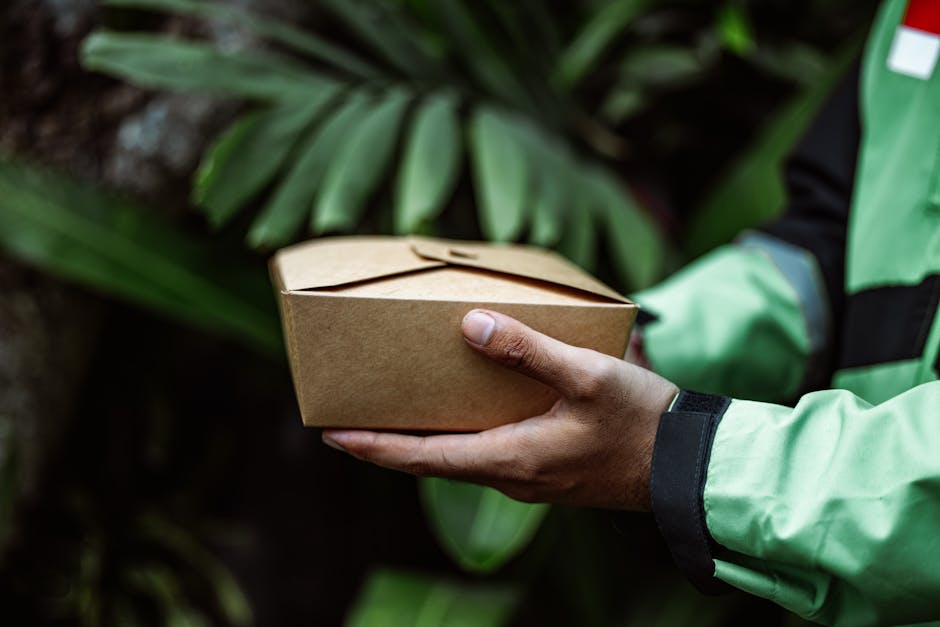
Executive Summary
The packaging industry is undergoing a significant transformation, driven by consumer demand for environmental responsibility and increasing regulatory pressure. Sustainable packaging solutions offer a pathway to reduce waste, conserve resources, and enhance brand reputation. This article delves into the various types of sustainable packaging, their benefits, challenges, and a practical guide for businesses looking to make the switch.
Table of Contents
- Why Sustainable Packaging Matters
- Key Types of Sustainable Packaging
- The Benefits of Going Green
- Challenges in Adopting Sustainable Packaging
- Myth vs. Fact: Debunking Packaging Misconceptions
- Action Plan: Transitioning to Sustainable Packaging
- The Future of Packaging: Innovation and Trends
- Conclusion
- Discussion Prompt
- References
Why Sustainable Packaging Matters
The linear “take-make-dispose” model of production and consumption has led to mounting environmental concerns, including overflowing landfills, ocean pollution, and depletion of natural resources. Packaging, often a significant contributor to this waste stream, is now under intense scrutiny. Sustainable packaging aims to disrupt this cycle by prioritizing materials and designs that minimize environmental impact throughout their lifecycle, from sourcing to end-of-life.
Think of it like managing your household waste. Instead of throwing everything into one bin destined for a landfill, you separate recyclables, compost organic matter, and try to reuse items. Sustainable packaging applies this same principle on a larger, industrial scale.
Key Types of Sustainable Packaging
The landscape of sustainable packaging is diverse and constantly evolving, offering solutions for nearly every product.
Biodegradable and Compostable Materials
These materials are designed to break down naturally. Biodegradable materials decompose into natural elements like water, carbon dioxide, and biomass in a relatively short period. Compostable materials, a subset of biodegradable, require specific conditions (like those found in industrial composting facilities) to break down into nutrient-rich compost.
- Plant-based plastics (PLA): Derived from sources like corn starch or sugarcane.
- Molded pulp: Made from recycled paper or plant fibers, often used for egg cartons or protective inserts.
- Mushroom packaging (Mycelium): Grown from agricultural waste and fungal roots, offering excellent protective qualities.
Recycled and Recyclable Materials
This category focuses on materials that have been used before or can be used again.
- Recycled content: Using post-consumer recycled (PCR) or post-industrial recycled (PIR) materials in new packaging. This significantly reduces the need for virgin resources.
- Recyclable design: Creating packaging that can be easily collected, sorted, and reprocessed into new products. The simplicity and mono-material nature of packaging often dictates its recyclability.
Reusable Packaging Systems
Instead of single-use, reusable packaging is designed for multiple trips. This model requires a robust logistics system for collection, cleaning, and redistribution.
- Returnable containers: Used in supply chains for products like beverages, automotive parts, and electronics.
- Refillable bottles and jars: Increasingly popular for personal care products and food items.
Edible Packaging
A cutting-edge solution, edible packaging turns waste into an edible component. While still niche, it holds immense potential for certain food products, eliminating packaging waste entirely. Examples include coatings for fruits or single-serving sachets for sauces.
The Benefits of Going Green
Adopting sustainable packaging isn’t just an environmental imperative; it’s a strategic business decision.
Environmental Advantages
- Reduced waste: Diverts materials from landfills and oceans.
- Resource conservation: Decreases reliance on virgin resources like fossil fuels and timber.
- Lower carbon footprint: Often involves less energy-intensive production processes and reduced transportation emissions.
Economic Advantages
- Cost savings: Potential long-term savings through reduced material usage, lower waste disposal fees, and optimized logistics.
- Regulatory compliance: Staying ahead of evolving environmental regulations and avoiding potential fines.
- Innovation opportunities: Driving new product development and market differentiation.
Brand Enhancement
- Consumer appeal: A growing segment of consumers actively chooses brands with strong sustainability credentials.
- Improved brand image: Demonstrates corporate social responsibility and ethical practices.
- Investor attraction: Increasingly, investors consider ESG (Environmental, Social, and Governance) factors.
Challenges in Adopting Sustainable Packaging
Despite the clear advantages, the transition can present hurdles:
- Cost: Initial investment in new materials or systems can be higher.
- Infrastructure: Lack of widespread recycling or composting facilities can limit end-of-life options.
- Performance: Ensuring sustainable materials meet the required protective and shelf-life standards.
- Consumer education: Communicating the proper disposal methods for new packaging types.
Myth vs. Fact: Debunking Packaging Misconceptions
Myth: All “green” packaging is truly environmentally friendly.
Fact: “Greenwashing” is a concern. Terms like “biodegradable” can be misleading if the material doesn’t break down under typical environmental conditions. It’s crucial to look for certifications (e.g., BPI for compostable, FSC for paper) and understand the full lifecycle of a material.
Myth: Sustainable packaging always costs more.
Fact: While upfront costs can sometimes be higher, when considering the total cost of ownership (including waste disposal, regulatory compliance, and brand value), sustainable options can be more economical in the long run. Furthermore, innovations are continuously driving down costs.
Action Plan: Transitioning to Sustainable Packaging
Here’s a practical checklist to guide your business:
- Assess your current packaging: Understand materials used, volumes, costs, and end-of-life pathways.
- Set clear sustainability goals: Define what success looks like (e.g., reduce plastic by X%, increase recycled content by Y%).
- Research sustainable material alternatives: Investigate biodegradable, compostable, recycled, and reusable options relevant to your product.
- Collaborate with suppliers: Partner with manufacturers who offer sustainable solutions and can provide necessary certifications.
- Test performance: Ensure new packaging protects your product adequately and meets shelf-life requirements.
- Consider the full lifecycle: Evaluate sourcing, manufacturing, transportation, and end-of-life disposal.
- Educate stakeholders: Inform employees, customers, and partners about your packaging choices and proper disposal.
- Communicate your efforts: Highlight your sustainability initiatives on marketing materials and product packaging.
- Monitor and iterate: Continuously track progress, gather feedback, and adapt your strategy.
The Future of Packaging: Innovation and Trends
The drive for sustainability is fueling remarkable innovation. We’re seeing advancements in areas like:
- Smart packaging: Integrating technology for tracking, authentication, and improved consumer interaction, while still prioritizing eco-friendly materials.
- Bio-based materials: Expanding beyond PLA to develop novel materials from algae, agricultural waste, and even captured carbon.
- Circular economy models: Shifting from linear systems to closed-loop approaches where materials are continuously reused and recycled.
- Minimalist design: Reducing the amount of packaging material used without compromising protection, much like efficient design principles seen in nature (a concept explored in Biomimicry for Sustainable Solutions).
Conclusion
Sustainable packaging is no longer a niche trend but a fundamental shift in how businesses operate and engage with consumers. By embracing eco-friendly materials, innovative designs, and circular economy principles, companies can not only mitigate their environmental impact but also unlock significant economic and brand benefits. The journey requires careful planning and commitment, but the rewards—for businesses, consumers, and the planet—are substantial.
Discussion Prompt
What do you believe is the single biggest obstacle preventing widespread adoption of sustainable packaging, and what innovative solution could overcome it?
References
- Sustainable Packaging: The Future of Packaging
- The Benefits of Sustainable Packaging
- Biomaterials in Packaging: A Comprehensive Review
- Circular Economy Principles
- Sustainable Agriculture and Food Systems
- The Rise of Eco-Conscious Consumers
- MIT Design Lab: Sustainable Packaging Research
- European Commission: Plastics Strategy
- Biomimicry in Design
- Global Packaging Trends
Featured image by ROMAN ODINTSOV on Pexels