Biomimicry in Design: Nature’s Blueprint for Sustainable Innovation
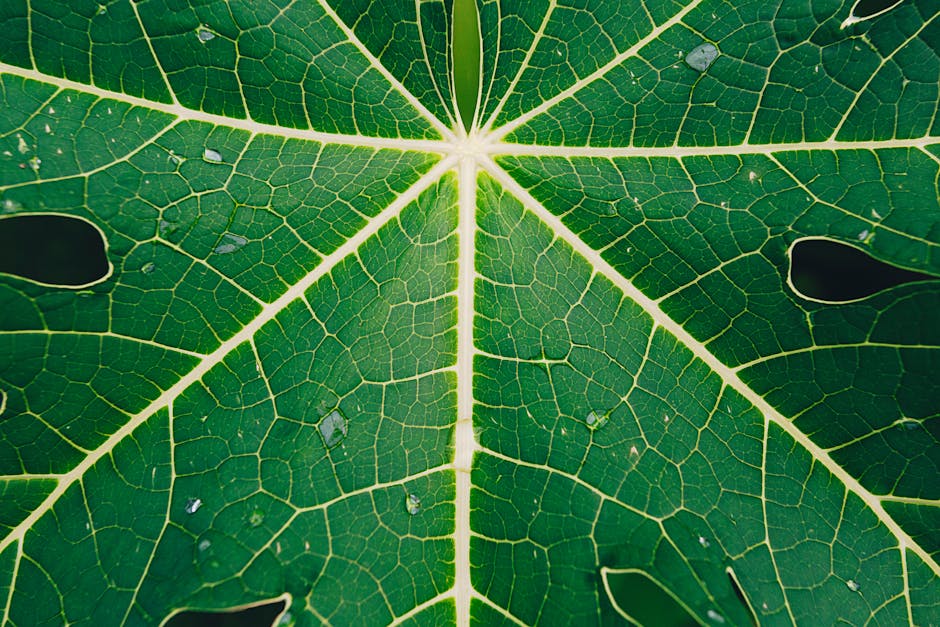
The Genius of Nature: A 3.8-Billion-Year Head Start in Innovation
Imagine a design process that has had nearly four billion years to iterate, optimize, and perfect its solutions. That’s the incredible advantage nature offers. From the intricate efficiency of a termite mound regulating temperature to the aerodynamic brilliance of a bird’s wing, the natural world is a treasure trove of ingenious designs, sustainable practices, and resilient systems. This is the realm of Biomimicry in Sustainable Design – learning from and mimicking nature’s strategies to solve human design challenges.
Table of Contents
- The Genius of Nature: A 3.8-Billion-Year Head Start in Innovation
- Executive Summary
- What is Biomimicry?
- The Three Levels of Biomimicry
- 1. Mimicking Form (The Pattern)
- 2. Mimicking Process (The Method)
- 3. Mimicking Ecosystem (The Context)
- Biomimicry in Action: Inspiring Examples
- Architecture & Urban Planning
- Materials Science
- Engineering & Technology
- The Benefits of Biomimicry
- Sustainability
- Efficiency and Performance
- Innovation and Creativity
- Cost-Effectiveness
- Resilience
- Challenges and the Future of Biomimicry
- Conclusion
- References
Executive Summary
- Biomimicry Defined: It’s the practice of emulating nature’s forms, processes, and ecosystems to create sustainable and effective human designs.
- Nature as a Mentor: It views nature not as a resource to be exploited, but as a model for sustainable living and innovation.
- Key Principles: Sustainability, efficiency, resilience, and elegance are core tenets.
- Applications: It spans architecture, materials science, engineering, product design, and more.
- Benefits: Leads to more sustainable, efficient, cost-effective, and aesthetically pleasing solutions.
What is Biomimicry?
At its core, biomimicry is about asking, "How would nature solve this?" It’s a paradigm shift from viewing nature as a mere source of raw materials to seeing it as a source of inspiration and wisdom. Instead of asking "What can we extract from nature?" biomimicry asks "What can we learn from nature?"
This approach recognizes that life on Earth, through evolution, has already solved many of the challenges we face today. Organisms and ecosystems have developed strategies for energy production, waste management, water conservation, material creation, and structural integrity that are inherently sustainable and efficient. Biomimicry seeks to translate these biological blueprints into human-made designs.
The Three Levels of Biomimicry
Biomimicry operates on distinct yet interconnected levels, each offering unique avenues for innovation:
1. Mimicking Form (The Pattern)
This is the most straightforward level, involving the imitation of a specific shape or structure found in nature. Think of the inspiration drawn from the structure of a lotus leaf for self-cleaning surfaces.
2. Mimicking Process (The Method)
This level focuses on replicating natural processes. For example, learning from how coral reefs build calcium carbonate structures to develop more sustainable cement production, or how organisms create materials at ambient temperatures and pressures.
3. Mimicking Ecosystem (The Context)
This is the most holistic level, where we study how natural ecosystems function and apply those principles to our own systems. It involves understanding cyclical flows of energy and resources, resilience, and how different elements interact. This level is crucial for creating truly sustainable and regenerative human systems. For instance, designing industrial parks where the waste of one company becomes a resource for another, mirroring the closed-loop systems found in nature.
Biomimicry in Action: Inspiring Examples
Nature’s ingenuity is evident in numerous groundbreaking designs:
Architecture & Urban Planning
- The Eastgate Centre, Harare: This building’s passive cooling system mimics the self-cooling mounds of African termites. The structure uses significantly less energy for climate control compared to conventional buildings.
- Velcro: The invention of hook-and-loop fasteners was inspired by the burrs that cling to a dog’s fur, with its tiny hooks.
Materials Science
- Self-Healing Materials: Inspired by the way skin heals and trees seal wounds, researchers are developing materials that can repair themselves when damaged.
- Sharkskin-Inspired Surfaces: The unique structure of sharkskin reduces drag and resists biofouling. This has inspired coatings for ship hulls and even antimicrobial surfaces in hospitals.
Engineering & Technology
- Kingfisher-Inspired High-Speed Trains: The nose cone of Japan’s Shinkansen bullet train was redesigned to resemble the beak of a kingfisher bird. This modification significantly reduced sonic booms when entering tunnels and improved energy efficiency.
- Whale-Fin Turbines: The bumpy edge of humpback whale fins (tubercles) allows them to maneuver with incredible agility. This principle has been applied to wind turbine blades and fans, increasing their efficiency and reducing noise.
Pro-Tip: When exploring biomimicry, always start by identifying the function you need. Then, ask "How does nature achieve this function?" The answer might be found in a plant, an animal, or an entire ecosystem.
The Benefits of Biomimicry
Embracing biomimicry offers a multitude of advantages for designers, businesses, and the planet:
Sustainability
Nature operates on principles of life-friendly chemistry, energy efficiency, and closed-loop systems. By mimicking these, we can reduce pollution, conserve resources, and minimize our environmental footprint.
Efficiency and Performance
Natural designs have been honed over millennia to be highly effective and efficient. Applying these principles can lead to products and systems that perform better, consume less energy, and require fewer materials.
Innovation and Creativity
Biomimicry provides a vast, untapped source of novel solutions. It encourages a creative, problem-solving mindset that breaks away from conventional approaches. It’s a powerful tool within the design thinking process. For a deeper dive into how nature’s genius can be applied to create lasting innovations, explore Biomimicry for Sustainable Solutions.
Cost-Effectiveness
While initial research and development might require investment, biomimetic solutions often lead to long-term cost savings through reduced energy consumption, less waste, and increased durability.
Resilience
Nature’s systems are inherently resilient, able to adapt to changing conditions. Biomimetic designs can incorporate this adaptability, leading to more robust and long-lasting solutions.
Challenges and the Future of Biomimicry
Despite its immense potential, biomimicry faces challenges. Translating complex biological mechanisms into human-made technologies requires interdisciplinary collaboration between biologists, engineers, designers, and material scientists. It also demands a shift in our educational systems and a deeper appreciation for ecological principles.
Important Warning: Don’t oversimplify nature’s complexity. A superficial imitation of form without understanding the underlying principles can lead to ineffective or even detrimental outcomes. Rigorous scientific study is essential.
The future, however, looks bright. As we increasingly recognize the urgency of climate change and the need for sustainable development, biomimicry offers a compelling pathway forward. It aligns with the principles of inclusive design by seeking solutions that work in harmony with natural systems, benefiting both people and the planet.
Conclusion
Biomimicry is more than just an approach to design; it’s a philosophy. It’s a call to humility, recognizing the profound wisdom embedded in the natural world. By looking to nature as our mentor, we can unlock a new era of innovation that is not only effective and efficient but also deeply sustainable and in harmony with the planet.
References
- Benyus, J. M. (1997). Biomimicry: Innovation Inspired by Nature. William Morrow.
- Eastgate Centre. (n.d.). Eastgate Centre. Retrieved from http://www.eastgatecentre.com/
- Guggiana, G. (2021). Biomimicry: Nature’s Solutions for the Modern World. Forbes.
- Jones, A. R. (2013). Biomimetic Design: Innovation and Sustainability. MIT Press.
- Vincent, J. F. V., & Mann, D. L. (2005). Artificial Wings. Springer Science & Business Media.
- School of Natural Sciences, University of California, Merced. (n.d.). Biomimicry Research & Innovation. Retrieved from scholar.google.com
- Banchoff, P. F., & Mazer, J. A. (1994). The Geometry of Biological Shape. Harvard University Press.
Featured image by Lucas Meneses on Pexels