Agile Service Development: Faster, Better, Customer-Centric
Understanding Agile Service Development
In today’s hyper-competitive landscape, the ability to rapidly and effectively develop services that delight customers isn’t just an advantage – it’s a necessity. This is where Agile Service Development steps into the spotlight. At its heart, Agile Service Development is an iterative and incremental approach to creating and improving services, drawing heavily from the principles that have revolutionized software development. Instead of rigid, long-term planning, it emphasizes flexibility, continuous feedback, and collaboration.
Table of Contents
- Understanding Agile Service Development
- The Agile Service Development Lifecycle
- Case Study: Streamlining Customer Onboarding with an Agile Approach
- Core Agile Practices for Service Teams
- Customer Centricity in Agile Service Design
- Measuring Success and Iterating Services
- Key Performance Indicators (KPIs) for Agile Services
- Utilizing Analytics and User Data for Improvement
- Sprint Reviews and Retrospectives for Service Refinement
- Strategies for Ongoing Service Evolution
- Overcoming Challenges in Agile Service Development
- Tools and Technologies for Agile Service Teams
- Case Study: Streamlining Customer Onboarding with Agile Tools
The core principles of Agile applied to service creation include:
- Customer Collaboration over Contract Negotiation: Prioritizing ongoing dialogue and shared understanding with customers to ensure the service truly meets their evolving needs.
- Responding to Change over Following a Plan: Embracing the dynamic nature of customer expectations and market shifts, allowing for adjustments throughout the development lifecycle.
- Individuals and Interactions over Processes and Tools: Fostering strong, collaborative relationships within development teams and with stakeholders, believing that people are the primary drivers of success.
- Working Services over Comprehensive Documentation: Focusing on delivering tangible, valuable service iterations that can be tested and refined, rather than getting bogged down in exhaustive upfront documentation.
This stands in stark contrast to traditional waterfall service development. The waterfall model operates sequentially, with distinct phases like requirements gathering, design, development, testing, and deployment. While predictable, it’s notoriously rigid. Any changes discovered late in the process can be incredibly costly and time-consuming to implement, often leading to services that are out of step with market demands by the time they launch. This is a common pitfall that can be avoided by adopting more agile methodologies. The risk of Product Development Failures: Avoid the Landmines & Launch Winners is significantly reduced when you can pivot based on real-time feedback.
The Agile approach aligns perfectly with the modern demand for dynamic and responsive services. Customers expect personalized experiences and solutions that adapt to their unique situations. Agile frameworks, such as Scrum or Kanban, allow teams to build, test, and refine services in short cycles, often called sprints. This rapid iteration is fueled by a commitment to continuous learning, embodying the Master the Build-Measure-Learn Loop: Your Guide to Agile Innovation philosophy, which is fundamental to Lean Startup for Agile Innovation: Build, Measure, Learn Faster.
To illustrate the differences, consider this:
| Aspect | Waterfall Service Development | Agile Service Development |
|---|---|---|
| Planning | Detailed, upfront, long-term | Iterative, adaptive, short-term |
| Requirements | Fixed at the start | Evolving and clarified throughout |
| Customer Involvement | Primarily at the beginning and end | Continuous throughout the lifecycle |
| Change Management | Difficult and costly | Embraced and managed iteratively |
| Delivery | Single, large release | Frequent, incremental releases of value |
| Focus | Completing the plan | Delivering customer value and adapting |
Why is Agile crucial for the modern service landscape?
- Rapid Market Responsiveness: The pace of change in customer needs and technological advancements is relentless. Agile allows organizations to quickly adapt their service offerings, ensuring they remain relevant and competitive. This is a key component of effective Service Innovation Frameworks: Your Blueprint for Customer-Centric Growth.
- Enhanced Customer Satisfaction: By continuously involving customers and incorporating their feedback, Agile ensures that the developed services are precisely what they need and want. This leads to higher adoption rates and increased loyalty. The principles of Customer-Centric Service Design: The Ultimate Guide for Business Growth are intrinsically woven into Agile’s fabric.
- Reduced Risk and Waste: The iterative nature of Agile allows for early detection of issues and misunderstandings. This prevents investing significant resources into building something that doesn’t meet user needs, directly addressing the core tenet of Stop Building Useless Stuff: How JTBD Revolutionizes Your Product Development. This focus on building what truly matters is central to the JTBD Framework: Drive Service Design Innovation.
- Improved Team Collaboration and Morale: Agile methodologies foster a highly collaborative environment. Teams work together closely, share responsibilities, and celebrate successes. This leads to better communication and higher job satisfaction, essential for thriving Agile Innovation Teams: The Unbeatable Power of Collaborative Breakthroughs. Effective Agile Team Collaboration: Unlock Your Team’s Peak Performance is paramount.
- Faster Time to Market: By breaking down development into manageable iterations and focusing on delivering working increments, Agile significantly shortens the time it takes to bring a service to market. This competitive edge is invaluable in fast-paced industries. This is a direct pathway to achieving New Product Development Strategies: Your Ultimate Guide to Launching Winners and mastering the Mastering the New Product Development Lifecycle: From Idea to Launch.
Ultimately, Agile Service Development is about building the right service, at the right time, for the right customer, and doing so in a way that fosters continuous learning and improvement. It’s a fundamental shift in mindset that unlocks innovation and drives sustainable growth in the service economy. The exploration of how customers will actually use a service is critical, making the understanding of the JTBD for Product Development: Build What Customers Actually ‘Hire’ perspective invaluable. Furthermore, techniques like Service Design Thinking: The Innovation Powerhouse You’re Missing and Service Blueprinting: Map Your Service for Innovation complement Agile by providing structured methods for understanding and visualizing the customer journey and service touchpoints. Agile development often leverages Rapid Prototyping: Fast, Smart Product Development to quickly test concepts and gather feedback, accelerating the innovation process.
A key element of successful Agile service development involves understanding how to best utilize the team’s capabilities. This is where effective Resource Allocation in Agile Development: Master Your Team’s Potential becomes crucial. When teams are empowered and resources are optimized, the speed and quality of innovation soar, leading to superior Customer Experience Innovation: Redefining Service Delivery for Loyalty & Growth.
For a deeper dive into agile principles and practices, the Agile Manifesto itself remains a foundational document: https://agilemanifesto.org/. Additionally, understanding how to measure the impact of these efforts is key. Exploring Innovation Metrics for Product Development: Measure What Matters can provide valuable insights into the effectiveness of your Agile Service Development initiatives.
The Agile Service Development Lifecycle
The Agile Service Development Lifecycle is a dynamic, iterative journey designed to bring innovative services to market rapidly and effectively, with a relentless focus on customer needs. Unlike traditional, linear approaches, Agile embraces change and prioritizes continuous learning. This lifecycle can be broadly understood through its core phases:
Discovery: Unearthing Opportunities This initial phase is about deep understanding and exploration. It’s where we identify unmet customer needs, market gaps, and potential service innovations. Techniques like user research, competitive analysis, and ideation workshops fuel this stage. A critical aspect here is embracing the Jobs To Be Done (JTBD) framework. Instead of focusing solely on product features, JTBD helps us understand the underlying "job" a customer is trying to get done. This approach is crucial for ensuring we’re not just building stuff, but building solutions that truly resonate. Tools like Stop Building Useless Stuff: How JTBD Revolutionizes Your Product Development can be invaluable here, and a deep dive into the JTBD Framework: Drive Service Design Innovation will further solidify your understanding. Throughout discovery, feedback loops are essential. Early conversations with potential users and stakeholders help validate assumptions and refine the direction, preventing costly detours down the line. This phase often leverages Service Design Thinking: The Innovation Powerhouse You’re Missing to ensure a holistic, human-centered approach.
Design: Crafting the Experience Once opportunities are identified, the focus shifts to designing the service itself. This involves defining the user journey, mapping out interactions, and creating prototypes. Service Blueprinting becomes a powerful tool, visualizing all touchpoints and backstage processes. This stage is heavily influenced by Service Blueprinting: Map Your Service for Innovation. Rapid prototyping is key here; creating tangible representations of the service allows for early testing and feedback. Think Rapid Prototyping: Fast, Smart Product Development. Feedback loops are paramount, with iterative testing of prototypes with target users to identify usability issues, refine the experience, and ensure the service is intuitive and delightful. This is where the principles of Customer-Centric Service Design: The Ultimate Guide for Business Growth are put into practice.
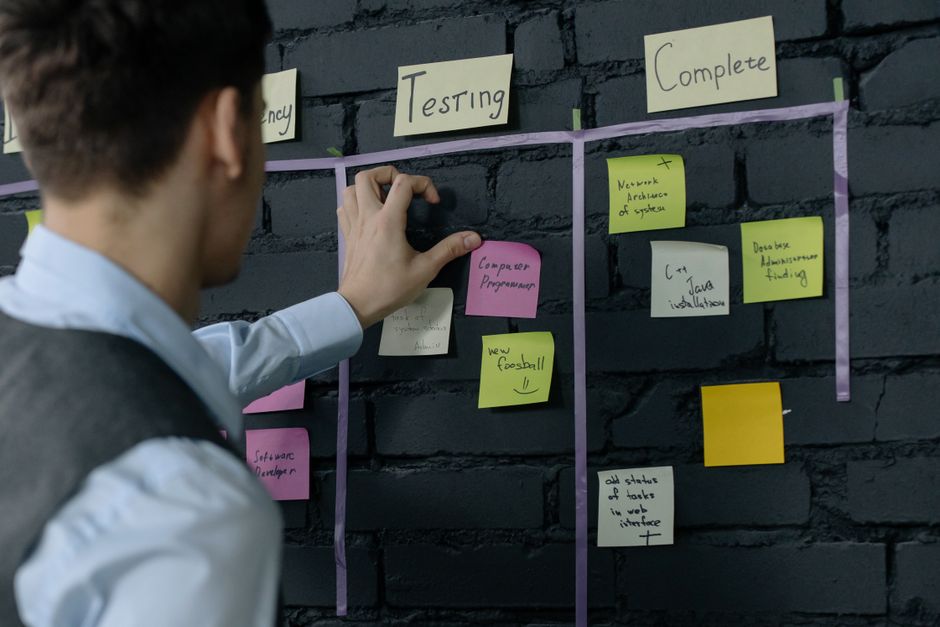
Development: Building the Solution This is where the designed service is brought to life through technology or operational processes. Agile methodologies like Scrum and Kanban are commonly employed. Scrum, with its Sprints and daily stand-ups, provides a structured approach for teams to work in short, focused cycles, delivering potentially shippable increments of the service. Kanban, with its visual board and focus on flow, helps manage the continuous delivery of value and identify bottlenecks. Regardless of the specific framework, the emphasis remains on small, iterative development cycles. Crucially, this phase is underpinned by a robust understanding of Resource Allocation in Agile Development: Master Your Team’s Potential. Continuous feedback loops are maintained through regular demonstrations of work-in-progress to stakeholders and internal testing. This iterative build process helps mitigate the risk of Product Development Failures: Avoid the Landmines & Launch Winners.
Deployment: Releasing to the Market Once a valuable increment of the service is ready, it’s deployed to users. This can range from a limited beta release to a full market launch. The Agile approach often favors smaller, more frequent deployments, allowing for quicker validation and less risk. Feedback loops are critical post-deployment, gathering insights from early adopters about their experience, any bugs encountered, and suggestions for improvement. This data directly informs the next iteration. For a comprehensive view on bringing products to market, consider Mastering the New Product Development Lifecycle: From Idea to Launch.
Iteration: Continuous Improvement This is perhaps the most defining characteristic of Agile service development. The service is never truly "finished." Based on the feedback gathered from deployment and ongoing market analysis, the team revisits earlier phases, making improvements, adding new features, or even pivoting the service’s direction. This cycle of Build-Measure-Learn is central to Agile innovation, as detailed in Master the Build-Measure-Learn Loop: Your Guide to Agile Innovation and Lean Startup for Agile Innovation: Build, Measure, Learn Faster. This continuous loop ensures the service remains relevant, competitive, and continues to deliver exceptional customer value over time, fostering Customer Experience Innovation: Redefining Service Delivery for Loyalty & Growth.
Case Study: Streamlining Customer Onboarding with an Agile Approach
A SaaS company struggled with a complex and lengthy customer onboarding process, leading to high churn rates. They adopted an Agile Service Development lifecycle to address this. In the Discovery phase, they interviewed new customers and analyzed drop-off points, realizing the core issue was an overwhelming initial setup. Using the JTBD Framework, they identified that users primarily wanted to “get to value quickly.” In the Design phase, they prototyped a simplified, guided onboarding wizard with interactive elements and clear progress indicators. They used Service Blueprinting to map out the entire customer journey, from initial signup to full platform utilization. The Development phase utilized Scrum, breaking down the wizard into manageable sprints. Each sprint concluded with a demo to internal teams and a select group of beta testers, providing immediate feedback. Deployment was phased, starting with a small percentage of new users. Post-deployment monitoring and user surveys fed directly into the Iteration phase, where further refinements were made to tutorial content and feature introductions, significantly reducing onboarding time and improving customer satisfaction.
By embracing this iterative, feedback-driven lifecycle, organizations can foster true innovation, build services that customers love, and adapt quickly to the ever-evolving market landscape. The power of Agile Innovation Frameworks: Drive Faster, Smarter Breakthroughs lies in this continuous adaptation and responsiveness. Ultimately, this approach aligns with sound New Product Development Strategies: Your Ultimate Guide to Launching Winners.
Core Agile Practices for Service Teams
Agile service development isn’t just a buzzword; it’s a fundamental shift in how we create and deliver value in today’s fast-paced, ever-evolving market. For innovation and creativity to truly flourish, service teams need to embrace core agile practices that foster flexibility, customer focus, and continuous improvement.
At the heart of this transformation lies the cross-functional team. Imagine a diverse group, comprised of individuals with unique skill sets – a service designer, a UX researcher, a domain expert, a developer, and perhaps even a customer support representative – all working together towards a common goal. This collaborative structure, detailed in resources on Agile Team Collaboration: Unlock Your Team’s Peak Performance, breaks down silos and ensures all perspectives are considered from the outset. Each member brings their expertise to the table, making decisions collectively and moving with a shared purpose. This is crucial for effective Resource Allocation in Agile Development: Master Your Team’s Potential.
This collaborative spirit fuels iterative development and incremental delivery. Instead of aiming for a single, massive launch, agile service development focuses on breaking down the service into smaller, manageable chunks. Each iteration, often referred to as a "sprint," delivers a tangible piece of functionality or an improvement to the service. This allows for rapid feedback loops, enabling teams to pivot quickly based on real-world usage and insights. This approach aligns perfectly with Master the Build-Measure-Learn Loop: Your Guide to Agile Innovation and helps to Stop Building Useless Stuff: How JTBD Revolutionizes Your Product Development.
To guide this iterative process, user stories become indispensable tools for defining service requirements. These short, simple descriptions articulate a feature from the perspective of the end-user, answering the "who," "what," and "why." For example, a user story might be: "As a busy professional, I want to schedule a service appointment online so that I can do it at my convenience." This human-centric approach ensures that development efforts remain focused on delivering genuine value and addressing real customer needs, a cornerstone of Customer-Centric Service Design: The Ultimate Guide for Business Growth. Understanding the "job to be done" is paramount here, as explored in the JTBD Framework: Drive Service Design Innovation.
| Agile Practice | Description for Service Teams | Benefit to Innovation & Creativity |
|---|---|---|
| Cross-functional Teams | Diverse individuals (designers, developers, domain experts, customer support) collaborating towards a shared service goal. | Fosters holistic problem-solving, diverse perspectives, and rapid idea generation, preventing Product Development Failures: Avoid the Landmines & Launch Winners. |
| Iterative Development & Incremental Delivery | Breaking down service development into small, deliverable increments, releasing value in short cycles. | Enables continuous feedback, adaptation to changing needs, and early validation of innovative features. Supports Rapid Prototyping: Fast, Smart Product Development. |
| User Stories | Concise descriptions of desired service functionality from the end-user’s perspective. | Ensures development is aligned with customer needs, driving customer-centric innovation and preventing the creation of unwanted features. |
| CI/CD | Automating the build, test, and deployment of service updates. | Accelerates the delivery of new features and improvements, allowing for faster experimentation and market response, a key enabler of Customer Experience Innovation: Redefining Service Delivery for Loyalty & Growth. |
Finally, continuous integration and continuous delivery (CI/CD) are the engines that power the rapid release cycles in service development. By automating the process of integrating code changes and deploying them to production environments, teams can significantly reduce the time and effort required to get new features and fixes into the hands of users. This automation not only increases efficiency but also allows for more frequent experimentation and a quicker response to market shifts, ultimately accelerating the innovation lifecycle and aligning with Agile Innovation Frameworks: Drive Faster, Smarter Breakthroughs. CI/CD is a crucial component for realizing the benefits of Service Innovation Frameworks: Your Blueprint for Customer-Centric Growth and applying principles from Lean Startup for Agile Innovation: Build, Measure, Learn Faster.
By deeply embedding these core agile practices, service teams can cultivate an environment where innovation and creativity aren’t just encouraged, but are the natural outcome of their development process. This forms the foundation for building truly exceptional services that resonate with customers and stand out in the market.
Customer Centricity in Agile Service Design
In the fast-paced world of innovation, building services that truly resonate with users isn’t a happy accident; it’s a deliberate, iterative process. Agile service development places the customer at the absolute heart of every decision, ensuring that what we build isn’t just functional, but genuinely valuable and delightful. This isn’t about guesswork; it’s about a systematic approach to understanding and serving user needs.
At its core, agile service development champions gathering and incorporating user feedback early and often. Forget the days of launching a product and then hoping users like it. In an agile framework, feedback loops are woven into the very fabric of development. This means continuous engagement with your target audience, from the initial concept to post-launch iterations. Tools like A/B testing, user interviews, and surveys are not add-ons; they are integral to the development cadence. This aligns perfectly with the Master the Build-Measure-Learn Loop: Your Guide to Agile Innovation philosophy, where rapid learning from real users fuels further refinement.
This commitment to early feedback naturally leads to the concept of prototyping and Minimum Viable Service (MVS) concepts. Instead of investing heavily in a fully formed service that might miss the mark, agile development encourages the creation of simplified, testable versions. Think of an MVS as the absolute core of your service, offering just enough functionality to address a key user problem and gather meaningful insights. This allows for swift validation of core hypotheses and significantly reduces the risk of Product Development Failures: Avoid the Landmines & Launch Winners. Platforms like Figma or even low-fidelity paper prototypes can be invaluable here, embodying the spirit of Rapid Prototyping: Fast, Smart Product Development.
To truly understand your users, effective persona development and journey mapping for service users are indispensable. Personas aren’t just demographic profiles; they are fictional representations of your ideal customers, encompassing their goals, motivations, pain points, and behaviors. Journey maps, on the other hand, visually chart the entire experience a user has with your service, from initial awareness to ongoing engagement. These tools help teams empathize with users, identify critical touchpoints, and uncover opportunities for innovation. This deep dive into user understanding is a cornerstone of Service Design Thinking: The Innovation Powerhouse You’re Missing. For a practical approach to visualizing this, explore Service Blueprinting: Map Your Service for Innovation.
Crucially, agile service development is about balancing user needs with business objectives. While user delight is paramount, a service must also be sustainable and align with the overarching goals of the organization. This isn’t a zero-sum game; innovative services that meet user needs often drive business success. The key lies in framing user problems in a way that highlights business opportunities. For instance, understanding what customers are trying to "hire" a service to do, as championed by the Jobs To Be Done (JTBD) framework, provides a powerful lens for both user-centricity and business strategy. As detailed in Stop Building Useless Stuff: How JTBD Revolutionizes Your Product Development and JTBD Framework: Drive Service Design Innovation, aligning JTBD with your service development ensures you’re solving real problems that also unlock market value. This delicate balance is where true innovation thrives, leading to services that are both beloved by users and profitable for the business.
FAQ: How do we ensure our user feedback is truly representative?
It’s vital to cast a wide net and actively seek feedback from a diverse range of potential users who represent your target demographics and user segments. Employing a mix of qualitative methods (interviews, usability testing) and quantitative methods (surveys, analytics) can provide a more holistic view. Furthermore, regularly revisiting and refining your personas and journey maps based on this feedback ensures your understanding remains current and accurate. For guidance on the strategic allocation of resources to support these efforts, consider Resource Allocation in Agile Development: Master Your Team’s Potential.
FAQ: What’s the difference between an MVS and a Minimum Viable Product (MVP)?
While closely related, the term MVS (Minimum Viable Service) emphasizes the entire service experience, not just a single product feature. An MVP typically focuses on the core product functionality. For service development, an MVS might include not only the digital interface but also the human interactions, support processes, and physical touchpoints that constitute the complete service offering. It’s about validating the entire service proposition, not just a piece of software. This approach is a natural extension of the principles outlined in Lean Startup for Agile Innovation: Build, Measure, Learn Faster.
Measuring Success and Iterating Services
The true brilliance of agile service development lies not just in its creation but in its continuous refinement. Unlike traditional, linear approaches that often result in costly rework and missed opportunities, agile methodologies thrive on feedback and adaptation. This iterative nature is what allows services to remain relevant, valuable, and genuinely innovative in a dynamic market.
Key Performance Indicators (KPIs) for Agile Services
Defining success in an agile service context requires a shift from purely output-based metrics to those that reflect value delivery and customer satisfaction. While specific KPIs will vary based on the service and its goals, common indicators include:
- Customer Satisfaction (CSAT) / Net Promoter Score (NPS): Direct measures of how users perceive the service’s value and their likelihood to recommend it.
- Task Completion Rate: How successfully users can achieve their desired outcomes using the service.
- Time to Resolution/Service Delivery: The speed at which the service addresses user needs or fulfills requests.
- Adoption Rate/Active Users: The measure of how many individuals are actively engaging with the service.
- Churn Rate: The rate at which users stop using the service.
- Service Availability/Uptime: A foundational KPI ensuring the service is consistently accessible.
- Efficiency Metrics: Depending on the service, this could include things like cost per interaction, processing time, or resource utilization. For instance, understanding Resource Allocation in Agile Development: Master Your Team’s Potential can directly impact these efficiency KPIs.
These KPIs aren’t static. They should be reviewed regularly and adjusted as the service evolves and strategic priorities shift. Embracing a Service Innovation Framework: Your Blueprint for Customer-Centric Growth can help align your KPIs with broader business objectives.
Utilizing Analytics and User Data for Improvement
Data is the lifeblood of agile iteration. Comprehensive analytics and a deep understanding of user behavior are indispensable for pinpointing areas of friction and opportunities for enhancement. This involves not just tracking what users are doing, but why. Tools for web analytics, user session recording, and in-app feedback mechanisms are invaluable.
By analyzing user journeys, drop-off points, and feature usage patterns, we can move beyond assumptions and truly understand the user experience. This data-driven approach helps us to Stop Building Useless Stuff: How JTBD Revolutionizes Your Product Development by focusing on the underlying "Jobs to Be Done" that users are hiring the service to perform. Understanding the JTBD framework is crucial for ensuring your service truly meets unmet needs.
FAQ: How do I ensure the data I collect is actually useful for service iteration?
Start with clear hypotheses about user behavior and service performance. Design your analytics to specifically test these hypotheses. For example, if you suspect a particular onboarding step is causing drop-offs, set up event tracking for that step and analyze completion rates. Regularly review your data collection strategy with your team to ensure it remains aligned with your current iteration goals. Remember, the goal is to gather actionable insights, not just raw numbers. This ties directly into the Build-Measure-Learn Loop: Your Guide to Agile Innovation.
Sprint Reviews and Retrospectives for Service Refinement
Agile’s power is amplified through its structured feedback loops. Sprint reviews are where the team demonstrates the increment of work completed, gathering feedback from stakeholders on the actual service features developed. This is a crucial moment for validation and for surfacing new insights that can inform the next iteration.
Following the sprint review, the sprint retrospective provides a dedicated space for the team to reflect on its own processes. This is not about finger-pointing, but about identifying what went well, what could be improved, and what actions can be taken to enhance collaboration and efficiency. Effective retrospectives are key to fostering a culture of continuous improvement and ensuring Agile Team Collaboration: Unlock Your Team’s Peak Performance. These sessions are vital for preventing Product Development Failures: Avoid the Landmines & Launch Winners.
FAQ: How can I make sprint reviews and retrospectives more impactful?
For sprint reviews, ensure you invite the right stakeholders who can provide meaningful feedback. Prepare a clear demonstration that highlights the value delivered. For retrospectives, create a psychologically safe environment where team members feel comfortable sharing candid feedback. Use a variety of facilitation techniques to keep them engaging. Actively capture action items and ensure they are followed up on in subsequent sprints. This continuous cycle is at the heart of Lean Startup for Agile Innovation: Build, Measure, Learn Faster.
Strategies for Ongoing Service Evolution
Agile service development is not a one-off project; it’s a commitment to continuous evolution. This requires a proactive mindset and a clear strategy for ongoing innovation. Leveraging frameworks like Service Design Thinking: The Innovation Powerhouse You’re Missing and Service Blueprinting: Map Your Service for Innovation can provide a structured approach to understanding the entire service ecosystem and identifying opportunities for improvement.
Embracing a "build, measure, learn" mentality, as popularized by the Lean Startup movement, is fundamental. This means rapidly prototyping new ideas, gathering feedback through Rapid Prototyping: Fast, Smart Product Development, and iterating based on what you learn. Focusing on Customer-Centric Service Design: The Ultimate Guide for Business Growth ensures that your evolution is always aligned with user needs and desires, leading to greater Customer Experience Innovation: Redefining Service Delivery for Loyalty & Growth. Ultimately, successful agile service development is about fostering a culture of learning and adaptation, ensuring your services remain at the forefront of innovation. This iterative journey aligns perfectly with New Product Development Strategies: Your Ultimate Guide to Launching Winners and the overarching goal of mastering the Mastering the New Product Development Lifecycle: From Idea to Launch for sustained success.
Overcoming Challenges in Agile Service Development
Embracing Agile Service Development is a powerful engine for innovation and creativity, but like any journey into uncharted territory, it comes with its own set of navigational hazards. As seasoned practitioners, we’ve learned that anticipating and proactively addressing these challenges is key to unlocking the full potential of agile methodologies for service organizations.
One of the most persistent hurdles is managing stakeholder expectations in an iterative process. In traditional, waterfall models, stakeholders often expect a fully formed, polished product at the end. Agile, by its nature, delivers value incrementally. This requires a fundamental shift in communication. Regular demos, clear sprint goals, and transparent feedback loops are crucial. It’s about cultivating a shared understanding that we are building together, and that early, frequent feedback is the fuel for innovation. Techniques like Service Design Thinking: The Innovation Powerhouse You’re Missing and detailed Service Blueprinting: Map Your Service for Innovation can be invaluable in visualizing the evolving service and communicating progress effectively. Remember, the goal is to avoid Product Development Failures: Avoid the Landmines & Launch Winners by staying aligned with evolving customer needs.
Another significant area of concern is addressing technical debt and architectural challenges. In the rush to deliver value iteratively, it’s easy to accumulate technical debt – shortcuts taken that will need to be refactored later. Ignoring this can lead to brittle systems and hinder future innovation. We must bake in time for refactoring and continuous improvement within sprints. Establishing clear architectural guidelines and conducting regular architectural reviews are essential. This proactive approach ensures that the underlying service architecture remains robust and adaptable, supporting the rapid evolution of features and functionalities. Think of it as maintaining the foundation to enable the construction of ever more ambitious additions, a core principle in any robust Service Innovation Frameworks: Your Blueprint for Customer-Centric Growth.
The challenge of scaling Agile principles to larger service organizations is also a common point of discussion. What works for a small, co-located team can be more complex to implement across multiple departments or geographies. This often involves adopting scaled agile frameworks like SAFe or LeSS, which provide structures for coordinating multiple agile teams. However, the core principles of collaboration, communication, and iterative delivery remain paramount. It’s about ensuring alignment across teams and creating a cohesive, end-to-end service experience. Effective Resource Allocation in Agile Development: Master Your Team’s Potential becomes even more critical at scale, ensuring that the right people are focused on the right priorities.
Finally, fostering a culture of adaptability and continuous learning is perhaps the most fundamental and enduring challenge. Agile is not just a methodology; it’s a mindset. It requires teams and leaders to be comfortable with change, embrace experimentation, and learn from both successes and failures. This means creating psychological safety, encouraging cross-functional collaboration through Agile Team Collaboration: Unlock Your Team’s Peak Performance, and investing in ongoing training and development. When teams are empowered to learn and adapt, they can truly drive Customer Experience Innovation: Redefining Service Delivery for Loyalty & Growth and remain at the forefront of their industry.
Ultimately, overcoming these challenges is what separates agile service development from simply ‘doing agile’. It’s about creating a dynamic, resilient, and customer-centric approach that fuels continuous innovation and ensures your services not only meet but exceed evolving market demands. By proactively addressing these hurdles, organizations can truly harness the power of agile to build services that customers will ‘hire’ for – embodying the spirit of Stop Building Useless Stuff: How JTBD Revolutionizes Your Product Development and driving meaningful Innovation Metrics for Product Development: Measure What Matters.
Tools and Technologies for Agile Service Teams
The alchemy of agile service development isn’t purely in the methodology; it’s significantly amplified by the right tools and technologies. Think of them as the advanced instruments in a master craftsman’s toolkit, enabling precision, speed, and seamless collaboration.
At the heart of any agile team’s operation are robust project management and collaboration tools. Platforms like Jira, Trello, and Asana are indispensable for visualizing workflows, managing backlogs, tracking progress, and fostering transparent communication. These tools are critical for effective Agile Team Collaboration: Unlock Your Team’s Peak Performance and ensuring everyone is aligned, regardless of their physical location. They facilitate the breaking down of complex service initiatives into manageable sprints, allowing teams to iteratively build and refine their offerings. This aligns perfectly with the principles of Master the Build-Measure-Learn Loop: Your Guide to Agile Innovation, where progress is tracked and impediments are surfaced quickly.
To truly embrace agility and speed up the development lifecycle, CI/CD pipelines and automation tools are non-negotiable. Continuous Integration and Continuous Deployment (CI/CD) automate the building, testing, and deployment of service updates. Tools like Jenkins, GitLab CI, and CircleCI allow teams to deliver value to customers more frequently and with greater confidence. This automation reduces manual errors and frees up valuable engineering time, allowing for more focus on innovation and addressing user needs. This directly supports the core tenets of Lean Startup for Agile Innovation: Build, Measure, Learn Faster, enabling rapid iteration and validation.
Innovation thrives on visualization and tangible representation. This is where prototyping and design software come into play. Tools such as Figma, Sketch, and Adobe XD empower designers and developers to create interactive prototypes, wireframes, and mockups early in the development cycle. This allows for rapid exploration of different service concepts and user flows, making the process of Rapid Prototyping: Fast, Smart Product Development a reality. It’s crucial for validating assumptions and getting early feedback before committing significant development resources. This also ties directly into Service Design Thinking: The Innovation Powerhouse You’re Missing, as these tools facilitate the tangible representation of abstract service ideas. For a deeper dive into this, explore Service Blueprinting: Map Your Service for Innovation.
Ultimately, the success of any service development effort hinges on understanding the customer. Feedback collection and analytics platforms are vital for closing the loop. Tools like Google Analytics, Mixpanel, Hotjar, and various survey platforms allow teams to gather quantitative and qualitative data on how users interact with their services. This data-driven approach is fundamental to validating hypotheses, identifying areas for improvement, and ensuring that development efforts are focused on what truly matters to the end-user. This directly feeds into the understanding of JTBD Framework: Drive Service Design Innovation, helping to uncover the underlying needs customers are trying to fulfill. As a result, teams can avoid Product Development Failures: Avoid the Landmines & Launch Winners by making informed decisions.
Case Study: Streamlining Customer Onboarding with Agile Tools
A fintech startup, “FinFlow,” faced significant churn during their customer onboarding process. Recognizing the need for a more agile approach, they implemented a suite of tools. Jira was used to break down the onboarding journey into user stories and tasks, visualizing bottlenecks in the workflow. Trello boards were utilized by the customer success team to track individual customer progress and identify common pain points in real-time. Figma was employed to rapidly prototype a simplified onboarding wizard, allowing for A/B testing of different user flows. Customer feedback was systematically collected via in-app surveys integrated with Hotjar, providing heatmaps and session recordings to pinpoint usability issues. This agile toolchain enabled FinFlow to iterate quickly, reducing their onboarding completion time by 30% and significantly decreasing early-stage churn, demonstrating the power of integrated tools for service innovation.
By strategically leveraging these tools and technologies, agile service teams can accelerate their innovation cycles, enhance collaboration, and build services that genuinely resonate with their target audience, ensuring they’re not just building, but building what customers need. For further insights into driving customer-centricity, explore Customer-Centric Service Design: The Ultimate Guide for Business Growth.
Featured image by cottonbro studio on Pexels