Bias Blind Spot in Creative Problem Solving
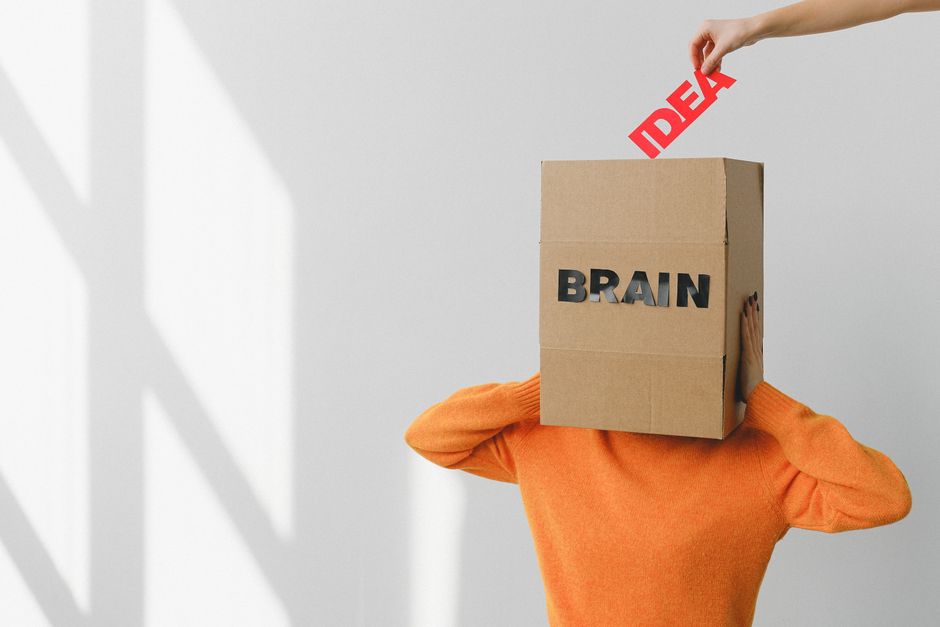
Table of Contents
- Understanding the Bias Blind Spot
- Bias Blind Spot in Creative Problem Solving
- Consequences for Innovation and Creativity
- Strategies to Mitigate the Bias Blind Spot
- Building a Bias-Resilient Creative Culture
Understanding the Bias Blind Spot
In our relentless pursuit of innovative solutions, we often find ourselves confronting complex problems. The process of creative problem-solving, by its very nature, demands objectivity and an openness to novel perspectives. Yet, a pervasive psychological phenomenon, the bias blind spot, can insidiously undermine our efforts, rendering us less effective than we believe.
At its core, the bias blind spot is our remarkable ability to recognize the influence of biases on others, while remaining remarkably oblivious to their impact on ourselves. It’s a curious, and often frustrating, human tendency. We can readily point out how a colleague’s pre-existing beliefs might be skewing their interpretation of data, or how a client’s vested interests are clouding their judgment. But when it comes to our own decision-making, we tend to see ourselves as rational, objective actors, immune to such cognitive pitfalls. This disconnect creates a significant hurdle in Driving Creative Problem-Solving.
Several psychological underpinnings contribute to this blind spot. The self-serving bias, for instance, leads us to attribute our successes to our own abilities and efforts, while external factors are blamed for failures. This can manifest as a belief that our own perspectives are inherently more valid, making us less likely to question them. Furthermore, the illusion of superiority or "better-than-average" effect can make us believe we are more objective and less biased than the average person. This cognitive dissonance makes it difficult to accept that our own thinking might be compromised. We become deeply invested in our own viewpoints, leading to a subtle resistance to information that contradicts them. This is closely related to the challenges of Boosting Creative Problem-Solving by Minimizing Confirmation Bias.
The bias blind spot isn’t confined to academic discussions; it permeates our everyday lives. Consider the driver who believes they are exceptionally skilled and therefore less likely to cause an accident, while simultaneously criticizing other drivers for their perceived recklessness. Or think about the individual who scoffs at "fake news" while readily accepting articles that align with their existing political beliefs. In decision-making, this can lead to everything from poor investment choices to strained interpersonal relationships. It’s a crucial consideration when applying Creative Problem Solving Methods.
This phenomenon is particularly detrimental in contexts that demand true objectivity, such as creative problem-solving. When we are tasked with finding novel solutions, breaking free from established paradigms is essential. However, if we are unaware of our own biases, we may inadvertently filter out potentially groundbreaking ideas that challenge our preconceptions. We might cling to familiar approaches, unconsciously prioritizing solutions that reinforce our existing beliefs, rather than truly exploring the landscape of possibilities. This makes it harder to engage in the deep dives necessary for approaches like Defining First Principles for Creative Problem Solving.
Consider the application of well-established frameworks like the TRIZ principles for creative problem-solving. While TRIZ offers a systematic approach to innovation, its effectiveness can be diminished if the problem solver is blinded by their own assumptions about what constitutes a "good" solution or an "impossible" constraint. Similarly, when exploring First Principles: Your Blueprint for Radical Creative Problem-Solving, the bias blind spot can prevent us from truly deconstructing a problem to its fundamental truths, as we might be anchored to superficial understandings.
The following table illustrates how different cognitive biases can contribute to this blind spot, making it harder to achieve truly objective problem-solving.
| Cognitive Bias | How it Contributes to Bias Blind Spot |
|---|---|
| Self-Serving Bias | Reinforces belief in one’s own rationality and fairness, making it harder to acknowledge personal biases. |
| Illusion of Superiority | Leads to an overestimation of one’s own objectivity compared to others. |
| Confirmation Bias | Drives us to seek out and interpret information that supports our existing beliefs, while dismissing contradictory evidence, making us unaware of how this limits our perspectives. This is a direct threat to effective Creative Problem Solving in Change. |
| In-Group Bias | Favors those perceived as similar to oneself, potentially leading to overlooking valuable insights from those outside one’s group. |
Recognizing and actively mitigating the bias blind spot is a critical step in developing robust Creative Problem-Solving Skills and fostering a truly innovative mindset. Without this awareness, even the most sophisticated Problem Solving Frameworks risk being applied through a distorted lens. A study published in the Journal of Personality and Social Psychology highlights the pervasive nature of this bias across various domains, underscoring the need for conscious effort in self-reflection.
Bias Blind Spot in Creative Problem Solving
The most insidious saboteur of creative problem-solving isn’t a lack of talent or resources, but rather our own unconscious cognitive biases. Among the most detrimental is the Bias Blind Spot: our tendency to recognize the influence of biases in others while remaining largely oblivious to their impact on ourselves. This phenomenon is particularly pernicious in the realm of innovation, where novelty and unconventional thinking are paramount.
The bias blind spot subtly, yet powerfully, infiltrates every stage of the creative process. During idea generation, it can manifest as prematurely dismissing novel or unconventional ideas simply because they deviate from established norms or personal comfort zones. We might unconsciously favor solutions that echo familiar successes, thereby stifling the exploration of truly groundbreaking possibilities. This can discourage experimentation, as individuals fear their "out-of-the-box" contributions will be met with skepticism or outright rejection due to this unseen filter. This is why fostering an environment that Boosts Creative Problem-Solving by Minimizing Confirmation Bias is so critical.
In the crucial phase of idea evaluation, the bias blind spot exerts an even stronger grip. We tend to favor ideas that align with our existing beliefs, past experiences, or deeply ingrained mental models. This is where confirmation bias – the tendency to seek out, interpret, and recall information in a way that confirms one’s preexisting beliefs – becomes a formidable obstacle. Our blind spot prevents us from recognizing when we’re unconsciously favoring an idea that simply "feels right" because it fits our worldview, rather than objectively assessing its potential merit. Similarly, anchoring bias can lead us to fixate on the first idea presented, or a prior solution, hindering our ability to explore newer, potentially superior alternatives. The availability heuristic further exacerbates this, causing us to overvalue ideas that are easily recalled, often those that are most familiar or recent, neglecting potentially more robust but less readily accessible solutions.
Here’s a simplified look at how common biases, amplified by the blind spot, can derail creative problem-solving:
| Cognitive Bias | How it Manifests in Creative Problem Solving | Impact of Bias Blind Spot |
|---|---|---|
| Confirmation Bias | Seeking evidence that supports an initial idea, ignoring contradictory data. Prioritizing “experts” who agree with the prevailing thought. | Leads individuals to believe they are objectively assessing ideas when they are, in fact, selectively reinforcing their existing preferences. Makes it difficult to truly Boost Creative Problem Solving by Reducing Confirmation Bias. |
| Anchoring Bias | Over-reliance on the first piece of information or idea encountered, even if it’s flawed or suboptimal. | Prevents the exploration of a wider solution space, as the initial anchor becomes a mental constraint that is difficult to overcome. |
| Availability Heuristic | Giving more weight to information that is easily recalled (e.g., recent successes, dramatic failures) when evaluating ideas. | Favors familiar or dramatic solutions over potentially more effective but less prominent ones, hindering true innovation. |
The insidious nature of the bias blind spot is also acutely felt in team collaboration. When individuals are unaware of their own biases, open communication and constructive criticism can be severely hampered. Instead of genuinely considering dissenting opinions or novel suggestions, team members might dismiss them, attributing the "bad" ideas to the other person’s lack of understanding, rather than acknowledging their own filtering mechanisms. This can lead to an echo chamber effect, where the loudest or most assertive voices, often those reinforcing existing paradigms, dominate the discussion. True innovation often emerges from challenging the status quo, which requires psychological safety and a willingness to be vulnerable, both of which are undermined when biases go unacknowledged. This is why Unlocking Creative Potential by Challenging Confirmation Bias is a crucial step towards more effective Creative Problem Solving.
Recognizing and actively mitigating our bias blind spot is not just an abstract exercise; it’s a practical necessity for anyone serious about driving innovation. Frameworks like TRIZ principles for creative problem-solving and exploring First Principles: Your Blueprint for Radical Creative Problem-Solving offer systematic approaches to bypass these cognitive hurdles, encouraging a more objective and expansive approach to ideation and problem-solving. Similarly, dedicating time to Defining First Principles for Creative Problem Solving can help ensure that we are addressing the root of the problem, rather than superficial manifestations influenced by bias. Ultimately, developing robust Creative Problem-Solving Skills requires a commitment to self-awareness and a proactive effort to challenge our own ingrained patterns of thought.
Consequences for Innovation and Creativity
The insidious presence of the bias blind spot in creative problem-solving can cast a long shadow over an organization’s innovative potential, leading to a cascade of detrimental consequences. When individuals and teams are unaware of their own susceptibility to biases, they inadvertently perpetuate them, hindering the very processes that drive progress.
One of the most significant impacts is the stagnation of innovative thinking. Without actively challenging their preconceived notions and assumptions, teams become entrenched in the status quo. This adherence to what’s "always been done" stifles the emergence of novel ideas and prevents the exploration of alternative solutions. Consequently, opportunities for breakthrough solutions are frequently missed. Instead of venturing into uncharted territory, teams tend to gravitate towards familiar, incremental improvements, leaving truly transformative innovations on the table. This is why understanding and Boosting Creative Problem-Solving by Minimizing Confirmation Bias is so crucial.
Furthermore, the bias blind spot is a powerful engine for reinforcing groupthink and echo chambers within creative teams. When everyone shares similar biases and perspectives, dissenting opinions are often suppressed or dismissed, not on their merit, but because they don’t align with the prevailing narrative. This creates an environment where diverse viewpoints are unwelcome, directly undermining the principles of effective Creative Problem Solving. This can lead to a reduced effectiveness of brainstorming and ideation sessions. Instead of a vibrant exchange of a wide range of ideas, sessions become echo chambers where similar thoughts are rehashed, lacking the spark of genuine originality.
The ramifications extend even further, particularly impacting diversity and inclusion initiatives in creative fields. A team unaware of its biases may unknowingly favor ideas or approaches that reflect the dominant culture or perspective, marginalizing contributions from underrepresented groups. This not only erodes inclusivity but also deprives the creative process of the rich tapestry of experiences and insights that diversity brings. To truly excel in Developing Creative Problem-Solving Skills, embracing a wide array of perspectives is paramount.
Case Study: The “Innovation Inertia” at GadgetCorp
GadgetCorp, a once-leading electronics manufacturer, found its product pipeline drying up. Their R&D teams, steeped in the company’s historical successes with feature-rich, complex devices, were consistently developing products that mirrored their existing offerings. When presented with market data suggesting a shift towards simpler, user-friendly gadgets, the teams exhibited a strong bias blind spot. They dismissed this feedback as a fleeting trend, reinforcing their belief in the superiority of their current approach. Brainstorming sessions became exercises in defending existing paradigms rather than exploring radical departures. This resulted in a series of minor product updates that failed to capture the attention of a rapidly evolving market, leading to significant financial losses and a decline in their innovative reputation. Their inability to overcome their ingrained biases meant they missed the opportunity to pivot and dominate the burgeoning market for intuitive technology.
This inability to self-correct, to acknowledge our own imperfect perceptions, is a fundamental hurdle in Master Problem Solving: Innovate & Drive Progress. By actively seeking to understand and Unlocking Creative Potential by Challenging Confirmation Bias, organizations can begin to dismantle these barriers, fostering environments where truly novel ideas can flourish. Exploring frameworks like TRIZ principles for creative problem-solving or employing methodologies such as SCAMPER for Problem Solving can provide structured approaches to challenge assumptions and encourage divergent thinking, thereby mitigating the negative impacts of the bias blind spot. Ultimately, cultivating a Developing Creative Problem-Solving Through Growth Mindset is key to continuous innovation and sustained success.
Strategies to Mitigate the Bias Blind Spot
Recognizing and overcoming our inherent bias blind spot is crucial for unlocking truly innovative solutions. It’s the silent saboteur of creativity, leading us down familiar, often less effective, paths. Fortunately, by implementing a multifaceted approach, we can actively dismantle its influence and foster more robust creative problem-solving.
At the core of this effort is cultivating self-awareness. This isn’t a passive endeavor; it requires actively seeking feedback from peers and stakeholders, asking pointed questions about your assumptions, and engaging in metacognition – thinking about your own thinking processes. Regularly reflecting on how you arrive at decisions, what information you prioritize, and what you might be overlooking is a powerful antidote. This practice aligns with the principles of Developing Creative Problem-Solving Skills, emphasizing introspection as a foundational element.
A highly effective strategy is to encourage diverse teams and perspectives. When individuals with varied backgrounds, experiences, and cognitive styles collaborate, they naturally challenge one another’s assumptions. Creating an inclusive environment where every voice is valued and encouraged to share ideas, even those that seem unconventional, is paramount. This diversity acts as a natural check against a homogenous thought process, significantly reducing the risk of the bias blind spot taking hold.
Furthermore, implementing structured problem-solving frameworks provides a roadmap to navigate complexity and challenge ingrained beliefs. Methodologies like Design Thinking, with its emphasis on empathy and iterative prototyping, or TRIZ, the theory of inventive problem solving, are designed to push beyond obvious solutions. TRIZ, for instance, offers systematic approaches to identify and resolve contradictions, inherently questioning existing paradigms. Exploring TRIZ principles for creative problem-solving can illuminate how such frameworks actively combat the bias blind spot.
Complementing these frameworks are critical thinking tools designed for objective evaluation. Techniques such as pre-mortems, where teams imagine a project has failed and work backward to identify potential causes, or assigning a “devil’s advocate” role to systematically critique ideas, can expose biases before they derail progress. These methods encourage a rigorous assessment of assumptions, similar to the approach advocated in Defining First Principles for Creative Problem Solving, which urges a return to fundamental truths.
Crucially, fostering a culture of psychological safety is the bedrock upon which these strategies can thrive. In an environment where challenging ideas and biases is not only accepted but encouraged, team members feel empowered to speak up. This creates a feedback loop where potential blind spots can be identified and addressed collaboratively, rather than being suppressed due to fear of reprisal. As noted by Google’s Project Aristotle, psychological safety is the most critical factor for high-performing teams, directly impacting their ability to engage in effective Creative Problem Solving.
Here’s a glimpse into how these strategies can be integrated:
| Mitigation Strategy | Description | Example Application |
|---|---|---|
| Self-Awareness & Metacognition | Actively reflecting on thinking processes and seeking external perspectives. | Post-project reviews where team members discuss what biases might have influenced decisions. |
| Diverse Teams | Assembling individuals with varied backgrounds and viewpoints. | Including members from different departments, seniority levels, and cultural backgrounds in innovation workshops. |
| Structured Frameworks | Employing systematic methodologies to guide problem-solving. | Utilizing Design Thinking’s empathize-define-ideate-prototype-test cycle to ensure user needs are not overlooked due to ingrained assumptions. |
| Critical Thinking Tools | Applying techniques for objective evaluation and assumption testing. | Conducting pre-mortems before launching new initiatives to identify potential failure points and underlying biases. |
| Psychological Safety | Creating an environment where candid feedback and constructive challenges are welcomed. | Leaders actively soliciting dissenting opinions and refraining from shutting down uncomfortable questions. |
Beyond these, utilizing bias detection tools and checklists can provide a structured way to audit ideas and processes for common cognitive biases. These tools act as a helpful external check. Finally, regularly reviewing past projects and decisions for biases offers invaluable learning opportunities. By dissecting previous successes and failures through a bias lens, organizations can refine their approaches and strengthen their ability to engage in Driving Creative Problem-Solving. This ongoing cycle of reflection and adaptation is key to truly Boosting Creative Problem-Solving by Minimizing Confirmation Bias.
Building a Bias-Resilient Creative Culture
Overcoming the bias blind spot isn’t a one-time fix; it’s about cultivating an environment where critical thinking and openness are embedded into the very fabric of your organization’s creative processes. This transformation begins at the top.
Leadership’s Role in Modeling Self-Awareness and Openness to Feedback: Leaders are the architects of organizational culture. When they openly acknowledge their own biases, demonstrate a genuine curiosity for diverse perspectives, and actively solicit and act upon feedback, they signal that vulnerability and continuous improvement are valued. This modeling encourages teams to move beyond defensive postures and embrace introspection. Leaders who champion a Developing Creative Problem-Solving Through Growth Mindset approach, where challenges are seen as opportunities for learning rather than threats, are better equipped to foster such an environment.
Training and Education Programs Focused on Cognitive Biases: Awareness is the first step. Implementing structured training sessions that illuminate common cognitive biases – confirmation bias, anchoring bias, availability heuristic, among others – is crucial. These programs should not just define the biases but also provide practical strategies for identifying and mitigating them in real-time. Understanding Boosting Creative Problem-Solving by Minimizing Confirmation Bias for instance, requires more than just knowing the term; it demands learning techniques to actively seek disconfirming evidence.
Establishing Clear Criteria for Idea Evaluation: Subjectivity is a breeding ground for bias. To combat this, develop and communicate clear, objective criteria for evaluating ideas. These criteria should align with strategic goals, feasibility, and potential impact. This removes personal preferences and gut feelings from the equation, allowing for a more equitable and effective selection process. This is where structured Problem Solving Frameworks can be incredibly beneficial, providing a consistent rubric for assessment.
Promoting Continuous Learning and Adaptability in Creative Processes: The landscape of innovation is constantly shifting, and so too should your creative approaches. Encourage a culture of continuous learning, where teams are empowered to experiment, learn from failures, and adapt their methodologies. This might involve exploring diverse Creative Problem Solving Methods, such as leveraging TRIZ principles for creative problem-solving or dissecting problems to their core using First Principles: Your Blueprint for Radical Creative Problem-Solving. Embracing a dynamic approach ensures that your problem-solving remains robust and relevant.
Case Study: The “Unbiased” Product Launch
A tech company, notorious for its groupthink, decided to implement a company-wide bias awareness training. They then tasked a cross-functional team with developing a new product. Initially, the team gravitated towards features aligned with their existing user base. However, armed with their new knowledge, they deliberately sought out external user groups and conducted extensive ethnographic research, actively looking for data that contradicted their initial assumptions. This led them to pivot from a niche feature to a broader, more inclusive solution that ultimately captured a larger market share, demonstrating how **Unlocking Creative Potential by Challenging Confirmation Bias** can directly impact market success.
The Long-Term Benefits of Overcoming the Bias Blind Spot for Sustained Innovation: The rewards for cultivating a bias-resilient creative culture are substantial and enduring. It leads to a more inclusive and equitable ideation process, where the best ideas, regardless of their origin, are more likely to surface and be developed. This, in turn, fuels a more robust and diverse innovation pipeline, enhancing the organization’s ability to adapt to market changes and stay ahead of the competition. Ultimately, it fosters a more dynamic and effective approach to Driving Creative Problem-Solving, leading to sustained breakthroughs and long-term organizational success. This journey requires a commitment to continuous improvement, a willingness to question assumptions, and a deep understanding that true innovation often lies just beyond our most comfortable perspectives. For further insights into structured problem-solving, exploring frameworks like Creative Problem Solving with Six Sigma or Problem Solving Techniques can provide actionable strategies.
Featured image by SHVETS production on Pexels