Identifying Key Stakeholders: Your Essential Guide to Project Success
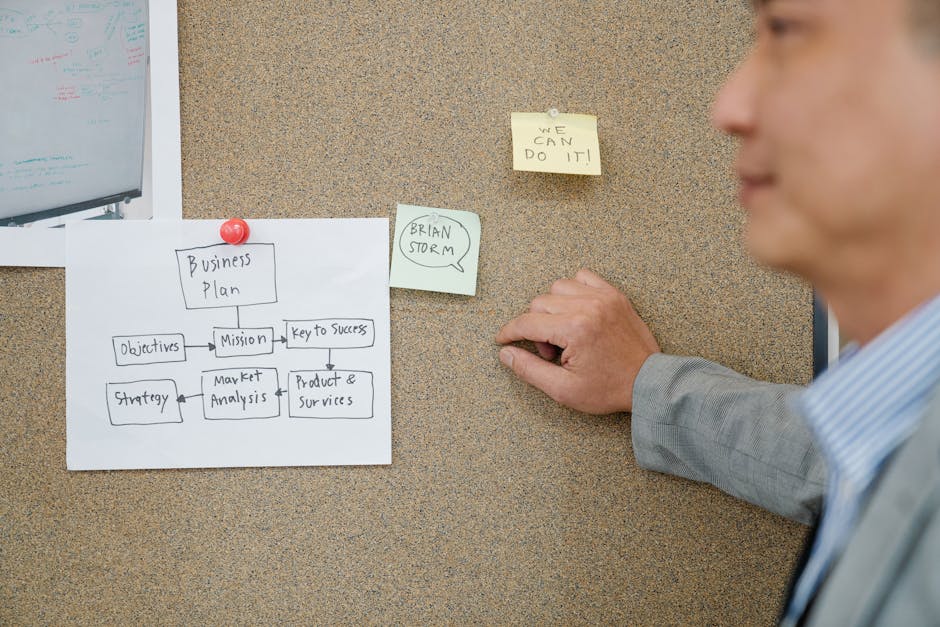
Understanding Who Matters: A Guide to Identifying Key Stakeholders
Every project, initiative, or business venture exists within a web of relationships. Understanding these relationships – specifically, who has an interest in your project and who can influence its outcome – is paramount to success. This process is known as stakeholder identification, and it’s far more than a bureaucratic checkbox. It’s the foundation upon which effective strategy, communication, and risk management are built.
Executive Summary
Identifying key stakeholders is the critical first step in managing project relationships. It involves pinpointing individuals, groups, or organizations that can affect or are affected by your project. This guide provides a structured approach, from initial brainstorming to sophisticated analysis, ensuring you engage the right people at the right time. We explore various identification methods, the importance of stakeholder analysis, common pitfalls, and answer frequently asked questions to equip you for successful stakeholder engagement.
Table of Contents
- Why Stakeholder Identification is Crucial
- Who is a Stakeholder? Defining the Term
- The Process of Identifying Key Stakeholders
- Common Stakeholder Categories
- Tools and Techniques for Identification
- Myth vs. Fact: Stakeholder Identification
- Anticipating Objections: "Do We Really Need to Identify Everyone?"
- Frequently Asked Questions (FAQ)
- Conclusion
- References
Why Stakeholder Identification is Crucial
Imagine launching a new product without consulting the marketing team, the sales force, or even potential end-users. The result? Likely a product that doesn’t meet market needs, isn’t properly promoted, or fails to gain traction. Stakeholder identification prevents such disconnects. By understanding who is involved, you can:
- Secure Buy-in and Support: Early engagement fosters trust and collaboration.
- Manage Expectations: Proactively address concerns and align objectives.
- Mitigate Risks: Identify potential obstacles or opposition before they derail your project.
- Enhance Decision-Making: Gather diverse perspectives to make more informed choices.
- Allocate Resources Effectively: Understand where effort and communication are most needed.
Without this foundational step, projects often suffer from scope creep, missed deadlines, budget overruns, and ultimately, failure to achieve their intended goals.
Who is a Stakeholder? Defining the Term
A stakeholder is any individual, group, or organization that can affect, be affected by, or perceive itself to be affected by a decision, activity, or outcome of a project, program, or strategy. This definition is broad, intentionally so. It encompasses a wide range of parties, from your direct team members to regulatory bodies, community groups, and even competitors.
Think of it like planning a big family reunion. Your immediate family members (parents, siblings) are obvious stakeholders. But what about the aunt who loves organizing, or the cousins who always complain about the food? What about the venue owner? They all have a stake, and their input or actions can significantly impact the event’s success.
The Process of Identifying Key Stakeholders
Identifying stakeholders is an iterative process, not a one-time event. It requires thoroughness and a systematic approach.
Step 1: Brainstorming and Initial Listing
Start by casting a wide net. Gather your core project team and brainstorm every possible person, group, or organization that might have an interest in your project. Don’t censor ideas at this stage. Consider:
- Project Team: Project managers, team members, sponsors, functional managers.
- Customers/Users: Those who will directly use the product or service.
- Suppliers/Vendors: Those providing goods or services for the project.
- Regulators: Government agencies, industry bodies.
- Community: Local residents, advocacy groups.
- Financial Institutions: Banks, investors.
- Shareholders/Owners: Those with an ownership stake.
- Competitors: While often overlooked, their actions can influence your project.
Step 2: Categorizing Stakeholders
Once you have a comprehensive list, it’s helpful to group them. This makes it easier to prioritize and tailor your engagement strategies. Common categorization methods are discussed in the "Common Stakeholder Categories" section.
Step 3: Analyzing Stakeholder Influence and Interest
This is where you move from simply listing to understanding impact. For each identified stakeholder, consider:
- Interest: How much are they affected by or interested in the project’s outcome?
- Influence/Power: How much ability do they have to impact the project (positively or negatively)?
- Impact: How will the project affect them?
- Attitude: Are they likely to be supportive, neutral, or resistant?
This analysis is crucial for deciding how much time and resources to dedicate to engaging each stakeholder. To truly understand the root causes of their interest or potential resistance, it’s beneficial to delve deeper into their motivations and needs. A powerful framework for achieving this is by Identifying Key Stakeholders for Novel Ideas.
Common Stakeholder Categories
Understanding these categories helps in systematically identifying who to look for.
Internal Stakeholders
These are individuals or groups within your organization. They are often directly involved in the project’s execution or affected by its operational outcomes.
- Examples: Employees, managers, executives, department heads, board members.
External Stakeholders
These parties are outside your organization but have a vested interest or are impacted by your project.
- Examples: Customers, suppliers, government regulators, creditors, local communities, trade unions.
Primary vs. Secondary Stakeholders
- Primary Stakeholders: Those who have a direct, immediate, and significant stake in the project’s outcome. Often, these are the customers or end-users. Their satisfaction is usually a primary goal.
- Secondary Stakeholders: Those who have an indirect interest or are affected by the project’s outcomes, but not as directly or immediately as primary stakeholders. They might include regulatory bodies, media, or special interest groups.
Tools and Techniques for Identification
Several tools can aid in visualizing and analyzing your stakeholders.
Stakeholder Mapping
This is a visual representation that plots stakeholders based on certain criteria, such as their influence, interest, or proximity to the project. It helps in understanding relationships and prioritizing engagement efforts.
The Power/Interest Grid
A widely used tool that categorizes stakeholders into four quadrants based on their level of power (influence) and interest in the project:
- High Power, High Interest (Manage Closely): These are your key players. Engage them fully and satisfy them.
- High Power, Low Interest (Keep Satisfied): Use their influence carefully. Don’t bore them with details, but ensure their needs are met.
- Low Power, High Interest (Keep Informed): Inform them adequately and consult them on areas of interest. They can be valuable allies or sources of information.
- Low Power, Low Interest (Monitor): Minimal effort is required, but monitor for any changes in their status.
Analogy: Think of planning a community event. The mayor (high power) might have low direct interest in the bake sale details, but their support is vital (Keep Satisfied). The local scout troop (high interest) might have low power, but their enthusiasm and participation are crucial (Keep Informed).
Expert Interviews
Consulting individuals with deep knowledge of the industry, project domain, or organizational landscape can uncover stakeholders you might have overlooked. This is particularly useful for identifying less obvious or politically sensitive stakeholders.
Myth vs. Fact: Stakeholder Identification
Myth: Only people who directly benefit from the project are stakeholders.
Fact: Stakeholders include anyone who can influence the project’s success, positively or negatively, or is affected by its outcome, regardless of direct benefit. This includes regulators, community groups, or even opposition groups.
Myth: Once identified, stakeholders remain static throughout the project lifecycle.
Fact: Stakeholder interests, influence, and even their status as a stakeholder can change over time. Regular reassessment is necessary.
Anticipating Objections: "Do We Really Need to Identify Everyone?"
It’s tempting to think that focusing only on the ‘obvious’ stakeholders will suffice. "We know who the clients are, and our internal team is covered," you might think. However, this viewpoint misses critical risks and opportunities. Unidentified stakeholders can emerge unexpectedly with significant power to disrupt your project. A community group opposing your construction project, a regulator changing a policy, or an influential journalist reporting on your initiative – these can all derail months of hard work. Identifying a broader range of stakeholders early allows you to anticipate these potential issues, engage proactively, and build stronger alliances, ultimately saving time, resources, and stress.
Frequently Asked Questions (FAQ)
Q1: How often should I update my stakeholder list and analysis?
A1: Stakeholder identification and analysis should be an ongoing process. Review and update your stakeholder register at key project milestones, when significant changes occur (e.g., shifts in management, new regulations), or at pre-defined intervals (e.g., quarterly).
Q2: What if I identify a stakeholder who is actively against my project?
A2: Don’t disregard them. An opposing stakeholder can provide valuable feedback, highlight potential risks you might have missed, and their concerns need to be understood and addressed. Engage them constructively, seek to understand their objections, and explore possible compromises. Sometimes, addressing their concerns can turn a detractor into a neutral party or even an ally.
Q3: How detailed should the stakeholder information be in the register?
A3: The level of detail depends on the project’s complexity and the stakeholder’s potential impact. Typically, a stakeholder register includes:
- Name and role/organization
- Contact information
- Key interests and expectations
- Level of influence and interest (e.g., using the Power/Interest Grid)
- Attitude towards the project (supportive, neutral, resistant)
- Engagement strategy
- Communication needs
- Current status
Conclusion
Effective stakeholder identification is not just a preliminary task; it’s a continuous discipline vital for project and organizational success. By systematically identifying, categorizing, and analyzing all relevant parties, you build a robust framework for communication, collaboration, and risk management. Investing time in this crucial step ensures that your project benefits from broad support, anticipates challenges, and ultimately achieves its strategic objectives.
References
- Olander, L. (2007). Stakeholder Influence Analysis. Project Management Journal, 38(2), 57-70. scholar.google.com
- Freeman, R. E. (2010). Strategic Management: A Stakeholder Approach. Cambridge University Press. hbr.org
- Project Management Institute. (n.d.). A Guide to the Project Management Body of Knowledge (PMBOK® Guide). pmi.org
- Doh, J. P., & Guare, J. (2003). Identifying Stakeholders for a New Venture. Long Range Planning, 36(4), 363-376. mit.edu
- Scholes, K. (2018). Stakeholder theory and practice. The Palgrave Handbook of Strategic Management, 309-324. link.springer.com
- Irwin, A. (2006). Citizen Science: A Handbook for Researchers. University of Chicago Press. press.uchicago.edu
Featured image by Felicity Tai on Pexels