Functional Prototyping
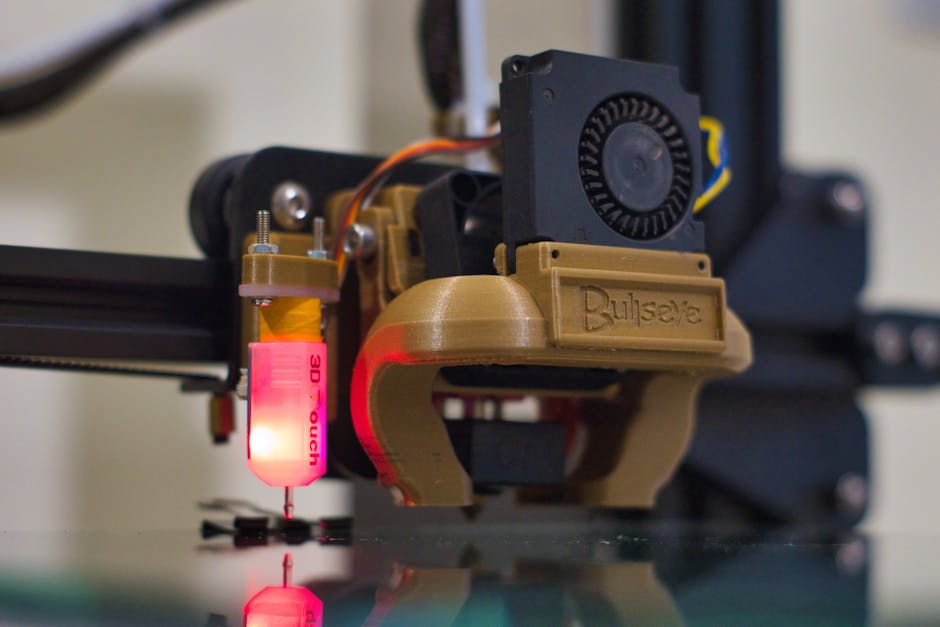
Table of Contents
- Defining Functional Prototyping: Beyond the Visual
- Key Characteristics and Benefits of Functional Prototypes
- When to Employ Functional Prototyping
- Types of Functional Prototypes and Their Applications
- The Functional Prototyping Process: A Step-by-Step Guide
- Tools and Technologies for Functional Prototyping
- Common Pitfalls and Best Practices
- Functional Prototyping in Action: Case Studies and Examples
- The Future of Functional Prototyping
Defining Functional Prototyping: Beyond the Visual
In the fast-paced world of innovation, we often encounter various forms of prototyping, each serving a distinct purpose. While a Low-Fidelity Prototyping: Your Blueprint to Design Success might give us a quick sense of layout and user flow, and a highly polished visual prototype can showcase aesthetics and user interface design, these methods often fall short when it comes to answering a crucial question: "Does it work?" This is where functional prototyping steps in, offering a tangible and interactive representation of a product’s core mechanics.
At its heart, functional prototyping is about building a testable model that replicates the essential operations and behaviors of the intended product. It’s not merely about looking like the final product, but about acting like it, even if in a simplified or limited capacity. Think of it as creating a working engine before you’ve designed the car’s body. The focus shifts decisively from appearance to action. This is the core differentiator that elevates functional prototypes above their visual or low-fidelity counterparts. While those are invaluable for early-stage ideation and aesthetic validation, functional prototypes are built to explore and validate the "how."
This method is intimately tied to the broader concept of Rapid Prototyping: Fast, Smart Product Development. By leveraging various Rapid Prototyping Techniques and a diverse range of Rapid Prototyping Materials – including the increasingly accessible 3D Printing Prototyping: Speed, Cost, & Design Freedom – teams can iteratively develop these functional models. The goal is to quickly and cost-effectively create something that can be tested under real-world (or simulated real-world) conditions. For startups, this ability to rapidly validate core functionality is a game-changer, as highlighted in our guide on Rapid Prototyping for Startups: Ignite Innovation, Validate Ideas Fast.
- Functionality First: The primary objective is to demonstrate and test the product’s key operations.
- Interactive Testing: Allows for hands-on interaction to uncover usability issues and performance bottlenecks.
- Risk Mitigation: Identifies critical design flaws and technical challenges early in the development cycle, saving time and resources.
- Stakeholder Buy-in: Provides a concrete demonstration of a product’s potential, making it easier to secure buy-in and investment.
- Iterative Refinement: Serves as a foundation for continuous improvement, guiding subsequent design and engineering decisions.
In the innovation and product development lifecycle, functional prototypes typically emerge after initial concept validation and visual design exploration. They are critical for de-risking complex technical aspects of a product before committing to full-scale manufacturing. A study in the Journal of Product Innovation Management emphasizes the role of early functional testing in reducing market failures. By forcing the "if it works" question early on, functional prototyping prevents teams from investing heavily in products that are technically unfeasible or fail to deliver on their core promise. It’s about moving from "what it looks like" to "what it does" and, crucially, "does it do it well?"
Key Characteristics and Benefits of Functional Prototypes
Functional prototypes are the workhorses of innovative development, moving beyond mere visuals to embody the how of your product. Unlike the preliminary explorations offered by Low-Fidelity Prototyping: Your Blueprint to Design Success, these prototypes are built to be used. Their primary focus sharpens on the intricate dance of user interaction and the essential core features that define your product’s value proposition. This allows for the crucial early validation of user flows and workflows, ensuring that the intended journey for your users is not just logical but also intuitive.
The benefits of this hands-on approach are manifold, significantly de-risking the innovation process. By testing technical feasibility, functional prototypes act as an early warning system, identifying potential engineering challenges before they escalate into costly roadblocks. This proactive stance allows teams to refine their approach, discover novel solutions, and ultimately gather concrete user feedback on usability and performance. Imagine the impact of real users interacting with a working model, providing invaluable insights that no amount of theoretical discussion can replicate.
This iterative testing is a cornerstone of effective Rapid Prototyping: Fast, Smart Product Development. By reducing development risks and the specter of costly rework later in the process, functional prototypes accelerate the entire iteration cycle. You can confidently test and refine your product concept before committing to full-scale development, a strategy particularly vital for Rapid Prototyping for Startups: Ignite Innovation, Validate Ideas Fast. This approach aligns with principles of agile development, where learning and adaptation are paramount. As noted by industry leaders, rapid prototyping is not just about speed, but about strategic learning and risk mitigation.
To illustrate the tangible outcomes, consider the following:
| Characteristic | Benefit |
|---|---|
| Interactive Core Features | Validates user experience, identifies usability issues early. |
| Technical Feasibility Testing | Uncovers engineering challenges, informs architectural decisions. |
| Real User Feedback | Gathers concrete data on performance and user satisfaction. |
| Reduced Development Risk | Minimizes costly rework and project delays. |
| Accelerated Iteration | Enables rapid testing and refinement before full investment. |
The selection of Rapid Prototyping Techniques and Rapid Prototyping Materials, including advancements like 3D Printing Prototyping: Speed, Cost, & Design Freedom, further empowers the creation of functional prototypes. These technologies allow for the swift and cost-effective production of tangible, testable models, transforming abstract ideas into demonstrable realities and paving the way for truly groundbreaking innovations.
When to Employ Functional Prototyping
Functional prototyping is your secret weapon when the rubber meets the road, and you need to go beyond just looking good to truly working right. It’s the stage where we move from visualizing an idea to proving its core mechanics. Think of it as the dress rehearsal before the grand opening – critical for ironing out the kinks and building investor confidence.
One of the most compelling reasons to dive into functional prototyping is to assess the viability of complex user interactions. If your innovative solution relies on intricate gestures, multi-step workflows, or real-time data feedback, a functional prototype is essential. It allows you to simulate these interactions, observe how users navigate them, and identify potential friction points that a static mockup or even a Low-Fidelity Prototyping: Your Blueprint to Design Success couldn’t possibly reveal. This is particularly crucial when the user experience is intrinsically tied to the functionality.
Furthermore, this method is invaluable for testing the core logic and algorithms of a proposed solution. Whether you’re developing a machine learning model, a complex simulation, or a novel data processing engine, a functional prototype allows you to inject real or simulated data and observe the output. This is where you can definitively prove that your algorithms perform as expected and deliver the desired results. It’s a tangible demonstration of the intellectual property that underpins your innovation.
Another key application is validating the integration of different system components. In today’s interconnected world, most solutions involve multiple services, APIs, hardware modules, or software libraries. A functional prototype acts as a bridge, allowing you to test how these disparate parts communicate and collaborate. This early validation can prevent costly integration nightmares down the line and ensures a cohesive end product. As noted by industry leaders, successful integration is often a make-or-break factor for ambitious technological ventures.
Crucially, functional prototyping should be a priority before significant engineering investment or code commitment. This is where the principles of Rapid Prototyping: Fast, Smart Product Development truly shine. By building a working, albeit simplified, version of your product, you gather essential data and feedback that informs – and often redirects – your full-scale development efforts. This iterative approach, often employing Rapid Prototyping Techniques, saves immense time and resources. For Rapid Prototyping for Startups: Ignite Innovation, Validate Ideas Fast, this stage is non-negotiable for securing funding and demonstrating traction. Technologies like 3D Printing Prototyping: Speed, Cost, & Design Freedom can be instrumental in creating these functional models quickly and affordably, using a variety of Rapid Prototyping Materials.
FAQ: When is functional prototyping most effective for software products?
Functional prototyping is most effective for software products when testing intricate user flows, validating backend logic, or demonstrating the integration of complex APIs. It allows you to prove that the core functionality works before committing to extensive UI design and full-stack development.
FAQ: Can functional prototypes be used to secure funding?
Absolutely. A functional prototype is a powerful tool for demonstrating a product’s feasibility and potential to investors. It moves beyond theoretical concepts to a tangible demonstration of how the solution will work, significantly increasing confidence and reducing perceived risk.
Types of Functional Prototypes and Their Applications
The beauty of functional prototyping lies in its versatility, offering a spectrum of fidelities to match the needs of your innovation journey. Understanding these different types allows you to choose the right tool for the job, ensuring efficient validation and iteration.
At the foundational level, we have Interactive Wireframes. These are essentially sketches brought to life with basic navigation. They’re perfect for testing fundamental user flows and understanding core interaction patterns without getting bogged down in visual design. Think of them as the skeletal structure of your idea. This stage is a crucial part of Low-Fidelity Prototyping: Your Blueprint to Design Success, where clarity of function trumps aesthetic appeal.
Stepping up slightly, Clickable Prototypes build upon wireframes by simulating navigation between screens and linking specific actions to outcomes. This allows stakeholders to click through a user journey, giving a tangible feel for how the product will be navigated. While still lacking detailed visual elements, they are invaluable for early-stage usability testing and gathering feedback on the overall experience.
As your concept matures, Medium-Fidelity Prototypes come into play. These incorporate more detailed UI elements, such as buttons, input fields, and some graphical components, along with basic functionality. They start to resemble the intended look and feel, allowing for more nuanced testing of user interactions and content presentation. This level often benefits from the speed and iteration capabilities inherent in Rapid Prototyping: Fast, Smart Product Development.
The pinnacle of visual and interactive fidelity is the High-Fidelity Prototype. These are meticulously crafted to closely mimic the final product’s appearance, user interface, and core functionality. They look and feel almost like the real thing, enabling comprehensive testing of user experience, visual design, and critical user flows. This is where you can truly immerse users in the intended experience, providing a near-complete representation of the final product.
Beyond simulating the user experience, Proof-of-Concept Prototypes serve a distinct purpose: to validate specific technical aspects or novel features. These might involve building a small, functional module to test the feasibility of a new algorithm, the performance of a new material, or the integration of an innovative technology. For hardware innovations, 3D Printing Prototyping: Speed, Cost, & Design Freedom is a game-changer for rapidly creating and testing physical proof-of-concept models. For startups, this level of validation is critical for securing funding and de-risking future development, as highlighted in articles discussing Rapid Prototyping for Startups: Ignite Innovation, Validate Ideas Fast.
The choice of prototype type is intrinsically linked to the chosen Rapid Prototyping Techniques, which can range from digital tools to physical construction methods. The selection of Rapid Prototyping Materials also plays a significant role, especially when dealing with functional prototypes that need to withstand certain stresses or mimic specific tactile qualities. For instance, testing a novel user interface component might necessitate a tangible prototype, while testing a complex backend service could be achieved through a more abstract, functional simulation. Ultimately, the goal remains the same: to reduce risk, accelerate learning, and build better products, faster.
The Functional Prototyping Process: A Step-by-Step Guide
Embarking on functional prototyping is a journey of tangible creation and iterative refinement, moving beyond mere aesthetics to validate the core mechanics of your innovation. It’s where abstract ideas begin to interact with reality, offering invaluable insights before significant resources are committed. This process is not a linear march but a dynamic cycle, best approached with a structured yet flexible mindset.
1. Defining Clear Objectives and Scope for the Prototype
Every great prototype begins with a crystal-clear purpose. What specific questions are you trying to answer? What are the critical assumptions you need to validate? Clearly defining your objectives and scope is paramount. Are you testing a novel interaction, a core algorithm, or the feasibility of a new hardware component? This initial clarity will guide every subsequent step and prevent scope creep, ensuring your efforts remain focused. For startups, this phase is particularly crucial for Rapid Prototyping for Startups: Ignite Innovation, Validate Ideas Fast, allowing for swift validation of core value propositions.
2. Identifying Key User Journeys and Functionalities to Test
Once objectives are set, pinpoint the most critical user journeys and functionalities that embody your innovation’s core value. Think about the "hero" scenarios – the primary ways users will interact with your product. Which features are most innovative, most complex, or most prone to user error? Focusing your prototyping efforts on these areas maximizes learning within your allocated time and budget. This is where the power of Low-Fidelity Prototyping: Your Blueprint to Design Success can shine, allowing for rapid exploration of various flows before diving into more complex builds.
3. Choosing the Right Tools and Technologies
The selection of tools and technologies is dictated by your objectives and the nature of the functionalities you’re testing. For software, this might involve no-code platforms, scripting languages, or even early versions of your actual development stack. For hardware, consider 3D Printing Prototyping: Speed, Cost, & Design Freedom, which offers remarkable versatility for creating physical components. The choice between off-the-shelf components, custom fabrication, or even simulation tools depends entirely on the specific functionality you aim to prove. Understanding the landscape of Rapid Prototyping Techniques will be key here, as different techniques lend themselves to different toolsets and materials.
4. Designing and Building the Interactive Elements
This is where your prototype truly takes shape. It’s not about a polished final product, but about creating a functional representation that allows for meaningful interaction and testing. For software, this might involve building out a clickable interface with conditional logic. For hardware, it could mean assembling components to demonstrate a specific mechanism or sensing capability. The emphasis is on functionality over aesthetics; it needs to work in the way that allows you to test your core hypotheses. This often aligns with the principles of Rapid Prototyping: Fast, Smart Product Development.
5. Conducting User Testing and Gathering Feedback
This is the crucial validation stage. Put your prototype into the hands of your target users. Observe their interactions, listen to their verbal feedback, and note any points of confusion, delight, or frustration. Employ a mix of qualitative and quantitative methods. For instance, recording user sessions and asking them to "think aloud" can reveal subtle usability issues, while tracking task completion rates can provide objective performance metrics. As noted by the Nielsen Norman Group, understanding user behavior through observation is a cornerstone of effective usability testing.
6. Analyzing Results and Iterating on the Design and Functionality
The feedback gathered is a goldmine of information. Analyze it systematically against your initial objectives. What patterns emerge? Where did users succeed, and where did they struggle? This analysis informs your next steps. It might lead to minor tweaks in the user interface, significant redesign of a functional element, or even a pivot in your product’s core concept. The iterative nature of prototyping means you’ll likely revisit earlier steps, refining the design and functionality based on these insights.
7. Documenting Findings and Implications for Further Development
The final, yet vital, step is comprehensive documentation. Record what you learned, the decisions made, and the rationale behind them. This includes details about the prototype’s construction, the testing methodology, the key findings, and any recommended changes for future development. This documentation serves as a historical record, a guide for the development team, and a valuable asset for stakeholders. It ensures that the lessons learned from your functional prototype are not lost and directly contribute to a more robust and successful final product.
- Clearly define prototype objectives and scope.
- Identify key user journeys and functionalities for testing.
- Select appropriate tools and technologies.
- Design and build interactive elements for testing.
- Conduct thorough user testing and collect feedback.
- Analyze test results to inform iterations.
- Document all findings and their implications for future development.
Tools and Technologies for Functional Prototyping
The journey from a nascent idea to a tangible, testable product is paved with innovation, and at its heart lies functional prototyping. This isn’t about static mockups; it’s about bringing your concepts to life, allowing users and stakeholders to interact with a working representation of the final product. To achieve this, a diverse toolkit of software, hardware, and development approaches are at our disposal.
Software-Driven Solutions for Interactive Prototypes
For digital products, a rich ecosystem of design and prototyping software empowers creators. Tools like Figma, Adobe XD, and InVision excel at creating interactive wireframes and high-fidelity mockups. They enable designers to simulate user flows, define interactions, and gather early feedback, which is a cornerstone of effective Rapid Prototyping Techniques. For more complex interactions and detailed logic, Axure RP and Proto.io offer advanced capabilities, allowing for the creation of prototypes that closely mimic the behavior of a live application without requiring full development. These platforms are invaluable for Rapid Prototyping for Startups: Ignite Innovation, Validate Ideas Fast.
Harnessing the Power of Code
When the fidelity of the prototype needs to approach that of the final product, or when specific dynamic behaviors are critical, leveraging coding frameworks becomes essential. React, Vue.js, and Angular are powerful JavaScript frameworks that allow developers to build highly interactive and functional prototypes. This approach offers unparalleled control over the user experience and can even serve as a foundation for the eventual production code, blurring the lines between prototyping and development. This is particularly relevant when exploring Rapid Prototyping: Fast, Smart Product Development.
The Rise of No-Code and Low-Code
The democratization of prototyping has been significantly accelerated by the advent of no-code and low-code platforms. Tools like Bubble, Webflow, and Glide allow individuals with minimal coding experience to build functional web and mobile applications. These platforms abstract away much of the underlying complexity, enabling rapid iteration and testing of functional prototypes with remarkable speed and efficiency. They are a game-changer for quickly validating hypotheses and bringing ideas to market.
Bridging the Digital and Physical Divide: Hardware Prototyping
For the Internet of Things (IoT) and hardware-centric innovations, the prototyping landscape expands to include physical components. Platforms like Arduino and Raspberry Pi serve as robust, accessible hardware development kits. These microcontrollers and single-board computers allow creators to build functional prototypes of electronic devices, experiment with sensors, actuators, and connectivity, and test real-world interactions. This is crucial for developing tangible products and exploring concepts that interact with the physical environment. The advancements in 3D Printing Prototyping: Speed, Cost, & Design Freedom also play a vital role in creating the physical enclosures and components for these hardware prototypes. Understanding the spectrum of Rapid Prototyping Materials is also key here.
Essential for Collaboration and Evolution
As prototypes evolve and teams grow, robust version control and collaboration tools become indispensable. Platforms like Git (with services like GitHub, GitLab, or Bitbucket) are the industry standard for managing code-based prototypes, ensuring that changes are tracked, conflicts are resolved, and multiple developers can work concurrently. For design prototypes, features within tools like Figma and InVision offer collaborative editing and commenting, fostering seamless teamwork. These tools are not merely administrative; they are fundamental to the iterative nature of functional prototyping, allowing for graceful pivots and continuous improvement. While Low-Fidelity Prototyping: Your Blueprint to Design Success might not require such sophisticated tooling, as prototypes gain functionality, these systems become critical.
Here’s a comparative overview of some popular software prototyping tools:
| Tool | Primary Use Case | Key Strengths | Learning Curve |
|---|---|---|---|
| Figma | UI/UX Design, Interactive Prototyping | Real-time collaboration, component-based design, extensive plugin ecosystem | Moderate |
| Adobe XD | UI/UX Design, Wireframing, Prototyping | Integration with Adobe Creative Cloud, repeat grid, prototyping features | Moderate |
| InVision | Prototyping, Collaboration, Design Handoff | Easy to use, great for sharing and feedback, integrates with Sketch/Photoshop | Easy |
| Axure RP | Complex Interactive Prototypes, Wireframing, Documentation | Advanced logic and conditional interactions, dynamic content, robust documentation features | Steep |
| Proto.io | High-fidelity Interactive Prototypes, Mobile Apps | Rich animation and interaction capabilities, no coding required, mobile-first focus | Moderate |
Common Pitfalls and Best Practices
Functional prototyping, while a powerful engine for innovation, is not without its landmines. Navigating these common pitfalls effectively is crucial for extracting maximum value from your efforts.
One of the most pervasive traps is over-scoping. It’s tempting to imbue a prototype with every conceivable feature, turning it into a mini-product rather than a focused testing tool. This dilutes its purpose and exponentially increases development time and cost. Remember, the goal of functional prototyping is to validate specific assumptions, not to build a polished final product. Instead of trying to prototype everything at once, break down your ambitious vision into smaller, manageable chunks, each with a clear, testable objective. This aligns perfectly with the principles of Rapid Prototyping: Fast, Smart Product Development, where iterative progress is key.
Related to over-scoping is the misconception that a functional prototype needs to be perfect. The mantra here should be "good enough to test." Resist the urge to chase pixel-perfect aesthetics or flawless code if the core functionality you intend to validate doesn’t require it. Investing time in unnecessary polish can distract from the primary goal of gathering meaningful user feedback. Think about Low-Fidelity Prototyping: Your Blueprint to Design Success – even at a higher functional level, the same principle of "fit for purpose" applies.
Furthermore, setting realistic expectations for your prototype’s performance and capabilities is paramount. It’s not a finished product, and its limitations will be evident. Be transparent about what the prototype can and cannot do. This extends to clearly communicating these limitations to stakeholders and testers. Managing expectations upfront prevents disappointment and ensures feedback is focused on the intended areas of inquiry. Misunderstandings here can lead to skewed results and wasted effort, undermining the very purpose of prototyping.
Effectively integrating feedback loops is another critical success factor. A prototype is a conversation starter, not a monologue. Build mechanisms for collecting, analyzing, and acting upon feedback directly into your process. This might involve user testing sessions, A/B testing variations, or even simple surveys. The more fluid and responsive your feedback loop, the faster you can iterate and refine your ideas. As noted by researchers at MIT, continuous feedback is a cornerstone of effective design processes 1.
Finally, and perhaps most importantly, prioritize testable hypotheses over perfect execution. What specific questions are you trying to answer with this prototype? Frame your development efforts around validating these hypotheses. The prototype’s success isn’t measured by its robustness, but by the clarity of the insights it provides into your core assumptions. This approach is particularly vital for Rapid Prototyping for Startups: Ignite Innovation, Validate Ideas Fast, where speed and validation are often more critical than perfection.
Consider the array of Rapid Prototyping Techniques available, from simple wireframes to more complex functional models potentially utilizing technologies like 3D Printing Prototyping: Speed, Cost, & Design Freedom, to choose the right approach that balances speed, cost, and the depth of testing required. The choice of Rapid Prototyping Materials should also be dictated by the functional requirements of your tests, not by an arbitrary desire for polish.
Functional Prototyping in Action: Case Studies and Examples
The true power of functional prototyping isn’t just in its conceptualization; it’s in its tangible impact on bringing innovative ideas to life. By moving beyond static mockups to interactive, testable representations, we unlock invaluable feedback loops that refine our creations before significant investment. Let’s explore how this approach plays out across different domains.
Software Application Development: Iterating Towards Seamless User Experience
In the realm of software, functional prototypes are the lifeblood of agile development. Consider a new e-commerce platform developing its checkout process. Instead of building the entire, complex backend, a functional prototype can simulate the user journey: from adding items to the cart, through payment gateway integration (even with dummy data), to order confirmation. This allows UX designers and product managers to observe real user interactions, identify pain points like confusing form fields or a clunky payment selection, and iterate on the design long before a single line of production code is written. This mirrors the principles of Rapid Prototyping: Fast, Smart Product Development, emphasizing speed and validation. Techniques like using tools such as Figma, InVision, or even custom-coded interactive wireframes can bring these complex flows to life.
Hardware Product Innovation: Bringing Smart Devices to Life
For hardware, functional prototyping is about testing the physical and digital interface. Imagine developing a new smart home thermostat. A functional prototype might involve a 3D-printed casing with a functional touchscreen displaying a simulated UI. This prototype can be used to test the intuitiveness of menu navigation, the responsiveness of touch controls, and even basic functionalities like setting a temperature or scheduling. This allows engineers to validate ergonomic considerations and user interface design in tandem. The advancements in 3D Printing Prototyping: Speed, Cost, & Design Freedom have made creating these physical-digital hybrids more accessible than ever, allowing for rapid iteration on both form and function using a variety of Rapid Prototyping Materials.
Service Design Prototypes: Emulating Human Interaction
Service design, often intangible, can also benefit immensely from functional prototyping. When designing a new customer service experience, for instance, a functional prototype could involve role-playing scenarios. Customer service agents (or actors) interact with individuals playing the role of customers, using scripts and tools that mimic the proposed service. This allows teams to test communication protocols, problem-solving scripts, and the overall flow of a customer interaction. Observing how participants react, what questions arise, and where friction points occur provides critical insights for refining the service before launch. This is a form of Low-Fidelity Prototyping: Your Blueprint to Design Success, focusing on the core interaction dynamics.
Success Stories Fueled by Functional Prototypes
Numerous groundbreaking products owe their success to robust functional prototyping. Consider the early days of the smartphone revolution. Companies didn’t launch fully featured devices; they iterated through numerous functional prototypes, testing touch interfaces, app ecosystems, and user flows. This iterative process, deeply rooted in Rapid Prototyping Techniques, allowed them to refine the user experience to an unprecedented level.
Another compelling example is the development of wearable fitness trackers. Early iterations likely involved functional prototypes that simulated sensor data, displayed basic metrics on a small screen, and tested the connectivity with mobile applications. This allowed for early validation of core features and user engagement strategies, proving essential for market acceptance. As highlighted in articles discussing Rapid Prototyping for Startups: Ignite Innovation, Validate Ideas Fast, this approach is particularly crucial for nimble organizations looking to make a significant impact.
FAQ: What’s the difference between a functional prototype and a proof of concept?
A proof of concept (PoC) primarily aims to demonstrate the feasibility of a specific technical idea or feature. It answers the question, “Can this be done?” A functional prototype, on the other hand, is a more developed, interactive model that demonstrates how a product or feature will work from a user’s perspective. It answers the question, “How will this work and is it usable?” Functional prototypes are designed for testing user experience and identifying design flaws, whereas PoCs focus on technical viability.
FAQ: How expensive are functional prototypes?
The cost of functional prototypes varies wildly depending on the complexity and domain. A click-through wireframe for a website can be created with minimal cost using readily available software. In contrast, a functional hardware prototype involving custom electronics and 3D-printed components can be significantly more expensive. However, the key is that functional prototypes are almost always *less* expensive than building the final, polished product. They serve as a critical cost-saving mechanism by identifying issues early, preventing costly rework later in the development cycle. Leveraging Rapid Prototyping Materials and techniques is key to managing costs.
The Future of Functional Prototyping
The landscape of innovation is constantly evolving, and with it, the very essence of how we bring ideas to life. Functional prototyping, once a laborious and time-consuming endeavor, is now at the precipice of a revolution, fueled by technological leaps and a deeper understanding of iterative development. As we look towards the future, several key trends are shaping how we will conceive, build, and test our next generation of groundbreaking products and services.
One of the most transformative forces at play is the burgeoning role of AI-assisted prototyping. Imagine an AI that not only suggests design iterations based on performance metrics but also generates code or even optimizes manufacturing processes for your functional prototype. This isn’t science fiction; AI is increasingly being integrated into design software, offering predictive analysis, automated testing, and even intelligent material selection. This synergy between human creativity and artificial intelligence promises to drastically accelerate the design cycle, allowing for more complex and robust prototypes to be developed with unprecedented speed and efficiency. This evolution builds upon the foundational principles of Rapid Prototyping: Fast, Smart Product Development, making the "fast" and "smart" aspects even more pronounced.
The integration of functional prototypes with virtual and augmented reality (VR/AR) is another paradigm shift. Gone are the days when a physical prototype was the sole arbiter of user experience. By embedding functional prototypes within immersive VR environments or overlaying them onto the real world via AR, designers and stakeholders can interact with, test, and refine products in incredibly realistic simulations. This allows for invaluable insights into user interaction, ergonomics, and even environmental factors before a single physical component is manufactured. Think of testing the intuitiveness of a new surgical instrument in a simulated operating room or experiencing the user interface of a smart home device within a virtual replica of a living space. This opens up new avenues for Rapid Prototyping Techniques that extend beyond the purely physical.
Furthermore, the democratization of prototyping tools and techniques is leveling the playing field for innovators everywhere. Advanced software, affordable 3D printers (a key driver for 3D Printing Prototyping: Speed, Cost, & Design Freedom), and accessible online fabrication services are putting powerful prototyping capabilities into the hands of individuals and small teams. This empowers entrepreneurs and startups to quickly iterate and validate their concepts, as highlighted in resources like Rapid Prototyping for Startups: Ignite Innovation, Validate Ideas Fast. This accessibility not only fosters a more diverse innovation ecosystem but also encourages experimentation with a wider range of Rapid Prototyping Materials, from advanced polymers to flexible electronics. Even the foundational concepts of Low-Fidelity Prototyping: Your Blueprint to Design Success are being augmented by digital tools that allow for rapid, interactive mockups.
Crucially, the future of functional prototyping is inextricably linked to the principles of agile and lean methodologies. These frameworks, which emphasize iterative development, continuous feedback, and rapid adaptation, find their perfect counterpart in functional prototyping. By building and testing functional prototypes in short, focused sprints, teams can gather critical data, identify potential flaws early on, and pivot their designs with minimal wasted effort. This cyclical process of build-measure-learn, a cornerstone of lean thinking, is significantly enhanced by the speed and fidelity of modern prototyping. The ability to quickly create and test a functional prototype allows teams to be more responsive to market feedback and to de-risk innovation by uncovering potential issues before significant investment is made, aligning with principles advocated in numerous business strategy discussions, such as those found in Harvard Business Review articles on agile transformation.
- AI-powered design optimization and suggestion engines are becoming standard.
- VR/AR environments are being used for increasingly sophisticated user testing and validation.
- Cloud-based platforms are making advanced prototyping tools accessible globally.
- Integration with CI/CD pipelines is enabling automated functional testing of prototypes.
- Materials science advancements are expanding the range of functional properties achievable in prototypes.
In essence, the future of functional prototyping is one of accelerated intelligence, immersive validation, and widespread accessibility. It’s a future where the gap between an idea and a tangible, testable reality shrinks dramatically, paving the way for more impactful and creative innovation across all industries.
-
See, for example, "The Lean Startup" by Eric Ries, which heavily emphasizes the iterative Build-Measure-Learn feedback loop.↩
Featured image by Kuba Grzybek on Pexels