Agile for Creative Teams
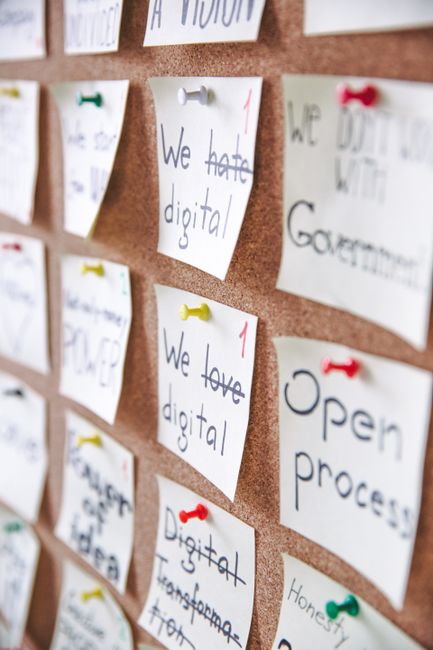
Table of Contents
- Understanding Agile’s Core Principles in a Creative Context
- Why Agile is a Game-Changer for Innovation & Creativity
- Popular Agile Frameworks and Their Applicability to Creative Teams
- Adapting Agile Ceremonies for Creative Projects
- Essential Agile Tools and Techniques for Creative Teams
- Building an Agile and Creative Culture
- Overcoming Common Challenges of Agile in Creative Settings
- Case Studies: Agile in Action for Creative Success
Understanding Agile’s Core Principles in a Creative Context
The term "Agile" often conjures images of software developers furiously churning out code in sprints. But as we’ve seen throughout this series on Agile project management for creative teams, its principles are incredibly powerful, even transformative, for any team driven by innovation and creativity. At its heart, Agile isn’t a rigid methodology; it’s a mindset built on a foundation of core values that resonate deeply with the creative process.
The Agile Manifesto, born from the world of software development, articulates four key values: Individuals and interactions over processes and tools, Working solutions over comprehensive documentation, Customer collaboration over contract negotiation, and Responding to change over following a plan. Let’s unpack how these seemingly technical tenets translate into the vibrant, often messy, world of creative work.
Firstly, "Individuals and interactions over processes and tools" is the bedrock of any successful creative endeavor. Think about the spark of an idea generated in a lively brainstorming session, the quick sketch that communicates a complex concept, or the spontaneous whiteboard discussion that leads to a breakthrough. These moments are driven by human connection, open communication, and the free flow of ideas. While tools and processes have their place, they should never stifle the human element. This value emphasizes building trust, fostering open dialogue, and valuing the unique contributions of each team member. It’s about empowering your Leading Creative Teams to connect and collaborate authentically, rather than getting bogged down in bureaucratic hoops.
Next, "Working solutions over comprehensive documentation" speaks directly to the iterative nature of creative work. We don’t typically achieve perfection in a single draft. Whether it’s a design, a piece of writing, a marketing campaign, or a new product concept, the journey is often one of refinement. Agile embraces this by prioritizing the creation of tangible, albeit sometimes incomplete, outputs that can be reviewed and iterated upon. Instead of spending months perfecting a detailed plan that might become obsolete before execution, Agile encourages delivering "minimum viable products" or prototypes early and often. This allows for real-time feedback and adjustments, ensuring the final output is relevant and impactful. This aligns perfectly with the principles of a build-measure-learn loop, a core tenet of Master the Build-Measure-Learn Loop: Your Guide to Agile Innovation.
The third value, "Customer collaboration over contract negotiation," is vital for any creative team aiming to deliver something truly valuable. Our clients, users, or stakeholders are not passive recipients of our work; they are active partners. Engaging them throughout the process, soliciting their feedback, and understanding their evolving needs is paramount. This isn’t about rigid adherence to a contract’s initial terms, but about a dynamic partnership that ensures the final product truly meets their objectives. Understanding User Needs Research for Creative Solutions and developing robust User Persona Development for Creative Solutions become integral parts of this collaborative effort, ensuring that the "customer" is always at the forefront.
Finally, "Responding to change over following a plan" is perhaps the most intuitively understood value for creative professionals. The creative landscape is constantly shifting. New technologies emerge, market trends evolve, and unexpected challenges or opportunities arise. Agile’s embrace of flexibility allows teams to pivot, adapt, and even thrive in the face of uncertainty. Instead of rigidly adhering to an outdated plan, Agile teams are empowered to adjust their course based on new information or insights. This adaptability is crucial for maintaining relevance and driving innovation. This mirrors the dynamic nature of Agile Marketing Strategies for Creative Campaigns, where rapid response to market shifts is key to success.
Ultimately, these Agile values foster an environment where creativity can truly flourish. They encourage experimentation, open communication, and a shared commitment to delivering exceptional results. By embracing Agile, creative teams can move beyond the limitations of traditional, linear approaches and unlock their full potential for Agile Innovation Teams: The Unbeatable Power of Collaborative Breakthroughs. This shift requires a fundamental understanding of Agile for Creative Project Management and a willingness to evolve how we approach our work.
For a deeper dive into the practical application of these principles, consider exploring resources on Fostering Psychological Safety in Creative Teams, as well as frameworks like Scrum for Innovation Teams, which provide structured ways to implement these Agile values. Effective Resource Allocation for Agile Innovation Teams also plays a crucial role in ensuring teams have what they need to adapt and innovate.
Why Agile is a Game-Changer for Innovation & Creativity
For too long, creative endeavors have been hampered by rigid, waterfall-style processes that stifle spontaneity and bury good ideas under layers of bureaucracy. Agile methodologies offer a radical departure, acting as a powerful catalyst for innovation and creativity. By breaking down large, daunting projects into smaller, manageable sprints, Agile helps us overcome traditional bottlenecks in creative processes. Instead of waiting for months to see a final output, teams can iterate rapidly, gather feedback, and pivot with agility.
This iterative approach naturally lends itself to fostering rapid prototyping and experimentation. The core of Agile lies in its embrace of learning through doing. This means teams are encouraged to build, test, and refine ideas quickly, treating each iteration as an opportunity to learn and improve. This constant cycle of creation and validation is crucial for discovering truly novel solutions and avoiding the trap of perfecting an unworkable concept. Consider the principles of the Build-Measure-Learn loop, a cornerstone of Agile innovation, as described in Master the Build-Measure-Learn Loop: Your Guide to Agile Innovation.
Furthermore, Agile excels at enhancing collaboration and cross-pollination of ideas. Agile frameworks, particularly Scrum, emphasize daily stand-ups, sprint reviews, and retrospectives, creating dedicated spaces for open communication and shared understanding. This frequent interaction breaks down silos and encourages individuals from different disciplines to share perspectives, spark new connections, and collectively build upon each other’s contributions. This fosters an environment where diverse viewpoints can converge, leading to richer, more inventive outcomes, much like the synergy described in Agile Innovation Teams: The Unbeatable Power of Collaborative Breakthroughs. The open sharing and constructive feedback inherent in Agile also contribute to Fostering Psychological Safety in Creative Teams, a critical ingredient for bold ideas.
In today’s fast-paced world, the ability to adapt is paramount. Agile’s inherent flexibility allows creative teams to be highly improving adaptability to evolving client needs or market trends. Instead of being locked into a fixed plan, teams can readily incorporate new insights, client feedback, or emerging market opportunities into their workflow. This responsiveness ensures that the creative output remains relevant and impactful, rather than becoming obsolete before it even sees the light of day. This adaptability is a key differentiator for success, whether you’re developing new products or crafting Agile Marketing Strategies for Creative Campaigns.
Finally, by embracing iterative development and continuous feedback, Agile methodologies significantly contribute to reducing the risk of large-scale creative failures. When projects are broken down into smaller chunks, potential issues or missteps are identified and addressed early in the process. This "fail fast, learn faster" mentality prevents teams from investing extensive time and resources into a concept that ultimately misses the mark. It allows for controlled experimentation, where the cost of a failed iteration is minimal compared to the catastrophic failure of a long-term, unvalidated project. This shift in mindset, understanding the value of learning from missteps, is essential for true innovation. As explored in The Psychology of Failure in Creative Processes, embracing these smaller failures can be a powerful engine for future success.
Popular Agile Frameworks and Their Applicability to Creative Teams
When it comes to fueling innovation and nurturing creativity, a rigid, one-size-fits-all approach simply won’t cut it. This is where Agile frameworks come into play. Far from being solely the domain of software development, these methodologies offer powerful structures for creative teams to navigate ambiguity, iterate rapidly, and deliver exceptional work. Understanding these frameworks is the first step in implementing effective Agile project management for creative teams.
Scrum: The Power of Iterative Cycles
Scrum, perhaps the most widely adopted Agile framework, thrives on short, focused iterations called Sprints. It’s built around three key pillars:
Roles:
- Product Owner: This role champions the creative vision, defining what needs to be built and ensuring it aligns with user needs and business objectives. They maintain the Product Backlog, a prioritized list of features and ideas. For creative teams, this might be a Creative Director or a Senior Designer.
- Scrum Master: The facilitator and servant-leader, the Scrum Master removes impediments, coaches the team on Scrum principles, and ensures smooth progress. Think of them as the guardian of the creative flow, ensuring the team has what it needs to excel. This role is crucial for Leading Creative Teams.
- Development Team: This is the core creative engine – the designers, writers, artists, strategists, and other specialists who bring the ideas to life. They are self-organizing and cross-functional, responsible for delivering a usable Increment of work at the end of each Sprint.
Events:
- Sprint Planning: Kicking off each Sprint, this event is where the team selects work from the Product Backlog and defines a Sprint Goal – a tangible outcome to strive for. For creative teams, this is an opportunity to collaboratively plan out campaign elements, design sprints, or content creation batches.
- Daily Scrum: A brief daily check-in where the team synchronizes their efforts, discusses progress, and identifies any blockers. It’s about keeping everyone aligned and fostering rapid problem-solving, crucial for teams often engaged in Ideation Workshops That Actually Work: A Veteran’s Guide for Creative Teams.
- Sprint Review: At the end of a Sprint, the team demonstrates the completed Increment to stakeholders, gathering feedback and adapting future plans. This is a vital feedback loop for creative work, allowing for early validation of concepts and designs.
- Sprint Retrospective: The team reflects on the past Sprint, identifying what went well, what could be improved, and committing to actions for the next Sprint. This continuous improvement mechanism is essential for a healthy and evolving creative process.
Artifacts:
- Product Backlog: The living repository of all potential work, constantly refined and prioritized by the Product Owner.
- Sprint Backlog: The subset of the Product Backlog selected for a specific Sprint, owned by the Development Team.
- Increment: The tangible, potentially shippable product resulting from a Sprint. For a creative team, this could be a set of campaign assets, a user interface prototype, or a developed concept.
Scrum is particularly well-suited for creative projects with defined goals and a need for structured iteration, making it a powerful tool for Scrum for Innovation Teams.
Case Study: Revolutionizing Ad Campaign Development with Scrum
A leading advertising agency was struggling with the long lead times and fragmented communication inherent in traditional campaign development. By adopting Scrum, they broke down their complex campaigns into Sprints focused on specific deliverables like concept development, creative asset production, and media planning. The Product Owner, typically the Account Director, ensured alignment with client objectives, while the Scrum Master, often a seasoned producer, facilitated the creative team’s workflow. Daily Scrums kept everyone on track, and Sprint Reviews provided crucial client feedback early and often. This iterative approach not only accelerated delivery but also fostered a more collaborative and responsive creative process, leading to more impactful campaigns and higher client satisfaction.
Kanban: Visualizing and Optimizing Creative Flow
Kanban, originating from manufacturing, is about visualizing work, limiting work in progress (WIP), and managing flow. It’s less prescriptive than Scrum and can be highly effective for creative teams dealing with continuous streams of work or a high degree of variability.
- Visualizing Workflow: A Kanban board, typically digital (like Trello or Jira), uses columns to represent stages of the creative process (e.g., "Ideas," "In Progress," "Review," "Done"). This visual representation offers immediate insight into where projects stand and potential bottlenecks.
- Limiting Work-in-Progress (WIP): This is the cornerstone of Kanban. By setting limits on how many items can be in a particular stage, teams are forced to finish tasks before starting new ones, reducing context switching and improving efficiency. This is particularly relevant for creative teams where multitasking can lead to diminished quality.
- Managing Flow: The goal is to ensure a smooth, predictable flow of work through the system. By monitoring lead times and cycle times, teams can identify and address impediments that slow down progress.
- Continuous Improvement: Kanban encourages a culture of continuous learning and adaptation. Teams regularly inspect their workflow and make small, incremental improvements.
Kanban is excellent for managing ongoing creative tasks, such as content creation, social media management, or design support, and it aligns well with Agile Marketing Strategies for Creative Campaigns.
Lean: Maximizing Value and Minimizing Waste
Lean principles, also rooted in manufacturing, are about maximizing customer value while minimizing waste. For creative teams, this translates to a focus on delivering what truly matters, efficiently and effectively.
- Eliminating Waste: Identifying and removing activities that don’t add value, such as unnecessary meetings, excessive approvals, rework due to unclear briefs, or pursuing ideas that have little potential.
- Amplifying Learning: Creating feedback loops to learn quickly from experiments and customer input. This is crucial for creative exploration and validation.
- Deciding Late: Deferring decisions until they are absolutely necessary to maintain flexibility and avoid premature commitment to potentially flawed paths.
- Delivering Fast: Shortening lead times to get valuable output into the hands of users or stakeholders as quickly as possible, facilitating faster learning.
- Empowering the Team: Trusting and enabling the creative professionals to make decisions and take ownership of their work.
- Building Integrity In: Ensuring quality and robustness are embedded from the start, rather than being an afterthought.
- Seeing the Whole: Understanding the entire value stream, from initial idea to final delivery, to identify systemic opportunities for improvement.
Lean principles are foundational to creating truly effective Agile Innovation Teams: The Unbeatable Power of Collaborative Breakthroughs.
Choosing the Right Framework or Hybrid Approach
The "best" framework isn’t universal; it depends on your team’s specific context. Consider these factors:
- Team Size: Smaller, co-located teams might thrive on Scrum, while larger, distributed teams might benefit from Kanban’s flexibility.
- Project Complexity: Highly complex, goal-oriented projects with clear deliverables often suit Scrum. Projects with more fluid requirements or ongoing operational needs might lean towards Kanban.
- Creative Discipline:
- Design: Scrum can be excellent for product design sprints, while Kanban might be better for managing a constant flow of UI/UX updates or asset creation.
- Content Creation: Kanban is often ideal for managing a steady stream of blog posts, social media content, or website copy.
- Advertising/Marketing: Scrum can be effective for developing and executing campaign strategies, while Kanban might be used for day-to-day campaign management and optimization.
Often, the most powerful solution is a hybrid approach. Many teams adopt elements of Scrum and Kanban, creating a "Scrumban" system that offers structure where needed and flexibility elsewhere. For instance, a team might use Scrum Sprints for major campaign launches but manage ongoing social media updates using a Kanban board within those Sprints.
When evaluating options, remember that the core principles of Agile – collaboration, iterative delivery, adaptability, and a focus on delivering value – are paramount for any creative endeavor. The right framework or blend of frameworks simply provides the structure to unlock that potential. Don’t be afraid to experiment and adapt, ensuring your chosen methodology serves your team’s unique creative journey. This adaptability is key to successful Resource Allocation for Agile Innovation Teams.
Adapting Agile Ceremonies for Creative Projects
The core strength of Agile lies in its iterative nature and structured ceremonies. For creative teams, these aren’t rigid obstacles but flexible frameworks that can be adapted to nurture innovation. Understanding how to leverage each ceremony can significantly boost your team’s output and creativity. Let’s break down how to make them work for you.
When it comes to Sprint Planning, the focus shifts from strict feature definition to articulating clear, achievable creative goals for the upcoming sprint. Instead of just "build a button," think "design three distinct user interface concepts for a new feature that evokes a sense of delight." This requires a deeper dive into understanding user needs, perhaps through User Needs Research for Creative Solutions and refining our understanding with detailed User Persona Development for Creative Solutions. The team collaboratively defines the creative deliverables—a mood board, a series of sketches, a wireframe prototype—that will move the project forward. This is where you might also discuss Resource Allocation for Agile Innovation Teams, ensuring the right people and tools are available for the planned creative tasks.
Daily Stand-ups in a creative context are less about "what did you do yesterday" and more about "what creative sparks flew, what’s blocking the flow, and what’s the creative focus for today?" These brief, often energetic check-ins are crucial for keeping everyone aligned on the creative vision. Sharing early-stage ideas, even half-formed ones, can spark new connections and prevent teams from going down unproductive paths. Identifying creative blockers—be it a lack of inspiration, a technical hurdle, or a need for a quick collaborative brainstorm—early and often is key. Many teams find success by integrating AI-Powered Collaboration Tools for Creative Teams to facilitate this real-time exchange.
Sprint Reviews are your stage for showcasing the creative journey. This isn’t just about presenting a finished product; it’s an opportunity to share work-in-progress, gather valuable feedback, and discuss the creative decisions made. Whether it’s a rough animation, a draft of marketing copy, or a visual design iteration, the goal is to elicit constructive criticism and insights that will fuel the next round of development. This is a prime moment for embracing Agile project management for creative teams by being open to pivoting based on stakeholder reactions. As Peter Drucker famously noted, "The best way to predict the future is to create it," and sprint reviews are a direct path to shaping that future.
Finally, Sprint Retrospectives are the soul of continuous improvement for creative endeavors. This is where the team openly discusses what worked brilliantly in their creative process, what fell flat, and how collaboration can be enhanced. It’s a safe space to explore the nuances of creative friction, discuss the Psychology of Creative Mistakes, and identify strategies for fostering Psychological Safety in Creative Teams, which is absolutely vital for bold experimentation. Discussions here might lead to refining Ideation Workshops That Actually Work: A Veteran’s Guide for Creative Teams or exploring new techniques like those found in Edward de Bono’s work, as discussed in Unlock Your Genius: Master Edward De Bono’s Creative Thinking Methods.
- Adapt Sprint Planning to define creative vision and tangible creative outputs.
- Utilize Daily Stand-ups for rapid creative feedback loops and blocker resolution.
- Treat Sprint Reviews as opportunities for showcasing evolving creative work and gathering diverse perspectives.
- Leverage Sprint Retrospectives to continuously refine the creative process and enhance team synergy.
Essential Agile Tools and Techniques for Creative Teams
The beauty of applying Agile principles to creative endeavors lies in its inherent adaptability and focus on iterative progress. It’s not about rigid processes, but about fostering a dynamic environment where ideas can flourish and evolve. To achieve this, equipping your team with the right tools and techniques is paramount.
At the forefront are Visual Management Boards. Platforms like Trello, Asana, or even Jira with its customizable creative plugins, transform abstract projects into tangible workflows. These boards provide an immediate overview of task visualization, allowing teams to see what’s in progress (WIP), what’s coming up, and what’s completed. Implementing WIP limits is crucial here; it prevents bottlenecks and encourages focused completion, ensuring that the energy of the creative team is directed effectively. Tracking the workflow visually not only enhances transparency but also helps in identifying potential roadblocks early on.
When it comes to defining the creative vision, Story Mapping and User Story creation are invaluable. Moving beyond traditional, often dry creative briefs, these techniques allow teams to collaboratively build a narrative around the project. By breaking down a complex idea into smaller, manageable user stories, the team gains a shared understanding of the "why" behind each creative output. This ensures that every design, copy element, or campaign touchpoint serves a clear purpose, directly contributing to the overall objective. For a deeper dive into how this can be applied, explore Agile project management for creative teams.
To truly be user-centric, Persona development and customer journey mapping are non-negotiable. These tools help the team empathize with the end-user, stepping into their shoes to understand their needs, motivations, and pain points. Crafting detailed personas is not just about demographics; it’s about building a human connection that informs every creative decision. This ensures your innovations resonate deeply with the intended audience. For guidance on this, consider User Persona Development for Creative Solutions.
Within the rhythm of sprints, dedicated time for brainstorming techniques can unlock unexpected insights. Methods like "Crazy 8s" encourage rapid, divergent thinking, pushing team members to generate eight ideas in eight minutes, fostering a sense of urgency and breaking through creative blocks. SCAMPER, a mnemonic for Substitute, Combine, Adapt, Modify, Put to another use, Eliminate, and Reverse, provides a structured framework for ideation and problem-solving. These techniques, when integrated into sprint planning, can lead to breakthroughs. For more on this, consult Ideation Workshops That Actually Work: A Veteran’s Guide for Creative Teams.
Finally, fostering a culture of continuous improvement requires robust feedback mechanisms and collaborative annotation tools. These allow for seamless communication and iteration. Whether it’s providing real-time comments on designs, annotating video drafts, or using digital whiteboards for collective brainstorming, these tools amplify the collaborative power of your team. Critically, for feedback to be effective, it must be delivered in an environment of trust. This is where Fostering Psychological Safety in Creative Teams becomes paramount, enabling team members to offer and receive constructive criticism without fear.
Case Study: Launching a New Brand Identity with Agile
A boutique design agency was tasked with rebranding a fast-growing tech startup. Initially, the client provided a broad, aspirational brief. The agency adopted an Agile approach, starting with collaborative story mapping to define key brand pillars. They then developed user personas representing the startup’s target audience, which significantly informed their visual direction. Sprints were structured around delivering specific brand elements—logo variations, color palettes, typography—allowing for frequent client feedback. Techniques like Crazy 8s were used during initial ideation sessions, generating a wide array of concepts quickly. Collaborative annotation tools on a shared platform enabled real-time feedback on mockups, streamlining revisions. This iterative process, coupled with clear WIP limits on the visual board, ensured that the final brand identity was not only creative and aligned with the startup’s vision but also delivered ahead of schedule, much to the client’s delight. This exemplifies how Agile for Creative Project Management can drive successful outcomes.
Building an Agile and Creative Culture
The bedrock of any thriving, innovative team isn’t just a set of processes; it’s a cultivated culture that actively encourages and supports creativity. This means shifting from a command-and-control hierarchy to one that champions Agile project management for creative teams.
Empowering Team Autonomy and Self-Organization
True agility blossoms when teams are trusted and empowered to make decisions about how they achieve their goals. This isn’t about anarchy; it’s about providing a clear objective and then allowing the experts closest to the work to determine the best path forward. When teams have autonomy, they develop a deeper sense of ownership and are more motivated to find inventive solutions. This is the essence of Agile innovation teams: The unbeatable power of collaborative breakthroughs. Effective Resource Allocation for Agile Innovation Teams becomes crucial here, ensuring teams have the freedom and resources to experiment.
Cultivating a Safe Environment for Experimentation and Failure
Creativity inherently involves stepping into the unknown, and not every step leads to a breakthrough. A vital component of an agile and creative culture is creating an environment where experimentation is not only accepted but celebrated, and where failure is viewed as a learning opportunity rather than a punitive event. This directly combats the fear of making mistakes, which can stifle imaginative thinking. As explored in The Psychology of Failure in Creative Processes, understanding and reframing failure is key to unlocking bolder ideas. Think of it as a form of rapid prototyping for ideas; the quicker we can test and learn, the faster we can iterate towards success. This aligns with the core principles of the Build-Measure-Learn Loop: Your Guide to Agile Innovation.
Promoting Psychological Safety for Open Idea Sharing
Beyond tolerating failure, a truly creative and agile culture demands psychological safety. This means team members feel safe to speak up, offer dissenting opinions, and propose even nascent or seemingly outlandish ideas without fear of ridicule or negative repercussions. This open dialogue is the lifeblood of innovation. When individuals feel genuinely heard and respected, they are more likely to contribute their unique perspectives. This is precisely what makes Fostering Psychological Safety in Creative Teams so critical; it’s the rocket fuel for your boldest creative risks. A valuable framework to consider in this context is Edward de Bono’s Six Thinking Hats, which provides a structured way to explore ideas from multiple perspectives, fostering open dialogue and understanding. You can learn more about it in Mastering Innovation: How Six Thinking Hats Revolutionize Your Creative Process.
Encouraging Continuous Learning and Skill Development
The landscape of creativity and innovation is constantly evolving, driven by new technologies and shifting consumer needs. An agile and creative culture embraces continuous learning. This can manifest in various ways, from allocating time for team members to explore new tools and techniques (like delving into TRIZ principles for creative problem-solving), to dedicated training, knowledge-sharing sessions, and even encouraging cross-functional learning. Recognizing the impact of AI, staying abreast of developments like those discussed in The Future of AI in Creative Industries becomes a competitive advantage.
The Role of Leadership in Championing Agile for Creativity
Leadership is not a passive observer in building an agile and creative culture; it’s an active architect. Leaders set the tone, champion the values, and actively model the behaviors they wish to see. This involves:
| Leadership Action | Impact on Agile & Creative Culture |
|---|---|
| Clearly articulating a compelling vision and purpose. | Provides direction and motivates the team towards shared innovative goals. |
| Actively promoting psychological safety and open communication. | Encourages risk-taking and idea generation without fear of reprisal. |
| Empowering teams with autonomy and decision-making authority. | Fosters ownership, accountability, and faster problem-solving. |
| Championing experimentation and celebrating learning from failures. | Builds resilience and encourages a proactive, iterative approach. |
| Investing in continuous learning and development opportunities. | Keeps skills sharp and fosters an adaptive, innovative mindset. |
Effective Leading Creative Teams requires leaders who understand that their role is to enable, inspire, and remove roadblocks, rather than simply directing. They must be champions of the Agile for Creative Project Management framework, ensuring its principles translate into tangible creative output. Leaders who embrace Creative Leadership: Drive Innovation & Inspire Teams create environments where innovation isn’t just a project, but a continuous way of working.
Overcoming Common Challenges of Agile in Creative Settings
Adopting Agile methodologies within creative environments isn’t always a smooth transition. The very nature of creativity – its often unpredictable genesis, its reliance on intuition, and its potential for radical divergence – can seem at odds with the structured iterations and defined scopes of Agile frameworks. However, many of these perceived conflicts are surmountable with the right mindset and adaptations.
One of the most significant hurdles is dealing with the inherent uncertainty of creative output. Unlike engineering or software development where requirements can be precisely defined upfront, creative projects often involve exploration, experimentation, and discovery. The "what" and "how" are frequently co-discovered during the process. Instead of viewing this as a flaw, reframe it as a feature. Agile’s iterative nature, particularly with practices like Scrum for Innovation Teams, is perfectly suited to this. Each sprint acts as a learning cycle, allowing teams to test hypotheses, gather feedback, and pivot based on emergent insights. This build-measure-learn loop is fundamental to navigating creative uncertainty, turning potential chaos into controlled exploration. Remember, embracing the psychology of failure in creative processes is key; not every idea will be a winner, and that’s an acceptable outcome within an Agile sprint.
Closely related is balancing structure with creative freedom. Too much rigid structure can stifle innovation, while too little can lead to aimlessness. The sweet spot lies in establishing clear objectives and boundaries for each sprint or iteration, without dictating the creative execution. Think of it as providing a well-defined canvas and a set of inspiring prompts, rather than a prescriptive painting. Agile ceremonies like daily stand-ups and sprint reviews provide the necessary structure for communication and progress tracking, while retrospectives offer a dedicated space for the team to discuss and adapt their working methods. This continuous improvement is vital for Agile project management for creative teams. Empowering teams to self-organize within these frameworks, fostering psychological safety in creative teams, is paramount. When team members feel safe to experiment and express unconventional ideas, the true magic of creativity can flourish.
Managing scope creep and evolving ideas is another common concern. In creative fields, brilliant new ideas can emerge mid-project, tempting teams to deviate from the original plan. Agile’s iterative nature actually provides a framework to manage this, rather than being overwhelmed by it. Instead of viewing new ideas as scope creep, consider them potential opportunities. The backlog in Agile is a living document. When a promising new idea arises, it can be added to the backlog, prioritized against existing work, and potentially incorporated into a future sprint. This requires strong product ownership and a clear understanding of the overarching strategic goals. Ideation workshops That Actually Work: A Veteran’s Guide for Creative Teams can help ensure that new ideas are rigorously vetted before being prioritized. Furthermore, practices like User Persona Development for Creative Solutions and User Needs Research for Creative Solutions can help ground evolving ideas in tangible customer value, making decisions about their inclusion more informed.
Ensuring stakeholder buy-in and understanding of Agile processes is critical for success. Creative teams often need to educate their stakeholders about the nuances of Agile. It’s not about delivering a finished product at the end of the first sprint, but about delivering demonstrable progress and gathering valuable feedback. Regular demonstrations of work-in-progress, clear communication about sprint goals and outcomes, and involving stakeholders in sprint reviews can build trust and understanding. Explaining how Agile allows for flexibility to incorporate valuable feedback throughout the process, rather than forcing all changes to go through a lengthy and rigid change request system, can be particularly persuasive. This is where effective Creative Leadership: Drive Innovation & Inspire Teams plays a crucial role in communicating value and vision.
Finally, measuring creativity and success in an Agile framework requires a shift from traditional metrics. While output and efficiency are important, they shouldn’t be the sole determinants of success in creative endeavors. Metrics should reflect the value delivered, user satisfaction, the impact of the creative output, and the team’s ability to innovate. This might include metrics like customer adoption rates, engagement levels, market impact, or even the qualitative feedback gathered during user testing. Consider the principles of Master the Build-Measure-Learn Loop: Your Guide to Agile Innovation. For some projects, success might be measured by the number of validated learning cycles completed, or the exploration of novel concepts, even if they don’t immediately lead to a marketable product. It’s about fostering a culture of continuous learning and improvement.
Case Study: Adapting Agile for a Brand Refresh
A boutique branding agency was tasked with a complete brand refresh for a legacy client. Initially, the team struggled to fit their iterative design process into strict Agile sprints, fearing it would limit their creative exploration. They adapted their approach by focusing on “discovery sprints” for initial research and ideation, utilizing techniques inspired by Edward De Bono’s creative thinking methods. Subsequent sprints were dedicated to developing specific brand elements (logo concepts, color palettes, typography). Stakeholders were actively involved in weekly “preview” sessions, not formal reviews, allowing for low-friction feedback. This balance of structured iteration and creative freedom, coupled with continuous stakeholder engagement, resulted in a successful refresh that not only met client expectations but also revitalized the brand’s market presence. This highlights the power of **Agile Marketing Strategies for Creative Campaigns**.
Case Studies: Agile in Action for Creative Success
The principles of Agile project management for creative teams aren’t just theoretical. They’re actively fueling breakthroughs and driving success across a spectrum of creative industries. Let’s look at how these methodologies translate into tangible results.
Design Studio: Iterative Branding for a Disruptive Startup
A boutique design studio found themselves wrestling with a fast-paced tech startup client. The startup’s vision was evolving rapidly, making traditional, linear project timelines unworkable. By adopting an Agile approach, the studio shifted from delivering a single, large brand identity package to a series of iterative sprints. Each sprint focused on a specific aspect – logo variations, color palettes, typography exploration, and then application mockups.
Benefits:
- Client Engagement: The startup’s leadership was involved in weekly review sessions (like Agile retrospectives adapted for client feedback), allowing them to see progress and steer direction proactively. This reduced costly reworks later in the process.
- Rapid Prototyping: The Agile structure enabled the designers to quickly test different visual directions and gather feedback, leading to a stronger, more resonant brand identity that truly captured the startup’s innovative spirit.
- Reduced Scope Creep: By breaking down the project into smaller, defined sprints with clear objectives, the team was better able to manage expectations and prevent uncontrolled expansion of the project scope. This also improved Resource Allocation for Agile Innovation Teams.
Lessons Learned:
- The importance of establishing clear communication channels and feedback loops with clients is paramount. Regular, structured touchpoints are non-negotiable.
- Embracing The Psychology of Failure in Creative Processes allowed the team to present less-than-perfect iterations without fear, knowing they were stepping stones to the final solution.
Marketing Agency: Dynamic Campaign Development
A digital marketing agency was tasked with launching a multi-channel campaign for a new consumer product. The market was volatile, and competitor activities were unpredictable. They implemented Agile Marketing Strategies, breaking down the campaign into distinct phases: research and persona development, core messaging ideation, content creation, and phased rollouts with continuous A/B testing.
Benefits:
- Adaptability: When a key competitor launched a similar product unexpectedly, the agency was able to pivot quickly, adjusting messaging and targeting based on real-time market data. This agility was a significant advantage.
- Data-Driven Optimization: Instead of launching a static campaign, they continuously analyzed performance metrics and made adjustments to ad copy, visuals, and targeting on the fly. This led to a significantly higher ROI than previous, less agile campaigns.
- Cross-Functional Collaboration: The Agile framework encouraged closer collaboration between copywriters, designers, media buyers, and analytics specialists, fostering a more holistic approach to campaign creation. This echoes the principles of Agile Innovation Teams: The Unbeatable Power of Collaborative Breakthroughs.
Lessons Learned:
- The success of Agile Marketing hinges on robust analytics and a culture that embraces data-informed decision-making.
- Clearly defining “done” for each sprint, even if it’s just a draft or a testable component, is crucial for maintaining momentum.
- Embrace iterative development and feedback loops.
- Foster cross-functional team collaboration.
- Prioritize data analysis for continuous optimization.
- Empower teams to adapt to market changes.
- Establish clear communication protocols with stakeholders.
- Cultivate a culture of psychological safety where experimentation is encouraged.
Content Creation House: Serialized Storytelling and Audience Engagement
A company specializing in serialized web content faced the challenge of keeping a large, engaged audience hooked over multiple seasons of their flagship show. They adopted an Agile approach to content creation, treating each season as a series of sprints. This involved developing story arcs, writing individual episodes, producing them, and then actively soliciting and incorporating audience feedback into subsequent episodes or future seasons.
Benefits:
- Audience Retention: By continuously engaging with their audience through polls, Q&A sessions, and social media discussions, and then reflecting that feedback in the content (where appropriate), they saw a significant increase in viewership and loyalty. This is a practical application of User Needs Research for Creative Solutions.
- Efficiency in Production: Breaking down the season into manageable chunks allowed for smoother production workflows and better management of creative resources.
- Idea Generation: Regular feedback sessions also served as informal Ideation Workshops That Actually Work: A Veteran’s Guide for Creative Teams, sparking new plot points and character developments.
Lessons Learned:
- Balancing creative vision with audience input is an art. The team learned to discern constructive feedback from mere requests that might dilute the core narrative.
- Utilizing AI-Powered Collaboration Tools for Creative Teams significantly streamlined the process of collecting and analyzing audience feedback from various platforms.
Product Development Team: Feature Prioritization and User-Centric Design
A startup building an innovative educational app used Agile principles to guide their product development. Instead of attempting to build every envisioned feature at once, they focused on developing a Minimum Viable Product (MVP) and then iterating based on user testing and feedback.
Benefits:
- Faster Time-to-Market: The MVP approach allowed them to launch a functional product much sooner, gaining early users and generating revenue. This aligns with the Master the Build-Measure-Learn Loop: Your Guide to Agile Innovation.
- Reduced Development Waste: By testing features with real users before committing significant development resources, they avoided building features that nobody wanted. This is a practical demonstration of User Persona Development for Creative Solutions.
- Enhanced User Satisfaction: Continuous feedback loops allowed them to deeply understand user pain points and preferences, leading to a product that genuinely solved problems for their target audience.
Lessons Learned:
- Defining the MVP requires a clear understanding of core user needs and the absolute essential features to address them.
- The courage to pivot based on user feedback, even if it means discarding a feature the team was particularly proud of, is a hallmark of successful Agile product development. This requires strong Creative Leadership: Drive Innovation & Inspire Teams.
These case studies illustrate that Agile isn’t just a methodology; it’s a mindset that fosters flexibility, collaboration, and a relentless focus on delivering value. For creative teams, it offers a powerful framework to navigate complexity, embrace experimentation, and ultimately, drive breakthrough innovation. For more on applying these principles, explore our guides on Agile for Creative Project Management and Leading Creative Teams.
Featured image by Polina Zimmerman on Pexels