Rapid Prototyping Techniques
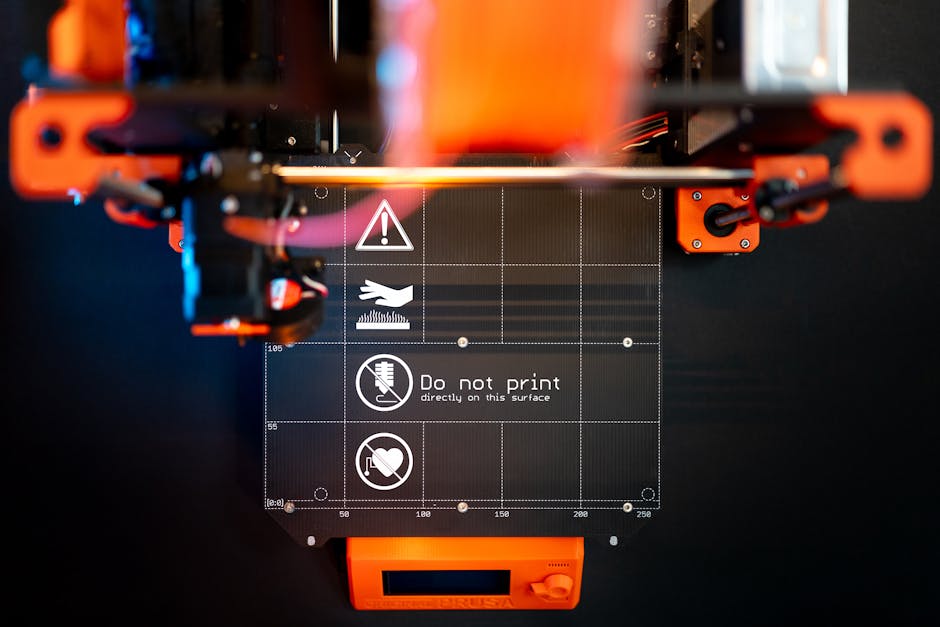
Table of Contents
- Understanding the Core Principles of Rapid Prototyping
- Exploring Key Rapid Prototyping Technologies
- The Rapid Prototyping Workflow: From Concept to Iteration
- Choosing the Right Rapid Prototyping Technique for Your Project
- Advanced Considerations and Future Trends in Rapid Prototyping
Understanding the Core Principles of Rapid Prototyping
Rapid prototyping is the engine that drives modern innovation. At its heart, it’s about transforming abstract ideas into tangible forms – quickly. This isn’t just about making something look pretty; it’s a fundamental shift in how we approach design and product development, moving from long, rigid cycles to nimble, responsive iterations. The significance of this approach in fostering true innovation cannot be overstated. It empowers teams to explore a wider range of concepts, push creative boundaries, and ultimately, bring groundbreaking products and services to market faster and more effectively. For startups, especially, this means Rapid Prototyping for Startups: Ignite Innovation, Validate Ideas Fast, offering a critical path to market validation and investor confidence.
The key objectives of rapid prototyping are elegantly simple yet profoundly impactful: speed, cost-effectiveness, and iterative development. Instead of spending months or years in the planning and design phase, teams can produce a functional or near-functional model in days or weeks. This velocity is crucial for staying ahead in today’s dynamic markets. Furthermore, by enabling early testing and refinement, rapid prototyping dramatically reduces the financial and time investment required to bring a product to fruition. This iterative process, where feedback from one prototype informs the next, is the lifeblood of continuous improvement and creative problem-solving. You can explore various Idea Generation Tools & Techniques: Sparking Innovation & Creativity to feed this iterative loop.
Perhaps the most critical role of rapid prototyping lies in its ability to validate ideas and significantly reduce risk. Before committing substantial resources to mass production, stakeholders can interact with a physical prototype, providing invaluable feedback that might otherwise only surface at a much later, and more costly, stage. This early validation is essential for identifying flaws, assessing market fit, and ensuring the product truly meets user needs. It allows for agile adjustments, preventing the costly rework often associated with traditional methodologies. This aligns perfectly with principles found in comprehensive Problem Solving Techniques, ensuring that potential issues are addressed proactively.
To truly grasp the power of rapid prototyping, it’s helpful to contrast it with traditional design and manufacturing. Traditionally, design involved extensive documentation, detailed blueprints, and long lead times for tooling and initial production runs. Changes were often expensive and difficult to implement once manufacturing commenced. Rapid prototyping, in contrast, embraces flexibility and speed. It leverages digital design files and advanced manufacturing processes – like 3D Printing Prototyping: Speed, Cost, & Design Freedom – to create physical models directly from computer-aided design (CAD) data. This allows for swift modifications based on testing and feedback, forming a virtuous cycle of development. The underlying principle is to move quickly from conceptualization to a tangible representation, which can involve various levels of fidelity, from simple sketches and models (see Low-Fidelity Prototyping: Your Blueprint to Design Success) to sophisticated, functional prototypes.
The comparison can be visualized as follows:
| Aspect | Traditional Design & Manufacturing | Rapid Prototyping |
|---|---|---|
| Speed | Slow, sequential processes, long lead times | Fast, iterative cycles, quick turnaround |
| Cost | High upfront investment, costly changes | Lower initial investment, cost-effective iteration |
| Flexibility | Rigid, difficult to change once initiated | Highly flexible, easy to modify and adapt |
| Risk | High risk of costly errors discovered late | Reduced risk through early validation and testing |
| Feedback Loop | Delayed and expensive | Immediate and inexpensive |
This table highlights the fundamental divergence. Rapid prototyping is more than a set of techniques; it’s a mindset that prioritizes learning and adaptation, essential for any organization aiming to innovate consistently. It complements robust Brainstorming Techniques for Innovation by providing a tangible way to test the fruits of those creative sessions.
Exploring Key Rapid Prototyping Technologies
The landscape of innovation is perpetually shaped by the tools we employ to bring concepts to life. In the realm of Rapid Prototyping: Fast, Smart Product Development, a diverse array of technologies empowers creators to iterate, test, and refine with unprecedented speed. Understanding these techniques is crucial for any individual or team looking to Rapid Prototyping for Startups: Ignite Innovation, Validate Ideas Fast.
Additive Manufacturing (3D Printing)
At the forefront of rapid prototyping is additive manufacturing, commonly known as 3D printing. This revolutionary approach builds objects layer by layer, offering remarkable design freedom. Exploring 3D Printing Prototyping: Speed, Cost, & Design Freedom reveals its transformative potential.
Fused Deposition Modeling (FDM): This widely accessible technology extrudes thermoplastic filaments, melting and depositing them layer by layer onto a build platform.
- Materials: A vast array of materials are available, including PLA, ABS, PETG, and even more specialized filaments like carbon fiber-infused nylon, catering to diverse functional and aesthetic needs. For an in-depth look, consult resources on Rapid Prototyping Materials.
- Applications: Ideal for functional prototypes, jigs, fixtures, and end-use parts where high strength isn’t paramount. It’s a go-to for early-stage validation and basic form studies.
- Pros: Low cost, wide material selection, ease of use, and accessibility.
- Cons: Layer lines can be visible, surface finish might require post-processing, and accuracy can be less than other methods for very fine details.
Stereolithography (SLA): SLA uses a UV laser to cure liquid photopolymer resin, building parts with exceptional detail and a smooth surface finish.
- Resin Types: A variety of resins exist, from standard prototyping resins offering good detail, to tough resins mimicking ABS, and flexible or castable resins for specific applications.
- Precision: SLA excels in producing highly detailed and accurate parts, making it perfect for intricate designs and visual prototypes.
- Finishing: Parts often require post-curing under UV light and can benefit from sanding, polishing, or painting for a polished appearance.
Selective Laser Sintering (SLS): SLS employs a high-power laser to fuse powdered materials, typically nylon or other polymers, layer by layer.
- Powder Materials: Nylon (PA12 and PA11) is a common choice, offering excellent mechanical properties. Other polymers and even some metals can be processed with SLS.
- Strength: SLS parts boast impressive strength and durability, often suitable for functional testing and even end-use components.
- Complexity: This technique is adept at handling complex geometries, including internal cavities and interlocking parts, without the need for support structures.
Material Jetting & Binder Jetting: These advanced additive processes offer unique capabilities. Material jetting can print multiple materials simultaneously, creating highly realistic, multi-colored, and multi-textured prototypes. Binder jetting uses a liquid binding agent to fuse powder particles, allowing for rapid production of parts from metals, sand, and ceramics.
- Multi-Material Capabilities: The ability to combine different materials in a single print opens doors for highly functional prototypes that mimic the assembly of final products.
- Surface Finish: These technologies can achieve excellent surface finishes, often requiring minimal post-processing.
Subtractive Manufacturing (CNC Machining)
While additive processes build up material, subtractive manufacturing, primarily CNC (Computer Numerical Control) machining, carves away material from a solid block. This method remains indispensable for its precision and material versatility.
- Precision Milling, Turning, and Routing: CNC machines use computer-controlled tools to precisely cut, shape, and refine materials. Milling creates complex 3D shapes, turning produces cylindrical parts, and routing is ideal for sheet materials.
- Material Capabilities and Tolerances: CNC machining can work with a vast range of materials, including metals (aluminum, steel, brass), plastics, wood, and composites, often achieving extremely tight tolerances and superior surface finishes compared to many additive processes. Leading engineering firms often rely on ISO standards for dimensional tolerances for critical applications.
- When to Choose CNC Over Additive: CNC is the preferred choice when extremely high precision, specific material properties (like the strength of certain metals), or a superior surface finish are critical, especially for functional prototypes that undergo rigorous testing. It’s also more economical for producing short runs of identical parts.
Forming Processes
Beyond additive and subtractive methods, various forming processes are vital for rapid prototyping, particularly for creating complex shapes from sheet materials or enabling quick tooling for short production runs.
- Vacuum Forming: This process involves heating a plastic sheet until it’s pliable and then stretching it over a mold using vacuum pressure. It’s excellent for creating complex, hollow shapes from sheet materials, often used for enclosures and housings.
- Injection Molding (Low-Volume): While traditionally associated with mass production, rapid prototyping has embraced low-volume injection molding. This involves creating prototype tooling quickly (often from aluminum) that can then be used for short runs of injection-molded parts, offering a realistic preview of mass-produced items. This is particularly valuable for Agile Idea Generation: Principles & Techniques.
- Thermoforming: Similar to vacuum forming, thermoforming uses heat to make plastic sheets pliable, allowing them to be molded over a die. It finds extensive applications in packaging, consumer goods, and automotive interiors, enabling the creation of intricate and visually appealing components efficiently.
Mastering these diverse rapid prototyping techniques empowers innovators to transform abstract ideas into tangible realities, fueling the engine of creativity and driving breakthroughs. The journey from initial concept, often sparked by Brainstorming Techniques for Innovation, to a refined prototype is significantly accelerated by the judicious selection and application of these powerful technologies.
The Rapid Prototyping Workflow: From Concept to Iteration
The journey of bringing an innovative idea to life through rapid prototyping is a dynamic and iterative process, often described as a dance between digital creation and physical realization. Understanding this workflow is key to leveraging the power of Rapid Prototyping: Fast, Smart Product Development for your projects, whether you’re a seasoned designer or a startup looking to Rapid Prototyping for Startups: Ignite Innovation, Validate Ideas Fast.
Digital Design & CAD Modeling: The Blueprint for Innovation
The genesis of any physical prototype lies in its digital representation. This stage involves meticulously crafting a three-dimensional (3D) computer-aided design (CAD) model. The software tools available are vast, ranging from free, open-source options like Blender to professional-grade suites such as SolidWorks, Fusion 360, and AutoCAD. The choice often depends on the complexity of the design, budget, and intended manufacturing technology.
Crucially, this is where the principles of Designing for Manufacturability (DFM) in rapid prototyping come into play. This isn’t just about creating a visually appealing model; it’s about ensuring the design can be practically and efficiently produced by the chosen prototyping technology. Considerations include wall thickness, overhangs, feature resolution, and the feasibility of assembly if the prototype consists of multiple parts. Engaging in Divergent Thinking Techniques early in the design phase can help explore a wider range of design possibilities that are also manufacturable.
File Preparation: Translating Design into Machine Language
Once the 3D CAD model is finalized, it needs to be translated into a format that a prototyping machine can understand. This typically involves exporting the model as an STL (stereolithography) file, which represents the surface geometry of the object as a mesh of triangles.
The next critical step is "slicing," where specialized software (often bundled with 3D printers or available as standalone programs like Cura or Simplify3D) divides the 3D model into thin horizontal layers. This process also involves generating support structures, which are temporary scaffolds needed to hold up overhangs and bridges during the printing process. Optimizing these slicing parameters—layer height, infill density, print speed, and support placement—is vital for achieving the desired speed, accuracy, and surface finish for the chosen prototyping technology, whether it’s Fused Deposition Modeling (FDM), Stereolithography (SLA), or Selective Laser Sintering (SLS).
The Prototyping Process: Bringing the Digital to Life
This is the heart of rapid prototyping, where the digital design transforms into a tangible object. The chosen prototyping technology will dictate the machine setup and calibration. For instance, FDM printers require careful bed leveling and nozzle temperature control, while SLA printers demand precise resin vat filling and UV light intensity.
Material selection criteria are paramount at this stage. The choice of material impacts the prototype’s mechanical properties, aesthetics, and cost. Understanding the nuances of Rapid Prototyping Materials is essential. Will the prototype need to withstand stress? Does it need to be transparent? Is it for visual appeal or functional testing? Answers to these questions will guide the selection from a spectrum of plastics, resins, metals, and composites. For example, PLA is a common and cost-effective choice for visual models, while ABS offers greater durability for functional prototypes. Advanced materials like carbon fiber reinforced polymers can mimic the strength of production parts.
Post-Processing & Finishing: Refining the Creation
The raw output from a prototyping machine is rarely the final product. Post-processing is a crucial step in refining the prototype to meet the desired aesthetic and functional properties. This can involve a range of techniques:
- Cleaning: Removing excess material (e.g., uncured resin from SLA prints, support structures from FDM prints).
- Curing: For resin-based prints (SLA/DLP), post-curing with UV light enhances material strength and stability.
- Sanding: Smoothing out layer lines and surface imperfections to achieve a polished finish.
- Painting: Applying primer, paint, and clear coats for color and protection.
- Assembly: Joining multiple parts together using adhesives, screws, or other fastening methods.
These steps can significantly elevate the perceived quality of the prototype, making it more representative of a finished product and more effective for user feedback and validation.
Testing & Validation: The Crucible of Performance
The ultimate goal of rapid prototyping is to learn and iterate. Once a physical prototype is complete and finished, it undergoes rigorous testing and validation. This phase is where the initial concepts, refined through Brainstorming Techniques for New Ideas, are put to the test.
- Functional Testing: Evaluating how the prototype performs under intended operating conditions. Does it meet performance specifications? Are there any mechanical failures? This can involve stress tests, fitment checks, or electrical performance evaluations.
- User Feedback: Presenting the prototype to potential users for their input. This is invaluable for identifying usability issues, understanding user preferences, and uncovering unexpected applications. Techniques like user interviews and observational studies are critical here. This stage directly informs Problem Solving Techniques and can even inspire new solutions through Lateral Thinking Techniques.
- Design Iteration: Based on the findings from testing and feedback, the design is refined. This might involve going back to the CAD stage to make modifications, and then repeating the prototyping and testing cycles. This iterative loop is the engine of innovation, allowing for continuous improvement and risk reduction. As highlighted in 3D Printing Prototyping: Speed, Cost, & Design Freedom, this cycle of rapid iteration is what truly accelerates product development.
FAQ: What is the difference between low-fidelity and rapid prototyping?
Low-fidelity prototyping typically refers to early-stage models that are quick and inexpensive to create, often using paper, cardboard, or simple digital wireframes. They focus on conceptual layout and user flow. Rapid prototyping, while also fast, generally involves creating more detailed, functional, or near-production-quality physical models using technologies like 3D printing. Rapid prototypes are often made after low-fidelity prototypes have validated core concepts, allowing for more in-depth testing of form, fit, and function. Think of low-fidelity as exploring the maze on a map, while rapid prototyping allows you to walk through a scaled-down version of the maze itself.
FAQ: How do I choose the right rapid prototyping technology for my project?
The selection of the right rapid prototyping technology hinges on several factors: the required material properties (strength, flexibility, transparency, temperature resistance), desired surface finish and detail resolution, budget, and the size of the part. For example, SLA and DLP offer high detail and smooth surfaces, ideal for intricate models and visual prototypes. FDM is generally more cost-effective and can produce larger parts with good functional properties, though with visible layer lines. SLS is excellent for producing strong, complex parts without the need for support structures, making it suitable for functional end-use parts or complex geometries. Consulting resources on Rapid Prototyping Materials and understanding the capabilities of each technology is crucial for making an informed decision.
Choosing the Right Rapid Prototyping Technique for Your Project
The journey from a nascent idea to a tangible product is an exhilarating one, and Rapid Prototyping: Fast, Smart Product Development is often the engine that drives this process. However, with a diverse array of rapid prototyping techniques available, selecting the optimal one can feel like navigating a complex maze. The key to unlocking innovation lies in a thoughtful assessment of your project’s unique requirements, constraints, and aspirations. This section will guide you through that critical decision-making process.
Assessing Project Requirements
Before diving into the technological specifics, a comprehensive understanding of your project’s needs is paramount. This involves a deep dive into several key areas:
Material Properties: What kind of material best represents your final product? Will it need to be rigid, flexible, transparent, or conductive? The intended application will dictate the required material properties. Exploring the vast landscape of Rapid Prototyping Materials is a crucial first step. For instance, if you’re developing a high-stress automotive component, you’ll need a technique capable of working with strong, durable plastics or even metals, ruling out techniques that produce brittle prototypes.
Strength and Durability: Will the prototype need to withstand significant force or repeated use? This is particularly vital for functional prototypes that undergo testing. Techniques like Stereolithography (SLA) or Fused Deposition Modeling (FDM) can offer varying degrees of strength depending on the material and print settings. For applications demanding exceptional toughness, consider Metal 3D Printing.
Surface Finish and Aesthetics: For consumer-facing products, a smooth, aesthetically pleasing surface finish is often non-negotiable. Technologies like SLA or Multi Jet Fusion (MJF) often excel in delivering highly detailed and smooth surfaces, requiring less post-processing. Conversely, a slightly rougher finish might be acceptable for internal R&D prototypes where functionality is the sole focus.
Tolerances and Precision: How accurate do your dimensions need to be? Medical devices, precision instruments, or intricate interlocking parts demand high levels of dimensional accuracy. SLA and CNC machining are generally known for their precision, making them suitable choices for such applications.
Considering Budget and Timeline Constraints
Innovation doesn’t always come with an unlimited budget or an infinite timeline. These practical constraints significantly influence technique selection:
Budget: Some technologies, like high-end metal 3D printing, involve substantial material and equipment costs. For startups looking to Ignite Innovation, Validate Ideas Fast, lower-cost options like FDM or even Low-Fidelity Prototyping: Your Blueprint to Design Success might be more appropriate.
Timeline: How quickly do you need your prototype? FDM is often one of the fastest methods for basic functional prototypes. However, if speed is critical and intricate details are required, a high-speed SLA printer might be the better investment. Balancing speed with the other requirements is a common challenge.
Evaluating Complexity and Geometric Features
The design itself is a significant factor in determining the best prototyping method:
Intricate Geometries: Designs with complex internal structures, overhangs, or delicate features can be challenging for some techniques. SLA, with its liquid resin curing, and MJF, which uses a powder bed, can often handle such complexities more adeptly than FDM without extensive support structures.
Part Size: The maximum build volume of a particular machine will dictate the size of prototype it can produce. For very large parts, you might need to consider segmenting the design or opting for a larger-format printer, or even consider technologies like large-scale additive manufacturing.
Understanding the Trade-offs
Every rapid prototyping technique comes with its own set of advantages and disadvantages. It’s about finding the sweet spot where the benefits align with your project’s priorities. For example, while FDM is cost-effective and versatile, it may not offer the fine detail or smooth surface finish achievable with SLA. Conversely, SLA often requires more post-processing and can be more brittle. Understanding these trade-offs is crucial for informed decision-making. This often involves a process of weighing different Problem Solving Techniques to arrive at the optimal solution.
Case Studies
The best way to solidify understanding is through real-world examples. The process of selecting a prototyping technique often mirrors the iterative nature of innovation itself, drawing on various Creative Thinking Techniques: Busting Myths & Unlocking Real Innovation and Ideation Techniques with Mind Maps.
Case Study: Medical Device Development
A startup developing a novel surgical instrument needed a prototype that accurately reflected the final product’s ergonomics, sterility, and biocompatibility for initial user testing. They required a smooth surface finish to prevent bacterial adhesion and precise tolerances for intricate moving parts. While budget was a consideration, the critical need for material integrity and a high-quality finish led them to select Stereolithography (SLA) using a medical-grade resin. This allowed for rapid iteration of the design with excellent detail and a surface finish comparable to injection-molded parts, ensuring a realistic user experience and gathering valuable feedback before investing in expensive tooling. This approach demonstrates how prioritizing specific functional requirements, even within budget constraints, can guide the selection towards more advanced techniques like those outlined in 3D Printing Prototyping: Speed, Cost, & Design Freedom.
Case Study: Consumer Electronics Enclosure
A team designing a new portable Bluetooth speaker focused on achieving a balance between cost-effectiveness, aesthetic appeal, and reasonable durability. They needed to test the form factor, button placement, and overall feel for user comfort. Given their tight timeline and limited budget, Fused Deposition Modeling (FDM) was chosen. While the surface finish wasn’t as pristine as other methods, it was sufficient for demonstrating the design intent and allowing for iterative improvements on the enclosure’s ergonomics and internal component mounting. They also explored alternative brainstorming strategies through Brainstorming Techniques for New Ideas to ensure the design itself was innovative, and FDM provided a fast and affordable way to validate these concepts.
Case Study: Automotive Interior Component
An automotive supplier was tasked with creating a prototype of a new dashboard trim piece. This component needed to withstand heat, UV exposure, and general wear and tear, requiring a durable material with a high-quality textured finish. While initial concepts might have been explored with lower-fidelity methods, the need for functional testing and aesthetic evaluation led them to consider Multi Jet Fusion (MJF). MJF offers good mechanical properties and the ability to achieve complex geometries with a consistent surface finish, closely mimicking the final production part. This allows for thorough testing and validation, a crucial step in the complex automotive development cycle which can also benefit from structured approaches like TRIZ Tools & Techniques: Master Inventive Problem Solving.
Ultimately, selecting the right rapid prototyping technique is an art and a science. It requires a blend of technical understanding, strategic planning, and a willingness to explore various Idea Generation Tools & Techniques: Sparking Innovation & Creativity. By carefully assessing your project’s requirements, constraints, and the inherent strengths of each technology, you can ensure your prototypes effectively bridge the gap between imagination and reality.
Advanced Considerations and Future Trends in Rapid Prototyping
As rapid prototyping continues its relentless march forward, the boundaries of what’s possible are constantly being redrawn. We’re moving beyond single-material, single-color builds to sophisticated multi-material and multi-color prototyping. Imagine a single print job yielding a functional component with integrated flexible grips, rigid structural elements, and vibrant, embedded color coding – this is no longer science fiction. These advancements are crucial for creating highly realistic prototypes that closely mimic the end product’s aesthetics and functionality, significantly accelerating the iteration cycle and informing more effective brainstorming techniques for new ideas.
The synergy between rapid prototyping and computational power is also reaching new heights. The integration with simulation and AI for design optimization is transforming how we conceive and refine products. By feeding real-world performance data from early prototypes into AI algorithms, designers can explore vast design spaces, identify optimal geometries, and predict material behavior under stress, all before committing to expensive tooling. This data-driven approach complements creative ideation, ensuring that innovative concepts are also robust and efficient. Think of AI as a powerful co-pilot in your problem solving techniques journey, helping to navigate complex design challenges.
Looking further afield, bio-printing and advanced materials are opening entirely new frontiers. From creating patient-specific tissue scaffolds for medical research to developing novel composites with self-healing properties, these techniques promise revolutionary applications. The ability to print with organic materials or to engineer materials with unprecedented performance characteristics will redefine industries from healthcare to aerospace. Understanding the vast array of Rapid Prototyping Materials is fundamental to leveraging these cutting-edge advancements.
A significant paradigm shift is also occurring with the rise of distributed manufacturing and on-demand prototyping. Cloud-based platforms and decentralized production facilities are enabling businesses, especially Rapid Prototyping for Startups: Ignite Innovation, Validate Ideas Fast, to access advanced prototyping capabilities without massive capital investment. This distributed model fosters agility, reduces lead times, and allows for localized production, bringing innovation closer to the point of need.
Finally, the conversation around rapid prototyping is increasingly focused on sustainability. This encompasses mindful material choices – opting for recycled, biodegradable, or bio-based filaments where appropriate – and diligent waste reduction strategies. Optimizing print orientations, minimizing support structures, and implementing robust material recycling programs within the prototyping workflow are becoming standard practices. As detailed in studies on circular economy principles, reducing waste in manufacturing is not just an environmental imperative but also a pathway to cost savings and enhanced brand reputation. The goal is to achieve the speed and flexibility of 3D Printing Prototyping: Speed, Cost, & Design Freedom without a heavy ecological footprint.
Featured image by Jakub Zerdzicki on Pexels