Service Design Thinking: The Innovation Powerhouse You’re Missing

Service Design Thinking isn’t just another buzzword; it’s a battle-tested methodology for driving meaningful innovation and creativity by deeply understanding and addressing human needs. In today’s hyper-competitive landscape, simply having a good idea isn’t enough. You need a robust framework to translate that idea into a seamless, valuable experience for your customers.
Table of Contents
- Executive Summary
- What is Service Design Thinking, Really?
- Beyond Buzzwords: A Practical Definition
- The Core Pillars: User-Centricity, Collaboration, Iteration
- Why Service Design Thinking Matters for Innovation & Creativity
- Bridging the Gap Between Ideas and Implementation
- Uncovering Latent Needs for Breakthrough Services
- Reducing Risk Through Prototyping and Testing
- The Service Design Thinking Process: A Hands-On Approach
- Empathize: Understanding the Human Element
- Define: Framing the Problem Clearly
- Ideate: Generating Creative Solutions
- Prototype: Making Ideas Tangible
- Test: Validating with Real Users
- Integrating Service Design Thinking into Your Innovation Engine
- Building a Culture of Curiosity and Collaboration
- Leveraging Cross-Functional Teams
- Applying Service Design to Digital and Physical Touchpoints
- Common Pitfalls and How to Avoid Them
- The ‘Ivory Tower’ Trap
- Skipping the Empathy Phase
- Treating it as a One-Off Project
- Further Reading & Frameworks
Executive Summary
This article demystifies Service Design Thinking, highlighting its crucial role in fostering innovation and creativity. We’ll explore its core principles, practical application through its five-stage process, and how to integrate it effectively into your organization. Learn how to move beyond theoretical innovation to delivering tangible, user-centric service improvements that drive real business results.
What is Service Design Thinking, Really?
At its heart, Service Design Thinking is about designing services from the perspective of the people who use them. It’s a holistic, human-centered approach that looks at the entire customer journey, encompassing all touchpoints, interactions, and back-end processes that contribute to the overall experience.
Beyond Buzzwords: A Practical Definition
Forget academic jargon. Service Design Thinking is the practical application of empathy, iteration, and cross-functional collaboration to solve service-related problems. It’s about making services useful, usable, desirable, efficient, and effective for both the user and the provider.
The Core Pillars: User-Centricity, Collaboration, Iteration
- User-Centricity: This is non-negotiable. Every decision, every design choice, must stem from a deep understanding of user needs, behaviors, and motivations. This aligns directly with the principles of Empathy in Design Thinking: Your Key to Human-Centric Innovation.
- Collaboration: Service design is rarely a solo sport. It thrives on bringing together diverse perspectives – from front-line staff to executives, from marketing to IT. This mirrors the benefits of Systems Thinking for Innovation, which emphasizes understanding how interconnected parts influence the whole.
- Iteration: Ideas are rarely perfect on the first try. Service Design Thinking embraces a cyclical process of prototyping, testing, and refining. This iterative spirit is the bedrock of real-world innovation, much like The Wright Brothers’ Secret: Iterative Design & Engineering Innovation That Took Flight.
Why Service Design Thinking Matters for Innovation & Creativity
In my two decades navigating the innovation landscape, I’ve seen countless brilliant ideas falter because they couldn’t be translated into a compelling user experience. Service Design Thinking provides the bridge.
Bridging the Gap Between Ideas and Implementation
Innovation efforts often get stuck between the ‘what if’ and the ‘how to’. Service Design Thinking offers a tangible pathway. It helps to translate abstract concepts into concrete service offerings that people will actually want to use. This is essential for moving beyond theoretical brainstorming sessions, which you can sharpen using Lateral Thinking Techniques: Unlock Breakthrough Ideas & Solve Problems Differently.
Uncovering Latent Needs for Breakthrough Services
Customers often don’t know what they want until they see it. Through deep empathic research and observation, Service Design Thinking uncovers unmet or unarticulated needs. This is where true breakthrough innovation happens – solving problems users didn’t even realize they had. Explore this further in Empathetic Research in Design Thinking.
Reducing Risk Through Prototyping and Testing
Launching a new service or significantly redesigning an existing one is inherently risky. Service Design Thinking mitigates this by encouraging low-fidelity prototyping and rigorous usability testing. You can fail fast, learn cheaply, and iterate your way to a robust solution. This practical approach is a cornerstone of successful product development, much like mastering Usability Testing: The Human-Centric Design Secret Weapon.
The Service Design Thinking Process: A Hands-On Approach
The process is cyclical, not strictly linear, but generally follows these key phases:
Empathize: Understanding the Human Element
This is where you walk in your users’ shoes. Go beyond surveys; conduct interviews, observations, and contextual inquiries. Understand their motivations, frustrations, and the underlying ‘jobs to be done’. This is the bedrock of Customer-Centric Service Design: The Ultimate Guide for Business Growth. A powerful way to frame these needs is through the Jobs-to-be-Done for Service Design Innovation framework.
Define: Framing the Problem Clearly
Synthesize your research findings into actionable insights. Develop user personas and journey maps. Clearly articulate the core problem you are trying to solve from the user’s perspective. This clarity is crucial for directing creative energy effectively, as discussed in Design Thinking Principles: Solve Problems Like a Pro.
Ideate: Generating Creative Solutions
This is the brainstorming phase, but with focus. Use techniques like brainstorming, mind mapping, and sketching to generate a wide range of potential solutions. Encourage wild ideas; you can refine later. This phase benefits greatly from Visual Thinking for Innovation: See Your Ideas Come to Life.
Prototype: Making Ideas Tangible
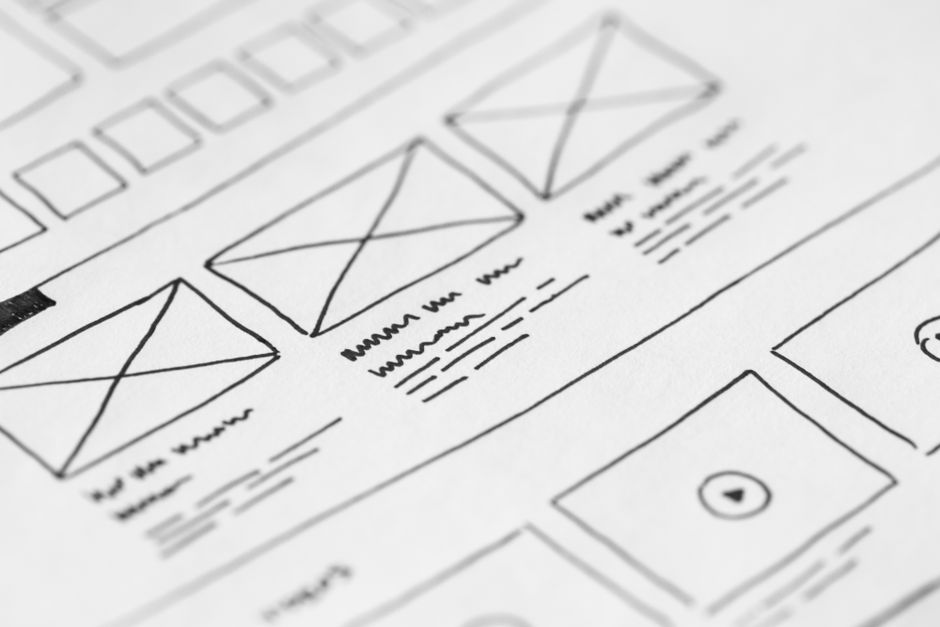
Don’t just talk about ideas; build them. Create low-fidelity prototypes (sketches, wireframes, storyboards, role-playing scenarios) to make your concepts tangible. This allows for early feedback and iteration, similar to the principles behind Low-Fidelity Prototyping: Your Blueprint to Design Success.
Test: Validating with Real Users
Put your prototypes in front of real users. Observe their interactions, gather feedback, and identify areas for improvement. This validation loop is critical for ensuring your service solution actually resonates with your target audience. This is a core component of the broader Unlock Innovation: Your Ultimate Guide to the Design Thinking Process framework.
Integrating Service Design Thinking into Your Innovation Engine
Making Service Design Thinking a part of your organizational DNA requires more than just running a few workshops.
Building a Culture of Curiosity and Collaboration
Foster an environment where The Power of Asking “Why”: Deep Diving into the Roots of Curiosity is encouraged and cross-departmental collaboration is the norm. Leaders must champion this shift, demonstrating the value of user-centricity and iterative problem-solving. Remember, you are inherently a Creative Person – foster that in others.
Leveraging Cross-Functional Teams
Assemble teams with diverse skill sets and backgrounds. Engineers, designers, marketers, customer support reps, and business strategists should all have a voice. This diverse input fuels more robust and well-rounded service solutions.
Applying Service Design to Digital and Physical Touchpoints
Service Design Thinking isn’t limited to apps or websites. It applies equally to physical spaces, customer support interactions, and the entire ecosystem of touchpoints a customer experiences. Consider how principles of Universal Design: The Unseen Innovation Spark in Architecture can inform your approach to inclusivity.
Common Pitfalls and How to Avoid Them
Even with the best intentions, Service Design Thinking initiatives can stumble. Here’s what to watch out for:
The ‘Ivory Tower’ Trap
Designing services without genuine user involvement leads to solutions that miss the mark. Ground your work in real-world user research, not assumptions.
Skipping the Empathy Phase
Jumping straight to solutions without deeply understanding the problem and the people affected is a recipe for failure. Prioritize deep user understanding before ideation.
Treating it as a One-Off Project
Service Design Thinking is not a one-time fix; it’s an ongoing mindset. Embed its principles into your regular processes for continuous improvement and sustained innovation.
* Identify a Pilot Project: Start with a manageable service or process to apply the methodology.
* Assemble a Diverse Team: Bring together individuals from different departments and roles.
* Prioritize User Research: Dedicate significant time and resources to empathic research.
* Map the Customer Journey: Visualize the current state and identify pain points.
* Prototype Relentlessly: Create tangible representations of your ideas.
* Test and Iterate: Gather feedback from real users and refine your solutions.
* Measure Impact: Track key metrics to demonstrate the value of your efforts.
* Foster Continuous Improvement: Embed Service Design Thinking into your ongoing operations.
Further Reading & Frameworks
- The Design of Everyday Things by Don Norman: A foundational text on user-centered design principles.
- This is Service Design Doing and This is Service Design Thinking (Multiple Authors): Comprehensive guides and case studies from the leading practitioners in the field.
- Jobs to Be Done (Clayton Christensen): A theory explaining how customers ‘hire’ products and services to get jobs done.
- Service Blueprinting: A key visualization tool used in service design to map out service processes and touchpoints. While not a book, understanding its application is crucial. Explore Service Innovation Frameworks: Your Blueprint for Customer-Centric Growth for related concepts. Understanding specific Service Blueprinting Techniques can further enhance your ability to visualize and optimize services.
- Design Thinking (Stanford d.school): The widely recognized five-stage model (Empathize, Define, Ideate, Prototype, Test) is a cornerstone. See our overview at Unlock Innovation: Your Ultimate Guide to the Design Thinking Process.
- Systems Thinking: Essential for understanding the interconnectedness of service elements. See Systems Thinking Fundamentals: See the Bigger Picture & Solve Complex Problems and Systems Thinking for Innovation: Mastering Complexity for Breakthroughs.
- Six Thinking Hats (Edward de Bono): A powerful framework for structured thinking and problem-solving. Refer to Mastering Innovation: How Six Thinking Hats Revolutionize Your Creative Process for details.
- First Principles Thinking: Encourages breaking down problems to their fundamental truths. Read more at First Principles Thinking: The Ultimate Guide to Revolutionary Problem Solving.
- Inclusive Design: A framework for creating universally accessible products and services. Consult Inclusive Design Principles: Creating Products for Everyone and Inclusive Design Frameworks: Build Products That Truly Serve Everyone.
Service Design Thinking is more than a methodology; it’s a mindset shift that fuels authentic innovation. By placing the user at the absolute center and embracing iterative, collaborative design, you can transform your services and unlock new levels of creativity and business success.