Universal Design: The Unseen Innovation Spark in Architecture
Executive Summary
Innovation isn’t just about building the next shiny thing; it’s about solving real problems for real people, elegantly and enduringly. For two decades, I’ve seen firsthand how true breakthroughs often come not from radical departures, but from deepening our understanding of fundamental human needs. This is precisely where Universal Design principles, often misconstrued as mere accessibility mandates, reveal their power as potent innovation drivers in architecture. They force us to think broader, deeper, and more creatively about the spaces we inhabit, ultimately leading to more robust, future-proof, and yes, more innovative designs.
I remember a project years ago – a community center renovation. The initial brief was to bring it up to code for accessibility. Standard stuff. But by reframing it through a Universal Design lens, we didn’t just add ramps; we re-envisioned circulation, lighting, and sensory experiences for everyone. The result? A space that was not only usable by those with disabilities but was also more comfortable for parents with strollers, elderly visitors, and even people recovering from injuries. It became a vibrant hub, far exceeding the original, limited scope. That’s the power of thinking beyond the minimum.
What is Universal Design?
At its heart, Universal Design is the design and composition of an environment so that it can be accessed, understood, and used to the greatest extent possible by all people regardless of their age, size, ability, or disability. It’s about creating products and environments that are inherently usable by the widest possible range of people, without the need for adaptation or specialized design.
This is not simply about compliance or ticking boxes for accessibility. It’s a proactive, human-centered approach that anticipates the diverse needs and capabilities of the population. When we apply this to architecture, we’re not just meeting requirements; we’re unlocking innovation by considering a broader spectrum of human experience from the outset. It’s a fundamental aspect of true Inclusive Design Principles: Creating Products for Everyone and aligns closely with the empathetic research vital in Design Thinking Principles: Solve Problems Like a Pro.
The Seven Principles of Universal Design
Developed by a team of architects, designers, and researchers at North Carolina State University, these principles serve as a robust framework. They’re not rigid rules, but guidelines to help creators design with a broad audience in mind:
- Equitable Use: The design is useful and marketable to people with diverse abilities. Think: Identical means of use for all users whenever possible; non-stigmatizing. Innovation Angle: Designing for maximum appeal means a larger potential user base and longer building relevance.
- Flexibility in Use: The design accommodates a wide range of individual preferences and abilities. Think: Providing choice in methods of use. Innovation Angle: Offering adaptable spaces that can evolve with user needs reduces future renovation costs and increases satisfaction.
- Simple and Intuitive Use: Use of the design is easy to understand, regardless of the user’s experience, knowledge, language skills, or current concentration level. Think: Eliminating unnecessary complexity. Innovation Angle: Intuitive design reduces cognitive load, enhancing the user experience and minimizing errors, a core tenet of effective user interface design.
- Perceptible Information: The design communicates necessary information effectively to the user, regardless of ambient conditions or the user’s sensory abilities. Think: Using different modes of presentation (visual, auditory, tactile). Innovation Angle: Designing for multiple sensory inputs makes information accessible to more people, improving safety and comprehension.
- Tolerance for Error: The design minimizes hazards and the adverse consequences of accidental or unintended actions. Think: Features that discourage and prevent error. Innovation Angle: Building in resilience and error prevention isn’t just about safety; it’s about creating robust systems that require less oversight and are more forgiving of human fallibility. The relentless pursuit of minimizing errors and refining systems is a hallmark of successful engineering innovation, much like The Wright Brothers’ First Flight: Iterative Design and Engineering Innovation.
- Low Physical Effort: The design can be used efficiently and comfortably and with a minimum of fatigue. Think: Minimizing strenuous physical activity. Innovation Angle: Reducing physical exertion makes spaces more welcoming and usable for a broader demographic, enhancing comfort and longevity of use.
- Size and Space for Approach and Use: Appropriate size and space is provided for approach, reach, manipulation, and use regardless of user’s body size, posture, or mobility. Think: Ample clear floor space. Innovation Angle: Generous and well-thought-out spatial design can dramatically improve flow and functionality, benefiting everyone, not just those with specific mobility needs. This echoes the focus on First Principles Thinking: Deconstruct & Rebuild Your Way to Innovation by ensuring fundamental spatial needs are met.
Universal Design as an Innovation Driver
Many see Universal Design as a regulatory hurdle or an added cost. I’ve seen this mindset time and again. The pushback is often: ‘We’re not a hospital,’ or ‘That adds too much expense.’ But this is where the innovative thinking comes in. Instead of viewing UD as a constraint, we must reframe it as a strategic advantage. Applying these principles from the outset of the design process, rather than as an afterthought, often leads to more elegant, cost-effective, and ultimately, more desirable solutions. Generative AI for Design Automation can further enhance this by streamlining the exploration of diverse design possibilities that cater to a wide user spectrum.
When you design for the widest possible range of human needs, you inherently create spaces that are more adaptable, more resilient, and more appealing. This proactive approach anticipates demographic shifts and evolving user behaviors, making your designs more future-proof. It’s about moving beyond the ‘minimum viable product’ of compliance to a ‘maximum valuable experience’ for all. This strategic focus on broad applicability and user needs is key to developing truly innovative customer experiences.
This aligns directly with the problem-solving methodologies found in frameworks like TRIZ. For instance, understanding and applying TRIZ Fundamental Principles: The Ultimate Guide to Inventive Problem Solving can help architects find inventive ways to meet multiple user needs simultaneously within a single design solution, avoiding contradictions and maximizing resourcefulness.
Case Study
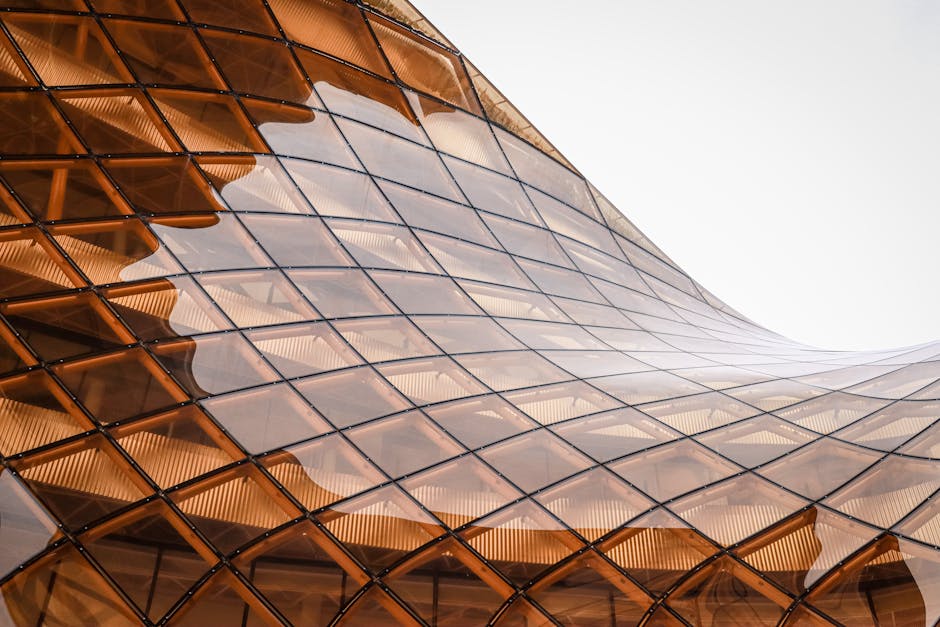
The Bloomberg European Headquarters, London: This building is a prime example of integrated, forward-thinking design. While not explicitly branded as ‘Universal Design,’ its features embody many of its principles. For example, the building incorporates advanced air filtration systems and controls that allow individual occupants to adjust their environment. The lighting systems are designed to mimic natural daylight patterns, benefiting occupant well-being and reducing eye strain. Circulation paths are generous, and the building actively seeks to integrate technology in a way that is intuitive rather than intrusive. The focus on occupant health, comfort, and control for a diverse workforce makes it a functional exemplar of UD principles in a commercial setting, demonstrating how such considerations can lead to a high-performance, desirable workplace.
Integrating UD: Practical Application & Overcoming Challenges
Implementing Universal Design requires a shift in the design process itself. It means embedding user research and empathy from the very first sketch, not just during testing phases like Usability Testing: The Human-Centric Design Secret Weapon.
Common Objections & How to Counter Them:
- Objection: “It’s too expensive.”
- Reality: Implementing UD principles early in the design process is often less expensive than retrofitting or making accommodations later. Furthermore, increased usability, broader appeal, and longer building relevance can translate to greater long-term value and marketability. Think of it as an investment in adaptability and resilience.
- Objection: “It makes the design look institutional or bland.”
- Reality: This is a failure of imagination, not a failing of UD. Great design integrates these principles seamlessly. Think of elegant solutions like lever door handles (more than just accessibility, they’re often faster to operate), or well-lit pathways that benefit everyone, not just those with visual impairments. It requires creative problem-solving, perhaps drawing inspiration from Biomimicry in Design: Nature’s Blueprint for Sustainable Innovation for elegant, functional forms. This can be significantly enhanced by understanding the user on a deeper level through Empathic Design.
- Objection: “We’re not designing for people with disabilities.”
- Reality: Everyone benefits from good design. Universal Design acknowledges that ability is fluid. We all experience temporary or situational limitations – carrying groceries, recovering from surgery, aging. Designing for a spectrum ensures the space serves its purpose across a lifetime and for the widest possible audience.
Interactive Scenario: The Lobby Challenge
Imagine you’re designing a new corporate lobby. It needs to be welcoming, secure, and efficient. How do you ensure it caters to a diverse workforce and clientele, including employees with mobility impairments, visitors with visual impairments, parents with young children, and delivery personnel with carts?
What would you do?
We’d start by ensuring multiple points of entry at ground level with automatic doors, alongside a primary entrance. Circulation paths would be wide and clear, with tactile paving leading key areas. Reception desks would have varied height counters. Digital signage would be complemented by large print and braille directories. Seating areas would offer different options (firm, soft, varied heights) and ample maneuvering space. We’d also consider ambient noise levels and provide acoustic dampening where possible, alongside intuitive wayfinding through lighting and clear visual cues.
Universal Design vs. Accessibility: Clearing the Air
It’s crucial to distinguish Universal Design from basic accessibility. Accessibility, often mandated by law (like the ADA in the US), focuses on removing barriers for individuals with disabilities. It’s a vital baseline.
Universal Design goes further. It’s proactive and inclusive by nature, aiming to create environments that are usable by everyone from the start, without needing separate or specialized features. While accessibility is a component of UD, UD seeks to create environments so inherently usable that the need for separate adaptations is minimized. It’s about designing better for all, which naturally includes those who need specific accessibility features.
Thinking about these broader principles naturally leads into exploring more in-depth Inclusive Design Frameworks: Build Products That Truly Serve Everyone and understanding the user through Empathy in Design Thinking: Your Key to Human-Centric Innovation.
Further Reading & Frameworks
- Center for Universal Design, NC State University: The originators of the seven principles. Their resources are foundational.
- Books:
- Design for All: Universal Design in the European Union by European Design for All.
- A Universal Design Handbook edited by Maryanne M. Dougherty.
- Universal Design: Creating Inclusive Environments by Louise E. Jones.
- Frameworks:
- The ADA (Americans with Disabilities Act) Standards for Accessible Design: While a legal standard, understanding its requirements informs UD.
- Design Thinking Principles: Solve Problems Like a Pro and its iterative, user-centered approach.
- First Principles Thinking: The Ultimate Guide to Revolutionary Problem Solving: Breaking down complex problems to their fundamental truths, which often align with universal human needs.
By embracing Universal Design not as a set of rules, but as a philosophy of inclusive innovation, architects can create spaces that are not only functional and compliant but truly exemplary, resonating with a wider audience and pushing the boundaries of thoughtful design.