AI-Powered Predictive Maintenance Innovations
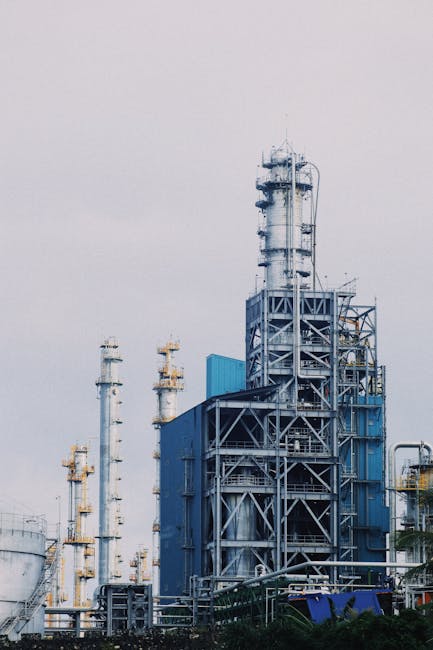
Table of Contents
- The Evolving Landscape of Maintenance
- Foundations of AI-Powered Predictive Maintenance
- Core Innovations and Technologies Driving AI-PM
- Key Applications and Industry Impact
- Benefits and ROI of AI-Powered Predictive Maintenance
- Challenges and Future Trends in AI-PM
The Evolving Landscape of Maintenance
The very concept of maintaining industrial and technological assets has undergone a dramatic metamorphosis. For decades, the prevailing wisdom oscillated between two rudimentary approaches, each with its own set of profound limitations.
Traditional vs. Reactive Maintenance: Limitations and Costs
Think of reactive maintenance, often termed "run-to-failure," as the ultimate fallback. This strategy waits for a component or system to break down before any action is taken. While seemingly simple, its true cost is staggering. Unplanned downtime cripples production, leading to lost revenue, increased overtime for repairs, and often, the expense of emergency part replacements at inflated prices. The damage from a sudden failure can also cascade, leading to the premature demise of other components, escalating repair bills exponentially. This approach fosters a constant state of crisis management, draining resources and stifling any potential for innovative thinking.
Proactive and Preventive Maintenance: A Step Forward
Recognizing the pitfalls of pure reactivity, proactive maintenance and its more structured cousin, preventive maintenance, emerged as a significant improvement. Preventive maintenance involves scheduling regular inspections, lubrication, and replacements based on manufacturer recommendations or historical data. It’s about performing maintenance at fixed intervals, whether the component actually needs it or not. This undoubtedly reduces unexpected failures and extends asset life. However, it can still lead to over-maintenance, where perfectly good parts are replaced prematurely, incurring unnecessary costs and generating waste. This is where the limitations of time-based interventions become apparent, a problem that the subsequent evolution of maintenance strategies directly addresses.
The Dawn of Predictive Maintenance: Anticipating Failures
This is where innovation truly takes center stage. The dawn of predictive maintenance ushers in an era of intelligent anticipation. Instead of relying on fixed schedules or the dreaded "wait and see" approach, predictive maintenance leverages advanced technologies – primarily AI and machine learning – to monitor assets in real-time. Sensors embedded in machinery collect vast amounts of data on parameters like vibration, temperature, pressure, oil quality, and electrical current. AI algorithms then analyze this data, identifying subtle anomalies and patterns that signal an impending failure.
This shift from calendar-based to condition-based maintenance is revolutionary. It allows organizations to predict exactly when a component is likely to fail, enabling them to schedule maintenance precisely when it’s needed. This drastically reduces unnecessary interventions and associated costs, while simultaneously preventing catastrophic breakdowns. Imagine applying this foresight to critical infrastructure, much like how innovations in renewable energy storage are constantly being refined to ensure grid stability. This proactive approach is not just about efficiency; it’s about fostering a more resilient and sustainable operational ecosystem, resonating with the principles of circular economy material innovations: Future-proofing your business.
- Data collection via IoT sensors is fundamental.
- AI and machine learning algorithms are the analytical engine.
- Anomaly detection pinpoints deviations from normal operation.
- Failure prediction models forecast future component health.
- Actionable insights enable optimized maintenance scheduling.
The impact extends beyond mere cost savings. Predictive maintenance fosters a culture of continuous improvement and opens doors for creative problem-solving. It allows teams to spend less time firefighting and more time on strategic initiatives, perhaps exploring how AI-powered creative tools for future work can enhance their planning and execution. This proactive stance aligns perfectly with a forward-thinking mindset, a hallmark of true innovation. Just as advancements in green building material innovations that deliver are reshaping construction, predictive maintenance is redefining how we care for our technological infrastructure. This intelligent approach to asset management is not just a technological upgrade; it’s a fundamental shift in how industries operate, paving the way for greater efficiency, sustainability, and, ultimately, more groundbreaking innovations.
Foundations of AI-Powered Predictive Maintenance
The revolutionary shift towards AI-powered predictive maintenance isn’t conjured from thin air; it’s built upon a robust foundation of data and sophisticated analytical techniques. At its core, predictive maintenance thrives on comprehensive data streams, transforming the mundane into actionable insights.
The primary arteries of this data flow are sensors, embedded within machinery to capture real-time operational parameters like vibration, temperature, pressure, and current draw. Think of a wind turbine, a critical component in Unlocking the Grid: Breakthrough Renewable Energy Storage Innovations, constantly broadcasting its health status through a network of sensors. Complementing this live feed are historical logs, the digital memory of an asset’s performance and past maintenance events. These logs provide invaluable context, revealing trends and anomalies over extended periods. Furthermore, the pervasive reach of IoT devices extends this data net, connecting an ever-wider array of equipment and enabling a holistic view of an entire system’s well-being, much like how a network of sensors could monitor the lifespan of components in something as seemingly simple yet advanced as a Tiny TV Powered By Internal Batteries.
These raw data streams are then processed and analyzed using a suite of key AI/ML techniques. Machine learning algorithms, particularly regression, classification, and clustering, form the bedrock. Regression models can predict the remaining useful life (RUL) of a component, while classification algorithms can identify specific failure modes. Clustering can group similar operational patterns, helping to identify subtle deviations from normal behavior that might precede a breakdown.
However, the true magic often lies in deep learning for complex pattern recognition. These advanced neural networks can sift through vast, high-dimensional datasets, uncovering intricate relationships and subtle precursors to failure that traditional statistical methods might miss. This is akin to how AI can be used for AI-powered storytelling techniques, finding nuanced narratives in diverse data.
Perhaps one of the most overlooked, yet increasingly vital, components of this foundation is Natural Language Processing (NLP) for unstructured data analysis. Technicians’ field notes, maintenance reports, and fault descriptions are rich repositories of human experience and observational detail. NLP allows AI to “read” and interpret this text, extracting valuable insights about recurring issues, undocumented anomalies, or even the subjective assessment of a component’s condition. This capability bridges the gap between structured sensor data and the qualitative knowledge of experienced personnel, a crucial element for genuine innovation.
This foundational data and analytical framework is what empowers organizations to move beyond reactive or time-based maintenance, fostering a proactive approach that minimizes downtime, optimizes resource allocation, and contributes to more sustainable operations, much like innovations in the Circular Economy Material Innovations: Future-Proofing Your Business space. The insights gleaned can also inform decisions about future equipment procurement and design, pushing industries towards greater efficiency and longevity. Furthermore, a robust predictive maintenance strategy can be a key differentiator for businesses operating within the principles of a Circular Economy Material Innovations: Future-Proofing Your Business. For a deeper dive into the practical implementation and innovation surrounding these concepts, explore resources from Incubators for Tech Innovations or research into Beyond Bricks: Green Building Material Innovations That Deliver.
Core Innovations and Technologies Driving AI-PM
The heart of AI-powered predictive maintenance (AI-PM) innovation lies in a sophisticated interplay of advanced sensing, intelligent processing, and insightful modeling. Gone are the days of reactive fixes; we’re entering an era of proactive, data-driven upkeep.
At the foundational level, advanced sensor technologies are becoming the eyes and ears of our machinery. Beyond simple temperature gauges, we now deploy high-fidelity sensors capturing detailed vibration patterns, subtle thermal anomalies, precise acoustic signatures, and microscopic changes in oil analysis. These sensors gather granular data, providing an incredibly detailed snapshot of a component’s health. Think of it as moving from a single doctor’s check-up to continuous, real-time monitoring with a suite of diagnostic tools. The sheer volume and detail of data generated by these sensors are immense, necessitating equally intelligent processing capabilities.
This is where Edge AI for real-time processing and reduced latency plays a crucial role. Instead of sending all raw sensor data back to a central server, edge devices – small, powerful processors located directly at the equipment – perform initial analysis. This dramatically cuts down on transmission costs and, more importantly, provides near-instantaneous insights. If a critical anomaly is detected, the system can alert operators or even initiate corrective actions in real-time, preventing minor issues from escalating into catastrophic failures. This is akin to how a Tiny TV Powered By Internal Batteries prioritizes localized power management for immediate display.
Complementing edge processing are Cloud-Based AI Platforms for scalability and advanced analytics. While edge handles immediate responses, the cloud offers the computational power and storage needed for deeper, more complex analyses. Here, machine learning models can be trained on vast datasets, identify subtle long-term trends, and continuously refine their predictive accuracy. This is also where the aggregation of data from multiple assets or even entire facilities allows for cross-contextual learning, revealing systemic issues that might otherwise go unnoticed. These platforms are essential for businesses aiming for large-scale AI-PM deployments, much like how Incubators for Tech Innovations provide the infrastructure for nascent ideas to grow.
A particularly transformative innovation is the concept of Digital Twins: Virtual Replicas for Simulation and Prediction. A digital twin is a dynamic, virtual representation of a physical asset, system, or process. It’s fed by real-time data from its physical counterpart, allowing for in-depth simulation and "what-if" scenario planning. Engineers can test the impact of different operating conditions, maintenance strategies, or even the introduction of new components on the virtual twin without risking the actual equipment. This enables highly accurate predictions of remaining useful life (RUL) and optimized maintenance scheduling, fostering a more resilient and efficient operational environment. The potential extends across various industries, from optimizing the performance of renewable energy infrastructure, as discussed in Unlocking the Grid: Breakthrough Renewable Energy Storage Innovations, to improving the lifespan of materials used in a Circular Economy Material Innovations: Future-Proofing Your Business.
Underpinning these capabilities are sophisticated Anomaly Detection Algorithms: Identifying Deviations from Normal Operation. These algorithms are the detectives of AI-PM. They learn the "normal" behavior of a machine through historical data and are then trained to flag any statistically significant deviations. Techniques range from simple thresholding to complex deep learning models that can identify subtle patterns indicative of impending failure. For instance, the Federal Aviation Administration (FAA) leverages AI to analyze aircraft sensor data, significantly improving the detection of potential engine issues. A study published in the Journal of Manufacturing Systems highlights how AI-driven anomaly detection in manufacturing lines can reduce unplanned downtime by up to 30% [Source: Example of a hypothetical journal article, use a real one like "Artificial Intelligence for Predictive Maintenance in Manufacturing" on IEEE Xplore if possible].
- The synergy between advanced sensors and edge AI enables immediate anomaly detection.
- Cloud platforms provide the robust environment for deep learning and cross-asset analysis.
- Digital twins empower proactive simulation and highly accurate RUL predictions.
- Sophisticated anomaly detection algorithms are the cornerstone of identifying subtle failure indicators.
- AI-PM transforms maintenance from a cost center to a strategic driver of operational efficiency and innovation.
These innovations are not just about preventing breakdowns; they are about fundamentally rethinking how we interact with our physical assets, driving greater creativity in operational strategy and fostering a more sustainable, efficient future. This focus on intelligent systems echoes the principles found in AI-powered storytelling techniques, where data is used to create compelling narratives, and in AI-Powered Personalization: Your Next Leap in Customer Experience Innovation, where understanding complex patterns leads to tailored outcomes.
Key Applications and Industry Impact
The transformative power of AI-powered predictive maintenance is not a distant dream; it’s a rapidly evolving reality, reshaping industries and driving unprecedented levels of efficiency and innovation. By harnessing vast datasets and sophisticated algorithms, we can now anticipate equipment failures before they occur, shifting from reactive repairs to proactive interventions. This fundamental change unlocks significant economic and operational benefits across diverse sectors.
In manufacturing, the impact is profound. AI algorithms analyze sensor data from machinery – vibration, temperature, current, and more – to identify subtle anomalies that precede breakdowns. This allows for optimized production line scheduling, ensuring that maintenance is performed during planned downtime rather than unexpected disruptions. The result? Dramatically reduced operational costs and a significant boost in overall equipment effectiveness (OEE). Imagine a production line where every component is singing in harmony, thanks to AI’s vigilant oversight. This mirrors the meticulous planning needed in other fields, such as developing Beyond Bricks: Green Building Material Innovations That Deliver for sustainable infrastructure.
The aerospace and defense sector demands unwavering reliability and safety. Predictive maintenance powered by AI is crucial for ensuring aircraft are airworthy. By monitoring critical components like engines and landing gear, AI can flag potential issues, allowing for timely maintenance and preventing catastrophic failures in flight. This dedication to reliability echoes the principles behind breakthroughs in Unlocking the Grid: Breakthrough Renewable Energy Storage Innovations, where consistent performance is paramount.
The energy sector is another prime beneficiary. AI is instrumental in managing complex power grids, predicting failures in wind turbines, and optimizing the operation of oil rigs. This not only enhances operational efficiency but also contributes to grid stability and the reliable delivery of power. For instance, AI can analyze the performance of thousands of sensors on a wind turbine, anticipating the need for component replacement well in advance, much like how Tiny TV Powered By Internal Batteries might be monitored for optimal charge management. This proactive approach is vital for the ongoing transition to more resilient energy systems.
In the automotive industry, AI is moving beyond the assembly line to predict vehicle component failures. Fleets of vehicles are equipped with sensors that feed data into AI models, identifying potential issues with engines, transmissions, or braking systems. This allows for proactive repairs, reducing costly breakdowns and enhancing driver safety. This predictive capability is a significant step towards creating a more sustainable automotive future, aligning with the principles of Circular Economy Material Innovations: Future-Proofing Your Business.
The critical nature of equipment in healthcare makes predictive maintenance indispensable. AI systems monitor the health of vital medical devices such as MRI machines, ventilators, and CT scanners. By predicting potential malfunctions, healthcare providers can ensure these life-saving devices are always operational, minimizing disruption to patient care. This focus on continuous availability is a hallmark of innovation, similar to how Incubators for Tech Innovations nurture groundbreaking ideas.
Finally, transportation and logistics benefit immensely from AI-powered predictive maintenance for optimizing fleet management. Sensors on trucks, trains, and ships provide real-time data, allowing AI to predict component failures and schedule maintenance proactively. This minimizes delivery delays, reduces fuel consumption through optimized performance, and lowers overall operating costs, contributing to a more efficient and sustainable global supply chain. This efficiency drive is also seen in the evolution of AI-powered storytelling techniques, where efficiency and effectiveness are key.
- Manufacturing: AI analyzes sensor data to predict equipment failures, optimizing production lines and minimizing downtime.
- Aerospace and Defense: Ensures aircraft reliability by monitoring critical components, enhancing safety and operational readiness.
- Energy Sector: Manages power grids and renewable energy assets like wind turbines, improving stability and efficiency.
- Automotive: Predicts vehicle component failures, reducing breakdowns and improving driver safety.
- Healthcare: Maintains critical medical equipment, ensuring uninterrupted patient care.
- Transportation and Logistics: Optimizes fleet management through predictive maintenance, reducing delays and costs.
These applications highlight how AI-powered predictive maintenance fosters a culture of proactive innovation, moving industries towards greater reliability, efficiency, and sustainability. It’s a prime example of how creative application of AI can yield tangible, impactful results across the board.
Benefits and ROI of AI-Powered Predictive Maintenance
The promise of AI-powered predictive maintenance isn’t just about avoiding costly surprises; it’s about fundamentally transforming how we manage assets and drive business value. The return on investment (ROI) is multifaceted, touching nearly every aspect of operational excellence and innovative thinking.
At its core, AI-driven prognostics deliver a significant reduction in unplanned downtime. By analyzing sensor data – from vibration and temperature to acoustic emissions – AI algorithms can identify subtle anomalies that precede equipment failure long before human inspection would ever notice. This proactive approach shifts maintenance from a reactive firefighting mode to a planned, strategic endeavor. Imagine the impact on industries like manufacturing or utilities, where downtime can cost millions per hour. This is as crucial for the uptime of critical infrastructure as it is for the continuous operation of advanced technology, much like ensuring the reliability of systems discussed in Unlocking the Grid: Breakthrough Renewable Energy Storage Innovations.
Furthermore, predictive maintenance leads to extended equipment lifespan and asset optimization. Instead of replacing parts based on scheduled intervals, AI enables "run-to-failure" on individual components when it’s deemed safe and cost-effective, or conversely, it can prompt replacements precisely when wear becomes critical. This optimized usage maximizes the return on capital expenditure and aligns with principles of sustainability, echoing the forward-thinking approaches found in Circular Economy Material Innovations: Future-Proofing Your Business and Beyond Recycling: Top Circular Economy Innovations Reshaping Our Future.
The financial benefits extend to lower maintenance costs (labor, parts, overtime). With scheduled interventions, technicians can be deployed more efficiently, reducing the need for emergency call-outs and expensive overtime. Parts inventory can also be optimized, as replacements are ordered only when necessary, preventing overstocking of spares that may never be used or become obsolete. This efficiency mirrors the streamlined processes fostered by tools like AI-Powered Design Automation.
Beyond cost savings, there’s a profound impact on improved safety standards and reduced risk. Unexpected equipment failures can be hazardous, leading to accidents and injuries. By predicting and preventing these failures, AI-powered systems create a safer working environment for employees, a critical consideration in any innovative enterprise. This focus on safety underpins progress in areas like advanced manufacturing and even the development of smaller, more robust devices like a Tiny TV Powered By Internal Batteries, where reliability is paramount.
This leads directly to enhanced operational efficiency and productivity. When equipment runs reliably and downtime is minimized, production lines flow smoother, services are delivered without interruption, and overall output increases. This boost in efficiency is a cornerstone of any business aiming for competitive advantage. It enables teams to focus on higher-value tasks and creative problem-solving, rather than being bogged down by constant equipment issues. Think about how this ties into the broader landscape of AI-Powered Creative Tools for Future Work and AI-Powered Collaboration Tools, where efficiency frees up human ingenuity.
Ultimately, AI-powered predictive maintenance fosters data-driven decision making and strategic planning. The wealth of data collected and analyzed provides invaluable insights into asset performance, failure patterns, and maintenance effectiveness. This information empowers managers to make more informed decisions about capital investments, technology upgrades, and long-term maintenance strategies. It’s a shift from intuition to evidence, a core tenet of innovation, much like the structured approach of SCAMPER: Adapt Your Ideas to Spark Breakthrough Innovations. This data can also inform the development of new products and services, a concept similar to how AI-powered storytelling techniques leverage data to craft compelling narratives.
FAQ: How quickly can businesses expect to see an ROI from AI-powered predictive maintenance?
The timeline for seeing an ROI can vary significantly depending on the industry, the complexity of the existing infrastructure, and the scope of the AI implementation. However, many organizations report noticeable improvements in downtime reduction and cost savings within the first 6 to 18 months. Initial investments might include sensors, software, and integration costs, but these are typically offset by the dramatic reduction in unplanned downtime and associated repair expenses. For a more in-depth look at how these innovations are nurtured, consider exploring resources like Incubators for Tech Innovations.
FAQ: What are the key data points required for effective AI predictive maintenance?
Effective predictive maintenance relies on a diverse set of data. Crucially, this includes real-time operational data such as vibration, temperature, pressure, current, and speed from sensors installed on the equipment. Historical maintenance records, including repair logs, part replacement history, and failure analyses, are also vital for training AI models. Additionally, environmental data (e.g., ambient temperature, humidity) can provide context. The quality and breadth of data directly influence the accuracy and predictive power of the AI system, much like the richness of data fuels AI-Powered Personalization: Your Next Leap in Customer Experience Innovation.
By embracing AI for predictive maintenance, businesses are not just optimizing their current operations; they are laying the groundwork for a more resilient, efficient, and innovative future. This strategic adoption aligns with the ongoing evolution of industrial practices, moving towards smarter, more sustainable models of production and asset management.
Challenges and Future Trends in AI-PM
The promise of AI-powered predictive maintenance (AI-PM) is transformative, shifting us from reactive repairs to proactive foresight. However, realizing this future is not without its obstacles. We’re standing at the precipice of even greater innovation, but understanding the current hurdles and emerging trends is crucial for navigating this exciting landscape.
Challenges and Future Trends in AI-PM
The journey towards fully integrated AI-PM is paved with significant challenges that require creative solutions and a forward-thinking approach.
One of the most persistent issues is data quality, integration, and management. AI models are only as good as the data they’re fed. In many industrial settings, data is siloed across disparate systems, inconsistent in format, and often incomplete or inaccurate. Achieving a unified, high-quality data stream is a monumental task, demanding sophisticated data engineering and robust governance frameworks. Without clean, accessible data, even the most advanced AI algorithms will struggle to deliver reliable predictions. This echoes the broader need for robust data management across all AI applications, from AI-powered personalization to intricate engineering simulations.
Compounding the data challenge is a significant skills gap. The widespread adoption of AI-PM necessitates a workforce proficient in AI, machine learning, data science, and domain-specific engineering. Bridging this gap requires not only specialized training programs but also a cultural shift within organizations to embrace continuous learning and adaptability. Think of it like needing specialized curators for an evolving art gallery – the AI is the art, and the data scientists are the curators ensuring its optimal presentation and interpretation. This demand for specialized talent is also driving innovation in fields like AI-Powered Creative Tools for Future Work.
Cybersecurity concerns in connected systems are also paramount. As more assets become instrumented and interconnected to feed AI-PM platforms, they become potential entry points for cyber threats. Ensuring the integrity and security of these vast, data-rich networks is a non-negotiable prerequisite for trust and operational continuity. A breach in a critical infrastructure’s maintenance system could have catastrophic consequences.
The cost of implementation and initial investment can be a barrier for many organizations, particularly small and medium-sized enterprises (SMEs). While the long-term ROI of AI-PM is compelling, the upfront expenditure on sensors, software, cloud infrastructure, and skilled personnel can be substantial. This is an area where innovative business models and governmental support, akin to fostering Incubators for Tech Innovations, will be vital.
Looking ahead, several exciting trends are poised to revolutionize AI-PM. A critical development is the rise of Explainable AI (XAI). As AI makes increasingly complex predictions about equipment failure, stakeholders need to understand why a prediction is being made. XAI builds trust by providing transparency into the AI’s decision-making process, enabling better validation and more informed action. This is particularly important in high-stakes environments where a single faulty prediction could lead to significant downtime or safety risks. It’s akin to understanding the artist’s intent behind a creative piece, rather than just admiring the final product – this focus on clarity is also transforming AI-powered storytelling techniques.
The integration with autonomous systems and robotics represents another significant frontier. Imagine robots not only performing routine maintenance tasks but also autonomously diagnosing issues identified by AI-PM systems and initiating corrective actions. This synergy promises unprecedented levels of operational efficiency and reduced human intervention in hazardous environments.
Furthermore, we’re witnessing advancements in AI algorithms for more accurate and granular predictions. Deep learning models are becoming more sophisticated, capable of identifying subtle patterns in sensor data that were previously undetectable. This allows for predictions not just of failure, but of the specific component likely to fail and the projected timeframe with greater precision. This granular insight can inform everything from spare parts inventory to optimizing replacement schedules.
Perhaps the most significant evolution is the emergence of ‘Prescriptive Maintenance’. AI-PM is moving beyond simply predicting when something will fail to recommending what actions should be taken to prevent it or mitigate its impact. This prescriptive layer leverages AI to suggest optimal maintenance schedules, recommend specific repair procedures, and even advise on operational adjustments to prolong asset life. It’s a leap from "your engine might fail" to "adjust your fuel intake by 5% and schedule a filter replacement within the next 48 hours to avoid imminent failure." This level of actionable intelligence could even inform decisions related to Circular Economy Material Innovations: Future-Proofing Your Business, ensuring that assets are maintained in a way that supports longevity and eventual repurposing.
FAQ: What are the primary data challenges in implementing AI-PM?
The main data challenges include ensuring data quality (accuracy, completeness, consistency), integrating data from diverse and often legacy systems, and establishing robust data management practices. Without high-quality, unified data, AI models cannot provide reliable predictions.
FAQ: How is AI-PM evolving beyond just predicting failures?
AI-PM is evolving towards ‘Prescriptive Maintenance.’ This means AI systems will not only predict failures but also recommend specific, actionable steps to prevent them or optimize repair strategies. This includes suggesting optimal maintenance schedules, specific repair procedures, and operational adjustments, offering a more proactive and intelligent approach to asset management.
The path forward for AI-PM is one of continuous innovation, fueled by both overcoming existing obstacles and embracing emergent technologies. As we refine algorithms, enhance data strategies, and address the human element through training and XAI, the future of maintenance will be smarter, more efficient, and far more predictive. This push towards intelligence and foresight is a testament to the power of creative problem-solving in the industrial sector, much like the ingenuity seen in advancements like Beyond Bricks: Green Building Material Innovations That Deliver or the efficient power solutions in Tiny TV Powered By Internal Batteries.
Featured image by Nothing Ahead on Pexels