Table of Contents
- The Evolving Landscape of Solar Power
- Wind Energy: Bigger Turbines, Smarter Grids
- Energy Storage: The Key to Intermittency
- Grid Modernization and Smart Technologies
- Policy, Investment, and Global Adoption Trends
The Evolving Landscape of Solar Power
The sun, a boundless beacon of energy, continues to be a fertile ground for groundbreaking innovation in the renewable sector. The "Evolving Landscape of Solar Power" is a testament to human ingenuity, pushing the boundaries of what’s possible and making solar energy more accessible, efficient, and versatile than ever before.
At the forefront of this evolution are next-generation photovoltaic materials. While traditional silicon-based solar cells have served us well, the horizon is glowing with promise from materials like perovskites and organic photovoltaics (OPV). Perovskites, with their tunable bandgaps and ease of fabrication, are rapidly climbing the efficiency ladder, demonstrating remarkable potential for lower-cost solar energy generation. Imagine solar cells that can be printed like newspapers, offering flexibility and transparency, which is the exciting prospect of OPV. These advancements are not just incremental; they represent a fundamental shift in how we harness sunlight. You can explore the cutting-edge research in this area through publications like those found in Nature Energy, a leading journal in the field.
This pursuit of novel materials directly feeds into advancements in solar panel efficiency and durability. Manufacturers are consistently pushing the kilowatt-per-square-meter barrier higher. Techniques like multi-junction cells, which stack different light-absorbing materials, are capturing a broader spectrum of sunlight. Beyond raw efficiency, the focus on durability is equally crucial. New protective coatings and robust encapsulation methods are extending the lifespan of solar panels, making them more resilient to harsh environmental conditions and reducing the long-term cost of ownership. This ensures that the investment in solar infrastructure yields benefits for decades to come.
The integration of solar technology into our built environment and landscapes is another area of explosive growth. Integrated solar solutions are moving beyond rooftop installations. Building-integrated photovoltaics (BIPV) are transforming windows, facades, and roofing materials into active energy generators, seamlessly blending aesthetics with functionality. Consider skyscrapers clad in solar-generating glass, silently powering the offices within. Equally transformative are floating solar farms, which leverage unused water bodies like reservoirs and lakes. These installations not only save valuable land but also benefit from the cooling effect of the water, which can boost panel efficiency.
Underpinning these diverse advancements is the rapidly growing influence of AI and machine learning in solar energy management. These intelligent systems are revolutionizing how we monitor, optimize, and integrate solar power into the grid. AI algorithms can predict solar irradiance with remarkable accuracy, allowing for better forecasting and grid balancing. Machine learning models are employed to detect anomalies and potential faults in solar arrays, enabling predictive maintenance and minimizing downtime. Furthermore, AI is instrumental in managing the intermittency of solar power, intelligently storing excess energy in batteries and deploying it precisely when needed. This intelligent orchestration is key to unlocking the full potential of a solar-dominated energy future, as discussed in analyses by McKinsey & Company.
- Perovskite solar cells: Rapidly increasing efficiency and potential for low-cost manufacturing.
- Organic PV: Enabling flexible, transparent, and printable solar technologies.
- Multi-junction cells: Maximizing energy capture across a wider solar spectrum.
- Building-integrated photovoltaics (BIPV): Transforming structures into energy generators.
- Floating solar farms: Utilizing water surfaces to expand solar deployment.
- AI-powered forecasting: Enhancing grid stability and energy management.
- Machine learning for predictive maintenance: Minimizing downtime and optimizing performance.
Wind Energy: Bigger Turbines, Smarter Grids
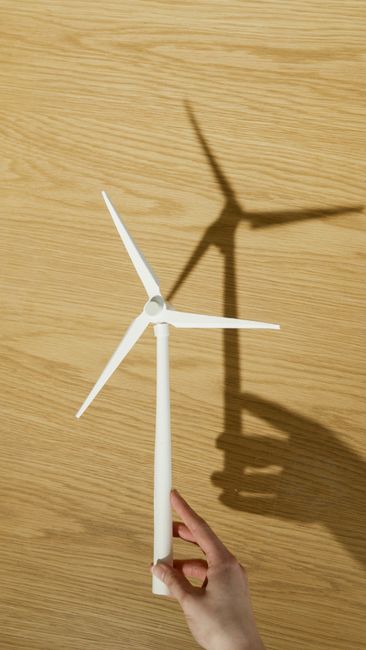
The wind energy sector is experiencing a thrilling surge of innovation, pushing the boundaries of what’s possible and reshaping our energy landscape. We’re not just talking about slightly larger windmills; we’re witnessing a paradigm shift driven by ingenuity.
The most visible advancements are in offshore wind turbine design and deployment. These colossal structures, reaching heights rivaling skyscrapers, are becoming increasingly powerful and efficient. Engineers are not only perfecting the aerodynamics of rotor blades for maximum energy capture but also developing sophisticated installation techniques. Imagine colossal cranes, specially designed vessels, and modular components that allow for faster, safer, and more cost-effective construction in the often-challenging marine environment. This relentless pursuit of scale directly translates to lower levelized costs of energy, making offshore wind a more competitive and attractive clean energy source.
Perhaps one of the most exciting frontiers is floating wind platforms. Until recently, offshore wind was largely confined to relatively shallow waters where turbines could be fixed to the seabed. However, innovation in floating platforms, utilizing principles from the oil and gas industry and adapting them for renewable energy, is unlocking the immense wind potential in deeper waters further from shore. These structures, often employing spar-buoy, semi-submersible, or tension-leg designs, allow turbines to be deployed in vast expanses of ocean previously inaccessible. This opens up entirely new regions for wind power generation, tapping into some of the world’s strongest and most consistent wind resources.
Beyond the colossal turbines, a more ethereal form of wind energy is taking flight: airborne wind energy systems. Think of giant kites or tethered drones soaring to altitudes where winds are stronger and more consistent than at ground level. These systems aim to harness kinetic energy from high-altitude winds, potentially offering a more agile and less resource-intensive approach to wind power generation compared to traditional turbines. While still in earlier stages of development compared to their offshore counterparts, the creative potential here is immense, promising a future where wind energy can be harvested in entirely novel ways.
Crucially, these advancements are being complemented by a smarter approach to grid integration. The intermittent nature of wind power has always been a challenge. However, breakthroughs in predictive maintenance, utilizing AI and machine learning to forecast turbine performance and potential issues, are allowing for more reliable operation and reduced downtime. Furthermore, sophisticated grid management systems are emerging that can seamlessly integrate fluctuating wind power with other energy sources, ensuring grid stability and reliability. This intelligent integration is key to unlocking the full potential of renewable energy sources and moving towards a truly decarbonized grid. As noted by experts in publications like Harvard Business Review, the focus is shifting towards not just generating renewable energy, but also making it a dependable cornerstone of our power supply.
- Offshore turbine scale and efficiency improvements.
- Floating platforms opening deeper waters for wind energy.
- Airborne wind energy systems exploring high-altitude winds.
- AI-driven predictive maintenance for increased reliability.
- Advanced grid integration for a stable renewable energy mix.
Energy Storage: The Key to Intermittency
The sun doesn’t always shine, and the wind doesn’t always blow, presenting a fundamental challenge to the widespread adoption of renewable energy: intermittency. Overcoming this hurdle is where innovation in energy storage truly shines, acting as the invisible backbone supporting a clean energy future. Recent breakthroughs are transforming our ability to capture, hold, and deploy renewable power precisely when and where it’s needed.
The realm of battery technology is witnessing a revolution. Solid-state batteries, replacing liquid electrolytes with solid materials, promise vastly improved safety, higher energy density, and faster charging times. Imagine electric vehicles that charge in minutes or grid-scale batteries that can store significantly more energy in the same footprint. Complementing this, flow batteries offer a unique advantage for long-duration storage, using liquid electrolytes stored in external tanks. Their capacity can be scaled independently of power output, making them ideal for grid stabilization and storing energy generated over extended periods. Research from institutions like MIT Energy Initiative consistently highlights the transformative potential of these diverse battery chemistries.
Beyond batteries, the search for robust, long-duration energy storage solutions is yielding exciting results. Hydrogen, often touted as the "energy carrier of the future," can be produced through electrolysis powered by renewables and stored for later use, either in fuel cells to generate electricity or directly as a fuel. Meanwhile, compressed air energy storage (CAES) systems, which store energy by compressing air into underground caverns or above-ground tanks, are being re-evaluated and modernized for grid-scale applications, offering a mature and scalable option.
The energy landscape is also shifting towards decentralized energy storage and microgrids. This paradigm shift empowers communities and businesses to become more resilient and self-sufficient. Imagine a neighborhood powered by rooftop solar, with intelligent battery systems storing excess energy and a microgrid that can disconnect from the main grid during an outage, ensuring continuous power. This distributed approach not only enhances reliability but also optimizes energy usage at a local level.
Crucially, as the deployment of energy storage technologies escalates, the circular economy for battery materials is becoming paramount. The industry is increasingly focused on responsible sourcing, efficient recycling, and reuse of critical components. This not only mitigates environmental concerns associated with mining but also reduces costs and ensures a sustainable supply chain for future energy needs. Innovations in battery recycling are rapidly advancing, aiming to recover valuable materials like lithium, cobalt, and nickel at high purity, mirroring the principles discussed in forward-thinking publications like Harvard Business Review.
Here’s a snapshot of some key advancements:
| Storage Technology | Key Innovations | Potential Impact |
|---|---|---|
| Solid-State Batteries | Development of stable solid electrolytes, improved manufacturing processes | Enhanced safety, higher energy density, faster charging for EVs and grid applications |
| Flow Batteries | New electrolyte chemistries, improved membrane technologies | Cost-effective, scalable long-duration storage for grid stabilization |
| Hydrogen Storage | Advanced electrolysis, improved storage materials and infrastructure | Versatile energy carrier for power generation, transportation, and industrial use |
| Compressed Air Energy Storage (CAES) | Advanced turbine designs, enhanced cavern sealing techniques | Mature, large-scale, and cost-effective grid-scale energy buffering |
| Decentralized Storage/Microgrids | Smart grid software, advanced battery management systems (BMS) | Increased grid resilience, localized energy independence, optimized renewable energy integration |
These advancements in energy storage are not merely incremental improvements; they represent a fundamental reimagining of how we harness and manage power. By taming intermittency, we unlock the full potential of renewable energy, paving the way for a truly sustainable and innovative future.
Grid Modernization and Smart Technologies
The integration of renewable energy sources into our existing power infrastructure isn’t just a matter of flipping a switch; it’s a profound technological undertaking that demands a paradigm shift. At the heart of this transformation lies the concept of the smart grid, a sophisticated network that moves beyond the one-way flow of electricity to a dynamic, two-way communication system. This intelligent grid is the linchpin for seamlessly incorporating the intermittent nature of solar and wind power. It allows for real-time monitoring, demand-response management, and the efficient dispatch of energy from diverse renewable sources, ensuring grid stability and reliability even when the sun isn’t shining or the wind isn’t blowing.
Fueling this intelligent infrastructure are innovations like blockchain technology, which is rapidly finding its footing in the energy sector. Beyond its cryptographic origins, blockchain offers a decentralized, transparent, and secure ledger for managing energy transactions. This opens up exciting possibilities for peer-to-peer energy trading, allowing individuals and businesses to directly buy and sell surplus renewable energy. Furthermore, it enhances the traceability and management of renewable energy credits, fostering greater accountability and incentivizing further investment in clean power. The potential for increased efficiency and reduced transaction costs is immense, as explored by many industry leaders in publications like Forbes.
However, as our energy infrastructure becomes increasingly digitized and interconnected, the importance of cybersecurity cannot be overstated. Protecting these critical systems from malicious attacks is paramount to ensuring uninterrupted power supply and safeguarding sensitive data. Robust cybersecurity measures are no longer an afterthought but an integral component of designing and operating renewable energy infrastructure, from the individual solar panel to the vast transmission networks. The interconnectedness that enables smart grids also presents potential vulnerabilities, making ongoing investment in advanced security protocols and threat detection a non-negotiable aspect of progress.
To navigate the complexities of grid optimization and manage the influx of distributed renewable energy, digital twins and simulation are emerging as indispensable tools. A digital twin is a virtual replica of a physical asset or system, in this case, the power grid. By creating and continuously updating these virtual models with real-time data, operators can simulate various scenarios, predict potential issues, and test optimization strategies without impacting the live grid. This allows for proactive maintenance, more efficient resource allocation, and the ability to test new integration methods for renewables in a risk-free environment. Organizations like the National Renewable Energy Laboratory (NREL) are heavily invested in leveraging these advanced simulation capabilities for grid modernization.
The transformative power of these advancements can be visualized by considering the interplay of these technologies:
| Technology | Contribution to Renewable Energy Integration | Key Benefit |
|---|---|---|
| Smart Grid | Enables two-way communication, real-time monitoring, and demand-response management. | Grid stability and reliability with intermittent sources. |
| Blockchain | Facilitates secure and transparent energy trading, streamlines credit management. | Decentralized markets and enhanced accountability. |
| Cybersecurity | Protects critical infrastructure and sensitive data from threats. | Ensures uninterrupted power supply and data integrity. |
| Digital Twins & Simulation | Allows for virtual testing, optimization, and predictive maintenance. | Proactive management and efficient resource allocation. |
These interconnected innovations are not merely incremental improvements; they represent a fundamental reimagining of how we generate, distribute, and consume energy, paving the way for a truly sustainable and intelligent future.
Policy, Investment, and Global Adoption Trends
The engine of renewable energy’s rapid evolution isn’t solely fueled by brilliant engineers and visionary scientists. It’s also powered by a dynamic interplay of supportive policies, robust investment, and an increasingly interconnected global community.
Government incentives and regulatory frameworks have emerged as critical catalysts, transforming nascent renewable technologies into market-ready solutions. From tax credits and feed-in tariffs that de-risk early-stage projects to stringent emissions standards that create demand, governments worldwide are actively shaping the innovation landscape. These policies not only encourage the deployment of existing technologies but also create a fertile ground for the development of next-generation solutions by signaling long-term market stability. The European Union’s ambitious renewable energy targets, for example, have consistently spurred innovation and investment across the continent.
The influx of venture capital and private investment into renewable tech is another testament to the sector’s burgeoning potential. Beyond traditional utility-scale projects, venture capital firms are now actively seeking out disruptive innovations, from advanced battery storage solutions to novel forms of solar and wind energy generation. This infusion of capital allows startups to scale rapidly, conduct crucial R&D, and bring their groundbreaking ideas to market faster. As reported by McKinsey & Company, the sheer volume of capital required for a global energy transition underscores the vital role of private investment.
This progress is further amplified by international collaborations and technology transfer initiatives. As countries share best practices, foster joint research projects, and engage in open innovation, the pace of advancement accelerates. Developing nations, in particular, benefit immensely from access to proven renewable technologies and the expertise to implement them effectively, leapfrogging traditional fossil fuel-dependent development pathways. This global knowledge sharing is essential for a truly widespread and equitable transition.
The undeniable impact of these renewable energy advancements on climate goals cannot be overstated. Every megawatt of clean energy deployed directly displaces carbon-intensive power generation, playing a crucial role in mitigating greenhouse gas emissions. The increasing efficiency and decreasing costs of renewables are making them not just an environmental imperative but also an economically sound choice, accelerating our collective journey towards a sustainable future.
- Understanding the interplay between policy, investment, and technological innovation in renewables.
- Identifying key drivers of venture capital and private sector funding in the renewable energy sector.
- Assessing the role of international cooperation in accelerating renewable energy deployment and adoption.
- Evaluating the direct contribution of renewable energy advancements to achieving global climate targets.
Featured image by Tara Winstead on Pexels
Table of Contents
- Understanding the Core Principles of the Circular Economy
- Key Circular Economy Business Models in Practice
- Innovation and Technology Driving Circularity
- Implementing a Circular Economy: Challenges and Opportunities
- Case Studies: Pioneers of the Circular Economy
- The Future of Circularity: Towards a Regenerative Economy
Understanding the Core Principles of the Circular Economy
The world is awakening to a fundamental truth: the old way of doing business, a relentless cycle of “take-make-dispose,” is no longer sustainable. This linear model, characterized by the extraction of raw materials, their transformation into products, and their eventual discard as waste, is rapidly depleting our planet’s resources and creating an environmental crisis of unprecedented scale. In stark contrast, the circular economy offers a paradigm shift – an innovative and creative approach to economic activity that aims to decouple growth from resource consumption. It’s an economy designed to regenerate itself, moving away from the notion of waste towards one of perpetual value.
Several powerful forces are driving this transition. The undeniable reality of resource scarcity is a primary catalyst. As demand for finite resources escalates, their prices fluctuate and their availability becomes increasingly precarious. Coupled with this is the growing urgency of environmental concerns. Climate change, pollution, and biodiversity loss are no longer abstract future threats but present-day realities demanding immediate action. Fortunately, this challenge also presents immense economic opportunities. Embracing circularity unlocks new revenue streams, fosters innovation, and builds more resilient businesses. Exploring Circular Economy Business Models reveals the vast potential for value creation within this new framework.
At the heart of the circular economy lie a suite of powerful strategies often encapsulated by the “R” hierarchy. These aren’t just buzzwords; they represent a fundamental rethinking of product lifecycles. We begin with Reduce, minimizing the use of virgin materials and energy. Then comes Reuse, extending the life of products and components. Repair empowers users and manufacturers to fix rather than replace. Refurbish and Remanufacture involve restoring products to a functional or like-new condition, breathing new life into existing assets. Recycle converts waste materials into new raw materials, and finally, Recover aims to extract value from materials that cannot be recycled. These strategies are deeply intertwined with the principles of Circular Economy Design Thinking and are crucial components of Circular Design Strategies for Product Longevity.
A cornerstone of this entire system is the proactive designing out of waste and pollution from the outset. This is where true innovation and creativity shine. Instead of treating waste as an unavoidable byproduct, circular economy principles embed its elimination into the very DNA of product and service design. This involves embracing Circular Economy Design Principles and employing meticulous Circular Economy Design Strategies. It means considering the entire lifecycle, from material selection – a topic explored in depth in Circular Economy Material Innovations: Future-Proofing Your Business – to end-of-life scenarios, ensuring that what is designed today can be disassembled, reused, or reintegrated into biological or technical cycles tomorrow. This approach fosters a regenerative system where products and materials are kept in use at their highest possible value.
Case Study: Interface’s Mission Zero and Climate Take Back
Interface, a global modular carpet manufacturer, has been a pioneer in circularity for decades. Their “Mission Zero” initiative, launched in 1994, aimed to eliminate any negative impact the company had on the environment by 2020. This ambitious goal drove profound innovation in product design, manufacturing processes, and business models. They developed innovative recycling programs for old carpets, shifted to renewable energy sources, and redesigned their products to be more durable and recyclable. More recently, their “Climate Take Back” strategy aims to reverse global warming by reimagining their products as carbon-negative. This demonstrates a powerful shift from simply minimizing harm to actively regenerating the environment, showcasing the transformative power of Circular Economy Design and a commitment to Circular business model innovation. Their success highlights how circularity can be a driver of both environmental stewardship and business resilience, as detailed in frameworks like the Circular Business Model Canvas.
Ultimately, the circular economy is not merely an environmental imperative; it’s a strategic imperative for businesses seeking to innovate and thrive in the 21st century. It necessitates a fundamental reimagining of Business Models: Blueprint for Value Creation & Success, moving towards models that prioritize value retention and regeneration over volume and disposability. This transition is closely aligned with embracing new forms of collaboration, much like the flexibility seen in The Gig Economy’s Creative Core: Unleashing Innovation in a Fluid Workforce, allowing for agile responses to evolving market and environmental demands. Embracing the principles of Circular Design Principles and Circular Economy Business Model Innovation is not just about sustainability; it’s about future-proofing your business for a world that demands both ingenuity and responsibility.
Key Circular Economy Business Models in Practice
The transition to a truly circular economy isn’t just a lofty ideal; it’s being actively built through a diverse array of innovative business models. These aren’t theoretical constructs but practical applications that are reshaping industries and creating new avenues for growth and creativity. Let’s explore some of the most impactful Circular Economy Business Models in practice.
Product-as-a-Service (PaaS): Shifting from Ownership to Access Perhaps one of the most transformative shifts we’re seeing is the move from traditional product ownership to a service-based model. Instead of selling a product, companies now offer access to its function. Think of "lighting as a service," where businesses pay for illumination rather than purchasing fixtures and bulbs. Similarly, furniture rental services allow individuals and companies to adapt their spaces without the burden of long-term ownership and eventual disposal. This model incentivizes manufacturers to create durable, repairable products, as their revenue is tied to ongoing performance, aligning perfectly with Circular Economy Design Strategies.
Resource Recovery and Upcycling: Transforming Waste into Value The concept of "waste" is rapidly becoming obsolete. Resource recovery and upcycling models are breathing new life into what was once discarded. This involves taking end-of-life products or manufacturing by-products and transforming them into higher-value materials or entirely new products. This approach is a cornerstone of Circular Economy Material Innovations: Future-Proofing Your Business, as it fosters a continuous flow of valuable resources. For example, companies are now turning plastic waste into construction materials, or textile scraps into fashionable new garments.
Case Study: Interface’s ReEntry Program
Carpet manufacturer Interface has pioneered a remarkable “ReEntry” program. Instead of simply recycling old carpet tiles, they collect them, extract usable materials, and reintroduce them into new products. This not only diverts significant waste from landfills but also reduces their reliance on virgin materials, demonstrating a powerful application of Circular Economy Design Principles. Their commitment to this model is a testament to how creative problem-solving can drive both environmental responsibility and business success.
Circular Supplies: Utilizing Renewable, Recycled, or Biodegradable Inputs At the heart of any circular economy is the material input. Circular supplies focus on using resources that are renewable, recycled, or biodegradable. This is a direct application of Circular Design Thinking, aiming to close material loops and minimize dependence on finite virgin resources. Companies are increasingly investing in the development and sourcing of bio-based plastics, recycled metals, and sustainably managed forest products. This shift necessitates innovation in material science and supply chain management, pushing the boundaries of what’s possible in product creation.
Product Life Extension: Repair, Refurbishment, and Remanufacturing Rather than obsolescence, the focus here is on maximizing the lifespan of existing products. Strategies for repair, refurbishment, and remanufacturing are key to this model. This means designing products with longevity and ease of repair in mind, a core tenet of Circular Economy Design. Companies that excel in this space offer services that restore used products to "like-new" condition, extending their utility and reducing the need for new production. For example, the electronics industry is seeing a resurgence in companies specializing in refurbishing smartphones and laptops, offering consumers high-quality devices at a lower cost. This aligns with Circular Design Strategies for Product Longevity.
Sharing Platforms: Enabling Efficient Utilization of Underused Assets The rise of sharing platforms represents a powerful application of Circular business model innovation. These platforms unlock the latent value in underutilized assets, from cars and tools to even living spaces. Car-sharing services, for instance, allow multiple individuals to access a vehicle as needed, significantly reducing the total number of cars manufactured and the associated environmental impact. Tool libraries foster community access to equipment that might otherwise sit idle in individual homes. These models not only promote efficiency but also foster a sense of community and resourcefulness, echoing the innovative spirit found in The Gig Economy’s Creative Core: Unleashing Innovation in a Fluid Workforce. Exploring the Circular Business Model Canvas can be a valuable exercise for understanding the framework of these models.
Innovation and Technology Driving Circularity
The engine of circularity is innovation, fueled by an ever-accelerating wave of technological advancements. These aren’t just incremental improvements; they represent fundamental shifts in how we conceive, create, use, and recover products and materials. For businesses looking to thrive in this new paradigm, understanding and embracing these innovations is paramount.
At the forefront is the Internet of Things (IoT). By embedding sensors and connectivity into products, manufacturers gain unprecedented visibility into their entire lifecycle. This allows for real-time tracking of individual items, their usage patterns, and their condition. This data is crucial for implementing effective Circular Economy Business Models, enabling proactive maintenance, facilitating take-back schemes, and optimizing logistics for remanufacturing or recycling. Imagine a refrigerator that alerts you to a failing component before it breaks down completely, or a fleet of vehicles whose maintenance is managed based on actual wear and tear.
Complementing IoT’s tracking capabilities, Blockchain technology is revolutionizing supply chain transparency and material traceability. By creating an immutable, distributed ledger, blockchain provides a secure and verifiable record of every transaction and movement of materials. This is invaluable for ensuring the authenticity of recycled content, confirming ethical sourcing, and building consumer trust. When a product claims to use recycled plastics, blockchain can provide irrefutable proof of its origin, a significant differentiator in today’s conscious marketplace. This level of transparency is a cornerstone for many Circular Economy Business Model Innovation efforts.
The very materials we use are undergoing a transformation thanks to advanced recycling technologies and material science innovations. Beyond basic mechanical recycling, we’re seeing the rise of chemical recycling, enzymatic breakdown, and the development of novel bio-based and biodegradable materials. These advancements unlock new possibilities for recovering value from complex waste streams and designing products from the outset with end-of-life recovery in mind. Exploring these advancements is critical for Circular Economy Material Innovations: Future-Proofing Your Business. The principles behind these innovations are deeply rooted in Circular Economy Design Principles.
Furthermore, digital platforms are emerging as central hubs for managing product lifecycles and facilitating service-based offerings. These platforms can host everything from product registration and warranty information to repair guides, take-back portals, and marketplaces for used or refurbished goods. They are instrumental in enabling Circular Economy Business Models that shift from ownership to access, such as product-as-a-service. This aligns with a broader approach to Circular Design Strategies for Product Longevity.
Finally, Artificial Intelligence (AI) and data analytics are the invisible architects optimizing resource flows and predicting demand. AI algorithms can analyze vast datasets from IoT devices, supply chains, and market trends to identify inefficiencies, forecast material availability, and optimize production schedules for minimal waste. This predictive power allows businesses to move beyond reactive responses to resource scarcity and embrace proactive strategies for a truly circular operation. The insights derived from data analytics can inform Circular Design Thinking, ensuring that products are designed for optimal flow within the system.
Here’s a look at how these technologies intersect to drive circularity:
| Technology | Role in Circularity | Impact on Innovation |
|---|---|---|
| Internet of Things (IoT) | Product and material tracking, usage monitoring, predictive maintenance | Enables service-based models, facilitates reverse logistics, extends product life |
| Blockchain | Supply chain transparency, material traceability, provenance verification | Builds trust, ensures authenticity of recycled materials, combats counterfeiting |
| Advanced Recycling & Material Science | Efficient recovery of value from complex waste streams, development of sustainable materials | Opens new material loops, reduces reliance on virgin resources, supports Circular Economy Design Principles |
| Digital Platforms | Product lifecycle management, service provision, marketplace facilitation | Supports product-as-a-service models, enhances customer engagement, streamlines take-back processes |
| AI & Data Analytics | Resource flow optimization, demand forecasting, predictive maintenance, waste reduction | Drives efficiency, informs Circular Design Strategies, enables proactive management of resources |
These technological advancements are not merely tools; they are catalysts that fundamentally redefine what is possible in Circular Business Model Innovation. They empower businesses to move beyond incremental improvements and embrace truly transformative Circular Economy Business Models. As The Gig Economy’s Creative Core: Unleashing Innovation in a Fluid Workforce demonstrates, new operational models can also be deeply intertwined with these technological shifts, fostering agility and creativity in pursuing circular objectives.
The integration of these technologies is not just about environmental benefit; it’s a strategic imperative for long-term business resilience and profitability. Companies that master these innovations will be best positioned to navigate the complexities of resource scarcity and evolving consumer demands, charting a course towards a more sustainable and prosperous future. This technological empowerment is a direct manifestation of sophisticated Circular Economy Design thinking, where innovation is embedded from the very inception of a product or service.
Implementing a Circular Economy: Challenges and Opportunities
Transitioning to a circular economy is not merely an environmental imperative; it’s a strategic business evolution demanding foresight, adaptability, and a hefty dose of creativity. While the promise of closed-loop systems, reduced waste, and sustained resource utilization is alluring, the path to implementation is paved with both significant challenges and exciting opportunities. For businesses embracing innovation and creativity, understanding these dynamics is paramount to unlocking the full potential of circularity.
One of the most immediate hurdles lies in overcoming economic and financial barriers. The initial investment required for new infrastructure, technologies, and process re-engineering can be substantial. Businesses often grapple with the perceived cost competitiveness of circular models against linear, take-make-dispose systems that have long benefited from established economies of scale. However, this perspective often overlooks the long-term value creation inherent in circularity. Strategies like product-as-a-service, remanufacturing, and sophisticated recycling can unlock new revenue streams and significantly reduce material input costs over time. Exploring innovative financing mechanisms and government grants designed to foster green initiatives can help bridge this initial funding gap.
Navigating the complex landscape of regulatory frameworks and policy incentives is another critical aspect. While many governments are beginning to champion circular economy principles, the legislative environment can be fragmented and inconsistently applied. Understanding existing regulations, advocating for supportive policies, and proactively anticipating future legislation are crucial. Policy incentives, such as tax breaks for sustainable products or Extended Producer Responsibility (EPR) schemes, can significantly de-risk investments in circular practices and create a more level playing field.
Perhaps the most profound challenge resides in addressing consumer behavior and market acceptance. For decades, consumers have been conditioned to expect disposable, low-cost goods. Shifting this mindset requires education, compelling value propositions, and making circular options as convenient, desirable, and accessible as their linear counterparts. This is where Circular Economy Design Thinking becomes invaluable, focusing on user needs and experiences to create circular products and services that resonate. Marketing efforts must highlight the benefits of durability, repairability, and the positive environmental impact, turning conscious consumption into a desirable lifestyle choice.
The very essence of a circular economy necessitates building new business ecosystems and collaborative partnerships. Linear models foster independent operations, but circularity thrives on interconnectedness. This involves forging strong alliances with suppliers for responsible sourcing, collaborating with waste management and recycling specialists for efficient material recovery, and even partnering with competitors on shared infrastructure or pilot projects. This collaborative spirit echoes the dynamism of The Gig Economy’s Creative Core: Unleashing Innovation in a Fluid Workforce, where flexibility and specialized expertise drive progress. The development of platforms for material exchange and end-of-life product take-back programs exemplifies this cooperative approach.
| Key Implementation Factors | Challenges | Opportunities |
|---|---|---|
| Economic & Financial | High initial investment, perceived cost uncompetitiveness | Long-term cost savings, new revenue streams, improved resource security |
| Regulatory & Policy | Inconsistent frameworks, evolving legislation | Policy incentives, government support, market differentiation |
| Consumer Behavior | Established linear consumption habits, awareness gaps | Growing demand for sustainable products, brand loyalty, ethical consumerism |
| Ecosystem & Partnerships | Siloed industries, lack of established circular infrastructure | Collaborative innovation, shared resources, enhanced supply chain resilience |
| Design & Innovation | Designing for disassembly and repair, material selection | Product longevity, reduced environmental footprint, brand enhancement through sustainable design |
Crucially, embracing a circular economy unlocks new revenue streams and competitive advantages. Beyond cost savings, circular models can generate income through services like repair, refurbishment, and leasing. Companies can also gain a competitive edge by offering products with extended lifespans, superior durability, and a clear commitment to sustainability. This strategic shift moves beyond simply being a supplier of goods to becoming a provider of solutions and value over the lifetime of a product. Exploring various Circular Economy Business Models is fundamental here, with frameworks like the Circular Business Model Canvas providing valuable tools for conceptualization and strategic planning. Companies that master Circular Economy Design Strategies and integrate Circular Design Principles into their core operations, focusing on longevity as outlined in Circular Design Strategies for Product Longevity, will not only mitigate risks but also position themselves as leaders in the evolving marketplace. Embracing Circular Economy Material Innovations: Future-Proofing Your Business further solidifies this advantage, ensuring resilience in the face of resource scarcity. Ultimately, Circular business model innovation is not just about incremental improvements; it’s about reimagining value creation and fostering enduring success. As discussed in Business Models: Blueprint for Value Creation & Success, robust models are the bedrock of any enterprise, and in the circular economy, they are designed for regeneration.
Case Studies: Pioneers of the Circular Economy
The transition to a circular economy isn’t a distant utopian ideal; it’s a tangible reality being built today by innovative companies across the globe. These pioneers are demonstrating that sustainability and profitability are not mutually exclusive, but rather intrinsically linked through smart design, innovative business models, and a commitment to resource efficiency. Their successes offer invaluable lessons for any organization looking to embrace the future of business.
In the fashion industry, where waste has long been a significant challenge, brands like Patagonia have become poster children for circularity. Their "Worn Wear" program, which encourages customers to repair, reuse, and recycle their garments, is a prime example of a take-back and refurbishment model. By offering repair services and reselling used items, Patagonia extends product lifespans, reduces the demand for new production, and fosters a loyal customer base. This approach directly aligns with Circular Design Strategies for Product Longevity and underscores the power of integrating Circular Design Principles into core operations.
The electronics sector, notoriously prone to rapid obsolescence and e-waste, is seeing significant innovation. Fairphone is a prime example, designing modular smartphones that allow users to easily replace components, extending the device’s lifespan and reducing the need for premature upgrades. Their commitment to ethical sourcing and repairability exemplifies a profound understanding of Circular Economy Design. This focus on longevity and repairability is a core tenet of Circular Economy Design Thinking, enabling businesses to rethink product lifecycles from the ground up.
In construction, companies are exploring ways to minimize waste and maximize material value. Interface, a global modular flooring company, has been a long-time leader. Their "Mission Zero" and "Climate Take Back" initiatives have driven them to develop innovative recycling programs for old carpets, using reclaimed materials in new products. They also employ a "carpet as a service" model, shifting from selling a product to providing a flooring solution, which incentivizes durability and recyclability. This innovative approach to Circular Economy Business Models is a testament to their forward-thinking strategy.
The food industry, often characterized by short product lifecycles and significant waste, is ripe for circular innovation. Companies like Too Good To Go are tackling food waste by connecting consumers with surplus food from restaurants and retailers at discounted prices. This platform not only reduces landfill waste but also provides economic benefits to both businesses and consumers. This model represents a powerful application of Circular Business Model Innovation, proving that even perishables can be integrated into a more circular system. For a deeper dive into the strategic frameworks companies are using, exploring the Circular Business Model Canvas can be highly insightful.
To further illustrate the diverse strategies, consider the following table summarizing some key players and their approaches:
| Company | Industry | Circular Model/Strategy | Environmental Impact | Economic Performance |
|---|---|---|---|---|
| Patagonia | Fashion | Product repair, resale, recycling (Worn Wear) | Reduced textile waste, extended product lifespans | Increased customer loyalty, brand value |
| Fairphone | Electronics | Modular design, repairability, ethical sourcing | Reduced e-waste, longer device usability | Premium pricing, strong brand reputation |
| Interface | Construction (Flooring) | Recycling of old carpets, “carpet as a service” | Reduced raw material extraction, landfill diversion | Cost savings, new revenue streams |
| Too Good To Go | Food | Surplus food redistribution platform | Significant reduction in food waste | Growth in user base and partner restaurants |
These examples highlight several key lessons learned and best practices:
- Design for Durability and Disassembly: The foundation of circularity lies in the design phase. Companies prioritizing products that are easy to repair, upgrade, and eventually disassemble for material recovery are setting themselves up for long-term success. This aligns with the core principles of Circular Economy Design Principles.
- Embrace New Business Models: Moving from linear "take-make-dispose" models to service-based, leasing, or product-as-a-service models unlocks new revenue streams and incentivizes product longevity. This is a central theme in Circular Economy Business Model Innovation and requires a fundamental rethink of how value is created and captured, as discussed in Business Models: Blueprint for Value Creation & Success.
- Invest in Material Innovation: Exploring and adopting new, sustainable materials that are recyclable, biodegradable, or made from renewable resources is crucial. For insights into this area, exploring Circular Economy Material Innovations: Future-Proofing Your Business is highly recommended.
- Foster Collaboration and Partnerships: No single company can achieve full circularity alone. Building strong relationships with suppliers, recyclers, and even competitors can accelerate the transition and create closed-loop systems. The agility and innovative spirit often found in The Gig Economy’s Creative Core: Unleashing Innovation in a Fluid Workforce can also be leveraged in these collaborative efforts.
- Educate and Engage Consumers: Consumer behavior plays a vital role. Companies that effectively communicate the value of circular products and services, and empower consumers to participate through take-back programs or repair initiatives, drive demand and adoption.
These pioneers are not just mitigating environmental harm; they are unlocking new avenues for innovation, creating resilient supply chains, and ultimately building more sustainable and profitable businesses for the future. Their journeys offer a compelling roadmap for embracing the principles of Circular Design Strategies and achieving true circular business model innovation.
The Future of Circularity: Towards a Regenerative Economy
The journey from a linear "take-make-dispose" economy to a truly circular one is not merely an aspiration; it’s an imperative for innovation and long-term sustainability. As we look to the future, the ambition extends beyond merely minimizing waste to actively regenerating natural systems. This evolutionary leap, often termed a regenerative economy, envisions systems that not only restore but actively enhance the environment and social well-being, moving beyond simple "doing less harm" to "doing more good."
Scaling circular economy principles globally presents a monumental, yet achievable, challenge. It requires a fundamental re-imagining of how we design, produce, consume, and manage resources. This isn’t just about adopting Circular Economy Business Models; it’s about fostering a systemic shift in mindsets and infrastructure. Innovations in material science, as explored in Circular Economy Material Innovations: Future-Proofing Your Business, are paving the way for materials that are inherently designed for disassembly, reuse, and biological or technical nutrient cycling. This aligns perfectly with Circular Economy Design Principles that prioritize longevity and recyclability from the outset.
The potential for a truly regenerative economic system lies in its ability to create closed-loop processes where waste is eliminated and value is continuously extracted. This requires a holistic approach, integrating Circular Economy Design Thinking into every stage of product and service development. Businesses are increasingly exploring new Circular Economy Business Model Innovation frameworks, such as product-as-a-service models, repair and refurbishment platforms, and resource recovery systems. The Circular Business Model Canvas offers a valuable tool for mapping out these novel value creation strategies, moving beyond traditional Business Models: Blueprint for Value Creation & Success.
Achieving this ambitious future hinges on a tripartite approach involving policy, education, and public engagement. Governments have a crucial role to play in creating enabling regulatory frameworks, incentivizing circular practices, and phasing out linear subsidies. Education, from primary schools to executive MBA programs, must embed circularity into curricula, fostering a new generation of innovators and consumers who understand and champion these principles. Public engagement is vital for driving demand for circular products and services, building a culture of conscious consumption, and fostering a willingness to participate in new models of ownership and use. This includes embracing models inspired by the agility of The Gig Economy’s Creative Core: Unleashing Innovation in a Fluid Workforce for service-based circular solutions.
Emerging trends and future innovations in circular design and business are accelerating this transition. We are witnessing a surge in advanced recycling technologies, the development of biodegradable and compostable materials, and the rise of digital platforms that facilitate product lifespan extension and resource optimization. Circular Design Strategies for Product Longevity are becoming more sophisticated, moving beyond simple repair to encompass modular design and upgradability. The principles of Circular Economy Design are being applied across diverse sectors, from fashion and electronics to construction and food.
Case Study: Patagonia’s Worn Wear Program
Patagonia, a renowned outdoor apparel company, exemplifies a commitment to circularity through its Worn Wear program. This initiative encourages customers to repair their garments, trade in used Patagonia items for credit, and purchase pre-owned clothing. By fostering a culture of repair and reuse, Patagonia not only reduces textile waste but also builds strong customer loyalty and extends the life of its products. This program directly embodies Circular Design Principles and demonstrates successful Circular business model innovation.
The concept of a regenerative economy is gaining traction, supported by research highlighting the economic and environmental benefits of circularity. For instance, a report by the Ellen MacArthur Foundation estimates that adopting circular economy principles could deliver a net economic benefit of €1.8 trillion for the EU by 2030. As we continue to innovate, the future of our economy will undoubtedly be defined by its ability to embrace and scale circular, regenerative principles.
Featured image by Artem Podrez on Pexels
Table of Contents
- Understanding Sustainable Design Thinking: Core Principles
- The Design Thinking Process Through a Sustainability Lens
- Key Tools and Methodologies for Sustainable Design
- Case Studies: Sustainable Design Thinking in Action
- Overcoming Challenges in Implementing Sustainable Design
- The Future of Sustainable Design Thinking
Understanding Sustainable Design Thinking: Core Principles
Sustainable design thinking is more than just an ethical buzzword; it’s a fundamental shift in how we approach creation in a world grappling with unprecedented environmental and social challenges. At its heart, it’s a problem-solving methodology that prioritizes long-term well-being alongside immediate functionality and desirability. It asks us to move beyond simply making things "look good" or "work well" to considering the entire lifecycle and impact of our designs. The urgency for this paradigm shift is palpable, as the consequences of unchecked consumption and production are becoming increasingly evident. Understanding the core principles of sustainable design thinking is the first step for any innovator aiming to create meaningful and enduring solutions.
A cornerstone of this approach is the concept of the triple bottom line: People, Planet, and Profit (often also referred to as Social, Environmental, and Economic). Traditional design often focused primarily on profit, with social and environmental considerations taking a backseat, if they were considered at all. Sustainable design thinking demands a harmonious balance. The "People" aspect emphasizes social equity, fair labor practices, accessibility, and the well-being of all stakeholders involved, from creators to end-users. The "Planet" component focuses on minimizing environmental footprint, conserving resources, reducing pollution, and fostering biodiversity. Finally, the "Profit" element, far from being abandoned, is reframed. It’s about creating enduring economic value through efficient resource use, innovation, and building resilient business models that can thrive without depleting the planet or exploiting people. This holistic perspective is crucial for fostering truly innovative and responsible outcomes.
This holistic view naturally leads us to embrace circular economy principles, a stark departure from the prevailing linear "take-make-dispose" model. The linear model is inherently unsustainable, leading to massive waste and resource depletion. In contrast, circular economy design thinking aims to keep resources in use for as long as possible, extracting maximum value from them whilst in use, then recovering and regenerating products and materials at the end of each service life. This involves designing for durability, repairability, remanufacturing, and ultimately, recycling, creating closed-loop systems where waste is minimized and resources are continually cycled. This shift is not just about environmental responsibility; it’s a significant opportunity for Sustainable Product Design Innovations, driving new business models and value creation. We can see this principle in action across various industries, from product design to Service Design Thinking: The Innovation Powerhouse You’re Missing.
Beyond the tangible aspects of materials and lifecycle, sustainable design thinking inherently involves deep ethical considerations and a profound understanding of the long-term impact of design decisions. This requires a robust application of Design Thinking Principles for Innovation, particularly those related to empathy and systems thinking. Designers must ask not only "Can we make this?" but also "Should we make this?" and "What are the potential unintended consequences?" This necessitates a broader perspective, often incorporating Systems Thinking: Principles & Problem Solving to understand how a design interacts with complex social and environmental systems. The commitment to sustainability means actively considering the equity of access, the potential for obsolescence, and the environmental burden throughout the entire value chain. This proactive approach to ethics and impact is what truly differentiates sustainable design thinking and paves the way for genuinely forward-thinking solutions and Sustainable Product Development Strategies.
FAQ: How does sustainable design thinking differ from traditional design thinking?
Traditional design thinking, while valuable, often prioritizes user needs and functional innovation without explicitly integrating environmental and social impact into its core. Sustainable design thinking expands this by making the triple bottom line (People, Planet, Profit) a fundamental consideration from the outset. It’s about ensuring that the solutions developed are not only desirable and feasible but also viable and regenerative in the long term. This means a deeper dive into lifecycle analysis, resource efficiency, and social equity, moving beyond immediate problem-solving to consider the broader consequences. This expansion is key to unlocking new avenues in areas like Service Design Innovation.
FAQ: What are some key challenges in implementing circular economy principles in design?
Implementing circular economy principles can present several challenges. These include the need for significant upfront investment in redesigning products and processes, developing new supply chain models, and educating consumers about repairability and end-of-life options. Furthermore, existing infrastructure often supports linear models, requiring a systemic shift. However, overcoming these hurdles opens doors to significant opportunities, including reduced material costs, enhanced brand reputation, and the development of entirely new service-based revenue streams, aligning perfectly with Circular Economy Design Thinking.
The Design Thinking Process Through a Sustainability Lens
At its heart, Design Thinking is a human-centered approach to innovation, a powerful framework for tackling complex problems and developing creative solutions. When we overlay a sustainability lens onto this process, it transforms from simply designing for users to designing for a thriving planet and equitable society. This isn’t about adding an afterthought; it’s about fundamentally reorienting our understanding of needs and impact. Embracing Design Thinking Principles for Innovation with a sustainability imperative unlocks a new era of inventive and responsible creation.
Empathize: Understanding User Needs and Environmental Impacts
The foundational step of Empathize becomes richer and more profound when viewed through a sustainability lens. It’s no longer just about understanding what users want, but also about understanding their relationship with the environment and the wider social ecosystem. This means going beyond direct user interviews to explore their consumption habits, their awareness of waste, their desire for ethical products, and their experiences with environmental degradation. We must also empathize with the planet itself, understanding the ecological footprint of materials, manufacturing processes, and end-of-life scenarios. This deep dive into user and planetary needs is crucial for any endeavor, whether it’s Sustainable Product Design Innovations or developing more responsible service models. As Empathy in Design Thinking for Creative Solutions highlights, truly understanding the human element is paramount, and this understanding must now extend to their environmental context.
Define: Framing the Problem with Sustainability at Its Core
The Define stage is where we synthesize our empathic insights into a clear, actionable problem statement. With a sustainability focus, this statement must explicitly incorporate environmental and social considerations. Instead of "How can we make a more convenient coffee maker?", a sustainably-minded definition might be: "How can we design a coffee maker that minimizes energy consumption and waste throughout its lifecycle, while enhancing the user’s morning ritual and supporting ethical sourcing of coffee beans?" This framing shifts the focus from mere functionality to holistic impact. It requires us to think in terms of Systems Thinking: Principles & Problem Solving, recognizing that solutions are interconnected with broader environmental and social systems.
- Is the defined problem statement specific to environmental impact?
- Does the problem statement consider the social equity implications of the solution?
- Does the problem statement align with circular economy principles?
Ideate: Brainstorming Solutions that Minimize Ecological Footprint and Maximize Social Benefit
This is where the magic of Balancing Divergent and Convergent Thinking in Design truly shines, amplified by a sustainability imperative. The goal is to generate a wide range of ideas that not only meet user needs but actively contribute to a healthier planet and more just society. This involves exploring concepts like biomimicry, closed-loop systems, repairability, durability, and ethical labor practices. It’s about asking "What if we used biodegradable materials?" or "How can this product be designed for disassembly and recycling?" This phase might involve techniques like Visual Thinking Techniques to explore novel material applications or service delivery models that inherently reduce environmental load. We are looking for Sustainable Product Design Innovation that goes beyond incremental improvements.
Prototype: Developing Tangible Models with Sustainable Materials and Processes
Prototyping with a sustainability lens means making conscious choices about the materials and processes used to create tangible representations of our ideas. This could involve using recycled or upcycled materials, exploring 3D printing with biodegradable filaments, or even developing low-fidelity service prototypes that simulate resource-efficient operations. The emphasis is on learning quickly and cheaply, but also responsibly. For instance, if prototyping a new service, the prototype itself might model resource conservation, such as using digital touchpoints over paper, aligning with principles found in Service Design Thinking: The Innovation Powerhouse You’re Missing. This is where the practical application of Sustainable Materials Innovation becomes tangible.
Test: Evaluating Prototypes for Both User Desirability and Environmental Viability
The final stage of testing is critical for validating our sustainable design thinking. We need to assess not only if users find the solution desirable and effective but also its actual environmental performance. This might involve life cycle assessments (even at a conceptual level for early prototypes), user feedback on the product’s longevity, or evaluating the efficiency of a service delivery model. Are users willing to engage with a product designed for repair? Does the service genuinely reduce waste? This iterative testing loop, reminiscent of The Wright Brothers’ Secret: Iterative Design & Engineering Innovation That Took Flight, allows us to refine our solutions, ensuring they are both innovative and genuinely beneficial for people and the planet. It’s about ensuring our innovations contribute to a Circular Economy Design Thinking future.
Key Tools and Methodologies for Sustainable Design
In the realm of innovation and creativity, truly groundbreaking solutions are those that consider their long-term impact. Sustainable Design Thinking equips us with a powerful toolkit and a set of guiding principles to achieve this. Far from being a constraint, embracing sustainability often sparks novel ideas and leads to more resilient, future-proof designs.
At the core of this approach is Life Cycle Assessment (LCA). Think of it as a comprehensive environmental audit for your product or service, tracking its impacts from the very cradle – raw material extraction and processing – all the way through manufacturing, distribution, use, and ultimately, to its end-of-life disposal or recovery. This holistic view allows us to pinpoint "hot spots" where environmental improvements can be most impactful. Building upon this, materiality analysis becomes crucial. This involves meticulously choosing materials that are not only functional and aesthetically pleasing but also sustainable. We prioritize renewable resources, recycled content, and materials that are easily recyclable or biodegradable. Exploring innovations in Sustainable Materials Innovation is paramount here.
The ambitious yet essential concept of Cradle-to-Cradle design principles offers a radical reimagining of product lifecycles. Instead of the linear "take-make-dispose" model, Cradle-to-Cradle aims to eliminate waste entirely by designing products with the intention of their components being endlessly cycled. This involves creating two distinct material metabolisms: biological nutrients that can safely return to the earth, and technical nutrients that can be recovered and reused in closed-loop manufacturing processes. This fundamentally shifts our perspective from waste reduction to waste elimination, aligning perfectly with circular economy frameworks. These frameworks encourage designing for repair, reuse, remanufacturing, and recycling, ensuring that valuable resources remain in circulation for as long as possible. This is a key area where exploring Circular Economy Design Thinking can unlock significant opportunities.
Nature itself is the ultimate innovator when it comes to sustainability, and Biomimicry provides a direct channel to learn from its time-tested strategies. By studying how natural systems solve complex problems – from energy efficiency to material resilience – we can derive inspiration for our own designs. Think of the self-cleaning properties of the lotus leaf inspiring stain-resistant fabrics, or the structural efficiency of a honeycomb influencing lightweight yet strong building materials. This often leads to breakthroughs in Sustainable Product Design Innovations.
These methodologies are not isolated tools but rather interconnected elements of a broader design philosophy. They inform and enhance each other, leading to more robust and innovative outcomes. For instance, a deep understanding of LCA can highlight the need for specific material choices, which in turn might lead you to explore Cradle-to-Cradle principles for those materials. Similarly, biomimicry can reveal elegant solutions for resource efficiency that can be further refined through circular economy frameworks.
The application of these principles extends beyond physical products into the realm of services. Service Design Thinking Fundamentals emphasizes understanding user journeys and touchpoints. When applied through a sustainability lens, this means designing services that minimize resource consumption, reduce waste, and promote responsible behavior. Innovative approaches in Service Design Innovation Frameworks can help us rethink how we deliver value in more eco-conscious ways. Ultimately, integrating these tools and principles into our design process is not just about compliance; it’s about fostering a culture of responsible innovation that benefits both people and the planet. This is a core element of Design Thinking Principles for Innovation.
Case Studies: Sustainable Design Thinking in Action
The principles of Sustainable Design Thinking are not just theoretical ideals; they are being actively implemented across diverse industries, yielding tangible benefits for both businesses and the planet. By embedding sustainability into the core of the design process, innovators are unlocking new opportunities and creating more resilient, desirable solutions. Let’s explore some compelling examples.
Product Design: Greener Goods, Brighter Futures
The realm of product design offers a rich tapestry of sustainable innovation. Consider the evolution of packaging. Companies are moving beyond single-use plastics, embracing biodegradable materials, edible packaging, and refillable systems. A prime example is Loop, a global reuse platform that partners with major brands to deliver products in durable, returnable containers, significantly reducing waste. This shift represents a fundamental rethinking of product lifecycle, aligning perfectly with Circular Economy Design Thinking. Similarly, the electronics industry is grappling with its environmental footprint. Initiatives focusing on modular design, repairability, and the use of recycled or ethically sourced materials are gaining traction. Fairphone, for example, is a company dedicated to creating smartphones with longevity and repairability at their core, empowering consumers to extend the life of their devices and minimizing electronic waste. These are classic examples of Sustainable Product Design Innovations where Design Thinking Principles for Innovation are directly applied to create user-centric yet environmentally conscious products.
Service Design: Orchestrating Efficiency and Engagement
Sustainable Design Thinking extends far beyond physical products, profoundly impacting how services are conceived and delivered. In logistics, for instance, innovative solutions are emerging to minimize environmental impact. Companies are leveraging data analytics and Systems Thinking: Principles & Problem Solving to optimize delivery routes, reduce fuel consumption, and consolidate shipments. This not only lowers carbon emissions but also enhances operational efficiency. Platforms that facilitate the sharing economy, such as car-sharing services or tool libraries, are also powerful examples of how service design can promote sustainable consumption. By creating accessible and convenient alternatives to individual ownership, these services encourage resourcefulness and reduce the demand for new production. The application of Service Design Thinking: The Innovation Powerhouse You’re Missing is crucial here, ensuring that the user experience remains seamless and desirable while driving sustainable behaviors. Understanding Service Design Fundamentals is key to designing these impactful systems.
Urban Planning and Architecture: Building a Sustainable Tomorrow
The built environment presents a monumental opportunity for sustainable transformation. Green buildings, characterized by energy efficiency, water conservation, and the use of sustainable materials, are becoming the norm rather than the exception. Projects like The Edge in Amsterdam, often cited as one of the world’s smartest and greenest office buildings, showcase how integrated design, renewable energy sources, and intelligent building management systems can drastically reduce environmental impact. Sustainable transportation solutions are also central to this shift. Cities are investing in robust public transit networks, expanding cycling infrastructure, and promoting electric vehicle adoption. The concept of "15-minute cities," where essential amenities are accessible within a short walk or bike ride, is gaining momentum, reducing reliance on private vehicles and fostering more connected, sustainable communities. This holistic approach often draws upon Systems Thinking for Idea Generation to address complex urban challenges.
Analysis of Successful Strategies and Lessons Learned
Several overarching themes emerge from these successful case studies:
| Key Strategy | Description | Lesson Learned |
|---|---|---|
| **Holistic Systems Thinking** | Viewing products, services, and environments as interconnected systems, considering their entire lifecycle and impact. | Sustainability is not an add-on; it must be integrated from the initial ideation phase. For example, early adoption of Design Thinking Fundamentals for Innovation that includes environmental impact assessments can prevent costly redesigns later. |
| **User-Centricity with a Conscience** | Deeply understanding user needs and behaviors, then innovating solutions that are both desirable for the user and beneficial for the environment. | True sustainability resonates with users when it doesn’t compromise convenience or quality. This requires a strong emphasis on Empathy in Design Thinking for Creative Solutions. |
| **Embracing Circularity** | Moving away from linear “take-make-dispose” models towards closed-loop systems that prioritize reuse, repair, and recycling. | Designing for longevity and end-of-life recovery is paramount. This often involves exploring novel Sustainable Materials Innovation. |
| **Iterative Prototyping and Testing** | Continuously refining designs based on feedback and real-world performance, much like the The Wright Brothers’ Secret: Iterative Design & Engineering Innovation That Took Flight. | Sustainable solutions often require experimentation. A willingness to test, learn, and adapt through rapid prototyping is crucial for discovering optimal sustainable approaches. This is a cornerstone of Design Thinking Fundamentals. |
| **Cross-Disciplinary Collaboration** | Bringing together diverse expertise from designers, engineers, environmental scientists, and social scientists. | Complex sustainability challenges demand a multidisciplinary approach. Techniques like Visual Thinking Techniques can facilitate communication and shared understanding across these varied teams. |
These examples demonstrate that sustainable design thinking is not a niche pursuit but a powerful engine for innovation. By focusing on long-term impact, user value, and systemic change, businesses and organizations can create solutions that are not only environmentally responsible but also economically viable and socially beneficial. This approach offers a clear path towards a more creative and sustainable future.
Overcoming Challenges in Implementing Sustainable Design
Embracing sustainable design thinking is no longer an optional add-on; it’s a strategic imperative for forward-thinking organizations. However, transitioning from aspiration to tangible, sustainable solutions often encounters a formidable set of hurdles. As seasoned practitioners, we’ve witnessed firsthand the common roadblocks and, more importantly, the innovative pathways to surmount them.
One of the most pervasive challenges is the perception of cost. Many businesses, and indeed consumers, associate sustainability with a premium price tag. This initial investment barrier, while sometimes real, often overlooks the long-term savings and enhanced brand value that sustainable practices can unlock. Focusing on a Circular Economy Design Thinking approach, for instance, can lead to reduced material waste, lower energy consumption, and extended product lifecycles, all of which contribute to a healthier bottom line. It’s crucial to shift the narrative from "cost" to "value," highlighting the total cost of ownership and the intangible benefits of responsible production.
Navigating complex supply chains and material sourcing presents another significant challenge. Understanding the environmental and social impact of every component, from raw material extraction to manufacturing and disposal, requires a deep dive into intricate global networks. This is where embracing Systems Thinking: Principles & Problem Solving becomes invaluable. By mapping out the entire lifecycle and identifying leverage points for improvement, designers can make informed decisions about material selection and supplier partnerships. Exploring innovations in Sustainable Materials Innovation is vital, seeking out recycled, renewable, or biodegradable alternatives. The evolution of AI-Powered Design Thinking can also offer powerful tools for analyzing supply chain data and identifying areas for optimization, as seen in the development of smart factories.
Overcoming consumer resistance and promoting sustainable choices requires a delicate balance of education, convenience, and desirability. Consumers are often driven by habit, price, and immediate gratification. Sustainable design thinking, particularly through the lens of Empathy in Design Thinking for Creative Solutions, encourages us to truly understand user needs and motivations. This understanding allows us to design products and services that not only are sustainable but also meet or exceed existing consumer expectations. Clear, honest communication about a product’s sustainability credentials, coupled with making sustainable choices the easy and appealing option, is key to shifting consumer behavior. This is where Service Design Thinking plays a crucial role in crafting seamless, positive customer experiences that encourage greener alternatives.
Perhaps the most profound challenge is integrating sustainability into organizational culture and processes. This isn’t a one-off project; it’s a fundamental shift in how an organization operates. It requires a commitment from leadership and buy-in from all levels. Embracing Design Thinking Fundamentals for Innovation can foster a culture of continuous improvement and problem-solving, making sustainability a natural part of the innovation process. This involves embedding sustainability criteria into product development roadmaps, procurement policies, and performance metrics. The principles outlined in Design Thinking Principles for Innovation should extend to include ecological and social impact as core design considerations.
FAQ: How can small businesses overcome the initial financial hurdle of sustainable design?
For small businesses, the initial investment can seem daunting. However, focusing on incremental changes and prioritizing areas with the greatest potential for ROI is a smart strategy. This might involve sourcing recycled materials for packaging, optimizing energy efficiency in operations, or adopting a sustainable product development strategy that emphasizes longevity and repairability. Often, these initial steps can lead to significant cost savings over time through reduced waste and energy consumption. Additionally, many government programs and grants are available to support businesses transitioning to more sustainable practices. Exploring collaborations with other like-minded businesses can also share the burden and foster collective innovation, much like the spirit of the iterative design that powered early breakthroughs.
Finally, the role of policy, regulation, and industry standards cannot be overstated. Government incentives, clear labeling requirements, and ambitious environmental targets can create a level playing field and accelerate the adoption of sustainable practices. International agreements and industry-wide standards provide a framework for accountability and encourage a race to the top rather than a race to the bottom. As we see with evolving regulations around product lifecycle management and waste reduction, these external drivers can be powerful catalysts for innovation, pushing companies to explore new Sustainable Product Design Innovations.
FAQ: What is the role of service design in promoting sustainable choices?
Service design thinking is crucial for making sustainable choices convenient and desirable for consumers. It focuses on the entire user journey, identifying pain points and opportunities to integrate eco-friendly options seamlessly. For example, a service design approach to e-commerce could prioritize low-carbon shipping options, provide clear information on product end-of-life disposal, and design intuitive return processes that encourage reuse and recycling. By understanding the user experience, service designers can make sustainable actions feel effortless and rewarding, turning potential barriers into opportunities for positive engagement. This aligns with the core tenets of Service Design Thinking Fundamentals and its potential for driving significant change.
By proactively addressing these challenges with creativity, collaboration, and a commitment to the principles of sustainable design thinking, organizations can not only mitigate risks but also unlock new avenues for innovation and competitive advantage.
The Future of Sustainable Design Thinking
The future of sustainable design thinking is not just about minimizing harm; it’s about actively contributing to the restoration of our planet and society. We’re witnessing a profound shift from a linear "take-make-dispose" model to one that embraces circularity and regeneration. This evolution is fueled by a confluence of exciting technological advancements and a deeper understanding of our interconnected systems.
Emerging technologies are poised to revolutionize how we approach sustainable design. Artificial intelligence (AI), for instance, is becoming an indispensable tool in predicting environmental impacts, optimizing material usage, and even generating novel design solutions that minimize waste. Platforms leveraging AI-Powered Design Thinking can analyze vast datasets to identify patterns and suggest eco-efficient alternatives, significantly accelerating the pace of Sustainable Product Design Innovations. The Internet of Things (IoT) offers unprecedented visibility into product lifecycles, enabling real-time monitoring of resource consumption and facilitating predictive maintenance that extends product lifespan. Furthermore, the rapid development of advanced materials, from biodegradable composites to self-healing alloys, opens up entirely new avenues for Sustainable Material Innovation. These innovations are not merely incremental improvements; they represent a paradigm shift in how we conceive and create the products and services that shape our world.
This technological surge is intrinsically linked to the growing importance of regenerative design. Unlike traditional sustainability, which often focuses on reducing negative impacts, regenerative design aims to actively improve ecosystems and communities. This involves principles such as closing material loops, enhancing biodiversity, and fostering social equity. Embracing Circular Economy Design Thinking is a cornerstone of this approach, pushing us to envision products and systems that can be infinitely reused, repaired, and recycled. The goal is not just to be "less bad," but to be a force for positive change. Understanding Systems Thinking: Principles & Problem Solving is crucial here, as regenerative design recognizes the intricate web of relationships between environmental, social, and economic factors.
The synergies between sustainable design thinking and other innovation frameworks are becoming increasingly apparent. The human-centered approach of Design Thinking, particularly its emphasis on Empathy in Design Thinking for Creative Solutions, is vital for understanding the complex needs and behaviors of users and communities in a sustainable context. For instance, Service Design Thinking Fundamentals can be instrumental in creating services that encourage sustainable behaviors and minimize resource waste. The principles outlined in Design Thinking Principles for Innovation can be directly applied to address environmental challenges, fostering the Balancing Divergent and Convergent Thinking in Design needed for truly novel solutions. Indeed, exploring Service Design Thinking: The Innovation Powerhouse You’re Missing reveals how designing the entire service experience can drive significant sustainable impact.
Ultimately, the role of designers is evolving. We are no longer just creators of objects; we are becoming advocates for a sustainable future. This requires a deeper understanding of our impact, a commitment to ethical practices, and the courage to challenge existing norms. By integrating sustainable principles into the core of our design process, and by leveraging the power of frameworks like Design Thinking for Service Innovation, we can shape a future where innovation and environmental responsibility are not mutually exclusive, but inextricably linked. As noted by the Ellen MacArthur Foundation, a leading voice in the circular economy, the transition to circularity requires fundamental shifts in design and business models, underscoring the designer’s critical role in this transformation.
Featured image by Krystian Baran on Pexels
Table of Contents
- The Imperative of Sustainable Product Design
- Innovations in Material Science for Sustainability
- Circular Economy Principles in Product Design
- Energy and Resource Efficiency Innovations
- Digitalization and Smart Technologies for Sustainable Products
- Design Strategies for Behavioral Change
- Challenges and Future Outlook of Sustainable Product Design
The Imperative of Sustainable Product Design
The landscape of product creation is undergoing a seismic shift. No longer is innovation solely about novel features or sleek aesthetics; the imperative for Sustainable Product Design is paramount. This isn’t just a trend; it’s a fundamental reorientation of how we conceive, develop, and deliver products, ensuring they meet the needs of the present without compromising the ability of future generations to meet their own.
At its heart, sustainable product design is a philosophy that integrates environmental, social, and economic considerations throughout the entire product lifecycle. This means a commitment to minimizing negative impacts – from raw material extraction and manufacturing processes to distribution, usage, and end-of-life disposal. Core principles include: prioritizing resource efficiency (reducing material and energy consumption), embracing circularity (designing for reuse, repair, and recycling), minimizing pollution and waste, ensuring ethical labor practices, and fostering product longevity and durability. It’s about creating value that endures, not just for the consumer, but for the planet and its people.
The drivers behind this paradigm shift are multifaceted. Environmentally, the escalating climate crisis and resource depletion demand immediate action. Socially, there’s a growing awareness of inequality, human rights abuses in supply chains, and the need for products that are safe and accessible to all. Economically, while initial investments may be required, sustainable practices often lead to long-term cost savings through reduced waste, energy efficiency, and enhanced brand reputation. Furthermore, regulatory pressures are increasingly pushing industries towards more responsible practices. We’re seeing innovations like breakthroughs in Sustainable Materials Innovation and advancements in Unlocking the Grid: Breakthrough Renewable Energy Storage Innovations that are foundational to truly sustainable product ecosystems.
Perhaps the most potent force for change is the evolving consumer. Today’s buyers are more informed and discerning than ever. They are actively seeking out products that align with their values, demonstrating a clear preference for brands that exhibit genuine commitment to environmental and social responsibility. This demand isn’t limited to niche markets; it’s a mainstream movement influencing purchasing decisions across demographics. Companies that ignore this trend risk alienating a significant portion of their customer base and, consequently, their market share.
The business benefits of embedding sustainability into product design are becoming increasingly evident through real-world examples. Patagonia, for instance, has built its entire brand around environmental activism and durable, repairable products, fostering immense customer loyalty and proving that ethical business practices can be incredibly profitable. Interface, a global modular flooring company, embarked on an ambitious "Mission Zero" to eliminate its negative environmental impact and has since transformed its business model, achieving significant cost savings and becoming a leader in sustainable design. These aren’t isolated incidents; they illustrate a broader trend where Sustainable Product Development Strategies are not just good for the planet, but are smart business.
- **Understanding the Lifecycle:** Comprehensive analysis from raw material to end-of-life.
- **Material Selection:** Prioritizing recycled, recyclable, biodegradable, and low-impact materials.
- **Energy Efficiency:** Designing for reduced energy consumption during manufacturing and product use.
- **Waste Reduction:** Minimizing waste throughout the product lifecycle, including packaging.
- **Longevity and Durability:** Creating products built to last, reducing the need for frequent replacements.
- **Repairability and Modularity:** Designing for ease of repair and component upgrades.
- **Circular Economy Principles:** Embracing reuse, remanufacturing, and recycling.
- **Ethical Sourcing and Production:** Ensuring fair labor practices and responsible supply chains.
- **User Education:** Informing consumers about sustainable use and disposal.
Beyond environmental concerns, inclusive design is an integral part of the sustainability conversation. Products that are usable by the widest range of people, regardless of their abilities, are inherently more sustainable in the long run, as they serve a larger audience and reduce the need for specialized, less accessible alternatives. This aligns with principles found in Designing for Accessibility in Product Innovation and Accessible Design Principles: POUR & Inclusive Products. Embracing Universal Design: The Unseen Innovation Spark in Architecture principles can lead to products that are not only more inclusive but also more resilient and adaptable. The iterative approach seen in The Wright Brothers’ Secret: Iterative Design & Engineering Innovation That Took Flight is also a powerful model for refining sustainable product designs to maximize their positive impact. Moreover, the integration of advanced technologies, such as AI-Powered Product Design Innovation, holds immense potential for optimizing resource usage and identifying more sustainable material alternatives, mirroring the efficiency gains sought in areas like The Role of AI in Designing Smart Factories. Ultimately, embracing these interconnected innovative approaches is key to avoiding the pitfalls of Product Development Failures: Avoid the Landmines & Launch Winners and ensuring that our innovations genuinely benefit society and the environment.
Innovations in Material Science for Sustainability
The very fabric of our products is undergoing a radical transformation, driven by groundbreaking innovations in material science that are fundamentally reshaping the landscape of Sustainable Product Design Innovation. This isn’t just about incremental improvements; it’s about a paradigm shift in how we conceive, create, and ultimately, dispose of the items that populate our lives.
At the forefront of this revolution are biodegradable and compostable materials. We’re moving beyond the limitations of petroleum-based plastics with the rise of bioplastics derived from sources like corn starch, sugarcane, or even food waste. These materials can break down naturally, reducing landfill burden and mitigating plastic pollution. Even more exciting is the emergence of materials like mushroom leather, cultivated from mycelium, offering a luxurious and durable alternative to animal hides with a significantly lower environmental footprint. The potential for these materials to integrate seamlessly into a circular economy is immense, forming a core tenet of Sustainable Product Development Strategies.
Equally impactful is the burgeoning field of recycled and upcycled materials. The oceans, once a victim of our waste, are now becoming a source of inspiration and raw materials. Companies are actively transforming ocean plastic into durable goods, from fashion items to furniture. Similarly, the textile industry, notorious for its waste, is seeing a resurgence of recycled textiles, giving old garments new life and drastically reducing the need for virgin resources. This closed-loop approach not only conserves resources but also fosters a more creative and resourceful approach to design, echoing the principles of SCAMPER for Product Innovation.
Beyond recycling, renewable and bio-based materials are gaining significant traction. Bamboo, renowned for its rapid growth and strength, is finding its way into everything from flooring and furniture to electronics casings. Cork, harvested without harming the tree, offers natural insulation and water resistance, making it ideal for packaging and consumer goods. Even more experimental, but with immense potential, is algae-based materials. These fast-growing organisms can be cultivated with minimal land and water, offering a versatile platform for producing bioplastics, dyes, and even biofuels, aligning with advancements seen in Unlocking the Grid: Breakthrough Renewable Energy Storage Innovations. The exploration of these natural resources is a key aspect of Sustainable Materials Innovation.
Perhaps the most futuristic, yet increasingly tangible, are smart materials with self-healing or adaptive properties. Imagine products that can repair minor scratches themselves, or textiles that can change their insulation properties based on ambient temperature. These advancements are not merely about convenience; they are about extending the lifespan of products, significantly reducing the frequency of replacement and the associated resource consumption and waste. This longevity directly combats The Cost of Failed Innovations by ensuring products serve their purpose for longer. Such innovations could also have profound implications for Designing for Accessibility in Product Innovation, creating more durable and resilient products for all users.
The rapid development in these material science frontiers is a testament to human ingenuity. As we continue to push the boundaries of what’s possible, these innovations offer a clear pathway towards a more sustainable and responsible future for product design. The integration of AI-Powered Product Design Innovation is also accelerating the discovery and application of these new materials, allowing for faster iteration and optimization.
Circular Economy Principles in Product Design
The most potent paradigm shift in modern product design is the embrace of the circular economy. Moving beyond the linear "take-make-dispose" model, circular design principles foster innovation by rethinking the entire lifecycle of a product. This approach isn’t just about being "green"; it’s about creating more resilient, valuable, and desirable products that drive long-term business success. This is a core tenet of Sustainable Product Design Innovation.
At its heart, designing for durability and longevity is paramount. This means selecting robust materials, employing superior manufacturing techniques, and considering how a product will withstand the test of time and use. Instead of planned obsolescence, the focus shifts to creating products that users want to keep and maintain. Think of well-crafted tools or classic furniture – their enduring appeal lies in their inherent quality and timeless design. This aligns with Sustainable Product Development Strategies.
Modular design is another critical enabler of circularity. By breaking products down into independent modules or components, we unlock immense potential for repair, upgrade, and adaptation. Imagine a smartphone where the camera module can be swapped for a newer, better one, or a home appliance where a faulty motor can be easily replaced without discarding the entire unit. This approach not only extends product life but also empowers users and reduces waste. Furthermore, modularity can often be intrinsically linked to Designing for Accessibility in Product Innovation by allowing for customized configurations and easier repairs for individuals with varying needs.
Closely related are Designing for Disassembly (DfD) and Designing for Recyclability (DfR). DfD ensures that products can be taken apart easily and efficiently at the end of their useful life, facilitating the recovery of valuable materials and components. DfR focuses on using materials that can be readily reprocessed into new products, minimizing the need for virgin resources. This requires a conscious choice of fasteners, adhesives, and material combinations. Tools like SCAMPER for Product Innovation can be invaluable in identifying opportunities to substitute materials and reconfigure components for better disassembly and recyclability.
Perhaps the most transformative innovation stemming from circular economy principles is the rise of product-as-a-service (PaaS) models. In this paradigm, the customer doesn’t own the product but rather pays for its use or the outcome it delivers. This shifts the incentive for manufacturers from selling more units to maximizing the lifespan and performance of each product. Companies offering PaaS have a vested interest in durability, repairability, and efficient maintenance, driving radical innovation in product design. This is where Service Design Thinking truly shines, as the product becomes an element of a broader service experience. Companies like Philips, with their "light-as-a-service" model for lighting, demonstrate how this shift can lead to significant environmental and economic benefits. This business model often requires substantial initial investment, making understanding Venture Capital for Tech Innovations a crucial step for many startups exploring these service-centric approaches. The success of these models also relies on robust Sustainable Materials Innovation and intelligent logistics for product retrieval and refurbishment.
Energy and Resource Efficiency Innovations
In the ever-evolving landscape of Sustainable Product Design Innovation, achieving energy and resource efficiency is no longer a niche consideration but a fundamental imperative. As businesses and consumers alike become more acutely aware of our planet’s finite resources, the drive towards smarter, leaner, and more sustainable product development is accelerating. This isn’t just about environmental responsibility; it’s a powerful engine for creativity and a crucial element of sound Sustainable Product Development Strategies.
Reducing energy consumption is a multi-faceted challenge. During manufacturing, innovations range from adopting more energy-efficient machinery and optimizing factory layouts to leveraging renewable energy sources. Companies are investing in smart factory technologies, utilizing The Role of AI in Designing Smart Factories to fine-tune processes and minimize energy waste. Beyond production, the energy footprint of a product during its use phase is paramount. Think of the leap from incandescent bulbs to LEDs, or the design of appliances that automatically enter low-power modes. This focus on in-use efficiency is a testament to how Sustainable Product Design Innovation can directly impact end-user costs and global energy demands.
Water conservation is another critical area. In manufacturing, this can involve closed-loop water systems, rainwater harvesting, and the adoption of water-efficient cleaning processes. For products, consider advancements in washing machines that use significantly less water, or agricultural technologies that enable precision irrigation. The entire lifecycle is under scrutiny, pushing designers to rethink material choices and manufacturing methods that inherently require less water.
Minimizing waste generation is at the heart of a circular economy approach. This is achieved through process optimization, such as implementing Lean manufacturing principles or Six Sigma for Product Innovation, to reduce scrap and rework. More profoundly, design itself plays a pivotal role. Designing for durability, repairability, and eventual disassembly (for component reuse or recycling) are key strategies. The principle of "cradle-to-cradle" design, which aims to create products that can be continuously cycled back into production, is a powerful illustration of this innovation. Companies are increasingly exploring Sustainable Materials Innovation to reduce waste at the source.
To systematically address these resource management challenges, the Life Cycle Assessment (LCA) has emerged as an indispensable design tool. LCA provides a comprehensive evaluation of a product’s environmental impact from raw material extraction, manufacturing, and transportation, through its use phase, and finally to its end-of-life. By quantifying energy, water, and material flows at each stage, LCA allows designers to identify hotspots of environmental burden and make informed decisions to mitigate them. This data-driven approach is a cornerstone of effective Sustainable Product Development Strategies, ensuring that innovations genuinely contribute to a more sustainable future. It’s about understanding the full story of a product, not just its initial creation.
Case Study: Patagonia’s Worn Wear Program
Patagonia’s Worn Wear initiative exemplifies a holistic approach to energy and resource efficiency by tackling product longevity and waste reduction. Beyond simply manufacturing durable goods, the program encourages customers to repair, reuse, and recycle their clothing. This includes offering repair services, selling used Patagonia items through their platform, and providing guides for customers to perform their own repairs. This model significantly extends the useful life of garments, thereby reducing the demand for new production (and its associated energy and water consumption) and diverting waste from landfills. It’s a powerful testament to how **Sustainable Product Design Innovation** can extend beyond the physical product to encompass service and consumer engagement.
Digitalization and Smart Technologies for Sustainable Products
The intersection of digitalization and smart technologies is rapidly transforming how we approach Sustainable Product Design Innovation. Far from being mere buzzwords, these advancements offer tangible solutions to some of the most pressing environmental challenges in product development. This evolution is a natural progression in our quest for more intelligent and responsible Sustainable Product Development Strategies.
One of the most significant impacts comes from the integration of the Internet of Things (IoT). By embedding sensors into products, manufacturers can gain unprecedented insights into real-time product performance and, crucially, energy usage. This data allows for dynamic optimization, enabling products to operate more efficiently throughout their lifespan. Imagine a smart thermostat that learns your habits and adjusts heating and cooling to minimize energy consumption, or a durable appliance that alerts you to potential inefficiencies before they become major problems. This real-time feedback loop is invaluable for driving Sustainable Materials Innovation by identifying which components degrade fastest or consume the most energy.
Artificial Intelligence (AI) and machine learning are also proving to be powerful allies in the pursuit of sustainability. These technologies excel at processing vast datasets to identify patterns and predict outcomes. In product design, this translates to optimizing material usage, minimizing waste during manufacturing, and creating more efficient supply chains. AI algorithms can analyze demand forecasts, production schedules, and logistics data to identify the most resource-efficient pathways, reducing the environmental footprint from raw material extraction to final delivery. This also directly impacts The Role of AI in Designing Smart Factories, leading to more streamlined and sustainable production environments. For a deeper dive into how AI is reshaping product design, explore AI-Powered Product Design Innovation.
The concept of "digital twins" takes simulation to a new level. A digital twin is a virtual replica of a physical product, updated with real-time data. This allows designers and engineers to simulate the entire product lifecycle, from manufacturing and operation to end-of-life scenarios, without the need for costly and resource-intensive physical prototypes. By running these simulations, the environmental impact of different design choices can be thoroughly assessed. This iterative process, reminiscent of The Wright Brothers’ Secret: Iterative Design & Engineering Innovation That Took Flight, allows for continuous refinement to achieve optimal sustainability.
Furthermore, blockchain technology is emerging as a critical tool for enhancing transparency and traceability within sustainable supply chains. By creating an immutable ledger of transactions and material origins, blockchain can provide verifiable proof of ethical sourcing, fair labor practices, and the use of recycled or renewable materials. This is particularly important for consumers and businesses seeking to make informed purchasing decisions and hold manufacturers accountable for their environmental claims.
- IoT integration for real-time performance and energy usage monitoring.
- AI and machine learning for optimizing material usage and supply chain efficiency.
- Digital twins for comprehensive product lifecycle and environmental impact simulation.
- Blockchain for verifiable transparency and traceability in sustainable sourcing.
These digital innovations not only contribute to a healthier planet but also unlock new avenues for business growth and consumer trust. Companies that embrace these technologies are likely to lead the charge in responsible innovation, attracting both conscious consumers and potential investors interested in impactful ventures. The fusion of digital intelligence with a commitment to sustainability is no longer a niche trend; it’s the future of product design.
Design Strategies for Behavioral Change
Designing for behavioral change is a cornerstone of truly Sustainable Product Design Innovation. It moves beyond simply making products with fewer environmental impacts to actively guiding users towards more responsible consumption and usage habits. This involves a nuanced understanding of human psychology and a creative application of design principles.
One powerful approach is to leverage behavioral economics through ‘nudging.’ By making sustainable options the default or by subtly highlighting the benefits of eco-friendly behaviors, designers can steer consumers without resorting to mandates. Consider how smart devices automatically default to energy-saving modes, or how apps can provide real-time feedback on energy consumption. This aligns with the principles of [Lean Startup for Product Innovation], where iterative testing can reveal what nudges are most effective.
Beyond usage, designing for longevity and repairability is paramount. The era of disposable electronics and appliances must give way to products that can be easily maintained and upgraded. Encouraging DIY fixes, whether through modular design, readily available spare parts, or clear instructional guides, empowers consumers and extends product lifecycles. This is where principles similar to [Universal Design: The Unseen Innovation Spark in Architecture] can be applied, ensuring products are understandable and usable by a wider audience, including those who might want to tinker.
Effectively communicating a product’s sustainability credentials is also crucial for fostering adoption. Transparency about materials, manufacturing processes, and end-of-life considerations builds trust and allows consumers to make informed choices. This communication needs to be clear, concise, and accessible, much like the goals of [Designing for Accessibility in Product Innovation]. Overly technical jargon or vague greenwashing can be counterproductive. Engaging storytelling about the journey of a sustainable product, from material sourcing to its positive impact, can resonate deeply.
Finally, creating emotionally durable products is a potent, though often overlooked, strategy. Products that users form a strong emotional connection with are less likely to be discarded impulsively. This can be achieved through thoughtful aesthetics, exceptional user experience, and the ability for products to adapt or evolve with the user. Think about heirlooms, well-loved tools, or devices that become integral to daily routines. Fostering this long-term connection directly combats the "throwaway culture" and is a key aspect of [Sustainable Product Development Strategies]. The [The Wright Brothers’ Secret: Iterative Design & Engineering Innovation That Took Flight] can serve as an analogy here; by continuously refining and improving, designers can create products that stand the test of time and user affection, rather than succumbing to planned obsolescence.
Challenges and Future Outlook of Sustainable Product Design
While the imperative for sustainable product design is clear, translating visionary concepts into widespread market adoption is a journey fraught with both tangible and intangible obstacles. At the forefront is the persistent challenge of overcoming cost barriers. Sustainable materials and manufacturing processes can, initially, carry a premium. This often creates a difficult choice for businesses, especially those in highly competitive markets, and can make it challenging to scale Sustainable Product Design Innovation beyond niche segments. The perception, and sometimes the reality, of higher upfront costs can deter investment and slow down the widespread adoption of eco-friendly alternatives. However, as economies of scale are achieved and technological advancements mature, these cost differentials are steadily narrowing, mirroring the trajectory seen in fields like renewable energy storage, with innovations such as those in Unlocking the Grid: Breakthrough Renewable Energy Storage Innovations.
Navigating the intricate web of regulatory landscapes and certifications further complicates the path for sustainable innovators. While these frameworks are designed to ensure genuine environmental claims and prevent greenwashing, they can also be complex, costly to comply with, and vary significantly across different regions. Achieving certifications like B Corp or Cradle to Cradle requires rigorous adherence to standards and can involve substantial documentation and auditing processes. For emerging businesses, this can feel like an insurmountable hurdle, diverting precious resources away from core product development and Sustainable Product Development Strategies.
The transformative power of collaboration cannot be overstated in addressing these challenges. Cross-industry partnerships are crucial for sharing knowledge, developing shared standards, and pooling resources to tackle complex sustainability issues. Imagine a scenario where material scientists, product designers, and waste management specialists work in tandem from the outset of a project. This holistic approach, akin to the early stages of iterative design seen with The Wright Brothers’ Secret: Iterative Design & Engineering Innovation That Took Flight, can uncover efficiencies and innovations that might otherwise be missed. Furthermore, engaging consumers is paramount. Educating them about the value proposition of sustainable products and soliciting their feedback can drive demand and encourage brands to prioritize eco-conscious design. This two-way communication is a cornerstone of successful Service Design Thinking and ultimately, customer-centric innovation.
Looking ahead, several exciting trends are poised to redefine the future of sustainable product design. The integration of AI-Powered Product Design Innovation is rapidly accelerating. AI can optimize material usage, predict product lifecycles, and even assist in designing for disassembly and recyclability, as demonstrated in the advancements seen in The Role of AI in Designing Smart Factories. The continued evolution of Sustainable Materials Innovation, from biodegradable plastics to advanced bio-composites, will provide designers with ever-expanding options. We will also see a greater emphasis on circular economy principles, moving away from linear "take-make-dispose" models towards product-as-a-service, repairability, and upcycling. This aligns with the principles of Lean Product Development by minimizing waste and maximizing resource utilization.
Moreover, the growing recognition of Designing for Accessibility in Product Innovation will increasingly intersect with sustainability. Products designed with universal principles, ensuring usability for the widest range of people, are often more durable, adaptable, and less prone to obsolescence. This mirrors the philosophy behind Universal Design: The Unseen Innovation Spark in Architecture, where thoughtful design benefits everyone. The focus will shift from solely reducing environmental impact to creating products that are not only planet-friendly but also inclusive and beneficial for all users, embracing Accessible Design Principles: POUR & Inclusive Products. As innovation continues to push boundaries, the convergence of sustainability, technology, and human-centric design will pave the way for a more responsible and creative future of product development.
FAQ: How can smaller businesses compete with larger corporations in sustainable product development?
Smaller businesses can leverage agility and focus. They can excel by specializing in niche sustainable materials or processes, collaborating with like-minded startups, and building strong direct-to-consumer relationships where sustainability is a core value proposition. Utilizing lean methodologies and Rapid Prototyping: Fast, Smart Product Development can help them iterate quickly and validate their sustainable innovations without the overhead of larger organizations. Furthermore, seeking out specialized Venture Capital for Tech Innovations that prioritize impact-driven companies can provide crucial funding.
FAQ: What is the role of product lifespan in sustainable design?
Product lifespan is a critical aspect of sustainable design. Extending the life of a product through durable materials, modularity, and repairability significantly reduces the environmental impact associated with its production and disposal. Products that are designed for longevity and ease of maintenance, rather than planned obsolescence, contribute to a more circular economy. This approach helps avoid the pitfalls highlighted in articles discussing Product Development Failures: Avoid the Landmines & Launch Winners and the often-overlooked The Cost of Failed Innovations. Designing for repair and upgradability is key to minimizing waste and resource consumption over time.
Featured image by Bulat843 🌙 on Pexels
Table of Contents
- Defining Sustainable Product Development
- Integrating Sustainability into the Product Lifecycle
- Key Strategies for Sustainable Innovation
- Tools and Technologies for Sustainable Product Development
- Overcoming Challenges in Sustainable Product Development
- Case Studies: Pioneers in Sustainable Product Development
- Measuring and Communicating Sustainability Impact
Defining Sustainable Product Development
Sustainable product development is no longer a niche pursuit; it’s a fundamental shift in how we conceive, design, and bring offerings to market. At its core, it’s about creating products that not only meet market demands but also minimize negative environmental and social impacts throughout their entire lifecycle, from raw material extraction to end-of-life disposal. The objective is to foster a more responsible and resilient approach to innovation, moving beyond fleeting trends to build lasting value. This isn’t just about compliance; it’s about proactively embedding a mindset of stewardship into the very fabric of our New Product Development Process.
Central to understanding sustainable product development is the concept of the triple bottom line: People, Planet, Profit. This framework compels us to look beyond purely financial returns and consider the broader societal and environmental consequences of our design choices. When we design for "People," we’re thinking about fair labor practices, product safety, accessibility, and the well-being of the communities involved in production and consumption. "Planet" encompasses minimizing resource depletion, reducing pollution, lowering carbon emissions, and selecting Sustainable Materials Innovation. Finally, "Profit" remains a crucial element, but in the context of sustainability, it’s about achieving long-term financial viability through efficient resource use, reduced waste, and enhanced brand reputation. This holistic view is a significant departure from traditional product development, which often prioritizes short-term gains above all else.
Distinguishing sustainability from traditional product development is crucial. Traditional approaches often treat environmental and social considerations as externalities – afterthoughts or regulatory burdens to be managed. The lifecycle of a product might be an unknown or a concern only for waste management. In contrast, sustainable product development integrates these considerations from the earliest stages of Concept Development Strategies. It demands a deeper understanding of the entire value chain, often embracing techniques like Stop Building Useless Stuff: How JTBD Revolutionizes Your Product Development to ensure products truly serve a need without creating unnecessary consumption. This proactive, integrated approach is a hallmark of genuine Sustainable Product Design Innovation. We are shifting from a linear "take-make-dispose" model to a circular economy mindset, where products are designed for longevity, repairability, and eventual reintegration into new product cycles.
- Integrate environmental and social impact assessments throughout the product lifecycle.
- Prioritize resource efficiency and waste reduction in design and manufacturing.
- Design for durability, repairability, and end-of-life recyclability or biodegradability.
- Engage stakeholders (suppliers, customers, communities) in the development process to foster shared responsibility.
- Embrace Open Innovation Strategy Development to leverage external expertise for sustainable solutions.
- Continuously iterate and improve product sustainability based on feedback and emerging best practices.
The very definition of innovation is broadened here, moving beyond mere novelty to encompass solutions that are both creative and responsible. Tools like SCAMPER for Product Development can be reframed to consider sustainable substitutions and adaptations. Furthermore, embracing methodologies like Lean Startup Methodology for New Product Development with a sustainability lens can help avoid Product Development Failures: Avoid the Landmines & Launch Winners by ensuring market fit while minimizing environmental footprint. As researchers at the Harvard Business Review have noted, "Sustainability is not just a cost center; it’s a source of innovation and competitive advantage." This perspective underscores the strategic imperative for businesses to embed sustainability into their Innovation & Creativity in Product Development efforts.
Integrating Sustainability into the Product Lifecycle
Integrating sustainability into the product lifecycle isn’t just an ethical imperative; it’s a strategic differentiator that fuels innovation and builds long-term value. This holistic approach recognizes that a product’s environmental and social impact extends far beyond its initial creation.
At the foundational stage of material selection, we must move beyond traditional considerations. Embracing eco-friendly, renewable, and recycled materials is paramount. This involves a deep dive into supply chains, exploring innovations in Sustainable Materials Innovation and understanding the lifecycle impacts of various choices. For instance, opting for bio-based plastics or recycled aluminum can significantly reduce a product’s carbon footprint.
Next, design for longevity and durability directly combats planned obsolescence. Products designed to last, to be repaired, and to withstand the test of time not only reduce waste but also build customer loyalty. This aligns perfectly with the Jobs to Be Done: Hire Products for Solutions perspective, ensuring that products truly serve their intended purpose for the long haul, rather than becoming disposable quickly. We can leverage creativity with tools like SCAMPER for Product Development to reimagine how products are built and maintained.
Energy efficiency is a critical consideration across both production and the product’s use phase. Optimizing manufacturing processes to consume less energy, and designing products that require minimal power during operation, contribute significantly to their overall sustainability. This often involves a commitment to continuous improvement, mirroring principles found in Lean Product Development.
The principle of minimizing waste is powerfully addressed through cradle-to-cradle design. This philosophy, pioneered by William McDonough and Michael Braungart, views waste not as an endpoint but as a resource for new products. It requires a fundamental shift in thinking, moving from a linear "take-make-dispose" model to a circular one. This is where Concept Development Strategies that prioritize closed-loop systems become essential.
Finally, end-of-life considerations are no longer an afterthought. Designing for easy disassembly, promoting recycling and upcycling programs, and exploring biodegradable materials are crucial. This foresight prevents products from becoming landfill burdens and can even open up new business opportunities through material recovery and reprocessing. This often involves Co-creation Strategies for Product Development with consumers and waste management partners to ensure effective take-back and recycling schemes.
- Prioritize material sourcing that favors renewable, recycled, or low-impact options.
- Engineer products for repairability, modularity, and extended lifespan.
- Optimize manufacturing and product operation for minimal energy consumption.
- Adopt cradle-to-cradle principles to eliminate waste and create circular material flows.
- Develop clear end-of-life strategies for recycling, upcycling, or safe biodegradation.
By embedding these considerations throughout the
New Product Development Process, companies can foster genuine Sustainable Product Design Innovation and avoid the pitfalls of Product Development Failures: Avoid the Landmines & Launch Winners. This integrated approach is the hallmark of truly innovative and responsible product development.Key Strategies for Sustainable Innovation
In the relentless pursuit of innovation and market relevance, businesses today must increasingly weave sustainability into the very fabric of their product development strategies. This isn’t just about regulatory compliance or a feel-good marketing angle; it’s about building resilient, future-proof offerings that resonate with a conscious consumer base and unlock new avenues for growth. Embracing Sustainable Product Design Innovation is no longer a choice, but a necessity for any organization aiming for long-term success.
Foundational Tool: Life Cycle Assessment (LCA)
At the heart of any robust sustainable development effort lies the Life Cycle Assessment (LCA). This comprehensive methodology evaluates the environmental impacts of a product throughout its entire lifecycle – from raw material extraction, manufacturing, and distribution, to use and end-of-life disposal or recycling. By quantifying these impacts, LCA provides invaluable data to identify hotspots for improvement, allowing us to make informed decisions and avoid simply shifting environmental burdens from one stage to another. Implementing LCA early in the New Product Development Process can prevent costly mistakes and steer design choices towards truly eco-efficient solutions. Think of it as a diagnostic tool for your product’s environmental footprint, offering critical insights that can guide subsequent innovation.
Embracing Circular Economy Models
The linear "take-make-dispose" model is rapidly becoming obsolete. Forward-thinking companies are actively adopting Circular Economy models. This paradigm shift focuses on designing out waste and pollution, keeping products and materials in use, and regenerating natural systems. For product development, this translates to designing for durability, repairability, and recyclability. Strategies include using recycled or renewable materials, designing for disassembly, and establishing reverse logistics for product take-back and refurbishment. The principles of the circular economy deeply align with understanding why customers engage with products, as explored in the JTBD Framework for New Product Development, ensuring that the "job to be done" is met without unnecessary environmental cost.
Biomimicry: Nature’s Blueprint for Sustainability
Nature has spent billions of years perfecting sustainable designs. Biomimicry is the practice of learning from and mimicking these natural strategies to solve human design challenges. From the self-cleaning properties of lotus leaves to the aerodynamic efficiency of bird wings, nature offers a vast repository of innovative and sustainable solutions. Integrating biomimetic principles into product design can lead to more efficient, less resource-intensive, and inherently biodegradable or regenerative products. It’s a powerful approach to unlock novel Concept Development Strategies that are both elegant and environmentally sound.
Modular Design: The Key to Longevity
Modular Design is a crucial strategy for enhancing a product’s lifespan and reducing its environmental impact. By breaking down a product into independent, interchangeable components, it becomes significantly easier to repair, upgrade, or reconfigure. This approach combats planned obsolescence and empowers consumers to extend the useful life of their products, thereby reducing the demand for new manufacturing. A modular approach also simplifies recycling, as individual components can be more easily separated and processed. This resonates with the core idea of the Lean Product Development philosophy, focusing on delivering value while minimizing waste throughout the product lifecycle.
Service-Based Business Models: Access Over Ownership
A profound shift is occurring with the rise of Service-Based Business Models. Instead of selling products outright, companies are offering access to the function or service a product provides. Think of car-sharing services, subscription models for electronics, or pay-per-use equipment. This model incentivizes manufacturers to build more durable, reliable, and maintainable products, as their revenue is tied to their continued performance. It also reduces overall consumption by maximizing the utilization of individual items. This aligns with the broader trend of understanding consumer needs through frameworks like Jobs to Be Done: Hire Products for Solutions, where the focus is on the outcome rather than the possession.
- Integrate LCA early in the product development lifecycle to identify environmental hotspots.
- Explore material innovation for circularity and reduced environmental impact.
- Leverage biomimicry to inspire designs that are inherently efficient and sustainable.
- Prioritize modular design to enhance repairability, upgradeability, and end-of-life management.
- Evaluate the potential of service-based models to shift from ownership to access.
Successfully navigating these strategies requires a commitment to Innovation & Creativity in Product Development, coupled with a willingness to challenge conventional approaches. By embedding these principles into our Agile Product Development processes, we can move beyond simply creating products to building a more sustainable future. As Six Sigma for Product Innovation emphasizes, a data-driven approach to continuous improvement is vital, and sustainability must be a key metric in that pursuit. Ultimately, understanding the user’s deeper needs through the JTBD Framework for Creative Product Development will ensure that these sustainable innovations truly solve problems and add lasting value.
Tools and Technologies for Sustainable Product Development
The pursuit of sustainable products isn’t just an ethical imperative; it’s rapidly becoming a cornerstone of true innovation and a competitive advantage. As we navigate this evolving landscape, a suite of powerful tools and emerging technologies are proving indispensable for embedding sustainability deep within the New Product Development Process.
At the forefront of this transformation is digitalization and the Internet of Things (IoT). By embedding sensors and connectivity into products, we gain unprecedented visibility into their lifecycle impact. This real-time data allows us to meticulously track resource consumption, energy usage, emissions, and even end-of-life scenarios. Imagine a smart appliance that reports its energy efficiency metrics to the user, encouraging mindful consumption, or a logistics system that optimizes delivery routes based on live traffic and fuel prices, directly reducing carbon footprints. This granular insight is crucial for identifying areas for improvement, validating sustainability claims, and informing future design decisions. For instance, understanding how a product is used in the real world can align perfectly with the insights gained from the Jobs to Be Done Framework for New Product Development, ensuring we are solving genuine user needs with minimal environmental overhead.
Complementing this digital visibility is the rapid advancement in advanced materials science and sustainable chemistry. Gone are the days when "eco-friendly" meant sacrificing performance. Researchers are unlocking a new generation of materials derived from renewable resources, bio-based polymers, and recycled content. Innovations in biodegradable plastics, self-healing composites, and low-toxicity chemical formulations are not only reducing environmental harm but also opening up entirely new design possibilities. This is a fertile ground for Sustainable Materials Innovation, allowing designers to create products that are lighter, more durable, and ultimately, more circular. Companies exploring these frontiers are often leveraging Open Innovation Strategies for Startups to tap into external expertise and accelerate their material research.
The complexity of optimizing for sustainability across a product’s entire lifecycle demands sophisticated analytical power. This is where Artificial Intelligence (AI) and Machine Learning (ML) are proving transformative. AI algorithms can analyze vast datasets to predict material performance, simulate environmental impacts under various scenarios, and identify the most resource-efficient design configurations. They can optimize supply chains, predict demand to minimize waste, and even suggest alternative materials or manufacturing processes that reduce a product’s ecological footprint. This intelligent optimization is crucial for avoiding the pitfalls of Product Development Failures: Avoid the Landmines & Launch Winners, particularly those stemming from unforeseen environmental consequences. Furthermore, AI can enhance our understanding of user needs and preferences, informing the SCAMPER for Product Development process by suggesting innovative ways to adapt existing solutions for greater sustainability.
Finally, the physical manifestation of sustainable products relies heavily on sustainable manufacturing processes and green technologies. This encompasses a broad range of practices, from adopting energy-efficient machinery and renewable energy sources in production facilities to implementing closed-loop manufacturing systems and minimizing waste generation. Techniques like additive manufacturing (3D printing) offer significant advantages, enabling on-demand production, reduced material waste, and the creation of complex, optimized designs that are impossible with traditional methods. The Rapid Prototyping: Fast, Smart Product Development capabilities offered by 3D printing are also invaluable for quickly testing and iterating on sustainable designs.
To illustrate the interplay of these tools, consider how they can be applied to a single product development challenge:
| Tool/Technology | Role in Sustainable Product Development | Example Application |
|---|---|---|
| Digitalization & IoT | Real-time impact tracking, lifecycle analysis, user behavior monitoring. | A smart water bottle that tracks water consumption, reminders for refills, and its own carbon footprint from production to disposal. |
| Advanced Materials Science | Utilizing recycled, bio-based, or biodegradable materials. | Manufacturing the smart water bottle body from recycled ocean plastic and a biodegradable cap. |
| AI & Machine Learning | Optimizing energy usage in manufacturing, predicting optimal product lifespan, personalizing user tips for reduced impact. | AI analyzes sensor data to recommend optimal charging cycles for the smart bottle’s internal components, extending its life and minimizing energy waste. It also predicts when the bottle is nearing its end of life and guides the user to the nearest recycling facility. |
| Sustainable Manufacturing | Reducing energy consumption, waste, and emissions in production. | Producing the smart water bottle using solar-powered 3D printing facilities with a closed-loop water recycling system. |
By strategically integrating these tools and technologies, businesses can move beyond superficial greenwashing and embed genuine sustainability into the very DNA of their products, fostering both ecological responsibility and long-term innovation. This holistic approach is critical for building products that resonate with conscious consumers and contribute to a healthier planet. For a deeper dive into the principles guiding this evolution, explore our insights on Sustainable Product Design Innovation.
Overcoming Challenges in Sustainable Product Development
Navigating the landscape of sustainable product development is not without its hurdles, but these challenges are increasingly becoming opportunities for true innovation. As seasoned players in the industry, we understand that overcoming these obstacles is key to unlocking long-term value and fostering a more responsible approach to product creation.
One of the most persistent concerns is cost considerations and ROI justification. It’s a common misconception that sustainable alternatives are inherently more expensive. While initial investments in new materials or processes might seem higher, a comprehensive lifecycle analysis often reveals significant long-term savings through reduced energy consumption, waste management costs, and enhanced brand loyalty. Businesses need to shift their perspective from short-term expenses to long-term value creation. This requires robust R&D Budgeting Strategies: Frameworks & Tips that factor in sustainability metrics. Furthermore, adopting Lean Product Development principles can help streamline processes and minimize waste, thereby improving overall cost-effectiveness.
Consumer perception and market demand are also critical factors. While consumer awareness of sustainability is growing, translating this into purchasing power can be complex. Brands need to effectively communicate the benefits of their sustainable products, not just environmentally but also in terms of performance, durability, and even cost savings. Transparent storytelling and demonstrating a genuine commitment to sustainability are paramount. Engaging consumers directly through Co-creation Strategies for Product Development can help foster a sense of ownership and build demand for these greener options. Techniques like User Persona Development for Creative Solutions can illuminate unmet needs and preferences related to sustainability.
The regulatory landscapes and policy support surrounding sustainability are constantly evolving. While this can present a compliance challenge, it also signals a growing societal imperative. Companies that proactively embrace these changes and view regulations as a catalyst for innovation will gain a competitive edge. Staying informed about emerging policies and engaging with industry bodies can help anticipate future requirements and shape them positively. Governments are increasingly incentivizing sustainable practices, and understanding these frameworks can unlock new avenues for growth. For example, the European Union’s Green Deal outlines ambitious targets that are driving innovation across sectors.
Supply chain complexities and collaboration are perhaps the most intricate challenges. Sourcing sustainable materials, ensuring ethical labor practices, and managing the end-of-life of products requires a deep understanding of the entire value chain. This often necessitates unprecedented levels of collaboration with suppliers, partners, and even competitors. Embracing Open Innovation Strategy Development can unlock access to novel solutions and expertise. Building resilient and transparent supply chains is not just about compliance; it’s about creating a shared responsibility for environmental and social impact. Initiatives like the Ellen MacArthur Foundation’s work on circular economy principles highlight the transformative power of such collaboration.
Finally, scaling sustainable solutions presents a unique set of challenges. Moving from a successful pilot project to widespread adoption requires robust New Product Development Process that can accommodate sustainable innovations at scale. This often involves significant investment in manufacturing capabilities, distribution networks, and marketing. However, the rewards of scaling successful sustainable products can be immense, not only in terms of market share but also in contributing to a more sustainable future. The Lean Startup Methodology for New Product Development can be invaluable here, allowing for iterative testing and refinement as solutions are scaled.
Case Studies: Pioneers in Sustainable Product Development
The journey towards truly sustainable innovation isn’t just a theoretical concept; it’s a tangible reality shaped by pioneering companies that have woven environmental and social responsibility into the very fabric of their product development. These leaders demonstrate that profitability and purpose can, and indeed must, go hand in hand.
Fashion Forward, Planet First: Patagonia
Patagonia stands as a beacon in sustainable product development, particularly in the apparel industry. Their commitment goes beyond using recycled materials; it’s about designing for longevity and repair. Their “Worn Wear” program, which encourages customers to repair, reuse, and recycle their garments, is a prime example of Sustainable Product Design Innovation. Patagonia actively leverages Co-creation Strategies for Product Development by involving their customers in the feedback loop for product durability and repairability. Their approach to Jobs to Be Done focuses on the fundamental need for durable, functional clothing that lasts, rather than encouraging rapid consumption.
Electronics Reimagined: Fairphone
In the often-disposable world of electronics, Fairphone has carved a niche by prioritizing ethical sourcing, modular design, and repairability. Their smartphones are designed to be easily disassembled and repaired, extending their lifespan significantly and reducing e-waste. This aligns perfectly with a Lean Product Development ethos, focusing on delivering value through durability and user empowerment rather than planned obsolescence. Fairphone’s transparency in their supply chain also highlights the importance of ethical considerations in the New Product Development Process. They are a testament to how a deep understanding of user needs, akin to the principles of the JTBD Framework for New Product Development, can drive impactful innovation.
Packaging a Greener Future: Loop
Loop has revolutionized the concept of single-use packaging by creating a circular economy for everyday products. They partner with major brands to offer products in durable, reusable containers that are collected, cleaned, and refilled. This innovative model tackles the vast problem of packaging waste, demonstrating a creative application of SCAMPER principles for product development, specifically by substituting traditional disposable packaging with a reusable system. Their success underscores the power of systemic thinking in Innovation & Creativity in Product Development.
Automotive Evolution: Tesla
While the automotive industry is often associated with environmental challenges, Tesla has been a driving force in pushing for sustainable transportation. Their electric vehicles, coupled with a commitment to improving battery technology and expanding charging infrastructure, represent a significant step towards decarbonizing the transport sector. Tesla’s rapid iteration and focus on continuous improvement echo the principles of Agile Product Development, allowing them to quickly adapt to new technologies and market demands. Their early adoption of Rapid Prototyping: Fast, Smart Product Development methodologies has been crucial in their swift advancements.
- Focus on Durability & Repairability: Design products that are built to last and can be easily maintained, extending their lifecycle.
- Embrace Circular Economy Models: Explore systems that prioritize reuse, repair, and recycling over linear consumption.
- Prioritize Ethical Sourcing & Transparency: Understand and communicate the social and environmental impact of your supply chain.
- Leverage Sustainable Materials: Invest in research and development of eco-friendly alternatives for raw materials, such as Sustainable Materials Innovation.
- Educate and Engage Consumers: Empower users with knowledge about sustainable practices and involve them in the product lifecycle.
- Integrate Sustainability from Concept to End-of-Life: Embed environmental and social considerations into every stage of the Product Development Process.
Lessons Learned from the Pioneers:
- Purpose-Driven Innovation: Sustainability isn’t an add-on; it’s a core business driver. Companies that embed it deeply in their vision are more likely to succeed.
- Long-Term Vision Over Short-Term Gains: While immediate profits are important, these pioneers understand that sustainable practices build long-term brand loyalty and resilience. They avoid the pitfalls of many Product Development Failures: Avoid the Landmines & Launch Winners.
- Collaboration is Key: Many successful sustainable initiatives involve partnerships with suppliers, customers, and even competitors, reflecting the power of Open Innovation Strategy Development.
- The Power of Storytelling: Communicating the "why" behind sustainable products is crucial for consumer buy-in and building a community around the brand. This resonates with the core tenets of User Persona Development for Creative Solutions, focusing on understanding user values.
- Iterative Improvement: Sustainability is a journey, not a destination. These companies continuously learn, adapt, and innovate, much like the principles of Lean Startup Methodology for New Product Development.
Measuring and Communicating Sustainability Impact
The journey of sustainable product development doesn’t end with a green design or a responsibly sourced material. To truly embed sustainability into your innovation DNA, you must meticulously measure its impact and transparently communicate its value. Without robust measurement, your sustainability efforts remain aspirational; without clear communication, they fail to resonate with your audience. This is where Innovation & Creativity in Product Development truly shines, allowing us to forge paths that are both environmentally sound and commercially viable.
Key Performance Indicators (KPIs) for Sustainable Products
Defining the right Key Performance Indicators (KPIs) is paramount. These aren’t just vanity metrics; they are the compass guiding your sustainability journey. Think beyond simple carbon footprint reduction. Consider metrics related to:
- Resource Efficiency: Water usage per unit, energy consumption during manufacturing and use, percentage of recycled content, material waste reduction.
- Circularity: Product lifespan extension, recyclability rate, reusability of components, end-of-life recovery rates.
- Social Impact: Fair labor practices in the supply chain, community engagement, product safety, accessibility.
- Customer Value: Durability, repairability, energy savings for the end-user.
The Jobs to Be Done framework can be invaluable here. By understanding the core "job" a customer is trying to get done, we can design products that not only meet that need but do so with reduced environmental and social cost. For instance, understanding the job of "keeping food fresh" might lead to innovations in packaging that use less material or are more easily recyclable, rather than just focusing on the material itself. For more on this perspective, explore the JTBD Framework for New Product Development.
Certifications and Labeling
Navigating the landscape of certifications and labeling can be complex, but it offers a powerful way to validate your sustainability claims. Reputable third-party certifications lend credibility and provide consumers with an easily understandable mark of trust. Some prominent examples include:
- B Corp Certification: Recognizes companies that meet high standards of verified social and environmental performance, public transparency, and legal accountability to balance profit and purpose.
- LEED (Leadership in Energy and Environmental Design): A globally recognized green building certification system for rating the design, construction, operation, and maintenance of green buildings, homes, and neighborhoods.
- Energy Star: A U.S. Environmental Protection Agency program that helps consumers identify energy-efficient products, saving money and protecting the environment through labeling.
These certifications often stem from rigorous New Product Development Process workflows that prioritize sustainability from conception to end-of-life.
Transparent Reporting and Stakeholder Engagement
Authenticity is king in the realm of sustainability. Building trust requires a commitment to transparent reporting. This means openly sharing your progress, challenges, and future goals with all stakeholders – customers, employees, investors, and the wider community. This can be achieved through:
- Sustainability Reports: Annual or biannual reports detailing your environmental, social, and governance (ESG) performance, often aligned with frameworks like the Global Reporting Initiative (GRI).
- Product Passports: Digital or physical documents accompanying products that detail their materials, origins, environmental impact, and end-of-life instructions.
- Open Communication Channels: Engaging in dialogue through your website, social media, and dedicated forums to answer questions and solicit feedback.
Incorporating Co-creation Strategies for Product Development can significantly enhance this transparency. By involving customers and other stakeholders in the design process, you foster a sense of ownership and ensure your sustainability initiatives genuinely meet their needs and expectations. Consider Co-creation workshops for new product development as a practical starting point.
| Sustainability Communication Strategy | Key Activities | Stakeholder Focus |
|---|---|---|
| Transparent Reporting | Publishing annual ESG reports, product lifecycle assessments, supply chain transparency initiatives. | Investors, Regulators, NGOs, Informed Consumers |
| Educational Marketing | Creating content (blog posts, videos) explaining the sustainable features and benefits of products, demystifying certifications. | General Consumers, Potential Customers |
| Community Engagement | Partnering with local organizations, supporting environmental initiatives, facilitating customer feedback loops. | Local Communities, Customers, Employees |
| Employee Advocacy | Training employees on sustainability initiatives, empowering them to be brand ambassadors. | Employees |
Building Brand Trust Through Authentic Sustainability Claims
Ultimately, measuring and communicating sustainability impact is about building enduring brand trust. In a world increasingly aware of environmental and social issues, consumers are scrutinizing corporate claims more than ever. Greenwashing, the act of making misleading claims about a product or company’s environmental benefits, is a quick path to reputational damage and can lead to significant Product Development Failures: Avoid the Landmines & Launch Winners.
Your sustainability efforts should be deeply embedded within your core business strategy, not an afterthought. This requires a culture of innovation that embraces Sustainable Product Design Innovation. Tools like the SCAMPER method can be adapted to explore sustainable alternatives for existing products or to generate entirely new, eco-conscious concepts. Think: Substitute materials, Combine functionalities for efficiency, Adapt existing designs for circularity, Modify production processes, Put to another use waste streams, Eliminate non-essential components, Reverse or Rearrange supply chain logistics. Explore more on SCAMPER for Product Development.
By aligning your product development with robust measurement, transparent communication, and authentic commitment, you not only contribute to a healthier planet but also forge stronger connections with your customers and build a more resilient, future-proof brand. This commitment to innovation and impact is a hallmark of leading companies in today’s dynamic marketplace.
Featured image by Artem Podrez on Pexels
Table of Contents
- Understanding the Core Principles of Circular Design
- Designing for Durability and Longevity
- Designing for Repairability and Maintainability
- Material Innovation for Circularity
- Business Models Enabled by Circular Design
- The Role of Technology and Digitalization
- Challenges and Opportunities in Implementing Circular Design
- Case Studies: Leading Circular Design Innovators
Understanding the Core Principles of Circular Design
The shift from a ‘take-make-dispose’ mentality to a regenerative approach isn’t just an environmental imperative; it’s a fertile ground for innovation and creativity. Understanding the core principles of circular design is paramount to unlocking this potential.
At its heart, the circular economy represents a fundamental re-imagining of how we produce and consume. Unlike traditional linear models, where resources are extracted, processed, used, and then discarded as waste, the circular economy aims to keep resources in use for as long as possible, extracting maximum value from them before recovering and regenerating products and materials at the end of their service life. This is a stark contrast to the unsustainable trajectory of linear systems, which often lead to resource depletion and escalating waste challenges.
This regenerative vision is underpinned by three core principles: designing out waste and pollution, keeping products and materials in use, and regenerating natural systems. These aren’t abstract ideals; they are actionable directives that shape every stage of the design process. By intentionally designing products and systems that minimize or eliminate waste and pollution from inception, we prevent these issues from arising in the first place. This involves scrutinizing material choices, manufacturing processes, and end-of-life scenarios. The second principle, keeping products and materials in use, is achieved through strategies like durability, repairability, remanufacturing, and sharing models. Finally, regenerating natural systems means not just minimizing harm, but actively contributing to ecological restoration, such as through the use of renewable resources and biodiversity-enhancing practices. These Circular Design Principles form the bedrock of a truly sustainable and innovative future.
The role of design in enabling circularity cannot be overstated. It is the architect of this new paradigm. Through Circular Economy Design Thinking, designers move beyond aesthetic considerations to deeply understand the entire lifecycle of a product or service. This human-centric approach, informed by principles like Empathy in Design, ensures that solutions are not only environmentally sound but also desirable and usable for people. Designers are empowered to explore innovative material solutions, as highlighted in articles on Circular Economy Material Innovations: Future-Proofing Your Business, and to develop new Circular Economy Business Models that facilitate reuse and regeneration. Embracing Service Design Thinking is also crucial, as it allows us to design the interactions and experiences that support circular flows, making it easier for consumers and businesses alike to participate.
The practical implementation of these principles is already yielding impressive results across a spectrum of industries. In fashion, brands are experimenting with take-back programs and rental services, extending the life of garments. For instance, Patagonia’s Worn Wear program encourages the repair and resale of their clothing, a powerful testament to Sustainable Product Design Innovation. In the electronics sector, companies are moving towards modular designs that allow for easy repair and component upgrades, challenging the obsolescence culture. Dell, for instance, has been a pioneer in designing products with recycled plastics and offering services for product take-back and refurbishment. The furniture industry is also seeing a surge in rental and leasing models, where products are designed for durability and disassembly. IKEA’s foray into furniture leasing for students is a prime example of this evolving landscape, demonstrating Circular Economy Business Model Innovation. Even in construction, the focus is shifting towards designing buildings with deconstruction in mind, using materials that can be easily salvaged and reused, aligning with concepts of Universal Design: The Unseen Innovation Spark in Architecture by creating adaptable and long-lasting structures. These examples underscore the vast potential of Circular Economy Design Strategies when applied with creativity and a commitment to systemic change.
FAQ: What are the main challenges in adopting circular design?
Transitioning to circular design presents several hurdles. These include the upfront investment in redesigning products and processes, the need for new supply chain infrastructure to support reverse logistics, and the challenge of shifting consumer mindsets away from disposable consumption. Educating consumers about the benefits and feasibility of circular products and services is crucial. Furthermore, regulatory frameworks often still favor linear models, requiring policy innovation to incentivize circularity. Overcoming these challenges requires collaborative efforts across industries, governments, and consumers, drawing upon Circular Design Principles to guide the transition.
FAQ: How can businesses measure the success of their circular design initiatives?
Measuring the success of circular design initiatives goes beyond traditional financial metrics. Key performance indicators (KPIs) can include the percentage of recycled or renewable materials used, the reduction in waste generated per product unit, the number of products repaired or remanufactured, customer engagement with take-back programs, and the extension of product lifespan. Life Cycle Assessment (LCA) tools are invaluable for quantifying environmental impacts. Furthermore, measuring customer satisfaction and loyalty, as well as the development of new revenue streams from circular services, are indicators of successful Circular Economy Business Models. Innovation in Service Design Fundamentals often leads to new ways of engaging customers and fostering loyalty.
Designing for Durability and Longevity
In the realm of Circular Economy Design Principles, prioritizing durability and longevity isn’t merely about creating products that resist the ravages of time; it’s a fundamental shift in Circular Economy Design Thinking. It’s about respecting resources, reducing waste, and delivering enduring value to the end-user. This approach moves away from the linear "take-make-dispose" model and embraces a future where products are seen as assets that can be used, reused, and refreshed over extended periods.
Strategies for Creating Products That Last Longer
The bedrock of a long-lasting product lies in its very conception. This involves a proactive design philosophy that anticipates use, wear, and potential obsolescence. Instead of designing for a single lifecycle, we must envision a product’s potential for multiple lifecycles, each ideally offering a comparable or even enhanced user experience. This often involves employing Circular Economy Design Strategies that focus on:
- Robust Construction: Utilizing higher quality manufacturing processes and more resilient components from the outset. This might involve techniques like reinforced seams, stronger casing materials, or better weatherproofing.
- Timeless Aesthetics: Designing with aesthetics that transcend fleeting trends. Classic, functional, and adaptable designs are far more likely to remain desirable for longer periods, reducing the impulse for early replacement driven by style.
- Software Longevity: For electronic or digitally integrated products, this means designing for upgradable software and ensuring compatibility with future operating systems and services. This is a critical aspect of Sustainable Product Design Innovation.
Material Selection for Robust Performance and Repairability
The choice of materials is paramount. The drive for Circular Economy Material Innovations: Future-Proofing Your Business means selecting materials that not only possess inherent durability but are also conducive to repair and eventual recycling or upcycling. This involves:
- High-Performance Materials: Opting for materials known for their strength, resistance to corrosion, UV degradation, or abrasion. For instance, selecting aerospace-grade aluminum over standard plastics for certain components can significantly extend a product’s lifespan.
- Repair-Friendly Materials: Avoiding materials that are notoriously difficult to bond, weld, or manipulate for repair. Some polymers, for example, can be challenging to mend effectively.
- Standardized Materials: Where possible, utilizing standard material grades simplifies sourcing replacement parts and ensures compatibility with future repair and remanufacturing processes.
- Disassembly Considerations: Selecting materials and joining methods that facilitate easy disassembly. This is crucial for both repair and end-of-life material recovery. For example, using screws instead of permanent adhesives allows for easier access to internal components.
This emphasis on material choice directly impacts the viability of Circular Economy Business Models, particularly those based on product-as-a-service or leasing, as it lowers the cost and complexity of maintaining and refurbishing products.
Modular Design for Easy Upgrades and Replacements
Modular design is a cornerstone of extending product life. It breaks down a complex product into smaller, independent, and interchangeable units or modules. This offers several advantages:
- Component Replacement: When a specific part wears out or becomes obsolete, only that module needs to be replaced, not the entire product. This is significantly more resource-efficient. Think of replacing a worn-out printer head rather than buying a whole new printer.
- Feature Upgrades: Consumers can easily upgrade specific functionalities of their product by swapping out older modules for newer ones. This keeps the core product relevant and desirable without requiring a complete new purchase.
- Repair Simplicity: Technicians can quickly identify and replace faulty modules, reducing repair time and costs. This aligns with Service Design Thinking principles, aiming to create seamless and efficient user experiences throughout the product’s lifecycle.
We can visualize the benefits of modularity through a simple comparison:
| Product Type | Repair Strategy | User Benefit | Environmental Impact |
|---|---|---|---|
| Non-Modular Product | Full Replacement | High cost, significant inconvenience | High waste, resource depletion |
| Modular Product | Module Replacement/Upgrade | Lower cost, minimal inconvenience, enhanced functionality | Reduced waste, resource conservation |
This approach directly supports Circular Economy Business Model Innovation, enabling new service offerings around upgrades and repairs.
Anticipating and Mitigating Common Points of Failure
A truly durable product is one that has been meticulously designed to withstand predictable stresses and strains. This requires a deep understanding of how products are used and where they are most likely to break. Proactive measures include:
- Failure Mode and Effects Analysis (FMEA): A systematic approach to identifying potential failure modes in a design, their causes, and their effects. This allows designers to implement preventive measures early in the design process. This iterative approach echoes the engineering ingenuity seen in The Wright Brothers’ Secret: Iterative Design & Engineering Innovation That Took Flight.
- Stress Testing and Simulation: Rigorous testing, both physical and simulated, to identify weak points under various conditions of use, temperature, humidity, and impact.
- Ergonomic Design: Designing products that are comfortable and intuitive to use can reduce the likelihood of accidental damage caused by user error or strain. Empathy in Design plays a crucial role here, ensuring products are designed with the user’s physical and cognitive capabilities in mind.
- Over-Engineering Critical Components: For parts known to be high-stress areas, judicious over-engineering can provide a significant buffer against premature failure.
By focusing on these aspects, designers can move beyond creating products that merely survive, towards creating products that thrive and endure, embodying the core tenets of Circular Economy Design Principles.
Designing for Repairability and Maintainability
Designing for repairability and maintainability is a cornerstone of effective Circular Economy Design Strategies. It shifts the paradigm from a disposable product mindset to one that values longevity and empowers users. At its core, this involves engineering products with simplicity in mind, making them inherently easy to take apart and put back together. This often means opting for modular designs, using standardized fasteners, and avoiding excessive use of glues or proprietary components that hinder disassembly. Think of it as building with Lego bricks rather than a solid, molded piece. This approach directly aligns with Circular Design Principles that prioritize product lifespan and ease of refurbishment.
Beyond the initial design, accessibility to spare parts and comprehensive repair guides are crucial. When a component fails, consumers shouldn’t be faced with a bricked device. Providing readily available, affordable spare parts, coupled with clear, step-by-step instructions – perhaps even video tutorials – demystifies the repair process. This not only saves consumers money but also fosters a sense of agency and connection with their products. This focus on user empowerment and accessible information is a key aspect of Service Design Thinking, which seeks to improve the entire user experience, not just the initial purchase.
The impact of user-friendly repair on product lifespan and consumer engagement is profound. Products that are easy to repair are simply used for longer. This reduces the demand for new manufacturing, conserving resources and minimizing waste. Furthermore, when consumers can successfully repair their own devices, it cultivates a sense of loyalty and satisfaction. They are less likely to discard a product prematurely and more likely to advocate for brands that support them. This iterative process, where users can actively participate in extending a product’s life, echoes the spirit of The Wright Brothers’ Secret: Iterative Design & Engineering Innovation That Took Flight, where continuous improvement and problem-solving were key to success. It also speaks to a broader Sustainable Product Design Innovation movement that recognizes the value of keeping products in use.
Several brands are already championing this approach. Patagonia, for instance, has long been a leader with its "Worn Wear" program, offering repair services and encouraging customers to mend their clothing. iFixit has built an entire business around providing repair guides and tools for a vast array of electronics, empowering individuals to fix their own devices. Companies like Fairphone are designing smartphones with modularity and repairability as core tenets, making it easy for users to replace components. This commitment to repair services is a clear demonstration of Circular Economy Business Models in action, where value is maintained by extending the useful life of products.
FAQ: What are the key design considerations for repairability?
Key considerations include modular design, using standard fasteners, avoiding permanent adhesives, ensuring easy access to internal components, and utilizing durable materials that withstand repeated disassembly and reassembly. Applying principles from **Inclusive Design Frameworks** can also ensure repairability is accessible to a wider range of users.
FAQ: How can brands encourage consumers to repair rather than replace?
Brands can encourage repair by offering accessible and affordable spare parts, providing clear and comprehensive repair guides (including video tutorials), implementing warranty policies that support repair, and fostering a community around product longevity. This also ties into the broader concept of **Circular Economy Design Thinking**, which encourages a shift in consumer perception towards value and longevity.
Material Innovation for Circularity
The heart of a truly circular economy beats within its materials. Moving beyond the linear "take-make-dispose" model requires a radical reimagining of what materials we use, how we source them, and what happens to them at the end of their useful life. This is where Sustainable Product Design Innovation truly shines, focusing on material choices that unlock closed-loop systems.
We’re witnessing a surge in the development and adoption of materials designed with circularity in mind. Biodegradable and compostable materials, often derived from organic sources like corn starch, algae, or agricultural waste, offer an elegant solution for products where return and remanufacturing are impractical. These materials can safely break down, returning nutrients to the soil, and are key to reducing landfill waste. Equally promising are bio-based materials, which utilize renewable biological resources as feedstock, lessening our reliance on finite fossil fuels.
However, the circular ideal isn’t solely about materials that disappear. The power of recycled and upcycled materials is immense. Innovative processes are transforming post-consumer waste into high-quality feedstocks for new products, creating a vibrant secondary market. Upcycling takes this a step further, transforming waste materials into products of higher value and quality than their original form. Think of discarded fishing nets becoming stylish swimwear or reclaimed timber being reborn as bespoke furniture. This approach not only diverts waste but also imbues products with unique stories and character. The core philosophy here aligns with Circular Economy Design Principles, emphasizing resource efficiency and waste prevention.
The ultimate goal is to design with materials that can either be safely returned to nature or endlessly cycled within industrial loops. This requires a deep understanding of material science and lifecycle assessment. For instance, designing for disassembly is crucial when using materials that can be endlessly cycled. This means using mechanical fasteners instead of adhesives, or choosing mono-materials that are easily separated and reprocessed. When materials are designed to be returned to nature, understanding their degradation pathways and potential byproducts is paramount. This is where comprehensive research and rigorous testing become indispensable, mirroring the iterative processes that drove breakthroughs like The Wright Brothers’ First Flight: Engineering and Iterative Design.
Case Study: The Rise of Mycelium Packaging
Companies are increasingly turning to mycelium, the root structure of fungi, as a sustainable alternative to polystyrene and plastic packaging. Grown on agricultural byproducts like hemp hurd or sawdust, mycelium can be molded into virtually any shape. Once its purpose is served, it’s fully compostable, breaking down within weeks in a home compost bin. This innovation elegantly addresses the end-of-life problem for packaging, a significant contributor to landfill waste, and showcases the potential of biomaterials in a circular economy. Its development exemplifies the creative application of biological processes within **Circular Economy Design Thinking**.
The challenges are significant. Scaling up the production of novel bio-based materials, ensuring the purity and consistency of recycled feedstocks, and developing robust collection and reprocessing infrastructure all require substantial investment and systemic change. Furthermore, educating consumers about the value and proper disposal of circular materials is critical. The future of circular material science lies in continued research and development, fostering collaboration between scientists, designers, and manufacturers. Embracing Circular Economy Material Innovations: Future-Proofing Your Business is no longer an option, but a necessity for businesses aiming for resilience and relevance in the coming decades. This journey is intrinsically linked to exploring new Circular Economy Business Models that incentivize material longevity and recovery.
Business Models Enabled by Circular Design
The shift towards a circular economy isn’t just about environmental responsibility; it’s a profound catalyst for business model innovation. By embracing Circular Economy Design Principles, companies can unlock new revenue streams, foster deeper customer loyalty, and build resilience against resource scarcity. This transformative approach moves away from the linear "take-make-dispose" model towards one that prioritizes keeping resources in use for as long as possible.
One of the most potent models enabled by circular design is Product-as-a-Service (PaaS). Instead of selling a product outright, businesses retain ownership and offer it as a service. Think of it as leasing, but with a strong emphasis on the provider’s ongoing responsibility for maintenance, repair, and eventual refurbishment or recycling. Companies like Philips, with their lighting-as-a-service, exemplify this. They sell illumination, not bulbs, incentivizing them to design durable, energy-efficient, and easily repairable lighting systems. This aligns perfectly with the core tenets of Circular Economy Design Strategies, encouraging longevity and resource efficiency from the outset. The circular potential here is immense: products are designed for disassembly, modularity, and upgradeability, ensuring they can be serviced and renewed rather than discarded. This approach directly fuels Circular Economy Business Model Innovation.
Integral to the success of PaaS and other circular models are take-back schemes. These are not afterthoughts but must be integrated into the very fabric of product design. Designers need to consider the end-of-life of a product from its inception, planning for easy deconstruction, material recovery, and safe return. This requires a shift in mindset, moving beyond simple functionality to encompass the entire lifecycle. This often involves designing for modularity and using standardized components, facilitating repair and remanufacturing. For an in-depth exploration of this, consider delving into Circular Economy Design Thinking, which places a strong emphasis on anticipating and designing for these closed-loop systems.
The leasing and sharing economy platforms represent another powerful manifestation of circular business models. Think of companies facilitating the sharing of tools, equipment, or even clothing. These platforms inherently promote the increased utilization of existing products, reducing the need for new production and thus conserving resources. This aligns with the broader Circular Economy Business Models landscape. By making access to goods more fluid and efficient, these models contribute to a more resource-conscious society. The underlying design principles often emphasize durability, repairability, and interoperability to ensure longevity and ease of servicing across multiple users.
Ultimately, creating value through circular material flows is the economic engine driving these new business models. Instead of treating waste as a liability, circular design reframes it as a valuable input for new products or processes. This is where Circular Economy Material Innovations: Future-Proofing Your Business becomes critical. Companies are exploring novel materials that are biodegradable, compostable, or infinitely recyclable. The goal is to design products where all components can be reintegrated into biological or technical cycles, minimizing extraction of virgin resources and reducing landfill waste. This intricate dance of resource management and value creation is a testament to the ingenuity fostered by circular economy principles.
The integration of these various circular economy approaches isn’t merely a trend; it’s a fundamental redefinition of how businesses can operate, innovate, and thrive in a resource-constrained world. It requires a holistic approach, starting with Circular Design Principles and extending through every facet of the business.
The Role of Technology and Digitalization
The advent of smart technologies and pervasive digitalization is no longer a futuristic aspiration; it’s the engine driving genuine Circular Economy Design. This isn’t just about making products "greener" in a superficial sense, but about fundamentally reimagining their entire lifecycle to eliminate waste and maximize resource utilization. It’s about embedding these principles from the very inception of an idea, aligning with the core tenets of Circular Economy Design Thinking.
One of the most impactful applications is the use of the Internet of Things (IoT). By embedding sensors into products, we gain unprecedented visibility. This allows for real-time product tracking, ensuring items reach their intended destinations for repair, refurbishment, or recycling. More critically, IoT enables continuous condition monitoring. Imagine a washing machine that alerts you to a minor fault before it breaks down completely, allowing for a simple repair that extends its life by years, a perfect example of Circular Economy Design Strategies in action. This proactive approach aligns with the broader Circular Design Principles that prioritize durability and repairability.
Taking this a step further, digital twins – virtual replicas of physical products – are revolutionizing product lifecycle management. These dynamic models can simulate performance, predict wear and tear, and optimize maintenance schedules. For complex machinery or even consumer goods, a digital twin can inform design decisions for future iterations, ensuring lessons learned from existing products feed directly into improved longevity and resource efficiency. This iterative approach mirrors the engineering ingenuity seen in historical innovations like The Wright Brothers’ Secret: Iterative Design & Engineering Innovation That Took Flight.
Artificial Intelligence (AI) and sophisticated data analytics are becoming indispensable tools for identifying circular opportunities. By analyzing vast datasets on product usage, material flows, and end-of-life scenarios, AI can pinpoint inefficiencies and suggest novel pathways for value recovery. This might involve identifying markets for by-products, predicting demand for remanufactured components, or optimizing reverse logistics. The insights gleaned can then inform the development of innovative Circular Economy Business Models, moving beyond linear "take-make-dispose" paradigms. As explored in The Role of AI in Designing Smart Factories, AI’s predictive and analytical capabilities are key to optimizing industrial processes for circularity.
Blockchain technology offers a crucial layer of transparency and trust in the circular economy. Its decentralized and immutable ledger can meticulously track the origin and journey of materials throughout their lifecycle. This enables robust material traceability, assuring consumers and businesses alike about the authenticity of recycled or sustainably sourced components. This heightened transparency is essential for fostering confidence in Circular Economy Material Innovations: Future-Proofing Your Business. Furthermore, blockchain can authenticate the circularity claims of products, supporting a more accountable and trustworthy marketplace.
- Leveraging IoT for real-time product tracking and predictive maintenance.
- Employing digital twins to simulate product performance and optimize lifecycle management.
- Utilizing AI and data analytics to uncover hidden circular opportunities and waste reduction strategies.
- Implementing blockchain for immutable material traceability and enhanced supply chain transparency.
Ultimately, these technologies empower a more intelligent and data-driven approach to Circular Economy Design Principles, moving us closer to truly regenerative systems where resources are kept in use for as long as possible, extracting maximum value. This technological integration is not merely an add-on; it’s fundamental to achieving ambitious goals in Sustainable Product Design Innovation.
Challenges and Opportunities in Implementing Circular Design
The transition from a linear, take-make-dispose economy to a circular one isn’t a simple flick of a switch; it’s a profound shift that presents a unique set of hurdles and, conversely, fertile ground for innovation. Embracing Circular Economy Design Thinking requires us to dismantle deeply ingrained habits and linear mindsets that have governed product development for decades. This "design inertia" is perhaps the most fundamental challenge, demanding a conscious effort to unlearn and relearn. We must move beyond simply optimizing for single-use and instead focus on longevity, repairability, and eventual remanufacturing or recycling, adhering to robust Circular Design Principles.
The intricate web of modern supply chains also poses a significant challenge. Implementing Circular Economy Design Strategies necessitates unprecedented levels of collaboration across diverse stakeholders. From material suppliers committed to using recycled content and fostering Circular Economy Material Innovations: Future-Proofing Your Business, to logistics providers managing reverse flows, to manufacturers designing for disassembly, every link in the chain must be re-evaluated and optimized. This requires a fundamental rethink of Circular Economy Business Models, moving towards collaborative ecosystems rather than isolated value chains.
Furthermore, consumer education and adoption are crucial. Many consumers are accustomed to the convenience of disposability and may not fully grasp the benefits or mechanics of circular products and services. Effectively communicating the value proposition, ensuring ease of use, and building trust are paramount. This is where principles akin to those in Service Design Thinking become vital, focusing on the entire user journey and experience. Without genuine user buy-in, even the most innovative circular designs will struggle to gain traction. For instance, understanding user needs through frameworks like JTBD for Service Design can help tailor circular offerings to resonate with consumer desires and overcome potential adoption barriers.
Policy, regulation, and standardization also play a pivotal role. Clear guidelines and incentives can significantly de-risk investment in circular solutions and create a level playing field. Conversely, a lack of harmonized standards can create confusion and hinder scalability. Governments and industry bodies are increasingly recognizing the need for proactive policy to support the Circular Economy Business Model Innovation. Initiatives like the EU’s Ecodesign Directive are examples of how regulatory frameworks can drive more sustainable product design. According to the Ellen MacArthur Foundation, policy is a key enabler for accelerating the transition to a circular economy.
Finally, the economic viability and scalability of circular design strategies are often questioned. While initial investments may be higher, the long-term benefits – reduced resource dependency, lower waste management costs, new revenue streams through product-as-a-service models, and enhanced brand reputation – can be substantial. The success stories emerging in areas like Sustainable Product Design Innovation demonstrate that circularity can be profitable. However, scaling these models requires careful financial planning, access to capital, and a robust understanding of the underlying Circular Economy Design Principles.
Here’s a snapshot of these interconnected challenges and opportunities:
| Challenge/Opportunity | Description | Implication for Innovation |
|---|---|---|
| Design Inertia | Overcoming established linear thinking and resistance to new design paradigms. | Requires a paradigm shift, fostering Circular Economy Design Thinking and embracing iterative processes like those of The Wright Brothers’ Secret: Iterative Design & Engineering Innovation That Took Flight. |
| Supply Chain Complexity | Building robust, collaborative networks for material sourcing, production, and reverse logistics. | Drives innovation in supply chain management, logistics, and stakeholder engagement, necessitating a holistic view of Circular Economy Design Strategies. |
| Consumer Education & Adoption | Communicating value and ensuring ease of use for circular products and services. | Spurs innovation in marketing, user experience design (UX), and Service Design Innovation, focusing on human-centric approaches akin to Empathy in Design. |
| Policy, Regulation & Standardization | Establishing clear frameworks and incentives to support circularity. | Encourages innovation in policy design and the development of industry standards that can unlock new Circular Economy Business Models. |
| Economic Viability & Scalability | Demonstrating profitability and achieving widespread adoption of circular models. | Drives innovation in Innovative Business Model Canvas Design: Beyond the Blueprint for Breakthroughs and financial engineering for sustainable growth. |
Case Studies: Leading Circular Design Innovators
The transition to a circular economy is not merely a theoretical exercise; it’s a vibrant landscape of real-world innovation driven by companies that are fundamentally rethinking how products are made, used, and eventually returned to the material stream. These pioneers are demonstrating that sustainability and profitability are not mutually exclusive, but rather deeply intertwined. By embracing Circular Economy Design Thinking, they are unlocking new avenues for creativity and competitive advantage.
Patagonia: Durability, Repair, and Resale
Few brands embody the spirit of circularity as effectively as Patagonia. Their commitment extends beyond using recycled materials, though that’s a significant part of their strategy as explored in Circular Economy Material Innovations: Future-Proofing Your Business. Patagonia’s iconic "Worn Wear" program is a testament to their belief in product longevity and repair. They actively encourage customers to send back worn-out garments for repair, offering a lifetime guarantee. This not only reduces waste but also fosters a deeper connection with their customer base.
Beyond repair, Patagonia’s resale platform allows customers to buy and sell pre-owned Patagonia gear. This model exemplifies Circular Economy Business Models, extending the lifespan of products and creating a closed-loop system. The success of Worn Wear highlights the power of focusing on product durability and providing services that support extended use, aligning with core Circular Design Principles.
Interface: From Carpet Tiles to Carbon Negative
Interface, a global modular flooring company, has undergone a remarkable transformation, driven by a vision to become a completely circular enterprise. Their journey began with the realization that their traditional manufacturing processes were environmentally damaging. Through extensive research and development, Interface pioneered the creation of carpet tiles made from recycled fishing nets and other post-consumer waste. This was a significant step in Sustainable Product Design Innovation.
Their "ReEntry" program takes back old carpet tiles from customers, either for recycling or repurposing. This creates a continuous loop, minimizing landfill waste and reducing the need for virgin materials. Interface has gone even further, aiming to become carbon negative by sequestering more carbon than they emit. This ambitious goal showcases how embracing Circular Economy Design Strategies can lead to profound environmental and business innovation. Their approach demonstrates a deep understanding of Empathy in Design by considering the entire lifecycle impact of their products and the needs of future generations.
Philips: Product-as-a-Service for Lighting
Philips (now Signify for its lighting division) has been a trailblazer in shifting from selling products to providing services, a key aspect of Circular Economy Business Model Innovation. Their "Light as a Service" model sees them retain ownership of the lighting infrastructure, selling illumination rather than bulbs. This incentivizes Philips to design for longevity, ease of maintenance, and energy efficiency, as they bear the costs of replacement and disposal.
Under this model, Philips is responsible for upgrading and maintaining the lighting systems, ensuring optimal performance and incorporating newer, more efficient technologies as they become available. This aligns perfectly with the Circular Economy Design Principles of keeping products and materials in use and regenerating natural systems. The success of this model, particularly for large commercial clients, underscores the potential for a paradigm shift in how we consume goods and services, moving towards a more resource-efficient and customer-centric approach.
- Focus on Durability & Repair: Prioritize product lifespan and offer robust repair services.
- Embrace Product-as-a-Service (PaaS): Shift from selling ownership to selling outcomes or access.
- Design for Disassembly & Recycling: Ensure products can be easily taken apart for material recovery.
- Utilize Recycled & Renewable Materials: Integrate post-consumer and bio-based materials into product design.
- Foster Reverse Logistics: Establish efficient systems for product take-back and collection.
- Invest in Material Innovation: Continuously explore and adopt new, circular materials.
- Educate Consumers: Inform customers about the value of circular products and services.
The future outlook for these circular economy pioneers is exceptionally bright. As consumer awareness grows and regulatory pressures mount, companies that have already embedded circularity into their DNA will have a significant competitive advantage. Their innovations in materials, business models, and design thinking are not just good for the planet; they are paving the way for a more resilient, creative, and prosperous future. The lessons learned from these leaders offer a roadmap for any organization looking to navigate the transition to a truly circular economy, proving that innovation and sustainability can, and must, go hand in hand. Their work serves as inspiration for further exploration into areas like Service Design Thinking Frameworks and Universal Design: The Unseen Innovation Spark in Architecture, demonstrating that circularity can be integrated across diverse industries and design disciplines.

Featured image by Tara Winstead on Pexels
Table of Contents
- Design Principle 1: Design Out Waste and Pollution
- Design Principle 2: Keep Products and Materials in Use
- Design Principle 3: Regenerate Natural Systems
- Practical Applications and Case Studies
- The Role of Technology and Innovation
- Overcoming Barriers to Circular Design
Design Principle 1: Design Out Waste and Pollution
At its core, the circular economy is an antidote to our linear, take-make-dispose world. The first, and arguably most foundational, of the Circular Design Principles is to Design Out Waste and Pollution. This isn’t just about reducing what we throw away; it’s a proactive, creative approach that embeds sustainability and resourcefulness into the very DNA of a product or service from its inception. This principle is deeply intertwined with Circular Economy Design Thinking, demanding a shift in mindset towards seeing waste not as an inevitable byproduct, but as a design failure.
This begins with material selection. Instead of defaulting to virgin, often toxic, and non-renewable resources, innovators are now prioritizing materials that are inherently safe, regenerative, recyclable, or even biodegradable. This involves a deep dive into material science and a willingness to explore emerging options. For instance, researchers are developing bio-based plastics from algae and fungi, offering a compelling alternative to petroleum-based counterparts. This focus on "better" materials is a key aspect of Circular Economy Material Innovations: Future-Proofing Your Business.
Beyond material choice, efficiency is paramount. Minimizing material usage through clever design and streamlined manufacturing processes is a hallmark of this principle. This can involve using advanced modeling to optimize structural integrity with less material, or employing additive manufacturing techniques like 3D printing that build objects layer by layer, precisely where material is needed. It’s about achieving the same or better functionality with a lighter footprint. This aligns with the broader theme of Sustainable Product Design Innovation.
Crucially, we must also design for disassembly and remanufacturing. Products should be conceived with their end-of-life in mind, not as items to be discarded, but as valuable resource banks. This means using modular designs, standardized fasteners, and clear labeling to facilitate easy breakdown. This enables components to be refurbished, reused, or recycled into new products, extending their lifecycle and minimizing the need for new resource extraction. This is a core tenet of many Circular Economy Design Strategies.
Case Study: Fairphone – Designing for Longevity and Repairability
Fairphone, a Dutch social enterprise, exemplifies the “design out waste” principle through its commitment to ethical sourcing, modular design, and extreme repairability. Their smartphones are built to last, with easily replaceable components like screens, batteries, and cameras, empowering users to repair their devices rather than discard them. This approach directly combats planned obsolescence and promotes durability, transforming a typically disposable tech product into a long-term asset. Their dedication to transparent supply chains also addresses the ‘non-toxic’ aspect of material selection.
Finally, a radical reimagining of product lifecycles means actively avoiding planned obsolescence and promoting durability. For too long, industries have benefited from products designed to fail after a certain period, forcing consumers into repeated purchases. The circular economy champions quality, longevity, and repairability. This shift requires a fundamental re-evaluation of business models, moving away from selling units to selling services or access, which incentivizes manufacturers to create products that endure. This often leads to innovative Circular Economy Business Models. Ultimately, designing out waste and pollution is not just an environmental imperative; it’s a powerful catalyst for innovation and a key driver of Circular Economy Business Model Innovation.
Design Principle 2: Keep Products and Materials in Use
At the heart of any truly innovative approach to sustainability lies the fundamental principle of extending the life cycle of products and the materials they are made from. This isn’t just about delaying landfill; it’s about unlocking inherent value and fostering a more resilient, creative economy. Moving beyond the linear "take-make-dispose" model, we embrace strategies that ensure resources are kept in circulation for as long as possible. This is a core tenet of Circular Economy Design Principles.
One of the most direct ways to achieve this is through robust strategies for extending product lifespan. This encompasses a spectrum of activities. Repair empowers users and technicians to fix minor issues, preventing premature obsolescence. Refurbishment takes this a step further, restoring products to a like-new condition, often for resale. For more complex products, remanufacturing involves disassembling, cleaning, inspecting, and replacing worn parts, rebuilding products to original specifications. Think of the automotive industry’s success with remanufactured components – a testament to the economic and environmental viability of this approach.
Beyond individual product longevity, innovative business models are crucial. Product-as-a-service (PaaS) models fundamentally shift ownership from the consumer to the provider. Instead of buying a washing machine, you subscribe to a laundry service. This incentivizes manufacturers to design durable, easily maintainable products, as their revenue is tied to ongoing performance, not just initial sales. Similarly, sharing economy concepts, facilitated by digital platforms, allow for the optimized utilization of underused assets, from tools to vehicles. These models are intrinsically linked to Circular Economy Business Models.
To truly achieve a circular flow, we need sophisticated closed-loop systems for material recovery and recycling. This requires not just advanced recycling technologies but also a fundamental rethinking of material selection and product design. The goal is to ensure that valuable materials can be efficiently separated and reprocessed, ideally at their original quality. This is where the burgeoning field of Circular Economy Material Innovations: Future-Proofing Your Business plays a vital role, exploring new biomaterials, composites, and recycling processes. This principle aligns closely with the creative problem-solving encouraged by Design Thinking Principles for Innovation.
A critical enabler of all these strategies is modular design. By breaking down products into distinct, interchangeable components, we facilitate easier upgrades, repairs, and replacements. If a single component fails or becomes obsolete, it can be swapped out without discarding the entire product. This approach is akin to how successful software is constantly updated – sections are improved or replaced without needing a complete rewrite. This principle resonates with the focus on iterative improvement seen in fields like The Wright Brothers’ Secret: Iterative Design & Engineering Innovation That Took Flight.
To illustrate the diverse approaches within this principle, consider the following table summarizing key strategies:
| Strategy | Description | Innovation Focus |
|---|---|---|
| Repair & Refurbishment | Extending product life through fixes and restoration. | Service design, durable materials, user accessibility. |
| Remanufacturing | Rebuilding products to original specifications. | Industrial design for disassembly, quality control, reverse logistics. |
| Product-as-a-Service (PaaS) | Customers pay for use, not ownership. | Business model innovation, subscription services, performance-based incentives. |
| Sharing Economy | Optimizing asset utilization through shared access. | Platform design, community building, trust mechanisms. |
| Closed-Loop Systems | Recovering and reprocessing materials. | Material science, advanced recycling technologies, design for disassembly. |
| Modular Design | Designing products with interchangeable components. | Component standardization, interoperability, ease of upgrade/repair. |
Embracing these strategies not only minimizes waste and resource depletion but also fosters new avenues for creativity and economic growth. It requires a shift in our Circular Economy Design Thinking to view products and materials not as finite resources, but as valuable components within an ongoing, regenerative system. This is a fundamental aspect of Circular Economy Design Strategies.
Design Principle 3: Regenerate Natural Systems
Moving beyond simply reducing harm, the third core principle of Circular Design Principles encourages us to actively contribute to the health and vitality of our planet’s ecosystems. This is where innovation truly shines, transforming the way we interact with natural resources. It’s about shifting from an extractive model to one of regeneration, recognizing that businesses and nature can thrive in symbiosis.
A fundamental aspect of regenerating natural systems is the conscious choice of energy sources. Embracing renewable energy sources in both production and throughout the lifecycle of products is paramount. This not only slashes carbon footprints but also fosters greater energy independence and resilience. Imagine factories powered by solar or wind, and products designed for energy efficiency that draws from a renewable grid during their use phase.
Furthermore, our material choices can become powerful tools for ecosystem restoration. This is a key tenet of Circular Economy Design Thinking. Consider the potential of biodegradable materials that, at the end of their life, don’t just decompose but actively enrich the soil. Think of packaging made from mycelium that can be composted in a backyard, adding valuable nutrients. Innovations in this space, explored in articles like Circular Economy Material Innovations: Future-Proofing Your Business, highlight how materials can actively contribute to ecological health.
This principle extends to actively supporting biodiversity and promoting the replenishment of natural resources. Designers and businesses must consider the downstream impacts of their creations. This means choosing materials that are sourced sustainably, avoiding those that contribute to habitat destruction, and even actively investing in projects that restore degraded landscapes or protect endangered species. This holistic approach is deeply intertwined with Circular Economy Design Strategies, aiming to create closed-loop systems where waste is eliminated and resources are continuously cycled.
At the heart of regenerating natural systems lies the concept of closing nutrient loops, particularly within biological cycles. This involves designing products and processes that mimic nature’s own circularity. For instance, in the context of food production, this could mean transforming agricultural by-products into high-value fertilizers or biogas, thus returning essential nutrients to the soil. This mirrors the efficiency and interconnectedness found in natural ecosystems, offering a stark contrast to linear, waste-generating models.
Here’s a glimpse into how different aspects of this principle can be implemented:
| Key Action | Impact on Natural Systems | Innovative Approaches |
|---|---|---|
| Utilize Renewable Energy | Reduces greenhouse gas emissions, minimizes reliance on finite resources. | Solar-powered manufacturing, wind energy credits for product use, smart grids. |
| Employ Regenerative Materials | Enhances soil health, sequesters carbon, reduces landfill waste. | Compostable packaging, bio-based plastics, materials derived from agricultural waste. |
| Support Biodiversity | Protects ecosystems, promotes species resilience, ensures long-term resource availability. | Sustainable sourcing certifications, corporate funding for conservation projects, urban greening initiatives. |
| Close Nutrient Loops | Returns essential elements to biological cycles, reduces pollution, creates valuable by-products. | Industrial symbiosis for waste-to-resource conversion, anaerobic digestion of organic waste, nutrient recovery from wastewater. |
By integrating these regenerative practices, we move towards a future where innovation and ecological well-being are inseparable. This principle, when applied with a deep understanding of Design Thinking Principles for Innovation, can unlock truly transformative Circular Economy Business Models. It’s about creating value not just for shareholders, but for the planet itself, a vision that resonates with the spirit of Sustainable Product Design Innovation.
Practical Applications and Case Studies
The abstract principles of Circular Design Principles are rapidly translating into tangible, innovative solutions across a spectrum of industries. This section dives into real-world examples, showcasing how forward-thinking companies are not just talking about circularity, but actively building it into their products, services, and core business models. Understanding these applications is key to grasping the transformative power of a circular economy and how it fuels innovation and creativity.
In the fashion industry, brands like Patagonia have long championed durability and repairability, offering lifetime guarantees and encouraging customers to mend rather than replace garments. This embodies a core tenet of circular design: designing for longevity. More recently, companies are exploring rental models and advanced recycling technologies to close the loop. For instance, The Renewal Workshop partners with brands to take back unsold or returned inventory, facilitating repair, refurbishment, and resale, or material reclamation for new products. This not only reduces waste but also creates new revenue streams, a prime example of Circular Economy Business Model Innovation.
The electronics sector, notorious for its rapid obsolescence and e-waste, is also seeing significant shifts. Companies like Fairphone are designing modular smartphones that are easy to repair and upgrade, extending their lifespan and allowing consumers to replace individual components rather than the entire device. This approach aligns with Accessible Design Principles: POUR & Inclusive Products by making repair more accessible and user-friendly. Furthermore, services like Refurbed and Back Market are creating robust secondary markets for refurbished electronics, demonstrating successful Circular Economy Business Models that prioritize value retention. The development of more sustainable materials also plays a crucial role, as explored in Circular Economy Material Innovations: Future-Proofing Your Business.
The construction industry, a major consumer of raw materials and generator of waste, is increasingly embracing circularity. Companies are focusing on designing buildings for disassembly, using modular components that can be reused or repurposed at the end of a structure’s life. This involves a shift in Circular Economy Design Thinking, viewing buildings not as static entities but as material banks. For example, Peel.nl in the Netherlands has pioneered the use of recycled and bio-based materials in construction and has developed platforms to track building components for future reuse. This approach is intricately linked to Systems Thinking: Principles & Problem Solving, as it requires a holistic view of material flows throughout a building’s lifecycle.
- Modular Design: Prioritizing products that can be easily disassembled, repaired, and upgraded.
- Material Innovation: Exploring and utilizing recycled, renewable, and biodegradable materials.
- Product-as-a-Service (PaaS): Shifting from ownership to access, fostering greater product longevity and incentivizing manufacturers to produce durable goods.
- Reverse Logistics: Establishing efficient systems for collecting, processing, and reintegrating used products and materials.
- Digital Platforms: Leveraging technology to track assets, manage material flows, and connect stakeholders in the circular economy.
The journey of these early adopters has not been without its hurdles. One significant challenge lies in scaling these innovative models. While a single repair program might be feasible, building a widespread, efficient reverse logistics network for a global product range requires substantial investment and logistical prowess. Another obstacle is consumer behavior; shifting mindsets from a linear "take-make-dispose" culture to one that embraces repair, rental, and refurbished goods requires ongoing education and accessible alternatives.
Furthermore, regulatory frameworks often lag behind technological advancements and new business models, creating a complex landscape for circular innovators. However, the overarching lesson is that adopting Circular Economy Design Strategies is not just an environmental imperative but a powerful engine for innovation, driving creativity and opening up new avenues for business growth. The pursuit of circularity often forces a re-examination of fundamental assumptions, much like applying Unlocking Innovation with First Principles can lead to breakthroughs. This iterative process of problem-solving and design refinement is a hallmark of successful innovation, echoing the lessons learned from pioneers like the Wright Brothers in their approach to Iterative Design & Engineering Innovation That Took Flight. Ultimately, these examples demonstrate that the future of business lies in embracing circularity, fostering creativity, and building a more sustainable and resilient economy. For a deeper dive into the strategic thinking behind these shifts, explore our articles on Design Thinking Principles for Innovation and Service Design Thinking for Disruptive Innovation.
The Role of Technology and Innovation
The path to a truly circular economy isn’t paved with old manufacturing methods; it’s being built with cutting-edge technology and a relentless drive for innovation. Digital transformation, in particular, is emerging as a powerful catalyst for closing material loops and fostering new ways of doing business.
Internet of Things (IoT) devices are revolutionizing product lifecycle management. By embedding sensors into products, we gain unprecedented visibility into their usage, condition, and location. This data is invaluable for predictive maintenance, optimizing performance, and ultimately, facilitating efficient take-back and refurbishment processes. Imagine a smart appliance that signals when a component is nearing the end of its life, triggering a scheduled service visit for a simple repair or upgrade, rather than an immediate replacement. Artificial Intelligence (AI) takes this a step further, analyzing vast datasets from IoT devices to identify patterns, predict demand for remanufactured parts, and even automate sorting and quality control in recycling facilities. Blockchain technology, with its inherent transparency and immutability, can then track the provenance and journey of materials throughout complex supply chains, building trust and accountability for recycled content and ethical sourcing. This interconnected digital ecosystem underpins many Circular Economy Design Strategies, enabling better tracking, management, and valorization of resources.
Beyond digital, significant strides are being made in material science and recycling technologies. Researchers are developing bio-based and biodegradable materials that can re-enter natural systems safely, or high-performance recycled materials that rival virgin counterparts. Advanced sorting technologies, including spectral analysis and robotic arms powered by AI, are dramatically improving the purity and quality of recycled feedstocks. These advancements are pushing the boundaries of what’s possible in terms of resource recovery, moving us towards a future where waste is truly a resource. You can explore some of these breakthroughs in our article on Circular Economy Material Innovations: Future-Proofing Your Business. The principles driving these innovations often stem from a deep understanding of Circular Design Principles, focusing on designing for disassembly, durability, and material recovery from the outset.
Case Study: Philips’ Circular Lighting as a Service
Philips Lighting (now Signify) pioneered a “lighting as a service” model. Instead of selling light bulbs, they sell illumination. This model incentivizes the company to design durable, energy-efficient, and easily maintainable lighting systems. When a fixture nears its end-of-life, Philips takes it back for refurbishment or responsible recycling. This shifts the focus from product sales to service delivery, aligning economic incentives with circularity. The company leverages data from connected lighting systems to optimize performance and predict maintenance needs, showcasing how **Circular Economy Business Models** can be powered by technology and a service-oriented mindset.
The future of innovation in circular economy design is incredibly exciting and will likely be shaped by a convergence of these technological advancements with a renewed focus on human-centered design and systems thinking. Applying Design Thinking Principles for Innovation is crucial here, enabling designers to empathize with users, ideate on novel solutions, and prototype effectively. This iterative approach, reminiscent of the The Wright Brothers’ Secret: Iterative Design & Engineering Innovation That Took Flight (https://innovation-creativity.com/the-wright-brothers-secret-iterative-design-engineering-innovation-that-took-flight/), is essential for navigating the complexities of circular systems. Furthermore, methodologies like TRIZ (Theory of Inventive Problem Solving) offer powerful frameworks for generating creative solutions to the inherent challenges of circularity. Exploring TRIZ Problem Solving: Unlock Ingenuity with 40 Principles (https://innovation-creativity.com/triz-problem-solving-unlock-ingenuity-with-40-principles/) can equip innovators with the tools to overcome technical obstacles. Ultimately, the integration of digital intelligence, advanced materials, and a deep understanding of Circular Economy Design Thinking will unlock new possibilities for creating products and systems that are not only environmentally responsible but also economically viable and socially beneficial. This holistic approach is key to achieving a truly regenerative economy.
Overcoming Barriers to Circular Design
Transitioning to a circular economy is not a simple flip of a switch; it’s a strategic evolution that requires overcoming several significant hurdles. While the principles are compelling, their practical implementation can be complex. The innovation and creativity vital for truly impactful circular design means we must proactively address these challenges.
Addressing Economic Challenges: Cost, Investment, and Market Demand
One of the most immediate barriers is the perceived or actual cost of implementing circular strategies. While the long-term savings from reduced waste, resource efficiency, and new revenue streams are undeniable, the upfront investment in new technologies, processes, and materials can be substantial. This is where Circular Economy Business Model Innovation becomes crucial. Exploring models like product-as-a-service, leasing, or take-back schemes can shift the financial burden and create predictable revenue. Furthermore, market demand for circular products and services is still developing. Educating consumers and businesses about the value proposition of circularity, beyond just environmental benefits, is key. This requires a strong narrative that highlights quality, durability, and often, cost savings over the product lifecycle. Pioneers in Circular Economy Material Innovations: Future-Proofing Your Business are demonstrating how innovative materials can drive both economic viability and environmental responsibility.
FAQ: How can businesses justify the initial investment in circular design?
The justification lies in a long-term perspective. Consider the rising costs of raw materials, the potential for regulatory penalties related to waste, and the growing consumer preference for sustainable options. Many Circular Economy Business Models are designed to defer capital expenditure for the customer while creating consistent revenue streams for the provider. Furthermore, early adoption can lead to significant competitive advantages, brand loyalty, and opportunities for innovation that competitors may miss. Investing in robust Circular Economy Design Thinking can help identify these value creation pathways.
Navigating Regulatory Hurdles and Policy Gaps
The existing regulatory landscape is often built around linear economic models. This can create unintended obstacles for circular initiatives. For instance, regulations around waste management, product end-of-life, or material traceability might not adequately support or even hinder the reuse, repair, or remanufacturing of products. Policy gaps can leave businesses uncertain about the rules of engagement. Addressing this requires advocacy for updated legislation and the creation of supportive policy frameworks that incentivize circularity. This could include tax breaks for businesses using recycled content, extended producer responsibility schemes that encourage product longevity, and clear standards for refurbished or remanufactured goods. Initiatives like the EU’s Circular Economy Action Plan are positive steps, but a global alignment and consistent implementation are still needed.
Shifting Consumer Mindsets and Behaviors
Perhaps the most profound challenge is shifting deep-seated consumer habits and perceptions. For decades, we’ve been conditioned to a culture of disposability, where convenience and low upfront cost often trump longevity and environmental impact. Educating consumers about the benefits of circular products – their durability, potential for repair, and the positive impact of their purchase – is essential. This is where Usability Testing: The Human-Centric Design Secret Weapon can play a role in understanding user needs and preferences for circular products, ensuring they are not only sustainable but also desirable and easy to integrate into daily life. Furthermore, we need to foster a greater appreciation for products that are built to last and can be renewed. This involves transparent labeling, compelling marketing that highlights the value of circularity, and making the choice for circular products as convenient, if not more so, than traditional linear options. Service Design Thinking can be instrumental in creating seamless and desirable user experiences for circular products and services.
Fostering Collaboration Across the Value Chain
True circularity is inherently a systemic approach, requiring unprecedented collaboration across the entire value chain – from raw material suppliers and manufacturers to distributors, retailers, consumers, and recyclers. Each stakeholder has a role to play, and a lack of alignment can break the loop. For example, a manufacturer might design a product for disassembly and repair, but if their suppliers don’t provide standardized, easily separable components, or if collection and repair networks are underdeveloped, the circular vision falters. Applying Systems Thinking: Principles & Problem Solving is critical here, understanding how each part of the system influences the whole. Initiatives that facilitate information sharing, joint investment in infrastructure, and shared risk in developing new circular solutions are vital. This often means breaking down traditional silos and fostering a shared understanding of the overarching goals. Embracing Circular Economy Design Principles necessitates a collaborative mindset, where innovation is seen as a collective endeavor.
FAQ: How can companies encourage collaboration with their partners on circular initiatives?
Open communication and a clear articulation of mutual benefits are key. Demonstrating how circular practices can lead to cost savings, new market opportunities, enhanced brand reputation, and greater resilience for all partners is crucial. Establishing shared metrics for success, creating joint innovation projects, and participating in industry-wide initiatives can foster a collaborative spirit. Platforms that facilitate knowledge sharing and the development of standardized processes, perhaps inspired by the iterative nature of The Wright Brothers’ Secret: Iterative Design & Engineering Innovation That Took Flight, can accelerate progress.
Featured image by Alex Sanchez on Pexels
Table of Contents
- Understanding the Circular Economy
- Key Circular Economy Business Model Archetypes
- Designing for Circularity: Principles and Practices
- Case Studies: Successful Circular Economy Implementations
- Challenges and Opportunities in Adopting Circular Models
- The Future of Business in a Circular Economy
Understanding the Circular Economy
The relentless march of progress has, for too long, been fueled by a model that’s inherently unsustainable: the linear economy. We operate on a ‘take-make-dispose’ principle, extracting raw materials, manufacturing products, and then discarding them at the end of their perceived lifespan. This cycle, while having driven industrial growth, is now showing its profound limitations. Resource depletion, burgeoning landfills, and escalating pollution are stark reminders that this approach is reaching its breaking point.
Enter the circular economy, a paradigm shift that redefines value creation and resource management. At its heart, the circular economy is about keeping resources in use for as long as possible, extracting maximum value from them whilst in use, and then recovering and regenerating products and materials at the end of each service life. This isn’t just about better waste management; it’s a fundamental reimagining of how businesses operate and create value.
The core principles of this innovative approach can be distilled into a series of ‘R’s: Reduce, minimizing the need for virgin materials and energy in the first place; Reuse, extending the life of products through creative applications; Recycle, breaking down materials to create new ones; Repair, fixing broken items to restore functionality; Remanufacture, restoring products to like-new condition; and Refurbish, bringing older products up to a satisfactory standard. These principles, when integrated, form a powerful engine for sustainability and innovation.
This shift is not merely an environmental imperative; it’s a burgeoning economic opportunity. The drivers for adopting circularity are multifaceted. Environmentally, it’s about mitigating climate change, preserving biodiversity, and reducing pollution. Socially, it fosters job creation in new sectors like repair and remanufacturing, promotes community resilience, and can lead to more equitable access to goods and services. Economically, it unlocks new revenue streams, reduces supply chain risks, and enhances brand reputation. Businesses that embrace this model are not just being good stewards of the planet; they are positioning themselves for long-term resilience and competitive advantage. This is a core aspect of Business Model Innovation.
FAQ: What’s the fundamental difference between linear and circular business models?
The fundamental difference lies in their approach to resources and waste. A linear model follows a ‘take-make-dispose’ path, treating resources as expendable and waste as an inevitable byproduct. In contrast, a circular model aims to design out waste and pollution, keep products and materials in use, and regenerate natural systems. Think of it as the difference between a straight line that ends in a landfill and a continuous loop that endlessly regenerates value.
FAQ: How does the circular economy foster innovation?
The circular economy is a powerful catalyst for innovation. It demands creative solutions for product design, material sourcing, logistics, and customer engagement. This encourages the development of entirely new Disruptive Business Models: Revolutionize Your Industry & Thrive, pushing businesses to rethink their entire value chain. For instance, the pursuit of durable, repairable products naturally leads to advancements in Circular Economy Material Innovations: Future-Proofing Your Business, and the need for efficient resource recovery drives progress in areas like advanced recycling and upcycling, as highlighted in Beyond Recycling: Top Circular Economy Innovations Reshaping Our Future.
The linear model, with its inherent wastefulness, is increasingly being recognized for its flaws. The Ellen MacArthur Foundation, a leading voice in promoting the circular economy, highlights that a significant portion of global greenhouse gas emissions stems from the production and use of materials. Their work underscores the urgent need for a systemic shift. This transition isn’t about incremental changes; it’s about embracing a new way of thinking about Business Models: Blueprint for Value Creation & Success. Companies are realizing that by adopting circular principles, they can unlock new efficiencies, create more resilient supply chains, and ultimately build more sustainable and profitable businesses. The framework for understanding these shifts often starts with tools like the Business Model Canvas Explained: Your Blueprint for Strategic Success, which can be adapted to explore circular strategies. This also ties into Systems Thinking in Business: Unlock Sustainable Growth & Solve Complex Challenges, as a truly circular approach requires looking at the interconnectedness of all business operations and their environmental impact.
Key Circular Economy Business Model Archetypes
The shift towards a circular economy isn’t just an ethical imperative; it’s a profound opportunity for innovation and value creation. For businesses ready to embrace this paradigm shift, understanding the core archetypes of circular business models is essential. These models move beyond the linear "take-make-dispose" approach, fostering resilience, reducing waste, and unlocking new revenue streams. This section delves into the key archetypes that are redefining what it means to be a successful, future-forward enterprise.
One of the most transformative models is Product-as-a-Service (PaaS). Here, the focus shifts from selling a product outright to providing access to its function. Think of leasing equipment, subscribing to software, or even a "lighting-as-a-service" offering. This incentivizes manufacturers to design for durability and easy maintenance, as they retain ownership and responsibility for the product’s lifecycle. Companies like Philips, with their pioneering approach to lighting-as-a-service for office buildings, demonstrate how this model can create predictable revenue streams and foster deeper customer relationships. This concept is a prime example of how Disruptive Business Models: Revolutionize Your Industry & Thrive.
Another cornerstone of the circular economy is Resource Recovery & Recycling. This archetype is about viewing "waste" not as an end-of-life problem, but as a valuable feedstock for new products. Upcycling, where discarded materials are transformed into higher-value items, and sophisticated material recovery processes are key here. Companies are increasingly finding innovative ways to extract precious metals from electronics or turn plastic waste into durable building materials. This area is ripe for exploration, especially with emerging Circular Economy Material Innovations: Future-Proofing Your Business. To truly grasp the scope of this, consider reading about Beyond Recycling: Top Circular Economy Innovations Reshaping Our Future.
The Circular Supplies model focuses on the inputs of production. Instead of relying on virgin, finite resources, businesses opt for renewable, recycled, or biodegradable materials. This can involve sourcing timber from sustainably managed forests, using recycled plastics in packaging, or designing products with biodegradable components that can safely return to the biosphere. This necessitates a deep understanding of supply chains and a commitment to sourcing ethically and sustainably.
Extending Product Life is a crucial archetype that directly combats planned obsolescence. This involves designing products for durability, modularity, and ease of repair. Think of a smartphone designed with replaceable batteries and screens, or furniture built to last generations. Refurbishment and remanufacturing also fall under this umbrella, giving pre-loved products a new lease on life. This not only reduces waste but can also create new service-based revenue opportunities.
Finally, the Sharing Economy model leverages underutilized assets. This is where platforms facilitate the sharing of goods and services, maximizing their use and minimizing the need for individual ownership. Examples include car-sharing services, tool libraries, or co-working spaces. This model is intrinsically linked to the concept of a fluid workforce and is a key component of what makes The Gig Economy’s Creative Core: Unleashing Innovation in a Fluid Workforce.
To visualize how these archetypes can be integrated into a cohesive strategy, consider the foundational framework of the Business Model Canvas Explained: Your Blueprint for Strategic Success. Applying a circular lens to this powerful tool, perhaps through an Innovative Business Model Canvas Design: Beyond the Blueprint for Breakthroughs, allows for a structured approach to identifying opportunities and designing for circularity.
Here’s a comparative overview of these archetypes:
| Archetype | Core Principle | Innovation Focus | Example |
|---|---|---|---|
| Product-as-a-Service (PaaS) | Access over ownership | Service delivery, lifecycle management, customer relationships | Subscription-based clothing rental, industrial equipment leasing |
| Resource Recovery & Recycling | Waste as a resource | Material science, process optimization, waste stream valorization | Turning old tires into playground surfaces, extracting rare earth metals from e-waste |
| Circular Supplies | Renewable, recycled, or biodegradable inputs | Sustainable sourcing, material innovation, bioplastics | Using recycled paper for packaging, sourcing bamboo for furniture |
| Extending Product Life | Durability, repair, and reuse | Design for disassembly, modularity, refurbishment | Modular electronics, repairable appliances, high-quality, long-lasting furniture |
| Sharing Economy | Maximizing asset utilization | Platform development, community building, efficient logistics | Peer-to-peer car sharing, shared workspaces, rental of tools and equipment |
Embracing these archetypes is not just about being more sustainable; it’s about building more resilient, adaptable, and ultimately, more profitable businesses. It requires a fundamental rethinking of value creation, as detailed in explorations of Business Model Innovation for Startups: Your Blueprint for Disruptive Growth and broader Business Model Innovation. The future of business is circular, and these models provide the blueprints for success.
Designing for Circularity: Principles and Practices
Embracing a circular economy isn’t just about a trendy new approach; it’s about fundamentally redesigning how we create, use, and recover value. This shift requires a proactive, systems-thinking mindset, moving beyond linear "take-make-dispose" models to truly Business Model Innovation. It’s about building resilience and unlocking new avenues for value creation, a core tenet of Business Models: Blueprint for Value Creation & Success.
Product Design Considerations:
The foundation of any circular business lies in its products. Designing for circularity means anticipating the end-of-life from the very beginning. This involves several key considerations:
- Modularity and Disassembly: Products should be designed with interchangeable components and easy disassembly in mind. This allows for straightforward repair, upgrades, and the recovery of valuable materials. Imagine a smartphone where the battery or camera can be swapped out, extending its lifespan significantly. This aligns with a Bathtub Drain Idea: Rethink Your Business Flow, preventing valuable resources from "draining" away.
- Repairability: Products that are designed to be easily repaired are inherently more circular. This might involve using standard fasteners, providing accessible repair guides, or offering repair services. This directly tackles [The Missing Work Boots: Fix Your Business Gaps] by ensuring products and services are robust and enduring.
- Material Selection: Choosing materials wisely is paramount. This includes opting for renewable, recycled, or recyclable materials. Furthermore, understanding the full lifecycle impact of materials, including their toxicity and potential for reuse, is crucial. Exploring innovative materials can lead to significant competitive advantages. For deeper insights, consider exploring [Circular Economy Material Innovations: Future-Proofing Your Business].
Supply Chain Integration:
A truly circular system extends beyond the product itself to encompass the entire supply chain. This requires a paradigm shift in how we manage the flow of goods:
- Reverse Logistics: Establishing efficient systems for collecting products at the end of their useful life is essential. This "reverse flow" of materials and products is the backbone of a circular economy, enabling reuse, refurbishment, and recycling. Effective reverse logistics is a critical component of [Disruptive Business Models: Revolutionize Your Industry & Thrive].
- Closed-Loop Systems: The ultimate goal is to create closed-loop systems where materials and products are continuously cycled back into production, minimizing waste and reliance on virgin resources. This involves intricate planning and coordination, often benefiting from [Systems Thinking in Business: Unlock Sustainable Growth & Solve Complex Challenges]. Initiatives like those detailed in [Beyond Recycling: Top Circular Economy Innovations Reshaping Our Future] showcase the potential of these systems.
Digitalization and Technology Enablers:
Technology plays a vital role in enabling and scaling circular economy business models. Digital tools offer unprecedented capabilities for tracking, managing, and optimizing the flow of resources:
- Internet of Things (IoT): IoT sensors can provide real-time data on product usage, condition, and location, facilitating proactive maintenance, optimized logistics, and informed decisions about end-of-life management. The [Industrial Internet of Things (IIoT): Revolutionizing Your Business Operations] is a prime example of this transformative power.
- Artificial Intelligence (AI) and Machine Learning: AI can analyze vast amounts of data to predict product failure, optimize refurbishment processes, and identify patterns for material recovery. Coupled with automation, AI can significantly enhance efficiency in circular operations, as highlighted in [AI & Automation in the Workplace: Revolutionize Your Business Today].
- Blockchain Technology: Blockchain offers a secure and transparent way to track the provenance and lifecycle of materials and products. This is crucial for verifying the authenticity of recycled content, managing product passports, and ensuring accountability throughout the supply chain.
FAQ: How can businesses effectively implement reverse logistics?
Implementing effective reverse logistics requires a multi-faceted approach. Firstly, businesses must clearly define the scope of their reverse logistics operations – are they focusing on product take-back, material recovery, or both? Secondly, developing robust partnerships with logistics providers specialized in reverse flows is crucial. Technology plays a key role here; using specialized software for tracking returns, managing inventory, and optimizing routes can significantly improve efficiency and reduce costs. Furthermore, clear communication with customers about return processes and incentives is vital. Companies like IKEA, with its buy-back programs for furniture, and Patagonia, with its Worn Wear initiative, offer excellent case studies in successful reverse logistics implementation.
Customer Engagement Strategies:
For circular economy models to thrive, customer buy-in and active participation are essential. This requires innovative approaches to foster behavioral change and incentivize engagement:
- Incentivizing Returns: Offering discounts on future purchases, loyalty points, or cash-back for returning used products can significantly boost participation in take-back programs. Making the return process convenient and rewarding is key to overcoming consumer inertia.
- Fostering Behavioral Change: Education and awareness campaigns can help consumers understand the value and benefits of circular products and services. Communicating the environmental and economic advantages, as well as the quality and durability of refurbished or recycled goods, can shift perceptions. Services that offer product-as-a-service models, where customers pay for the use of a product rather than outright ownership, also encourage a more responsible approach to consumption. [Customer-Centric Service Design: The Ultimate Guide for Business Growth] provides a framework for building these engaging service offerings.
- Community Building: Creating a sense of community around circular practices can foster a shared commitment. This could involve online platforms for sharing tips on repair and reuse, or local events focused on sustainable living.
FAQ: What are some creative ways to incentivize customer participation in circular initiatives?
Beyond direct financial incentives, businesses can leverage gamification, social recognition, and value-added services. For instance, a “circularity score” that rewards customers for their participation in recycling or repair programs could be implemented. Offering exclusive access to new product lines or limited-edition items for loyal participants can also be effective. Collaborative models where customers can contribute to product design feedback or participate in community repair workshops can foster a deeper sense of ownership and engagement. The rise of the gig economy also presents opportunities; perhaps customers could be rewarded with credits for participating in local collection drives, tapping into **[The Gig Economy’s Creative Core: Unleashing Innovation in a Fluid Workforce]**.
Ultimately, designing for circularity is an ongoing journey of innovation and adaptation. It’s about embracing Business Model Innovation with creativity and a forward-thinking perspective, ensuring your business not only survives but thrives in the evolving economic landscape. This requires a commitment to learning from both successes and failures, as discussed in [From Bust to Breakthrough: Essential Lessons from Business Failures], and a proactive approach to filling any strategic voids, as explored in [The Missing Work Boots: Fix Your Business Gaps].
Case Studies: Successful Circular Economy Implementations
The shift towards a circular economy isn’t just a trend; it’s a fundamental reimagining of how value is created and sustained. For businesses embracing innovation and creativity, understanding successful circular economy implementations offers a powerful blueprint for future growth. Let’s explore some compelling case studies across key industries, highlighting the disruptive Business Models: Blueprint for Value Creation & Success that are reshaping markets.
Fashion: Beyond Fast Fashion’s Footprint
The fashion industry, notorious for its linear "take-make-dispose" model, is a fertile ground for circular innovation. Companies are moving beyond simple recycling to embrace a spectrum of circular strategies. Rental platforms like Rent the Runway have revolutionized access to high-end fashion, extending the life of garments and reducing the demand for new production. Resale marketplaces, such as The RealReal and Depop, tap into the burgeoning pre-owned market, giving quality items a second, third, or even fourth life.
Furthermore, innovation in Circular Economy Material Innovations: Future-Proofing Your Business is critical. Brands are investing in textiles made from recycled plastic bottles, agricultural waste, and even innovative bio-materials that are compostable or biodegradable. Stella McCartney, a long-time champion of sustainable fashion, consistently pushes boundaries by incorporating recycled and regenerated materials into her collections, proving that luxury and circularity can coexist. These approaches are not just about reducing waste; they are Disruptive Business Models: Revolutionize Your Industry & Thrive by offering consumers new ways to engage with fashion.
Electronics: Extending Lifecycles and Recovering Value
The electronics sector faces unique challenges due to complex product designs and the presence of valuable, often hazardous, materials. However, this complexity also presents significant opportunities for circularity. Companies like Apple have been investing in sophisticated take-back and refurbishment programs. Their "Liam" robot, for example, was designed to efficiently dismantle iPhones to recover precious materials, showcasing advanced Beyond Recycling: Top Circular Economy Innovations Reshaping Our Future in resource recovery.
Leasing and product-as-a-service models are also gaining traction. Rather than selling devices outright, companies retain ownership, incentivizing them to design for durability, repairability, and eventual component recovery. This model requires robust Knowledge Management Systems (KMS): Your Ultimate Guide to Smarter Business to track product lifecycles, manage repairs, and optimize end-of-life processing. Dell, for instance, offers leasing options and uses recycled plastics in its new products, closing the loop on materials. The integration of Industrial Internet of Things (IIoT): Revolutionizing Your Business Operations can further enhance these models by providing real-time data on product usage and performance, enabling proactive maintenance and informed end-of-life strategies.
Packaging: Rethinking the Disposable
Packaging is a ubiquitous element of commerce, and its environmental impact is profound. The move towards circularity here focuses on eliminating single-use plastics and creating closed-loop systems. Loop, a joint venture by TerraCycle, is a prime example of a reusable packaging system. Consumers can order products from various brands in durable, returnable containers, which are then collected, cleaned, and refilled. This approach fundamentally alters the Business Model Canvas: Master Customer Relationships by shifting from disposable units to a service-based model.
Beyond reusables, innovation in biodegradable and compostable materials offers another pathway. Companies are exploring plant-based plastics, mushroom-based packaging, and seaweed-derived films. While not a silver bullet, these innovations, when coupled with appropriate waste management infrastructure, represent a significant improvement over conventional petroleum-based plastics. Patagonia, known for its environmental commitment, has also experimented with reusable packaging for some of its products, demonstrating that even established brands can adopt and innovate in this space.
Lessons Learned and Best Practices
The success of these circular economy initiatives offers valuable insights:
| Industry | Circular Strategy | Key Player Example | Lesson Learned |
|---|---|---|---|
| Fashion | Rental, Resale, Recycled Materials | The RealReal, Stella McCartney | Focus on customer experience and convenience; authenticity and transparency are paramount. |
| Electronics | Refurbishment, Leasing, Component Recovery | Apple, Dell | Design for longevity and repairability from the outset; invest in reverse logistics. |
| Packaging | Reusable Systems, Biodegradable Materials | Loop (TerraCycle), various startups | Infrastructure for collection and cleaning is crucial for reusable systems; material innovation requires end-of-life solutions. |
Across all sectors, a few recurring themes emerge. Firstly, systems thinking is essential. Circularity isn’t about isolated initiatives but about fundamentally redesigning value chains. This requires a deep understanding of Systems Thinking in Business: Unlock Sustainable Growth & Solve Complex Challenges. Secondly, collaboration is key. Companies often need to partner with other businesses, waste management providers, and even governments to create effective circular loops. Thirdly, customer education and engagement are vital. Shifting consumer behavior towards reuse, repair, and responsible disposal is as important as the technological or business model innovation itself. Finally, embracing Business Model Innovation is not an option but a necessity. Companies that proactively explore new ways to deliver value, such as through service models or product-as-a-service, are better positioned to thrive in a circular future. This often involves leveraging tools like the Innovative Business Model Canvas Design: Beyond the Blueprint for Breakthroughs.
These case studies demonstrate that the circular economy is not just an environmental imperative but a potent driver of Business Model Innovation for Startups: Your Blueprint for Disruptive Growth and established corporate resilience. By embracing creativity and a willingness to challenge conventional paradigms, businesses can unlock new revenue streams, build stronger customer relationships, and contribute to a more sustainable future. Understanding the [Bathtub Drain Idea: Rethink Your Business Flow](https://innovation-creativity.com/a- bathtub-with-its-drain-at-the-opposite-end/) is the first step towards identifying and filling The Missing Work Boots: Fix Your Business Gaps.
Challenges and Opportunities in Adopting Circular Models
Transitioning to a circular economy is not merely an ethical imperative; it’s a strategic evolution that unlocks immense potential for innovation and growth. However, this transformation is not without its complexities. Navigating the shift requires a keen understanding of the hurdles and a proactive approach to seizing the abundant opportunities.
One significant challenge lies in overcoming regulatory hurdles and policy gaps. Existing frameworks are often designed for linear "take-make-dispose" models, creating friction for circular initiatives. Businesses may find themselves in regulatory grey areas or facing outdated legislation that hinders product longevity, repair, or remanufacturing. The good news is that as governments increasingly recognize the economic and environmental benefits of circularity, policy is beginning to adapt. Proactive engagement with policymakers and advocating for supportive legislation is crucial. Understanding the evolving landscape of Business Model Innovation is key, as new models often push the boundaries of current regulations.
Equally critical is addressing consumer adoption and behavioral shifts. For decades, consumers have been conditioned to embrace disposability. Shifting mindsets towards valuing durability, repairability, and product-as-a-service requires a concerted effort in education and communication. Companies need to demonstrate the tangible benefits of circular products and services, whether it’s cost savings through longevity, enhanced quality, or the satisfaction of making a sustainable choice. Customer-Centric Service Design plays a vital role here, ensuring that circular offerings are not just sustainable but also desirable and convenient for the end-user.
The role of investment and financing in circular transitions presents both a challenge and a significant opportunity. Traditional investment models often favor short-term returns, which can be misaligned with the longer payback periods sometimes associated with circular investments. However, a growing wave of impact investors and dedicated green finance initiatives are emerging. Demonstrating the long-term value creation and risk mitigation inherent in circular business models is essential to attract this capital. Innovative financing mechanisms, such as those explored by the Ellen MacArthur Foundation, are crucial for scaling up circular solutions. For startups, understanding how to articulate their circular value proposition effectively can be as important as knowing how to use a Business Name Generator: Mapping Out a Path to Success.
The greatest reward of embracing circularity is identifying new market opportunities and competitive advantages. Circular models disrupt traditional value chains, creating openings for innovative solutions that were previously unthinkable. From product-as-a-service models that generate recurring revenue to advanced Circular Economy Material Innovations: Future-Proofing Your Business that reduce reliance on virgin resources, the possibilities are vast. Companies that pioneer these approaches gain a significant first-mover advantage, build stronger brand loyalty, and can often achieve greater resource efficiency, leading to lower operational costs. This aligns with the broader concept of Disruptive Business Models: Revolutionize Your Industry & Thrive.
Finally, building partnerships and collaborative ecosystems is paramount to success. Circularity is inherently systemic, requiring collaboration across industries, supply chains, and even with competitors. Sharing knowledge, resources, and infrastructure can accelerate the transition and unlock economies of scale. This involves embracing Systems Thinking in Business: Unlock Sustainable Growth & Solve Complex Challenges, recognizing that individual actions have ripple effects. Examples of successful collaborations include industry-wide take-back schemes and shared platforms for material recovery. These alliances can address the "missing work boots" by filling gaps in infrastructure and expertise, as highlighted in The Missing Work Boots: Fix Your Business Gaps.
Here’s a snapshot of how challenges and opportunities can be framed within a circular business context:
| Area of Focus | Challenge | Opportunity |
|---|---|---|
| Regulation & Policy | Outdated laws hindering circularity; policy gaps. | Advocate for supportive legislation; shape future regulatory frameworks. |
| Consumer Behavior | Entrenched linear consumption habits; resistance to change. | Educate consumers on value of durability and repair; build trust in circular offerings. |
| Investment & Finance | Short-term return bias; perceived risk in new models. | Attract impact investors; develop innovative financing structures; demonstrate long-term value. |
| Market & Competition | Established linear competitors; initial perceived cost barriers. | Create new revenue streams (e.g., product-as-a-service); build brand loyalty; achieve resource efficiency. |
| Collaboration | Siloed industries; lack of shared infrastructure. | Forge strategic partnerships; create industry-wide solutions; foster innovation ecosystems. |
Successfully navigating these complexities requires a commitment to Business Model Innovation, a willingness to experiment with new approaches, and a focus on creating Business Models: Blueprint for Value Creation & Success. For a deeper dive into practical applications, explore Beyond Recycling: Top Circular Economy Innovations Reshaping Our Future.
The Future of Business in a Circular Economy
The seismic shift towards a circular economy isn’t a distant utopia; it’s the unfolding reality of business. We’re witnessing the evolution of Business Models: Blueprint for Value Creation & Success from linear "take-make-dispose" paradigms to dynamic systems that prioritize regeneration, resource optimization, and extended product lifecycles. Expect to see a proliferation of service-based models, where ownership is replaced by access (think product-as-a-service), alongside sophisticated remanufacturing and refurbishment operations that breathe new life into existing materials. Platforms facilitating peer-to-peer sharing and secondary markets will become increasingly sophisticated, driven by a growing consumer demand for sustainable options and a desire to reduce their environmental footprint. This journey is inherently a quest for Business Model Innovation, pushing the boundaries of how value is created and captured.
Innovation is the rocket fuel for this transition. The rapid advancements in Circular Economy Material Innovations: Future-Proofing Your Business are opening up unprecedented possibilities, from biodegradable plastics to advanced recycling technologies that can recover precious metals. The Industrial Internet of Things (IIoT) is playing a pivotal role, enabling granular tracking of resources, predictive maintenance that extends product life, and optimized logistics for reverse supply chains. AI and machine learning are also becoming indispensable tools, helping businesses to design for disassembly, forecast demand for refurbished goods, and manage complex Knowledge Management Systems (KMS) related to material flows and product lifecycles. Ultimately, the adoption of Disruptive Business Models: Revolutionize Your Industry & Thrive is intrinsically linked to our capacity for creative problem-solving and the willingness to embrace Structured Idea Generation: Boost Your Business. This is not just about incremental improvements; it’s about fundamentally rethinking our value propositions, much like exploring a radical [Bathtub Drain Idea: Rethink Your Business Flow](https://innovation-creativity.com/a- bathtub-with-its-drain-at-the-opposite-end/).
However, the transition to a fully circular economy cannot be solely driven by individual businesses. Robust policy frameworks and concerted global collaboration are indispensable. Governments have a critical role to play in incentivizing circular practices through tax policies, extended producer responsibility schemes, and public procurement. International cooperation is vital for standardizing definitions, facilitating cross-border material flows for reuse and recycling, and sharing best practices. Organizations like the Ellen MacArthur Foundation are instrumental in driving this global dialogue, publishing research that highlights the economic and environmental benefits of circularity. For example, their reports consistently demonstrate how transitioning to a circular economy could unlock trillions in economic value. This necessitates a strategic approach to Business Model Canvas Hacked: Unlock Radical Innovation & Disrupt Your Market that considers regulatory landscapes and global market dynamics.
Ultimately, the future of business in a circular economy lies in empowering organizations to become active agents of positive environmental and social change. This isn’t about corporate social responsibility as a separate initiative; it’s about embedding sustainability into the very core of a company’s DNA and its Business Model Canvas: Master Customer Relationships. Businesses that embrace circularity will not only reduce their environmental impact but will also build greater resilience, unlock new revenue streams, and foster deeper customer loyalty through transparent and ethical practices. They will discover that innovation, creativity, and sustainability are not competing forces, but rather synergistic drivers of long-term success. This journey often involves identifying and addressing The Missing Work Boots: Fix Your Business Gaps that prevent true circularity. The future belongs to those who see value not just in what they create, but in what they can conserve, regenerate, and share. Exploring the principles of Business Model Innovation for Startups: Your Blueprint for Disruptive Growth can be a powerful starting point. Furthermore, understanding how to leverage the The Gig Economy’s Creative Core: Unleashing Innovation in a Fluid Workforce can provide agile solutions for implementing circular strategies. Companies that proactively adapt to these evolving business models will undoubtedly thrive, proving that profitability and planetary well-being are not mutually exclusive.
Featured image by Tara Winstead on Pexels
Executive Summary
The linear economy, with its ‘take-make-dispose’ model, is busted. We’re drowning in waste, and the planet’s telling us to smarten up. The good news? We’re seeing a tidal wave of innovation in materials designed for a circular economy. This isn’t just about recycling more; it’s a fundamental rethink of how we source, use, and recover materials. From nature-inspired biodegradables to smart, traceable composites, the future of materials is circular, and it’s a massive opportunity for those willing to innovate.
Table of Contents
- The ‘Why’ Behind the Circular Shift
- Material Innovation Unleashed: Key Areas and Breakthroughs
- Overcoming Hurdles: The Realities of Implementation
- The Creative Spark: Driving Circular Material Innovation
- Case Study: A Real-World Example of Circular Material Innovation
- Further Reading & Frameworks
The ‘Why’ Behind the Circular Shift
For decades, we’ve operated under a linear economic model. We dig up resources, make stuff, use it briefly, and then toss it. It’s like a one-way street to a landfill. This approach is not only environmentally disastrous but also increasingly economically precarious. Resource scarcity, volatile pricing, and growing regulatory pressure are forcing a change. The circular economy isn’t just an eco-trend; it’s a strategic imperative for long-term business survival and growth. It’s about seeing waste not as an endpoint, but as a valuable feedstock for new products. Think of it as closing the loop, turning that one-way street into a beautiful, efficient circle. This ties directly into our exploration of Beyond Recycling: Top Circular Economy Innovations Reshaping Our Future.
Material Innovation Unleashed: Key Areas and Breakthroughs
This is where the real magic happens. We’re seeing a surge of creativity in developing materials that fit within a circular framework. It’s not just about tweakings; it’s about fundamental redesign.
Biodegradable & Compostable Marvels
Nature has always operated on a circular principle. We’re finally catching up. Innovations here focus on materials that can safely break down into natural elements at the end of their life. Think mushroom-based packaging, algae-derived bioplastics, and agricultural waste transformed into durable goods. These aren’t just alternatives; they’re often superior, reducing pollution and landfill burden. The challenge, of course, is ensuring they truly biodegrade in realistic conditions and don’t just create a different kind of waste problem.
Advanced Recycling & Upcycling
Recycling has had a bad rap, often being a low-value downcycling process. But innovation is changing that. We’re seeing advanced chemical recycling techniques that can break down complex plastics back into their original monomers, allowing for true closed-loop recycling. Upcycling is also gaining traction, transforming waste materials into higher-value products. This requires a creative mindset, like using the SCAMPER: Adapt Your Ideas to Spark Breakthrough Innovations framework to reimagine waste streams.
Bio-based & Renewable Feedstocks
Moving away from fossil fuels is critical. This area focuses on using renewable biological resources – plants, algae, microbes – as the primary source for materials. This includes bioplastics, bio-composites, and even bio-based chemicals. The innovation lies in making these materials cost-competitive, high-performing, and scalable. It’s about decoupling material production from finite, polluting resources. This intersects with advancements in renewable energy, such as in Unlocking the Grid: Breakthrough Renewable Energy Storage Innovations, as a sustainable energy source is crucial for bio-based production.
Smart Materials & Digitalization
This is where materials get intelligent. We’re talking about materials with embedded sensors, self-healing properties, or the ability to change form or function. Digitalization plays a key role through technologies like blockchain for material traceability, ensuring that materials can be tracked throughout their lifecycle and properly recovered. This allows for better management, repair, and end-of-life processing, extending material value far beyond initial use.
Overcoming Hurdles: The Realities of Implementation
Let’s be real. Innovation is exciting, but making it work in the real world is where the rubber meets the road. There are significant challenges to overcome.
Scalability & Cost Challenges
Many brilliant circular material innovations are still in their early stages. Scaling up production to meet market demand while keeping costs competitive with established, linear materials is a monumental task. It requires significant investment in new infrastructure and manufacturing processes.
Consumer Behavior & Acceptance
People are creatures of habit. Shifting consumer perception and behavior towards accepting products made from recycled or novel bio-based materials can be slow. Education and clear communication about the benefits and performance of these materials are crucial.
Policy & Regulatory Landscape
Government policies – or the lack thereof – can make or break circular material innovations. Clear regulations, incentives for using recycled content, and standards for biodegradability or recyclability are vital to create a level playing field and encourage adoption.
The Creative Spark: Driving Circular Material Innovation
So, how do we foster this innovation? It’s not rocket science, but it does require a different way of thinking.
Embracing Design Thinking
Circular economy thinking must be embedded from the product design phase. This means designing for disassembly, repair, and recyclability from the outset. Applying design thinking principles helps us empathize with the entire lifecycle of a material, not just its initial use.
Cross-Industry Collaboration
No single industry has all the answers. Collaborations between material scientists, manufacturers, waste management companies, and even fashion or electronics brands can unlock new possibilities. Sharing knowledge and resources is key.
Leveraging Disruptive Technologies
AI, advanced manufacturing (like 3D printing), and biotechnology are powerful enablers. They can accelerate material discovery, optimize production processes, and create entirely new material functionalities that support circularity.
Case Study
Interface: Pioneering Modular Carpet Tiles
Interface, a global leader in modular carpet tiles, has been a pioneer in circular economy principles for decades. Their ‘Mission Zero’ commitment, launched in the mid-90s, aimed to eliminate any negative impact the company has on the environment by 2020. A cornerstone of this was material innovation. They developed programs like ‘ReEntry’ to take back used carpet tiles (their own and competitors’) for recycling or repurposing. They also innovated with materials like recycled nylon from fishing nets (through their Net-Works program) and bio-based content in their face fabrics and backing. This approach not only reduced waste and their carbon footprint but also created a strong brand identity and customer loyalty. Their continuous innovation in material science, focusing on recyclability and the use of recycled content, demonstrates how a deep commitment to circularity can drive business value and environmental stewardship.
Further Reading & Frameworks
- Book: Cradle to Cradle: Remaking the Way We Make Things by William McDonough and Michael Braungart. This foundational text introduces the concept of designing products and systems that are either biologically or technically regenerative.
- Book: The Ellen MacArthur Foundation Collection. Look for publications from the Ellen MacArthur Foundation, the leading global think tank for the circular economy. Their reports are essential.
- Framework: Life Cycle Assessment (LCA). While not strictly a ‘book’, understanding LCA methodologies is crucial for evaluating the environmental impact of materials throughout their entire lifespan, from extraction to disposal or reuse. It’s a critical tool for validating circular material claims.
- Book: Factor 5: Reforming the Energy and Material Economy by Paul R. Hawken. This book, though older, offers timeless insights into reducing resource consumption through radical efficiency and smart design, which are core tenets of material circularity. This aligns with our explorations in areas like Beyond Bricks: Green Building Material Innovations That Deliver where LCA and material efficiency are paramount.
Featured image by Berna on Pexels
The Grid’s New Backbone: Innovations in Renewable Energy Storage
Are we truly ready to ditch fossil fuels if the sun doesn’t shine or the wind doesn’t blow? For decades, the intermittent nature of renewables has been the Achilles’ heel of decarbonization. But what if the power of innovation could capture that fleeting solar ray or gust of wind and deploy it on demand? The answer lies in the often-overlooked, yet critically important, world of energy storage.
Table of Contents
- The Grid’s New Backbone: Innovations in Renewable Energy Storage
- The Intermittency Conundrum: Why Storage is the Unsung Hero of Renewables
- Innovation in Battery Chemistry: Beyond Lithium-Ion
- Mechanical and Thermal Storage Innovations
- Emerging Technologies and Creative Applications
- The Role of Innovation in Overcoming Storage Challenges
- Conclusion
- Further Reading & Frameworks
- The Challenge: Renewable energy’s intermittency necessitates reliable storage solutions.
- Battery Advancements: Beyond lithium-ion, solid-state, flow, and sodium-ion batteries offer new possibilities.
- Mechanical & Thermal: Gravity, compressed air, and thermal storage provide grid-scale alternatives.
- Emerging Tech: Green hydrogen and smart grid software are transforming storage potential.
- Innovation Drivers: Cost reduction, sustainability, and supportive policies are key.
The Intermittency Conundrum: Why Storage is the Unsung Hero of Renewables
Think of your smartphone. It’s great when it’s charged, but useless when the battery dies, right? Renewable energy sources like solar and wind face a similar plight. They produce power when conditions are right, but not necessarily when demand peaks. This is where energy storage steps in, acting as the buffer, the reserve, the ‘on-demand’ button for clean energy. Without it, a grid heavily reliant on renewables would be as unstable as a single-engine plane in a hurricane.
Innovation in Battery Chemistry: Beyond Lithium-Ion
Lithium-ion batteries have powered our transition so far, but they’re not the end of the story. The relentless pursuit of better performance, lower costs, and enhanced safety is driving a Cambrian explosion in battery chemistry.
Solid-State Batteries: The Next Frontier?
Imagine a battery without flammable liquid electrolytes. That’s the promise of solid-state batteries. They could offer higher energy density, faster charging, and significantly improved safety. While still facing manufacturing hurdles, their potential to revolutionize everything from EVs to grid storage is immense. It’s like moving from a leaky garden hose to a perfectly sealed, high-pressure pipe.
Flow Batteries: Scaling Up for Grid Stability
For large-scale, grid-level storage, flow batteries are gaining serious traction. Unlike traditional batteries, their energy is stored in liquid electrolytes held in external tanks. This means you can scale energy capacity and power output independently, simply by increasing tank size. They are particularly well-suited for long-duration storage, keeping the lights on for hours or even days.
Beyond Traditional Chemistries: Sodium-Ion and Beyond
Lithium is abundant, but not infinitely so, and its extraction has environmental impacts. This is spurring innovation in alternatives. Sodium-ion batteries, for instance, use a much more common and cheaper element. While typically having lower energy density than lithium-ion, they are proving viable for stationary storage applications where extreme portability isn’t the primary driver. This is a prime example of adapting ideas, akin to how we might explore Built-In Storage solutions in different contexts.
Mechanical and Thermal Storage Innovations
It’s not all about electrochemistry. Ingenious mechanical and thermal solutions are also emerging:
Gravity-Based Storage: Lifting Energy, Literally
Yes, you read that right. Companies are exploring ways to store energy by lifting massive weights (think blocks of concrete or steel) when renewable energy is plentiful and lowering them to generate electricity when needed. It’s a modern, high-tech take on the potential energy stored in a pendulum. This leverages fundamental physics in novel ways.
Compressed Air Energy Storage (CAES): Nature’s Battery
CAES systems store energy by compressing air into underground caverns or tanks. When electricity is needed, the compressed air is released, heated, and expanded through a turbine. It’s a proven technology, but innovations are focusing on improving efficiency and reducing reliance on natural gas for heating.
Thermal Energy Storage (TES): Heat and Cold as Assets
TES stores energy in the form of heat or cold. This can be done using molten salts, water, or phase-change materials. For example, excess solar thermal energy can be stored as heat and used later for industrial processes or to generate electricity. This is particularly relevant for industries looking to decarbonize heat-intensive operations, similar to how we analyze Green Building Material Innovations for their holistic impact.
Emerging Technologies and Creative Applications
The innovation wave extends beyond raw storage hardware:
Green Hydrogen: The Multifaceted Energy Carrier
When renewable electricity is used to split water into hydrogen and oxygen (electrolysis), the resulting hydrogen is ‘green’. This green hydrogen can be stored for long periods, transported, and used as a clean fuel for transportation, industrial processes, or even to generate electricity. It’s a versatile energy carrier, enabling a form of energy storage that can bridge seasonal gaps. This concept aligns with broader Circular Economy Innovations by creating new value streams from renewable inputs.
Advanced Grid Management and Software
It’s not just about the physical storage; it’s about how intelligently we manage it. AI and sophisticated software are crucial for optimizing charging and discharging cycles, predicting grid needs, and integrating diverse storage assets seamlessly. This is about applying innovative thinking to operational challenges, much like exploring new ways to achieve More Storage In Cars.
Decentralized Storage and Microgrids
The future likely involves a distributed network of storage systems – from utility-scale batteries to rooftop solar with home battery backup. Microgrids, which can operate independently of the main grid, become more resilient and reliable with localized storage. This approach enhances energy security and flexibility.
💡 Pro-Tip: When evaluating new storage technologies, don’t just look at upfront cost. Consider the total cost of ownership, including lifespan, efficiency degradation, safety features, and end-of-life recyclability. A seemingly cheaper option upfront could be far more expensive over its operational lifetime.
The Role of Innovation in Overcoming Storage Challenges
Despite the exciting progress, significant hurdles remain. Cost, lifespan, safety, and environmental impact are all areas where innovation is paramount.
Cost Reduction Through Manufacturing Innovation
Scaling up production is key to driving down costs. Advanced manufacturing techniques, automation, and supply chain optimization are critical. It’s not just about inventing a better battery; it’s about figuring out how to make billions of them affordably, similar to the challenges faced in bringing new consumer products to market, like a specialized Portable Grill With A Storage Bin.
Sustainability and Circular Economy Approaches
The materials used in batteries (lithium, cobalt, nickel) raise environmental and ethical concerns. Innovative recycling processes and the development of batteries using more sustainable materials are essential for a truly clean energy future. This ties directly into the principles of the Circular Economy Innovations in Materials.
Important Warning: Safety is non-negotiable. As storage systems become larger and more powerful, robust safety protocols, thermal management, and fail-safe mechanisms are critical to prevent accidents and ensure public trust.
Policy and Market Design Driving Innovation
Innovative technologies need supportive market structures and policies to thrive. Incentives for deploying storage, clear regulations, and market mechanisms that value the grid services storage provides are crucial. Government R&D funding and forward-thinking utility procurement strategies can accelerate development.
Conclusion
The journey to a 100% renewable energy future is inextricably linked to our ability to store that energy reliably and affordably. The innovations we’re seeing – from advanced battery chemistries to clever mechanical solutions and the burgeoning hydrogen economy – are not just incremental improvements; they are transformative leaps. The companies, researchers, and policymakers who embrace creative problem-solving and foster a culture of continuous innovation will be the ones to truly unlock the grid’s potential and power a sustainable world.
Further Reading & Frameworks
- Books:
- The Innovation Stack: Building an Unbeatable Business One Crazy Idea at a Time by Jim McKelvey
- Energy Storage: A Comparative Technical Analysis of Technologies by Valery L. Barsukov & Frank J. P. de Beer
- Frameworks/Theories:
- SCAMPER Method: A fantastic tool for ideation and improving existing concepts. Consider how Substitute, Combine, Adapt, Modify, Put to another use, Eliminate, and Reverse could be applied to energy storage designs. See our guide on SCAMPER: Adapt Your Ideas to Spark Breakthrough Innovations.
- Disruptive Innovation Theory: Clayton Christensen’s theory explains how new technologies can displace established ones. Energy storage is a prime candidate for disruptive innovation in the energy sector.
- Blue Ocean Strategy: Focuses on creating uncontested market space rather than competing in existing markets. This applies to identifying novel applications and market needs for energy storage solutions.
Featured image by Hilary Halliwell on Pexels