Table of Contents
- Understanding the Circular Economy Framework
- Identifying Opportunities for Circularity
- Designing Circular Business Models
- Implementing and Scaling Circular Operations
- Navigating Challenges and Risks
- Case Studies of Successful Circular Businesses
Understanding the Circular Economy Framework
The traditional economic model, often referred to as the "take-make-dispose" system, has been the bedrock of industrial production for centuries. However, this linear approach is increasingly being challenged by the pressing need for sustainability and resource efficiency. This is where the circular economy framework emerges as a powerful paradigm shift. At its heart, the circular economy is a regenerative system where products and materials are kept in use for as long as possible, extracting maximum value from them before their ultimate recovery and regeneration.
The core principles of the circular economy can be distilled into a hierarchy of actions, often summarized by the "R" strategies: reduce, reuse, recycle, remanufacture, and repair. Reduce focuses on minimizing material and energy inputs from the outset. Reuse involves extending the life of products through secondary markets or direct repurposing. Recycle breaks down materials to their constituent components for use in new products. Remanufacture goes a step further, restoring used products to like-new condition. Finally, repair focuses on fixing broken items to restore their functionality. Understanding these principles is fundamental to developing effective Circular Economy Business Models.
Contrasting this with the linear model highlights the stark differences. In a linear economy, resources are extracted, transformed into products, used, and then discarded as waste. This results in significant resource depletion, pollution, and a constant demand for virgin materials. The circular economy, conversely, aims to decouple economic growth from resource consumption by creating closed-loop systems. This shift requires significant Circular Economy Business Model Innovation, moving beyond traditional product sales to explore new avenues of value creation.
Several interconnected drivers are propelling the adoption of circularity. Environmentally, the urgency to address climate change, biodiversity loss, and pollution is paramount. Socially, there’s a growing demand from consumers and stakeholders for more responsible and ethical business practices. Economically, circularity offers opportunities for cost savings, new revenue streams, enhanced resilience against resource volatility, and job creation. As noted by the Ellen MacArthur Foundation, a leading advocate for the circular economy, "The transition to a circular economy is not only an environmental imperative but also a significant economic opportunity." [1]
Key concepts underpin the practical application of the circular economy framework. Product-as-a-service (PaaS) is a prime example, where customers pay for the use of a product rather than its ownership. This incentivizes manufacturers to design for durability, repairability, and eventual remanufacturing, as their revenue stream is tied to the product’s longevity and performance. Product life extension encompasses strategies that prolong a product’s useful existence, including offering repair services, refurbishment programs, or designing for modularity and upgradability. Resource recovery focuses on efficiently reclaiming valuable materials from end-of-life products, preventing them from becoming waste and feeding them back into production cycles.
To visualize and develop these new circular models, tools like the Circular Business Model Canvas are invaluable. This adaptation of the traditional Business Model Canvas: Master Customer Relationships specifically addresses the unique elements of circularity, such as reverse logistics, remanufacturing processes, and value creation from waste streams. Exploring Circular Economy Models provides concrete examples of how businesses are successfully implementing these principles. This section will delve deeper into the strategic and creative approaches necessary for Circular business model innovation.
Here’s a comparative overview of the linear and circular economic models:
| Feature | Linear Economy | Circular Economy |
|---|---|---|
| Resource Flow | Take-Make-Dispose (Open Loop) | Reduce-Reuse-Recycle-Remanufacture-Repair (Closed Loop) |
| Waste | A significant end-product | Minimized, seen as a resource |
| Product Lifespan | Designed for obsolescence or single use | Designed for durability, repair, and reuse |
| Value Creation | Primarily through selling new products | Through product use, services, and material recovery |
| Environmental Impact | High resource depletion, pollution, and carbon emissions | Reduced resource depletion, pollution, and carbon emissions |
[1] Ellen MacArthur Foundation. (n.d.). What is the circular economy? Retrieved from https://www.ellenmacarthurfoundation.org/topics/circular-economy-introduction/overview
Identifying Opportunities for Circularity
Transitioning to a circular economy isn’t just about environmental responsibility; it’s a profound opportunity for business model innovation and sustainable growth. The core of this transition lies in identifying where and how circular principles can be embedded within existing or new ventures. This process requires a shift in perspective, moving from a linear "take-make-dispose" mindset to one that embraces regeneration and resource optimization. Understanding your Circular Economy Business Models is the foundational step in this journey.
A systematic approach to identifying these opportunities begins with a deep dive into your existing value chains. By meticulously analyzing each stage – from raw material sourcing and manufacturing to distribution, use, and end-of-life – we can pinpoint areas ripe for circular intervention. This often involves looking for inefficiencies, resource intensifications, and points of material loss. The Circular Business Model Canvas provides a valuable framework for visualizing and dissecting these complex relationships, helping to highlight potential areas for redesign.
Crucially, mapping material flows is essential. This granular understanding allows us to precisely identify waste streams – not just as discarded byproducts, but as potential valuable inputs for other processes. Think of it as urban mining within your own operations. This is where creative thinking truly shines, as it challenges traditional notions of what constitutes "waste" and opens doors to new revenue streams through material recovery, remanufacturing, or upcycling. Exploring Circular Economy Models can offer inspiring examples of how others have successfully tackled this.
Beyond material flows, understanding your customers is paramount. What are their unmet needs and pain points that a circular solution could address? This might involve offering product-as-a-service models, facilitating repair and refurbishment, or creating take-back programs. Developing robust User Persona Development for Creative Solutions can provide deep insights into customer motivations and behaviours, revealing how circular offerings can deliver superior value. Often, customers are seeking more sustainable and cost-effective solutions, and circularity can deliver both.
- Conduct a comprehensive value chain analysis to identify linear “leakages” and resource bottlenecks.
- Visually map all material inputs, processing steps, and outputs to pinpoint waste streams.
- Engage directly with customers to understand their current challenges and desires for more sustainable solutions.
- Brainstorm how circular principles (reduce, reuse, repair, remanufacture, recycle) can be applied to existing products and services.
- Explore emerging technologies and digital platforms that can enable circularity (e.g., IoT for tracking, AI for optimization, blockchain for transparency).
Emerging technologies are powerful enablers of circular innovation. From AI-driven predictive maintenance that extends product lifecycles to blockchain platforms that ensure material traceability and provenance, these advancements offer novel ways to design, deliver, and manage circular products and services. Embracing Business Model Innovation Strategies that integrate these technologies can unlock significant competitive advantages. The interplay between Circular business model innovation and technological advancement is a fertile ground for creativity. For a structured approach to idea generation around these opportunities, consider techniques like SCAMPER for Business Model Innovation, which can spark novel combinations of existing ideas and technologies. This proactive approach to identifying opportunities is the bedrock of successful Circular Economy Business Model Innovation.
Designing Circular Business Models
Transitioning to a circular economy is no longer a niche aspiration but a strategic imperative for businesses seeking long-term resilience and market leadership. Designing effective circular business models requires a fundamental shift in how we conceive of value creation, moving beyond linear "take-make-dispose" paradigms to embrace regenerative and restorative principles. This section delves into the practicalities of architecting these innovative models, drawing on established frameworks and forward-thinking strategies.
Exploring Circular Business Model Archetypes
The spectrum of circularity offers a rich palette of business model archetypes, each with unique potential for value creation and environmental impact. Understanding these is the first step in crafting your own Circular Economy Business Models.
- Circular Supplies: This archetype focuses on shifting from virgin, linear inputs to renewable, recyclable, or biodegradable materials. Businesses might establish take-back programs for their products, source recycled content, or invest in bio-based alternatives. This requires robust supply chain management and a deep understanding of material flows.
- Resource Recovery: Here, the emphasis is on recapturing value from products at the end of their functional life. This includes strategies like remanufacturing, refurbishment, and advanced recycling to extract valuable components and materials. Think of companies that specialize in refurbishing electronics or recovering precious metals from industrial waste.
- Product Life Extension: This archetype centers on maximizing the utility and lifespan of products. Strategies include designing for durability, offering comprehensive repair and maintenance services, and enabling product upgrades. The "product-as-a-service" model often falls under this umbrella, as it incentivizes manufacturers to create long-lasting, easily maintainable goods.
- Sharing Platforms: These models facilitate access to goods and services rather than outright ownership. Think of car-sharing services, tool libraries, or co-working spaces. By enabling efficient utilization of underused assets, sharing platforms reduce the need for new production and minimize waste. This approach is a core component of many Circular Economy Models.
Developing Value Propositions Focused on Sustainability and Customer Benefit
A truly successful circular business model thrives on a compelling value proposition that resonates with both environmental responsibility and tangible customer advantages. It’s about offering more than just a product; it’s about delivering superior value, enhanced convenience, and a positive impact.
Consider the shift from selling a washing machine to offering a "laundry service." The value proposition is no longer about the appliance itself, but about clean clothes, predictable costs, and hassle-free maintenance. This aligns with the principles of Customer Relationship Management in Business Models, where understanding and meeting evolving customer needs is paramount. For creative solutions, User Persona Development for Creative Solutions can be instrumental in uncovering these unmet needs.
When designing these propositions, leverage tools like the Circular Business Model Canvas and the broader Creative Business Model Canvas Introduction to systematically explore how circularity can enhance customer benefits, such as cost savings, improved performance, or a more convenient experience.
Defining Revenue Streams: Leasing, Subscription, Performance-Based Contracts, Resale
The move to circularity often necessitates a reimagining of revenue models. Linear sales models, where profit is tied to the volume of new products sold, can be at odds with circular objectives. Instead, consider revenue streams that incentivize longevity and resource efficiency:
- Leasing/Rental: This allows customers to access products without the burden of ownership, while the provider retains ownership and responsibility for maintenance, repair, and eventual recovery.
- Subscription Services: Similar to leasing, but often bundled with ongoing support, upgrades, and services, creating a continuous relationship and predictable revenue.
- Performance-Based Contracts: Payment is tied to the outcome or performance of the product or service, rather than the product itself. For example, a lighting company might charge for the amount of light delivered, incentivizing energy efficiency and longevity. This is a key aspect of Business Model Innovation Strategies.
- Resale/Second-Life Markets: Establishing channels for reselling refurbished or gently used products not only generates new revenue but also extends product life and offers more affordable options for customers.
Rethinking Product Design for Durability, Repairability, and Recyclability
At the heart of any successful circular business model lies a product designed with its entire lifecycle in mind. This is where Sustainable Product Development Strategies come into play. Instead of designing for obsolescence, the focus shifts to:
- Durability: Creating products that are robust, long-lasting, and can withstand repeated use. This often involves using higher-quality materials and more resilient construction methods.
- Repairability: Designing products so that they can be easily and affordably repaired. This means using modular components, providing clear repair manuals, and ensuring access to spare parts. Tools like SCAMPER for Product Development can be incredibly useful here to brainstorm ways to adapt existing designs for easier repair.
- Recyclability/Disassembly: Ensuring that products can be easily taken apart at the end of their life to recover valuable materials. This involves using fewer material types, avoiding hazardous substances, and clearly labeling components for disassembly. The New Product Development Process should integrate these considerations from the outset. For instance, exploring the JTBD Framework for New Product Development can help identify customer needs that are better met by products designed for longevity and ease of service.
This proactive approach to product design is a cornerstone of Circular business model innovation and a key driver of Circular Economy Business Model Innovation. It also aligns with broader Business Models: Blueprint for Value Creation & Success.
FAQ: How can businesses overcome the initial cost barriers of designing for circularity?
The initial investment in redesigning products or establishing new reverse logistics can seem daunting. However, a long-term perspective is crucial. Often, the lifecycle cost savings from reduced material waste, increased product longevity, and new revenue streams from resale or service models can significantly outweigh upfront costs. Furthermore, companies can leverage government incentives for green innovation and collaborate with suppliers or other businesses to share costs and risks. Exploring frameworks like the Circular Business Model Canvas can help visualize these long-term financial benefits and build a compelling business case. Engaging in Structured Idea Generation: Boost Your Business can also uncover cost-effective circular solutions.
FAQ: What are the key challenges in shifting customer perception from ownership to access?
The ingrained cultural preference for ownership can be a significant hurdle. To overcome this, businesses must clearly articulate the benefits of access-based models, such as lower upfront costs, reduced maintenance burdens, and access to the latest technology through upgrades. Building trust is paramount; this involves transparent communication about the durability and reliability of products, as well as excellent customer service. Demonstrating the convenience and value through pilot programs and case studies can also be effective. Tools like User Persona Development for Creative Solutions can help understand existing customer attitudes and design targeted communication strategies.
Implementing and Scaling Circular Operations
Transitioning from a linear "take-make-dispose" model to robust Circular Economy Business Models requires a strategic overhaul of operational infrastructure. This isn’t just about product design; it’s about building an entire ecosystem of value recovery.
The cornerstone of any successful circular strategy is establishing efficient reverse logistics and take-back systems. This involves designing seamless processes for product returns, collection, and initial sorting. Think beyond simple returns policies; consider incentivizing customers to participate, perhaps through loyalty points or discounts on future purchases. This can be a powerful driver for customer engagement, a key element in Business Model Canvas: Master Customer Relationships. Implementing these systems often requires significant upfront investment in technology, infrastructure, and training, but the long-term benefits in terms of resource security and reduced waste are substantial.
Crucially, implementing circular operations necessitates forging strong partnerships for remanufacturing, repair, and recycling. Few companies can effectively manage the entire circular value chain in-house. Collaborating with specialized third-party providers can unlock expertise, scale, and cost efficiencies. For instance, partnering with a remanufacturing specialist can breathe new life into returned products, offering them to the market as high-quality, cost-effective alternatives. Similarly, alliances with innovative recycling firms can ensure that materials are effectively recovered and fed back into production loops. Exploring Open Innovation Strategy Development can be instrumental in identifying and nurturing these vital collaborations.
To steer these complex operations effectively, diligent management of data and performance metrics for circularity is paramount. Without clear visibility into material flows, return rates, repair success, and recycling yields, optimizing for circularity becomes an educated guess. Key performance indicators (KPIs) should be established from the outset, focusing on metrics like material recapture rates, waste diversion percentages, product lifespan extension, and the total cost of ownership for remanufactured goods. This data not only informs operational adjustments but also provides compelling evidence of the economic and environmental benefits of your circular initiatives, crucial for showcasing Circular Business Model Innovation. Consider frameworks like the Circular Business Model Canvas to map these metrics.
Finally, overcoming operational challenges and ensuring scalability are continuous efforts. Initial pilots might reveal unforeseen bottlenecks in collection, sorting, or processing. Flexibility and a willingness to iterate are key. For example, early challenges with product disassembly for recycling might lead to a redesign of products to facilitate easier deconstruction, a core principle in Sustainable Product Development Strategies. Scaling these operations requires a phased approach, often starting with a specific product line or geographic region before expanding. Building internal capabilities, fostering an intrapreneurial culture for continuous improvement, and drawing on methodologies like the Lean Startup Methodology for New Product Development can help navigate the complexities of growth and ensure that circularity becomes an integrated, rather than an additive, aspect of your business. This iterative process is fundamental to successful Circular Economy Business Model Innovation.
Navigating Challenges and Risks
Embracing Circular Economy Business Models offers immense potential for innovation and long-term value creation. However, the transition is not without its complexities and inherent risks. Successfully navigating these requires foresight, adaptability, and a creative approach to problem-solving.
One of the primary hurdles is addressing regulatory hurdles and policy frameworks. Many existing regulations are designed around linear, take-make-dispose systems. Implementing circularity often means dealing with waste classification, extended producer responsibility laws, and differing international standards. Businesses must proactively engage with policymakers, demonstrating the benefits of circularity and advocating for supportive legislation. This proactive stance can transform potential roadblocks into opportunities for collaboration and policy co-creation. Understanding the landscape of Circular Economy Models helps in identifying which regulatory frameworks are most relevant to your chosen approach.
Managing supply chain complexities and supplier collaboration is another critical area. Circular supply chains often involve reverse logistics, product refurbishment, and the sourcing of secondary materials, which can be more intricate than traditional linear models. Building trust and fostering strong partnerships with suppliers is paramount. This might involve co-designing product lifecycle management systems or developing shared metrics for sustainability. Open communication and a commitment to shared value are key. For inspiration on how to reimagine these relationships, consider exploring Open Innovation Strategy Development.
Consumer adoption and behavioral change strategies are essential for the success of any circular initiative. Consumers are accustomed to convenience and disposability. Shifting their mindset towards product longevity, repair, and rental requires education and compelling value propositions. Innovative service models, clear communication about the benefits (both environmental and economic), and user-friendly experiences are crucial. Tools like User Persona Development for Creative Solutions can help in understanding and addressing consumer needs and perceptions effectively. A well-articulated Business Models: Blueprint for Value Creation & Success is essential for communicating this value.
Finally, financial considerations: investment, cost-benefit analysis, and profitability demand careful attention. The initial investment in circular infrastructure, technology, and new operational processes can be substantial. Rigorous cost-benefit analyses are needed to quantify the long-term savings from reduced material costs, extended product lifecycles, and enhanced brand reputation. Developing a robust financial model that accounts for the unique cash flows of circular businesses is vital. This is where frameworks like the Circular Business Model Canvas prove invaluable, helping to map out revenue streams and cost structures specific to circularity. Furthermore, exploring Business Model Innovation Strategies can reveal pathways to profitability that may not be immediately apparent through traditional linear thinking.
Successfully implementing Circular business model innovation requires a holistic approach that addresses these interconnected challenges. By leveraging creative problem-solving techniques and embracing systematic frameworks, businesses can transform potential risks into drivers of competitive advantage and sustainable growth.
Case Studies of Successful Circular Businesses
The transition to a circular economy isn’t just an environmental imperative; it’s a fertile ground for Business Model Innovation Strategies and a catalyst for genuine creativity. Examining businesses that have successfully embedded circular principles offers invaluable insights into what makes these models thrive. These aren’t theoretical constructs; they are real-world examples demonstrating tangible value creation and success. Understanding these pioneers helps demystify the process and provides a blueprint for aspiring circular enterprises.
Fashion: Rethinking Ownership and Longevity
The fashion industry, notorious for its linear "take-make-dispose" model, has seen some of the most innovative circularity. Patagonia, a long-standing leader, champions repair and resale with its "Worn Wear" program. Instead of solely focusing on new product sales, they encourage customers to return used garments for repair or trade-in, subsequently selling these pre-loved items. This strategy not only extends the life of their products but also fosters deep customer loyalty and builds a community around shared values. Their commitment to Sustainable Product Development Strategies is woven into their core business.
Another fascinating example is Rent the Runway. By offering a rental service for high-end fashion, they decouple revenue from individual ownership. Customers gain access to a vast, rotating wardrobe without the burden of perpetual ownership and the associated environmental impact of fast fashion. This model leverages digital platforms to manage inventory and customer preferences, demonstrating a sophisticated approach to Circular Economy Business Models. Their success highlights the power of shifting from product sales to service provision, a key tenet of Circular Economy Models.
Electronics: Embracing Refurbishment and Remanufacturing
The electronics sector, with its rapid obsolescence cycles and valuable materials, presents a significant opportunity for circularity. Fairphone is a prime example of a company built on circular principles from the ground up. They design modular smartphones, making them easy to repair and upgrade. This approach empowers consumers to extend the lifespan of their devices, reducing e-waste and the need for raw material extraction. Their transparency about sourcing and manufacturing processes also resonates with ethically-minded consumers. This focus on repairability is a direct application of Innovation & Creativity in Product Development.
Philips has also made significant strides, particularly with its "light-as-a-service" model. Instead of selling light bulbs, they sell illumination, taking responsibility for the maintenance, upgrades, and eventual recycling of their lighting systems. This shifts the incentive structure, encouraging Philips to design for durability and energy efficiency, as their profits are tied to the long-term performance of their products. This is a clear manifestation of Circular Business Model Innovation.
Manufacturing: Looping Materials and Optimizing Resources
In manufacturing, circularity often involves rethinking material flows and product lifecycles. Interface, a global modular flooring company, pioneered a closed-loop system. They collect old carpet tiles from customers, recycle them, and use the reclaimed materials to manufacture new ones. Their "Mission Zero" and subsequent "Climate Take Back" initiatives have driven significant innovation in material science and logistics, showcasing a deep commitment to Circular Economy Business Model Innovation.
Another compelling case is Caterpillar’s remanufacturing program. They take back used engines and components, restore them to original specifications, and sell them as remanufactured products at a lower cost than new ones, with the same warranty. This not only diverts waste from landfills but also offers customers a more affordable and sustainable option, demonstrating the economic viability of circular practices in heavy industry. This approach is a prime example of applying SCAMPER for Business Strategy to enhance existing product lines.
Packaging: Designing for Reusability and Biodegradability
The packaging industry, a major contributor to waste, is ripe for circular disruption. Loop is a prime example of a platform that partners with major brands to offer products in durable, reusable packaging. Customers order products online and receive them in reusable containers, which are then collected, cleaned, and refilled. This shifts the paradigm from single-use to multi-use, fundamentally altering the packaging lifecycle. This requires a robust Business Models: Blueprint for Value Creation & Success approach that integrates logistics and customer behavior.
Beyond reusability, innovation in biodegradable and compostable materials is also crucial. Companies like Notpla are developing innovative packaging solutions from seaweed that are edible or naturally biodegradable, offering an alternative to petroleum-based plastics for single-use applications. Their focus on New Product Development Process incorporating sustainability principles is key.
Lessons Learned and Best Practices
Several common threads emerge from these successful circular businesses:
- Customer-Centric Design: Understanding customer needs and behaviors is paramount. Frameworks like the JTBD Framework for New Product Development can help uncover underlying motivations for adopting circular solutions. This is further supported by strong User Persona Development for Creative Solutions.
- Strategic Partnerships: Collaboration across the value chain, including suppliers, customers, and even competitors, is often essential for creating closed-loop systems. Exploring Open Innovation Strategy Development can unlock new possibilities.
- Technology Enablement: Digital platforms, IoT, and data analytics play a crucial role in managing reverse logistics, tracking materials, and optimizing resource flows.
- Shifting Value Proposition: Moving from selling products to selling services, access, or performance can unlock new revenue streams and incentivize circularity. This requires a deep understanding of Business Model Canvas: Master Customer Relationships.
- Culture of Innovation: Fostering an environment that encourages experimentation and embraces new ways of thinking is vital. Tools like SCAMPER for Business Model Innovation can spark novel ideas.
- Long-Term Vision: Circularity is not a quick fix; it requires a long-term commitment and a willingness to invest in new processes and infrastructure.
These case studies illustrate that circular business models are not only achievable but can be a powerful engine for innovation, profitability, and positive impact. By learning from these pioneers, businesses can confidently embark on their own journey towards a more sustainable and creative future.
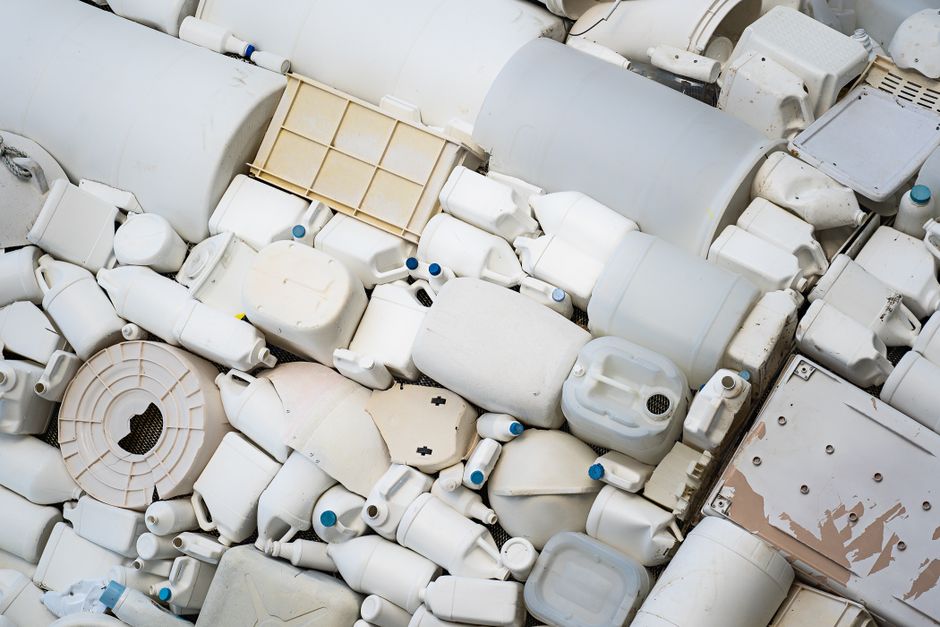
Featured image by Mike van Schoonderwalt on Pexels
Table of Contents
- Understanding the Core Concepts of Circularity
- Introducing the Circular Business Model Canvas
- Deep Dive into the CBC Building Blocks
- Practical Application: Using the CBC for Strategy Development
- Case Studies: Successful Circular Business Models
- Challenges and Future Trends in Circular Business Models
Understanding the Core Concepts of Circularity
The seismic shift towards sustainability demands a fundamental re-evaluation of how businesses operate. At the heart of this transformation lies the concept of the circular economy, a radical departure from the ingrained ‘take-make-dispose’ linear model that has dominated industrial practices for generations. Instead of a one-way street of resource extraction, production, consumption, and eventual waste, the circular economy envisions a closed-loop system. Its core principles are elegantly simple yet profoundly impactful:
- Design out waste and pollution: This proactive approach embeds sustainability from the very inception of a product or service, aiming to eliminate waste and harmful emissions by design. It’s about thinking smarter from the start, a key tenet also explored in Circular Economy Design Thinking.
- Keep products and materials in use: This principle focuses on extending the lifespan of products and the materials that compose them through strategies like repair, reuse, refurbishment, remanufacturing, and ultimately, high-quality recycling. This aligns with the goals of Circular Design Strategies for Product Longevity.
- Regenerate natural systems: Beyond simply minimizing harm, the circular economy actively seeks to restore and improve environmental health, promoting renewable energy and natural resource replenishment. This is a vital aspect of Circular Economy Design Principles.
Contrast this with the linear model, where resources are extracted, manufactured into products, used, and then discarded, often ending up in landfills or incinerators. This creates immense pressure on finite resources and contributes significantly to environmental degradation.
The impetus for this paradigm shift is multifaceted, driven by a powerful confluence of economic, environmental, and social factors. Economically, embracing circularity presents opportunities for new revenue streams, reduced operational costs through efficient resource management, and enhanced brand reputation. Companies are discovering that innovative approaches to resource utilization can be a significant competitive advantage, as highlighted in discussions on Circular Economy Business Model Innovation. Environmentally, the imperative is clear: to mitigate climate change, reduce pollution, conserve biodiversity, and lessen dependence on volatile raw material markets. The Ellen MacArthur Foundation, a leading voice in the circular economy space, states that a circular economy could deliver over $4.5 trillion in economic benefits globally by 2030. Socially, the transition can lead to job creation in new sectors like repair and remanufacturing, improve public health through reduced pollution, and foster greater community resilience.
FAQ: What’s the difference between ‘reduce, reuse, recycle’ and the circular economy?
While ‘reduce, reuse, recycle’ are important elements, the circular economy is a more holistic and systemic approach. It aims to fundamentally redesign products, systems, and business models to eliminate waste and pollution by design, keeping products and materials in use for as long as possible, and regenerating natural systems. It’s about a systemic shift, not just end-of-pipe solutions. For a deeper dive into how this impacts business strategy, explore our Creative Business Model Canvas Introduction.
FAQ: How does the circular economy relate to innovation?
The circular economy is a powerful catalyst for innovation. It compels businesses to rethink their entire value chain, from material sourcing and product design to customer engagement and end-of-life management. This necessitates creative problem-solving, leading to advancements in material science, manufacturing processes, digital technologies, and entirely new business models. The development of Circular Economy Material Innovations: Future-Proofing Your Business is a prime example of this.
Understanding these core concepts is the bedrock upon which we can build and implement effective Circular Economy Business Models. This foundational knowledge empowers us to move beyond traditional frameworks and explore novel ways of creating value, a journey we’ll delve into further when we discuss Innovative Business Model Canvas Design: Beyond the Blueprint for Breakthroughs.
Introducing the Circular Business Model Canvas
The landscape of business innovation is constantly evolving, and at the forefront of this evolution lies the imperative to move beyond linear "take-make-dispose" models. This is where the Circular Business Model Canvas, or CBC, emerges as a powerful tool. Think of it as an upgrade, a specialized lens for viewing business strategy through the principles of the circular economy.
What is the Circular Business Model Canvas (CBC)?
The CBC is a strategic framework designed to help organizations systematically develop and articulate circular business models. It takes the foundational structure of the widely recognized Business Model Canvas (BMC) and adapts it to explicitly integrate circularity. Instead of simply focusing on value creation and capture, the CBC prompts deeper consideration of resource flows, waste reduction, value retention, and the regeneration of natural systems. It encourages a holistic view, pushing businesses to design products, services, and systems that minimize environmental impact and maximize economic and social value throughout their lifecycle. This innovative approach is a crucial element in understanding Circular Economy Business Models.
Its Relationship to the Business Model Canvas (BMC)
The CBC is not a replacement for the BMC; rather, it’s a powerful extension. The original BMC, a staple for strategic planning and Business Models: Blueprint for Value Creation & Success, provides nine building blocks: Customer Segments, Value Propositions, Channels, Customer Relationships, Revenue Streams, Key Resources, Key Activities, Key Partnerships, and Cost Structure. The CBC builds upon this by:
- Introducing Circularity: It layers circular thinking onto these existing blocks. For instance, "Key Resources" might now emphasize renewable or recycled materials, and "Key Activities" could include repair, remanufacturing, or refurbishment.
- Focusing on Flows: A core addition is the explicit consideration of material and energy flows, often represented as loops or cycles, underscoring the importance of Circular Economy Design Principles.
- Emphasizing Value Retention: The CBC places a strong emphasis on designing business models that retain value for as long as possible, through strategies like product-as-a-service, leasing, or take-back schemes. This is a key differentiator from traditional models and a driving force behind Circular Economy Business Model Innovation.
For those familiar with the BMC, adopting the CBC is a natural progression. It offers a structured way to explore Innovative Business Model Canvas Design: Beyond the Blueprint for Breakthroughs and refine existing strategies to align with sustainability goals. You can learn more about the original canvas’s strengths in our Creative Business Model Canvas Introduction.
Key Benefits of Using the CBC for Innovation and Strategy
Embracing the CBC unlocks a wealth of benefits for organizations aiming to be at the forefront of innovation:
- Enhanced Sustainability Performance: By design, the CBC inherently pushes businesses towards reducing waste, minimizing resource depletion, and lowering their environmental footprint, directly contributing to Circular Economy Design goals.
- New Revenue Streams and Market Opportunities: Circular models often unlock novel revenue streams, such as revenue from service, repair, or material recovery. This can lead to significant competitive advantages and access to new customer segments who value sustainability. This aligns with exploring Circular business model innovation.
- Increased Resilience and Risk Mitigation: Reducing reliance on virgin materials and volatile supply chains makes businesses more resilient to price fluctuations and resource scarcity. A deeper dive into Circular Economy Material Innovations: Future-Proofing Your Business can further illustrate this.
- Fostering Creativity and Problem-Solving: The CBC encourages a different way of thinking, often demanding creative solutions to complex challenges. Frameworks like SCAMPER for Business Strategy can be incredibly useful when brainstorming within the CBC.
- Improved Brand Reputation and Customer Loyalty: Consumers are increasingly aware of and concerned about environmental issues. Adopting circular practices can significantly enhance a brand’s reputation and foster deeper connections with customers, as highlighted in our discussion on Business Model Canvas: Master Customer Relationships.
- Driving Systemic Change: The CBC isn’t just about individual company strategies; it’s a tool that can drive broader systemic change within industries by fostering collaboration and new ecosystem designs. This is where the principles of Circular Economy Design Thinking truly shine.
Case Study: Patagonia’s Worn Wear Program
Patagonia, a leader in sustainable apparel, exemplifies the power of circular business models. Their “Worn Wear” program encourages customers to repair, reuse, and recycle their Patagonia gear. This initiative not only extends the life of products, aligning with Circular Design Strategies for Product Longevity, but also builds immense brand loyalty and creates a secondary market for used garments. By integrating repair services and a take-back program, Patagonia demonstrates how to retain value and minimize waste, a core tenet of the CBC.
Ultimately, the Circular Business Model Canvas is a vital tool for any organization serious about future-proofing its operations, driving meaningful innovation, and contributing to a more sustainable economy. It provides the structure and focus needed to navigate the complexities of Circular Economy Design Principles and develop truly impactful Circular Economy Design Strategies.
Deep Dive into the CBC Building Blocks
Let’s unpack the core components of the Circular Business Model Canvas (CBC), understanding how each block is reimagined through a circular lens. This deep dive is crucial for any organization looking to embrace Circular Economy Business Models and unlock new avenues for value creation.
The Value Proposition (Circular) shifts from mere product ownership to offering value through extended product lifecycles. This means designing for durability, ensuring components are repairable, facilitating reuse, enabling remanufacturing, and ultimately, making materials easily recyclable. It’s about delivering the function or service customers desire, not just a physical product that eventually becomes waste. Think of a furniture company offering a lifetime repair guarantee, or an electronics manufacturer designing modular devices for easy upgrades.
Identifying Customer Segments (Circular) involves pinpointing consumers who actively seek out sustainability, value longevity and repairability, or are open to product-as-a-service models. This might include environmentally conscious millennials, businesses looking to reduce operational waste, or individuals who prefer the flexibility of subscriptions over outright purchases. Understanding these segments is fundamental to tailoring your offerings and messaging, aligning with principles of Circular Economy Design Thinking.
Reaching these customers requires rethinking Channels (Circular). Beyond traditional retail, this involves establishing efficient take-back programs for old products, offering accessible in-house or third-party repair services, and creating dedicated resale or refurbishment platforms. These channels become integral to the product’s lifecycle, closing the loop and reinforcing the circular narrative.
Customer Relationships (Circular) are forged through ongoing engagement. This isn’t a one-time transaction; it’s a partnership. Loyalty is built through excellent repair support, proactive communication about product maintenance, and fostering a community around the brand and its circular ethos. This aligns with the insights found in Business Model Canvas: Master Customer Relationships.
The shift in Revenue Streams (Circular) is perhaps the most transformative. Instead of relying solely on upfront sales, businesses can explore leasing, subscriptions, pay-per-use models, and even generate revenue from recovered materials. For instance, a printer company might charge per page printed, including maintenance and ink. This transition is a hallmark of Circular Economy Business Model Innovation.
Key Resources (Circular) extend beyond physical assets and intellectual property to include crucial natural capital. This encompasses managing raw materials, renewable energy sources, and the infrastructure for collection, repair, and reprocessing. Effective management of these resources is vital for sustainable operations, echoing the principles discussed in Circular Economy Material Innovations: Future-Proofing Your Business.
The Key Activities (Circular) are the operational engine of the circular model. This includes designing products with disassembly in mind, establishing efficient reverse logistics networks, mastering remanufacturing processes, and implementing sophisticated material recovery systems. These activities are the practical application of Circular Economy Design Strategies.
Key Partnerships (Circular) are indispensable in building a robust circular ecosystem. This involves close collaboration with suppliers committed to sustainable sourcing, specialized recyclers, networks of repair technicians, and potentially even competitors for shared take-back schemes. These collaborations are crucial for scaling circular initiatives, as detailed in Circular Economy Design Principles.
Finally, the Cost Structure (Circular) needs careful analysis. While upfront investment in reverse logistics and remanufacturing facilities can be significant, long-term savings can be realized through reduced reliance on virgin materials and waste disposal fees. Understanding these cost dynamics is essential for profitability, drawing parallels to Business Models: Blueprint for Value Creation & Success.
To illustrate how these blocks interact and form a cohesive strategy, consider the following framework:
| CBC Block | Circular Focus | Examples |
|---|---|---|
| Value Proposition | Extended product life, functionality over ownership | Durability, repairability, lease models |
| Customer Segments | Conscious consumers, service adopters | Eco-aware, subscription-friendly |
| Channels | Closed-loop systems | Take-back programs, repair hubs, resale platforms |
| Customer Relationships | Long-term engagement, support | Repair services, community building, loyalty programs |
| Revenue Streams | Usage-based, recurring income | Subscriptions, leasing, pay-per-use, material resale |
| Key Resources | Natural capital, remanufacturing tech | Renewable energy, skilled repair staff, reprocessing plants |
| Key Activities | Design for disassembly, reverse logistics | Product take-back, refurbishment, material recovery |
| Key Partnerships | Ecosystem collaborators | Suppliers, recyclers, repair networks |
| Cost Structure | Operational efficiency, waste reduction | Logistics for returns, remanufacturing investment, material savings |
This detailed examination of the Circular Business Model Canvas building blocks is fundamental for any business aiming for genuine Circular business model innovation. It encourages a holistic approach, moving beyond linear thinking to embrace a regenerative future. For those looking to systematically approach these challenges, exploring Structured Idea Generation: Boost Your Business or even applying SCAMPER for Business Strategy can offer valuable tools.
Practical Application: Using the CBC for Strategy Development
Transitioning to a circular economy is no longer a niche concept; it’s a strategic imperative for forward-thinking businesses. The Circular Business Model Canvas (CBC) provides a robust framework for not just understanding, but actively designing and implementing these transformative models. It builds upon the foundational principles of the traditional Business Models: Blueprint for Value Creation & Success but injects a critical focus on resource loops, value preservation, and regenerative systems. If you’re new to this way of thinking, our Creative Business Model Canvas Introduction offers a great starting point.
Step-by-Step Guide to Filling Out the Canvas:
Think of the CBC as a dynamic tool, not a static document. Engage your teams, encourage diverse perspectives, and be prepared to iterate. Here’s a systematic approach:
Understand the Core Principles: Before diving in, familiarize yourself with the fundamental pillars of Circular Economy Business Models – design out waste and pollution, keep products and materials in use, and regenerate natural systems.
Map Your Existing Model (Optional but Recommended): If you have an existing business, sketching out its current operations on a standard Business Model Canvas can highlight areas ripe for circular innovation. This provides a crucial baseline for comparison and identifies where the biggest shifts are needed.
Focus on Value Proposition: What unique value are you offering customers and society through a circular lens? This is where Circular Economy Design Thinking becomes paramount. Consider how your offering addresses unmet needs while minimizing environmental impact.
Identify Customer Segments & Relationships: Who are your customers, and how will you engage with them in a circular model? This might involve new customer segments (e.g., those seeking sustainable options) or new ways of fostering loyalty, as detailed in Business Model Canvas: Master Customer Relationships.
Define Channels: How will you deliver your circular value proposition? This could involve product-as-a-service models, take-back programs, or localized distribution networks.
Brainstorm Circular Strategies for Each Block: This is the heart of CBC application. For each segment of the canvas, ask probing questions.
- Key Activities: What activities are essential to design, manufacture, distribute, use, recover, and regenerate your products/services? This is where you’d explore Circular Design Strategies for Product Longevity or the implementation of AI-Powered Business Process Automation for efficiency.
- Key Resources: What are your essential assets? Think beyond traditional raw materials. Consider access to recycled materials, intellectual property related to repair or remanufacturing, and skilled labor for reverse logistics. Circular Economy Material Innovations: Future-Proofing Your Business is a critical resource here.
- Key Partnerships: Who can help you achieve your circular goals? This might include material suppliers, recycling facilities, repair networks, or even competitors for collaborative take-back schemes.
- Cost Structure: How will your costs evolve? While initial investments in circular infrastructure might be high, consider potential long-term savings from reduced waste, material reuse, and extended product lifecycles.
- Revenue Streams: How will you generate revenue in a circular economy? This is a prime area for innovation, moving beyond linear sales to subscriptions, leasing, pay-per-use, or revenue from recovered materials.
Integrate the Circularity Loops: The CBC explicitly incorporates loops for product recovery, material reprocessing, and value regeneration. Ensure these are clearly defined and integrated within your chosen strategies.
Iterate and Refine: No canvas is perfect on the first pass. Review, challenge assumptions, and refine your ideas. This is where Structured Idea Generation: Boost Your Business techniques like SCAMPER can be invaluable. Consider using SCAMPER for Business Strategy to explore new avenues.
Identifying Potential Challenges and Opportunities:
As you populate the canvas, anticipate friction points and bright spots:
- Challenges:
- Material Sourcing and Quality: Ensuring a consistent supply of high-quality recycled or bio-based materials can be difficult.
- Reverse Logistics: Establishing efficient and cost-effective systems for collecting and processing used products.
- Consumer Behavior Change: Educating and motivating consumers to participate in take-back programs or adopt product-as-a-service models.
- Regulatory Hurdles: Navigating evolving regulations around waste, recycling, and extended producer responsibility.
- Initial Investment Costs: Setting up new infrastructure or retooling existing processes can require significant upfront capital.
- Opportunities:
- Cost Savings: Reduced reliance on virgin materials and optimized resource utilization can lead to significant cost reductions.
- New Revenue Streams: Developing innovative service-based models or generating value from waste streams.
- Enhanced Brand Reputation: Demonstrating a commitment to sustainability can attract environmentally conscious consumers and investors.
- Increased Resilience: Diversifying material sources and reducing dependence on volatile commodity markets.
- Competitive Advantage: First-movers in circularity can capture market share and set industry standards. This aligns with the broader concept of Circular Economy Business Model Innovation.
Case Study: Patagonia’s Worn Wear Program
Patagonia’s Worn Wear program is a prime example of successful circularity integration. Their CBC would highlight: Value Proposition: Extending the life of high-quality outdoor gear, offering customers durable, sustainable apparel and repair services, thereby reducing environmental impact. Key Activities: Design for durability, offering repair services, collecting used garments, refurbishing and reselling pre-owned items. Key Resources: Skilled repair technicians, robust take-back infrastructure, customer loyalty built on shared values, their brand reputation. Revenue Streams: Sales of new products, sales of refurbished Worn Wear items, repair service fees. Customer Relationships: Deep engagement through repair workshops, advocacy for environmental causes, and a strong community of loyal, environmentally conscious customers. This demonstrates a profound understanding of Circular Economy Design Principles.
Testing and Validating Circular Business Model Hypotheses:
The CBC is a starting point, not an end. Rigorous testing is crucial:
- Prototyping and Piloting: Develop Minimum Viable Products (MVPs) or pilot programs for specific circular elements, such as a take-back service for a single product line or a leasing model for a specific customer segment.
- Customer Feedback Loops: Actively solicit feedback from customers on their experience with new circular offerings. Are they willing to return products? Do they value the repair service? Use this feedback to refine your model, as discussed in Business Model Canvas: Master Customer Relationships.
- Data Analytics: Employ Creative Data Analytics for Business Transformation to track key metrics like material recovery rates, product lifecycle extension, customer participation, and cost savings. This data will inform your decisions and validate your assumptions.
- Scenario Planning: Explore different future scenarios. What happens if material costs fluctuate drastically? How might regulatory changes impact your model? This foresight is critical for building a truly resilient business, a core aspect of Circular Economy Business Model Innovation.
- Partnership Validation: Test the viability of your key partnerships. Are your recycling partners capable of handling the volume and quality required? Are your material suppliers able to meet your circularity standards?
By systematically working through the Circular Business Model Canvas, engaging in creative brainstorming, and rigorously testing your hypotheses, you can develop robust, innovative, and sustainable business strategies that thrive in the evolving landscape of the circular economy. This framework is a powerful tool for driving circular business model innovation and building a truly future-proof enterprise.
Case Studies: Successful Circular Business Models
The theoretical underpinnings of the Circular Business Model Canvas (CBC) come alive when we examine real-world examples of companies that have not only adopted its principles but have thrived because of them. These case studies offer invaluable insights into how to successfully transition from a linear to a circular economy, fostering innovation and long-term value. This journey often begins with a deep dive into Circular Economy Business Models and understanding how they differ from traditional Business Models: Blueprint for Value Creation & Success.
Fashion: Stella McCartney – Designing for Longevity and Recyclability
Stella McCartney has been a pioneer in sustainable luxury fashion, demonstrating a profound commitment to circularity. Her brand eschews animal products and prioritizes the use of recycled and organic materials, aligning with Circular Economy Design Principles. The company focuses on durable, high-quality garments designed for longevity, a key aspect of Circular Design Strategies for Product Longevity. Furthermore, they are actively exploring innovative material sourcing and end-of-life solutions, moving towards a closed-loop system. Their approach to customer relationships, emphasizing the lasting value of their products, is a masterclass in Business Model Canvas: Master Customer Relationships.
Electronics: Fairphone – Modularity and Repairability as Core Value
Fairphone’s mission is to create electronics that are fairer, more sustainable, and designed to last. Their core innovation lies in modular smartphone design, allowing users to easily repair and upgrade individual components. This directly addresses electronic waste, a significant global challenge. By enabling easy repairs, Fairphone extends the lifespan of their devices, embodying Circular Economy Design principles. They also prioritize ethical sourcing of materials and ensure fair labor practices throughout their supply chain, a holistic approach to Circular Economy Business Model Innovation. Their success highlights how focusing on product longevity and repairability can create a strong competitive advantage.
Packaging: Loop – Rethinking Single-Use Packaging
Loop, a platform developed by TerraCycle, is revolutionizing the way we consume everyday products by eliminating single-use packaging. Consumers purchase products in durable, reusable containers, which are then collected, cleaned, and refilled by Loop. This model fundamentally shifts the value proposition from disposable to durable, aligning with Circular Design Principles. Loop collaborates with major brands to offer their products in a circular system, demonstrating the power of partnerships in driving Circular Economy Material Innovations: Future-Proofing Your Business. Their innovative approach showcases a clear application of the CBC’s focus on product-as-a-service and resource recovery.
Construction: Cradle to Cradle Certified™ Products
While not a single company, the Cradle to Cradle Certified™ program champions products designed for a circular economy. This certification encourages manufacturers to create products where all materials are either safely biodegradable or can be endlessly reused as "nutrients" within industrial cycles. This concept, deeply rooted in Circular Economy Design Thinking and Circular Economy Design Strategies, drives innovation in material science and manufacturing processes. Companies that achieve this certification are effectively redesigning their offerings to eliminate waste and pollution, focusing on a regenerative system. This exemplifies how robust design frameworks can unlock new value streams.
Here’s a table summarizing key aspects of these successful circular business models:
| Company/Program | Industry | CBC Principle Leveraged | Key Innovation | Impact |
|---|---|---|---|---|
| Stella McCartney | Fashion | Product Longevity, Sustainable Materials, Resource Recovery | Durable, high-quality garments; recycled/organic materials; end-of-life solutions | Reduced waste, enhanced brand reputation, premium market positioning |
| Fairphone | Electronics | Product Longevity, Repairability, Modular Design | Modular smartphones for easy repair/upgrade | Reduced e-waste, increased customer loyalty, ethical supply chain |
| Loop | Packaging/Consumer Goods | Product-as-a-Service, Reuse Systems, Resource Recovery | Reusable packaging for everyday products | Elimination of single-use waste, new distribution models, brand partnerships |
| Cradle to Cradle Certified™ | Cross-Industry (esp. Construction) | Material Health, Circularity, Regenerative Design | Products designed for safe biological or technical nutrient cycles | Reduced environmental impact, innovation in material science, market differentiation |
Key Learnings and Best Practices:
- Embrace Design for Disassembly and Repair: As seen with Fairphone, designing products with repairability and modularity in mind is crucial for extending product lifecycles and reducing waste. This aligns with principles of Circular Design Strategies for Product Longevity.
- Shift to Product-as-a-Service (PaaS): Loop’s model demonstrates the power of offering a service rather than just a product. This creates ongoing customer engagement and allows for greater control over the product’s lifecycle. This innovative approach echoes the spirit of Innovative Business Model Canvas Design: Beyond the Blueprint for Breakthroughs.
- Invest in Material Innovation: Stella McCartney and Cradle to Cradle highlight the importance of exploring and utilizing sustainable and recyclable materials. This requires a commitment to Circular Economy Material Innovations: Future-Proofing Your Business.
- Foster Collaboration and Partnerships: Successful circular models often involve collaboration across the value chain, from suppliers to consumers and even competitors, as seen with Loop and brands working with Cradle to Cradle. This collaborative spirit can be a powerful tool for Structured Idea Generation: Boost Your Business.
- Rethink Customer Relationships: Circular models often require educating consumers and building new relationships based on shared values and long-term benefits. This is a core aspect of the Creative Business Model Canvas Introduction and mastery of Business Model Canvas: Master Customer Relationships.
These examples underscore that adopting a circular business model is not just about environmental responsibility; it’s a strategic imperative for innovation, resilience, and long-term profitability. The application of tools like SCAMPER for Business Innovation can further accelerate the adoption and refinement of these circular strategies.
Challenges and Future Trends in Circular Business Models
The journey towards widespread adoption of Circular Economy Business Models is paved with both significant opportunities and formidable challenges. While the allure of reduced waste, enhanced resource efficiency, and new revenue streams is compelling, several hurdles impede this transition.
Barriers to Adoption:
Regulatory frameworks, often designed for linear economies, can be a significant bottleneck. Evolving legislation around product longevity, repairability, and end-of-life management is crucial. Consumer behavior also presents a complex puzzle. Shifting ingrained habits of consumption, encouraging the embrace of repair services, leasing models, or products made from recycled materials, requires extensive education and a clear demonstration of value. Furthermore, the necessary infrastructure for reverse logistics, remanufacturing, and advanced recycling is still developing, creating a gap between aspiration and practical execution. This is where creative approaches to Business Models: Blueprint for Value Creation & Success become paramount, forcing us to rethink how value is captured and delivered in a circular context.
The Role of Technology in Enabling Circularity:
Fortunately, technological advancements are powerful enablers of the circular economy. The Internet of Things (IoT) provides real-time data on product usage and condition, facilitating predictive maintenance and optimizing repair cycles, thereby extending product lifespans. Artificial Intelligence (AI) is revolutionizing everything from material sorting in recycling facilities to demand forecasting for remanufactured goods. Companies are leveraging AI-Powered Business Process Automation to streamline complex reverse logistics operations and optimize resource allocation. Blockchain technology offers transparency and traceability throughout the product lifecycle, building trust and accountability for material provenance and end-of-life handling. The integration of these technologies is not just about efficiency; it’s about creating entirely new possibilities for Circular Economy Business Model Innovation.
The Evolution of the Circular Business Model Canvas and its Integration:
The Circular Business Model Canvas (CBC), a vital tool for visualizing and developing circular strategies, is itself evolving. It builds upon the foundational principles of the original Business Model Canvas, offering a more nuanced perspective on value creation and capture within a circular framework. Understanding the intricacies of the CBC is essential for anyone looking to innovate in this space. This evolving framework encourages a holistic view, prompting us to explore concepts like product-as-a-service, resource recovery, and industrial symbiosis. It’s not just about adapting existing models; it’s about a fundamental rethinking, akin to the principles explored in Innovative Business Model Canvas Design: Beyond the Blueprint for Breakthroughs. Furthermore, the CBC can be effectively integrated with other strategic tools like those for Structured Idea Generation: Boost Your Business or the SCAMPER method, as detailed in SCAMPER for Business Innovation, to spur deeper innovation. The initial exploration of these concepts is well-covered in our Creative Business Model Canvas Introduction.
Future Outlook for Circular Business Models and Their Impact:
The future outlook for circular business model innovation is exceptionally bright. As resource scarcity intensifies and environmental regulations tighten, companies that proactively embrace circularity will gain a significant competitive advantage. This transition is not merely about environmental stewardship; it’s a profound economic shift that unlocks new markets, fosters Circular Economy Material Innovations: Future-Proofing Your Business, and drives long-term resilience. The integration of Circular Design Strategies and Circular Economy Design Thinking will become standard practice, moving beyond a focus on end-of-pipe solutions to a more proactive, regenerative approach. We can expect to see increased adoption of Circular Design Strategies for Product Longevity and a greater emphasis on Circular Economy Design Principles. Ultimately, the widespread adoption of Circular Economy Business Models will reshape industries, foster greater collaboration, and pave the way for a more sustainable and prosperous future. This is fundamentally about mastering how to manage customer interactions in a new paradigm, as highlighted in Business Model Canvas: Master Customer Relationships. The ongoing Digital Transformation for Small Business Growth will also play a critical role, making circular practices more accessible. Furthermore, Creative Data Analytics for Business Transformation will be key to understanding and optimizing circular flows.
Featured image by Markus Winkler on Pexels
Table of Contents
- Understanding the Core Principles of Circular Business Models
- Types of Circular Business Model Innovations
- Designing for Circularity: Strategies and Considerations
- Implementing Circular Business Models: Challenges and Opportunities
- Case Studies: Successful Circular Business Model Innovations
- The Future of Circular Innovation and Its Impact
Understanding the Core Principles of Circular Business Models
The seismic shift occurring in global commerce isn’t just about new products or services; it’s about fundamentally rethinking how value is created and sustained. At its heart, Circular business model innovation challenges the entrenched paradigm of the linear "take-make-dispose" economy. This traditional model, which relies on the constant extraction of raw materials, their transformation into products, and their eventual discarding as waste, is demonstrably unsustainable. It depletes finite resources, generates immense pollution, and exacerbates climate change. In stark contrast, the circular economy envisions a regenerative system where resources are kept in use for as long as possible, extracting maximum value from them before being recovered and regenerated at the end of each service life. This represents a profound departure, moving from a system of obsolescence to one of longevity and renewal.
At the core of this transition are three fundamental principles, articulated by leading thinkers like the Ellen MacArthur Foundation:
Design out waste and pollution: This principle is proactive. It means embedding consideration for environmental impact from the very inception of a product, service, or system. It’s about anticipating potential waste streams and designing them out from the start, rather than trying to manage them after the fact. This often involves deep dives into materials science and manufacturing processes. For instance, exploring Circular Economy Material Innovations: Future-Proofing Your Business is crucial here.
Keep products and materials in use: This principle focuses on extending the lifespan of products and the materials they comprise. Instead of single-use or short-lived items, circular models emphasize durability, repairability, refurbishment, remanufacturing, and ultimately, high-quality recycling. This can manifest in various ways, such as product-as-a-service models, leasing arrangements, or robust take-back schemes. Understanding the nuances of these Circular Economy Business Models is key to their successful implementation.
Regenerate natural systems: This goes beyond simply minimizing harm; it’s about actively contributing to the health of our planet. Circular practices can support the restoration of ecosystems, enhance biodiversity, and improve soil health. This might involve using renewable energy sources exclusively or employing agricultural practices that replenish natural capital.
The economic and environmental imperatives driving this shift are undeniable. Economically, a circular approach can unlock new revenue streams, reduce operational costs through resource efficiency, and build greater resilience against supply chain volatility and resource price fluctuations. Companies that embrace circularity often discover enhanced brand reputation and stronger customer loyalty. Environmentally, the need for change is even more urgent. The overwhelming scientific consensus points to the critical need to decarbonize our economies and transition to sustainable resource management. Organizations like the United Nations Environment Programme consistently highlight the severe consequences of our current linear trajectory.
To visualize these interconnected flows, the Ellen MacArthur Foundation’s celebrated butterfly diagram serves as an invaluable framework. It elegantly illustrates the two interconnected cycles: the technical cycle, which focuses on the flow of manufactured products and components, and the biological cycle, which deals with the flow of renewable biological resources. Understanding this diagram is a foundational step for anyone exploring Circular Economy Business Model Innovation. It provides a mental model for how materials can continuously circulate, preventing them from becoming waste and instead flowing back into productive use or nature. For those embarking on this journey, understanding the building blocks of value creation through innovative business models is essential, as explored in resources like Business Models: Blueprint for Value Creation & Success and Business Model Innovation for Startups: Your Blueprint for Disruptive Growth.
FAQ: What’s the difference between a ‘circular economy’ and a ‘sustainable economy’?
While often used interchangeably, there’s a subtle but important distinction. A sustainable economy focuses on meeting the needs of the present without compromising the ability of future generations to meet their own needs, often through reducing negative impacts. A circular economy is a specific *type* of sustainable economy that emphasizes closed-loop systems and regenerative practices to achieve sustainability. It’s a more prescriptive and actionable approach to achieving sustainability goals by designing out waste and keeping resources in use.
FAQ: How do circular business models differ from traditional business models?
Traditional business models are largely linear: procure raw materials, manufacture products, sell them, and expect them to be disposed of. Value is created through the sale of new products. Circular business models, on the other hand, aim to decouple value creation from the consumption of finite resources. They might focus on selling services rather than products (e.g., leasing clothes), designing products for durability and repair, or creating systems for product take-back and refurbishment. This requires a different mindset regarding value creation, akin to developing an Innovative Business Model Canvas Design: Beyond the Blueprint for Breakthroughs or a Creative Business Model Canvas Introduction.
Types of Circular Business Model Innovations
The landscape of Circular Economy Business Models is rich and varied, offering a potent toolkit for businesses seeking to innovate beyond the linear "take-make-dispose" paradigm. These models are not just about environmental consciousness; they represent a profound shift in how value is created and captured, driving economic as well as ecological benefits. Understanding these different types is crucial for identifying opportunities and charting a path towards a more sustainable and profitable future.
One of the most prevalent and impactful innovations is the Product-as-a-Service (PaaS) model, often intertwined with the sharing economy. Instead of selling a product outright, companies retain ownership and sell the use of that product. Think of it as a subscription for functionality. This approach incentivizes manufacturers to design for durability, repairability, and eventual remanufacturing, as their ongoing revenue depends on the product’s longevity and performance. This aligns perfectly with the principles of Circular Economy Business Model Innovation.
Closely related is the concept of Resource Recovery and Remanufacturing. This involves the systematic collection of used products or their components, which are then restored to a like-new condition or used as raw materials for new products. This not only diverts waste from landfills but also reduces reliance on virgin resources. Companies that excel here often employ sophisticated reverse logistics and advanced manufacturing techniques.
Product Life Extension encompasses a suite of strategies aimed at keeping products in use for as long as possible. This includes readily accessible and affordable repair services, through which a product’s functional lifespan is extended. Refurbishment takes this a step further, often involving the restoration of a product to a specified standard, while upgrades allow users to enhance existing products rather than replacing them entirely. This focus on longevity is a cornerstone of circular thinking.
The very foundation of many circular models lies in Circular Supplies. This involves consciously choosing to use renewable, recycled, or biodegradable inputs. This element is deeply connected to Circular Economy Material Innovations: Future-Proofing Your Business. By prioritizing sustainable sourcing, businesses can decouple their operations from volatile raw material markets and reduce their environmental footprint right from the start of the value chain.
Platform-based circular models are emerging as powerful enablers of circularity. These digital platforms connect different stakeholders in a circular ecosystem, facilitating the exchange of goods, services, and resources. They can be used to manage product-as-a-service offerings, coordinate reverse logistics, or create marketplaces for secondary materials. The development of such platforms often involves Wireframing for UI/UX Innovation to ensure seamless user experiences and efficient operations.
Finally, Industrial Symbiosis and Closed-Loop Systems represent a more integrated approach to circularity, often operating at an industrial or regional scale. Industrial symbiosis involves companies collaborating to use each other’s waste streams as valuable inputs. Closed-loop systems aim to eliminate waste entirely by designing products and processes where all outputs are reintegrated into the system. This requires a high degree of collaboration and often involves a holistic rethinking of production processes.
Case Study: Philips’ Lighting-as-a-Service
Philips (now Signify) pioneered a remarkable Product-as-a-Service model in the lighting industry. Instead of selling light bulbs and fixtures, they offer “light” as a service to large commercial clients, like airports and office buildings. Philips retains ownership of the lighting infrastructure and is responsible for its installation, maintenance, and upgrades. The client pays for the quality and amount of light delivered. This innovative approach incentivizes Philips to design highly energy-efficient, durable, and easily maintainable lighting systems, as their profit margin is directly linked to the performance and longevity of their products. This shifts the focus from a one-time hardware sale to a continuous service relationship, driving both economic and environmental gains.
These various types of circular business model innovations are not mutually exclusive; often, they are complementary and can be combined to create robust and resilient circular strategies. For startups, exploring these models can be a powerful avenue for Business Model Innovation for Startups: Your Blueprint for Disruptive Growth, offering a path towards differentiation and sustained competitive advantage. Applying frameworks like the Innovative Business Model Canvas Design: Beyond the Blueprint for Breakthroughs and the Creative Business Model Canvas Introduction can help businesses systematically develop and refine their circular offerings, ensuring they create lasting value. The essence of these models lies in shifting from a linear to a cyclical flow, reimagining Business Models: Blueprint for Value Creation & Success.
Designing for Circularity: Strategies and Considerations
Designing for circularity isn’t an afterthought; it’s the bedrock of truly sustainable and resilient business models. It requires a fundamental shift in how we conceptualize products and services, moving from a linear "take-make-dispose" mentality to one that prioritizes keeping resources in use for as long as possible. This is at the heart of Circular Economy Business Model Innovation, aiming to decouple economic growth from resource depletion.
Material Selection and Sustainable Sourcing: The journey begins with the very building blocks of our creations. Opting for materials that are renewable, recycled, or biodegradable is paramount. This involves a deep dive into the lifecycle impact of each component, considering not just its origin but also its potential for reuse or safe return to the biosphere. Emerging Circular Economy Material Innovations: Future-Proofing Your Business are offering exciting alternatives, from bio-based plastics to advanced recycled metals, reducing reliance on virgin resources. Furthermore, ensuring ethical and transparent sourcing practices builds trust and contributes to a broader social circularity.
Designing for Disassembly, Repair, and Upgradability: This is where the longevity of a product is baked in. Products should be intentionally designed so they can be easily taken apart at the end of their useful life for repair, refurbishment, or to recover valuable components. Think of modular furniture that can be reconfigured, or electronics with easily replaceable batteries and screens. This approach directly combats planned obsolescence and empowers consumers to extend the life of their purchases, fostering a more engaged relationship with products.
Modular Design Principles: Building on the concept of disassembly, modularity allows for greater flexibility and adaptability. By breaking down complex products into smaller, standardized units, individual components can be replaced, upgraded, or reconfigured without affecting the entire system. This not only facilitates repair and upgrades but also allows for mass customization and easier manufacturing. It’s a design philosophy that embraces agility and anticipates future needs.
Minimizing Waste During Production and Consumption: The principles of circularity extend to the manufacturing floor and the consumer’s hands. Lean manufacturing techniques can be amplified by circular thinking to identify and eliminate waste streams. This could involve closed-loop water systems, energy recovery from waste heat, or repurposing manufacturing by-products. At the consumption stage, innovative business models can encourage responsible use, such as product-as-a-service models that incentivize durability and efficient resource utilization.
Leveraging Digital Technologies for Tracking and Management: The digital realm offers powerful tools for enabling circularity. Blockchain technology, for example, can provide immutable records of material provenance and product history, facilitating efficient recycling and recovery. IoT sensors can monitor product performance and predict maintenance needs, extending lifespan. Digital platforms can also connect users with repair services, facilitate secondary markets for used goods, and optimize logistics for reverse supply chains. This integration of digital tools is crucial for the successful implementation of Circular Economy Business Models.
Considering the End-of-Life Phase from the Outset: This is perhaps the most critical paradigm shift. Instead of designing a product and then wondering what to do with it when it’s no longer needed, circular designers envision the end-of-life phase from the very inception. This involves asking: How can this product be easily disassembled? What materials can be recovered? How can components be reintegrated into new products or returned safely to the environment? This foresight ensures that "waste" becomes a valuable input for future cycles, truly closing the loop.
To illustrate the multifaceted nature of designing for circularity, consider this breakdown of key strategic considerations:
| Design Strategy | Circular Goal | Example Application | Key Considerations |
|---|---|---|---|
| Material Selection | Resource Efficiency & Reduced Impact | Using recycled plastics in automotive parts, bio-based fibers in apparel. | Biodegradability, recyclability, durability, toxicity, sourcing ethics. Explore resources like the Ellen MacArthur Foundation’s material guides. |
| Design for Disassembly | Ease of Repair & Component Recovery | Snap-fit components instead of permanent adhesives, standardized fasteners. | Accessibility of components, clear labeling, tool requirements. |
| Modularity | Adaptability & Longevity | Modular smartphones, interchangeable furniture components. | Interoperability of modules, ease of replacement, scalability. |
| Waste Minimization (Production) | Resource Optimization | Closed-loop manufacturing processes, industrial symbiosis. | Process efficiency, byproduct valorization, energy recovery. |
| Waste Minimization (Consumption) | Extended Product Life | Product-as-a-service, repair services, refillable packaging. | Consumer behavior, product durability, incentive structures. |
| Digital Tracking & Management | Transparency & Efficient Reverse Logistics | Blockchain for material passports, IoT for product health monitoring. | Data security, interoperability, ROI of digital investment. |
| End-of-Life Planning | Closed-Loop Systems | Designing for easier remanufacturing, establishing take-back programs. | Collection infrastructure, processing capabilities, market for recovered materials. |
This structured approach, often visualized through tools like an Innovative Business Model Canvas Design: Beyond the Blueprint for Breakthroughs, helps to embed circularity into the core of your business strategy. It’s about creating value not just through new products, but through the enduring utility of resources. This philosophy is the essence of Circular Economy Business Models, and by mastering these design principles, businesses can unlock new avenues for growth and resilience.
Implementing Circular Business Models: Challenges and Opportunities
Implementing circular business models is not merely an idealistic aspiration; it’s a strategic imperative for long-term resilience and growth. However, the transition from linear, take-make-dispose systems presents a formidable set of challenges, alongside significant opportunities for innovation.
One of the most pervasive hurdles is overcoming linear infrastructure and ingrained consumer habits. For decades, our economies have been built on the premise of readily available virgin materials and convenient disposal. Shifting this paradigm requires a fundamental re-education of consumers about product lifespan, repair, and the value of returned materials. This isn’t just about marketing; it’s about redesigning the entire user experience to encourage and facilitate circular behaviors. For startups, this can be a powerful differentiator, as outlined in guides on Business Model Innovation for Startups: Your Blueprint for Disruptive Growth.
The practicalities of circularity demand the development of new supply chains and logistics for reverse flows. Unlike traditional linear models where goods move in one direction, circular systems necessitate robust mechanisms for product take-back, collection, and reprocessing. This involves rethinking transportation networks, warehousing, and partnerships to efficiently handle a multitude of product states – from returned items to components for remanufacturing. This is where innovative thinking around Circular Economy Material Innovations: Future-Proofing Your Business becomes crucial.
Closely tied to this is the challenge of managing reverse logistics and asset recovery. Efficiently collecting, sorting, and processing returned products or materials is vital for realizing the economic benefits of circularity. This requires investing in technology for tracking assets, sophisticated sorting capabilities, and skilled labor for repair, refurbishment, and remanufacturing. The goal is to maximize the value retained in returned items, turning potential waste into valuable inputs. This often involves a deep dive into understanding User Journey Mapping for Innovation to ensure a seamless take-back experience for the customer.
The financial implications of implementing circular business models are multifaceted. Initial investments in new infrastructure, technology, and talent can be substantial. However, these are often offset by long-term cost savings through reduced reliance on volatile virgin material prices and the creation of new revenue streams from remanufactured goods, repair services, or material resale. Understanding how to structure these new financial flows is a core element of Circular Economy Business Models. For instance, companies like Philips have successfully shifted to "lighting-as-a-service," generating recurring revenue rather than one-off sales, a prime example of Circular Economy Business Model Innovation.
The regulatory and policy landscape for circularity is still evolving globally. While some regions are actively promoting circular economy principles through legislation, incentives, and extended producer responsibility schemes, others lag behind. Navigating this complex terrain requires businesses to stay informed about current and upcoming regulations that may impact product design, waste management, and material sourcing. Policy can be a powerful catalyst for circularity, as seen in the EU’s Circular Economy Action Plan, which sets ambitious targets for resource efficiency and waste reduction.
Finally, building stakeholder buy-in and collaboration is paramount for successful circularity. This includes internal buy-in from all departments, from R&D to sales and operations, as well as external partnerships with suppliers, customers, recyclers, and even competitors. Achieving this requires a clear articulation of the value proposition of circularity, demonstrating its economic, environmental, and social benefits. Platforms like the Business Model Canvas offer a framework for visualizing and communicating these evolving strategies, as explored in Innovative Business Model Canvas Design: Beyond the Blueprint for Breakthroughs.
| Challenge Area | Key Considerations | Opportunities |
|---|---|---|
| Infrastructure & Habits | Consumer inertia, lack of accessible return points, perception of used goods. | Develop user-friendly take-back programs, educate consumers on value, incentivize circular behavior, create new product-as-a-service models. |
| Supply Chains & Logistics | Designing reverse flows, establishing collection networks, integrating new material streams. | Innovate logistics with specialized reverse logistics providers, leverage digital platforms for tracking and coordination, explore local loop systems. |
| Reverse Logistics & Asset Recovery | Efficient collection, sorting, quality control, refurbishment, remanufacturing, and material reprocessing. | Invest in automation and AI for sorting, develop standardized processes for asset recovery, create value from by-products and waste streams, explore modular product design for easier disassembly. |
| Financial Implications | Upfront investment in infrastructure, technology, and workforce training; uncertain ROI in early stages. | Unlock new revenue streams from services (repair, lease), extract value from recovered materials, reduce costs by minimizing virgin material dependence, attract impact investors and green financing. |
| Regulatory & Policy Landscape | Navigating evolving regulations, compliance burdens, lack of harmonized policies. | Proactively engage with policymakers, leverage incentives and subsidies for circular initiatives, influence policy development to favor circular practices, gain a competitive advantage through early adoption. |
| Stakeholder Buy-in & Collaboration | Resistance to change, lack of understanding, competing priorities, building trust across value chains. | Develop clear communication strategies highlighting benefits, foster cross-sector partnerships, create industry-wide standards and platforms, engage employees in the circular transition. |
Case Studies: Successful Circular Business Model Innovations
The transition to a circular economy isn’t just an environmental imperative; it’s a potent engine for Business Model Innovation for Startups: Your Blueprint for Disruptive Growth and established enterprises alike. By rethinking product lifecycles, material flows, and customer relationships, forward-thinking companies are not only reducing waste but also unlocking new revenue streams and building resilient brands. Let’s delve into some illuminating case studies that showcase the power of Circular Economy Business Models.
Patagonia: Durability, Repair, and Resale as a Core Strategy
Patagonia, the outdoor apparel giant, has long been a poster child for Circular Economy Business Model Innovation. Their commitment goes beyond mere sustainability reporting; it’s woven into the fabric of their business model. Their "Worn Wear" program exemplifies this, encouraging customers to repair their gear through in-store and mail-in services, and even offering a platform to buy and sell used Patagonia items. This initiative not only extends the life of their products, reducing the demand for new resources and waste, but also fosters deep customer loyalty and creates a secondary market that reinforces their brand value. The underlying principle here is a fundamental shift from selling a product to providing a service – the service of clothing designed to last and be cared for. This approach aligns perfectly with the concept of a Business Models: Blueprint for Value Creation & Success, where value is derived from ongoing engagement and product longevity.
Philips Lighting (Signify): Lighting as a Service
Philips Lighting, now operating as Signify, pioneered the "Lighting as a Service" (LaaS) model. Instead of selling light bulbs or fixtures, they sell illumination. This means Signify retains ownership of the lighting infrastructure, managing its installation, maintenance, and eventual recycling or refurbishment. For customers, this translates to predictable operating costs, access to the latest LED technology without upfront investment, and a guarantee of optimal lighting performance. For Signify, this model incentivizes the design of durable, repairable, and upgradable lighting systems, as they bear the cost of premature failure. Their focus shifts from unit sales to long-term performance and resource efficiency, a classic example of Circular Economy Material Innovations: Future-Proofing Your Business becoming central to their strategy. This model requires meticulous attention to product design, aiming for longevity and ease of servicing, much like the principles explored in Wireframing for UI/UX Innovation, where user experience and long-term usability are paramount.
Interface: Carpet Tiles and a "Mission Zero" Commitment
Interface, a global leader in modular carpet, transformed its industry through a radical commitment to sustainability and circularity, famously articulated as "Mission Zero" – aiming to eliminate any negative impact the company has on the environment by 2020. Their innovative "ReEntry" program allows them to reclaim used carpet tiles from customers, regardless of their original manufacturer, and recycle them into new products. This not only diverts vast amounts of waste from landfills but also creates a closed-loop system for their materials. Interface’s success demonstrates how ambitious environmental goals can drive profound Business Model Innovation. They have embraced a service-oriented approach, where customers pay for flooring solutions rather than just individual products, incentivizing durability and recyclability. This systemic approach to innovation often involves reimagining the entire value chain, much like how a well-crafted User Journey Mapping for Innovation can reveal opportunities to improve customer experiences and operational efficiencies.
Beyond the Big Names: Diverse Industry Examples
The principles of circularity are being applied across a surprising breadth of industries:
- Electronics: Companies like Fairphone are building smartphones designed for modularity, allowing users to easily replace components like screens or cameras, significantly extending the device’s lifespan and reducing e-waste. They also focus on ethically sourced materials and fair labor practices, showcasing how circularity can be intertwined with social responsibility.
- Construction: The concept of "design for disassembly" is gaining traction. Architects and builders are increasingly planning buildings with the end-of-life in mind, making it easier to recover valuable materials for reuse or recycling. Companies are exploring innovative ways to reuse construction and demolition waste, aligning with the broader goal of Circular Economy Material Innovations: Future-Proofing Your Business.
- Food & Beverage: Innovations in this sector often focus on reducing food waste. Too Good To Go is a prime example, connecting consumers with surplus food from restaurants and shops at a discounted price, preventing it from being thrown away. Other initiatives involve using food waste as feedstock for biogas production or creating new food products from by-products.
The lessons from these pioneers are clear: embracing a circular approach requires a willingness to challenge traditional linear thinking. It often involves a shift towards service-based models, a deep understanding of material lifecycles, and a commitment to creating value that extends beyond the initial sale. These companies are not just surviving; they are thriving by demonstrating that sustainability and profitability are not mutually exclusive but are, in fact, increasingly interconnected. Their successes offer a compelling blueprint for any organization looking to innovate and future-proof their operations in the era of the circular economy.
The Future of Circular Innovation and Its Impact
The horizon of circular business models is rapidly expanding, fueled by a wave of emerging trends and transformative technologies. We are moving beyond mere waste reduction to embrace a truly regenerative paradigm. This evolution is not just about doing less harm; it’s about actively creating value and prosperity within a closed-loop system. The success stories are multiplying, demonstrating that Circular Economy Business Model Innovation is not a niche concept but a fundamental shift in how we conceive of business.
At the forefront of this transformation are Artificial Intelligence (AI), the Internet of Things (IoT), and blockchain technology. AI is proving invaluable in optimizing resource allocation, predicting maintenance needs for extended product lifecycles, and enabling sophisticated product-as-a-service models. IoT sensors, embedded in products, provide real-time data on usage, condition, and location, facilitating efficient take-back programs, predictive maintenance, and informed remanufacturing. Blockchain, with its inherent transparency and immutability, is a game-changer for tracking materials, verifying the origin of recycled content, and establishing trust in complex, multi-stakeholder supply chains. These technologies are the invisible architects of more efficient and trustworthy circular systems, underpinning advancements in Circular Economy Material Innovations: Future-Proofing Your Business.
Scaling these innovative Circular Economy Business Models for wider adoption requires a multi-pronged approach. It necessitates supportive policy frameworks, standardized metrics for circularity, and significant investment. Early adopters often leverage tools like the Innovative Business Model Canvas Design: Beyond the Blueprint for Breakthroughs and Creative Business Model Canvas Introduction to map out their new value propositions, customer segments, and revenue streams. For startups, mastering Business Model Innovation for Startups: Your Blueprint for Disruptive Growth is paramount, as they are often the most agile in pioneering these new approaches. The insights gained from User Research for Innovation and User Journey Mapping for Innovation are crucial for designing circular services that resonate with consumers and businesses alike. The principles of SCAMPER for Business Innovation can also be a powerful catalyst for ideation within this space.
The economic potential of the circular economy is immense, promising significant job creation and robust economic growth. As manufacturing shifts from linear, extractive processes to regenerative, circular ones, new roles will emerge in areas such as repair, refurbishment, remanufacturing, product design for disassembly, and digital platform management for material exchange. A report by the Ellen MacArthur Foundation highlighted that a transition to a circular economy in Europe could generate 700,000 new jobs. This represents a fundamental redefinition of Business Models: Blueprint for Value Creation & Success, moving away from sole reliance on virgin resource consumption to value extraction from existing materials. Furthermore, innovative financing mechanisms, including Venture Capital for Tech Innovations and Venture Capital for Tech Innovation, are increasingly being channeled towards circular solutions.
| Key Circular Economy Enablers | Impact on Business Models |
|---|---|
| AI & Machine Learning | Optimized resource management, predictive maintenance, personalized service offerings, enhanced forecasting for reverse logistics. |
| IoT & Sensors | Real-time product tracking, condition monitoring, data-driven service models, streamlined return and repair processes. |
| Blockchain | Transparent supply chains, secure material traceability, verifiable provenance of recycled content, trusted peer-to-peer material exchange. |
| Advanced Materials | Development of bio-based, compostable, or easily recyclable materials that fit seamlessly into closed loops. |
Ultimately, the future of circular innovation is intrinsically linked to our ability to contribute meaningfully to global sustainability goals and foster a truly regenerative future. This requires a systemic shift in thinking, embracing principles like Unlocking Innovation with First Principles and fostering an Unlock Innovation: Culture, Leadership & Creativity. It’s about moving beyond incremental improvements and pursuing genuine What is Disruptive Innovation? Examples & Types that redefine industries. The circular economy is not merely an environmental imperative; it is a compelling economic opportunity and a pathway to a more resilient and equitable world. Embracing these Circular Economy Business Models is no longer a choice but a necessity for long-term success and a thriving planet.
Featured image by Markus Winkler on Pexels
Table of Contents
- Understanding Circular Design Principles for Longevity
- Designing for Durability and Repairability
- Strategies for Product Lifespan Extension
- Material Innovation and Resource Management in a Circular System
- The Role of Business Models and Consumer Behavior
- Case Studies and Future Outlook
Understanding Circular Design Principles for Longevity
The very essence of innovation lies in creating value, and in today’s resource-constrained world, that value increasingly hinges on longevity. This is where the principles of Circular Design Principles become paramount. At its core, circular design is a philosophy and a set of practices that aim to decouple economic activity from the consumption of finite resources. It’s about shifting from a linear "take-make-dispose" model to a regenerative, restorative one. The foundational tenets are clear: design out waste and pollution, keep products and materials in use, and regenerate natural systems.
The connection between circularity and product longevity is not merely coincidental; it’s intrinsic. By designing products for durability, repairability, and upgradability, we inherently extend their lifespan. This directly reduces the relentless demand for new production, a significant driver of resource depletion and environmental degradation. Every product that remains in use for longer is a testament to its inherent value and a victory against the often-destructive cycle of obsolescence. This shift in thinking is a cornerstone of Sustainable Product Development Strategies and requires a fundamental re-evaluation of what constitutes "innovation." True innovation in this context often means making things last, not just making them new.
Measuring the success of these strategies requires a clear understanding of key metrics and indicators. Beyond traditional lifecycle assessments, circularity metrics can include:
| Metric Category | Key Indicators | Relevance to Longevity |
|---|---|---|
| Material Circularity | Percentage of recycled/renewable content, Material durability ratings, Recyclability rate, Design for disassembly score | Directly influences the potential for reuse, remanufacturing, and repair. |
| Product Lifespan | Mean Time Between Failures (MTBF), Repairability index, Availability of spare parts, Software update longevity, Upgradeability score | Measures how long a product is expected to function effectively and remain relevant. |
| Resource Efficiency | Energy consumed per use cycle, Water consumed per use cycle, Waste generated per use cycle | Indicates the environmental impact of sustained product use. |
| End-of-Life Management | Collection rates for used products, Recovery rates for materials (e.g., through remanufacturing or recycling), Percentage of products entering secondary markets | Determines the effectiveness of keeping materials in circulation. |
These indicators are crucial for evaluating the effectiveness of Circular Economy Design Strategies and guiding future Sustainable Product Design Innovations.
Numerous industries and products are already demonstrating the power of longevity-focused circular design. The modular furniture sector, for instance, allows consumers to replace individual components rather than the entire unit, extending the life of the core structure. High-end electronics brands are increasingly offering robust repair services and readily available spare parts, actively countering planned obsolescence. Even the fashion industry is seeing a resurgence in clothing rental and repair services, shifting focus from disposable trends to enduring quality. Furthermore, the principles of Designing for Accessibility in Product Innovation, particularly through Universal Design: The Unseen Innovation Spark in Architecture and Accessible Design Principles: POUR & Inclusive Products, often inadvertently contribute to longevity by creating products that are more adaptable and usable by a wider range of people over extended periods. Embracing these Circular Economy Design Principles is not just an environmental imperative; it’s a strategic advantage in building resilient and innovative businesses.
Designing for Durability and Repairability
At the heart of extending product lifecycles lies a fundamental shift in design philosophy, moving away from disposability and embracing enduring value. This isn’t just about creating products that last longer; it’s about designing them with the express intent of being maintained, repaired, and even upgraded. These core tenets are foundational to a truly circular approach, underpinning many Circular Economy Design Principles.
Material Selection: The Foundation of Longevity
The initial choice of materials is paramount. Opting for robust, high-quality materials that resist wear, corrosion, and degradation is a direct investment in a product’s extended lifespan. Consider the inherent resilience of certain metals, ceramics, or engineered composites over more brittle or easily damaged plastics. This mindful selection not only enhances durability but can also improve the overall user experience by providing a more tactile and reassuring feel. This aligns with broader Sustainable Product Development Strategies that prioritize resource efficiency and reduced environmental impact.
Modular Design: Empowering the User and the Repairer
Modular design is a game-changer. By breaking down a product into distinct, replaceable modules or components, we empower users and repair technicians to easily diagnose and fix issues. This approach facilitates component replacement and enables future upgrades, breathing new life into existing products rather than rendering them obsolete. Think of easily swappable batteries in portable electronics or interchangeable parts in home appliances. This concept is closely tied to Circular Design Principles, encouraging a system where components can be cycled through use, repair, and refurbishment.
Standardization: The Universal Language of Repair
To truly unlock the potential of modular design, standardization of parts and connectors is crucial. When components adhere to common standards, the barrier to repair is significantly lowered. This means users or independent repair shops can readily source compatible parts, fostering a more robust and accessible repair ecosystem. This also has implications for Designing for Accessibility in Product Innovation, as standardized interfaces can make products easier for a wider range of people to interact with and maintain.
Designing for Ease of Maintenance and Access
Beyond modularity, consider the practicalities of servicing. Can components be easily accessed without requiring specialized tools or extensive disassembly? Designing with maintenance in mind – perhaps through accessible panels, clear labeling of internal parts, or intuitive fastening mechanisms – can dramatically reduce the time and cost associated with repairs. This focus on the user’s interaction with the product extends to the realm of service design, as explored in Service Design Thinking Fundamentals.
Preventing Planned Obsolescence: A Moral and Economic Imperative
Planned obsolescence, the intentional shortening of a product’s lifespan, stands in direct opposition to circular design. Strategies to counteract this include:
- Offering spare parts and repair manuals: Empowering end-users and third-party repairers with the resources they need.
- Providing software updates that don’t intentionally cripple older hardware: Ensuring continued functionality.
- Designing for upgradability: Allowing for enhancements rather than replacement.
- Leveraging AI-Powered Product Design Innovation to predict wear patterns and design for proactive maintenance and part replacement.
The following table illustrates the impact of different design choices on product longevity and repairability:
| Design Strategy | Impact on Longevity | Impact on Repairability | Alignment with Circularity |
|---|---|---|---|
| Robust Material Selection | High | Moderate (depends on part integrity) | Enhances durability, reduces material waste |
| Modular Design | High (allows for upgrades/replacements) | Very High (easy component swapping) | Facilitates component reuse and refurbishment |
| Part Standardization | High (easier access to replacements) | Very High (universal compatibility) | Supports a broad repair network |
| Ease of Access for Servicing | High (reduces barriers to maintenance) | High (streamlines repair process) | Encourages proactive upkeep and extends active life |
| Avoiding Planned Obsolescence | Directly Addresses | Directly Addresses | Fundamental to Circular Economy Design |
Embracing these principles is not merely an environmental consideration; it’s a strategic imperative for businesses seeking to build brand loyalty, reduce waste, and foster a more sustainable future. This holistic approach to product development is a key aspect of Circular Economy Design Thinking. For further insights into the broader implications, explore our section on Sustainable Product Design Innovations.
Strategies for Product Lifespan Extension
The linear "take-make-dispose" model is no longer a viable path forward for product innovation. To truly foster sustainability and embrace a circular economy, we must proactively design for longevity, ensuring our creations serve us for as long as possible. This involves a multi-faceted approach that extends far beyond simply making products more durable. It’s about building in intelligence, adaptability, and a commitment to ongoing value.
A cornerstone of this approach is designing for upgradability. This means architecting products with modular components or easily accessible interfaces that allow for functional improvements over time. Think of a high-end audio system where a user can swap out an amplifier module for a newer, more powerful version, rather than replacing the entire unit. This not only keeps the product relevant but also significantly reduces waste. This philosophy is deeply rooted in Circular Economy Design Principles.
The role of software updates and digital integration is paramount in extending product life. For electronics, smart appliances, and even sophisticated machinery, regular software patches can introduce new features, enhance performance, and address security vulnerabilities, effectively breathing new life into a device. This is a powerful application of AI-Powered Product Design Innovation, enabling continuous improvement without physical replacement.
Beyond mere upgrades, designing for adaptability allows products to transcend their original purpose. Consider a modular furniture system that can be reconfigured for different living spaces or even repurposed for entirely new functions as needs evolve. This flexible approach embodies the spirit of Circular Design Principles by maximizing utility across a product’s lifecycle.
Crucially, we must invest in developing robust user manuals and comprehensive support systems. Clear, accessible instructions on maintenance, repair, and even creative repurposing empower users to extend their product’s lifespan. This commitment to user education and support is a vital aspect of Sustainable Product Development Strategies and fosters a sense of stewardship for the products we own. Ultimately, these strategies are all part of a broader commitment to Circular Economy Design, moving us towards a more sustainable and innovative future.
Material Innovation and Resource Management in a Circular System
At the heart of any product designed for longevity lies a profound respect for materials and the resources they represent. Embracing Circular Design Principles necessitates a radical shift in how we source, use, and reintegrate materials. This involves a multi-pronged approach, beginning with the conscious selection of recycled and recyclable materials. Moving beyond virgin resources is not just an ethical choice; it’s a strategic one. By integrating post-consumer or post-industrial waste streams, we reduce reliance on finite raw materials, mitigate the environmental impact of extraction, and often unlock cost efficiencies. For instance, incorporating recycled aluminum in packaging or building components significantly lowers the energy footprint compared to primary production.
Concurrently, we must explore biodegradable and compostable materials where appropriate. While not a panacea, these materials offer a valuable end-of-life solution for products where recovery for recycling is impractical or uneconomical. This requires careful consideration of the product’s use context and disposal infrastructure. A food packaging item designed for immediate disposal after use might benefit from compostability, returning nutrients to the soil, whereas a durable good would prioritize recyclability. This nuanced approach is a cornerstone of effective Circular Economy Design Strategies.
Crucially, longevity in a circular system hinges on designing for disassembly. This means engineering products so that their components can be easily separated at the end of their useful life, facilitating efficient material recovery and recycling. Think of a modular smartphone where the battery, screen, and processor can be individually swapped or upgraded. This approach not only extends the product’s lifespan through repair and upgrade but also makes the subsequent recycling process significantly more efficient. It’s a core tenet of Sustainable Product Development Strategies.
To truly realize the potential of circularity, implementing tracking and tracing systems for materials throughout their lifecycle becomes indispensable. This involves leveraging technologies like blockchain or RFID tags to monitor the origin, composition, and journey of materials from raw extraction to product end-of-life and reintegration. Such transparency builds accountability, informs design decisions, and ensures that valuable materials are not lost to landfill. Companies can then create sophisticated databases, informing their Sustainable Product Design Innovations with real-world data on material performance and recovery rates.
Case Study: Patagonia’s Worn Wear Program
Patagonia’s Worn Wear program exemplifies excellent material innovation and resource management. They actively encourage customers to repair their garments through repair guides and services, extending product life. Furthermore, they collect used Patagonia items, which are then either resold, repaired for resale, or recycled into new products. This initiative not only keeps materials out of landfills but also fosters a strong brand loyalty by aligning with their commitment to environmental stewardship. Their focus on durable materials and facilitating repair and reuse are key Circular Design Principles in action.
Ultimately, the aspiration is to create closed-loop systems for material reintegration. This is the pinnacle of circularity, where materials are not just recycled but are actively fed back into the manufacturing process to create new products of equal or higher quality. This requires close collaboration between designers, manufacturers, and recyclers to ensure that recovered materials meet the stringent quality standards needed for their next life. This forms the bedrock of a truly sustainable and regenerative economy, aligning with the core tenets of Circular Economy Design Thinking. Achieving this requires a holistic view, integrating material considerations into every stage of the design and development process, pushing the boundaries of Sustainable Product Design Innovation.
The Role of Business Models and Consumer Behavior
The longevity of products hinges not just on their physical durability, but profoundly on the underlying business models and the evolving landscape of consumer behavior. A significant shift is underway, moving away from the traditional paradigm of outright ownership towards models that prioritize access and ongoing service. This means embracing rental, leasing, and subscription models as core components of product lifecycle management. Instead of a one-time sale, companies can retain ownership and responsibility for the product’s maintenance and eventual end-of-life, fostering a vested interest in its longevity and repairability. This aligns perfectly with core Circular Economy Design Principles, where the focus is on keeping products and materials in use for as long as possible.
Crucial to this transition are robust take-back programs and refurbishment initiatives. By designing products with disassembly and repair in mind, companies can efficiently reclaim used items, restore them to optimal condition, and reintroduce them into the market. This not only reduces waste but also creates a more affordable entry point for consumers and extends the valuable life of resources. These efforts are fundamental to Circular Design Strategies, aiming to close material loops and minimize virgin resource extraction.
Beyond product design and business models, the active participation of consumers is paramount. This requires a concerted effort in educating consumers on product care, repair, and responsible disposal. Providing clear instructions, readily available spare parts, and accessible repair services empowers users to extend the life of their purchases. Furthermore, incentivizing repair and reuse through pricing or rewards can dramatically alter consumer choices. For instance, offering discounts on future purchases for returning old items or providing loyalty points for choosing repair over replacement can nudge behavior towards more sustainable practices. This is a key aspect of Circular Economy Design Thinking, which seeks to embed circularity into every stage of the product journey, including user interaction.
Case Study: Patagonia’s Worn Wear Program
Patagonia has long championed product longevity through its “Worn Wear” program. This initiative encourages customers to repair their existing gear, offers a platform for buying and selling used Patagonia items, and even provides free repair services. By actively promoting repair and reuse, Patagonia not only extends the life of its products but also builds deep brand loyalty centered around its commitment to sustainability and durability. This exemplifies how a company can build a thriving business by prioritizing Sustainable Product Development Strategies over rapid consumption.
Ultimately, building brand loyalty around sustainable and long-lasting products is a powerful strategy. When consumers trust that a product is built to last, and that the company stands behind it with robust support and repair options, they are more likely to invest in those brands. This fosters a deeper, more meaningful relationship than one based solely on low price or fleeting trends. This approach aligns with the broader trend of Sustainable Product Design Innovations, where innovation is measured not just by novelty, but by positive environmental and social impact. Such a focus can lead to profound Service Design Innovation that supports product longevity and customer satisfaction.
Case Studies and Future Outlook
The shift towards product longevity is not merely an aspirational goal; it’s a tangible and increasingly profitable reality. Across diverse sectors, innovative companies are demonstrating how embracing Circular Economy Design Principles can lead to products that endure, delight consumers, and contribute to a healthier planet.
In the realm of electronics, modular design has become a cornerstone. Companies are moving away from sealed units towards products where components can be easily replaced or upgraded. This approach not only extends the usable life of devices but also facilitates easier repair and recycling. Consider the success of Fairphone, a company explicitly built around the principle of repairability and ethical sourcing. Their smartphones are designed for disassembly, allowing users to replace screens, batteries, and cameras themselves, significantly reducing electronic waste and promoting a culture of care over disposability. This aligns perfectly with broader Sustainable Product Development Strategies.
The fashion industry, notorious for its fast-paced trends and disposable nature, is also seeing a resurgence of durable, timeless pieces. Brands are investing in high-quality materials and craftsmanship, offering repair services, and even exploring rental and resale models. Patagonia, a long-standing champion of durability, offers its "Worn Wear" program, encouraging customers to repair and recycle their gear, a testament to Circular Design Principles. This focus on longevity directly combats the unsustainable model of fast fashion.
Furniture manufacturers are also embracing circularity. Modular furniture systems that can be reconfigured or expanded over time, and the use of durable, recyclable materials, are becoming more prevalent. Companies are exploring leasing models for office furniture, ensuring that items are maintained, repaired, and eventually refurbished or recycled at the end of their lease. This represents a significant departure from the traditional linear model and embodies the spirit of Circular Economy Design.
Case Study: Interface and Modular Flooring
Interface, a global leader in modular carpet, pioneered a vision of “Mission Zero” by the year 2020, aiming for zero negative environmental impact. A key aspect of their success has been their modular flooring tiles. These tiles are designed for easy replacement, allowing businesses to swap out worn or damaged sections without replacing entire floors. Furthermore, Interface has invested heavily in take-back programs and innovative recycling processes to turn old carpet tiles into new ones, creating a closed-loop system. This demonstrates how thoughtful Sustainable Product Design Innovations can create both environmental and economic value, embodying Circular Economy Design Thinking.
However, scaling these strategies presents both challenges and opportunities. The primary hurdles include consumer perception – overcoming the ingrained habit of frequent upgrades – and the initial investment required for redesigning production lines and developing new supply chains. The opportunity lies in reduced resource consumption, lower waste management costs, and the creation of new revenue streams through repair, refurbishment, and remanufacturing services. As discussed in a report by the Ellen MacArthur Foundation, the economic case for a circular economy is robust, with significant potential for job creation and economic growth.
Policy and regulation are increasingly playing a crucial role in promoting longer-lasting products. Extended Producer Responsibility (EPR) schemes, right-to-repair legislation, and eco-design directives are pushing manufacturers to consider product durability and repairability from the outset. For example, the European Union’s Ecodesign Directive is setting increasingly stringent requirements for energy efficiency and product lifespan for various product categories. These regulatory nudges can significantly accelerate the adoption of Circular Economy Design Strategies.
Emerging technologies are poised to revolutionize circular design for longevity. AI-Powered Product Design Innovation can optimize material usage, predict product failure points, and even simulate the lifespan of different design iterations. Advanced materials science is yielding more durable, repairable, and biodegradable substances. The Internet of Things (IoT) can enable predictive maintenance, alerting users to potential issues before they lead to product failure, thus extending usability. Rapid Prototyping: Fast, Smart Product Development further allows for quick iteration of designs focused on longevity.
Our vision for the future is one where product longevity is the undisputed norm. Imagine a world where products are designed not just for initial function, but for a fulfilling and extended lifecycle, where repair is celebrated, and upgrading is a conscious choice, not a necessity. This future is not a utopian fantasy; it’s a logical evolution driven by innovation, creativity, and a growing understanding of our planet’s finite resources. It is a future where Sustainable Product Design Innovation is not a niche consideration, but the very bedrock of product development. This includes a strong focus on Designing for Accessibility in Product Innovation, as inclusive design often leads to more robust and adaptable products. In this future, the principles of Circular Design Principles are embedded in every design decision, fostering a more sustainable and resilient economy.
Featured image by Ramon Karolan on Pexels
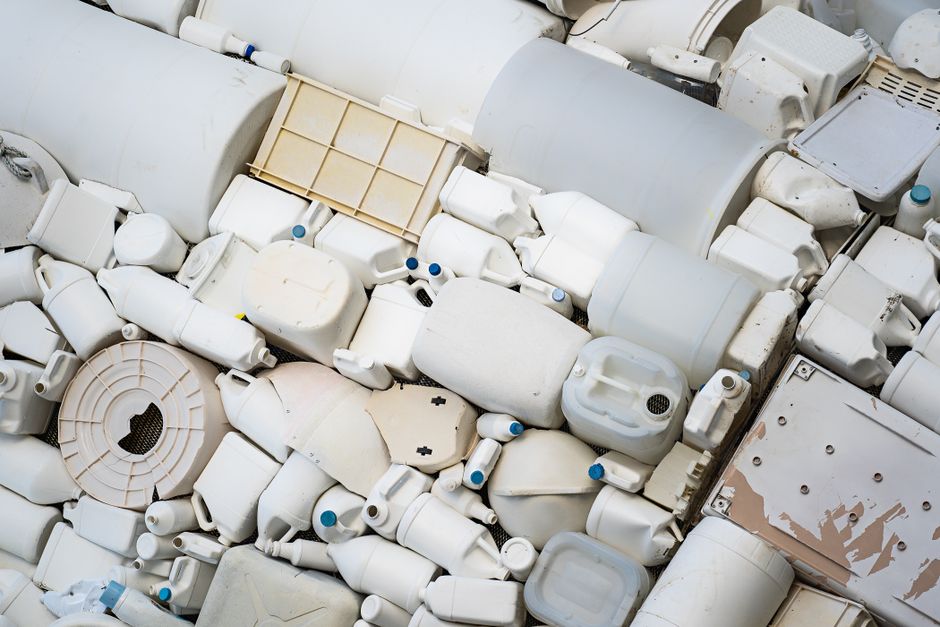
Table of Contents
- The Imperative for Sustainable Material Innovation
- Key Areas of Sustainable Material Innovation
- Case Studies: Pioneers in Sustainable Material Innovation
- Challenges and Barriers to Adoption
- The Future Landscape: Trends and Predictions
- Driving Sustainable Material Innovation Forward
The Imperative for Sustainable Material Innovation
The very fabric of our modern world is woven from materials. From the smartphones in our pockets to the skyscrapers that define our cityscapes, our consumption of resources is immense. However, the linear "take-make-dispose" model that has fueled industrial progress for centuries is no longer tenable. We are at a critical juncture, where the imperative for sustainable material innovation is not just an environmental concern, but a fundamental driver of future economic prosperity and societal well-being.
At its core, sustainable materials are those that are sourced, manufactured, used, and disposed of with minimal negative impact on the environment and human health. They are the building blocks of a truly Circular Economy Material Innovations: Future-Proofing Your Business, where resources are kept in use for as long as possible, extracting maximum value from them, and then recovering and regenerating products and materials at the end of their service life. This shift is not merely about replacing one material with another; it’s a holistic re-evaluation of our relationship with the material world, a core tenet of effective Sustainable Product Design Innovations.
The urgency for this transition is underscored by a confluence of severe environmental challenges. Climate change, driven by greenhouse gas emissions from resource extraction and manufacturing, demands urgent action. Resource depletion looms large as finite raw materials become scarcer and more expensive. And the pervasive issue of pollution, from plastic waste choking our oceans to toxic byproducts contaminating our soil and water, highlights the devastating consequences of unchecked material consumption. These aren’t abstract future threats; they are present-day realities demanding immediate and innovative solutions. For a deeper understanding of these global pressures, the United Nations Environment Programme (UNEP) provides extensive data and reports on environmental trends.
The benefits of adopting sustainable materials extend far beyond environmental stewardship. Economically, they offer significant advantages. Companies that pioneer in this space can achieve substantial cost savings through reduced waste, lower energy consumption, and the development of closed-loop systems. This translates into a powerful market advantage, as consumers increasingly demand products that align with their values. A growing body of research, including studies published by organizations like the Ellen MacArthur Foundation, demonstrates the significant market share and brand loyalty commanded by companies with strong sustainability credentials. Furthermore, fostering a culture of innovation around sustainable materials can lead to entirely new business models and revenue streams, embodying the spirit of What is Disruptive Innovation? Examples & Types.
Currently, our material consumption patterns are unsustainable. We extract, process, and discard at an alarming rate. For example, the global production of plastic has surged exponentially, with a significant portion ending up as waste, impacting ecosystems and human health. This linear model, often referred to as a "take-make-waste" system, is a prime example of where Understanding Disruptive vs. Sustaining Innovation is crucial. The continuous extraction of virgin resources not only depletes natural reserves but also contributes significantly to carbon emissions and environmental degradation. This is why the focus on Sustainable Materials Innovation is paramount to rethinking our industrial footprint and building a more resilient future.
Key Areas of Sustainable Material Innovation
The quest for a truly sustainable future hinges on our ability to reimagine the very building blocks of our products and infrastructure. Sustainable Materials Innovation is not merely an eco-conscious trend; it’s a fundamental driver of creativity and a cornerstone of Innovation Strategy: Your Blueprint for Sustainable Growth & Breakthroughs. Let’s explore the critical areas where material science is forging a greener path.
At the forefront are Bio-based and Biodegradable Materials. From the familiar realm of bioplastics derived from corn starch and sugarcane to the more avant-garde applications of mycelium (the root structure of mushrooms) for packaging and insulation, and algae-based materials for textiles and biofuels, we are witnessing nature’s ingenuity being harnessed. These materials offer a compelling alternative to petroleum-based products, significantly reducing our reliance on fossil fuels and mitigating long-term waste accumulation. This area is a prime example of how embracing Biomimicry for Sustainable Solutions: Nature’s Genius for Your Next Big Innovation can lead to groundbreaking innovations.
Equally vital are Recycled and Upcycled Materials. The concept of the Circular Economy Material Innovations: Future-Proofing Your Business is rapidly maturing. Advanced plastic recycling technologies are moving beyond simple downcycling to create high-value materials, while the art of upcycling industrial waste, such as construction debris or textile scraps, is transforming waste streams into valuable resources. This not only diverts material from landfills but also reduces the need for virgin resource extraction.
The integration of intelligence into materials is ushering in the era of Smart and Responsive Materials. Imagine self-healing coatings that mend minor cracks, extending product lifespans and reducing maintenance. Or materials embedded with sensors that meticulously track their lifecycle, providing invaluable data for logistics, repair, and end-of-life management. This level of embedded intelligence is crucial for effective Sustainable Product Design Innovations.
Renewable Energy-Integrated Materials are blurring the lines between a product’s function and its energy source. Solar-harvesting coatings on buildings and vehicles, or piezoelectric materials that generate electricity from mechanical stress (like foot traffic on pavements), are transforming passive structures into active energy generators. These advancements are critical for decarbonizing our energy landscape and are closely linked to innovations in Unlocking the Grid: Breakthrough Renewable Energy Storage Innovations.
The principle of designing for end-of-life is paramount in the development of Materials Designed for Disassembly and Reuse. This involves creating modular designs where components can be easily separated, facilitating repair, refurbishment, and ultimately, more efficient recycling. This approach is a fundamental tenet of Sustainable Product Design Innovation and a key enabler of the circular economy.
A burgeoning field is Carbon Capture and Utilization Materials. These innovative substances are designed to actively absorb or sequester carbon dioxide from the atmosphere, offering a dual benefit of mitigating climate change and potentially creating valuable carbon-based products. This is a direct application of Unlocking Innovation with First Principles to tackle a pressing global challenge.
Finally, Nanomaterials for Sustainability are opening up new frontiers. Their unique properties at the atomic and molecular scale enable breakthroughs in areas like advanced filtration for water purification, highly efficient energy storage solutions, and enhanced catalysts for cleaner industrial processes.
Case Study: Ecovative Design and Mycelium Packaging
Ecovative Design is a pioneer in leveraging mycelium to create sustainable packaging solutions. Instead of relying on petroleum-based foams like Styrofoam, they grow packaging materials using agricultural byproducts and mushroom roots. This process is low-energy, uses waste streams as feedstock, and results in fully compostable products. Their innovation demonstrates how nature-inspired materials can offer both environmental benefits and competitive performance, disrupting traditional packaging industries and showcasing a powerful example of What is Disruptive Innovation? Examples & Types. This kind of thinking is crucial for driving genuine Sustainable Materials Innovation.
These diverse areas of material innovation are not operating in isolation. They are interconnected, contributing to a broader shift towards a more resource-efficient and environmentally responsible economy. Embracing these advancements requires a strategic approach to innovation, a willingness to question existing paradigms, and a deep understanding of user needs and lifecycle impacts, as explored in resources like User Research for Innovation and User Journey Mapping for Innovation.
Case Studies: Pioneers in Sustainable Material Innovation
The race to create a more sustainable future is being fueled by groundbreaking innovations in materials science. Across diverse industries, pioneering companies are moving beyond incremental improvements and embracing truly novel approaches. This section dives into compelling case studies, showcasing how these organizations are translating visionary concepts into market-ready solutions, demonstrating both environmental stewardship and compelling economic benefits.
In the fashion industry, Bolt Threads stands out with its development of Mylo™, a leather alternative grown from mycelium (the root structure of mushrooms). This innovative material offers a biodegradable and renewable option, significantly reducing the environmental impact associated with traditional leather production, which is notorious for its water usage, land degradation, and chemical processing. Bolt Threads’ journey involved extensive research and development, forging partnerships with major fashion brands like Adidas and Stella McCartney to bring Mylo™-based products to consumers. The quantifiable impact includes a projected reduction in greenhouse gas emissions and water consumption compared to conventional leather, aligning perfectly with the principles of Circular Economy Material Innovations: Future-Proofing Your Business.
The construction sector is witnessing a revolution thanks to companies like ByFusion. They have developed a process to convert plastic waste into versatile building blocks called RePlast™. These blocks are produced using a low-energy, non-toxic method, effectively tackling plastic pollution while providing a durable and cost-effective construction material. ByFusion’s innovation addresses a critical need for sustainable alternatives to concrete and traditional lumber. Their success hinges on a robust Innovation Strategy: Your Blueprint for Sustainable Growth & Breakthroughs, which involves not only material science but also supply chain logistics for waste collection and a go-to-market strategy targeting diverse construction projects. You can learn more about similar advancements in Beyond Bricks: Green Building Material Innovations That Deliver.
For the packaging industry, Notpla is making waves with its seaweed-based, edible, and biodegradable packaging solutions. Their signature product, Ooho, is a liquid-filled membrane made from seaweed extract that can be consumed along with its contents, eliminating plastic waste entirely. This approach embodies the spirit of Biomimicry for Sustainable Solutions: Nature’s Genius for Your Next Big Innovation, drawing inspiration from natural forms and processes. Notpla’s journey from concept to widespread adoption, particularly in food service and event markets, showcases a clever application of Sustainable Product Design Innovations that directly addresses single-use plastic pollution. Their success offers a tangible model for how radical Sustainable Materials Innovation can disrupt established markets.
In the realm of electronics, Danimer Scientific is a key player, developing biodegradable and compostable polymers that can be used in a variety of applications, including electronic components. Their Nodax™ PHA (polyhydroxyalkanoate) biopolymers offer a sustainable alternative to petroleum-based plastics, breaking down naturally in various environments. The company’s focus on performance and scalability has been crucial in gaining traction with electronics manufacturers seeking to reduce their environmental footprint. This represents a significant step towards true Sustainable Product Design Innovation within a sector often criticized for its waste generation and use of non-renewable resources.
The automotive industry is also embracing new materials. Covestro, for instance, is developing advanced polymer solutions, including those derived from renewable resources and designed for improved recyclability. Their efforts focus on reducing the weight of vehicles (leading to better fuel efficiency or battery range) and incorporating materials that can be more easily reintegrated into the manufacturing loop at the end of a car’s life. This aligns with the broader push for Circular Economy Material Innovations: Future-Proofing Your Business and highlights the critical role of material science in achieving ambitious sustainability targets. The journey for these companies, from initial scientific discovery to widespread market adoption, often involves overcoming significant hurdles in scaling production, securing funding (sometimes through Venture Capital for Tech Innovation), and educating consumers and industry partners. Their successes, however, serve as powerful testaments to the potential of Sustainable Materials Innovation to drive both positive environmental change and significant economic opportunity.
Challenges and Barriers to Adoption
The journey from a nascent, eco-conscious material to a mainstream, adopted solution is fraught with significant hurdles. While the promise of Sustainable Materials Innovation is undeniable, several persistent challenges act as barriers to its widespread adoption.
One of the most significant obstacles is scalability and cost-competitiveness. Many novel sustainable materials, while groundbreaking in their performance or environmental footprint, are currently expensive to produce in large volumes. This often stems from specialized manufacturing processes, limited feedstock availability, or economies of scale that haven’t yet been realized. Until these materials can rival the price points of their established, often petroleum-based, counterparts, their adoption will remain niche, limited to premium products or applications where sustainability is the absolute primary driver. This is a classic case of Understanding Disruptive vs. Sustaining Innovation – for a material to be truly disruptive, it needs to become accessible to the masses.
Furthermore, the performance and durability requirements of traditional materials are deeply ingrained in industry standards and consumer expectations. For a new sustainable material to succeed, it must not only match but ideally exceed the performance characteristics that users have come to rely on. This includes factors like strength, longevity, resistance to wear and tear, and suitability for specific manufacturing processes. Pioneers in Sustainable Product Design Innovations often find themselves in a constant battle to prove their materials are robust enough for real-world applications, from construction to consumer electronics.
Regulatory hurdles and standardization issues also present a complex maze. New materials, especially those derived from novel biological sources or unconventional recycling streams, may lack established safety certifications, performance benchmarks, or industry-specific standards. Navigating these regulatory landscapes can be time-consuming and costly, requiring extensive testing and validation. This lack of clear pathways can stifle innovation and create uncertainty for manufacturers considering a switch. For instance, advances in Biomimicry for Sustainable Solutions: Nature’s Genius for Your Next Big Innovation may offer incredible material properties, but translating these into regulated products requires rigorous scientific and legal groundwork.
The nuanced challenge of consumer perception and acceptance cannot be underestimated. While there’s a growing awareness of sustainability, consumers are often driven by familiar aesthetics, textures, and brand promises. Introducing a material that looks, feels, or even performs differently requires significant effort in education and marketing. Without a clear understanding of the benefits or a perceived compromise in quality, consumers may default to what they know. This highlights the importance of effective storytelling and transparency in communicating the value proposition of sustainable alternatives, something that often requires sophisticated User Research for Innovation.
| Challenge Area | Implications for Adoption |
|---|---|
| Scalability & Cost | High initial production costs, limited availability, premium pricing |
| Performance & Durability | Need to match or exceed traditional material benchmarks, potential for perceived compromise |
| Regulatory & Standardization | Lack of established certifications, lengthy validation processes, market entry barriers |
| Consumer Perception | Resistance to unfamiliar textures/aesthetics, need for extensive education and marketing |
| Infrastructure | Absence of dedicated collection, processing, and recycling facilities |
| Supply Chain | Complex sourcing of raw materials, potential for disruption, need for new logistics |
The development of robust infrastructure for collection, processing, and recycling is paramount for creating truly circular material ecosystems. Without accessible and efficient systems for gathering end-of-life products, separating materials, and reintroducing them into the manufacturing cycle, the sustainability claims of new materials can be undermined. This requires significant investment and collaboration across industries, a fundamental aspect of Circular Economy Material Innovations: Future-Proofing Your Business. For example, breakthroughs in Green Building Material Innovations That Deliver are contingent on the ability to collect and reprocess construction waste effectively.
Finally, supply chain complexities and the sourcing of raw materials are often overlooked. Novel sustainable materials may rely on new or niche feedstocks, requiring the development of entirely new supply chains. This can involve everything from cultivating specific crops for bio-based materials to establishing reliable streams of recycled content. Ensuring the ethical and sustainable sourcing of these raw materials, while also building resilience against market fluctuations and geopolitical instability, is a significant undertaking. This complexity underscores the need for a comprehensive Innovation Strategy: Your Blueprint for Sustainable Growth & Breakthroughs that considers the entire lifecycle of a material.
The Future Landscape: Trends and Predictions
The realm of Sustainable Materials Innovation is not just evolving; it’s undergoing a radical transformation. We stand on the precipice of a new material age, driven by a confluence of scientific breakthroughs, digital acceleration, and a global imperative to operate more responsibly. Understanding these shifts is crucial for anyone involved in Innovation Strategy: Your Blueprint for Sustainable Growth & Breakthroughs.
Emerging research frontiers are pushing the boundaries of what we thought possible. We’re seeing a surge in the development of self-healing materials that can autonomously repair damage, significantly extending product lifespans. Graphene and other 2D materials are moving from laboratory curiosities to viable components in everything from electronics to advanced composites. Furthermore, significant advancements are being made in bio-inspired materials, drawing inspiration from nature’s elegant solutions through fields like Biomimicry for Sustainable Solutions: Nature’s Genius for Your Next Big Innovation. This quest for naturally efficient and resilient designs is fundamentally reshaping our approach to material science.
The role of Artificial Intelligence (AI) and digitalization in material discovery and design cannot be overstated. AI algorithms can sift through vast datasets of molecular structures and properties at speeds unimaginable for human researchers. This accelerates the identification of novel materials with specific desired characteristics, such as enhanced biodegradability, increased strength-to-weight ratios, or improved energy efficiency. Machine learning models can predict material performance under various conditions, drastically reducing the need for time-consuming and resource-intensive physical testing. This data-driven approach to design is a cornerstone of modern Sustainable Product Design Innovations, enabling rapid iteration and optimization.
Case Study: AI-Accelerated Biodegradable Plastic Development
Researchers at a leading university, leveraging AI and high-throughput screening, identified and synthesized a novel biodegradable polymer in under six months – a process that would typically take years. This new material exhibits comparable strength and flexibility to conventional plastics but decomposes in industrial composting facilities within weeks. The AI platform was crucial in predicting molecular interactions and degradation pathways, guiding experimental efforts towards the most promising candidates. This breakthrough showcases the power of AI in rapidly advancing **Circular Economy Material Innovations: Future-Proofing Your Business**.
Policy and investment trends are increasingly aligning to support this material revolution. Governments worldwide are enacting regulations that incentivize the use of sustainable materials and penalize the use of environmentally harmful ones. Venture capital funding, particularly Venture Capital for Tech Innovations and Venture Capital for Tech Innovation, is flowing into startups focused on green chemistry, advanced recycling, and novel bio-based materials. This financial backing is critical for scaling up promising research into commercial realities, supporting what could be considered What is Disruptive Innovation? Examples & Types in the materials sector.
Predictions for widespread adoption and market transformation suggest a significant shift away from linear "take-make-dispose" models towards circular systems. Expect to see a surge in materials designed for disassembly and remanufacturing, leading to a significant reduction in waste. The construction industry, for example, is ripe for change with innovations like Beyond Bricks: Green Building Material Innovations That Deliver. The energy sector will continue to demand breakthroughs in areas like Unlocking the Grid: Breakthrough Renewable Energy Storage Innovations. Companies that fail to integrate these sustainable material strategies into their Innovation Strategy: Your Blueprint for Sustainable Growth & Breakthroughs will risk falling behind.
The evolving role of designers, engineers, and consumers is fundamental to driving this change. Designers are increasingly empowered with digital tools for Wireframing for UI/UX Innovation and Visual Thinking for Innovation: See Your Ideas Come to Life, allowing them to visualize and prototype sustainable product concepts with novel materials. Engineers are tasked with not only creating materials with superior performance but also ensuring their ethical sourcing and end-of-life management. Consumers, armed with greater awareness and demand for eco-conscious products, are becoming powerful advocates for sustainable choices. This collective effort, fueled by a spirit of Understanding Open Innovation Ecosystems and a willingness to embrace The Psychology of Disruptive Innovation: Master Your Mindset for Breakthroughs, will ultimately shape the sustainable material landscape of tomorrow. The principles of Understanding Disruptive vs. Sustaining Innovation are clearly at play here, with the potential for a profound market upheaval.
Driving Sustainable Material Innovation Forward
The quest for a more sustainable future hinges significantly on our ability to innovate with materials. This isn’t just about finding greener alternatives; it’s about fundamentally rethinking how we design, produce, and consume. To accelerate this critical transition, a multi-pronged approach is essential, encompassing strategic collaborations, robust investment, and a deep engagement with all stakeholders. This journey is not merely incremental; it’s about fostering What is Disruptive Innovation? Examples & Types that reshape entire industries.
At the heart of this advancement lies fostering robust collaboration. Bridging the gap between academia, industry, and government is paramount. Universities bring fundamental research and groundbreaking discoveries, while industry provides the practical application and scalability needed to bring these innovations to market. Government, in turn, can create the regulatory frameworks and incentives that foster an environment conducive to this cross-pollination. Understanding Understanding Open Innovation Ecosystems is key to unlocking these synergistic relationships. This collaborative spirit is vital for advancing Sustainable Materials Innovation across diverse sectors, from advanced manufacturing to Beyond Bricks: Green Building Material Innovations That Deliver.
Crucially, sustained R&D investment and well-designed funding mechanisms are the lifeblood of material innovation. This includes everything from early-stage seed funding for promising research to venture capital for scaling promising startups. Organizations like the U.S. Department of Energy’s ARPA-E (Advanced Research Projects Agency-Energy) are excellent examples of how government funding can de-risk high-impact, early-stage technologies, paving the way for Venture Capital for Tech Innovations. Attracting this investment requires a clear vision and a compelling narrative about the long-term economic and environmental returns.
Educating and engaging stakeholders – from business leaders to the everyday consumer – is equally critical. Businesses need to understand the competitive advantages of adopting sustainable materials, not just for corporate social responsibility, but for long-term resilience and market differentiation. Consumers, armed with information, can drive demand for products made with these innovative materials, creating a virtuous cycle. This education extends to the very principles of how we conceptualize and create products, making Sustainable Product Design Innovations a fundamental consideration from inception.
To truly assess the impact and optimize the development of new materials, the development and widespread adoption of robust lifecycle assessment (LCA) methodologies are indispensable. LCAs provide a comprehensive framework for understanding the environmental footprint of a material from raw material extraction through its entire life cycle, including disposal or recycling. This data-driven approach allows for informed decision-making and helps avoid unintended consequences, ensuring that our innovations are genuinely beneficial. The principles of Circular Economy Material Innovations: Future-Proofing Your Business are intrinsically linked to rigorous LCA practices.
| Key Elements of Sustainable Material Innovation | Description |
|---|---|
| Collaboration | Fostering partnerships between academia, industry, and government for knowledge exchange and joint development. |
| R&D Investment | Securing consistent funding streams for research, development, and scaling of novel materials. |
| Stakeholder Engagement | Educating businesses and consumers about the benefits and adoption of sustainable materials. |
| Lifecycle Assessment | Developing and utilizing comprehensive methodologies to evaluate environmental impacts from cradle to grave. |
| Policy Advocacy | Championing supportive government policies and incentives that accelerate the adoption of sustainable materials. |
| Design Thinking | Integrating sustainability into the core of product development through innovative design processes. |
Furthermore, advocating for supportive policies and incentives is a non-negotiable aspect of driving this agenda forward. Governments can play a pivotal role through tax breaks for sustainable material adoption, grants for R&D, and procurement policies that prioritize eco-friendly products. These policy levers can help level the playing field and de-risk the adoption of novel, sustainable materials, making them more competitive against established, less sustainable alternatives. Initiatives that encourage Understanding Disruptive vs. Sustaining Innovation can also inform policy development.
Finally, the role of design thinking in creating inherently sustainable products cannot be overstated. By embedding sustainability principles into the design process from the outset, we can move beyond simply finding greener materials for existing product archetypes. This approach encourages exploring novel forms, functions, and end-of-life scenarios, leading to truly transformative Sustainable Product Design Innovation. It involves deeply understanding user needs and behaviors, as illuminated by techniques like User Research for Innovation and User Journey Mapping for Innovation, and translating those insights into solutions that are both desirable and environmentally responsible. Inspiration can even be drawn from the natural world, embracing principles of Biomimicry for Sustainable Solutions: Nature’s Genius for Your Next Big Innovation. Ultimately, a comprehensive Innovation Strategy: Your Blueprint for Sustainable Growth & Breakthroughs must weave together all these threads to truly drive sustainable material innovation forward.
Featured image by Markus Winkler on Pexels
Table of Contents
- Understanding AI-Powered Idea Generation
- How AI Generates Ideas
- Tools and Platforms for AI Idea Generation
- Applications of AI-Powered Idea Generation
- Benefits and Advantages
- Challenges and Limitations
- Best Practices for Maximizing AI Ideation
- The Future of AI in Creativity and Innovation
Understanding AI-Powered Idea Generation
In the relentless pursuit of innovation, the spark of a new idea can be elusive. For decades, we’ve relied on tried-and-true methods like brainstorming, sticky notes, and the occasional whiteboard epiphany. While these techniques have their merits, the landscape of idea generation is undergoing a seismic shift, powered by artificial intelligence. AI-powered idea generation isn’t just a buzzword; it’s a sophisticated methodology that leverages computational power to augment and accelerate the creative process. At its core, it involves using AI algorithms to analyze vast datasets, identify patterns, and generate novel concepts, often in ways that would be impossible or prohibitively time-consuming for humans alone.
This approach stands in stark contrast to traditional brainstorming. While human brainstorming thrives on free association, serendipity, and the dynamic interplay of personalities, AI-powered generation is often more structured and data-driven. Think of traditional methods as a free-flowing river, and AI as a meticulously engineered dam and canal system. The river can be beautiful and unpredictable, but the dam can direct its power precisely where it’s needed. For instance, techniques like TRIZ for Idea Generation offer structured problem-solving, but AI can take this further by rapidly iterating through potential solutions and variations based on complex system dynamics. Similarly, while SCAMPER for Idea Generation encourages adapting existing ideas, AI can generate entirely novel combinations and transformations based on its learned patterns. The principle here is not to replace human intuition but to provide it with an unprecedentedly rich and diverse set of raw material, helping us to Overcoming Confirmation Bias in Idea Generation by surfacing concepts we might otherwise overlook.
The engine behind AI-powered idea generation comprises several key technologies. Natural Language Processing (NLP) allows AI to understand and interpret human language, enabling it to process prompts, analyze existing literature, and even generate descriptive text for new concepts. Machine learning, particularly deep learning, is crucial for identifying complex relationships within data, learning from existing innovations, and predicting future trends. Generative AI, a subset of machine learning, is where the magic truly happens. Models like large language models (LLMs) and diffusion models can create entirely new content – text, images, code, and more – based on learned patterns. For example, AI can be trained on a corpus of scientific papers to propose novel research hypotheses or analyze market trends to suggest unmet consumer needs. This capability is akin to having an infinitely knowledgeable research assistant, capable of Knowledge Management: Fueling Innovation & Idea Generation at an exponential scale.
It is absolutely vital to underscore that AI is a partner, not a replacement, in the creative endeavor. The most potent breakthroughs emerge from the synergy between human insight and AI’s computational prowess. AI can generate a multitude of ideas, uncover unexpected connections, and even perform sophisticated analysis, as seen in areas like Six Sigma for Idea Generation, but it lacks the lived experience, emotional intelligence, and ethical judgment that humans bring to the table. Our role is to curate, refine, and imbue these AI-generated sparks with purpose and vision. Think of it as using advanced Mind Mapping for Idea Generation: Visualize Your Next Breakthrough tools – the map provides structure and pathways, but the explorer charting the course is still human. This collaborative approach fosters a Growth Mindset for Idea Generation, encouraging us to embrace new tools and possibilities rather than fearing them.
Here’s a simplified comparison of how AI-powered idea generation can differ from traditional methods:
| Aspect | Traditional Idea Generation | AI-Powered Idea Generation |
|---|---|---|
| Primary Driver | Human intuition, collaboration, serendipity | Data analysis, pattern recognition, algorithmic generation |
| Scale of Exploration | Limited by human cognitive capacity and time | Vast and rapid exploration of diverse possibilities |
| Novelty Origin | Often based on existing knowledge, analogies, and creative leaps | Can generate truly novel concepts by identifying non-obvious connections and extrapolations |
| Bias Mitigation | Prone to human biases like Anchoring Bias in Idea Generation and groupthink | Can help mitigate human biases, but AI models can also reflect biases present in their training data; requires careful oversight. Tools like Overcoming Confirmation Bias in Idea Generation are still essential. |
| Role of Human | Direct generator and evaluator of ideas | Curator, refiner, strategic director, and ethical arbiter |
Ultimately, AI-powered idea generation is an evolution, an amplification of our inherent creative capabilities. It’s about embracing Creative Idea Generation Techniques that are both human-centric and technologically advanced, leading to more robust, innovative, and impactful outcomes. It aligns with principles of Agile Idea Generation: Principles & Techniques, allowing for rapid iteration and adaptation in the face of evolving challenges. The goal is not to outsource creativity, but to empower it.
How AI Generates Ideas
The rise of Artificial Intelligence has ushered in a new era for ideation, moving beyond traditional brainstorming sessions and offering powerful new tools for innovation. At its core, AI-powered idea generation hinges on its remarkable ability to process and learn from vast datasets. Think of it as an infinitely curious apprentice that has read every book, article, and report imaginable. Through sophisticated data ingestion, these models identify intricate patterns, connections, and relationships that might elude even the most experienced human mind. This forms the bedrock upon which AI constructs novel concepts.
AI employs a variety of techniques to conjure up ideas. Concept blending allows it to merge disparate ideas to create something entirely new, much like how a chef might combine unexpected ingredients for a gourmet dish. Analogy generation is another powerful tool, enabling AI to draw parallels between seemingly unrelated domains, often revealing overlooked opportunities. For instance, applying principles from nature (biomimicry) to engineering challenges is a common human approach, but AI can scale this exponentially. Pattern recognition allows AI to spot trends and anomalies in data, flagging potential areas for innovation. Finally, semantic expansion helps AI to explore the nuances and related concepts surrounding a given topic, broadening the ideation landscape. These techniques are foundational to many creative idea generation techniques and can be seen as a digital extension of methods like TRIZ for Idea Generation or SCAMPER for Idea Generation, albeit at a vastly different scale and speed.
The art and science of prompt engineering are crucial here. Just as a sculptor needs a clear vision to chip away at marble, an AI needs well-crafted prompts to guide its generative processes. Effective prompts are specific, contextual, and often iterative. Instead of a vague request like "give me new product ideas," a more effective prompt might be: "Generate five innovative product concepts for sustainable urban transportation, targeting young professionals, incorporating AI-powered personalization and leveraging recent advancements in battery technology. Consider potential revenue streams beyond direct sales." This level of detail significantly enhances the relevance and novelty of the AI’s output.
To ensure that the ideas generated are not only novel but also practical, AI systems often incorporate algorithmic approaches to novelty and relevance scoring. These algorithms can analyze generated concepts against existing solutions, market trends, and user needs, assigning scores that help prioritize the most promising ideas. This can be particularly useful in structured idea generation efforts, where a systematic approach is paramount. Imagine an AI analyzing hundreds of potential solutions to a specific problem, then presenting the top ten that are both unique and address key business objectives. This process can also help Overcoming Confirmation Bias in Idea Generation, as the AI is less susceptible to pre-existing beliefs and more likely to explore unconventional paths.
Case Study: AI-Powered Market Gap Identification for Sustainable Packaging
A leading CPG company partnered with an AI ideation platform to identify unmet needs in the sustainable packaging market. By ingesting terabytes of consumer feedback, competitor analysis, and scientific research on material science and environmental impact, the AI identified a significant gap for biodegradable, yet durable, food packaging solutions that could withstand high-temperature cooking. The AI’s prompt was: “Identify critical unmet needs in the food packaging sector related to sustainability and functionality, focusing on materials that minimize environmental footprint without compromising product integrity or consumer convenience.” The system then generated several novel material combinations and design concepts, including a seaweed-derived biopolymer with a heat-resistant ceramic coating. This idea, initially outside the company’s R&D focus, went on to win industry awards and is currently in advanced prototyping, demonstrating AI’s power to uncover disruptive opportunities. This aligns with the principles of **Lean Six Sigma for Fostering New Ideas**, but with an accelerated discovery phase.
Furthermore, AI can augment human creativity by acting as a powerful co-pilot in the ideation process. It can help overcome creative blocks, provide alternative perspectives, and even generate the raw material for more elaborate concepts. While AI can generate compelling outputs, human intuition, strategic thinking, and domain expertise remain indispensable for refining, validating, and implementing these ideas. Integrating AI into existing frameworks like Mind Mapping for Idea Generation: Visualize Your Next Breakthrough or Agile Idea Generation: Principles & Techniques can create a synergistic approach, amplifying the effectiveness of both human and artificial intelligence. The goal isn’t to replace human creativity, but to augment it, leading to more robust and impactful innovations. For a deeper dive into systematic approaches, consider exploring Idea Generation Methods: From Spark to Scale – A Veteran’s Blueprint.
Tools and Platforms for AI Idea Generation
The landscape of idea generation has been irrevocably altered by the advent of Artificial Intelligence. Gone are the days when innovation was solely the domain of late-night epiphanies or arduous, unstructured brainstorming sessions. Today, a sophisticated suite of AI-powered tools acts as a potent catalyst, augmenting human creativity and streamlining the path from nascent concept to viable solution.
Categorizing the AI Ideation Arsenal
To effectively harness AI for idea generation, it’s crucial to understand the different categories of tools available. These can broadly be segmented into:
- Text-Based Generators: These are perhaps the most ubiquitous, leveraging Natural Language Processing (NLP) to generate text in various forms. They excel at drafting marketing copy, blog post outlines, product descriptions, and even creative writing prompts. Many of these tools function as advanced writing assistants, drawing upon vast datasets to produce coherent and often surprisingly original content.
- Visual Generators: These tools translate textual prompts into compelling imagery. They are invaluable for visualizing concepts, creating mood boards, generating unique illustrations for presentations, or even developing entirely new aesthetic styles. Their ability to rapidly produce visual representations can unlock new avenues of thinking and communication.
- Domain-Specific Tools: Beyond general-purpose generators, specialized AI tools are emerging for niche applications. These might include AI that suggests new drug compounds in pharmaceuticals, generates code snippets for software development, or even designs architectural blueprints. These tools are deeply embedded with knowledge specific to their respective fields.
Popular Tools and Their Unique Strengths
Several prominent AI tools have gained significant traction in the innovation space:
- Jasper: A powerful text-based AI assistant, Jasper is renowned for its ability to generate marketing copy, blog posts, and social media content. Its strength lies in its versatility and its ability to adapt to various brand voices and tones, making it ideal for marketing-driven ideation. Jasper can be a fantastic partner for exploring different angles of a campaign or for overcoming writer’s block in content creation, aligning with the principles of Creative Idea Generation Techniques.
- Copy.ai: Similar to Jasper, Copy.ai offers a robust suite of text generation capabilities. It’s particularly adept at generating product descriptions, email subject lines, and ad copy. Its user-friendly interface makes it accessible for individuals and teams looking to quickly generate a volume of marketing-related ideas.
- Midjourney: This is a leading AI image generator that excels at creating artistic and evocative visuals from textual prompts. Midjourney is known for its distinct aesthetic and its ability to interpret abstract concepts into stunning imagery. It’s a dream for designers, artists, and anyone looking to visually explore novel ideas. This aligns with the power of Visual Thinking for Innovation: See Your Ideas Come to Life.
- DALL-E (by OpenAI): Another powerhouse in image generation, DALL-E offers remarkable flexibility in creating a wide range of images, from photorealistic scenes to abstract art. Its ability to blend concepts and attributes makes it a potent tool for visualizing the unusual or unexpected, a key aspect of many Idea Generation Methods: From Spark to Scale – A Veteran’s Blueprint. DALL-E’s capabilities are a significant advancement in the realm of AI-assisted ideation, as detailed in discussions on AI-Powered Story Generation for Novelists.
Selecting the Right AI Tool for Your Needs
The "best" AI tool is subjective and depends entirely on your specific objectives. Consider these criteria when making your selection:
- Purpose: Are you generating marketing copy, visual concepts, code, or something else entirely? Match the tool’s core functionality to your primary need.
- Ease of Use: For quick ideation, a user-friendly interface is paramount. For more complex projects, you might opt for a tool with a steeper learning curve but greater control.
- Output Quality and Customization: Evaluate the quality of the generated output. Can you fine-tune parameters, specify styles, or guide the AI towards your desired outcome?
- Integration: How well does the tool integrate with your existing creative software and workflows? Seamless integration is key to maximizing efficiency.
- Cost: AI tools range from free tiers to expensive enterprise subscriptions. Determine your budget and the ROI you expect.
Integrating AI into Your Creative Workflow
The true power of AI in idea generation lies not in replacing human creativity, but in augmenting it. Think of these tools as collaborators or accelerators.
- Brainstorming Boost: Use text generators to rapidly produce a multitude of ideas, keywords, or concepts that you can then refine. This can act as a form of rapid Agile Idea Generation: Principles & Techniques.
- Visual Exploration: Employ visual generators to quickly sketch out concepts, create mood boards, or explore different visual styles for a project. This complements traditional methods like Mind Mapping for Idea Generation: Visualize Your Next Breakthrough.
- Content Generation Foundation: For content creators, AI can provide initial drafts or outlines, freeing up time for strategic thinking and creative refinement.
- Challenging Assumptions: AI can sometimes generate unexpected combinations or perspectives that can help you break free from cognitive biases like Confirmation Bias in Idea Generation or Anchoring Bias in Idea Generation. By presenting novel associations, AI can foster a Growth Mindset for Idea Generation.
FAQ: How can AI help overcome creative blocks?
AI tools can be incredibly effective at breaking through creative blocks by providing novel prompts, suggesting unexpected connections, or generating a volume of initial ideas that can spark further thought. For instance, a text generator might offer a dozen different angles for a marketing campaign, any one of which could serve as the catalyst for your next great idea. Similarly, visual generators can help you see concepts in new ways, which can be a powerful antidote to feeling stuck.
FAQ: Are AI-generated ideas truly original?
The concept of “originality” in AI-generated ideas is nuanced. These models learn from vast datasets of existing human-created content. Therefore, their outputs are often sophisticated remixes and recombinations of that data. While they may not produce ideas that are entirely unprecedented in the history of human thought, they can certainly generate novel combinations and perspectives that a human might not have readily conceived. The key is to use AI as a springboard for your own unique insights and refinements, rather than a definitive endpoint. This process is akin to how structured methodologies like SCAMPER for Idea Generation encourage looking at existing concepts from new angles.
Applications of AI-Powered Idea Generation
AI-powered idea generation isn’t some distant sci-fi concept; it’s a powerful toolkit available today, revolutionizing how we conceive and develop new concepts across numerous domains. Let’s explore some of its most impactful applications:
Content Creation: Amplifying Your Voice and Reach
In the realm of content, AI excels at generating a wide array of written materials. From crafting compelling blog posts and persuasive marketing copy to churning out engaging social media updates, AI assistants can significantly boost content output and explore diverse angles. They can help overcome writer’s block and ensure a consistent brand voice, freeing up human creators to focus on strategy and refinement. This is akin to how SCAMPER for Idea Generation helps explore different facets of an existing concept; AI can adapt existing content styles or generate entirely new ones based on prompts.
Product Development: Unearthing Untapped Potential
When it comes to bringing new products or services to life, AI can be an invaluable brainstorming partner. It can sift through vast datasets of user feedback, market trends, and competitor offerings to identify unmet needs and propose innovative features. This process can accelerate the identification of market gaps, leading to products that truly resonate with consumers. Techniques like Observing for New Ideas are enhanced as AI can analyze observational data at scale, revealing patterns invisible to the human eye. Furthermore, AI can be instrumental in exploring variations and improvements, echoing the systematic approach of methods like TRIZ for Idea Generation.
Problem-Solving: Navigating Complexity with Clarity
Complex challenges often require multifaceted solutions. AI can process intricate problems, dissecting them into smaller components and generating a multitude of potential solutions that might not be immediately obvious. By analyzing vast amounts of information and identifying novel connections, AI can offer fresh perspectives, pushing the boundaries of conventional thinking. This aligns with the spirit of Lateral Thinking Techniques: Unlock Breakthrough Ideas & Solve Problems Differently, enabling us to approach issues from unconventional angles.
Art and Design: Catalyzing Visual Innovation
The creative arts are also benefiting immensely. AI can act as a muse, generating conceptual art, providing visual inspiration, and even drafting initial sketches or mood boards. For designers and artists, this means an accelerated ideation phase, allowing them to explore a wider visual landscape more rapidly. Think of it as a digital sketchbook on steroids, capable of producing endless variations based on stylistic inputs. This can be particularly useful in the early stages of concept art development, as seen with AI-Powered Story Generation for Novelists, where narrative elements are rapidly conceived. The visual output can also be supported by Visual Thinking for Innovation: See Your Ideas Come to Life.
Entrepreneurship: Forging New Business Horizons
For aspiring and established entrepreneurs, AI offers a powerful engine for business model innovation and startup idea generation. It can analyze market viability, identify emerging trends, and even suggest disruptive business models by identifying unique value propositions. This can lead to the conception of entirely new ventures or the transformation of existing ones. The process can be a fantastic starting point for applying principles of Lean Startup for Disruptive Ideas by quickly generating and testing hypotheses.
Here’s a glimpse at how these applications stack up:
| Application Area | AI’s Role | Example Scenarios |
|---|---|---|
| Content Creation | Generating text, suggesting topics, optimizing for tone. | Drafting social media posts for a new product launch, writing website copy for a service. |
| Product Development | Identifying market needs, proposing features, analyzing user data. | Brainstorming new functionalities for a mobile app, suggesting improvements for an existing gadget. |
| Problem-Solving | Analyzing complex data, proposing novel solutions, identifying root causes. | Finding alternative energy solutions for a city, devising strategies to reduce supply chain inefficiencies. |
| Art and Design | Generating visual concepts, providing inspiration, creating initial drafts. | Developing character designs for a video game, creating mood boards for a marketing campaign. |
| Entrepreneurship | Identifying market opportunities, developing business models, predicting trends. | Conceiving a unique subscription box service, outlining a new SaaS platform. |
It’s crucial to remember that AI is a tool, not a replacement for human creativity. The best outcomes arise when AI is integrated into existing Structured Idea Generation: Boost Your Business frameworks, acting as a catalyst and augmenting human ingenuity. By understanding its capabilities and limitations, we can harness AI to unlock unprecedented levels of innovation and creativity. Remember to also be mindful of potential pitfalls like Confirmation Bias in Idea Generation and actively work towards Overcoming Confirmation Bias in Idea Generation.
Benefits and Advantages
AI-powered idea generation is rapidly evolving from a novelty to a fundamental tool for innovation. Its benefits are multifaceted, offering a powerful antidote to the common pitfalls of the creative process.
One of the most significant advantages is its ability to overcome creative blocks and foster novel perspectives. When faced with a blank page or a stagnant project, AI can act as an inexhaustible brainstorming partner, presenting ideas and connections that might not readily occur to human minds. This is especially valuable when trying to break free from established thought patterns, much like the structured approach of TRIZ for Idea Generation aims to do by identifying inventive principles. AI can help circumvent Anchoring Bias in Idea Generation, pushing beyond the first few ideas that come to mind and preventing us from getting stuck on initial assumptions. Furthermore, by providing a constant stream of varied suggestions, it can encourage a Growth Mindset for Idea Generation, making individuals more receptive to new possibilities.
Beyond breaking down mental barriers, AI dramatically accelerates the ideation process and increases output. What might take a team days of dedicated brainstorming can often be achieved by an AI in minutes, providing a rich pool of starting points. This speed and volume are crucial in today’s fast-paced innovation landscape, where agility is paramount. Methods like Agile Idea Generation: Principles & Techniques emphasize rapid iteration, and AI fits perfectly into this paradigm by enabling a higher velocity of idea generation.
The true power of AI in this domain lies in its capacity to explore a wider range of possibilities and make unconventional connections. AI algorithms can process vast datasets, identifying patterns and relationships that are invisible to humans. This allows for the exploration of niche markets, obscure technologies, or unexpected cross-industry applications. Imagine combining insights from unrelated fields to create something entirely new – AI excels at this kind of serendipitous discovery. This goes beyond simple association and can uncover the kind of transformative insights that fuel disruptive innovation, much like how understanding Knowledge Management: Fueling Innovation & Idea Generation is critical.
This leads directly to the enhancement of efficiency and the reduction of resource costs in ideation phases. Instead of dedicating extensive human hours to initial idea generation, teams can leverage AI as a first-pass filter and idea multiplier. This frees up valuable human capital to focus on refining, evaluating, and developing the most promising concepts. Traditional methods, while valuable, can be time-consuming. AI-driven ideation offers a more streamlined approach, complementing techniques like Structured Idea Generation: Boost Your Business by providing a richer input of raw material. This increased efficiency can also mean fewer resources spent on exploring dead-end ideas, as AI can help surface more viable options earlier in the process.
Finally, AI is actively democratizing creativity by making advanced ideation accessible. Previously, sophisticated idea generation often relied on specialized training, expensive workshops, or access to seasoned facilitators. Now, powerful AI tools are becoming widely available, allowing individuals and small teams with limited resources to tap into advanced creative methodologies. This empowers a broader spectrum of people to participate in the innovation process, fostering a more inclusive and diverse creative ecosystem. It’s akin to how advanced visualization tools have made Visual Thinking for Innovation: See Your Ideas Come to Life more attainable, or how SCAMPER for Idea Generation can be integrated into AI workflows to explore diverse idea transformations.
FAQ: How does AI help overcome creative blocks?
AI acts as a tireless ideation partner, generating a constant stream of diverse prompts, associations, and novel perspectives. By presenting unexpected combinations of concepts or exploring fringe ideas, AI can break through mental inertia and spark new lines of thinking that individuals might not have considered on their own. This is particularly useful when facing a lack of inspiration or when grappling with a complex problem that seems to have no obvious solutions. It can also help in Overcoming Confirmation Bias in Idea Generation by offering ideas that challenge existing beliefs or assumptions.
FAQ: Can AI generate truly original ideas?
AI generates ideas by learning from vast amounts of existing data. While it can combine information in novel ways and identify patterns humans might miss, the concept of “originality” is complex. AI excels at generating *novel* ideas – combinations and permutations that haven’t been seen before – and facilitating *human* originality by providing a richer foundation for creative thought. For instance, AI can be used as a powerful tool to complement established techniques like Creative Idea Generation Techniques or Lateral Thinking Techniques: Unlock Breakthrough Ideas & Solve Problems Differently, helping to explore a wider array of potential outcomes. While the spark of true, groundbreaking originality often still requires human intuition and experience, AI significantly amplifies our ability to explore the landscape of possibilities. As an analogy, think of how AI is being used for AI-Powered Story Generation for Novelists – it can provide plot points and character ideas, but the overarching narrative and emotional depth typically come from the human author.
The ability of AI to process and synthesize information at scale is transforming how we approach innovation. By augmenting human creativity, AI-powered tools offer a pathway to more efficient, diverse, and impactful idea generation. This shift allows us to move beyond traditional brainstorming and embrace more dynamic, data-informed approaches, ultimately leading to a more robust pipeline of groundbreaking ideas. It’s a powerful testament to the evolution of Idea Generation Methods: From Spark to Scale – A Veteran’s Blueprint.
Challenges and Limitations
While the allure of AI-powered idea generation is undeniable, as seasoned innovators, we must approach this frontier with a critical eye, recognizing its inherent challenges and limitations. The promise of an endless stream of novel concepts can quickly evaporate if we don’t grapple with these complexities head-on.
One of the most immediate concerns is ensuring originality and avoiding plagiarism. AI models are trained on vast datasets of existing human-created content. This means there’s a very real risk that generated ideas might inadvertently mimic, or even directly copy, existing works. Without robust plagiarism detection tools and careful human vetting, we could find ourselves inadvertently infringing on intellectual property, a significant legal and ethical minefield. This echoes the need for thorough research and verification we’d apply to any idea, whether AI-assisted or not.
Furthermore, the specter of bias in AI-generated ideas looms large. These models learn from the data they are fed, and if that data reflects societal biases (conscious or unconscious), the AI will perpetuate and potentially amplify them. This can lead to ideas that are exclusionary, uncreative, or even harmful, undermining the very spirit of innovation. Addressing this requires diverse training data and ongoing algorithmic scrutiny, a task far more complex than simply running a prompt. It highlights the importance of human judgment to identify and mitigate these biases, a principle also crucial when Overcoming Confirmation Bias in Idea Generation.
The ‘black box’ problem is another significant hurdle. Many advanced AI models operate in ways that are not easily interpretable. We might receive a brilliant idea, but understanding why the AI generated it, what specific connections it made, or what underlying assumptions it operated on can be opaque. This lack of transparency makes it difficult to refine the process, learn from the AI’s "thought" patterns, or even trust the generated output implicitly. For truly breakthrough innovation, understanding the "how" and "why" is often as critical as the idea itself. This contrasts with established methods like TRIZ for Idea Generation or SCAMPER for Idea Generation, where the underlying principles are transparent and can be actively manipulated.
A more insidious challenge is the potential for over-reliance on AI and its impact on human critical thinking. If we delegate the generation of ideas entirely to machines, our own creative muscles may atrophy. The process of brainstorming, sketching, and wrestling with concepts—even those that don’t immediately pan out—builds our capacity for original thought and problem-solving. Lateral Thinking Techniques: Unlock Breakthrough Ideas & Solve Problems Differently and even simple Mind Mapping for Idea Generation: Visualize Your Next Breakthrough require active human engagement and cognitive effort. Becoming overly dependent on AI could lead to a generation of thinkers who are less adept at independent ideation and critical evaluation, a dangerous proposition for the future of innovation.
Finally, and perhaps most importantly, are the overarching ethical considerations and responsible AI usage. Who owns the AI-generated ideas? How do we ensure fair attribution? What are the societal implications of AI generating creative content at scale? These questions require careful deliberation and the establishment of clear ethical guidelines. As we explore Idea Generation Methods: From Spark to Scale – A Veteran’s Blueprint, we must integrate ethical frameworks from the outset, ensuring that AI serves as a tool to augment human creativity, not replace it, and that its deployment fosters a more inclusive and innovative future.
Case Study: The Unintended Echo Chamber
A mid-sized tech firm, eager to accelerate its product development cycle, integrated an AI idea generation tool. Initially, the results were impressive, with the AI churning out a rapid fire of novel features and marketing slogans. However, after several months, the product team noticed a disturbing trend: the ideas, while seemingly fresh, all shared a remarkably similar underlying logic and often echoed themes prevalent in the firm’s existing product portfolio and industry trends that the AI had been heavily trained on. The AI, essentially, had created an ‘echo chamber’ of ideas, reinforcing existing paradigms rather than breaking them. This led to a series of incremental innovations rather than disruptive leaps. The team realized that without explicit prompts to explore radical departures or counter-intuitive concepts, the AI was naturally drawn to the most probable, and therefore least original, connections within its training data, highlighting the critical need for human guidance to steer AI away from predictable paths and towards true novelty, a principle akin to embracing Embracing Calculated Risks in Idea Generation.
Best Practices for Maximizing AI Ideation
The allure of AI-powered idea generation is its sheer speed and the breadth of possibilities it can unearth. However, as a seasoned innovator, I can attest that true breakthroughs rarely emerge from a single, unrefined AI output. Maximizing AI ideation is an art form, demanding a blend of technological prowess and keen human insight.
Combining AI Outputs with Human Judgment and Refinement
Think of AI as your hyper-enthusiastic junior associate. It can churn out mountains of raw material, but it lacks the nuanced understanding, strategic context, and critical thinking that only a human can provide. The most effective approach is to treat AI-generated ideas as starting points. Your role then becomes one of curation, synthesis, and refinement. This is where traditional Idea Generation Methods: From Spark to Scale – A Veteran’s Blueprint still hold immense value. AI can suggest countless variations, but it’s your experience that will discern which are truly viable and align with your business objectives.
Iterative Prompting and Feedback Loops with AI
Don’t settle for the first batch of ideas an AI provides. Engaging in an iterative dialogue with the AI is crucial. Refine your prompts based on the initial outputs. If the AI is generating ideas that are too generic, ask it to be more specific, to focus on a particular user segment, or to explore an unmet need. This continuous feedback loop, akin to how one might refine a concept through Agile Idea Generation: Principles & Techniques, allows you to steer the AI towards more targeted and innovative outcomes. Think of it as a continuous refinement process, similar to how one might employ the SCAMPER for Idea Generation framework, where each step builds upon the last.
Defining Clear Objectives and Constraints for AI Generation
To get the most out of AI, you must be crystal clear about what you’re asking for. Vague prompts lead to vague results. Define your objectives, target audience, desired outcomes, and any non-negotiable constraints. Are you looking for disruptive product ideas, incremental service improvements, or novel marketing campaign concepts? The more precise your brief, the more relevant and actionable the AI’s suggestions will be. This upfront clarity prevents wasted cycles and ensures the AI is working within the parameters of your strategic goals, much like using a structured approach such as Structured Idea Generation: Boost Your Business.
Using AI as a Spark, Not the Final Solution
The danger of over-reliance on AI is the temptation to accept its outputs at face value, leading to a potential pitfall of Confirmation Bias in Idea Generation. AI should be a catalyst, a spark to ignite your own creative thinking. It can present novel connections and possibilities that you might not have considered. However, the depth of understanding, the ethical considerations, and the sheer human intuition required to transform a raw idea into a successful innovation remain firmly in the human domain. Embracing Embracing Calculated Risks in Idea Generation means using AI to explore those risks, but ultimately making the judgment calls yourself.
Developing a Critical Evaluation Framework for AI-Generated Ideas
Just as you would rigorously assess ideas generated through traditional methods, a robust evaluation framework is essential for AI-generated concepts. Consider the following aspects:
| Evaluation Criteria | Description |
|---|---|
| Novelty & Originality | Does the idea offer a fresh perspective or a truly new solution? |
| Feasibility & Viability | Can this idea be practically implemented given current resources and technological capabilities? |
| Market Potential & Impact | Does the idea address a real need or create new value for a target audience? |
| Alignment with Strategic Goals | Does the idea support the overall mission and objectives of the organization? |
| Ethical Considerations | Are there any potential negative societal or ethical implications? |
By employing a structured evaluation process, you can move beyond the initial excitement of AI generation and systematically identify the most promising concepts. This methodical approach helps guard against Anchoring Bias in Idea Generation and ensures that you are not simply accepting the first or most appealing idea presented. Remember, the goal is not just to generate ideas, but to generate great ideas that can be brought to fruition. Applying principles similar to those in Six Sigma for Idea Generation can help bring rigor to this evaluation phase, ensuring quality and impact.
The Future of AI in Creativity and Innovation
The horizon of creativity is expanding, and at its forefront is the burgeoning integration of Artificial Intelligence. We’re not just talking about chatbots spitting out generic suggestions anymore. The emerging trends in AI-powered ideation point towards sophisticated tools that can analyze vast datasets, identify patterns invisible to the human eye, and even generate novel concepts that push the boundaries of our current understanding. Think of AI as an accelerant, not a replacement, for human ingenuity. AI is increasingly capable of understanding nuanced prompts, suggesting unexpected connections, and offering diverse perspectives, which can be instrumental in Creative Idea Generation Techniques.
The potential for more sophisticated and collaborative AI creative partners is immense. Imagine an AI that doesn’t just present ideas but actively engages in a dialogue, learning from your feedback and refining its suggestions in real-time. This could manifest as an AI co-pilot that assists in brainstorming, akin to how Mind Mapping for Idea Generation: Visualize Your Next Breakthrough can help visualize complex thoughts, but with the added power of computational analysis. We’re moving towards AI as a true creative partner, capable of enriching the ideation process with diverse viewpoints and factual grounding, much like a well-curated Knowledge Management: Fueling Innovation & Idea Generation system. This collaborative synergy can help overcome cognitive biases like Anchoring Bias in Idea Generation by introducing fresh, data-driven alternatives.
The impact on industries and the future of work in creative fields will be transformative. While some fear job displacement, the more likely scenario is a profound shift in how creative professionals operate. AI will likely automate repetitive tasks, freeing up human creatives to focus on higher-level strategic thinking, concept refinement, and emotional resonance. Industries from marketing and design to software development and scientific research will see their innovation cycles dramatically shortened. For example, AI’s ability to rapidly iterate on designs or test complex hypotheses could revolutionize fields like product development, echoing the principles of Lean Startup for Disruptive Ideas but at an unprecedented speed. This also means a greater emphasis on fostering a Growth Mindset for Idea Generation, as individuals and teams will need to adapt to these new AI-augmented workflows.
Predictions for how AI will continue to shape innovation are exciting and far-reaching. We’ll likely see AI move beyond simply generating ideas to actively predicting their success and potential pitfalls. AI could become an invaluable tool for pre-testing concepts, identifying potential market reception, and even suggesting avenues for Embracing Calculated Risks in Idea Generation. Furthermore, AI’s ability to process and synthesize information from disparate sources can empower methodologies like TRIZ for Idea Generation and Six Sigma for Idea Generation by identifying contradictions or inefficiencies that humans might miss. The ultimate goal is a more efficient, effective, and ultimately, more creative ecosystem where human intuition and AI’s analytical prowess work in concert.
FAQ: How can AI help overcome common idea generation challenges?
AI can be a powerful ally against common ideation pitfalls. For instance, AI can analyze your existing idea pool and suggest connections or expansions that you might have overlooked, thereby helping to avoid Confirmation Bias in Idea Generation. By presenting a wide array of potential directions based on extensive data analysis, AI can challenge pre-conceived notions and encourage a broader exploration of possibilities, a core tenet of effective Structured Idea Generation: Boost Your Business. Tools powered by AI can also assist in overcoming Anchoring Bias in Idea Generation by introducing novel concepts that are not tied to initial, potentially limiting, thoughts. Ultimately, AI can augment human creativity by providing more diverse inputs and facilitating a more objective evaluation process, complementing techniques like SCAMPER for Idea Generation.
FAQ: Will AI replace human creatives in the ideation process?
The prevailing sentiment among industry leaders is that AI will not replace human creatives but rather augment their capabilities. Think of AI as a sophisticated tool, akin to how Visual Thinking for Innovation: See Your Ideas Come to Life enhances human perception. AI excels at data processing, pattern recognition, and generating vast numbers of permutations, which can significantly accelerate the initial stages of ideation and uncover unexpected avenues. However, human creativity, with its capacity for emotional intelligence, nuanced interpretation, subjective judgment, and ethical considerations, remains indispensable. The future likely involves a symbiotic relationship where AI handles the heavy lifting of data analysis and initial concept generation, while humans provide the strategic direction, critical evaluation, and the crucial spark of original thought. This partnership can lead to more robust and well-rounded innovations, as detailed in many Idea Generation Methods: From Spark to Scale – A Veteran’s Blueprint.
Featured image by Google DeepMind on Pexels
Table of Contents
- Defining Sustainable Materials Innovation
- Categories of Sustainable Materials
- Key Innovation Drivers and Technologies
- Industry Applications and Case Studies
- Challenges and Opportunities in Sustainable Materials
- The Future Outlook for Sustainable Materials
Defining Sustainable Materials Innovation
The conversation around materials has undergone a seismic shift. Gone are the days when raw material availability and cost were the sole arbiters of design and production. Today, ‘sustainable material’ is a nuanced term, encompassing a spectrum of qualities that prioritize the health of our planet and its inhabitants. In its current context, a sustainable material is one that minimizes negative environmental and social impacts throughout its entire lifecycle, from extraction and manufacturing to use, reuse, and end-of-life. This means considering factors like resource depletion, energy consumption, greenhouse gas emissions, water usage, waste generation, and toxicity. It’s about moving beyond a linear "take-make-dispose" model towards a more responsible and regenerative approach.
The impetus for this evolution is multifaceted and urgent. Environmentally, the undeniable realities of climate change, resource scarcity, and pollution are forcing industries to re-evaluate their material footprints. Economically, the long-term costs associated with unsustainable practices – from waste management to regulatory penalties and reputational damage – are becoming increasingly prohibitive. Forward-thinking businesses recognize that embracing sustainable materials can be a powerful driver of Innovation Strategy: Your Blueprint for Sustainable Growth & Breakthroughs, leading to cost savings, new market opportunities, and enhanced brand loyalty. Socially, consumers are demanding more ethical and environmentally conscious products, putting pressure on brands to align their material choices with these values. This societal awakening is fundamentally reshaping consumer expectations and driving demand for more responsible offerings, a phenomenon echoed in discussions around Sustainable Product Design Innovation.
At the heart of sustainable materials innovation lie several core principles. Circularity is paramount, advocating for materials that can be endlessly recycled, reused, or composted, effectively closing the loop in material flows. This contrasts sharply with the linear model and is a key tenet explored in understanding The Ultimate Guide to the Innovation Process: From Idea to Impact. Biodegradability and compostability are also crucial, ensuring that materials can safely return to the natural environment at the end of their useful life. Furthermore, minimizing embodied energy – the total energy required to produce a material, including extraction, manufacturing, and transportation – is a critical objective. Innovation in this space often draws inspiration from nature itself, as seen in the principles of Biomimicry for Sustainable Solutions: Nature’s Genius for Your Next Big Innovation.
| Key Principles of Sustainable Materials Innovation | Description |
|---|---|
| Circularity | Designing for reuse, repair, remanufacturing, and recycling to minimize waste and resource depletion. |
| Biodegradability/Compostability | Materials that can decompose naturally without leaving harmful residues. |
| Low Embodied Energy | Minimizing the total energy consumed throughout a material’s lifecycle. |
| Renewable Sourcing | Utilizing resources that can be replenished at a rate equal to or faster than they are consumed. |
| Non-toxicity | Ensuring materials are safe for human health and ecosystems. |
| Resource Efficiency | Optimizing the use of raw materials and reducing waste during production. |
The role of innovation in overcoming traditional material limitations is profound. For decades, we’ve been constrained by the properties and availability of conventional materials like plastics, metals, and concrete. Sustainable materials innovation liberates us from these constraints by exploring novel compositions, processing techniques, and manufacturing methods. This can lead to materials with entirely new functionalities, enhanced performance characteristics, and significantly reduced environmental impact. For instance, the development of advanced bioplastics offers a biodegradable alternative to petroleum-based plastics, while innovative composite materials can reduce weight in transportation, leading to fuel efficiency. This push for novel solutions is a form of What is Disruptive Innovation? Examples & Types, fundamentally altering existing markets and creating new paradigms. The pursuit of these breakthroughs often involves deep dives into fundamental science, as championed by Unlocking Innovation with First Principles.
Categories of Sustainable Materials
The landscape of materials science is undergoing a radical transformation, driven by the urgent need for sustainability and the relentless pursuit of innovation. This isn’t just about replacing old materials with new ones; it’s a fundamental rethinking of how we source, process, and utilize resources to minimize our environmental footprint while maximizing creative potential. Understanding the diverse categories of sustainable materials is the first step for any organization looking to embrace this paradigm shift and embed it within their Innovation Strategy: Your Blueprint for Sustainable Growth & Breakthroughs.
Bio-based and Renewable Materials
At the forefront of this revolution are bio-based and renewable materials, harnessing the power of nature’s cycles. Think of bamboo, a rapidly growing grass that requires minimal water and no pesticides, offering exceptional strength and versatility. Cork, harvested from the bark of cork oak trees without harming the tree itself, provides excellent insulation and a unique aesthetic. Then there’s the burgeoning field of mycelium (the root structure of mushrooms), which can be grown into robust, biodegradable materials for packaging, insulation, and even furniture. Similarly, algae are emerging as a powerful source for biofuels, bioplastics, and even textiles, requiring little land and often thriving in wastewater. These materials often draw inspiration from nature’s own design principles, a concept explored further in Biomimicry for Sustainable Solutions: Nature’s Genius for Your Next Big Innovation.
Recycled and Upcycled Materials
Giving existing materials a second life is another cornerstone of sustainable innovation. Recycled plastics, diverted from landfills and oceans, are being transformed into everything from clothing and building materials to sophisticated components for electronics. Reclaimed wood, salvaged from old buildings and structures, offers a rich history and character that new timber cannot replicate, reducing deforestation. Textile waste, a significant environmental challenge, is also being reimagined, with innovative processes turning discarded fabrics into new yarns, insulation, and even composite materials. This circular economy approach is crucial for The Ultimate Guide to the Innovation Process: From Idea to Impact.
Biodegradable and Compostable Materials
For applications where material end-of-life is a critical concern, biodegradable and compostable materials offer compelling solutions. PLA (Polylactic Acid), derived from renewable resources like corn starch or sugarcane, is a popular choice for packaging and single-use items, breaking down under specific industrial composting conditions. PHA (Polyhydroxyalkanoates) are a class of naturally occurring biopolyesters produced by microorganisms, offering a wider range of properties and often biodegrading in more diverse environments, including marine settings. Natural fibers like hemp, flax, and cotton, when sourced responsibly, also contribute to this category, offering inherent biodegradability.
FAQ: What’s the difference between biodegradable and compostable?
While often used interchangeably, there’s a key distinction. Biodegradable materials break down into natural elements (water, CO2, biomass) over time, but the timeline and environmental conditions required can vary significantly. Compostable materials are a subset of biodegradable materials that break down into nutrient-rich compost within a specified timeframe and under specific composting conditions (usually industrial composting facilities), without leaving harmful residues. It’s crucial to understand the labeling and disposal requirements for each to ensure proper end-of-life management.
Low-Impact Manufacturing Materials
Beyond the material itself, the manufacturing process plays a vital role in sustainability. This category encompasses materials produced using significantly less water and energy, or those that result in reduced greenhouse gas emissions. Innovations here can involve refining existing processes to be more efficient or developing entirely new production methods. For instance, advancements in cement production are focusing on reducing its carbon footprint, and new methods for dyeing textiles are emerging that use far less water. This focus on process efficiency is a key driver of Understanding Disruptive vs. Sustaining Innovation.
Advanced Sustainable Materials
Looking further into the future, a new wave of advanced sustainable materials is on the horizon, pushing the boundaries of what’s possible. Self-healing materials, inspired by biological systems, can repair damage autonomously, extending product lifespans and reducing waste. Carbon-capture materials actively absorb CO2 from the atmosphere, offering a dual benefit of creating useful materials while mitigating climate change. These are areas where significant R&D, often supported by Venture Capital for Tech Innovations and Venture Capital for Tech Innovation, is unlocking truly revolutionary possibilities.
FAQ: How do carbon-capture materials work?
Carbon-capture materials typically employ chemical or physical processes to selectively bind with carbon dioxide molecules from the air or industrial emissions. These CO2 molecules are then either stored permanently (sequestration) or utilized to create new products, such as building materials, plastics, or even fuels. This area is highly active, with ongoing research into materials like metal-organic frameworks (MOFs) and advanced sorbents. It represents a powerful example of applying scientific principles to address environmental challenges, akin to the ingenuity seen in Unlocking Innovation with First Principles.
The exploration and adoption of these diverse material categories are not merely trends; they represent a fundamental shift in how we approach product development and manufacturing. Embracing these innovations is essential for businesses aiming for long-term resilience and to lead in the next era of Sustainable Product Design Innovation.
Key Innovation Drivers and Technologies
The quest for truly sustainable materials is no longer a niche endeavor but a core driver of innovation across industries. This pursuit is fueling a renaissance in material science, pushing the boundaries of what’s possible and redefining product lifecycles. At the heart of this transformation are several interconnected innovation drivers and groundbreaking technologies.
Biotechnology and genetic engineering are emerging as powerful tools for material development. By understanding and manipulating biological processes, we can engineer materials with inherent sustainability. Think of self-healing concretes inspired by Biomimicry for Sustainable Solutions: Nature’s Genius for Your Next Big Innovation, or bio-based plastics derived from algae or fungi that are fully compostable. This approach allows for the creation of materials that are not only renewable but also biodegradable, closing the loop on the product lifecycle in a way previously unimaginable.
Complementing biological approaches are advanced recycling technologies. While traditional mechanical recycling has its limits, chemical recycling offers a pathway to break down plastics into their molecular building blocks, allowing them to be reconstituted into virgin-quality materials. Enzymatic degradation is another promising frontier, employing biological catalysts to efficiently break down complex polymers. These methods are crucial for tackling the plastic waste crisis and are vital components of a robust Innovation Strategy: Your Blueprint for Sustainable Growth & Breakthroughs.
The digital revolution is also profoundly impacting material innovation. 3D printing, or additive manufacturing, when paired with sustainable feedstocks, is transforming how we design and produce goods. This allows for on-demand manufacturing, reduced material waste through precise deposition, and the creation of complex geometries that can optimize material usage. Imagine printing furniture from recycled wood fibers or creating intricate medical implants from biodegradable polymers. This level of customization and efficiency aligns perfectly with the principles of Sustainable Product Design Innovation.
Nanotechnology offers another dimension of enhancement, enabling the development of materials with superior properties while often reducing the overall amount of material required. Nanocoatings can make surfaces more durable and water-repellent, reducing the need for frequent replacement or harsh cleaning agents. Furthermore, nanomaterials can be engineered to facilitate more efficient energy storage, contributing to advancements in areas like Unlocking the Grid: Breakthrough Renewable Energy Storage Innovations.
Case Study: Mycelium Composites for Sustainable Packaging
Companies like Ecovative Design are pioneering the use of mycelium, the root structure of mushrooms, as a sustainable alternative to petroleum-based packaging foams like Styrofoam. By growing mycelium on agricultural waste (such as hemp hurd or corn stalks) in custom molds, complex shapes can be formed. The resulting material is lightweight, naturally flame-resistant, biodegradable, and even compostable. This approach not only diverts waste from landfills but also eliminates the need for toxic chemicals and energy-intensive manufacturing processes associated with traditional foam production. The scalability of this bio-fabrication method represents a significant step towards circular economy principles and is a prime example of disruptive innovation in the materials sector. For further insights into this field, exploring the latest advancements in bio-fabrication at publications like Nature Biotechnology is highly recommended.
At the forefront of discovery and optimization are artificial intelligence (AI) and machine learning (ML). These powerful computational tools can sift through vast datasets of material properties, predict the performance of novel composites, and accelerate the discovery of new sustainable materials at an unprecedented rate. This enables researchers and developers to unlock innovation by digging deeper than ever before and to move beyond trial-and-error to a more predictive and efficient process.
Finally, Life Cycle Assessment (LCA) is not just a reporting tool but a critical enabler of innovation. By rigorously evaluating the environmental impact of a material from raw material extraction to end-of-life disposal, LCA provides invaluable insights that guide design decisions and validate sustainability claims. It helps identify hotspots for improvement, ensuring that innovations truly contribute to a more sustainable future, rather than merely shifting environmental burdens. Incorporating LCA early in the The Ultimate Guide to the Innovation Process: From Idea to Impact is paramount for achieving genuine breakthroughs.
Industry Applications and Case Studies
The surge in sustainable materials innovation is no longer confined to academic labs; it’s actively reshaping entire industries. From the foundations of our cities to the clothes on our backs, creative breakthroughs are offering viable, planet-friendly alternatives. This isn’t just about being green; it’s about smart design, enhanced performance, and often, a more profound understanding of Biomimicry for Sustainable Solutions: Nature’s Genius for Your Next Big Innovation.
Construction and Architecture: Building a Greener Future
The construction sector, a notorious emitter of greenhouse gases, is a prime area for sustainable materials. Traditional concrete, for instance, has a significant carbon footprint. Innovations include geopolymer concrete, which uses industrial byproducts like fly ash and slag, drastically reducing embodied carbon. For insulation, mycelium-based materials (grown from fungi) offer excellent thermal and acoustic properties, while also being biodegradable. Facade technologies are also evolving, with self-healing bio-concretes and facades incorporating algae for energy generation demonstrating the cutting edge. This drive reflects a broader commitment to Universal Design: The Unseen Innovation Spark in Architecture, ensuring new structures are not only sustainable but also adaptable and inclusive.
Packaging: Rethinking Our Wrappers
The problem of single-use packaging is a global challenge, and innovation is providing elegant solutions. Biodegradable films derived from sources like corn starch, seaweed, and even milk proteins are emerging as viable alternatives to petroleum-based plastics. Molded pulp, often made from recycled paper or agricultural waste, is gaining traction for its versatility in creating protective and aesthetically pleasing packaging. Furthermore, a renewed focus on robust, reusable packaging systems, often enabled by smart tracking technologies, represents a significant shift in Sustainable Product Design Innovation. Companies are increasingly adopting a The SCAMPER Method: A Revolutionary Framework for Innovation and Problem-Solving approach to reimagine packaging lifecycle.
Fashion and Textiles: Threads of Change
The fashion industry, known for its fast-paced trends and environmental impact, is undergoing a significant transformation. Recycled fibers, spun from post-consumer waste like plastic bottles and old garments, are becoming mainstream. Innovations in bio-leathers, created from pineapple leaves (Piñatex), mushroom roots (Mylo), or even fruit waste, offer luxurious alternatives to animal hides. The development of eco-friendly dyes, utilizing natural pigments or microbial processes, further reduces the chemical burden of textile production. This shift aligns with a growing consumer demand for transparency and ethical sourcing, pushing brands to adopt a more holistic Innovation Strategy: Your Blueprint for Sustainable Growth & Breakthroughs.
Automotive and Transportation: Driving Towards Sustainability
In automotive and transportation, the quest for lighter, more durable, and recyclable components is paramount for fuel efficiency and reduced end-of-life impact. Bio-composites derived from natural fibers like hemp and flax are being used for interior panels and structural elements. Recycled aluminum and advanced plastics are also playing crucial roles in reducing vehicle weight. The development of materials that can be easily disassembled and recycled at the end of a vehicle’s life is a key focus, reflecting a commitment to circular economy principles. This aligns with the broader pursuit of What is Disruptive Innovation? Examples & Types in the mobility sector.
Electronics: Minimizing the Digital Footprint
The growing problem of e-waste necessitates a fundamental rethinking of electronics design. Modular design, where components can be easily repaired or upgraded, is a key strategy. Beyond design, material innovation is focusing on the use of recycled metals and plastics, as well as the development of biodegradable electronic components where feasible. Companies are exploring novel ways to recover valuable rare earth elements from discarded devices, turning waste into a resource. This push is intrinsically linked to Understanding Open Innovation Ecosystems as companies collaborate to find systemic solutions.
Consumer Goods: Everyday Innovations
Across a vast array of consumer goods, from kitchenware to toys, eco-friendly replacements for traditional plastics are rapidly appearing. Bamboo, a rapidly renewable resource, is being used for everything from toothbrushes to cutting boards. Bioplastics derived from corn starch, sugarcane, or algae are finding applications in food containers and single-use items. Even everyday cleaning products are seeing innovation in biodegradable packaging and plant-based formulations. These innovations are a testament to Unlocking Innovation with First Principles by breaking down complex problems into their fundamental components and finding elegant, sustainable solutions.
Here’s a look at some key sustainable materials and their applications:
| Industry | Sustainable Material Innovation | Example Application | Environmental Benefit |
|---|---|---|---|
| Construction | Geopolymer Concrete | Foundations, structural elements | Reduced CO2 emissions compared to Portland cement |
| Packaging | Mycelium Composites | Protective inserts, packaging for electronics | Biodegradable, compostable, uses agricultural waste |
| Fashion | Recycled PET Fibers | Apparel, outdoor gear | Diverts plastic waste from landfills and oceans |
| Automotive | Hemp Fiber Composites | Interior panels, dashboards | Lighter weight, renewable resource, reduced reliance on petroleum-based plastics |
| Electronics | Recycled Rare Earth Elements | Magnets in motors, components | Reduces need for new mining, minimizes hazardous waste |
| Consumer Goods | PLA (Polylactic Acid) Bioplastics | Disposable cutlery, food packaging | Derived from renewable resources, can be industrially compostable |
The relentless pursuit of these material innovations is not just about compliance; it’s about unlocking new performance characteristics, creating novel aesthetics, and ultimately, building a more resilient and sustainable future. It underscores the importance of a strong Innovation Strategy: Your Blueprint for Sustainable Growth & Breakthroughs that embraces environmental responsibility as a core driver of creativity and progress.
Challenges and Opportunities in Sustainable Materials
The journey from a novel sustainable material concept to widespread adoption is paved with significant hurdles, but also brimming with immense opportunities. At the forefront of these challenges lies the scalability and cost-effectiveness of new materials. Developing a groundbreaking bio-plastic in a lab is one thing; producing it at a scale that can compete with petroleum-based incumbents, while remaining economically viable for manufacturers and consumers, is a vastly different proposition. This often requires substantial Venture Capital for Tech Innovations to bridge the gap between R&D and mass production.
Furthermore, the performance and durability of sustainable materials compared to traditional ones is a critical consideration. Consumers and industries alike demand materials that can withstand rigorous use, maintain their integrity over time, and meet or exceed existing performance benchmarks. Without this parity, adoption will remain niche. This ties directly into consumer acceptance and market demand. While awareness of sustainability is growing, price sensitivity and perceived performance limitations can still deter widespread adoption. Educating consumers and demonstrating clear benefits – beyond just environmental impact – is key to fostering demand. A strong understanding of Sustainable Product Design Innovation is crucial here, ensuring that the material’s benefits are clearly communicated through the product itself.
The regulatory landscape and standardization also present a complex maze. Emerging materials often lack established testing protocols, certifications, and clear guidelines, creating uncertainty for both producers and users. Harmonizing these standards globally is essential for facilitating trade and building trust. Beyond regulations, supply chain complexities and infrastructure needs are formidable. Establishing robust supply chains for novel, often bio-based or recycled, feedstocks requires new logistical networks, processing facilities, and partnerships. This demands a comprehensive Innovation Strategy: Your Blueprint for Sustainable Growth & Breakthroughs that accounts for these intricate dependencies.
Case Study: Mycelium Composites for Packaging
Companies like Ecovative Design have demonstrated the potential of mycelium (the root structure of fungi) to create biodegradable packaging materials. By growing mycelium on agricultural waste, they bypass traditional manufacturing energy inputs and petrochemical reliance. However, scaling this production to meet global demand for diverse packaging needs, ensuring consistent material properties, and educating logistics partners on handling a ‘living’ material are ongoing challenges. Despite these, their success highlights the potential for nature-inspired solutions, echoing principles found in Biomimicry for Sustainable Solutions: Nature’s Genius for Your Next Big Innovation.
Perhaps the most transformative opportunity lies in embracing the circular economy model: bridging the gap from linear to circular. For too long, our material flows have been linear – take, make, dispose. Sustainable materials innovation is intrinsically linked to designing for disassembly, repair, and remanufacturing, aiming for closed-loop systems where waste is minimized and resources are continually cycled. This requires a fundamental shift in thinking, moving beyond incremental improvements to truly What is Disruptive Innovation? Examples & Types, where new business models and material lifecycles are conceived from the outset. For instance, advancements in areas like Unlocking the Grid: Breakthrough Renewable Energy Storage Innovations are not just about energy, but also about the materials used in batteries and their end-of-life management, a perfect example of circular thinking. Ultimately, successful sustainable materials innovation will require a holistic approach, integrating technological advancement with strategic foresight and a commitment to a regenerative future.
The Future Outlook for Sustainable Materials
The future outlook for sustainable materials is not just bright; it’s transformative. We stand on the precipice of a new material age, one driven by necessity and amplified by ingenuity. Emerging trends and breakthroughs are rapidly moving from research labs to the market, promising a fundamental shift in how we create and consume. Think bio-integrated materials that self-heal, advanced composites derived from agricultural waste, and novel energy storage solutions that go beyond current limitations, mirroring advancements in Unlocking the Grid: Breakthrough Renewable Energy Storage Innovations. The principles of Biomimicry for Sustainable Solutions: Nature’s Genius for Your Next Big Innovation are increasingly informing material science, leading to designs that are inherently efficient and less resource-intensive.
The acceleration of this adoption hinges significantly on the role of policy and investment. Governments worldwide are recognizing the strategic imperative of a circular economy, with policies that incentivize sustainable material use and penalize waste. Simultaneously, a surge in Venture Capital for Tech Innovations is fueling startups and scaling innovative companies at an unprecedented pace. This influx of capital, coupled with a robust Innovation Strategy: Your Blueprint for Sustainable Growth & Breakthroughs, allows for the necessary research, development, and market penetration.
Crucially, this revolution thrives on collaboration. The traditional silos between research institutions, industry giants, and government agencies are dissolving, giving rise to dynamic Understanding Open Innovation Ecosystems. This cross-pollination of ideas and resources is essential for tackling complex global challenges. For instance, the development of truly biodegradable plastics requires a coordinated effort involving chemical engineers, polymer scientists, product designers, and waste management experts.
The potential for radical material transformation is immense, offering solutions to some of our most pressing global challenges. Imagine buildings constructed from materials that sequester carbon, or textiles that can be fully composted at the end of their life, contributing to soil health. This isn’t mere speculation; it’s the direction driven by a deep understanding of Unlocking Innovation with First Principles. These innovations are not just incremental improvements; they represent a fundamental re-imagining of material lifecycles, pushing the boundaries of what’s possible and challenging conventional wisdom.
A critical, yet often overlooked, aspect of this future is designing for disassembly and end-of-life management. The most innovative materials will be those that can be easily separated, reused, or safely returned to the biosphere. This requires a proactive approach, embedding principles of modularity and recyclability into the very fabric of product design. As we move towards a circular economy, the ability to deconstruct and repurpose materials will be as important as their initial performance characteristics. This shift aligns with the core tenets of What is Disruptive Innovation? Examples & Types, as it fundamentally alters established industry norms around material usage and waste. For a deeper dive into how these principles can be applied to specific design challenges, exploring resources on The Ultimate Guide to the Innovation Process: From Idea to Impact can provide valuable frameworks.
Featured image by Mike van Schoonderwalt on Pexels
Table of Contents
- Understanding AI-Powered Story Generation
- The AI Toolkit for Novelists
- Leveraging AI for the Novel Writing Process
- Best Practices and Advanced Techniques
- Case Studies and Examples
Understanding AI-Powered Story Generation
AI-powered story generation represents a fascinating intersection of technology and narrative art. At its core, it leverages sophisticated Natural Language Processing (NLP) and machine learning algorithms to understand, generate, and manipulate text in ways that mimic human creative writing. These technologies enable AI systems to learn patterns from vast datasets of existing literature, identifying stylistic nuances, plot structures, character archetypes, and even emotional arcs. Think of it as a highly advanced autocomplete, capable of not just predicting the next word, but the next sentence, paragraph, or even an entire chapter, based on learned narrative principles.
It’s crucial to distinguish between AI as a tool and AI as an author. Currently, AI excels as a powerful co-pilot for novelists. It can assist with brainstorming, drafting, overcoming writer’s block, and exploring narrative possibilities. This aligns with the broader trend of AI-powered creative tools for future work, augmenting human capabilities rather than replacing them entirely. The AI doesn’t feel or experience the story in the way a human author does; instead, it processes and generates based on statistical probabilities and learned relationships within language. The human author remains the architect, guiding the AI, making creative decisions, and imbuing the work with genuine emotion and unique perspective. The AI is a sophisticated instrument, akin to a composer using a synthesizer with an expansive sound library, rather than the composer themselves.
The journey of AI in creative writing is a relatively recent, yet rapidly evolving one. While early attempts at algorithmic poetry and prose were rudimentary, limited by computational power and understanding of linguistic complexity, today’s generative AI models, particularly large language models (LLMs), have achieved remarkable fluency and coherence. This evolution mirrors the progress seen in other AI applications, such as Generative AI for Text Generation: The Future of Content Creation is Here. We’ve moved from simple pattern matching to systems that can generate novel content that is often indistinguishable from human-written text in initial drafts. This progress is reminiscent of other groundbreaking innovations, like The Amazing Story of Radio’s Invention: Sparks, Waves, and Global Voices, where a new technology fundamentally altered how we communicate and create. The potential for AI in this space continues to expand, promising new avenues for AI-powered storytelling techniques and novel ways to explore narrative.
The AI Toolkit for Novelists
The advent of AI has unlocked a fascinating new frontier for creative writers, offering a suite of tools that can augment, inspire, and even co-create. Far from being a monolithic entity, the AI toolkit for novelists is a diverse landscape, catering to various stages of the writing process. We can broadly categorize these tools into three primary types: text completion, plot generation, and character development.
Text completion tools, often powered by sophisticated language models like those behind Generative AI for Text Generation: The Future of Content Creation is Here, excel at expanding on existing prose. Feed them a sentence or paragraph, and they can suggest continuations, brainstorm dialogue, or even flesh out descriptions. This is akin to having an exceptionally well-read and quick-thinking brainstorming partner, capable of weaving words in myriad styles.
Plot generation tools take this a step further, assisting with the structural backbone of a narrative. These can range from suggesting inciting incidents and plot twists to outlining entire story arcs. Think of them as digital narrative architects, capable of sketching out possibilities that might otherwise elude us. This aligns with established AI-powered storytelling techniques that are rapidly evolving. For novelists seeking to inject novel ideas, exploring frameworks like TRIZ for Idea Generation or SCAMPER for Idea Generation can be amplified by AI’s ability to process vast amounts of information and identify patterns.
Character development AI assists in breathing life into your fictional inhabitants. These tools can help generate backstories, suggest personality traits, craft motivations, and even explore potential character arcs. They can be invaluable for ensuring your characters feel nuanced and believable, moving beyond simple archetypes. This is particularly useful when overcoming common pitfalls like Anchoring Bias in Idea Generation, where initial assumptions about a character can limit their potential.
When evaluating AI writing assistants, several key features and functionalities are paramount for novelists. Customization is crucial; you want a tool that can adapt to your unique voice and genre. Style control allows you to guide the AI’s output to match your desired tone, be it lyrical prose, sharp dialogue, or gripping suspense. Perhaps most importantly, coherence is non-negotiable. The AI’s suggestions must seamlessly integrate with your existing narrative, maintaining logical flow and emotional resonance. Tools that offer granular control over output length and complexity, similar to how one might refine a business process using AI-Powered Process Optimization, will yield better results.
Several prominent AI writing tools are making waves in the literary world. Sudowrite is a popular choice, offering features like "Describe" for vivid imagery, "Rewrite" for stylistic variations, and "Brainstorm" for plot and character ideas. Jasper, while often associated with marketing copy, also boasts strong creative writing capabilities, with templates and modes designed for storytelling. NovelAI is another contender, known for its extensive customization options and focus on generating long-form content, including full novels. These platforms are rapidly advancing, mirroring the broader progress in Generative AI for Storytelling.
FAQ: How do AI story generators handle originality and copyright?
This is a critical and evolving area. Currently, the output of AI generators is a complex legal and ethical landscape. While the AI itself is trained on vast datasets of existing text, the unique combination and arrangement of words it produces can be considered novel. However, copyright laws are still catching up. Many platforms allow users to claim copyright over the *output* they generate, but it’s essential to understand the terms of service. Think of it like using a synthesizer for music – the instrument creates the sound, but the musician’s arrangement and composition are what is copyrighted. For absolute clarity, it is advisable to consult with legal counsel specializing in intellectual property. Furthermore, transparency with your readers about the use of AI tools is becoming increasingly important for maintaining trust.
FAQ: Can AI truly replicate human creativity and emotion?
Currently, AI excels at pattern recognition, language processing, and generating text based on its training data. It can mimic emotional expression and narrative structures that resonate with human readers, but it doesn’t *feel* emotion or possess consciousness in the human sense. The most effective use of AI in novel writing is as a collaborator, an enhancer of human creativity. It can provide sparks of inspiration, overcome writer’s block, and suggest avenues you might not have considered. The ultimate emotional depth, thematic resonance, and unique perspective will still come from the human author. This is similar to how early innovations in communication, like The Amazing Story of Radio’s Invention: Sparks, Waves, and Global Voices, revolutionized how stories were shared, but the stories themselves remained human creations.
The integration of AI into the novelist’s workflow is not about replacing the author, but about augmenting their capabilities. By understanding the different tools available, their strengths, and their limitations, writers can leverage AI to enhance their creativity, streamline their process, and ultimately tell more compelling stories. This mirrors the broader trend of embracing AI-Powered Creative Tools for Future Work across various industries. As with any powerful tool, responsible and informed use is key to unlocking its full potential. Remember that while AI can offer numerous ideas, it’s crucial to refine them through your own unique lens, perhaps utilizing techniques from resources on Structured Idea Generation: Boost Your Business or exploring Mind Mapping for Idea Generation: Visualize Your Next Breakthrough to ensure your creative vision remains paramount.
Leveraging AI for the Novel Writing Process
The blank page can be a novelist’s greatest adversary. For centuries, the creative spark was assumed to be a purely human, often elusive, phenomenon. But with the advent of sophisticated AI, this paradigm is shifting. Far from replacing the author, AI is emerging as a powerful co-creator, augmenting every stage of the novel writing process. This isn’t about handing over the reins; it’s about leveraging cutting-edge tools to amplify your imagination and streamline your workflow.
The initial hurdle for many writers is simply brainstorming and idea generation. AI excels here, acting as an inexhaustible wellspring of concepts. By feeding AI prompts with themes, genres, or even just a few keywords, you can unlock a cascade of potential story seeds. Imagine asking for "a dystopian future where memories are a currency" or "a magical realism tale set in a forgotten lighthouse." The AI can then flesh out these nascent ideas, suggesting plot points, character archetypes, or unique twists. This process aligns with established creative methodologies like those explored in Beyond Brainstorming: Master Idea Generation Techniques for Explosive Creativity, but with the added advantage of computational speed and breadth. Tools inspired by systematic approaches such as TRIZ for Idea Generation and SCAMPER for Idea Generation can also be mimicked and enhanced by AI, offering novel ways to combine and transform existing concepts. This iterative exploration is a core aspect of AI-powered storytelling techniques.
Once a core idea takes root, developing compelling characters and backstories becomes paramount. AI can help you delve deeper into your protagonists and antagonists, proposing nuanced motivations, hidden vulnerabilities, and surprising connections. You can ask the AI to generate character profiles based on specific traits, or even explore potential character arcs that create compelling internal and external conflicts. This goes beyond simple data recall; AI can synthesize information about human psychology and narrative tropes to suggest backstories that feel organic and impactful.
Perhaps the most significant challenge for novelists is crafting intricate plotlines and overcoming writer’s block. AI can be an invaluable ally in this arena. It can help map out potential plot twists, identify narrative dead ends, and suggest ways to escalate tension. If you’re stuck on how a particular event should unfold, or how to introduce a new conflict, AI can offer multiple scenarios, providing a wealth of options to reignite your creative flow. This collaborative approach to problem-solving is a hallmark of AI-powered workflow automation. Think of it like a digital muse, constantly offering new threads to weave into your narrative tapestry.
The vividness of your fictional worlds hinges on effective world-building and setting descriptions. AI can assist in painting these pictures with a rich palette of details. From suggesting unique geographical features and cultural nuances to describing the sensory experience of a particular environment, AI can help you create immersive and believable settings. It can even help you explore historical parallels or scientific concepts that might inform your world, much like the fascinating journey detailed in The Amazing Story of Radio’s Invention: Sparks, Waves, and Global Voices, demonstrating how innovation builds upon existing knowledge.
Even the seemingly mundane task of assisting with dialogue generation and refinement can be elevated by AI. While AI-generated dialogue might initially lack the authentic voice of a specific character, it can serve as an excellent starting point. You can prompt the AI to create dialogue based on character personalities, emotional states, or plot requirements. The true power lies in using this as raw material, then iterating and injecting your own unique voice and nuances to make it sing. This is a prime example of Generative AI for Text Generation: The Future of Content Creation is Here.
Finally, AI’s capabilities extend to the crucial stages of revising, editing, and polishing manuscripts. Beyond basic grammar and spell-checking, AI tools can now offer stylistic suggestions, identify repetitive phrasing, and even analyze the pacing of your narrative. They can flag inconsistencies in character voice or plot development, acting as a tireless, objective editor. This aspect ties directly into AI-Powered Process Optimization, making the final stages of creation more efficient and effective.
FAQ: How does AI avoid creating generic or uninspired prose?
The key lies in the prompts and the iterative process. By providing specific details about your characters, plot, and desired tone, you guide the AI towards originality. Furthermore, AI is a tool for *assistance*, not replacement. The novelist’s critical judgment and artistic vision are essential for selecting, refining, and integrating AI-generated content. It’s about using AI to spark novel ideas and explore possibilities that might otherwise remain undiscovered, much like how Structured Idea Generation: Boost Your Business provides a framework for innovation.
FAQ: Can AI truly understand the emotional depth required for compelling fiction?
Current AI excels at pattern recognition and synthesizing vast amounts of text data, including literature that explores human emotions. While it doesn’t “feel” in the human sense, it can learn to mimic and generate text that evokes specific emotional responses in readers. The novelist’s role is to imbue that generated text with genuine human experience and nuance, ensuring the emotional resonance is authentic. Think of it as using AI to understand the structure and language of emotion in storytelling, a concept explored within Generative AI for Storytelling.
Ultimately, the integration of AI into the novel writing process is about embracing innovation. It’s about recognizing that creative endeavors can be amplified by intelligent tools, allowing novelists to push their boundaries, overcome obstacles, and ultimately, tell more compelling stories. This collaborative future is one where human creativity and artificial intelligence work in tandem, leading to a new era of literary possibility. This mirrors the broad impact of AI-Powered Creative Tools for Future Work.
Best Practices and Advanced Techniques
The integration of AI into the novel-writing process is not about replacing the author, but about augmenting their capabilities. To truly harness its power, a strategic and nuanced approach is essential. Think of AI as your most dedicated, if sometimes overly enthusiastic, co-writer.
Prompt Engineering for Effective AI Output
The bedrock of successful AI-assisted writing lies in prompt engineering. This isn’t just about asking questions; it’s about crafting precise instructions that guide the AI towards your desired outcome. Just as a sculptor needs to communicate their vision to a stone, you must communicate your narrative intent to the AI. When constructing prompts, consider:
- Specificity: Instead of "write a scene," try "Write a tense scene where protagonist Anya confronts the informant in a dimly lit, abandoned warehouse. Focus on Anya’s internal monologue of doubt and the informant’s evasive body language."
- Context: Provide background information. If the AI is generating dialogue, remind it of character personalities, their current emotional states, and the immediate preceding events.
- Constraints: Define what you don’t want. "Avoid clichés about betrayal" or "The resolution should not involve a deus ex machina."
- Style Guidance: Explicitly state the desired tone and style. "Write in the voice of a cynical noir detective," or "Emulate the lyrical prose of Gabriel García Márquez."
Mastering prompt engineering can feel like learning a new language, but the rewards are immense, leading to more relevant and useful AI-generated content. This ties into broader concepts of structured idea generation, where clearly defined parameters lead to more predictable and effective outcomes.
Iterative Writing: Combining Human Creativity with AI Suggestions
The most potent application of AI in novel writing is through an iterative writing process. Rarely will the first AI output be perfect. Instead, view it as a starting point, a scaffold upon which to build.
- Generate a draft section: Use AI to generate character descriptions, plot outlines, dialogue snippets, or even full scenes.
- Critically review and edit: This is where your human creativity shines. Identify what works, what doesn’t, and what can be improved.
- Refine prompts and regenerate: Based on your edits, adjust your prompts to guide the AI towards better results in the next iteration. For example, if the AI generated a character with too little internal conflict, refine your prompt to emphasize their struggles.
- Integrate and rewrite: Weave the AI-generated elements seamlessly into your own prose, rewriting and reshaping them to fit your vision.
This cyclical approach allows you to leverage AI’s speed and breadth of ideas while maintaining ultimate creative control. It’s a dynamic partnership, akin to how early innovators in fields like radio built upon existing knowledge and iteratively refined their designs. This continuous feedback loop is a core principle in AI-powered workflow automation.
Maintaining Authorial Voice and Style
One of the primary concerns for novelists is preserving their unique voice and style when using AI. The key is to treat AI output as raw material, not finished product.
- Edit with your voice in mind: As you incorporate AI suggestions, constantly ask yourself: "Does this sound like me?" Rephrase sentences, adjust vocabulary, and inject your characteristic rhythm and tone.
- Focus on AI for structure and ideas: Let AI help with plot mechanics, world-building details, or generating multiple plot points. Then, use your unique voice to flesh out the emotional core and descriptive language.
- Use AI to explore variations: If you’re struggling with a particular sentence or paragraph, ask the AI to generate several alternative versions. You might not use any of them verbatim, but they can spark ideas for your own phrasing.
Think of AI as a sophisticated thesaurus and brainstorming partner that can also draft scenes. Your authorial voice is the indelible ink that brings your story to life. Techniques like Mind Mapping for Idea Generation can also help you organize your thoughts and ensure thematic consistency, which is crucial for maintaining voice.
Using AI for Genre-Specific Writing Challenges
Different genres present unique challenges, and AI can be a valuable tool in tackling them.
- Sci-Fi & Fantasy: AI can assist in generating intricate magic systems, alien physiologies, or complex technological concepts. Prompt it with scientific principles or fantastical elements and see what it creates. This aligns with how generative AI for text generation can be tailored to specific domains.
- Mystery & Thriller: AI can help brainstorm intricate plot twists, red herrings, and suspect motivations. You can feed it character profiles and a basic crime and ask it to devise plausible scenarios.
- Historical Fiction: AI can assist with factual research, suggesting details about a specific era, customs, or historical figures, though rigorous fact-checking remains paramount.
For more structured approaches to generating novel concepts within these genres, exploring methods like TRIZ for Idea Generation or SCAMPER for Idea Generation can provide frameworks for overcoming creative blocks and finding unique angles.
Integrating AI into Existing Writing Workflows
The beauty of AI is its adaptability. It doesn’t necessitate a complete overhaul of your existing process.
- Brainstorming Partner: Use AI during your initial idea generation phase. Instead of staring at a blank page, ask AI for plot hooks, character archetypes, or thematic explorations. This is a direct application of Idea Generation Tools & Techniques.
- Outline Expander: Once you have a basic outline, use AI to flesh out each point with potential scenes, dialogue ideas, or descriptive passages.
- Draft Assistant: For particularly laborious sections, like detailed descriptions or repetitive dialogue, AI can provide a first pass, saving you significant time.
- Revision Aid: Ask AI to identify areas of weak pacing, repetitive phrasing, or inconsistencies in character development.
The goal is not to automate writing, but to streamline the parts that often bog down creativity, freeing you to focus on the higher-level aspects of storytelling. This is a practical application of AI-Powered Process Optimization.
The Future of AI in Novel Writing: Potential Advancements and Challenges
The trajectory of AI in creative fields is undeniably upward. We can anticipate more sophisticated AI models capable of:
- Deeper Narrative Understanding: AI may develop a more nuanced understanding of emotional arcs, thematic resonance, and complex character psychology, leading to more compelling and coherent outputs.
- Personalized Style Mimicry: Future AI might be able to more accurately capture and replicate an author’s unique voice, making integration even more seamless.
- Interactive Storytelling Tools: We could see AI tools that allow for real-time collaborative writing, where the AI suggests plot directions or character actions based on the author’s immediate input.
However, significant challenges remain. Ensuring originality and avoiding plagiarism will be paramount. Ethical considerations around authorship, copyright, and the potential for AI to flood the market with derivative content will require careful navigation. Furthermore, the risk of confirmation bias in idea generation—where AI might simply reinforce existing patterns rather than push truly novel boundaries—needs to be actively mitigated by authors who maintain critical oversight. The ongoing development in Generative AI for Storytelling promises exciting possibilities, but also necessitates a thoughtful approach from creators. Ultimately, the future will likely see a symbiotic relationship between human ingenuity and AI, where the author remains the visionary, and AI serves as an indispensable, powerful tool.
Case Studies and Examples
The integration of AI into the creative process for novelists is no longer a futuristic concept; it’s a burgeoning reality, offering tangible benefits in sparking ideas, refining plots, and even generating compelling prose. Let’s explore some illustrative examples of how AI is actively assisting authors in their craft.
One common application is in overcoming writer’s block or generating novel plot twists. Consider a historical fiction author working on a story set during the Industrial Revolution. They might prompt an AI tool with "Suggest a conflict arising from the invention of the steam engine that impacts a small village community." The AI could then propose scenarios like: a local artisan whose craft is made obsolete, a sudden influx of factory workers disrupting social structures, or the discovery of a new, valuable resource leading to territorial disputes. These are foundational ideas that an author can then flesh out with depth and character. This is akin to how structured idea generation methods like TRIZ for Idea Generation or SCAMPER for Idea Generation provide frameworks to systematically uncover innovative solutions.
AI can also assist in developing intricate character arcs. Imagine an author struggling to make a villain sympathetic. They could input the character’s core motivations and ask the AI to "Propose a childhood trauma that could explain their current ruthlessness while still allowing for a glimmer of redemption." The AI might suggest a story of betrayal by a loved one, leading to a deep-seated distrust of others, or a profound sense of abandonment that fuels a desperate need for control. These suggestions, while needing authorial refinement, provide potent emotional anchors. This mirrors the principles behind Mind Mapping for Idea Generation: Visualize Your Next Breakthrough, helping to connect disparate ideas into a cohesive whole.
Here’s a short fictional snippet, where AI played a role in generating descriptive imagery and dialogue:
Original Prompt: "Describe the feeling of stepping into a deserted, ancient library after a storm."
AI-Assisted Snippet: "The air hung thick with the scent of ozone and damp parchment, a peculiar perfume of elemental fury and forgotten wisdom. Dust motes danced in the slivers of weak sunlight that pierced the grimy arched windows, illuminating shelves groaning under the weight of centuries. Elara’s boot crunched on a scattering of fallen plaster, the sound unnervingly loud in the profound silence. A single, leather-bound tome lay open on a reading desk, its pages rippled as if by a phantom breath. She whispered, ‘It’s like the whole building is sighing.’"
The AI excelled at blending sensory details (ozone, damp parchment) with the implied narrative (forgotten wisdom, phantom breath), adding a layer of atmosphere that an author can then build upon. This is a clear example of Generative AI for Text Generation: The Future of Content Creation is Here.
We’ve also begun to see novelists openly discussing their use of AI. Sarah, a published author of speculative fiction, shared her experience: "I used a language model to brainstorm alternative endings for my current manuscript. I provided it with the core plot and character dynamics, and it offered three distinct possibilities, one of which I’d never even considered. It didn’t write the ending for me, but it shattered a creative dead end and opened up exciting new avenues. It truly felt like a collaborative partner in AI-powered storytelling techniques."
Another author, David, who writes thrillers, uses AI to generate plausible technical jargon and scientific concepts for his plots. "I might be writing about a covert operation involving advanced cyber warfare. I can ask the AI to ‘Generate a plausible, fictional encryption algorithm with a name that sounds both cutting-edge and slightly ominous.’ This saves me hours of research and allows me to focus on the human element of the story, much like AI-Powered Workflow Automation frees up professionals for more strategic tasks."
To further illustrate the diverse applications, consider this table summarizing how AI can assist in different story elements:
| Story Element | AI Assistance | Example Prompt/Use Case |
|---|---|---|
| Plot Development | Generating twists, suggesting subplots, proposing alternative resolutions. | “Given a protagonist seeking revenge for a stolen artifact, suggest three unexpected obstacles they might encounter in a desert setting.” |
| Character Creation | Developing backstories, defining motivations, exploring internal conflicts. | “Create a character profile for a wise, but cynical, mentor figure in a fantasy world, including their greatest fear and a secret they are hiding.” |
| World-Building | Designing unique cultures, crafting fictional languages, detailing geographical features. | “Describe the societal structure and common customs of a nomadic people living on a gas giant’s floating islands.” |
| Dialogue Enhancement | Suggesting natural-sounding conversations, providing character-specific voices, generating witty repartee. | “Write a short exchange between a gruff detective and a nervous witness, where the witness is trying to downplay their involvement.” |
| Descriptive Passages | Generating vivid imagery, evoking sensory experiences, setting atmospheric tones. | “Describe the eerie silence of a haunted forest at midnight, focusing on sounds and the feeling of being watched.” |
These examples underscore that AI is not about replacing the author’s creativity but augmenting it. It acts as a powerful ideation engine, a tireless brainstormer, and a source of unexpected prompts, contributing to a richer and more innovative storytelling process. This aligns with the broader theme of Generative AI for Storytelling, where machines are becoming partners in human creative endeavors. It’s important to remember that, much like Embracing Calculated Risks in Idea Generation, exploring AI tools requires an open mind and a willingness to experiment.
Featured image by Google DeepMind on Pexels
Table of Contents
- Understanding Generative Music Composition
- Key Features and Functionality of Generative Tools
- Categorizing Generative Music Tools
- Use Cases and Applications
- Challenges and Limitations
- The Future of Generative Music Composition
Understanding Generative Music Composition
Generative music composition represents a fascinating departure from the traditional composer-centric model. At its core, generative music is music created, at least in part, by an autonomous system. This system, whether it’s a complex algorithm, a set of predefined rules, or increasingly, a sophisticated AI model, dictates the parameters and processes by which musical elements are generated. Unlike traditional composition, where a composer meticulously crafts every note, harmony, and rhythm, generative music often embraces elements of randomness and emergent behavior to produce unique and evolving sonic landscapes. This doesn’t mean a lack of human input; rather, the human role shifts from direct author to that of a curator, designer of systems, or a collaborator with the machine. Think of it as building a highly sophisticated musical instrument that can then play itself, or perhaps more accurately, improvise within the boundaries you’ve set. For a deeper dive into the broader impact of these technologies, explore The Algorithmic Artist: How Generative AI is Reshaping Innovation & Creativity.
The foundational principles of generative music revolve around a few key concepts. Algorithms form the bedrock, providing the step-by-step instructions for musical creation. These can range from simple probability distributions to intricate mathematical models. Randomness plays a crucial role, introducing variability and surprise, preventing the music from becoming predictable or sterile. However, pure randomness can often lead to cacophony. This is where rule-based systems come into play, imposing musical constraints, stylistic guidelines, or theoretical frameworks (like scales, chord progressions, or rhythmic patterns) to ensure the output remains musically coherent and pleasing. The interplay between these elements can lead to emergent behavior, where complex and unforeseen musical structures arise from the interaction of simpler rules and random chance. This is akin to how complex ecosystems develop from the interaction of basic biological and environmental factors.
The history of generative music is surprisingly long, predating modern computing. Early experiments in the mid-20th century, such as those by Iannis Xenakis, who used stochastic processes and mathematical models to compose music, laid crucial groundwork. These pioneers, often working with limited computational power, explored the potential of machines to create novel musical forms. The advent of computers in the latter half of the century significantly accelerated this evolution, allowing for more complex algorithms and interactive systems. Today, the landscape is being revolutionized by the pervasive influence of AI and machine learning. This powerful technology allows for systems that can learn from vast datasets of existing music, understand stylistic nuances, and generate entirely new compositions that can be incredibly sophisticated and emotionally resonant. This has propelled generative music into a new era, offering exciting possibilities for artists and listeners alike, mirroring advancements seen in other creative domains like Generative AI for Visual Art Creation and Generative AI for Text Generation: The Future of Content Creation is Here. The potential for innovation is immense, making it an exciting field to explore, much like delving into Idea Generation Tools & Techniques: Sparking Innovation & Creativity.
To illustrate the differences and shared principles between traditional and generative approaches, consider this comparison:
| Aspect | Traditional Composition | Generative Music Composition |
|---|---|---|
| Creator | Human composer with direct control | Autonomous system (algorithm, AI) guided by human input |
| Process | Intentional, step-by-step creation of every element | Algorithmic generation based on rules, randomness, and learning |
| Output | Predefined and fixed, intended to be performed as written | Can be unique each time, evolving, or based on continuous generation |
| Role of Randomness | Generally minimized, used sparingly for expressive effect | Often a core component, introducing variability and novelty |
| Human Input | Direct authorship of every musical detail | Design of the system, setting parameters, curation, and often collaboration |
The integration of AI into music creation, as highlighted in Generative AI for Music: Composing the Future of Sound, has opened up unprecedented avenues for creativity, acting as a powerful partner in the innovative process. For a broader perspective on AI’s role in creative fields, investigate AI-Powered Creative Tools for Future Work.
Key Features and Functionality of Generative Tools
The true power of generative music composition tools lies in their sophisticated features and versatile functionality, transforming them from mere novelty into indispensable creative partners. At the core of these tools is parameter control, offering musicians granular command over every facet of their compositions. This includes the ability to meticulously modulate tempo, select specific keys and scales, assign instruments, and sculpt melodies, harmonies, and rhythms with precision. This level of control allows for both spontaneous exploration and deliberate refinement, enabling users to craft music that perfectly aligns with their artistic vision.
Beyond fundamental musical elements, many advanced tools excel at style and genre emulation. Whether you’re aiming for the intricate counterpoint of classical music, the driving beats of electronic dance, the improvisational spirit of jazz, or even the nuanced textures of ambient soundscapes, these AI-powered instruments can learn from and replicate the stylistic hallmarks of diverse musical traditions. This capability democratizes access to complex genres and empowers creators to experiment with sounds they might not otherwise have the expertise to produce. For a deeper dive into the underlying principles, exploring resources on Generative AI for Music: Composing the Future of Sound provides invaluable context.
Furthermore, the integration of user input is a hallmark of intelligent generative systems. These tools are not simply autonomous composers; they are collaborative partners. Users can feed in their own melodic fragments, chord progressions, or even abstract emotional cues, guiding the AI’s creative output. This bidirectional flow of ideas ensures that the generated music remains personal and resonant, acting as an extension of the human creator’s intent. This is akin to how other AI tools can assist in creative endeavors, as highlighted in Generative AI in Creative Arts: Revolutionizing Imagination.
The practical utility of these tools is further amplified by their diverse output formats. Most generative music software can export in MIDI, allowing for further editing and manipulation within Digital Audio Workstations (DAWs). They also commonly offer direct audio exports in popular formats like WAV and MP3, ready for immediate use in projects. For those who need to read and notate the music, many tools can even generate standard sheet music, bridging the gap between algorithmic creation and traditional musical notation.
The seamless integration with DAWs is crucial for professional workflows. Many generative music tools are designed as plugins or standalone applications that can communicate effectively with established DAWs like Ableton Live, Logic Pro, or FL Studio. This allows for a fluid workflow where AI-generated ideas can be incorporated, edited, and mixed alongside human-performed tracks. This interconnectivity is a key aspect of AI-Powered Creative Tools for Future Work.
For the truly adventurous and technically inclined, the customization and extensibility offered by some generative music tools is a significant draw. Open-source options, alongside Software Development Kits (SDKs), empower users to delve into the underlying algorithms, modify their behavior, and even build their own unique generative systems. This level of control is reminiscent of the systematic problem-solving approaches found in frameworks like TRIZ Tools & Techniques: Master Inventive Problem Solving. This opens up a universe of possibilities for pushing the boundaries of what AI can achieve in music.
Categorizing Generative Music Tools
The landscape of generative music composition tools is as diverse as the sonic palettes they can create. To navigate this exciting terrain, it’s helpful to categorize these powerful instruments, each offering a unique pathway to algorithmic and AI-driven musical innovation.
At the foundational level, we find Algorithmic Composition Software. Tools like Max/MSP and Pure Data offer granular control over sound generation through visual programming environments. These are the digital ateliers for musicians and programmers who want to build their own sonic engines from the ground up. They allow for the exploration of complex rule-based systems, random processes, and intricate feedback loops, truly embodying the spirit of The Algorithmic Artist: How Generative AI is Reshaping Innovation & Creativity.
Stepping into the realm of advanced intelligence are AI-Powered Composition Platforms. These platforms leverage machine learning to generate music based on user inputs, desired moods, genres, or even existing musical fragments. Think of names like Amper Music, AIVA, and the highly publicized OpenAI Jukebox. These systems are rapidly advancing the field of Generative AI for Music: Composing the Future of Sound, offering exciting possibilities for content creators and composers alike, whether for film scores, background music, or experimental pieces. This burgeoning area is a prime example of Generative AI in Creative Arts: Revolutionizing Imagination.
For those working within digital audio workstations (DAWs), Plugin-Based Generative Instruments offer seamless integration. Tools such as Orb Producer Suite and Scaler 2 are designed to augment existing workflows, providing intelligent chord progression suggestions, melodic pattern generation, and arpeggiation, all within a familiar plugin format. These act as sophisticated creative partners, akin to the principles found in TRIZ Tools & Techniques: Master Inventive Problem Solving, helping users overcome creative blocks and discover new musical ideas.
The accessibility of generative music is further enhanced by Web-Based Generative Music Generators. These platforms often require no installation and can be accessed through a web browser, making them incredibly convenient for quick idea generation or for those new to the concept. Many of these tools are free to use and provide simple interfaces for creating ambient soundscapes, rhythmic patterns, or even short musical loops, aligning with the broader trend of AI-Powered Creative Tools for Future Work.
Finally, the proliferation of smartphones and tablets has led to a vibrant ecosystem of Mobile Applications for Generative Music. These apps bring the power of algorithmic and AI-driven composition directly to our pockets. From minimalist ambient generators to more complex sequencers, these mobile tools democratize music creation, allowing users to experiment with musical ideas on the go, tapping into the same spirit of innovation as Unleash Your Inner Innovator: The Ultimate Guide to Idea Generation Tools.
FAQ: How do I choose the right generative music tool for my needs?
The best tool for you depends on your technical skill, your desired level of control, and your typical workflow. If you want deep customization and enjoy coding or visual programming, Max/MSP or Pure Data are excellent. For quick, high-quality music generation with minimal effort, AI-powered platforms like AIVA are ideal. If you’re a DAW user looking to enhance your existing process, plugin-based instruments are your best bet. For accessibility and experimentation, web-based generators and mobile apps are fantastic starting points.
FAQ: Can generative music replace human composers?
While generative music tools, especially those powered by advanced AI like that discussed in Generative AI for Music: Composing the Future of Sound, can produce impressive results, they are currently best viewed as collaborators rather than replacements. They excel at generating ideas, variations, and functional music, freeing up human composers to focus on higher-level conceptualization, emotional nuance, and artistic direction. Think of them as sophisticated AI-Powered Creative Collaboration Tools, augmenting human creativity rather than supplanting it.
Use Cases and Applications
The burgeoning field of generative music composition tools is unlocking unprecedented avenues for creativity, extending far beyond the traditional boundaries of human composition. These intelligent systems are not merely tools; they are becoming indispensable collaborators, augmenting our creative processes and forging entirely new artistic frontiers.
Assisting Human Composers: Idea Generation and Overcoming Blocks
For seasoned composers, generative music tools serve as powerful assistants in the creative journey. Facing a creative block is an age-old challenge, and these AI systems offer a fresh wellspring of inspiration. By providing novel melodic fragments, harmonic progressions, or rhythmic patterns, they can spark new ideas, nudge composers out of ruts, and even suggest entirely unexpected stylistic fusions. This aligns with the broader trend of AI-Powered Creative Tools that are reshaping how we approach artistic challenges. Think of it as an advanced form of brainstorming, where the AI acts as a tireless partner, constantly offering diverse sonic palettes. This makes them incredibly valuable for Idea Generation Tools & Techniques: Sparking Innovation & Creativity.
Background Music for Games, Films, and Other Media
The demand for dynamic and adaptive soundtracks in interactive media is exploding. Generative music composition tools are perfectly positioned to meet this need. Instead of relying on static pre-recorded scores, developers can now create music that evolves in real-time with gameplay or narrative progression. This leads to more immersive experiences, whether it’s a subtle shift in ambient music as a player enters a new area in a game, or a dynamically orchestrated score that ramps up tension during a crucial cinematic moment. This represents a significant evolution within Generative AI for Music: Composing the Future of Sound.
Interactive Music Experiences
Beyond passive listening, generative music is paving the way for truly interactive sonic experiences. Imagine walking through a gallery and having the ambient music respond to your presence, mood, or even your movement. These tools can create responsive soundscapes that engage audiences on a deeper level. This concept extends to live performances where audiences might influence the musical output through their reactions, fostering a unique co-creative dynamic. This burgeoning area is a prime example of The Algorithmic Artist: How Generative AI is Reshaping Innovation & Creativity.
Algorithmic Art Installations
Generative music is a natural fit for algorithmic art installations, where art and technology converge. These systems can generate ever-changing musical compositions that complement visual art, light shows, or even physical sculptures. The music can be programmed to react to environmental data, visitor interactions, or pre-defined algorithmic rules, creating dynamic and unique artistic experiences that are never the same twice. This symbiotic relationship between music and visual art is further explored in discussions on Generative AI for Visual Art Creation and Generative AI Art Techniques.
Educational Tools for Learning Music Theory and Composition
For aspiring musicians and composers, generative tools offer a powerful and engaging way to learn. These systems can demonstrate complex theoretical concepts in practice, allowing students to experiment with different scales, modes, and harmonic structures. They can also generate exercises and provide instant feedback, accelerating the learning curve. Students can explore musical ideas in a risk-free environment, fostering a deeper understanding of composition principles.
FAQ: Can generative music tools replace human composers entirely?
While generative music tools are incredibly sophisticated, they are currently best viewed as collaborators and enhancers rather than replacements for human composers. Human intuition, emotional depth, and lived experience remain crucial for imbuing music with profound meaning and artistry. These AI systems excel at pattern recognition, rapid iteration, and exploring vast sonic landscapes, but the ultimate artistic direction and emotional intent often still originate with a human. The future likely lies in a symbiotic relationship, where AI augments human creativity.
Personalized Music Generation for Listeners
The ultimate frontier for generative music lies in its ability to create truly personalized listening experiences. Imagine an AI that learns your musical preferences, mood, and even your physiological data to generate unique soundtracks for your daily life. Whether it’s a bespoke ambient track for focused work, an energizing playlist for a workout, or a comforting melody to aid sleep, generative music has the potential to deliver an unprecedented level of tailored auditory engagement. This personalized approach is part of the broader impact of Generative AI in Creative Arts: Revolutionizing Imagination.
FAQ: How do generative music tools differ from traditional music production software?
Traditional music production software, like Digital Audio Workstations (DAWs), provides tools for humans to manually create, arrange, and edit music. You are in direct control of every note, every parameter. Generative music tools, on the other hand, leverage algorithms and AI models to *generate* musical content based on user-defined parameters, styles, or even learned patterns. While you can often guide and refine the AI’s output, the initial creation process is automated, freeing up the user to focus on higher-level creative decisions and curation, similar to how Generative AI for Text Generation: The Future of Content Creation is Here provides automated text generation.
Challenges and Limitations
While generative music composition tools are rapidly evolving and opening up exciting new avenues for creativity, it’s crucial to acknowledge their current challenges and limitations. As with any burgeoning technology, particularly in the realm of Generative AI in Creative Arts: Revolutionizing Imagination, there are hurdles to overcome before they can be considered a complete replacement for human artistry.
One of the most significant challenges lies in achieving emotional depth and human nuance. Music’s power often stems from its ability to convey complex emotions, subtle shifts in mood, and lived experiences. While AI can be trained on vast datasets of human-created music and learn to replicate stylistic elements, it currently struggles to genuinely feel or imbue its creations with the profound empathy and intentionality that a human composer brings. This is an area where the distinction between mimicking emotion and experiencing it becomes apparent.
This leads to another common critique: the tendency for generative tools to rely on existing patterns versus true novelty. The algorithms are, by their nature, trained on what has come before. While this allows for the generation of coherent and often pleasing music, it can sometimes result in compositions that feel derivative or predictable. True innovation often comes from breaking established norms, a feat that AI, in its current form, finds more challenging than synthesizing familiar structures. This is akin to the challenge of achieving radical innovation, where existing solutions are insufficient. For those seeking truly novel approaches, exploring frameworks like TRIZ Tools & Techniques: Master Inventive Problem Solving might offer complementary perspectives.
Furthermore, the burgeoning field of AI-generated content, including music, brings to the forefront complex copyright and ownership issues. When an AI creates a piece of music, who owns the copyright? Is it the developer of the AI, the user who prompted it, or the AI itself? These questions are still being debated and legislated, creating an uncertain landscape for creators and copyright holders. The legal frameworks are struggling to keep pace with technological advancements.
For many, especially those new to the technical underpinnings of music production, there’s also a notable learning curve for complex algorithmic tools. While some tools offer user-friendly interfaces, delving into more sophisticated generative models often requires a deeper understanding of music theory, signal processing, and programming concepts. This can be a barrier to entry, requiring significant dedication to master. This is a common theme across many AI-Powered Creative Tools, where mastery unlocks deeper potential.
Finally, we encounter the phenomenon of the ‘uncanny valley’ of music. This occurs when AI-generated music sounds almost human, capturing many of the sonic characteristics and structural elements, but something feels subtly off. It might be a slightly unnatural phrasing, an unmotivated harmonic shift, or a lack of authentic dynamic variation. This dissonance, where the music is technically proficient but emotionally hollow, can be more jarring than music that is clearly synthetic. It highlights the gap between sophisticated imitation and genuine artistic expression.
FAQ: Can generative music tools truly replace human composers?
Currently, generative music tools are best viewed as powerful collaborators and assistants rather than replacements. They excel at generating ideas, overcoming creative blocks, and automating certain compositional tasks. However, the capacity for genuine emotional expression, profound artistic intent, and the deeply personal narrative that human composers bring remains unparalleled. They are excellent AI-Powered Creative Tools for Future Work, but not yet fully autonomous artists.
FAQ: How can I ensure my AI-generated music is original and not just a rehash of existing works?
Achieving true originality with generative AI is an ongoing challenge. While tools can generate novel combinations of existing elements, genuine breakthroughs often require human curation and intervention. Experimenting with unique prompts, layering AI-generated elements with your own human-composed parts, and critically evaluating the output for genuine novelty are key. Think of it as another tool in your creative arsenal, much like those found in Unleash Your Inner Innovator: The Ultimate Guide to Idea Generation Tools, which requires skillful application to produce groundbreaking results.
FAQ: What are the ethical considerations around AI music copyright?
The ethical considerations surrounding AI music copyright are complex and evolving. Key questions revolve around authorship, ownership, and potential infringement on existing copyrighted material used in training data. As these technologies advance, clear legal frameworks and ethical guidelines are needed to ensure fair use, proper attribution, and the protection of artists’ rights. Many legal scholars are actively examining these issues, as noted in discussions about The Algorithmic Artist: How Generative AI is Reshaping Innovation & Creativity.
The Future of Generative Music Composition
The landscape of music creation is undergoing a seismic shift, and generative music composition tools are at the epicenter. We’re not just talking about algorithmic noodling anymore; the future promises a sophisticated, accessible, and deeply collaborative experience for creators of all levels.
At the forefront of this evolution are advancements in AI and deep learning models. These sophisticated neural networks are moving beyond simple pattern generation to understanding complex musical structures, emotional nuances, and stylistic intricacies. Think of models that can not only generate a catchy melody but also intelligently harmonize it, develop it across sections, and even mimic the subtle imperfections that give human performance its soul. This mirrors the broader trend we’re seeing in Generative AI in Creative Arts: Revolutionizing Imagination, where AI is becoming a powerful partner in artistic expression.
Crucially, these powerful tools are becoming increasingly accessible and user-friendly. Gone are the days when sophisticated music generation was solely the domain of seasoned programmers and music theorists. Intuitive interfaces, drag-and-drop functionality, and natural language prompts are democratizing the creative process, empowering individuals with little to no formal musical training to explore their sonic ideas. This aligns with the spirit of Unleash Your Inner Innovator: The Ultimate Guide to Idea Generation Tools, making creative exploration more attainable than ever.
This accessibility fosters a new paradigm: hybrid human-AI collaboration. Instead of replacing the composer, these tools are becoming co-pilots, augmenting human creativity. Composers can leverage AI to overcome creative blocks, explore novel musical directions, or handle repetitive tasks, freeing them to focus on higher-level conceptualization and emotional expression. Imagine an AI suggesting chord progressions or rhythmic variations, allowing the human artist to curate, refine, and inject their unique artistic vision. This collaborative synergy is a key theme in our exploration of AI-Powered Creative Collaboration Tools.
The implications extend beyond traditional composition. The rise of generative music is paving the way for personalized and adaptive music streams. Picture soundtracks that dynamically adjust to your mood, environment, or activity, creating a truly bespoke sonic experience. This could revolutionize everything from gaming and film scoring to well-being applications. It’s a natural extension of how AI is transforming other creative domains, as seen in Generative AI for Visual Art Creation and Generative AI for Text Generation: The Future of Content Creation is Here.
However, this rapid advancement also brings forth crucial ethical considerations and a re-evaluation of the composer’s role. Questions surrounding authorship, copyright, and the potential devaluation of human artistry are paramount. As AI becomes more sophisticated, distinguishing between AI-generated and human-composed music may become increasingly challenging. This mirrors discussions happening in other fields, such as in The Algorithmic Artist: How Generative AI is Reshaping Innovation & Creativity. The future composer may be less of a sole creator and more of a curator, conductor, or even a visionary architect of AI-driven musical experiences. Understanding these shifts is vital for anyone navigating the evolving creative industries, as highlighted by resources like AI-Powered Creative Tools for Future Work. The journey of generative music composition is just beginning, and it promises a future where sound is more dynamic, personalized, and collaboratively created than ever before.
Featured image by Google DeepMind on Pexels
Table of Contents
- Understanding the Core Principles of Circular Economy Design Thinking
- The Role of Design Thinking in Circularity
- Key Strategies for Circular Product Design
- Circular Business Models and Service Design
- Innovation Opportunities in Circular Materials and Processes
- Case Studies: Successful Circular Economy Design Thinking in Action
Understanding the Core Principles of Circular Economy Design Thinking
At its heart, Circular Economy Design Thinking is a radical departure from the wasteful practices that have defined much of industrial history. It’s a mindset that fundamentally questions the ‘take-make-dispose’ paradigm, pushing us towards a regenerative and restorative future. Understanding its core principles is the first step in unlocking innovative solutions and driving meaningful change.
At the core of circularity lie the ‘R’ principles: reduce, reuse, recycle, repair, remanufacture, and repurpose. These aren’t just buzzwords; they represent a hierarchical approach to material and product management. Reduce is about minimizing the initial input of resources. Reuse focuses on extending the life of products as they are. Recycle involves breaking down materials to create new ones, while repair and remanufacture aim to restore products to their original or near-original functionality. Repurpose gives existing items a new life in a different application. This framework allows us to move beyond simply thinking about what happens at the end of a product’s life and instead consider its entire journey.
This stands in stark contrast to the linear model, which operates on a "cradle-to-grave" approach. Products are extracted, manufactured, used, and then discarded as waste. The circular model, conversely, envisions a "cradle-to-cradle" system, inspired by nature’s closed-loop processes. The ‘Cradle to Cradle’ philosophy, pioneered by architects William McDonough and Michael Braungart, champions the idea that all materials can be safely returned to either biological or technical cycles, becoming nutrients for new products. This philosophy has profoundly influenced how we think about material design and product longevity, encouraging us to design for disassembly and material recovery. You can delve deeper into the practical applications of these ideas by exploring Circular Economy Design Strategies.
A significant shift driven by circular economy principles is the move from traditional ownership models to access and service models. Instead of selling a product outright, companies are increasingly offering it as a service. Think of "lighting as a service" where a manufacturer retains ownership of the lighting fixtures and sells the illumination, or subscription models for electronics. This incentivizes manufacturers to design durable, repairable, and upgradable products, as their own profitability depends on the product’s ongoing performance and longevity. This transition aligns beautifully with Service Design Thinking, which focuses on creating seamless and valuable experiences for users, often by rethinking product delivery and maintenance. The principles underpinning this shift are closely related to Design Thinking Principles for Innovation, as both methodologies emphasize user needs and iterative improvement.
This paradigm shift is not just about environmental responsibility; it’s a potent driver of innovation and new business opportunities. By reimagining product lifecycles and material flows, businesses can unlock new value streams, enhance customer loyalty, and build resilience in an increasingly resource-constrained world. This aligns with the broader framework of Unlock Innovation: Your Ultimate Guide to the Design Thinking Process, as the core tenets of design thinking – empathy, ideation, prototyping, and testing – are perfectly suited to navigating the complexities of circular systems.
The Role of Design Thinking in Circularity
Design thinking isn’t just a buzzword; it’s the engine that drives true circular innovation. It’s a human-centric methodology that encourages us to question assumptions, redefine problems, and re-imagine solutions from the ground up. When applied to the circular economy, design thinking becomes a powerful framework for disentangling our linear, take-make-dispose habits and weaving a more sustainable future. To truly Unlock Innovation: Your Ultimate Guide to the Design Thinking Process, we must embrace its core principles.
The journey begins with empathizing with user needs and waste streams. This isn’t just about understanding what consumers want; it’s about deeply connecting with the entire lifecycle of a product and the people involved, from raw material extraction to end-of-life. This extends to understanding the "needs" of waste streams themselves – where do they come from, what are their inherent properties, and how can they be revalued? As explored in Empathy in Design Thinking: Your Key to Human-Centric Innovation, this stage involves intensive research, observation, and active listening. Going beyond surface-level understanding, Empathic Research in Design Thinking: Connect with Your Users highlights techniques for uncovering latent needs and unseen pain points within complex systems.
Next, we move to defining circular challenges and opportunities. This is where we synthesize our empathetic insights into clear, actionable problem statements. What are the critical points of waste or resource inefficiency in the current system? What opportunities exist for remanufacturing, refurbishment, or bio-integration? This phase often involves applying Systems Thinking for Innovation: Mastering Complexity for Breakthroughs to grasp the interconnectedness of linear processes and identify leverage points for circularity. The goal is to reframe the challenge not as disposal, but as resource regeneration and value creation, aligning with emerging Circular Economy Business Models.
The heart of circular innovation lies in ideating circular solutions: material innovation, modularity, durability. This is the brainstorming phase, fueled by creativity and a willingness to explore unconventional ideas. We might consider novel Circular Economy Material Innovations: Future-Proofing Your Business, such as biodegradable composites or closed-loop recycled plastics. Design principles like modularity, allowing for easy repair and upgrades, and prioritizing durability, extending product lifespan, become paramount. This stage is where Design Thinking Principles for Innovation truly shine, encouraging diverse perspectives and radical thinking. Tools like mind mapping and SCAMPER can be invaluable here, enabling us to explore alternative product architectures and service ecosystems.
Then comes the crucial step of prototyping circular product and service systems. This is where ideas begin to take tangible form. Prototyping in a circular context isn’t just about a physical product; it often involves designing entire service systems that support product longevity and material recovery. This is where Service Design Thinking: The Innovation Powerhouse You’re Missing becomes essential, focusing on the user experience across the entire lifecycle and the operational aspects of circularity. Rapid prototyping, from low-fidelity mock-ups to functional prototypes, allows for quick learning and iteration. Exploring different Service Design Thinking Frameworks can provide structure and guidance during this phase.
Finally, we engage in testing and iterating circular designs for impact and feasibility. Prototypes are put to the test in real-world scenarios. This involves not only assessing usability and desirability from a user perspective but also evaluating the economic viability and environmental impact of the proposed solutions. Techniques like Usability Testing: The Human-Centric Design Secret Weapon are vital. Feedback loops are critical; the insights gained from testing inform further refinement, leading to more robust and effective circular designs. This iterative process, akin to The Wright Brothers’ Secret: Iterative Design & Engineering Innovation That Took Flight, is what ultimately drives successful Circular Economy Design Strategies.
Case Study: Patagonia’s Worn Wear Program
Patagonia’s Worn Wear program is a prime example of circular design thinking in action. Instead of viewing used clothing as waste, they embrace it as a valuable resource. Through their program, customers can trade in used Patagonia gear for store credit, which is then repaired and resold, extending the life of the garments. This not only reduces waste but also builds customer loyalty and creates a new revenue stream, demonstrating a successful Circular Economy Business Model Innovation. The program embodies the design thinking principles of empathy (understanding the desire for durable, repairable clothing), definition (framing used clothing as a product opportunity), ideation (developing repair and resale processes), prototyping (launching the program itself), and iteration (continuously refining the repair and resale model based on customer feedback and operational learnings).
Key Strategies for Circular Product Design
To truly embed circularity into the heart of product development, we must move beyond the linear "take-make-dispose" mindset and embrace a holistic approach to design. This is where Circular Economy Design Thinking shines, integrating principles from Unlock Innovation: Your Ultimate Guide to the Design Thinking Process to proactively build sustainability into every stage.
One of the most impactful strategies is designing for disassembly and repair. This means constructing products with components that can be easily separated, allowing for straightforward repairs, upgrades, or the salvaging of individual parts at the end of a product’s life. Think about how a smartphone could be designed with user-replaceable batteries and screens, rather than being a sealed unit destined for obsolescence. This approach not only minimizes waste but also empowers consumers and fosters a repair culture.
Equally crucial is the utilization of sustainable and recycled materials. This involves a deep dive into material science and supply chains to select resources that have a lower environmental impact, are readily renewable, or can be effectively reincorporated into new products. The exploration of Circular Economy Material Innovations: Future-Proofing Your Business is vital here, pushing boundaries on what’s possible. For instance, using recycled plastics in electronics casings or bio-based composites in furniture can significantly reduce reliance on virgin resources.
Implementing modular design for upgrades and replacement is another cornerstone of circular product development. This strategy breaks down a product into distinct modules, where individual components can be upgraded or replaced as technology advances or wear and tear occurs, without necessitating the disposal of the entire product. This echoes the iterative nature of innovation seen in projects like The Wright Brothers’ Secret: Iterative Design & Engineering Innovation That Took Flight, where continuous refinement leads to superior outcomes.
Furthermore, extending product lifespan through durability and robust construction is a fundamental principle. Products designed to last, with high-quality materials and resilient engineering, inherently reduce the frequency of replacement and thus, waste. This contrasts sharply with the "planned obsolescence" model and aligns with a long-term value perspective.
Finally, and perhaps most critically, we must consider end-of-life scenarios from the outset. This means envisioning what happens to a product once it has served its primary purpose. Can it be easily remanufactured, recycled, or safely biodegraded? Integrating these considerations from the initial ideation phase, guided by Design Thinking Principles for Innovation, ensures that a product’s entire lifecycle is accounted for, not just its creation and initial use. This proactive approach to end-of-life management is a hallmark of truly innovative and responsible design.
- Prioritize disassembly: Design products with fasteners and connectors that allow for easy separation of components.
- Select low-impact materials: Opt for recycled, renewable, or biodegradable materials wherever possible.
- Embrace modularity: Create products with interchangeable parts that can be easily upgraded or replaced.
- Build for longevity: Invest in durable materials and robust construction to maximize product lifespan.
- Plan for the inevitable: Design with end-of-life strategies like remanufacturing, recycling, or composting in mind from day one.
Circular Business Models and Service Design
The shift towards a circular economy isn’t just about greener materials and recycling. At its heart, it’s a fundamental reimagining of how we create, deliver, and consume value. This is where Circular Economy Business Models truly shine, transforming linear "take-make-dispose" patterns into regenerative loops. Design thinking, particularly the human-centric approach championed by Service Design Thinking: The Innovation Powerhouse You’re Missing, is the engine that drives this transformation, allowing us to innovate not just products, but the entire ecosystem around them.
One of the most potent manifestations of this is the Product-as-a-Service (PaaS) model. Instead of selling a physical product, businesses offer access to its function or benefit. Think of subscribing to lighting services, where you pay for illumination rather than owning bulbs and fixtures, or mobility services where you pay for travel, not the car itself. This model intrinsically aligns incentives: the provider is motivated to make the product durable, repairable, and upgradable to maximize its lifespan and minimize their own costs. This directly supports Circular Design Principles by prioritizing longevity and resource efficiency.
Leasing and rental platforms are closely related, enabling access over ownership for a wider range of goods, from professional equipment to fashion. These platforms inherently encourage the efficient utilization of existing resources, reducing the need for new production. Coupled with robust take-back and refurbishment programs, these models create closed loops. Companies can reclaim products, restore them to like-new condition, and reintroduce them into the market, significantly extending their life cycle and minimizing waste. This is a core tenet of Circular Economy Design Strategies.
The sharing economy platforms and collaborative consumption further amplify this by connecting individuals to share underutilized assets. This could be anything from tools and vehicles to workspaces. The emphasis here is on maximizing the utility of every item, fostering a sense of community and reducing the collective demand for new products. For businesses, understanding the nuances of these collaborative models requires deep user insight, a cornerstone of Empathy in Design Thinking: Your Key to Human-Centric Innovation.
At the operational level, successful circular business models hinge on effective reverse logistics and remanufacturing. Designing products with disassembly and repairability in mind from the outset is crucial. This involves considering materials that can be easily separated and recycled, and modular designs that allow for component replacement and upgrades. The Wright Brothers’ Secret: Iterative Design & Engineering Innovation That Took Flight offers a compelling historical example of how iterative design, focused on problem-solving and improvement, can lead to groundbreaking outcomes, a principle directly applicable to optimizing reverse supply chains.
To illustrate the diverse applications of these models, consider this comparative overview:
| Business Model | Core Principle | Circular Economy Impact | Service Design Focus |
|---|---|---|---|
| Product-as-a-Service (PaaS) | Access over ownership, pay-per-use | Extended product lifespan, reduced waste, resource efficiency | Seamless user experience, predictable service delivery, clear value proposition |
| Leasing & Rental | Temporary use of products | Increased product utilization, deferred purchases, reduced environmental footprint | Easy booking and returns, transparent pricing, flexible terms |
| Take-Back & Refurbishment | Product recovery and renewal | Waste diversion, material recovery, secondary market creation | Efficient collection systems, high-quality refurbishment processes, clear communication on renewed products |
| Sharing Economy | Collaborative consumption of assets | Maximized asset utilization, reduced demand for new production, community building | Trust and safety mechanisms, intuitive platform interfaces, fair resource allocation |
Ultimately, embracing circular business models and excelling in service design requires a comprehensive understanding of the entire lifecycle of a product and the associated user journeys. It’s about applying Design Thinking Fundamentals for Innovation to create systems that are not only environmentally sound but also economically viable and desirable for consumers. This integrated approach, informed by Systems Thinking in Business: Unlock Sustainable Growth & Solve Complex Challenges, is the bedrock of true Circular Economy Business Model Innovation. The future of business is circular, and service design is the indispensable tool for building it. For further exploration into the practical application of these concepts, delve into Service Design Thinking Frameworks.
Innovation Opportunities in Circular Materials and Processes
The real magic of Circular Economy Design Thinking lies in reimagining materials and processes. This isn’t just about reducing waste; it’s about creating entirely new value streams and innovative business models. Embracing these opportunities requires a deep dive into the core principles of Design Thinking Fundamentals for Innovation.
At the forefront are bio-based and biodegradable materials. Think beyond traditional plastics to innovative alternatives derived from algae, fungi, or agricultural waste. These materials not only reduce reliance on fossil fuels but also offer inherent end-of-life solutions, aligning perfectly with Circular Design Principles. This shift opens up vast territory for material science innovation and product design. We’re seeing remarkable progress in Circular Economy Material Innovations: Future-Proofing Your Business, with new composites and polymers emerging that can be composted or safely reabsorbed into natural cycles.
Hand-in-hand with new materials are advanced recycling technologies. While traditional recycling has its limits, innovations like chemical recycling and advanced sorting technologies are unlocking the potential to reclaim higher-value materials from complex waste streams. This transforms waste from a liability into a valuable feedstock, a core tenet of Circular Economy Business Model Innovation. Imagine a world where plastic bottles can be infinitely recycled into high-quality new products, or where electronic waste yields precious metals for reuse.
Then there’s the exciting realm of upcycling and creative repurposing of waste streams. This is where pure creativity meets material science. Instead of simply breaking down waste, upcycling transforms it into products of higher value or quality. Consider turning discarded textiles into designer fashion, or industrial by-products into artistic furniture. This approach often requires a strong dose of Empathy in Design Thinking: Your Key to Human-Centric Innovation to understand not just the material properties but also the aesthetic and functional needs of a new product and its potential users. This is a space where Beyond Recycling: Top Circular Economy Innovations Reshaping Our Future truly shines.
The backbone of efficient circular systems is digitalization and IoT for tracking and managing resources. From smart bins that optimize collection routes to embedded sensors in products that signal maintenance needs or end-of-life, digital technologies provide the visibility and control essential for a circular economy. This data-driven approach underpins many Circular Economy Business Models, enabling everything from product-as-a-service offerings to sophisticated reverse logistics. The integration of AI, as explored in AI-Powered Design Thinking, further amplifies these capabilities, allowing for predictive maintenance, optimized resource allocation, and intelligent waste stream analysis.
Finally, new manufacturing techniques like 3D printing are revolutionizing repair and spare parts. Instead of stocking vast inventories of physical parts, companies can 3D print replacements on demand, often using recycled materials. This drastically reduces waste, lead times, and the environmental footprint associated with manufacturing and logistics. Furthermore, the flexibility of 3D printing allows for customization and optimization of designs, aligning with the iterative nature of The Wright Brothers’ Secret: Iterative Design & Engineering Innovation That Took Flight. Exploring these techniques is fundamental to Unlock Innovation: Your Ultimate Guide to the Design Thinking Process, as it encourages experimentation and rapid prototyping. The application of The Role of AI in Designing Smart Factories will undoubtedly accelerate these advancements, creating highly efficient and adaptable production environments.
Case Studies: Successful Circular Economy Design Thinking in Action
The theoretical underpinnings of circular economy principles are gaining traction, but it’s the practical application, guided by astute design thinking, that truly illuminates its potential. By deeply understanding user needs and system dynamics, pioneering companies are not just reducing waste, but fundamentally reimagining product lifecycles and business models. This section delves into compelling case studies, showcasing how Circular Economy Design Strategies are being translated into tangible successes across diverse industries.
In the fashion industry, brands like Patagonia have long championed a circular ethos. Their "Worn Wear" program is a prime example of Circular Economy Business Model Innovation. Instead of solely focusing on selling new garments, Patagonia actively encourages customers to repair, resell, and recycle their existing clothing. The design choice here is paramount: garments are intentionally built for durability and repairability, using high-quality, often recycled materials. The business model innovation lies in offering repair services and a marketplace for used goods, extending the life of each item and fostering customer loyalty through a shared commitment to sustainability. This approach, rooted in understanding the user’s desire for long-lasting, high-performing gear and their growing environmental consciousness, exemplifies Empathy in Design Thinking: Your Key to Human-Centric Innovation.
The electronics sector is notoriously challenging for circularity due to complex components and rapid obsolescence. Fairphone, however, is tackling this head-on. Their modular smartphone design is a testament to foresight in Circular Design Principles. Users can easily replace individual components like the battery, camera, or screen, significantly extending the device’s lifespan. This design choice directly combats e-waste and empowers consumers. The business model shifts from frequent upgrades to long-term ownership, supported by a transparent supply chain and readily available spare parts. Their commitment to ethical sourcing and fair labor practices further enhances their appeal, demonstrating a holistic approach to sustainability that resonates deeply with their target audience. This iterative design process, much like the early days of aviation explored by The Wright Brothers’ Secret: Iterative Design & Engineering Innovation That Took Flight, highlights the power of continuous refinement based on user feedback and material science advancements.
In construction, companies are exploring innovative ways to deconstruct buildings and reuse materials. Interface, a global modular flooring company, has been a leader in this space for decades. Their "Mission Zero" initiative, which aimed for zero negative environmental impact, spurred significant innovation. They developed a take-back program for old carpet tiles, which are then either re-manufactured into new products or repurposed. The design choice involves creating durable, easily separable modules that can be integrated into a closed-loop system. Their business model evolved to include leasing and full-service flooring solutions, where they retain ownership and responsibility for the product’s end-of-life. This shift from selling a product to selling a service is a powerful example of Service Design Thinking for Disruptive Innovation and aligns with the broader principles of Systems Thinking for Innovation: Mastering Complexity for Breakthroughs.
Even in the seemingly straightforward realm of packaging, radical circularity is taking hold. Loop, a global e-commerce platform, partners with major brands to offer products in durable, reusable containers. Customers order groceries and household goods online, which arrive in Loop’s custom-designed, returnable packaging. After use, customers place the empty containers back in the Loop tote for pick-up, and Loop cleans and refills them. This exemplifies a pure Circular Economy Business Models approach, moving away from single-use disposables entirely. The design thinking here focuses on the entire user journey, from the convenience of online ordering to the ease of returning packaging, demonstrating the power of Service Design Thinking: The Innovation Powerhouse You’re Missing. The success of such initiatives hinges on meticulous Usability Testing: The Human-Centric Design Secret Weapon to ensure the return and refill process is seamless for the consumer.
- Embrace Modularity and Repairability: Design products with the intention of long-term use and easy maintenance, as exemplified by Fairphone.
- Rethink Ownership Models: Shift from selling products to offering services, product-as-a-service, or leasing, fostering a stronger connection with the product’s lifecycle, as seen with Interface.
- Invest in Take-Back and Reverse Logistics: Develop robust systems for collecting, processing, and reintegrating used products and materials back into the value chain.
- Prioritize Durability and Timeless Design: Create products that are built to last and transcend fleeting trends, reducing the need for frequent replacement.
- Leverage Digital Platforms for Circularity: Utilize technology to facilitate marketplaces for pre-owned goods, repair services, and efficient return systems, like Loop.
The lessons learned from these pioneers are clear: successful circular economy implementation requires a fundamental shift in mindset. It’s not just about reducing waste; it’s about creating value at every stage of a product’s life. This necessitates a deep dive into Empathic Research in Design Thinking: Connect with Your Users to understand their evolving needs and behaviors, and a robust application of Design Thinking Principles for Innovation to co-create solutions that are both environmentally sound and economically viable. The journey towards a truly circular economy is complex, but these case studies demonstrate that with innovative thinking and a commitment to the core Design Thinking Fundamentals for Innovation, it is an achievable and highly rewarding goal.
Featured image by Nothing Ahead on Pexels