Table of Contents
- Defining the Problem Space: Laying the Foundation for Innovation
- Ideation Techniques: Unleashing Creative Potential
- Idea Selection & Prioritization: From Many to One (or a Few)
- Defining the Minimum Viable Product (MVP): Focus on Core Value
- Prototyping Strategies: Bringing Ideas to Life
- Iterative Testing & Feedback: Refining the Prototype
- Transitioning from Prototype to Product: The Next Steps
Defining the Problem Space: Laying the Foundation for Innovation
Before we can even begin to dream up revolutionary solutions, we must first understand the terrain. The most impactful innovations don’t spring from a vacuum; they emerge from a deep, almost visceral understanding of the problems we’re trying to solve or the opportunities we’re aiming to seize. This foundational phase, defining the problem space, is where the magic truly begins, setting the stage for effective ideation and a robust workflow.
Understanding the ‘Why’: Identifying the Core Problem or Opportunity
At its heart, innovation is about change. But what kind of change, and why is it needed? This is where we ask the fundamental "why." Is there a persistent customer frustration that’s gone unaddressed? Is there a new technological capability that opens up uncharted territory? Or perhaps a societal shift creating a demand that’s currently unmet? Truly grasping the core problem or opportunity means digging beyond superficial symptoms. It requires empathy, critical thinking, and a willingness to challenge existing assumptions. Without this clarity, your subsequent ideation efforts risk being unfocused, generating solutions in search of a problem. This initial understanding often sparks the need for focused inquiry, leading us directly into the crucial realm of user-centricity.
User-Centricity: Deep Dives into User Needs, Pain Points, and Desires
The most successful innovations are those that resonate deeply with their intended audience. This means putting the user at the absolute center of your universe. Forget what you think people need; instead, embark on a deep dive into their lives. Conduct interviews, observe behaviors, and immerse yourself in their context. What are their daily struggles? What tasks are tedious or frustrating? What are their unmet aspirations and latent desires? Tools like user personas, journey mapping, and empathetic observation are invaluable here. Remember, innovation isn’t about forcing a solution onto people; it’s about understanding their world so intimately that you can craft something that effortlessly fits and improves it. This deep user understanding will fuel your Ideation Workshops That Actually Work: A Veteran’s Guide for Creative Teams by ensuring the problems being addressed are genuinely relevant.
FAQ: What’s the difference between a user’s “pain point” and their “desire”?
A pain point is a specific problem, frustration, or difficulty a user experiences. It’s something that hinders them or causes them discomfort. A desire, on the other hand, is an aspiration or a wish for something better, something they strive for. For example, a pain point might be the tedious process of manually categorizing expenses, while the desire could be to have effortless financial clarity and peace of mind. Identifying both is crucial for comprehensive innovation.
Market Research & Competitive Analysis: Identifying Gaps and Potential Challenges
While user-centricity is paramount, we can’t operate in a vacuum. Understanding the broader landscape is equally vital. Market research helps us gauge the size and potential of the opportunity, identify trends, and understand the economic viability of our pursuits. Competitive analysis, on the other hand, reveals what others are doing – or not doing. This isn’t about imitation; it’s about identifying white space, unmet needs, or areas where competitors are falling short. Are there underserved niches? Are there prevailing solutions that are clunky, expensive, or ineffective? By thoroughly analyzing the market and competition, you can uncover unique angles and anticipate potential roadblocks, ensuring your innovative ideas have a clear path forward. This often involves exploring existing solutions and understanding their limitations, which can be a fertile ground for novel approaches.
FAQ: How much competitive analysis is ‘enough’?
The “enough” is context-dependent. Generally, you should aim to understand your direct competitors (those offering similar solutions), indirect competitors (those solving the same problem differently), and potential future competitors. This involves analyzing their product features, pricing, marketing strategies, customer reviews, and market share. The goal is to identify their strengths and weaknesses, understand market dynamics, and uncover opportunities for differentiation. Don’t get lost in analysis paralysis; aim for actionable insights that inform your strategy.
Defining Success Metrics: Establishing Clear Objectives for the Ideation Phase
Innovation can sometimes feel nebulous, but its success doesn’t have to. Before diving headfirst into brainstorming, it’s crucial to establish what "success" looks like for this particular problem space. What are the desired outcomes of your ideation efforts? Are you aiming for a specific number of viable concepts? A certain level of user validation? A clear understanding of the technical feasibility? Defining these metrics upfront provides focus and allows you to measure progress. It helps in prioritizing ideas and ensures that your ideation activities are aligned with overarching business goals. Think about what tangible results will indicate that you’ve effectively tackled the problem space and are ready to move towards solution generation. This clarity is essential as you transition into more divergent thinking, perhaps employing techniques like Ideation Techniques with Mind Maps or exploring Divergent Ideation Brainstorming Methods.
The rigorous definition of the problem space is the bedrock upon which all subsequent innovation is built. It’s a phase that demands curiosity, thoroughness, and a deep commitment to understanding the ‘why’ before embarking on the ‘what’ and ‘how.’ Without this essential groundwork, even the most brilliant ideas can falter. This initial clarity is what truly enables Cracking the Code: Ideation Techniques for Genuine Breakthrough Ideas and fosters a culture of Collaborative Ideation: The Forge Where Breakthrough Ideas Are Born. In today’s rapidly evolving landscape, leveraging tools that can automate repetitive tasks in this phase, such as through AI-Powered Workflow Automation, can further accelerate progress and allow teams to focus on the higher-level strategic thinking.
Ideation Techniques: Unleashing Creative Potential
The spark of innovation often ignites in the fertile ground of ideation. This crucial phase in the workflow is where raw concepts are born, nurtured, and explored. As a seasoned observer of the innovation landscape, I’ve seen countless approaches to generating ideas, from the tried-and-true to the delightfully unconventional. The key is to cultivate an environment where creative potential can truly flourish.
Brainstorming & Brainwriting: Classic and Modified Approaches
No discussion on ideation is complete without acknowledging the venerable brainstorming session. The core principle of deferring judgment and encouraging wild ideas remains powerful. However, to maximize its effectiveness and avoid common pitfalls like groupthink or dominant voices, consider variations. Brainwriting, where participants write down ideas before sharing, can be a game-changer, ensuring everyone’s voice is heard. For a deeper dive into divergent thinking, explore various Divergent Ideation Brainstorming Methods that can push your team beyond familiar territory.
Mind Mapping: Visualizing Connections and Expanding Ideas
Mind mapping is a visual powerhouse for ideation. It allows you to break down complex problems into smaller components and explore the relationships between them. Starting with a central theme and branching out with keywords and concepts creates a rich, interconnected web of ideas. This technique is particularly adept at uncovering new perspectives and generating a broad spectrum of potential solutions. For those keen on mastering this visual art, our dedicated resources on Ideation Techniques with Mind Maps and Ideation Mind Maps offer practical guidance.
SCAMPER Method: Applying Prompts to Existing Concepts
When you have a starting point but need to refine or revolutionize it, the SCAMPER method is your ally. This acronym stands for Substitute, Combine, Adapt, Modify, Put to another use, Eliminate, and Reverse. By systematically applying these prompts to an existing idea or product, you can unlock its latent potential and generate fresh iterations. It’s a structured way to challenge assumptions and encourage radical thinking.
Design Thinking Workshops: Collaborative Idea Generation
Design Thinking, with its emphasis on empathy and iterative prototyping, naturally incorporates powerful ideation phases. Workshops designed around this framework foster Collaborative Ideation: The Forge Where Breakthrough Ideas Are Born. These sessions are meticulously planned to guide teams through understanding user needs, defining problems, and generating a multitude of solutions in a structured yet creative environment. If you’re looking to run effective sessions, a veteran’s perspective can be invaluable in my article, "Ideation Workshops That Actually Work: A Veteran’s Guide for Creative Teams".
Analogous Inspiration: Drawing Parallels from Unrelated Fields
One of the most potent, yet often overlooked, ideation techniques is seeking inspiration from seemingly unrelated domains. By asking, "How is this problem solved in nature?" or "What can we learn from the music industry?" you can uncover groundbreaking insights. This cross-pollination of ideas can lead to truly novel solutions, as demonstrated by numerous innovations documented in fields like biology and engineering. As Herbert Simon famously noted in "The Sciences of the Artificial", "Creativity is a process of invention that requires bringing something new into existence." Analogous inspiration is a powerful tool for this very process.
Random Word Association: Stimulating Unexpected Connections
This technique might sound a bit whimsical, but it’s surprisingly effective at breaking cognitive ruts. Simply select a random word from a dictionary or use a random word generator, and then force connections between that word and your problem or concept. This process can jolt your thinking into new and unexpected directions, often revealing solutions you would never have considered otherwise. It’s a fantastic way to stimulate serendipitous thinking and uncover the truly unexpected.
Here’s a breakdown of how some of these techniques can be applied:
| Technique | Best For | Key Benefit |
|---|---|---|
| Brainstorming/Brainwriting | Generating a high volume of ideas quickly | Encourages diverse perspectives and rapid idea generation |
| Mind Mapping | Visualizing complex relationships and exploring interconnectedness | Facilitates holistic understanding and uncovers novel associations |
| SCAMPER | Improving or iterating on existing concepts | Provides a structured framework for challenging assumptions and fostering innovation |
| Design Thinking Workshops | Deeply understanding user needs and collaboratively solving complex problems | Promotes empathy, iterative development, and co-creation |
| Analogous Inspiration | Finding radical solutions by looking outside your industry | Introduces novel approaches and breaks through conventional thinking |
| Random Word Association | Overcoming creative blocks and stimulating unexpected connections | Injects serendipity and encourages out-of-the-box thinking |
Embracing a diverse toolkit of ideation techniques is fundamental to a robust innovation workflow. By actively exploring these methods, you equip yourself and your team to move beyond incremental improvements and towards genuine breakthroughs. The journey from a nascent idea to a tangible prototype is paved with creative exploration, and these techniques are your compass and map. As we move forward, consider how technologies like AI-Powered Workflow Automation can further enhance these creative processes, streamlining the path to bringing your best ideas to life. Remember, the goal is to foster an environment where the next big idea isn’t just possible, but probable. For a comprehensive overview of how to achieve this, delve into "Cracking the Code: Ideation Techniques for Genuine Breakthrough Ideas".
Idea Selection & Prioritization: From Many to One (or a Few)
The explosion of creativity during the ideation phase, whether fueled by structured Ideation Workshops That Actually Work: A Veteran’s Guide for Creative Teams or more organic methods like Ideation Techniques with Mind Maps, is exhilarating. However, a room full of brilliant, but disparate, concepts can quickly become overwhelming. This is where the critical art of idea selection and prioritization comes into play – the process of sifting through the abundance of Divergent Ideation Brainstorming Methods to identify the true gems that will form the basis of your innovation efforts.
Establishing Criteria: Defining What Makes a ‘Good’ Idea
Before you can meaningfully select, you must define what "good" means in your context. This isn’t an arbitrary exercise; it requires a deep understanding of your project’s goals, your target audience’s needs, and your organization’s strategic direction. Ask yourselves: Does this idea solve a genuine problem? Does it align with our brand values? Does it have the potential for significant market impact? Is it novel and differentiated? Establishing clear, measurable criteria from the outset ensures your selection process is objective and not swayed by personal biases or the loudest voice in the room. Think of these criteria as your compass, guiding you through the sea of possibilities.
Dot Voting & Affinity Mapping: Grouping and Selecting Promising Concepts
Once your criteria are set, it’s time to engage the team in some initial winnowing. Techniques like dot voting are fantastic for quickly gauging collective interest. Each team member receives a set number of "dots" (stickers, virtual markers, etc.) to place on the ideas they find most promising. This provides a rapid, visual representation of popular concepts.
Following dot voting, or as an alternative, affinity mapping is invaluable. This involves clustering similar ideas together, revealing underlying themes and connections. As you group concepts, you’ll often discover that several seemingly distinct ideas can be synthesized into a more robust, overarching solution. This process of bringing order to chaos is a cornerstone of Collaborative Ideation: The Forge Where Breakthrough Ideas Are Born.
Impact vs. Feasibility Matrix: Balancing Potential with Practicality
A crucial tool for navigating the selection process is the Impact vs. Feasibility matrix. This simple yet powerful visual model plots ideas on two axes: potential impact (e.g., market share, revenue generation, customer satisfaction) and feasibility (e.g., technical difficulty, cost, time to market, resource availability). Ideas that fall into the high-impact, high-feasibility quadrant are your golden tickets – the low-hanging fruit that should be pursued with urgency. Conversely, high-impact, low-feasibility ideas require careful consideration; they might be ambitious moonshots that necessitate significant R&D or strategic partnerships. Low-impact, low-feasibility ideas are typically discarded. This approach mirrors strategic portfolio management principles, ensuring resources are allocated where they’ll yield the greatest return. For a deeper dive into this, consider frameworks discussed in publications like Harvard Business Review.
Concept Scoring & Ranking: Objective Evaluation of Ideas
For a more rigorous selection, concept scoring and ranking provides a structured, objective approach. Assign numerical values to each of your established criteria for every idea. For example, if "Customer Value" is a criterion on a scale of 1-5, and "Technical Complexity" is another on a scale of 1-5 (where lower is better), you can create a weighted scoring system. Summing these scores across all criteria for each idea allows for a quantitative comparison, helping to remove subjective bias. This systematic evaluation is essential for making defensible decisions, especially when presenting to stakeholders. For advanced methodologies, exploring frameworks like the Analytic Hierarchy Process (AHP) can provide even more robust decision-making capabilities.
Storyboarding Key Concepts: Visualizing the User Journey of Promising Ideas
Once you’ve narrowed down your list to a handful of strong contenders, it’s time to breathe life into them. Storyboarding is an excellent technique for visualizing the user journey associated with each promising concept. By sketching out a series of frames depicting how a user would interact with your proposed solution, you can:
- Identify potential usability issues: Visualizing the flow often highlights awkward steps or points of confusion.
- Clarify the value proposition: It helps articulate how the idea benefits the user.
- Facilitate communication: Storyboards are powerful tools for conveying complex ideas to stakeholders, engineers, and designers, making the transition from abstract thought to tangible vision much smoother.
This iterative process of ideation, selection, and refinement is what fuels genuine innovation. By moving methodically from a broad pool of ideas to a focused set of actionable concepts, you lay a strong foundation for successful prototyping and, ultimately, for bringing groundbreaking ideas to market. For those looking to streamline this and subsequent stages, exploring AI-Powered Workflow Automation can offer significant advantages. Remember, the goal is to identify those truly exceptional ideas that have the potential for Cracking the Code: Ideation Techniques for Genuine Breakthrough Ideas.
Defining the Minimum Viable Product (MVP): Focus on Core Value
The journey from a spark of an idea to a tangible product is exhilarating, but it’s also fraught with potential pitfalls. One of the most common traps innovators fall into is trying to build everything at once. This is where the concept of the Minimum Viable Product (MVP) becomes your north star. An MVP isn’t a stripped-down version of your ultimate vision; it’s a strategically defined product that delivers just enough value to solve a specific problem for a targeted group of users, allowing you to gather feedback and iterate. Think of it as the foundational pillar upon which your grander edifice will eventually rise.
Identifying Core Functionality: What Problem Does the MVP Solve?
Before you even think about features, ask yourself: what is the single, most pressing problem this product is designed to solve? This requires a deep dive into user needs and market gaps, often a natural outcome of robust brainstorming sessions like those discussed in Ideation Workshops That Actually Work: A Veteran’s Guide for Creative Teams. Your MVP’s core functionality must directly address this central pain point. If your idea is a new project management tool, does it primarily solve team communication bottlenecks, task tracking, or resource allocation? Be ruthlessly specific. This focus is crucial for validating your core hypothesis early. As Steve Blank famously stated, "The goal of a startup is not to make a product, but to find a repeatable and scalable business model." Your MVP is your first, and most critical, step in that discovery process.
Feature Prioritization for MVP: Distinguishing Essential from Desirable
Once you’ve identified the core problem, you’ll likely have a laundry list of potential features. The key to a successful MVP lies in separating the "must-haves" from the "nice-to-haves." This is where the principles of Divergent Ideation Brainstorming Methods become invaluable, as they help you explore the full spectrum of possibilities. However, for the MVP, you need to converge. Ask yourself for each feature: "Is this absolutely essential for the user to solve their primary problem?" If the answer is no, it’s a candidate for a future iteration. Techniques like MoSCoW (Must have, Should have, Could have, Won’t have) can be incredibly effective here. Consider using tools like Ideation Mind Maps to visually categorize features based on their necessity for solving the core problem.
Defining the User Flow for MVP: Mapping the User’s Interaction
With your core functionality and essential features defined, you need to map out how a user will actually interact with your MVP to achieve their desired outcome. This "user flow" is the step-by-step journey from a user’s entry point to their successful completion of the core task. Is it intuitive? Are there any points of friction or confusion? A well-defined user flow for your MVP ensures that the limited features you’ve included work seamlessly together to deliver that core value proposition. This process is often enhanced by visual tools and can be a collaborative effort, fostering Collaborative Ideation: The Forge Where Breakthrough Ideas Are Born.
FAQ: What if my MVP seems too basic to be valuable?
This is a common concern. The value of an MVP isn’t in its breadth of features, but in its ability to deliver a core solution effectively. Think about the early days of companies like Dropbox; their initial offering focused on the simple act of file syncing, proving the concept before expanding. The goal is to validate your core hypothesis with real users, not to build a feature-complete product. A lean MVP can actually be more powerful as it forces you to focus on what truly matters to your users.
Scope Management: Avoiding Feature Creep Early On
Perhaps the most insidious threat to an MVP is "feature creep" – the uncontrolled addition of new features beyond the original scope. This can derail your timeline, inflate your budget, and dilute your core value proposition. Be disciplined. Constantly refer back to the core problem your MVP is solving. Every proposed new feature must be rigorously evaluated against this central question. While it’s tempting to add that "cool" extra feature, resist the urge. The insights gained from a focused MVP are far more valuable than a bloated product that misses the mark. For streamlining processes and managing tasks, exploring AI-Powered Workflow Automation can also be beneficial in larger teams, but the fundamental discipline of scope management starts with clear, intentional design.
FAQ: How do I know when to stop adding features to my MVP?
You stop when your MVP can reliably and effectively solve the single, core problem you set out to address. Once a user can achieve the primary goal with your MVP, you’ve reached your target. Any additional features at this stage are moving you beyond the MVP and into the realm of a full product launch, which requires a different set of strategies and validation methods. It’s about achieving a functional proof of concept, not feature parity with competitors.
Prototyping Strategies: Bringing Ideas to Life
The electrifying spark of an idea is just the beginning of the innovation journey. To truly understand its potential, to gauge its feasibility, and crucially, to refine it based on real-world input, we must bring it to life through prototyping. This isn’t about creating a polished, final product from the get-go; it’s about building tangible representations that facilitate learning and iteration. Think of it as a sculptor’s clay model before the marble masterpiece – essential for shaping and refining.
Types of Prototypes: From Scribbles to Simulations
The fidelity of your prototype is a strategic decision, directly tied to what you aim to learn at a given stage. At the nascent stages, often following robust Divergent Ideation Brainstorming Methods or facilitated through engaging Ideation Workshops That Actually Work: A Veteran’s Guide for Creative Teams, low-fidelity prototypes are your best friends.
-
Low-Fidelity Prototypes: These are the quick and dirty representations. Think paper sketches, cardboard mockups, or simple wireframes. Their beauty lies in their speed and cost-effectiveness. They excel at exploring core concepts, user flows, and basic functionality without getting bogged down in aesthetic details. They are perfect for early validation of concepts, perhaps even before the rigorous process of Ideation Techniques with Mind Maps has fully solidified the direction.
-
High-Fidelity Prototypes: As your idea gains traction and you move closer to a finalized design, high-fidelity prototypes become invaluable. These are interactive mockups that closely resemble the final product, complete with visual design, animations, and often, simulated interactions. For digital products, this might be an interactive app mockup; for physical products, a detailed 3D model or even a functional pre-production unit. These prototypes are excellent for testing usability, gathering detailed user feedback on the overall experience, and demonstrating the product’s intended functionality to stakeholders.
Choosing the Right Fidelity: A Strategic Balancing Act
The selection of prototype fidelity is not arbitrary; it’s a strategic choice that directly impacts the efficiency and effectiveness of your innovation process. The fundamental principle is to match the prototype’s complexity and detail to the specific questions you need answered at each stage of development.
Consider this table for guidance:
| Stage of Development | Primary Goal | Recommended Fidelity | Why? |
|---|---|---|---|
| Early Concept Validation | Testing core idea and value proposition | Low-fidelity (sketches, basic wireframes) | Rapid iteration, low cost, focuses on concept, not execution. Facilitates quick feedback on the “what” and “why”. |
| User Flow and Interaction Design | Mapping user journeys and key interactions | Medium-fidelity (interactive wireframes, flowcharts) | Tests navigation and task completion without visual distractions. Helps identify usability hurdles early. |
| Visual Design and Usability Testing | Evaluating look, feel, and ease of use | High-fidelity (interactive mockups, clickable prototypes) | Provides a realistic preview of the user experience. Essential for gathering detailed feedback on aesthetics and refined interactions. |
| Functional Testing and Stakeholder Buy-in | Demonstrating functionality and securing investment/approval | High-fidelity (interactive prototypes, 3D models, functional units) | Offers a tangible and convincing representation of the final product, fostering confidence and enabling precise functional reviews. |
The goal is always to invest just enough effort to get the necessary learning. Over-investing in a low-fidelity prototype can lead to wasted time, while an insufficiently detailed high-fidelity prototype might not elicit the nuanced feedback needed for critical decisions. This iterative approach, moving from rough ideas born from sessions like Cracking the Code: Ideation Techniques for Genuine Breakthrough Ideas, to progressively more refined prototypes, is key.
Tools & Technologies: Your Prototyping Arsenal
The landscape of prototyping tools is vast and continues to evolve, often integrating with advancements in AI-Powered Workflow Automation. The best tool for you will depend on your project’s nature, your team’s expertise, and your budget.
For digital products, popular choices include:
- Figma: A cloud-based design tool that excels at collaborative UI/UX design and interactive prototyping. Its real-time collaboration features make it a powerhouse for teams engaged in Collaborative Ideation: The Forge Where Breakthrough Ideas Are Born.
- Adobe XD: Another robust platform for UI/UX design and prototyping, offering a seamless workflow for creating wireframes, mockups, and interactive prototypes.
- Sketch: A powerful vector design tool favored by many Mac users for UI design, with plugins available for prototyping capabilities.
- InVision: A comprehensive platform for digital prototyping, collaboration, and design management, known for its ease of use in creating clickable prototypes.
For physical products, the toolkit shifts:
- 3D Modeling Software: Tools like SolidWorks, AutoCAD, and Blender are essential for creating detailed 3D models that can be used for visualization, simulation, and even 3D printing.
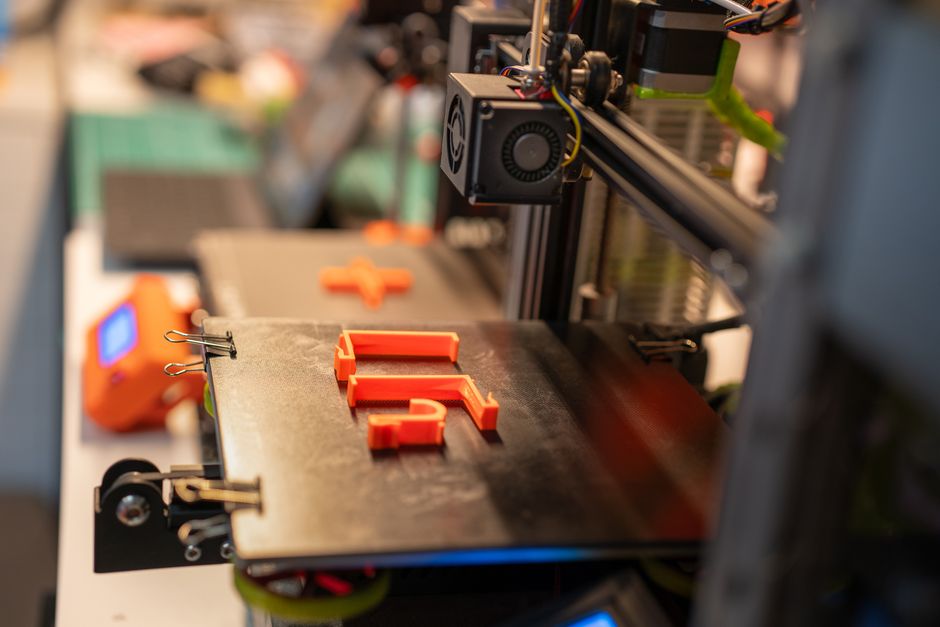
- 3D Printers: These allow for rapid creation of physical prototypes, enabling tactile evaluation of form, ergonomics, and basic functionality.
- CAD Software: Computer-Aided Design tools are fundamental for engineering and manufacturing, forming the basis for many physical product prototypes.
The key is to select tools that enable you to communicate your vision clearly and efficiently to your intended audience.
Building for User Feedback: Designing for Insight
The ultimate purpose of a prototype is to elicit valuable feedback that informs your next steps. Therefore, your prototyping efforts should be inherently designed for testing. This means:
- Focus on Key User Journeys: Don’t try to prototype every single feature. Identify the critical paths users will take and focus your efforts there. This allows for deeper exploration of the most impactful interactions.
- Keep it Simple (Initially): For early-stage prototypes, aim for clarity over complexity. The simpler it is, the easier it is for users to understand and provide feedback on the core concept, rather than getting lost in the details. This aligns with the principles of Ideation Mind Maps which often start with a central concept and branch outwards simply.
- Define Clear Testing Goals: Before you even start building, know what you want to learn from the prototype. Are you testing a new feature’s usability? The overall user flow? The aesthetic appeal? Having clear objectives will guide your design and inform your testing questions.
- Make Interactions Intuitive: Users shouldn’t need a manual to interact with your prototype. Ensure common design patterns are followed and interactions are predictable. This allows users to focus on providing feedback on the idea and experience, not on figuring out how to use the prototype itself. As highlighted by research from the Nielsen Norman Group, even subtle design inconsistencies can significantly hinder user comprehension and feedback quality.
By thoughtfully crafting your prototypes with user feedback at the forefront, you transform them from mere representations into powerful engines of innovation, guiding your ideas from conception to successful realization.
Iterative Testing & Feedback: Refining the Prototype
So, you’ve moved beyond the whiteboard scribbles and the early-stage Ideation Techniques with Mind Maps. Your prototype, a tangible representation of your nascent idea, is ready for its close-up. But the journey doesn’t end here; in fact, it’s just entering a crucial phase. The real magic of innovation lies not just in generating brilliant ideas – which can be honed through methods discussed in Cracking the Code: Ideation Techniques for Genuine Breakthrough Ideas – but in the relentless refinement that transforms a good concept into a great product. This is where iterative testing and feedback become your most powerful allies.
User Testing Methodologies
To truly understand how your prototype performs in the wild, you need to employ a range of user testing methodologies. Usability testing is your foundational tool. Observe real users interacting with your prototype to identify pain points, navigation issues, and areas of confusion. Don’t just ask them what they think; watch what they do. Beyond individual observation, A/B testing allows you to compare two versions of a feature or design to see which performs better against specific metrics. This is invaluable for making data-driven decisions about minor, yet impactful, changes. For broader sentiment and deeper qualitative insights, focus groups can be highly effective. They provide a forum for users to discuss their experiences, reactions, and suggestions in a shared environment, often sparking ideas you might not have uncovered otherwise. For a more structured approach to ideation, consider looking into Ideation Workshops That Actually Work: A Veteran’s Guide for Creative Teams, as the feedback generated in such sessions can directly inform prototype iterations.
Gathering Actionable Feedback
The deluge of feedback can be overwhelming. The key is learning to distinguish the signal from the noise. Not every comment is equally valuable. Look for recurring themes and consistent pain points mentioned by multiple users. Prioritize feedback that directly addresses the core functionality and value proposition of your product. A user struggling to find a button is a critical usability issue, whereas a minor preference for a different font color might be less urgent. Remember, the goal isn’t to satisfy every single individual preference, but to improve the overall user experience and achieve your product’s objectives.
Analyzing Results
Once you’ve collected your feedback, it’s time to dig in and analyze the results. Look for patterns and insights that transcend individual anecdotes. Are multiple users struggling with the same workflow? Do they consistently misunderstand a specific feature’s purpose? Quantitative data from A/B tests can reveal which design choices are leading to better engagement or conversion rates. Qualitative data from usability tests and focus groups offers the "why" behind those numbers. Tools and techniques like Ideation Mind Maps can be repurposed here to visually map out common feedback themes, helping to identify clusters of issues and potential solutions.
The Iteration Cycle
This analysis directly feeds into the iteration cycle. Feedback isn’t just information; it’s a blueprint for improvement. Based on your analysis, you’ll prioritize changes, make necessary adjustments to the prototype, and then test again. This cyclical process of testing, analyzing, and refining is the engine that drives a successful innovation workflow. Each iteration should aim to address the most critical issues identified in the previous round, bringing your prototype closer to a polished, user-centric solution. This iterative approach is fundamental to agile development and can be significantly bolstered by leveraging AI-Powered Workflow Automation.
Documenting Learnings
Crucially, don’t let valuable insights disappear into the ether. Documenting your learnings is paramount. This creates a knowledge base that benefits not only the current project but also future endeavors. Record what you tested, what you found, what changes you made, and the impact of those changes. This documentation can be instrumental when you revisit Collaborative Ideation: The Forge Where Breakthrough Ideas Are Born for future projects, ensuring you don’t repeat past mistakes and can build upon accumulated wisdom. This practice also aligns with the principles of continuous improvement found in fields like Lean manufacturing, where meticulous record-keeping is vital for ongoing optimization. For a deeper dive into the importance of structured feedback loops, research by the Nielsen Norman Group consistently highlights the impact of user-centered design and testing on product success.
Transitioning from Prototype to Product: The Next Steps
The journey from a tangible prototype to a market-ready product is where the rubber truly meets the road. It’s a phase demanding rigor, strategic planning, and a keen understanding of your target audience and the broader market landscape. Having navigated this path many times, I can tell you it’s less about a single eureka moment and more about a series of calculated, iterative steps, building upon the foundational work laid during your Ideation Workshops That Actually Work: A Veteran’s Guide for Creative Teams.
Validating the Prototype’s Success: Measuring Against Initial Metrics
The first, and arguably most crucial, step is to rigorously validate your prototype against the success metrics you established during the ideation and early design phases. Did your prototype achieve the core functionality you set out to test? Did it resonate with users in the way you anticipated? This is where qualitative feedback, user testing sessions, and even A/B testing of different features come into play. For instance, if your initial goal was to improve user engagement by 15%, your validation phase needs to quantify this improvement. Don’t shy away from uncomfortable truths; a prototype that fails to meet its objectives at this stage provides invaluable data for iteration, saving significant resources down the line. Tools that facilitate quick feedback loops and data analysis are essential here.
Scaling the Prototype: Considerations for Development and Production
Once your prototype has passed validation, the next logical step is to consider how to scale it for mass production. This is a significant leap, moving from a few functional units to potentially thousands or millions. Development teams will need to refine the design for manufacturability, optimizing for cost, efficiency, and durability. Sourcing materials, establishing supply chains, and setting up manufacturing processes are complex undertakings. For hardware products, this might involve selecting vendors and managing assembly lines. For software, it means ensuring robust architecture, scalability, and security. This phase often benefits from exploring AI-Powered Workflow Automation to streamline processes and improve efficiency. As noted in a Harvard Business Review article on scaling startups, understanding your unit economics and market demand is critical for making informed decisions about production capacity.
Defining the Full Product Scope: Building Upon the MVP
Your prototype likely represented a Minimum Viable Product (MVP) – the smallest possible version of your product that can be released to customers to gather feedback. Now, it’s time to define the full product scope, building upon the core functionality of the MVP. This involves prioritizing features based on market demand, competitive analysis, and your long-term vision. Think back to the initial Ideation Techniques with Mind Maps and how you explored various possibilities. Now, it’s about filtering those ideas and determining which ones have the most impact for the next iteration. This is where a well-defined product roadmap becomes indispensable. It outlines not just what you’re building, but why, and in what order. This process often involves intense Collaborative Ideation: The Forge Where Breakthrough Ideas Are Born, as different teams bring their perspectives to bear.
- Refine the user experience based on prototype feedback.
- Prioritize features for the next development cycle.
- Identify potential technical debt and plan for its mitigation.
- Develop a comprehensive go-to-market strategy.
- Establish metrics for ongoing product performance monitoring.
Planning for Launch & Beyond: Continuous Improvement and Roadmap Development
The launch of your product is not an end point, but a new beginning. A successful launch requires meticulous planning, from marketing and sales strategies to customer support and post-launch analysis. Crucially, you must establish a framework for continuous improvement. This means actively gathering user feedback, monitoring market trends, and analyzing product performance data. Your product roadmap should be a living document, evolving as you learn more about your customers and the competitive landscape. Embracing an agile methodology, where you can quickly adapt to new information and iterate on your product, is key to long-term success. Remember the power of Divergent Ideation Brainstorming Methods in sparking new ideas, and apply that same creative energy to your post-launch strategy. The goal is not just to launch, but to build a product that continuously delights users and stays ahead of the curve. For inspiration on fostering this mindset, consider the principles outlined in Cracking the Code: Ideation Techniques for Genuine Breakthrough Ideas.
Featured image by Jakub Zerdzicki on Pexels
Table of Contents
- The Role of 3D Printing in the Early Stages of Design
- From Sketch to Solid: The Workflow for Conceptual Models
- Material Selection for Conceptual 3D Prints
- Leveraging Different 3D Printing Technologies for Concept Models
- Applications of 3D Printed Concepts Across Industries
- Enhancing Collaboration and Communication with 3D Printed Concepts
- Challenges and Best Practices for 3D Printing Concepts
The Role of 3D Printing in the Early Stages of Design
In the nascent stages of any innovative endeavor, the leap from a fleeting idea to a concrete form can be the most challenging, yet crucial, step. This is precisely where the transformative power of 3D printing shines, acting as an indispensable bridge between the abstract realm of 2D concepts and tangible, examinable realities. No longer are designers tethered to flat sketches or intricate digital models that may fail to capture the full essence of a design’s spatial qualities. 3D printing allows for the immediate materialization of these nascent thoughts, providing a physical object that can be held, manipulated, and truly understood.
This immediacy fuels a dramatically accelerated design process. The ability to rapidly prototype allows for swift iteration and the generation of invaluable feedback cycles. What might have taken days or weeks with traditional methods can now be accomplished in hours, enabling teams to test variations, identify flaws, and refine concepts with unprecedented agility. This iterative loop is vital for refining ideas before significant resources are committed, echoing the way the invention of the printing press democratized knowledge and accelerated discourse, much like The Printing Press’s Role in the Renaissance. Similarly, this rapid iteration is a cornerstone of effective 3D Printing for Prototyping, allowing for quick adjustments and improvements.
Furthermore, 3D printing drastically reduces ambiguity in design communication. A physical model, even a rough one, speaks a universal language that transcends the limitations of verbal or 2D visual explanations. Stakeholders, from engineers to marketing teams, can engage with a tangible representation of the design, leading to more informed discussions and a shared understanding. This clarity is essential for aligning diverse perspectives and ensuring everyone is working towards a common goal, much like how The Invention of the Printing Press and its Impact on Knowledge Dissemination revolutionized how information was shared and understood. When complex service interactions need to be visualized and understood, tools like Service Blueprinting for Innovation complement physical prototyping by mapping out user journeys and touchpoints.
The technology also opens doors to exploring complex geometries that are inherently difficult, if not impossible, to sketch or model manually with accuracy. Organic shapes, intricate internal structures, and highly detailed components can be brought to life with relative ease, pushing the boundaries of what is aesthetically and functionally achievable in the early design phase. This freedom to explore complex forms is a significant advantage, contributing to the overall drive for innovation in product development, as detailed in research on the advantages of 3D Printing Prototyping: Speed, Cost, & Design Freedom. The ability to materialize these intricate designs quickly mirrors the impact of The Printing Press: Gutenberg’s Revolution in Information Dissemination by making complex ideas more accessible and replicable. Ultimately, embracing 3D printing in these early stages is not just about creating a physical object; it’s about unlocking a more intuitive, iterative, and communicative design process, fostering true innovation, as explored in 3D Printing for Innovation.
From Sketch to Solid: The Workflow for Conceptual Models
The journey from a fleeting idea to a tangible object is often the most challenging, yet most exhilarating, part of the innovation process. For centuries, this leap has relied on sketches, diagrams, and descriptive language. Much like how The Invention of the Printing Press and its Impact on Knowledge Dissemination democratized information, 3D printing democratizes the creation of physical forms, allowing concepts to be explored and refined in a way that was once unimaginable. This section delves into the practical workflow of transforming your initial sparks of creativity into solid, printable conceptual models.
From Sketch to Solid: The Workflow for Conceptual Models
The essence of conceptualization lies in rapid iteration and tangible feedback. When an idea begins as a 2D sketch, a wireframe diagram, or even a rough napkin drawing, the immediate goal is to translate that flat representation into a three-dimensional form. This is where the power of digital modeling software shines. For conceptualization, the emphasis is often on speed and ease of use rather than hyper-realistic rendering or complex engineering specifications. Tools like Tinkercad, SketchUp, and Fusion 360 (with its intuitive freeform modeling capabilities) are excellent starting points. Tinkercad, in particular, is lauded for its beginner-friendly interface, allowing users to combine basic shapes to quickly build up complex forms. SketchUp offers a more robust set of tools for architectural and product design visualization, while Fusion 360 provides a more integrated approach for those looking to move from concept to functional prototype. The choice of software often depends on the complexity of the concept and the designer’s existing skill set.
Once your 3D model is crafted, the next crucial step is preparing it for the physical realm. This involves exporting your design into a universally compatible file format. The most common formats for 3D printing are STL (STereoLithography) and OBJ (Object). STL files represent the surface geometry of a 3D object using a collection of triangular facets. They are simple and widely supported but lack color and texture information. OBJ files, on the other hand, are more versatile and can store color, material, and texture data, making them ideal for models where visual fidelity is paramount. Ensuring your model is "watertight" – meaning it has no holes or gaps in its surface – is critical for a successful print, regardless of the chosen format. Many 3D modeling programs have built-in tools to check for and repair such issues. This preparation is akin to the meticulous typesetting and plate-making that underpinned The Printing Press’s Role in the Renaissance, where accuracy in the intermediate stages ensured the quality of the final output.
The final stage before hitting the print button is using slicer software. Programs like Cura, PrusaSlicer, and Simplify3D act as translators between your 3D model file and the 3D printer. They "slice" your digital model into hundreds or thousands of thin horizontal layers, generating the G-code instructions that the printer follows. Within the slicer, you define crucial print settings such as layer height (which affects print resolution and time), infill density (how solid the inside of the object is), print speed, and support structures (temporary material added to print overhangs). Understanding these settings is key to achieving the desired balance between print quality, material usage, and print time. This granular control over the manufacturing process is a cornerstone of modern innovation, enabling rapid feedback loops that fuel creative exploration. For a deeper dive into this, consider resources that explore 3D Printing for Prototyping which often detail these essential preparation steps.
- Begin with 2D sketches, wireframes, or even napkin drawings.
- Select 3D modeling software suitable for conceptualization (e.g., Tinkercad, SketchUp, Fusion 360).
- Ensure your 3D model is “watertight” and free of errors.
- Export your model in STL or OBJ format.
- Utilize slicer software (e.g., Cura, PrusaSlicer) to define print settings and generate G-code.
- Experiment with layer height, infill, and support structures for optimal results.
By mastering this workflow, you unlock the true potential of 3D printing for conceptualization. It transforms abstract ideas into tangible objects that can be held, examined, and shared, accelerating the design process and fostering a more iterative and collaborative approach to innovation, much like how The Printing Press: Gutenberg’s Revolution in Information Dissemination reshaped how knowledge was shared and consumed. This process directly feeds into the iterative nature of Service Blueprinting for Innovation, allowing for physical manifestations of service concepts or touchpoints to be explored.
Material Selection for Conceptual 3D Prints
When embarking on the journey of conceptualizing with 3D printing, the choice of material is far from an afterthought. It’s a crucial decision that directly impacts the fidelity, cost, and speed of your early-stage models. For initial explorations and rapid iteration, the focus often shifts to materials that offer a balance of affordability and printability.
Common Materials for Conceptual Prints
The workhorse filaments for most desktop 3D printers, particularly for conceptualization, are PLA (Polylactic Acid), ABS (Acrylonitrile Butadiene Styrene), and PETG (Polyethylene Terephthalate Glycol-modified).
- PLA is exceptionally popular due to its ease of printing, low warping, and biodegradable nature. It’s rigid, comes in a vast array of colors, and is generally the most cost-effective option, making it ideal for quickly churning out numerous design variations. Its brittle nature means it’s not suitable for functional testing but excels in pure visual representation.
- ABS, while slightly more challenging to print (requiring a heated bed and often an enclosure to prevent warping), offers greater durability and temperature resistance than PLA. Its post-processing capabilities, like acetone smoothing, can also lend a more polished finish to conceptual models, though this adds time and complexity.
- PETG strikes a middle ground, offering better toughness and flexibility than PLA, along with good chemical resistance. It’s also food-safe in many formulations and relatively easy to print, making it a versatile choice for concepts that might benefit from a slightly more resilient feel or a translucent finish.
Prioritizing Speed and Cost
For the iterative process of conceptualization, where the goal is to explore numerous ideas rapidly, cost-effectiveness and print speed are paramount. Think of it like the early days of the printing press; the ability to disseminate information quickly and affordably was revolutionary. As explored in The Invention of the Printing Press and its Impact on Knowledge Dissemination, efficiency in production unlocked unprecedented creative and intellectual growth. Similarly, using inexpensive materials like PLA allows designers and innovators to print multiple iterations of a concept without breaking the bank, mirroring the democratization of information that occurred with The Printing Press: Gutenberg’s Innovation Revolution. This directly relates to the principles of rapid prototyping, where speed, cost, and design freedom are essential drivers of innovation, as detailed in 3D Printing Prototyping: Speed, Cost, & Design Freedom.
Visual Representation Matters
Beyond basic printability, consider how the material’s properties contribute to the visual representation of your concept.
- Color: Many filaments come in a stunning spectrum. For conceptual models, vibrant or specific colors can help convey the intended aesthetic and brand identity of a product or design. Opaque materials are excellent for representing solid objects, while translucent or transparent filaments can be used to demonstrate internal workings or light diffusion.
- Texture: The inherent surface finish of a filament can significantly impact the perceived quality of a conceptual model. Some PLA finishes are naturally matte, while others can be glossy. The choice here can subtly influence how the design is perceived.
Specialized Materials for Specific Needs
While PLA, ABS, and PETG cover a wide range of conceptualization needs, don’t shy away from specialized materials when your concept demands it.
- Flexible filaments (TPU/TPE) are invaluable for concepts involving soft-touch components, grips, or dynamic elements.
- Wood-filled or metal-filled filaments can offer a more premium or tactile feel, allowing you to explore the perceived materiality of a design more realistically. These can be particularly useful for luxury goods or architectural models where texture is a key differentiator.
- High-temperature resistant materials might be necessary if your concept involves components that would realistically be exposed to heat, even in an early prototype.
Case Study: Concept Scooter Handlebar Grip
A design team was conceptualizing a new electric scooter, focusing on ergonomic handlebar grips. For initial explorations, they used a standard grey PLA, allowing them to quickly print several different grip shapes and sizes, testing feel and form factor with minimal cost and time investment. Once the most promising shape was identified, they switched to a flexible TPU filament in a vibrant orange to create a more realistic prototype that mimicked the actual tactile experience of a rubber grip, allowing for more meaningful user feedback before committing to expensive tooling.
Ultimately, the material selection for conceptual 3D prints is a strategic choice. It’s about aligning the material’s properties with the specific goals of your conceptualization phase, whether that’s rapid exploration, detailed visual representation, or simulating real-world tactile feedback. Just as Gutenberg’s printing press revolutionized information sharing by making it more accessible and widespread, 3D printing materials empower innovators to bring their ideas to life quickly and affordably, fostering a more dynamic and creative environment.
Leveraging Different 3D Printing Technologies for Concept Models
The power of 3D printing in the early stages of innovation lies in its ability to transform abstract ideas into tangible forms. This democratization of rapid prototyping allows for swift iteration and testing, a crucial element in fostering creativity. Different 3D printing technologies offer distinct advantages for conceptualization, each catering to specific needs in terms of detail, material properties, and cost-effectiveness. Understanding these differences is key to selecting the right tool for the job.
FDM: The Accessible Gateway to Tangible Ideas
Fused Deposition Modeling (FDM) is arguably the most accessible and affordable 3D printing technology. Utilizing thermoplastic filaments, FDM printers extrude melted plastic layer by layer. Its primary strength for conceptualization lies in its affordability and accessibility. This means even small teams or individual innovators can get their hands on physical models quickly and without significant investment. FDM is excellent for producing larger, less intricate concept models that serve to communicate basic form, scale, and ergonomics. Think of it as the conceptual sketch of the 3D printing world – it gets the idea across effectively and affordably. For more on the foundational aspects of rapid prototyping, exploring the concepts behind 3D Printing for Prototyping can provide valuable context.
SLA & DLP: Precision for Aesthetic and Functional Refinement
For concepts demanding a higher degree of visual fidelity and smoother surface finishes, Stereolithography (SLA) and Digital Light Processing (DLP) rise to the occasion. These technologies employ photopolymer resins cured by UV light. SLA uses a laser to trace each layer, while DLP projects an entire image of the layer at once. Their key advantage is high detail and smooth finishes, making them ideal for visualizing intricate designs, testing snap-fit mechanisms, or creating aesthetically pleasing presentation models. While typically more expensive than FDM, the superior quality they offer can be invaluable when subtle details matter in the early stages of design exploration. This focus on detail and form echoes the advancements seen with The Printing Press’s Role in the Renaissance, where refined reproduction of information opened new avenues of thought.
SLS: Unlocking Complexity and Material Versatility
Selective Laser Sintering (SLS) utilizes a laser to fuse powdered materials, typically polymers like nylon. Its significant advantage for conceptualization is its ability to produce complex geometries and material variety without the need for support structures. This allows for the creation of interlocking parts, hollow structures, and intricate lattice designs that are difficult or impossible with other methods. Furthermore, SLS can print with a range of engineering-grade materials, offering a glimpse into the functional properties of a final product even at the conceptual stage. This capability for intricate and diverse form-making mirrors the transformative impact of The Printing Press: Gutenberg’s Revolution in Information Dissemination, which enabled the widespread sharing of complex ideas.
Case Study: Rapid Prototyping for a Novel Wearable Device
A startup developing a new health-monitoring wearable device faced the challenge of iterating rapidly on its ergonomic design. Initially, they relied on 3D printed mock-ups using FDM. While affordable, the layer lines and lower resolution hindered accurate assessment of comfort and aesthetics. They then switched to SLA for their second round of prototypes. The smooth surfaces and fine details allowed the team to better evaluate how the device would feel against the skin and how its visual appeal would translate to market. This shift significantly accelerated their design refinement process, allowing them to present a more polished and user-centric concept to potential investors. This mirrors the iterative improvement in design and functionality that characterized early innovations, much like the advancements in early printing technologies documented in [The Invention of the Printing Press and its Impact on Knowledge Dissemination](https://innovation-creativity.com/the-invention-of-the-printing-press-and-its-impact-on-knowledge-dissemination/).
Comparing Technologies for Conceptualization
When choosing a 3D printing technology for conceptualization, a crucial step is to weigh speed, cost, and fidelity.
- FDM excels in speed and low cost, making it perfect for rapid, iterative ideation and early-stage form exploration. Fidelity is generally lower, but sufficient for communicating basic concepts. For a broader understanding of these trade-offs, consider the principles outlined in 3D Printing Prototyping: Speed, Cost, & Design Freedom.
- SLA/DLP offer superior fidelity at a higher cost and potentially slower print times compared to FDM. They are best for visually critical concept models or when functional prototypes require smooth surfaces.
- SLS provides the highest design freedom and material options, enabling complex structures. While generally more expensive and potentially slower than FDM, it allows for a more realistic representation of the final product’s form and even some functional aspects.
Ultimately, the choice of technology should align with the specific goals of the conceptualization phase. A well-executed concept model, regardless of the technology used, can serve as a powerful tool for communication, collaboration, and driving innovation forward, much like how new communication mediums have historically reshaped how ideas are shared and developed. This strategic selection is a fundamental aspect of effective innovation processes, akin to using tools like Service Blueprinting: Map Your Service for Innovation to visualize and refine complex systems.
Applications of 3D Printed Concepts Across Industries
The ability to rapidly translate digital designs into tangible objects has democratized the ideation process, allowing for swift iteration and profound understanding of concepts across a vast spectrum of industries. This is where 3D printing for concept visualization truly shines, acting as a catalyst for innovation and creativity.
In Product Design, 3D printing has revolutionized the early stages of development. Designers can quickly produce numerous form studies to explore different aesthetics and ergonomics, allowing for hands-on evaluation long before committing to expensive tooling. This tangible feedback loop is crucial for refining user experience and ensuring a product’s comfort and intuitiveness. Furthermore, these models serve as compelling marketing prototypes, enabling stakeholders to grasp the product’s essence and potential impact. This mirrors the transformative power of The Printing Press’s Role in the Renaissance, where the ability to mass-produce and disseminate ideas fostered unprecedented creativity and progress. The speed and cost-effectiveness of this prototyping are further detailed in our exploration of 3D Printing Prototyping: Speed, Cost, & Design Freedom.
Architecture and Urban Planning benefit immensely from 3D printed scale models. These physical representations provide an unparalleled level of detail and spatial understanding, crucial for visualizing complex designs and presenting them effectively to clients and the public. A client can walk around a miniature replica of a proposed building or urban development, gaining an intuitive grasp of scale, form, and integration with its surroundings that no 2D drawing or digital rendering can fully replicate.
The Medical Device sector leverages 3D printing for early-stage form factor exploration. Engineers can create iterative models to test the ergonomics and user interaction of new devices, from surgical instruments to prosthetics. This allows for crucial refinements in how the device will be held, operated, and integrated into a patient’s life, leading to more effective and user-friendly medical solutions.
In the demanding fields of Automotive and Aerospace, 3D printing facilitates the creation of mock-ups for both aesthetic and functional assessment. Prototypes of interior components, exterior panels, or even complex aerodynamic elements can be rapidly produced, allowing engineers and designers to evaluate form, fit, and initial functional aspects before investing in traditional manufacturing methods. This iterative process accelerates development cycles and reduces the risk of costly design flaws.
Finally, Art and Fashion have embraced 3D printing as a powerful tool for bringing highly intricate designs and unique forms to life. Artists can prototype complex sculptures or avant-garde jewelry pieces with unprecedented detail and freedom, pushing the boundaries of what’s artistically possible. Similarly, fashion designers can experiment with novel silhouettes, textures, and garment constructions that would be prohibitively difficult or impossible to achieve through conventional means. This mirrors the foundational shift brought about by The Printing Press: Gutenberg’s Revolution in Information Dissemination, enabling a wider audience to engage with and create sophisticated concepts.
The impact of this technology resonates across industries, democratizing access to rapid prototyping and fostering a culture of continuous innovation. As we’ve seen with the historical impact of technologies like The Invention of the Printing Press and its Impact on Knowledge Dissemination, the ability to concretize ideas swiftly and affordably accelerates progress in ways previously unimaginable. For a deeper dive into the practical aspects of this transformative technology, our article on 3D Printing for Innovation provides further insights.
Enhancing Collaboration and Communication with 3D Printed Concepts
In the fast-paced world of innovation, clarity and shared understanding are paramount. While digital models are indispensable, they can often fall short of conveying the full scope and nuance of a concept. This is where 3D printing steps in, transforming abstract ideas into tangible realities that foster deeper collaboration and more effective communication. The ability to hold, examine, and interact with a physical representation of a design breaks down barriers and ignites a new level of engagement.
One of the most significant advantages of 3D printed concepts lies in facilitating truly "hands-on" design reviews. Imagine a team of designers, engineers, and marketing specialists gathered around a table, not just looking at a screen, but actually holding a physical prototype. This tactile experience allows for immediate identification of ergonomic issues, aesthetic considerations, and potential manufacturing challenges. It shifts the conversation from abstract descriptions to concrete observations, leading to more productive and efficient critiques. This mirrors how early forms of mass communication, like The Invention of the Printing Press and its Impact on Knowledge Dissemination, democratized access to information and fostered broader understanding.
Beyond design reviews, 3D printed models significantly improve comprehension among diverse team members. A detailed CAD drawing might be perfectly understood by an engineer, but it could be lost on a stakeholder with a marketing background. A 3D printed object, however, speaks a universal language. It provides a common visual and tactile reference point, ensuring everyone, from the most technical mind to the most business-oriented executive, grasps the core concept. This shared understanding is crucial for alignment and can prevent costly misinterpretations down the line. It’s akin to how The Printing Press’s Role in the Renaissance enabled the rapid spread of ideas across different disciplines and social strata.
The interactive nature of physical models also leads to the gathering of more insightful feedback. When people can touch, feel, and even simulate basic interactions with a concept, their feedback becomes more specific and actionable. Instead of vague suggestions, you receive comments like, "This grip feels a bit awkward," or "The scale here doesn’t quite match the intended user experience." This level of detail is invaluable for refining designs and ensuring they meet real-world needs. This is where 3D Printing for Prototyping truly shines, offering a rapid and cost-effective way to iterate based on tangible feedback.
FAQ: How can 3D printing make design reviews more effective?
3D printing allows for physical interaction with design concepts, enabling teams to identify ergonomic flaws, aesthetic issues, and potential manufacturing challenges more readily than with digital models alone. This tactile engagement promotes a shared understanding and leads to more specific and actionable feedback during reviews.
Furthermore, 3D printed concepts are powerful tools for presenting ideas more persuasively to clients and investors. A compelling pitch is often the difference between securing funding and being overlooked. While digital presentations have their place, a tangible object that clients can hold and examine instills a greater sense of confidence and excitement. It demonstrates a level of commitment and professionalism that elevates your proposal. This visual and tactile proof can be far more impactful than even the most eloquent verbal description, solidifying the perceived value of your innovation. It’s a modern echo of the transformative impact of The Printing Press: Gutenberg’s Revolution in Information Dissemination, where the ability to share ideas physically accelerated their adoption and impact.
FAQ: What is the advantage of using 3D printed models for client presentations?
3D printed models provide a tangible, interactive representation of a concept that can captivate clients and investors. This physical artifact instills confidence, demonstrates a high level of detail and commitment, and allows for a more impactful and persuasive presentation of ideas compared to purely digital formats.
In essence, 3D printing for conceptualization bridges the gap between imagination and realization, transforming abstract notions into communicable realities. It empowers teams to collaborate more effectively, understand each other more deeply, and present their groundbreaking ideas with unparalleled clarity and conviction. This technology is not just about creating objects; it’s about fostering a shared vision and accelerating the journey from idea to impactful innovation, much like how The Printing Press: Gutenberg’s Innovation Revolution fundamentally changed how humans shared and built upon knowledge. It complements other strategic tools like Service Blueprinting for Innovation, providing a physical dimension to visualizing complex service journeys and customer experiences. This approach to 3D Printing for Innovation is becoming an indispensable component of modern creative processes.
Challenges and Best Practices for 3D Printing Concepts
While the allure of rapid iteration and tangible ideation through 3D printing is undeniable, navigating the process for conceptual models isn’t without its hurdles. Understanding these common pitfalls and adopting strategic best practices can transform a promising concept into a powerful visual aid.
Navigating Model Design and Preparation Pitfalls
The journey from a digital idea to a physical print often stumbles at the first few steps. A common pitfall lies in model design. Designers may overlook the inherent limitations of 3D printing, such as minimum wall thickness, overhangs that require excessive support structures, or intricate details that simply won’t resolve at the chosen resolution. Simply exporting a CAD model without considering these factors can lead to failed prints, wasted material, and significant frustration. Another critical area is model preparation. Incomplete or watertight meshes are a frequent culprit for print failures. Software intended for 3D printing often has repair tools, but it’s far more efficient to ensure a clean model from the outset. Think of it like preparing a manuscript for publication; you wouldn’t send it to the typesetter with dangling sentences or missing pages. The meticulous attention to detail required here echoes the revolutionary impact of The Printing Press: Gutenberg’s Innovation Revolution, where accuracy and fidelity in reproduction were paramount.
To mitigate these issues:
- Understand Your Printer’s Capabilities: Familiarize yourself with the build volume, minimum feature size, and material properties of your chosen 3D printer.
- Design for Manufacturability: Incorporate principles of design for additive manufacturing (DfAM) early in your conceptualization process. Consider how the object will be oriented during printing to minimize supports.
- Thorough Model Inspection: Utilize 3D modeling software to check for manifold errors, non-manifold geometry, and flipped normals. Tools like Meshmixer or Netfabb are invaluable for this.
- Test Prints: For complex or critical features, consider printing small test pieces to verify resolution and structural integrity before committing to a full-scale print.
Optimizing Print Settings for Speed and Quality
The settings within your slicing software are the dials you turn to balance print time with the fidelity of your conceptual model. For early-stage conceptualization, speed is often king. However, sacrificing too much quality can render the model useless for conveying the intended idea.
The key is to find the sweet spot. For rapid iteration and rough form studies, prioritizing speed might mean increasing layer height and print speed. Conversely, for a presentation-ready concept model, you’ll want to dial in finer layer heights, slower speeds, and potentially optimize infill patterns for greater strength and smoother surfaces. Many modern slicers offer profiles specifically for concept models or drafts, which can be a good starting point.
Post-Processing: Bringing Concepts to Life
Once a conceptual model emerges from the printer, the work isn’t always done. Post-processing can elevate a rough print into a compelling representation of your idea. For conceptual models, the goal is usually to achieve a smooth, presentable surface that accurately reflects the intended form.
- Sanding: This is often the most crucial step. Starting with coarser grit sandpaper to remove layer lines and then progressively moving to finer grits will achieve a smooth finish. For intricate details, specialized sanding tools or even rotary tools with small attachments can be very effective.
- Filling: Minor imperfections, gaps, or support marks can be addressed with fillers like Bondo or wood putty. Once dry, these can be sanded smooth.
- Priming and Painting: A coat of primer is essential for providing a uniform surface and helping paint adhere. For conceptual models, a clean, consistent color (often white or a neutral gray) can help the viewer focus on the form and design without distraction. Advanced techniques like airbrushing can achieve incredibly smooth and professional finishes.
This meticulous refinement process, transforming raw output into a polished piece, shares a philosophical kinship with the historical impact of printing. Just as The Printing Press: Gutenberg’s Innovation in Information Dissemination allowed for the mass replication of ideas with unprecedented clarity, post-processing ensures your 3D printed concepts can communicate with maximum impact.
Integrating 3D Printing into Existing Design Workflows
For 3D printing to truly drive innovation and creativity, it needs to be more than an add-on; it must be woven into the fabric of your design workflow. This means thinking about it not as a final output, but as an iterative tool. Consider how 3D Printing for Prototyping can be used at various stages, from early-stage form factor exploration to functional testing.
Effective integration often involves:
- Early Engagement: Involve 3D printing expertise or considerations from the very beginning of a project, not just as a manufacturing step. This is akin to how Service Blueprinting for Innovation encourages a holistic view of a service from its inception.
- Cross-Functional Collaboration: Ensure designers, engineers, and manufacturing specialists are all communicating about the possibilities and limitations of 3D printing.
- Agile Iteration Loops: Build 3D printing into your rapid prototyping cycles. Print a concept, gather feedback, refine the design, and print again. This iterative process is fundamental to many modern innovation methodologies, mirroring the continuous improvement seen in fields impacted by early printing technologies, such as The Printing Press’s Role in the Renaissance.
- Digital Asset Management: Maintain organized digital libraries of your 3D models, allowing for easy retrieval and modification for future iterations.
By embracing these challenges and best practices, you can unlock the full potential of 3D printing as a powerful engine for conceptualization, driving faster, more insightful, and ultimately more creative outcomes. This technology, much like the transformative power of The Invention of the Printing Press and its Impact on Knowledge Dissemination, offers a fundamental shift in how we bring ideas into tangible existence.
Featured image by Jakub Zerdzicki on Pexels
Table of Contents
- What is Jobs to Be Done (JTBD)?
- The Power of Uncovering Latent Needs
- Key Principles of the JTBD Framework
- Methodologies for JTBD Research
- Applying JTBD for Innovation & Strategy
- Common Pitfalls and How to Avoid Them
- Case Studies: JTBD in Action
What is Jobs to Be Done (JTBD)?
At its heart, Jobs to Be Done (JTBD) is a powerful framework that shifts our understanding of customer behavior from superficial attributes to the fundamental motivations driving their decisions. It’s about recognizing that customers don’t buy products or services; they "hire" them to achieve a specific outcome, to get a "job" done. This perspective is foundational for anyone looking to truly innovate and create offerings that resonate deeply.
Think about it: when someone purchases a drill, they’re not inherently interested in the drill itself. They’re "hiring" it to create a hole in the wall, so they can hang a picture, a shelf, or a television. The drill is merely the means to an end. This simple yet profound insight is the bedrock of JTBD. You can explore this further in our guide on Uncovering Customer Needs Through JTBD.
This contrasts sharply with traditional market segmentation, which often relies on demographics (age, income, location) or psychographics (lifestyles, values). While these can offer some insights, they often fail to capture the underlying "why" behind a purchase. For instance, two people of the exact same age and income might "hire" a particular product for entirely different jobs. JTBD allows us to transcend these superficial labels and get to the root of customer needs, leading to more effective strategies. This is a key theme in Beyond Demographics: Unlock True Innovation with Jobs To Be Done (JTBD).
A classic illustration of this concept is the renowned "milkshake story." Researchers, observing that a fast-food chain was struggling to increase milkshake sales, initially focused on making them thicker, sweeter, or more visually appealing. However, through JTBD interviews, they discovered that most milkshakes were purchased in the morning by commuters. The job these individuals were hiring the milkshake for was to keep them full and entertained during their long drive to work, a job the current milkshake wasn’t perfectly suited for. Once the "job" was understood, solutions emerged, such as making the milkshake thicker and more portable, or even suggesting other products that could fulfill the same job more effectively. This anecdote perfectly encapsulates the power of What is the Job-to-be-Done (JTBD) Framework?.
FAQ: How is JTBD different from understanding customer problems?
While understanding customer problems is a crucial part of innovation, JTBD goes a step further. It focuses on the “struggle” a customer is experiencing and what they are trying to achieve or become, rather than just the symptoms of the problem. It’s about the forward-looking desire for progress, not just fixing a current pain point. This deep dive into motivation is essential for [User Needs Research for Creative Solutions](https://innovation-creativity.com/user-needs-research-for-creative-solutions/).
FAQ: Isn’t ‘getting a job done’ just another way of saying ‘meeting a need’?
It’s a subtle but critical distinction. Traditional “needs” can be very broad and often reflect existing solutions or features. The “job” in JTBD refers to the fundamental progress a person is trying to make in their life or circumstances. It’s about the underlying causality and the context of the purchase. This distinction is vital for effective [JTBD Framework for New Product Development](https://innovation-creativity.com/jtbd-framework-for-new-product-development/).
By focusing on the "job" rather than just the product, we can unlock truly innovative solutions that address underlying motivations. This is the essence of Stop Guessing, Start Innovating: Uncover Real Customer Needs with Jobs To Be Done and is a cornerstone for building products that customers will genuinely "hire," as detailed in JTBD for Product Development: Build What Customers Actually ‘Hire’. Ultimately, this approach helps us avoid the trap of Stop Building Useless Stuff: How JTBD Revolutionizes Your Product Development.
The applicability of JTBD extends beyond product development into areas like service design. For instance, a hotel might realize that a traveler’s "job" isn’t just to find a place to sleep, but to feel refreshed and prepared for an important meeting the next day. This understanding can lead to innovative service offerings. The JTBD Framework for Service Design and JTBD for Service Design explore these possibilities.
The core principle of understanding what the customer is trying to achieve is also a powerful driver for JTBD for Disruptive Innovation. By identifying unmet or poorly met jobs, companies can develop solutions that fundamentally change markets. A seminal article from Harvard Business Review, "Marketing Myopia," while predating the formalization of JTBD, powerfully illustrates the danger of focusing on product rather than customer progress: . Similarly, Christensen’s work on disruptive innovation, famously detailed in "The Innovator’s Dilemma" (a book widely available through reputable booksellers and academic libraries), provides a foundational understanding of how new entrants succeed by serving overlooked jobs.
The Power of Uncovering Latent Needs
In the relentless pursuit of innovation, businesses often fall into the trap of asking customers what they think they want. While direct feedback is valuable, it’s rarely the key to unlocking true breakthroughs. The real magic lies in identifying and addressing latent needs – those fundamental motivations and struggles that customers are often unaware of or simply can’t articulate. These are the unmet "jobs" people are trying to get done in their lives, and by understanding them, we can create products and services that truly resonate and disrupt the market.
Why are latent needs so powerful? Because addressing them leads to breakthrough innovation. When you move beyond superficial requests and delve into the underlying "why" behind a customer’s actions, you discover opportunities for solutions that are not just incremental improvements, but entirely new ways of solving a problem. Think about the advent of the smartphone. People weren’t explicitly asking for a device that combined communication, information, and entertainment; they were struggling to manage multiple devices and access information on the go. Identifying this latent need for seamless connectivity and information access paved the way for a revolutionary product. As we explore User Needs Research for Creative Solutions, it becomes clear that focusing on these deeper motivations is paramount.
Relying solely on direct customer feedback, however, is a flawed strategy. Surveys asking about desired features can lead to feature bloat and products that miss the mark. Customer interviews, if not structured correctly, can result in a collection of opinions rather than a deep understanding of their struggles. People often describe their current solutions rather than their underlying goals, leading to a cycle of building "better mousetraps" for problems that no longer exist or have evolved. This is where the What is the Job-to-be-Done (JTBD) Framework? truly shines.
The Jobs to be Done (JTBD) framework provides a powerful lens through which to surface these hidden motivations. Instead of asking "What do you want?", JTBD encourages us to ask "What job are you trying to get done?" This fundamental shift in perspective allows us to understand the underlying circumstances and desired outcomes that drive customer behavior. By focusing on the "job" rather than the product, we can uncover unmet needs and design solutions that are not just desirable, but truly indispensable. This approach is fundamental to Uncovering Customer Needs Through JTBD and helps prevent the creation of "useless stuff." As Clayton Christensen, a pioneer in the field, famously illustrated with the milkshake study, understanding the job a product is "hired" for is crucial for success. You can learn more about this in works like Competing Against Luck, which deeply explores these concepts.
By adopting a JTBD mindset, businesses can move beyond demographics and superficial preferences to understand the true drivers of customer choice. This leads to more effective JTBD Framework for New Product Development and can revolutionize your JTBD Framework: Drive Service Design Innovation. Ultimately, it’s about building solutions that customers will "hire" for – products and services that seamlessly integrate into their lives to help them make progress. This is the essence of Stop Guessing, Start Innovating: Uncover Real Customer Needs with Jobs To Be Done. It allows for JTBD for Product Development: Build What Customers Actually ‘Hire’ and offers a robust methodology for Beyond Demographics: Unlock True Innovation with Jobs To Be Done (JTBD).
Key Principles of the JTBD Framework
At its core, the Jobs To Be Done (JTBD) framework is a deceptively simple yet profoundly powerful lens for understanding why customers make the choices they do. It shifts our focus from who the customer is to what they are trying to achieve.
The first and most crucial principle is to focus on the ‘job’ – the progress a customer is trying to make in their lives. This isn’t about the product or service itself, but the underlying goal or aspiration. Think about a parent not buying a drill, but "hiring" it to hang a picture that will make their home feel more complete. This fundamental shift is a cornerstone of effective Uncovering Customer Needs Through JTBD.
Understanding the ‘job’ then leads us to the second principle: understanding the ‘struggle’ – the obstacles customers face in making progress. What are the unmet needs, the frustrations, the inefficiencies that prevent them from getting the job done? These struggles are fertile ground for innovation. If the parent is struggling to find the right drill bit, or worried about hitting a pipe, those are the obstacles to address. This is where User Needs Research for Creative Solutions becomes paramount.
Thirdly, JTBD helps us to identify the ‘forces’ that drive adoption. These forces explain why someone might choose a new solution. There are four key forces:
- Push: The current circumstances that make the customer unhappy and push them to seek a change.
- Pull: The attraction of a new solution that promises to help them make progress.
- Anxieties: The fears and concerns that hold customers back from adopting a new solution.
- Habits: The inertia of sticking with the current way of doing things, even if it’s suboptimal.
Understanding these forces allows us to craft compelling value propositions and overcome adoption barriers. This is the essence of Stop Guessing, Start Innovating: Uncover Real Customer Needs with Jobs To Be Done.
Finally, and critically for driving innovation, we must recognize that customers ‘switch’ when a better solution for their job emerges. They don’t switch products; they switch to a better way to get their job done. This implies that even a seemingly "satisfied" customer is always on the lookout for an improvement. This is the core insight behind Stop Building Useless Stuff: How JTBD Revolutionizes Your Product Development and is a fundamental aspect of the What is the Job-to-Be-Done (JTBD) Framework?
Case Study: The Milkshake and the Morning Commute
A classic example often cited in JTBD literature involves a fast-food chain wanting to increase milkshake sales. Initial attempts focused on product enhancements – different flavors, thicker shakes. However, when researchers asked customers *why* they bought a milkshake, they discovered the ‘job’ for many was about entertainment and sustenance during a long, boring morning commute. The milkshake was a “self-reward” to break up the monotony. The struggle was the inherent messiness and the fact that it didn’t last long enough. By understanding this job, the company could develop solutions like thicker shakes that lasted longer, or even suggest adding bananas for more substance. This reframing moved them beyond superficial product improvements to addressing a genuine customer need, demonstrating the power of [JTBD Framework for New Product Development](https://innovation-creativity.com/jtbd-framework-for-new-product-development/).
By embracing these principles, we move beyond guesswork and demographic segmentation to a deeper, more actionable understanding of human motivation, which is crucial for Beyond Demographics: Unlock True Innovation with Jobs To Be Done (JTBD). This framework is invaluable for JTBD for Product Development: Build What Customers Actually ‘Hire’, JTBD for Service Design, and even driving JTBD for Disruptive Innovation. As Clayton Christensen, a pioneer in disruptive innovation theory, noted, understanding the "job" a customer is trying to get done is more important than knowing their demographics. For more on this, see his work often cited in publications like Harvard Business Review.
Methodologies for JTBD Research
Uncovering latent needs is the bedrock of true innovation. While intuition and creative leaps are vital, a structured approach grounded in understanding customer motivations can dramatically increase your success. This is where the Jobs-to-be-Done (JTBD) framework shines, providing a powerful lens through which to view customer behavior and identify opportunities. As we explore What is the Job-to-be-Done (JTBD) Framework?, understanding how to research these jobs is paramount. This section delves into practical methodologies that will empower you to Stop Guessing, Start Innovating: Uncover Real Customer Needs with Jobs To Be Done.
The Switch Interview: Unearthing the "Why"
At the heart of JTBD research lies the ‘Switch Interview’. Unlike traditional user interviews that focus on demographics or current product usage, the Switch Interview zeroes in on the circumstances and emotions that led a customer to "hire" or "fire" a particular product or service. It’s about understanding the story of their struggle and the solution they ultimately chose.
The structure is crucial:
- The "Struggle": Begin by asking about the very first time they remember experiencing the problem or desire. When did this situation first arise? What were they trying to achieve at that moment?
- The "Search": What solutions did they consider? What were they looking for? What did they try that didn’t work? This uncovers the competing solutions they evaluated.
- The "Choice": Why did they ultimately choose the solution they did? What was the tipping point? This is where the core job-to-be-done often reveals itself.
- The "Outcome": What happened after they started using the chosen solution? Did it solve their problem? What are the immediate and long-term effects?
Key questions to probe include: "Tell me about a time when you were trying to [achieve X]." "What was happening in your life at that moment?" "What were you hoping to accomplish by [taking action Y]?" "What other options did you consider?" and crucially, "What was it about [solution Z] that made you decide to go with it?" This method is central to Uncovering Customer Needs Through JTBD.
Beyond the Interview: Immersive Research
While interviews are powerful, they are just one piece of the puzzle. To truly grasp the context of a customer’s life, we need to go deeper.
-
Observational Research: Simply watching customers in their natural environment can reveal behaviors and workarounds they might not articulate in an interview. This ethnographic approach allows you to see firsthand the struggles and successes associated with a particular job. Are they juggling multiple devices? Are they frustrated with a complex interface? Observing these moments provides invaluable qualitative data. This is a critical component of effective User Needs Research for Creative Solutions.
-
Contextual Inquiry: This is a more structured form of observation that blends interviewing with watching. You actively observe users performing tasks, and then interrupt them to ask clarifying questions about their actions and motivations. This deepens your understanding of the environment, the tools they use, and the unspoken challenges they face. As highlighted in research by Dr. Hugh Beyer and Karen Holtzblatt, pioneers in this field, contextual inquiry emphasizes understanding the user’s work in their actual context. For instance, a study in the Journal of the American Medical Informatics Association explored how clinicians interact with electronic health records, revealing crucial contextual challenges in their workflow that were not apparent from surveys alone.
Deconstructing the Landscape
Innovation isn’t always about creating something entirely new. Often, it’s about reimagining existing solutions through the JTBD lens.
- Analyzing Existing Products and Services from a JTBD Perspective: Take a step back and examine popular or even struggling products. Instead of asking "What features does it have?", ask "What job is this product helping people get done?" and "What jobs is it failing to do effectively?" This analytical approach can reveal unmet needs and opportunities for disruption or improvement. This is fundamental to Stop Building Useless Stuff: How JTBD Revolutionizes Your Product Development.
Structuring Insights: Categorizing and Prioritizing Jobs
Once you’ve gathered data from various methodologies, the next step is to make sense of it all.
| Methodology | Purpose in JTBD Research | Key Outputs |
|---|---|---|
| Switch Interviews | Uncover the circumstances, motivations, and solutions chosen by customers when facing a problem or desire. | Narratives of struggle, search, and choice; identification of core jobs and competing solutions. |
| Observational Research | Witness customer behaviors and workarounds in their natural environment to uncover unspoken needs and frustrations. | Empirical data on how users interact with products/services; identification of process bottlenecks. |
| Contextual Inquiry | Gain deep understanding of the user’s environment, tools, and challenges by observing and interviewing them in action. | Rich qualitative data on user workflows, context-specific challenges, and unmet needs. |
| Product/Service Analysis | Re-evaluate existing offerings through a JTBD lens to identify unmet needs and opportunities for improvement or disruption. | New perspectives on product value proposition; identification of new market segments or competitive advantages. |
After gathering insights, you need to categorize and prioritize the identified jobs. Group similar struggles and desired outcomes together to form overarching job statements. Prioritization can be based on factors like the frequency of the job, the intensity of the struggle, and the market size of those who hire for that job. This structured approach ensures that your innovation efforts are focused on solving the most pressing and impactful problems for your customers. This is crucial for effective JTBD Framework for New Product Development.
By embracing these methodologies, you move beyond guesswork and demographics, unlocking a deeper understanding of what truly drives customer behavior. This is the essence of Beyond Demographics: Unlock True Innovation with Jobs To Be Done (JTBD), enabling you to build products and services that customers genuinely "hire" to get their important jobs done, leading to more successful and impactful innovation. Whether you are focusing on JTBD for Service Design or JTBD for Product Development: Build What Customers Actually ‘Hire’, these research techniques are your essential toolkit.
Applying JTBD for Innovation & Strategy
The power of Jobs to be Done (JTBD) extends far beyond mere customer research; it’s a strategic compass that can navigate your organization toward impactful innovation and sustainable growth. By deeply understanding the "why" behind customer actions, we unlock a potent framework for making critical business decisions. For a foundational understanding, revisit What is the Job-to-be-Done (JTBD) Framework?.
Translating JTBD Insights into Product Development Roadmaps
The most tangible application of JTBD lies in revolutionizing product development. Instead of building features based on assumptions or competitive parity, JTBD compels us to focus on the customer’s ultimate goal. When we understand the job a customer is trying to get done, we can prioritize features and functionalities that directly contribute to their success. This isn’t about guessing; it’s about a systematic approach to Uncovering Customer Needs Through JTBD. This leads to products that customers genuinely "hire" for a specific purpose, drastically reducing the risk of building "useless stuff." As highlighted in Stop Building Useless Stuff: How JTBD Revolutionizes Your Product Development, this shift from feature-driven to job-driven development is fundamental.
Designing Solutions that Address the Entire Job
A common pitfall in innovation is focusing on a single touchpoint or problem without understanding the broader context. JTBD encourages a holistic view. If a customer’s "job" is to achieve peace of mind before a long trip, a travel insurance product is only part of the solution. The entire job might encompass pre-trip planning, ensuring family safety, managing unexpected events, and seamless post-trip claims. By mapping out the full scope of the job, organizations can design more comprehensive and valuable solutions. This is crucial for JTBD for Service Design and for creating integrated customer experiences.
Identifying New Market Opportunities by Uncovering Unmet Jobs
JTBD is a powerful engine for identifying unmet needs and, consequently, untapped market opportunities. When we delve beyond demographics and delve into the underlying jobs people are trying to accomplish, we often uncover situations where current solutions are inadequate, expensive, or simply non-existent. This is the essence of Beyond Demographics: Unlock True Innovation with Jobs To Be Done (JTBD). For instance, understanding the job of "quickly and easily transporting groceries from the store to home" might reveal opportunities for new delivery services or innovative shopping cart designs that address the pain points of carrying heavy bags. This approach directly fuels JTBD for Disruptive Innovation.
Using JTBD for Marketing and Messaging to Resonate with Customer Motivations
Marketing efforts often fall flat when they focus on product features rather than customer outcomes. JTBD provides the perfect foundation for resonant messaging. By speaking directly to the customer’s job – their struggles, aspirations, and desired progress – your marketing can cut through the noise. Instead of saying "Our software has X feature," you can say, "Our software helps you achieve Y outcome, enabling you to finally get Z done." This fundamental shift is explored further in Stop Guessing, Start Innovating: Uncover Real Customer Needs with Jobs To Be Done. Understanding the "progress" a customer seeks is paramount for effective communication.
Integrating JTBD into the Broader Innovation and Business Strategy
To truly harness the power of JTBD, it must be woven into the fabric of your organization’s strategy. This involves creating cross-functional teams dedicated to understanding customer jobs, establishing processes for translating job insights into actionable initiatives, and fostering a culture that prioritizes customer progress. JTBD can inform every aspect of the business, from product ideation and development (JTBD Framework for New Product Development) to service design (JTBD Framework: Drive Service Design Innovation) and even organizational structure.
Here’s a look at how JTBD insights can be translated into strategic actions:
| Customer Job | Unmet Need/Opportunity | Product/Service Implication | Marketing Message Focus |
|---|---|---|---|
| “I need to quickly and reliably share large files with colleagues across different time zones.” | Current solutions are slow, prone to errors, or have strict file size limits. | Develop a cloud-based file-sharing platform with enhanced speed, security, and unlimited file size capabilities. | “Effortlessly collaborate and share your largest files instantly, no matter where your team is.” |
| “I want to maintain a healthy and active lifestyle, but I struggle to find time for the gym during the week.” | Inflexible gym schedules and commuting time are significant barriers. | Create on-demand, personalized home workout programs accessible via mobile app, with AI-driven progress tracking. | “Achieve your fitness goals on your schedule. Your personal trainer, anytime, anywhere.” |
| “I need to easily manage household expenses and track spending to stay within budget.” | Manual tracking is tedious, and existing budgeting apps are overly complex or lack intuitive visual reporting. | Design a simplified expense tracking app with automated categorization, visual spending dashboards, and smart budget alerts. | “Take control of your finances. See where your money goes, effortlessly.” |
By embracing JTBD, organizations move from reactive problem-solving to proactive innovation, ensuring they are always building solutions that matter. It’s a powerful tool for User Needs Research for Creative Solutions that can truly transform how businesses operate and create value. Organizations like Intuit, for example, have publicly embraced JTBD principles, recognizing their impact on financial software development. As noted by Clay Christensen and his colleagues in their seminal work, understanding the "struggle for progress" is key to identifying disruptive opportunities.
Common Pitfalls and How to Avoid Them
The Jobs-to-be-Done (JTBD) framework is a powerful lens through which to uncover latent needs and drive meaningful innovation. However, like any robust methodology, it’s susceptible to misapplication. Navigating these common pitfalls is crucial for unlocking its full potential.
One of the most frequent missteps is confusing the ‘job’ with the ‘product’ or ‘feature.’ While a product or feature might serve a job, it is not the job itself. For example, customers don’t buy a drill because they want a drill; they hire it to make a hole. Focusing solely on the drill’s specifications misses the deeper need it fulfills. This distinction is fundamental to understanding What is the Job-to-be-Done (JTBD) Framework?.
Another significant hurdle is not digging deep enough to understand the underlying motivation. JTBD is about the "why" behind a customer’s choice, not just the "what." Merely asking customers what they want often leads to incremental improvements on existing solutions, rather than breakthrough innovations. Truly understanding the desired progress is key. This relates directly to Uncovering Customer Needs Through JTBD.
Furthermore, over-reliance on existing customer language can be a trap. Customers may articulate their needs in terms of current solutions, not the fundamental problems they are trying to solve. Their language reflects their current context, not necessarily their deepest aspirations. The goal is to move beyond their current vocabulary to grasp the underlying need. This is a core tenet of User Needs Research for Creative Solutions.
Failing to consider the competitive context is another critical error. Customers don’t just choose between similar products; they choose from a wide array of solutions that can fulfill the same job. This includes non-obvious competitors, DIY methods, or even simply doing nothing. Understanding what else is "hired" for the same job provides crucial context for innovation. This is why exploring Beyond Demographics: Unlock True Innovation with Jobs To Be Done (JTBD) is so vital.
Finally, misinterpreting ‘progress’ as just functional improvement can lead to missed opportunities. Progress is not just about a product performing better; it encompasses emotional and social dimensions as well. A customer might be seeking to feel more confident, less anxious, or more connected. Ignoring these aspects means a superficial understanding of the job. As Harvard Business Review notes in their articles on customer-centric innovation, truly understanding customer progress often involves looking beyond purely functional benefits.
By actively avoiding these pitfalls, you can ensure your application of JTBD leads to genuinely impactful innovations, helping you Stop Guessing, Start Innovating: Uncover Real Customer Needs with Jobs To Be Done and ultimately, Stop Building Useless Stuff: How JTBD Revolutionizes Your Product Development. Whether you’re focused on JTBD Framework for New Product Development or JTBD for Service Design, a nuanced understanding of these common pitfalls will set you on the path to success. Remember, the goal is to build products and services that customers hire because they demonstrably help them make progress.
Case Studies: JTBD in Action
The theoretical power of the Jobs To Be Done (JTBD) framework is undeniable, but its true impact is best understood through real-world examples. By shifting the focus from features to the fundamental problems customers are trying to solve, businesses can unlock significant innovation and drive market success. This section explores how JTBD has been applied to create disruptive solutions, refine existing offerings, and inform strategic market entry.
Example 1: Disruptive Innovation Driven by Latent Needs – The Smartphone Revolution
Perhaps one of the most profound examples of JTBD in action is the smartphone. Before the iPhone, mobile phones were primarily tools for communication – making calls and sending texts. The prevailing wisdom focused on better call quality, longer battery life, and smaller form factors. However, Christensen’s seminal work on disruptive innovation highlights how the understanding of a broader "job" led to a revolution.
Customers weren’t just looking for a better phone; they were seeking to manage their lives more effectively. They "hired" devices to help them stay connected, informed, entertained, and productive, all while on the go. The iPhone, in its initial conception, understood this complex web of jobs. It wasn’t just about making calls; it was about:
- Staying Connected: Beyond calls, this meant instant access to email, social media, and messaging platforms.
- Accessing Information: Real-time news, weather, maps, and the ability to quickly search for anything.
- Entertainment: Music, videos, and games readily available.
- Productivity: Managing calendars, notes, and even basic document editing.
- Capturing Memories: High-quality cameras that made it easy to document life.
The smartphone seamlessly integrated these previously disparate functionalities, addressing latent needs that customers themselves might not have been able to articulate precisely. This approach, focused on Uncovering Customer Needs Through JTBD, allowed Apple to create a product that fundamentally reshaped industries, from telecommunications to photography and personal computing. This is a prime illustration of JTBD for Disruptive Innovation.
Example 2: Improving Existing Products by Better Serving the Core Job – The Coffee Shop Experience
Consider the humble coffee shop. For decades, the "job" of a coffee shop was straightforward: provide coffee and a place to consume it. However, through the lens of JTBD, we see that customers "hire" coffee shops for a far richer set of outcomes.
A person might go to a coffee shop for the coffee itself, but they are also "hiring" it for:
- A Moment of Respite: A break from the daily grind, a quiet moment to recharge.
- A Social Hub: Meeting friends, colleagues, or engaging in casual networking.
- A Workspace: A change of scenery with access to Wi-Fi and power outlets for focused work or study.
- A Treat or Indulgence: A small luxury, a reward for a task completed.
- A Sense of Belonging: The atmosphere, the barista interaction, becoming part of a local community.
Many coffee chains have excelled by understanding these layered jobs. Beyond offering a better-tasting latte, they’ve focused on creating inviting spaces, offering reliable Wi-Fi, extending operating hours, and fostering a welcoming ambiance. This iterative improvement, driven by a deeper understanding of the customer’s complete "job," is a core aspect of JTBD for Service Design Innovation. It’s about recognizing that customers are "hiring" a holistic experience, not just a cup of coffee. This aligns with the principles of JTBD for Service Design.
Example 3: Market Entry Strategies Based on Unmet Jobs – The Rise of Meal Kit Services
The meal kit delivery service industry is a compelling example of identifying and serving unmet jobs within the consumer goods sector. For busy professionals and families, the "job" of preparing a healthy, home-cooked meal often felt insurmountable after a long day.
Existing solutions – grocery shopping, pre-made meals, and restaurant takeout – each had their drawbacks. Grocery shopping could be time-consuming and often led to food waste. Pre-made meals often lacked freshness and variety. Restaurant takeout, while convenient, could be expensive and sometimes unhealthy.
Meal kit services entered the market by addressing these specific pain points. They understood that customers were "hiring" a solution to:
- Save Time on Meal Planning and Shopping: Eliminating the cognitive load of deciding what to cook and the chore of grocery runs.
- Reduce Food Waste: Providing precisely portioned ingredients.
- Learn New Recipes and Cooking Skills: Offering guided instructions and varied cuisines.
- Enjoy a Home-Cooked Meal Without the Hassle: Delivering the convenience of takeout with the quality and satisfaction of a home-cooked dish.
- Create a Shared Experience: The act of cooking together as a family or couple.
By focusing on these unmet jobs, companies like Blue Apron and HelloFresh carved out a significant market share. Their success demonstrates the power of JTBD Framework for New Product Development, where a deep understanding of what customers are trying to achieve dictates the product offering. This strategic market entry is a testament to Stop Guessing, Start Innovating: Uncover Real Customer Needs with Jobs To Be Done.
Key Takeaways and Lessons Learned from Successful JTBD Implementations
The case studies above offer invaluable insights for any organization looking to innovate:
- Focus on the “Why”: Always delve into the underlying motivations and desired outcomes behind customer behavior. Customers “hire” products and services to get a job done.
- Look Beyond Existing Solutions: Don’t just aim to build a better version of what’s already out there. Understand the broader context of the customer’s life and identify unmet needs or jobs poorly served.
- The Job is the Constant: Customer needs and the technologies used to serve them will evolve. The core job, however, often remains surprisingly stable.
- Cross-Functional Understanding is Crucial: JTBD thinking needs to permeate product development, marketing, sales, and customer service teams to ensure a unified approach to serving the customer’s job. This reinforces the importance of [User Needs Research for Creative Solutions](https://innovation-creativity.com/user-needs-research-for-creative-solutions/).
- Measure Progress by Outcomes: Success is not measured by feature adoption, but by how well the product or service helps the customer achieve their desired outcome. This directly relates to [JTBD for Product Development: Build What Customers Actually ‘Hire’](https://innovation-creativity.com/jtbd-for-product-development-build-what-customers-actually-hire/).
- Avoid Feature Creep Driven by Assumptions: JTBD provides a robust framework to prioritize development efforts and prevent the creation of products that solve problems nobody actually has, as highlighted in [Stop Building Useless Stuff: How JTBD Revolutionizes Your Product Development](https://innovation-creativity.com/stop-building-useless-stuff-how-jtbd-revolutionizes-your-product-development/).
- Understand the “Struggle”: Identifying the struggles and anxieties customers experience when trying to get a job done is a powerful way to uncover opportunities for innovation. This is a key aspect of [Beyond Demographics: Unlock True Innovation with Jobs To Be Done (JTBD)](https://innovation-creativity.com/beyond-demographics-unlock-true-innovation-with-jobs-to-be-done-jtbd/).
By embracing the Jobs To Be Done framework, businesses can move from simply iterating on existing products to truly innovating, creating solutions that resonate deeply with customer needs and ultimately drive sustainable growth. Understanding What is the Job-to-be-Done (JTBD) Framework? is the first step on this transformative journey.
Featured image by Ron Lach on Pexels
Table of Contents
- Understanding ‘Jobs to Be Done’ (JTBD)
- Why JTBD is Crucial for Service Design
- Applying JTBD Frameworks in Service Design Research
- Translating JTBD Insights into Service Blueprints and Personas
- Designing Service Innovations with JTBD
- Case Studies: JTBD in Action for Service Design
- Challenges and Best Practices for Implementing JTBD in Service Design
Understanding ‘Jobs to Be Done’ (JTBD)
At its heart, understanding ‘Jobs to Be Done’ (JTBD) means shifting our focus from who customers are to why they do what they do. It’s about uncovering the underlying struggles and desired outcomes that drive their decisions. This perspective moves beyond the superficial, asking what a customer is trying to achieve or improve in their lives, and what they are "hiring" a product or service to do for them. If you’re looking to fundamentally grasp this, What is the Job-to-Be-Done (JTBD) Framework? is a great starting point.
This stands in stark contrast to traditional demographic or persona-based approaches, which often paint a picture of the customer but don’t always reveal the core motivations behind their choices. While personas are useful for understanding user characteristics, JTBD delves deeper into the causal mechanisms of their behavior. It’s less about "Millennials in urban areas who enjoy hiking" and more about "the parent who needs to quickly and safely get their child to a dental appointment without a meltdown." This nuanced understanding is critical for genuine Customer-Centric Service Design: The Ultimate Guide for Business Growth.
The central driver in JTBD theory is the concept of progress. Customers "hire" products and services to make progress in their lives. This progress can manifest in various forms, and understanding it is key to unlocking meaningful innovation. As Clayton Christensen, a pioneer in the field, articulated, customers don’t buy a quarter-inch drill; they buy a quarter-inch hole. The job is the progress they seek. This is a fundamental principle behind the JTBD Framework: Drive Service Design Innovation.
To effectively apply JTBD, we need to identify different types of jobs customers are trying to get done. These generally fall into three categories:
- Functional Jobs: These are the practical, task-oriented needs. For instance, a functional job for a car might be "transport me from point A to point B safely and efficiently."
- Emotional Jobs: These relate to how customers want to feel. For a car, an emotional job might be "feel confident and secure while driving" or "reduce my stress during my commute."
- Social Jobs: These involve how customers want to be perceived by others. For a car, this could be "project an image of success and reliability."
By meticulously analyzing these functional, emotional, and social jobs, we gain a profound insight into customer needs. This insight is the bedrock of effective Service Design Thinking: The Innovation Powerhouse You’re Missing and fuels a powerful engine for Service Innovation Frameworks: Your Blueprint for Customer-Centric Growth. Ultimately, this JTBD lens allows us to stop building useless stuff and instead create services and products that truly matter to our customers, driving genuine Service Design Innovation.
Why JTBD is Crucial for Service Design
In the realm of service design, a fundamental shift in perspective can unlock unprecedented innovation and customer loyalty. This is where the power of the Jobs-to-be-Done (JTBD) framework truly shines. For too long, we’ve focused on what customers say they want, or the features they think they need. JTBD compels us to dig deeper, moving beyond surface-level desires to uncover the fundamental motivations and desired outcomes that drive their decisions. It’s about understanding the "job" a customer is trying to get done in their life, and then designing services that help them achieve that outcome with greater success and satisfaction. This approach is paramount for anyone seeking to master Service Design Fundamentals.
By shifting our focus to these core motivations, we can design services that genuinely solve customer problems and deliver tangible value. Instead of building a slightly faster horse, we understand the underlying "need for transport" and can then invent the automobile. This is the essence of Customer-Centric Service Design: The Ultimate Guide for Business Growth. When services are crafted around these core "jobs," they naturally resonate more deeply with users. This is the heart of What is the Job-to-Be-Done (JTBD) Framework? and its application in driving innovation.
Furthermore, embracing JTBD significantly reduces innovation risk. When you align your service development efforts with genuine customer demand, as evidenced by the "jobs" they are hiring solutions for, you’re not investing in speculative features or untested concepts. You are investing in solutions that have a built-in reason to exist. This strategic alignment ensures that your innovations are not just novel, but also relevant and impactful, a key aspect of Service Design Thinking for Disruptive Innovation. It’s about building what customers actually "hire" and understanding that they are outcomes, not just products or services. This principle is a cornerstone of effective JTBD for Product Development: Build What Customers Actually ‘Hire’.
Ultimately, JTBD empowers us to create services that customers actively choose and integrate into their lives because they unequivocally help them achieve their desired progress. These are services that customers "hire" for specific outcomes, much like how a new software tool is "hired" to improve productivity or streamline a complex process. This powerful lens helps us move beyond merely offering a service to truly partnering with our customers to help them achieve their goals, a vital step in mastering Service Design Thinking: The Innovation Powerhouse You’re Missing. By deeply understanding these jobs, we can uncover the true needs that drive adoption and loyalty, paving the way for truly impactful Service Design Innovation.
The application of JTBD is not just a theoretical exercise; it’s a practical methodology that informs every stage of the design process, from initial ideation to Service Blueprinting for Enhanced Experiences. By consistently asking "What job is this service helping the customer get done?", we can ensure our innovations are grounded in reality and designed for true success, echoing the iterative and purpose-driven approach seen in breakthroughs like the Wright Brothers’ early aviation efforts, as explored in The Wright Brothers’ First Flight: Engineering and Iterative Design. This iterative process, informed by a deep understanding of customer needs, is fundamental to successful Service Innovation Frameworks: Your Blueprint for Customer-Centric Growth.
Applying JTBD Frameworks in Service Design Research
To truly innovate in service design, we must move beyond simply asking customers what features they want and delve into understanding why they seek out particular solutions. This is where the power of the Jobs-to-be-Done (JTBD) framework shines. Instead of focusing on demographics or product usage, JTBD centers on the underlying progress a customer is trying to make in their life. This shift in perspective is fundamental to Service Design Thinking: The Innovation Powerhouse You’re Missing.
Methods for Uncovering Customer Jobs
Unearthing these "jobs" requires a diverse toolkit. Traditional customer interviews are a starting point, but they need to be framed with a JTBD lens. We’re not asking about opinions, but about past behaviors and motivations.
- Interviews: Focus on in-depth, narrative-style interviews. Instead of asking "What do you like about X?", ask "Tell me about the last time you struggled with Y." Probe for the circumstances, the desired outcome, and the alternatives considered. For a deeper dive into this, explore Uncovering Customer Needs Through JTBD.
- Observation: Witnessing customers in their natural environment can reveal unspoken needs and workarounds they might not articulate in an interview. This is where the principles of Usability Testing: The Human-Centric Design Secret Weapon become invaluable, allowing us to see the ‘job’ in action.
- Diary Studies: Ask participants to log their experiences over a period, noting when they encountered a problem, what they tried to do about it, and the outcome. This longitudinal approach provides rich context and captures emergent needs.
Structuring JTBD Interviews: Struggle, Switching, and Outcomes
When conducting JTBD interviews for service design, structuring your conversation around key themes is crucial:
- The Struggle: What anxieties, frustrations, or inefficiencies did the customer experience that motivated them to seek a solution? This is the "pain point" that drives the job.
- The Switching Moment: What triggered their decision to seek a new solution? Was it a significant event, a new insight, or a culmination of ongoing frustration? Understanding this moment is key to identifying opportunities for disruptive innovation.
- The Desired Outcome: What does success look like for the customer once the job is done? What tangible or emotional progress are they hoping to achieve? This is the ultimate measure of value.
This structured approach helps move beyond superficial requests and towards understanding the core progress people are trying to make. This aligns perfectly with the core tenets of the JTBD Framework Fundamentals: Unlocking Customer Needs for Product Success.
Mapping the Customer’s Journey Through the Lens of Their Jobs
Once you’ve uncovered the jobs, it’s essential to map them onto the customer’s journey. This isn’t just about touchpoints; it’s about understanding how different stages of their experience relate to the jobs they are trying to get done. A service blueprint is an excellent tool here, but it needs to be informed by JTBD insights. Think of it as layering the ‘why’ onto the ‘what’ and ‘how’ of the journey. This is a core component of Service Blueprinting: Map Your Service for Innovation and is vital for Service Design Innovation.
Consider the following table as a simplified illustration of how JTBD can inform journey mapping:
| Journey Stage | Customer’s Job-to-be-Done | Struggle Points & Opportunities | Desired Outcomes |
|---|---|---|---|
| Initial Awareness | “I need to find reliable information about X.” | Information overload, difficulty discerning credible sources, time constraints. | Confidence in decision-making, clarity on next steps. |
| Consideration | “I need to compare options and choose the best fit for my specific needs.” | Confusing comparison tools, lack of personalized guidance, fear of making the wrong choice. | Feeling empowered and assured of the chosen solution. |
| Onboarding/First Use | “I need to quickly and easily start using the service to achieve my goal.” | Complex setup processes, unclear instructions, steep learning curve. | Immediate value realization, seamless integration into existing routines. |
| Ongoing Use & Support | “I need ongoing support and resources to maximize the value of the service.” | Difficulty accessing help, generic advice, feeling unheard by support. | Continued success, feeling supported and valued. |
Identifying ‘Hiring’ Moments and the Context of Use
The concept of a "hiring moment" is central to JTBD. It’s the specific circumstance when a customer "hires" a product or service to do a job for them. For service designers, identifying these moments is critical for understanding not just what solution is chosen, but why it’s chosen at that particular time.
The context of use – the environment, the time of day, the emotional state of the customer, and who else is present – profoundly influences which solution gets hired. A customer might "hire" a quick, convenient service when they’re rushed during their commute, but opt for a more comprehensive, in-depth service when they have ample time and are at home. Understanding these contextual triggers is paramount for effective Service Design Fundamentals and for driving Service Innovation Frameworks. By focusing on the job, the context, and the hiring moment, we can design services that are not just functional, but truly indispensable. This perspective is fundamental to creating services that customers "hire" repeatedly, a cornerstone of Customer-Centric Service Design: The Ultimate Guide for Business Growth.
Translating JTBD Insights into Service Blueprints and Personas
When we move beyond simply observing customer behavior to truly understanding the "why" behind their actions, the What is the Job-to-be-Done (JTBD) Framework? reveals its transformative power for service design. This section explores how to translate these deep JTBD insights into actionable service blueprints and compelling customer representations, a crucial step in leveraging the JTBD Framework: Drive Service Design Innovation.
Enhancing Traditional Service Blueprints with JTBD Insights
Traditional service blueprints, while excellent for mapping customer journeys and internal processes, often stop short of illuminating the underlying motivations. By integrating JTBD, we can inject a layer of purpose and desired outcomes into these maps. Instead of just detailing "Customer waits for assistance," a JTBD-enhanced blueprint might articulate "Customer is frustrated and wants to avoid feeling neglected while waiting, aiming to achieve a quick resolution to their urgent problem." This shift in focus allows us to identify not just functional gaps, but emotional and social ones as well. This approach enriches the foundational understanding provided by Service Blueprinting: Map Your Service for Innovation and Service Blueprinting for Enhanced Experiences.
Creating ‘Job Personas’ that Represent Underlying Motivations and Desired Outcomes
The traditional persona, often a demographic snapshot with some attitudinal notes, can be significantly amplified through a JTBD lens. We can develop "Job Personas" that go beyond "who" the customer is to "what job" they are trying to get done. These personas articulate the circumstances that lead a customer to "hire" a service, the forces at play, and the desired outcomes they are seeking. For example, a Job Persona for a busy parent might not just be "Sarah, 35, working mother," but rather, "The ‘Efficient Life Organizer’ – This persona needs to quickly and reliably manage household logistics so they can spend more quality time with their children and reduce their personal mental load. They are currently struggling with fragmented solutions and unmet needs for seamless coordination. Their ultimate goal is to feel in control and less overwhelmed." This moves us towards the core principles of Customer-Centric Service Design: The Ultimate Guide for Business Growth.
Visualizing the ‘Forces’ that Influence Customer Choices
A critical element of JTBD is understanding the "forces" that propel customers to make a switch and the "hinderances" that keep them from doing so. When translating JTBD into service design, it’s invaluable to visualize these forces within our service blueprints or supporting documentation. These forces include:
- Push Forces: Dissatisfaction with current solutions.
- Pull Forces: Attraction to new solutions.
- Habitual Forces: Inertia and the comfort of the status quo.
- Anxiety Forces: Fear of the new and unknown.
By mapping these forces, service designers can better anticipate customer behavior, identify points of friction, and strategize how to overcome resistance. This adds a dynamic layer to the static representations often found in Service Design Thinking Frameworks and Service Design Innovation Frameworks.
| Force | Description | Example in a Meal Kit Service |
|---|---|---|
| Push (Dissatisfaction) | Problems or frustrations with existing solutions. | “I’m tired of the same old boring meals and spending hours planning and shopping.” |
| Pull (Attraction) | Appealing aspects of a new solution. | “This meal kit promises convenience, healthy recipes, and exciting new flavors delivered to my door.” |
| Habit (Inertia) | Comfort or ease of sticking with the current routine. | “It’s just easier to order takeout because I’m already used to it, even if it’s not ideal.” |
| Anxiety (Fear) | Concerns or uncertainties about adopting a new solution. | “I’m worried I won’t like the recipes, or that it will be too complicated to cook, or that it’s too expensive.” |
Prioritizing Service Features and Touchpoints Based on Job Fulfillment
The ultimate goal of applying JTBD to service design is to create offerings that genuinely help customers achieve their desired outcomes. By prioritizing service features and touchpoints based on their contribution to fulfilling the core job, we can ensure that our design efforts are directly addressing customer needs. This means asking: "Does this feature or touchpoint help the customer make progress in getting their job done?" For instance, if the "job" is to "effortlessly host a dinner party without stressing about cooking," then a pre-portioned ingredient delivery touchpoint is highly relevant, while a complex customer onboarding process might be less so. This iterative process, akin to the The Wright Brothers’ Secret: Iterative Design & Engineering Innovation That Took Flight, allows for continuous refinement and ensures that the service is constantly moving towards better job fulfillment. This is the essence of Service Design Innovation and Service Innovation Frameworks: Your Blueprint for Customer-Centric Growth.
By embedding JTBD insights into our service design artifacts, we move beyond simply designing services to designing solutions that truly matter to our customers, fostering genuine innovation and driving sustained value, echoing the principles found in Stop Building Useless Stuff: How JTBD Revolutionizes Your Product Development and the broader exploration of Service Design Thinking: The Innovation Powerhouse You’re Missing.
Designing Service Innovations with JTBD
When aiming for breakthrough Service Design Innovation, understanding the fundamental "why" behind customer actions is paramount. This is where the JTBD Framework: Drive Service Design Innovation truly shines. Instead of focusing on demographics or product features, JTBD encourages us to uncover the underlying "job" a customer is trying to get done. This shift in perspective is the bedrock of effective Customer-Centric Service Design: The Ultimate Guide for Business Growth.
Ideation Techniques Grounded in Understanding Customer Jobs
The core of JTBD-driven ideation lies in empathetic inquiry. Instead of asking "What features do you want?", we ask "What are you trying to achieve?" or "What obstacles are you facing when trying to accomplish X?". This leads to richer insights than traditional market research. Techniques like "timeline interviews" — reconstructing past experiences to understand the context, motivations, and struggles of a customer — are invaluable. These interviews help us move beyond stated preferences to uncover the "struggling moments" that create opportunities for innovation. By understanding the functional, emotional, and social aspects of a job, we can brainstorm solutions that truly address the customer’s needs. This is the essence of Uncovering Customer Needs Through JTBD.
Developing New Service Offerings or Improving Existing Ones to Better Serve Jobs
Once we’ve clearly defined the customer’s job, we can architect service offerings that are purpose-built to help them achieve their desired outcome. This means moving beyond simply adding features and instead re-imagining the entire service experience through the lens of the job. For instance, a bank might discover that a customer’s "job" isn’t just to manage their money, but to achieve financial security for their family. This insight could lead to developing proactive financial planning services, educational resources, or even partnerships with insurance providers, rather than just offering a new savings account. This approach fuels disruptive innovation, as outlined in Service Design Thinking for Disruptive Innovation. When designing new services, leveraging frameworks like Service Blueprinting: Map Your Service for Innovation becomes crucial to visualize how the service will deliver on the job.
Testing and Iterating Service Prototypes Against JTBD Hypotheses
Innovation is an iterative process, and JTBD provides a powerful hypothesis-testing framework. Our service prototypes are not just designed to look good or be functional, but to be tested against their ability to help the customer get their job done more effectively, efficiently, or affordably. This involves creating Minimum Viable Services (MVS) that target specific aspects of the job. Think of the early iterations of the Wright Brothers’ flyer; each iteration was a test against the "job" of sustained, controlled flight. Similarly, we can employ Low-Fidelity Prototyping: Your Blueprint to Design Success and Usability Testing: The Human-Centric Design Secret Weapon to gather feedback on how well our proposed service addresses the core job. This iterative cycle, akin to The Wright Brothers’ Secret: Iterative Design & Engineering Innovation That Took Flight, allows us to refine and optimize the service based on real-world user performance.
- Define the core “job to be done” for your target audience.
- Brainstorm service solutions that directly address the functional, emotional, and social aspects of that job.
- Develop prototypes that are focused on helping customers achieve progress on their job.
- Conduct user testing to validate if the service truly makes it easier for customers to get their job done.
- Iterate on service designs based on performance metrics related to job completion.
Measuring Service Success Based on Customer Progress and Outcome Achievement
Ultimately, the success of a service innovation isn’t measured by its adoption rate or revenue alone, but by how effectively it helps customers make progress in their lives. With JTBD, success metrics are tied to the customer’s outcome. Are they achieving their desired results more consistently? Are they facing fewer obstacles? Is the emotional payoff greater? This focus on "progress" shifts the conversation from what the company offers to what the customer achieves. This aligns perfectly with the principles of Service Design Thinking: The Innovation Powerhouse You’re Missing, as it emphasizes delivering tangible value and facilitating positive customer outcomes. Understanding these metrics allows us to continuously refine our Service Innovation Frameworks: Your Blueprint for Customer-Centric Growth.
Case Studies: JTBD in Action for Service Design
The true power of the What is the Job-to-be-Done (JTBD) Framework? lies not in theory, but in its application. When we shift our focus from what a customer buys to why they buy it – the underlying job they are trying to get done – we unlock profound opportunities for service innovation. This customer-centric approach, a cornerstone of effective Service Design Fundamentals, has been the engine behind significant breakthroughs for leading organizations.
One compelling example comes from the financial services sector. A major bank, grappling with declining customer engagement with its mobile app, initially explored features like better budgeting tools or more personalized investment advice. However, through a JTBD lens, they uncovered a deeper job: "Help me feel secure and in control of my financial future without requiring constant effort on my part." This revealed that the existing app, while functional, created anxiety by highlighting every fluctuation. The service redesign, guided by this insight, focused on proactive nudges, simplified progress dashboards, and contextualized reassurance, effectively helping users feel less stressed and more confident, leading to increased app usage and loyalty. This shift demonstrates how JTBD can drive Service Design Innovation.
Another fascinating case involves a subscription box service. They observed high churn rates despite offering trendy products. By asking "What job is this subscription box hiring to do in the customer’s life?", they discovered the core job wasn’t just about receiving new items, but about alleviating the mental overhead of discovering and purchasing gifts for various occasions. Customers were "hiring" the service to be their personal gift-finding assistant. The service subsequently evolved from a curated product box to a personalized gifting concierge, offering tailored suggestions, gift-wrapping services, and even handwritten notes, directly addressing the underlying job and dramatically improving retention. This is a prime example of how JTBD Framework Fundamentals: Unlocking Customer Needs for Product Success can redefine a business model.
These examples highlight that applying JTBD in service design isn’t just about adding features; it’s about fundamentally understanding the user’s struggle and context. It’s about moving beyond superficial needs to the deeper motivations and desired outcomes. This resonates deeply with the principles of Service Design Thinking: The Innovation Powerhouse You’re Missing, which emphasizes understanding the human element at every touchpoint.
FAQ: How does JTBD address the challenge of competitive analysis in service design?
The JTBD framework shifts competitive analysis from looking at *who else* offers a similar solution to understanding *what else* customers might “hire” to get the same job done. This could include entirely different products, services, or even internal workarounds. For instance, a customer wanting to “learn a new skill quickly for a career change” might be hiring a formal online course, a mentor, a series of intensive workshops, or even creating their own self-study plan. By understanding this broader competitive landscape of “solutions” for a job, service designers can identify unmet needs and opportunities for differentiation beyond direct competitors.
FAQ: What are common pitfalls when applying JTBD to service design challenges?
One common pitfall is mistaking a customer’s *stated need* for the actual job-to-be-done. Customers may articulate what they *think* they want, but the underlying motivation is often more complex. Another pitfall is focusing too much on the product or service itself, rather than the outcome the customer is seeking. For example, a hotel might focus on providing more amenities, when the customer’s job is “to escape daily stress and recharge effectively,” which might be better served by offering seamless check-in/out, quiet environments, or personalized relaxation recommendations. Rigorous qualitative research, like conducting “switch interviews” and “diary studies,” is crucial to avoid these traps and truly uncover the ‘why’ behind customer actions. This iterative research mirrors the spirit of [The Wright Brothers’ Secret: Iterative Design & Engineering Innovation That Took Flight](https://innovation-creativity.com/the-wright-brothers-secret-iterative-design-engineering-innovation-that-took-flight/), emphasizing learning and refinement.
By truly understanding the jobs customers are trying to get done, organizations can move beyond incremental improvements to deliver truly transformative Service Innovation Frameworks: Your Blueprint for Customer-Centric Growth. This approach, when integrated with robust Service Design Thinking Frameworks, provides a powerful roadmap for creating services that not only meet but anticipate customer needs, driving both user satisfaction and business success. It’s about building services that customers can’t imagine living without, because they are intrinsically tied to achieving their most important outcomes. This is the essence of Service Design Thinking for Disruptive Innovation.
Challenges and Best Practices for Implementing JTBD in Service Design
Adopting a Job-to-be-Done (JTBD) approach in service design, while immensely powerful, isn’t without its hurdles. As seasoned professionals, we’ve seen firsthand how transformative it can be when done right, but also how quickly enthusiasm can wane if not managed with care. Our goal here is to equip you with the insights and strategies to navigate these challenges effectively and truly embed a JTBD mindset into your service design practice.
Common Pitfalls and How to Avoid Them
One of the most prevalent traps is mistaking "jobs" for "tasks." A task is simply a step in a process, while a job is the fundamental progress a customer is trying to make in a given circumstance. If your JTBD research stops at "the customer wants to book an appointment," you’re likely still focused on tasks. To truly uncover jobs, delve deeper into the "why" behind the booking. What underlying progress are they seeking? Are they trying to alleviate anxiety about an upcoming event? Are they trying to impress a client? Getting this distinction right is foundational to leveraging the JTBD Framework: Drive Service Design Innovation.
Another common pitfall is treating JTBD as a one-off research project. The market, customer needs, and competitive landscape are constantly evolving. Failing to see JTBD as an ongoing lens through which to view your services means you’ll quickly fall behind. This is where a commitment to continuous learning becomes paramount.
Building Organizational Buy-In for a JTBD Approach
Convincing stakeholders to embrace a new way of thinking, especially one that shifts focus from features to fundamental progress, can be challenging. The key is to demonstrate tangible value and connect JTBD directly to business outcomes.
- Start with Success Stories: Identify a small, manageable project where JTBD can be applied. Document the process and, crucially, the results. Show how understanding the job led to a more effective, customer-centric solution that outperformed previous efforts. This creates compelling evidence for broader adoption.
- Speak the Language of Business: Frame JTBD in terms of ROI, reduced customer churn, increased customer lifetime value, and competitive advantage. Instead of talking about "customer struggles," talk about "unmet progress drivers" that represent untapped market opportunities.
- Educate and Empower: Provide training and resources on What is the Job-to-be-Done (JTBD) Framework? and its application in service design. Encourage cross-functional teams to participate in JTBD research, fostering a shared understanding and ownership. This is integral to making Service Design Thinking: The Innovation Powerhouse You’re Missing a reality.
- Champion the Vision: Leaders who actively champion the JTBD approach, integrating it into strategic planning and performance reviews, send a powerful signal of its importance.
Maintaining a Customer-Centric Focus Throughout the Service Design Process
JTBD inherently champions customer-centricity, but maintaining this focus requires conscious effort, especially as projects scale.
- Embrace JTBD Personas: Move beyond demographic-based personas to "progress personas" or "job personas." These personas are defined by the jobs they are trying to get done, their struggles, and their desired outcomes. This keeps the "job" front and center in all design decisions.
- Use Service Blueprints as JTBD Maps: Extend your service blueprints to explicitly highlight how each touchpoint and interaction helps or hinders the customer in completing their job. This ensures that every element of the service is evaluated through the JTBD lens. Consider exploring resources like Service Blueprinting for Enhanced Experiences to further this.
- Integrate Feedback Loops: Regularly bring customer insights and JTBD findings back into the design process. This can involve iterative prototyping, usability testing (which is a crucial form of gathering feedback, as highlighted in Usability Testing: The Human-Centric Design Secret Weapon), and ongoing customer interviews. The principle of The Wright Brothers’ Secret: Iterative Design & Engineering Innovation That Took Flight is highly relevant here – continuous refinement based on feedback is key.
FAQ: How do I ensure JTBD research doesn’t become a “wish list” of features?
The key is to constantly ask “why” and to focus on the desired outcome, not the proposed solution. If a customer says, “I wish your app had X feature,” probe further. Why do they want X? What progress will X help them make? Often, the desired outcome can be achieved through entirely different means than the feature they’re suggesting. This is where a deep understanding of [Uncovering Customer Needs Through JTBD](https://innovation-creativity.com/uncovering-customer-needs-through-jtbd/) is critical. Remember, customers “hire” products and services to get a job done, they don’t necessarily care about the specific tool as much as the outcome.
The Importance of Continuous Learning and Adaptation
The service design landscape is dynamic, and a rigid adherence to a single methodology can be detrimental. JTBD is a powerful framework, but it should be part of a broader toolkit.
- Embrace Iteration: Just like the early aviation pioneers, innovation in service design thrives on iteration. Don’t expect your first JTBD-informed service design to be perfect. Learn from each iteration, gather data, and adapt. This spirit of The Wright Brothers’ First Flight: Engineering and Iterative Design is crucial for sustained success.
- Integrate with Other Frameworks: JTBD complements, rather than replaces, other design methodologies. It pairs exceptionally well with Design Thinking Process, helping to ground the empathy and ideation phases with a deeper understanding of core customer needs. Consider how it can inform your use of Service Design Thinking Frameworks and contribute to Service Innovation Frameworks: Your Blueprint for Customer-Centric Growth.
- Stay Curious: Foster a culture of curiosity within your teams. Encourage exploration of new Service Design Innovation Frameworks, emerging technologies, and evolving customer behaviors. The field of Service Design Innovation is constantly expanding.
FAQ: How often should we revisit our JTBD understanding?
This depends on the pace of change in your industry and the nature of the job. For fast-moving sectors, revisiting your JTBD understanding annually, or even quarterly, is advisable. For more stable industries, a bi-annual review might suffice. The key is to establish a cadence that ensures your understanding remains relevant. Regular check-ins with customers, analyzing support tickets, and monitoring market trends will provide signals for when a deeper dive is needed. This aligns with the principles of [Service Design Fundamentals](https://innovation-creativity.com/service-design-fundamentals/) where adaptability is key.
By proactively addressing these challenges and embedding best practices, your organization can harness the full potential of JTBD to create services that truly resonate with customers, drive meaningful progress, and foster sustainable innovation. This approach is fundamental to achieving Customer-Centric Service Design: The Ultimate Guide for Business Growth.
Featured image by EqualStock IN on Pexels
Table of Contents
- Defining Additive Manufacturing in the Creative Context
- Unlocking New Aesthetic Possibilities
- Additive Manufacturing in Diverse Creative Fields
- The Design Workflow: From Concept to Creation
- Challenges and Opportunities for Creative Innovators
Defining Additive Manufacturing in the Creative Context
At its heart, additive manufacturing, commonly known as 3D printing, is a revolutionary approach to creation that builds objects layer by painstaking layer from digital designs. Unlike traditional subtractive manufacturing, where material is removed from a larger block (think of a sculptor chiseling away at stone), additive processes meticulously add material only where it’s needed. This fundamental difference unlocks unparalleled design freedom. Imagine designing an intricate lattice structure that would be impossible to machine, or a perfectly ergonomic grip tailored precisely to an individual’s hand – additive manufacturing makes these concepts tangible. This paradigm shift is not just about making prototypes faster; it’s about enabling the creation of complex, customized, and even entirely novel end-use products. Understanding this core principle is the first step in harnessing its immense potential for creative endeavors.
The landscape of additive manufacturing is diverse, with several key technologies catering to different material needs and design complexities. Fused Deposition Modeling (FDM) is perhaps the most widely recognized, extruding thermoplastic filament layer by layer, making it accessible for hobbyists and educators alike, and excellent for rapid prototyping of form and function. Stereolithography (SLA) uses UV lasers to cure liquid photopolymer resin, achieving remarkably high resolution and smooth surface finishes, ideal for intricate figurines, jewelry, and detailed architectural models. Selective Laser Sintering (SLS) employs lasers to fuse powdered materials, typically plastics or metals, creating strong and durable parts suitable for functional prototypes and end-use components. Multi Jet Fusion (MJF), a technology developed by HP, offers similar benefits to SLS with faster build times and enhanced material properties, making it a powerful tool for mass customization and production. Each of these technologies offers unique creative avenues, from fashion design and art installations to bespoke medical devices and personalized consumer goods. This evolution from simple prototyping to producing final, market-ready items is a testament to the maturation and growing sophistication of additive manufacturing.
The ability to iterate rapidly and test concepts physically is crucial for the creative process. Additive manufacturing significantly accelerates this iterative loop, allowing designers to refine their ideas based on tangible results. This closely mirrors the iterative design and engineering that defined early aviation pioneers, as detailed in our exploration of The Wright Brothers’ Secret: Iterative Design & Engineering Innovation That Took Flight. Furthermore, the principles of Usability Testing: The Human-Centric Design Secret Weapon become far more effective when designers can quickly produce functional prototypes to gather real-world feedback, driving more human-centered solutions. As additive manufacturing continues to advance, its role in creating not just products, but entirely new experiences and solutions, will only grow, pushing the boundaries of what we define as possible in design and innovation.
Unlocking New Aesthetic Possibilities
For decades, designers have been constrained by the limitations of subtractive manufacturing processes. Machining, molding, and casting inherently dictate certain forms and complexities. Additive manufacturing, commonly known as 3D printing, shatters these paradigms, offering a boundless canvas for the truly imaginative. We are no longer bound by the physical limitations of tools; instead, our creativity becomes the primary constraint.
One of the most profound impacts is the ability to design and produce complex geometries unachievable with traditional methods. Think intricate lattice structures, internal channels, and highly detailed filigree that would be impossible to machine or mold. This opens doors to incredibly lightweight yet strong components, highly efficient heat exchangers, and art pieces with astonishing internal detail.
This newfound freedom allows for the creation of organic, freeform, and biomimetic shapes. Inspired by nature’s elegant designs, designers can now replicate the curves of a seashell, the branching patterns of a tree, or the complex cellular structures of biological organisms. This isn’t just about aesthetics; it’s about leveraging the functional advantages found in nature. This echoes the principles of Universal Design: The Unseen Innovation Spark in Architecture, where form follows function in a harmonious, intuitive way.
Furthermore, additive manufacturing empowers designers to harness material properties for unique textures and finishes. Beyond mere form, the interaction of different materials and printing techniques can yield surfaces with remarkable tactile qualities. Imagine a product with a soft-touch grip seamlessly integrated into a rigid structural element, or a surface that mimics brushed metal or rough stone, all printed in a single operation. This allows for a level of sensory engagement previously unimaginable, especially when considering User Persona Development for Creative Solutions to understand how users will interact with these new textures.
The technology also excels in multi-material and multi-color printing for intricate designs. Imagine a single object composed of rigid and flexible sections, or a product that seamlessly transitions through a spectrum of colors. This enables the creation of highly integrated components, reducing assembly time and cost, while also allowing for sophisticated visual storytelling within the design itself. This level of integration is a testament to the iterative nature of innovation, much like The Wright Brothers’ Secret: Iterative Design & Engineering Innovation That Took Flight.
The synergy between advanced software and additive manufacturing is truly transformative. The role of generative design is particularly exciting in this context. Algorithms can explore vast design spaces, optimizing for specific criteria like strength, weight, or material usage, and presenting novel forms that a human designer might not have conceived. This approach, often informed by principles like TRIZ principles for creative problem-solving, can lead to radically new solutions. For instance, generative design can explore optimal structures for aerospace components, leading to significant weight reductions and fuel efficiency improvements. A relevant read on this can be found in The Role of AI in Designing Smart Factories, where AI-driven design is revolutionizing manufacturing.
FAQ: How does additive manufacturing enable biomimetic design?
Additive manufacturing’s ability to build layer by layer allows for the creation of highly complex and organic internal and external structures that are difficult or impossible to replicate with traditional manufacturing. This freedom enables designers to mimic the intricate forms found in nature, such as cellular structures, branching patterns, and porous surfaces, which often possess optimal functional properties like strength-to-weight ratios or efficient fluid flow. This aligns with a broader [Unlock Innovation: Your Ultimate Guide to the Design Thinking Process](https://innovation-creativity.com/unlock-innovation-your-ultimate-guide-to-the-design-thinking-process/) approach, where looking to natural systems for inspiration is a powerful technique.
FAQ: What are the implications of multi-material printing for product development?
Multi-material printing allows for the creation of single parts with varying material properties, such as rigid and flexible sections, or different colors and textures. This significantly reduces the need for assembly, leading to more integrated and robust products. It also enables functional grading, where material properties change gradually within a single component. This can lead to more ergonomic designs, improved performance, and aesthetic innovation, impacting areas from consumer electronics to medical devices. Exploring how these new forms integrate with user needs is crucial, a concept central to [Usability Testing: The Human-Centric Design Secret Weapon](https://innovation-creativity.com/usability-testing-the-human-centric-design-secret-weapon/).
Additive Manufacturing in Diverse Creative Fields
Additive manufacturing, often lauded for its industrial applications, is rapidly blossoming into a potent engine for creative expression across a breathtaking array of fields. This technology liberates designers from the constraints of traditional subtractive methods, allowing for unprecedented complexity, personalization, and material innovation.
In fashion and apparel, designers are leveraging additive manufacturing for the creation of truly bespoke garments, intricate accessories, and footwear that perfectly contours to the wearer’s anatomy. Imagine a dress with a latticework so delicate it rivals traditional lace, or shoes engineered for unparalleled comfort and support. This shift towards highly personalized fashion not only caters to individual preferences but also opens doors for exploring new aesthetics and functionalities, pushing the boundaries of what we consider wearable art.
Jewelry design has been revolutionized, with additive manufacturing enabling the creation of extraordinarily intricate patterns and complex geometries previously impossible to achieve. Personalized pieces, from engagement rings with unique inscriptions embedded within the metal to elaborate pendant designs, are now within reach, offering a level of customization that resonates deeply with consumers seeking meaningful adornments.
Architecture and interior design are seeing a surge in custom components, sculptural elements, and detailed scale models. From façade elements that mimic natural forms to bespoke furniture pieces that become conversation starters, architects can now realize ambitious visions with greater fidelity. This capability is particularly impactful in exploring new forms and structures, and for integrating complex, organic shapes that enhance the user experience. The principles of Universal Design: The Unseen Innovation Spark in Architecture can also be more readily applied when custom components can be precisely fabricated to meet diverse accessibility needs.
For product design, additive manufacturing provides a frictionless pathway for rapid iteration and the creation of functional prototypes. This agility allows designers to quickly test ideas, refine concepts, and bring unique consumer goods to market faster than ever before. Whether it’s a novel kitchen gadget or a ergonomically optimized tool, the ability to quickly produce and test physical iterations accelerates the entire innovation cycle, aligning perfectly with the ethos of Unlock Innovation: Your Ultimate Guide to the Design Thinking Process. This iterative process mirrors the lessons learned from pioneers like the Wright Brothers, highlighting how The Wright Brothers’ Secret: Iterative Design & Engineering Innovation That Took Flight is a fundamental driver of progress.
The realm of art and sculpture is experiencing a renaissance. Monumental public art pieces can be fabricated with unprecedented detail and structural integrity, while intricate miniatures can be produced with breathtaking precision. Furthermore, the ability to embed electronics and sensors opens up exciting possibilities for interactive installations that respond to their environment or audience, blurring the lines between art, technology, and experience. This expansion of artistic possibilities encourages a fresh perspective on Start Thinking Of Yourself As A Creative Person.
Even in traditionally conservative fields like automotive and aerospace, additive manufacturing is fostering creative expression. Custom interiors that cater to individual passenger preferences, lightweight components that optimize performance and fuel efficiency, and even artistic flair integrated into structural elements are becoming increasingly common. The ability to produce complex, optimized geometries for lightweighting is a direct application of TRIZ principles for creative problem-solving.
The confluence of advanced digital design tools and additive manufacturing technologies is unleashing a wave of innovation, empowering creators to transform their most imaginative concepts into tangible realities. As the technology continues to evolve, we can expect even more groundbreaking applications to emerge, further solidifying additive manufacturing’s role as a cornerstone of modern creativity. This push for innovation is also driving advancements in areas like Sustainable Product Design Innovation, where additive processes can minimize waste and enable the use of novel, eco-friendly materials.
The Design Workflow: From Concept to Creation
The journey from a spark of inspiration to a tangible, printed object is a thrilling dance between imagination and engineering. Additive manufacturing, with its inherent flexibility, has revolutionized this process, offering designers unprecedented freedom. At its core, the design workflow for additive manufacturing hinges on a series of interconnected steps, each building upon the last to refine and realize creative vision.
The initial ideation phase often leverages powerful software tools. Beyond traditional CAD (Computer-Aided Design) software, which allows for precise geometric modeling, the realm of additive manufacturing thrives on sculpting software. These digital clay tools enable organic forms and intricate details that would be impossible to achieve with subtractive methods. Furthermore, the rise of generative design tools, often powered by AI, allows designers to define parameters and constraints, letting algorithms explore a vast solution space to produce novel and optimized forms. This is where we see The Role of AI in Designing Smart Factories begin to intersect with creative product development, pushing boundaries beyond human intuition.
Once a design is conceptualized, it needs to be translated into a format that a 3D printer can understand. This is where file formats and optimization for 3D printing become crucial. While STL (Stereolithography) has been the long-standing standard, offering a tessellated representation of a 3D model, newer formats like OBJ (Object) and especially 3MF (3D Manufacturing Format) are gaining traction. 3MF, for instance, is a more robust format that can carry richer information, including color, materials, and structural data, leading to more accurate and efficient prints. Optimizing these files involves reducing polygon count where possible without sacrificing detail, ensuring watertight models, and orienting them for optimal print success.
A fundamental aspect of additive design is understanding material limitations and designing for manufacturability. Each 3D printing technology and material has its own strengths and weaknesses. A design that might be achievable in flexible resin could be impossible to print in rigid plastic without significant modification. Designers must consider factors like minimum wall thickness, overhang angles, support structures, and material properties (strength, flexibility, heat resistance) from the outset. This often involves a deep dive into the principles of TRIZ principles for creative problem-solving, which offer systematic approaches to overcome technical limitations and find innovative solutions. Adopting a mindset similar to Inclusive Design Principles: Creating Products for Everyone can also help designers anticipate potential manufacturing challenges early on.
The magic of additive manufacturing truly shines through its embrace of iteration and rapid prototyping. This is not a linear process but a cyclical one, mirroring the spirit of The Wright Brothers’ Secret: Iterative Design & Engineering Innovation That Took Flight. Designers can quickly print a prototype, evaluate its form, fit, and function, and then refine the digital model based on the feedback. This rapid feedback loop allows for extensive experimentation, enabling designers to explore multiple design avenues, test different geometries, and ultimately arrive at a more robust and creative solution. This iterative nature is intrinsically linked to the principles of Unlock Innovation: Your Ultimate Guide to the Design Thinking Process. It also necessitates a supportive environment that embraces Psychological Safety: The Rocket Fuel for Your Boldest Creative Risks and acknowledges that The Psychology of Failure in Creative Processes can be a powerful learning tool.
Finally, the creative potential of a 3D printed object is often amplified through post-processing techniques. While some designs emerge from the printer ready to use, many benefit from finishing steps. These can include removing support structures, sanding for a smoother surface finish, painting for aesthetic appeal, or even applying specialized coatings for enhanced functionality like UV resistance or conductivity. Techniques like vapor smoothing can dramatically improve the surface quality of certain plastics, giving them a polished, injection-molded look. For more complex functional parts, post-processing might involve assembling multiple printed components or embedding electronics. This final stage is where the digital design truly transcends into a physical artifact, ready for its intended application, and it’s a crucial step in ensuring that the final product aligns with the intended user experience, which can be further validated through Usability Testing: The Human-Centric Design Secret Weapon.
Challenges and Opportunities for Creative Innovators
Additive manufacturing, while a beacon of creative possibility, isn’t without its hurdles for the intrepid designer. One of the most significant challenges lies in bridging the skill gap between traditional craft and digital fabrication. Many artists and designers honed their skills through tactile, hands-on processes, and the transition to parametric modeling, slicing software, and the nuanced behaviors of 3D printers requires a significant learning curve. This isn’t just about acquiring new software proficiency; it’s about developing a new way of thinking about form, structure, and material, often involving iterative design cycles that echo The Wright Brothers’ Secret: Iterative Design & Engineering Innovation That Took Flight. Embracing this learning process is crucial, and resources that demystify the technical aspects can be invaluable.
Cost considerations and the accessibility of advanced additive technologies also present a barrier. While entry-level 3D printers are increasingly affordable, the industrial-grade machines capable of producing intricate, high-tolerance parts with specialized materials remain a significant investment. This can limit experimentation for independent creators or small studios. However, the growth of maker spaces, 3D printing services, and even rental models is slowly democratizing access, enabling more innovators to explore this frontier. As with any innovation, understanding the return on investment and potential for Seed Funding for Creative Startups becomes a critical consideration.
Intellectual property and design protection in the digital age are complex. The ease with which digital designs can be copied and shared raises concerns for creators worried about their unique ideas being replicated without attribution or compensation. Robust digital rights management, clear licensing agreements, and potentially blockchain-based verification are emerging solutions. Exploring the nuances of copyright law in the context of 3D printable files is essential for safeguarding creative work. This challenge underscores the need for a strong understanding of legal frameworks, much like embracing the broader principles of Unlock Innovation: Your Ultimate Guide to the Design Thinking Process also necessitates an awareness of practical constraints.
The sustainability aspects of additive manufacturing in creative industries are a growing area of both challenge and immense opportunity. While AM can reduce waste by printing only what’s needed, the energy consumption of printers, the origin and recyclability of materials, and the lifecycle impact of printed products require careful consideration. Creative innovators have a powerful role to play in pushing for greener materials, optimizing designs for material efficiency, and promoting a circular economy for 3D printed objects. This aligns with the principles of Sustainable Product Design Innovation and encourages a more responsible approach to creation.
| Challenge Area | Opportunity for Innovators |
|---|---|
| Skill Gap | Develop cross-disciplinary skills; leverage online learning platforms and maker communities; embrace continuous learning. |
| Cost & Accessibility | Utilize 3D printing services; explore collaborative maker spaces; focus on high-value, low-volume production. |
| Intellectual Property | Implement clear licensing; explore digital watermarking; stay informed on evolving IP laws for digital assets. |
| Sustainability | Pioneer eco-friendly materials; design for material efficiency and recyclability; champion circular economy models. |
| Personalization & On-Demand | Design for mass customization; explore direct-to-consumer models; create unique, niche products tailored to individual needs. |
The future of personalized and on-demand creative production is perhaps the most exciting frontier unlocked by additive manufacturing. Imagine a world where bespoke jewelry, custom-fit prosthetics, or unique architectural elements can be designed and produced instantly, tailored precisely to individual needs and desires. This shift moves away from mass production towards a highly individualized and responsive creative ecosystem, echoing the principles of Inclusive Design Principles: Creating Products for Everyone. This also taps into the burgeoning creator economy, where individuals can directly offer unique, digitally fabricated solutions. Furthermore, the ability to prototype rapidly and test thoroughly, informed by approaches like Usability Testing: The Human-Centric Design Secret Weapon, allows for unprecedented refinement and user-centric development. The potential for innovation is immense, encouraging a mindset shift to Start Thinking Of Yourself As A Creative Person.
Featured image by Jakub Zerdzicki on Pexels
Table of Contents
- Understanding Jobs-to-be-Done (JTBD) Framework
- The Link Between JTBD and Disruptive Innovation
- Identifying the ‘Job’ in a Market
- Developing Disruptive Solutions Based on JTBD
- Case Studies: JTBD Driving Disruptive Success
- Challenges and Pitfalls in Applying JTBD for Disruption
- Future Trends: JTBD and Emerging Innovation
Understanding Jobs-to-be-Done (JTBD) Framework
The bedrock of truly disruptive innovation often lies not in the features of a product, but in the underlying "job" that customers are trying to get done. This is the core tenet of the Jobs-to-be-Done (JTBD) framework, a powerful lens for understanding customer needs that goes far beyond surface-level preferences. For anyone looking to create breakthroughs, grasping JTBD is not just beneficial; it’s essential. It helps us move beyond incremental improvements and truly challenge existing markets, aligning perfectly with the spirit of What is Disruptive Innovation? Examples & Types.
At its heart, JTBD theory posits that customers "hire" products or services to make progress in their lives. The product itself is merely a vehicle for accomplishing the job. Think about it: a consumer doesn’t buy a quarter-inch drill bit; they hire it to create a quarter-inch hole. This simple yet profound distinction shifts the focus from what a product is to what it does for the customer. This is a critical insight when considering the difference between Understanding Disruptive vs. Sustaining Innovation.
The "job" isn’t always a purely functional task. JTBD categorizes these jobs into three key areas:
- Functional Jobs: These are the tangible, task-oriented needs. For example, a carpenter hires a saw to cut wood to a specific length.
- Emotional Jobs: These relate to how customers want to feel. A person might hire a particular brand of car not just for transportation, but for the feeling of prestige or safety it provides.
- Social Jobs: These pertain to how customers want to be perceived by others. Sharing a thought-provoking article on social media might be a job to make the individual appear intelligent or informed.
Understanding these layered jobs is vital because stated preferences are often unreliable indicators of true needs. When asked what they want, customers tend to describe existing solutions or incremental improvements. They don’t always articulate the underlying struggle or aspiration. For instance, a customer might say they want a faster horse, when what they really need is a way to travel from point A to point B more efficiently. JTBD helps us uncover these deeper motivations, leading to innovations that truly resonate. This is why Beyond Demographics: Unlock True Innovation with Jobs To Be Done (JTBD) is so critical.
To illustrate the core principles, consider this table outlining the difference between a product and the job it serves:
| Product | The Job to be Done |
|---|---|
| A streaming service | To be entertained and escape daily stress, to discover new stories, or to feel connected to cultural trends. |
| A CRM software | To manage customer relationships effectively, to close more deals, and to feel confident in forecasting sales. |
| A social media platform | To connect with friends and family, to share life updates, or to stay informed about current events and personal interests. |
By framing problems around the "job" rather than the "product," organizations can unlock new avenues for innovation. This perspective is deeply intertwined with What is the Job-to-be-Done (JTBD) Framework? and forms a crucial part of a robust JTBD Framework: Drive Service Design Innovation. It’s a fundamental shift that can prevent companies from falling into the trap of merely optimizing existing solutions, a common pitfall when aiming for disruptive impact. For a deeper dive into the psychological underpinnings of embracing this new perspective, explore The Psychology of Disruptive Innovation: Master Your Mindset for Breakthroughs.
The Link Between JTBD and Disruptive Innovation
The magic of Jobs To Be Done (JTBD) lies in its ability to unearth the fertile ground for disruptive innovation. At its core, disruptive innovation, as famously theorized by Clayton Christensen, often emerges from products or services that are simpler, more convenient, and more affordable, initially targeting overlooked or underserved segments of the market. These incumbents, focused on their most profitable customers and striving for better performance, often miss the simmering needs of those at the lower end of the market or those seeking entirely new solutions. This is precisely where JTBD shines.
Instead of focusing on customer demographics or product features, JTBD asks a fundamental question: What "job" is a customer "hiring" a product or service to do? This shift in perspective allows us to look beyond existing market categories and uncover unmet needs that incumbent firms, blinded by their existing success, often overlook. When we truly understand the underlying motivations and desired outcomes – the functional, social, and emotional "jobs" – we can identify opportunities for innovation that radically alter existing markets.
Consider how JTBD has been instrumental in identifying overlooked customer segments and their unique "jobs." For instance, before the advent of smartphones, busy professionals had the "job" of managing communication, scheduling, and information access on the go. Existing solutions were cumbersome, often requiring separate devices for each task. JTBD insights revealed the desire for a single, integrated device that could seamlessly handle these diverse "jobs." This understanding paved the way for a more streamlined and powerful mobile computing experience.
This framework is not just theoretical; it has fueled some of the most impactful disruptive innovations we’ve seen. The rise of streaming services like Netflix is a prime example. Incumbent video rental stores focused on the "job" of renting physical movies, with store locations and late fees as inherent parts of the process. However, a JTBD perspective might have revealed the underlying "job" of convenient, on-demand entertainment consumption at home. By offering a subscription model and a vast library accessible anytime, anywhere, streaming services disrupted the entire entertainment distribution landscape.
Another powerful illustration is the development of low-cost airlines. Traditional airlines focused on the "job" of business travel and premium leisure, emphasizing amenities and full-service experiences. JTBD, however, could have identified the "job" of affordable, accessible travel for a broader population who simply needed to get from point A to point B without breaking the bank. By stripping away non-essential services and optimizing for efficiency, low-cost carriers opened up air travel to millions, fundamentally changing the industry.
- Focus on the “job” rather than the product features or demographics.
- Identify underserved or non-consuming customer segments.
- Understand the anxieties and aspirations driving customer choices.
- Look for opportunities to simplify, commoditize, or offer greater convenience.
- Challenge existing business models and assumptions.
By deeply understanding what customers are trying to achieve, we can move beyond incremental improvements and embark on truly disruptive innovation journeys. This approach aligns perfectly with the principles of What is Disruptive Innovation? Examples & Types and helps distinguish it from its sustaining counterpart, as detailed in Understanding Disruptive vs. Sustaining Innovation. Ultimately, harnessing JTBD allows us to tap into the unmet needs that are ripe for revolution, driving significant market shifts. For a deeper dive into applying this powerful framework to product and service development, exploring JTBD Framework: Drive Service Design Innovation is highly recommended.
Identifying the ‘Job’ in a Market
Disruptive innovation, at its core, isn’t about incremental improvements to existing products; it’s about understanding what truly drives customer behavior. The Jobs To Be Done (JTBD) framework offers a powerful lens for this, moving beyond demographic profiles to focus on the underlying "job" a customer is trying to accomplish. As highlighted in Beyond Demographics: Unlock True Innovation with Jobs To Be Done (JTBD), focusing on the job is crucial for uncovering opportunities for true market disruption. This contrasts sharply with Understanding Disruptive vs. Sustaining Innovation, where the former seeks to solve unmet or poorly met jobs.
Uncovering Latent and Explicit Jobs
The first step in leveraging JTBD for disruptive innovation is to identify these fundamental jobs. Jobs can be explicit – those customers readily articulate and are actively seeking solutions for – or latent, meaning they are often unexpressed, subconscious, or even unknown to the customer themselves. Identifying latent jobs is where the real disruptive potential lies, as they represent unmet needs that incumbents have overlooked.
Methods for Uncovering Jobs:
- Customer Interviews and Observation: This is your frontline intelligence. Conduct in-depth, qualitative interviews that go beyond "what do you like?" to "why did you do that?" or "what were you trying to achieve when you made that choice?" Observe customers in their natural environment, watching how they interact with products and services, and critically, what workarounds they employ. Look for frustrations, inefficiencies, and moments of delight or despair. This observational approach aligns with principles of Service Design Thinking for Disruptive Innovation.
- Contextual Inquiry: A more structured form of observation, contextual inquiry involves observing users in their actual environment while they perform tasks relevant to the job. This allows for real-time probing and understanding of their thought processes and challenges.
- "Diary" Studies: Ask participants to log their experiences, thoughts, and frustrations related to a specific task or problem over a period. This can surface recurring issues and highlight emotional aspects of the job.
- Analyzing "Struggles": Pay close attention to how customers overcome obstacles or compensate for inadequacies in current solutions. These "struggles" are often indicators of unmet needs or jobs that are being poorly served.
The Forces of Progress and Job Switching
Understanding why customers "hire" a product or service in the first place, and why they might "fire" it, is central to JTBD. The "forces of progress" model, popularized by Clayton Christensen, outlines the factors that drive adoption or abandonment of a new solution. These forces include:
- The Push of the Situation: The existing circumstances that make the current solution inadequate.
- The Pull of the New Solution: The perceived benefits and advantages of the new offering.
- The Anxiety of the New: The fears and uncertainties associated with switching to a new solution.
- The Habit of the Present: The inertia and comfort of the existing solution.
Disruptive innovators excel at maximizing the pull of their new solution while minimizing anxiety and overcoming the habit of the present. Understanding these forces helps predict which customers are most likely to switch and why, informing market entry strategies. This is particularly relevant when considering What is Disruptive Innovation? Examples & Types.
FAQ: How do I distinguish between a “need” and a “job”?
A “need” is often a generic requirement (e.g., the need for transportation). A “job,” in JTBD terms, is the specific progress a person is trying to make in a given circumstance (e.g., “I need to get to my 8 AM meeting across town without being late, looking presentable, and avoiding traffic”). Focusing on the job provides a much richer context for innovation, moving beyond simply fulfilling a basic requirement to understanding the desired outcome and the context in which it’s pursued. This deeper understanding is a hallmark of effective innovation.
Mapping the Customer’s ‘Job Journey’
Once the core job is identified, it’s crucial to map the entire journey a customer undertakes to get that job done. This "job journey" is not just about the moment of product interaction, but the entire process before, during, and after. It includes:
- Trigger: What initiates the need to get the job done?
- Information Gathering: How do they learn about potential solutions?
- Decision Making: What factors influence their choice?
- Execution: How do they actually perform the job using a solution?
- Outcome Assessment: How do they evaluate success?
- Post-Job Activities: What happens after the job is completed?
Mapping this journey visually, perhaps using techniques from Visual Thinking for Innovation: See Your Ideas Come to Life, reveals pain points, opportunities for integration, and moments where a novel solution could significantly improve the customer’s experience. This detailed understanding of the customer’s workflow is fundamental to designing truly disruptive solutions, and it forms a strong basis for Business Model Innovation for Startups: Your Blueprint for Disruptive Growth.
FAQ: How does JTBD relate to the Business Model Canvas?
The JTBD framework deeply informs the “Customer Segments” and “Value Proposition” blocks of the [Business Model Canvas for Disruptive Innovation: Your Blueprint for Market Revolution](https://innovation-creativity.com/business-model-canvas-for-disruptive-innovation-your-blueprint-for-market-revolution/). Instead of defining customer segments by demographics, JTBD defines them by the jobs they are trying to get done. The value proposition then becomes about the specific progress a customer can make by “hiring” your product or service to do their job. This linkage is essential for building a sustainable and disruptive business model.
By rigorously applying these methods to identify and understand jobs, innovators can move beyond guesswork and create solutions that truly resonate with customer needs, paving the way for disruptive breakthroughs. This focus on understanding the "why" behind customer actions is also a key element in The Power of ‘Why’: Unlock Innovation by Digging Deeper Than Ever Before.
Developing Disruptive Solutions Based on JTBD
Once we’ve unearthed the core "jobs to be done" (JTBD) that customers are hiring products and services to perform, the real magic of disruptive innovation begins: crafting solutions that truly resonate. This isn’t about incremental improvements; it’s about fundamentally rethinking how those jobs get done.
The first crucial step is translating identified jobs into product/service features. Instead of asking "what features should our app have?", we ask "what is the customer trying to achieve?" and "what are the functional, emotional, and social outcomes they desire?". For instance, if the job is "help me stay connected with loved ones while I’m traveling," a feature could be real-time location sharing with customizable privacy settings, rather than just a basic messaging function. This shift in perspective, rooted in the What Is the Job-to-be-Done (JTBD) Framework?, moves us beyond superficial customer requests to the underlying needs.
A powerful lever for disruption lies in designing for the ‘struggle’ the customer faces. Disruptive innovators often find their greatest opportunities by observing the pain points, inefficiencies, and compromises inherent in existing solutions. Think about the early days of personal computing; the struggle was the complexity and cost of mainframes. The solution, personal computers, didn’t just offer a new way to compute; they addressed the fundamental struggle of accessibility. This deep dive into customer friction is a hallmark of truly What is Disruptive Innovation? Examples & Types.
This often leads to the creation of simpler, more affordable, or more convenient solutions. Disruptive innovations rarely compete head-to-head with incumbents on the same performance metrics. Instead, they often target overlooked market segments or create new markets by offering a "good enough" solution at a lower price point or with vastly improved accessibility. Consider how streaming services disrupted cable television by offering a more convenient and often more affordable way to consume entertainment, focusing on the job of "entertain me on my schedule." This is a core concept in Understanding Disruptive vs. Sustaining Innovation.
The path to disruptive solutions is rarely a straight line. It demands iterative prototyping and testing based on job completion. We must constantly ask: "Does this solution help the customer get their job done better, faster, cheaper, or with less struggle?" This involves rapid experimentation, gathering feedback not on features, but on how well the solution fulfills the underlying job. The Wright Brothers, for example, famously embodied this iterative spirit, constantly refining their designs based on test flights, a testament to The Wright Brothers’ Secret: Iterative Design & Engineering Innovation That Took Flight.
- Focus on the unmet needs and frustrations inherent in existing solutions.
- Translate functional jobs into tangible product/service benefits.
- Prioritize solutions that reduce customer effort and complexity.
- Embrace a mindset of continuous learning and adaptation through rapid prototyping.
- Measure success not by feature adoption, but by how effectively the customer’s job is completed.
By diligently applying the JTBD framework, we can move beyond simply creating new products to architecting truly disruptive innovations that redefine markets and deliver profound value to customers. This approach is integral to effective JTBD Framework: Drive Service Design Innovation and lays the groundwork for revolutionary Business Model Innovation for Startups: Your Blueprint for Disruptive Growth.
Case Studies: JTBD Driving Disruptive Success
The power of the Jobs To Be Done (JTBD) framework becomes vividly apparent when we examine companies that didn’t just innovate, but fundamentally reshaped industries. These aren’t simply examples of What is Disruptive Innovation? Examples & Types; they are masterclasses in understanding the underlying needs that drive customer behavior. By shifting their focus from product features to the "job" a customer is trying to get done, these organizations unlocked significant market opportunities and achieved remarkable disruptive success.
Netflix: From DVDs by Mail to Streaming Dominance
Netflix’s journey is a classic JTBD case study. Initially, their "job" was to help people "easily access a wide variety of entertainment without the hassle of physical stores and late fees." They recognized that the existing solution – Blockbuster – was failing to address the inconveniences of the rental process. The core job remained the same: enjoying movies. However, Netflix meticulously analyzed the frustrations and unmet needs associated with the current method. They understood that the "job" wasn’t about the DVD itself, but about the outcome: entertainment, convenience, and affordability.
This deep understanding of the job led to their first disruption: DVDs by mail. This addressed the "get entertainment anytime, without leaving my house" aspect of the job. As internet infrastructure improved, Netflix saw the next evolution of the job: "to be entertained instantly, on demand, with a diverse selection, wherever I am." This foresight allowed them to pivot to streaming, a move that was initially met with skepticism but ultimately proved to be the nail in the coffin for traditional video rental stores and a significant step in understanding Understanding Disruptive vs. Sustaining Innovation. Their focus remained on the job of providing seamless entertainment, constantly iterating on how best to fulfill it.
Airbnb: Redefining Hospitality Through Shared Spaces
Airbnb tackled the fundamental job of "finding affordable, authentic, and convenient accommodation when traveling." Before Airbnb, travelers largely relied on hotels, which often presented a standardized and impersonal experience, or less formal options that lacked trust and ease of booking. Airbnb identified that many individuals had underutilized assets (spare rooms, entire homes) and a desire to earn income. Simultaneously, travelers were looking for more local experiences and a better value proposition than traditional hotels often offered.
The JTBD framework allowed Airbnb to see beyond the obvious "lodging" category. The job wasn’t just about having a place to sleep; it was about experiencing a city like a local, having more space and amenities than a hotel room for less money, and feeling a sense of connection. By facilitating the connection between hosts wanting to "monetize their underused space" and travelers seeking unique stays, Airbnb disrupted the hospitality industry. They understood that the "job" was about more than just a bed; it was about "creating memorable travel experiences by connecting people with unique places to stay and local insights." This is a prime example of how focusing on the underlying need, rather than just the existing solution, can lead to revolutionary change.
Early Apple Products: Empowering Creativity and Communication
While often cited for their groundbreaking technology, early Apple products like the Macintosh and the iPod were deeply rooted in JTBD principles. The Macintosh, for instance, didn’t just offer a graphical user interface; it addressed the job of "making personal computing accessible and intuitive for individuals, empowering them to create and communicate more effectively." Before the Mac, computers were complex, command-line driven tools. Apple understood that the job wasn’t about mastering complex commands, but about unleashing creativity, writing documents, creating presentations, and connecting with information. The user-friendly interface was the solution that enabled people to get this job done with less friction.
Similarly, the iPod didn’t invent portable music players, but it revolutionized how people experienced music. The job it addressed was "carrying an entire music library conveniently and easily, allowing for personalized listening experiences anywhere." Previous MP3 players were clunky and had limited storage. Apple understood the desire to have your entire music collection at your fingertips, seamlessly organized and easily accessible. The iconic click wheel and iTunes ecosystem were the innovations that enabled people to fulfill this job, fundamentally changing how we consume music and paving the way for the iPhone, which further expanded the "job" to include communication, information access, and entertainment in one device.
- Identify the core “job” customers are trying to get done, not just their demographics.
- Analyze the existing solutions and the frustrations associated with them.
- Look for unmet needs and opportunities for innovation within the job.
- Develop solutions that remove friction and deliver superior outcomes for the customer.
- Be prepared to iterate and evolve as customer needs and technology change.
Lessons Learned from Their Disruptive Journeys:
- Focus on the "Why," Not Just the "What": These companies succeeded by deeply understanding why customers made choices, not just what products they bought. This requires moving beyond superficial customer preferences to uncover the underlying motivations and desired outcomes. This aligns with the principle of The Power of ‘Why’: Unlock Innovation by Digging Deeper Than Ever Before.
- Embrace the Functional, Emotional, and Social Dimensions of the Job: Disruption often comes from addressing the full spectrum of a customer’s experience. Netflix wasn’t just about movie access (functional); it was about the feeling of convenience and control (emotional). Airbnb offered not just lodging (functional), but the experience of living like a local (emotional and social).
- Disruption is Iterative, Not a Single Event: The success of these companies wasn’t a one-time breakthrough. They continuously refined their understanding of the job and adapted their offerings. This iterative approach, akin to the principles seen in The Wright Brothers’ Secret: Iterative Design & Engineering Innovation That Took Flight, is crucial for sustained disruptive impact.
- Challenge Incumbent Business Models: JTBD naturally leads to questioning established ways of doing things. Netflix challenged the physical retail model of video stores. Airbnb challenged the traditional hotel industry. This often requires significant Business Model Innovation for Startups: Your Blueprint for Disruptive Growth.
- The "Job" Evolves: As technology advances and societal norms shift, the way people get jobs done changes. Companies that thrive in disruption are those that anticipate these shifts and adapt their solutions accordingly. This requires a proactive mindset and a commitment to continuous learning, a key aspect of Unlock Innovation: Culture, Leadership & Creativity.
By understanding and acting upon the "job" a customer needs to accomplish, companies can move beyond incremental improvements and achieve true disruptive innovation, fundamentally changing markets and creating lasting value. This is the core promise of the JTBD Framework: Drive Service Design Innovation and a powerful lens through which to view What Is Innovation?.
Challenges and Pitfalls in Applying JTBD for Disruption
Applying the Jobs To Be Done (JTBD) framework is a powerful engine for driving innovation, but shifting from incremental improvements to true disruption presents a unique set of challenges. While JTBD excels at uncovering unmet needs and driving innovation by focusing on the underlying "job" a customer is trying to accomplish, its application for disruptive innovation requires a specific, nuanced approach. Ignoring these pitfalls can lead to well-intentioned efforts that ultimately fall short of their disruptive potential.
One of the primary hurdles is overcoming the ‘job’ framing paradox. It’s tempting to define jobs too narrowly, focusing on the existing functional solution rather than the fundamental outcome the customer desires. For instance, framing the "job" as "making coffee" instead of "consuming a stimulating morning beverage" can lead to optimizing espresso machines rather than exploring entirely new ways to achieve that outcome. This is where a deep dive into the underlying motivations and desired progress, as explored in articles like Beyond Demographics: Unlock True Innovation with Jobs To Be Done (JTBD), becomes crucial. True disruption often stems from understanding the "struggling moment" that precedes the current solution.
This leads directly to the second major pitfall: avoiding the temptation to optimize existing solutions instead of disrupting. JTBD can be incredibly effective for sustaining innovation – improving what’s already offered. However, for disruptive innovation, the goal is to displace existing solutions by offering a fundamentally different, often simpler or more affordable, way to get the job done. Focusing solely on enhancing current product features, even through a JTBD lens, can inadvertently lead you down the path of Understanding Disruptive vs. Sustaining Innovation without actually achieving disruption. Consider how early mobile phones disrupted landlines, not by offering a better-dialing experience, but by enabling communication anywhere, fulfilling a broader "stay connected" job.
Furthermore, you must be prepared to navigate market resistance and incumbent responses. Disruptive innovations, by their very nature, challenge the status quo and can be met with skepticism, inertia, or direct opposition from established players. Incumbents often have significant resources and established customer bases, making them formidable adversaries. A thorough understanding of What is Disruptive Innovation? Examples & Types is essential for anticipating these reactions and formulating strategies to overcome them. This might involve building strategic partnerships, exploring Corporate Venturing: Your Secret Weapon for Disruptive Innovation, or even adopting entirely new Business Model Innovation for Startups: Your Blueprint for Disruptive Growth.
Finally, ensuring a deep understanding of the ‘job’ across diverse customer groups is paramount. Disruption often begins by serving underserved or overlooked segments of the market. Failing to adequately research and empathize with these groups can lead to solutions that don’t truly resonate. This goes beyond basic demographic segmentation. It requires delving into their context, constraints, and the emotional and social aspects of their struggles. Techniques from Service Design Thinking for Disruptive Innovation and embracing Visual Thinking for Innovation: See Your Ideas Come to Life can be invaluable in painting a holistic picture of these diverse user journeys.
FAQ: How can I ensure my JTBD research truly focuses on disruptive potential rather than optimization?
The key is to continually ask “why” and probe for the underlying progress a customer is trying to make, especially in challenging or inconvenient situations. Look for workarounds, compromises, and expressed frustrations that existing solutions don’t fully address. It’s about identifying the unmet needs that are too expensive or difficult for incumbents to serve profitably, creating an opening for disruption. Focus on the “struggling moment” and the desired future state, not just the current process. [The Power of ‘Why’: Unlock Innovation by Digging Deeper Than Ever Before](https://innovation-creativity.com/the-power-of-why-unlock-innovation-by-digging-deeper-than-ever-before/) offers excellent guidance on this investigative approach.
FAQ: What are some common mistakes incumbents make when trying to use JTBD for disruption?
Incumbents often fall into the trap of applying JTBD to their existing product lines, inadvertently reinforcing their current business models. They might also over-invest in features that appeal to their most profitable customers, missing the opportunity to serve emerging, lower-end markets where disruptive innovations typically originate. Another mistake is underestimating the market’s willingness to adopt a completely new approach, assuming customers will always prefer incremental improvements to their familiar tools. Embracing [The Psychology of Disruptive Innovation: Master Your Mindset for Breakthroughs](https://innovation-creativity.com/the-psychology-of-disruptive-innovation-master-your-mindset-for-breakthroughs/) can help overcome this inherent bias.
Future Trends: JTBD and Emerging Innovation
As we gaze into the crystal ball of innovation, the Jobs To Be Done (JTBD) framework emerges not just as a powerful analytical tool, but as a foundational philosophy for navigating the seismic shifts that define future markets. Its inherent focus on understanding the fundamental "why" behind a customer’s needs, rather than just their demographics or current solutions, positions it perfectly for anticipating and driving disruptive innovation.
The role of JTBD in emerging fields like Artificial Intelligence (AI) and sustainability is particularly profound. In AI, JTBD helps us move beyond simply building powerful algorithms to understanding the "jobs" people are trying to get done that AI can uniquely solve. For instance, instead of creating a more sophisticated chatbot, JTBD prompts us to ask what underlying communication or information-gathering jobs a customer struggles with, and how AI can fulfill those. This is where the true disruptive potential of AI lies – in enabling entirely new ways of accomplishing long-standing human objectives. Similarly, in the sustainability arena, JTBD encourages us to look beyond "green products" and understand the fundamental jobs related to resource efficiency, waste reduction, or ethical consumption that consumers are trying to achieve. The insights gleaned from this approach can unlock innovative solutions that are not only environmentally sound but also deeply resonant with user needs, driving adoption and ultimately, systemic change. This aligns perfectly with the philosophy of What is Disruptive Innovation? Examples & Types, where new entrants often serve overlooked needs.
Furthermore, the true power of JTBD is amplified when integrated with other established innovation frameworks. Think of it as a missing piece of the puzzle. Combining JTBD with the Lean Startup methodology, for instance, provides a robust engine for building and iterating on disruptive offerings. Lean Startup teaches us to build, measure, and learn quickly, but JTBD provides the crucial insight into what to build and why it matters to the customer. By deeply understanding the job, teams can formulate more effective hypotheses for their Minimum Viable Products (MVVs) and accelerate their learning cycles. Similarly, integrating JTBD with Service Design Thinking for Disruptive Innovation allows for the creation of holistic, user-centric experiences that address the entire job, not just a single touchpoint. The JTBD Framework: Drive Service Design Innovation article on this site is an excellent resource for understanding this synergy. Even frameworks like Six Sigma for Disruptive Innovation, while often associated with process improvement, can benefit from JTBD’s customer-centric lens to ensure that optimization efforts are directed towards solving the right problems.
The evolution of JTBD research methodologies is also a critical trend to watch. While traditional interviews and observations remain vital, we’re seeing a growing sophistication in how JTBD insights are gathered and analyzed. This includes leveraging big data and AI to identify patterns in user behavior that might indicate unmet jobs, as well as employing more advanced qualitative research techniques that dig deeper into the "struggles" individuals face. The focus is shifting from simply asking "what do you want?" to meticulously uncovering the "why" behind their actions and aspirations. This movement beyond superficial understanding is central to Beyond Demographics: Unlock True Innovation with Jobs To Be Done (JTBD).
Perhaps the most exciting frontier is the ability of JTBD to predict future disruptive "jobs." By analyzing trends in human behavior, societal shifts, and technological advancements, we can begin to infer the new jobs that will emerge. Consider the growing need for accessible and personalized mental wellness support. This isn’t just about new therapy apps; it’s about the job of "feeling emotionally balanced and resilient in an increasingly complex world." Understanding this fundamental job allows for the creation of truly disruptive solutions that go far beyond incremental improvements on existing offerings. The ability to predict these future jobs is key to preempting market disruption and becoming a proactive innovator, rather than a reactive one. This connects directly to the core principles of Understanding Disruptive vs. Sustaining Innovation, where foresight is paramount.
Case Study: The Future of Personalized Learning
A prominent EdTech company, struggling with declining user engagement on their existing learning platforms, shifted their focus to a JTBD approach. Instead of asking users what features they wanted, researchers delved into the “jobs” individuals were trying to accomplish in their learning journeys. They discovered that beyond simply “acquiring knowledge,” many users were struggling with the job of “feeling confident and capable enough to apply new skills in real-world scenarios” and “navigating a fragmented landscape of learning resources to find what’s relevant *now*.” This led to the development of a new AI-powered platform that not only delivered personalized content but also provided adaptive coaching, real-time application scenarios, and curated learning pathways based on the user’s immediate goals and their broader career aspirations. This shift from a product-centric to a job-centric approach unlocked a new wave of disruptive innovation in personalized education.
Ultimately, JTBD provides a powerful lens for understanding the ever-evolving landscape of human needs and desires. By mastering this framework and integrating it with other innovative approaches, businesses can move beyond incremental improvements and truly drive disruptive innovation, shaping the markets of tomorrow. This journey requires a mindset shift, embracing the core principles outlined in The Psychology of Disruptive Innovation: Master Your Mindset for Breakthroughs.
Featured image by Anna Tarazevich on Pexels
Table of Contents
- The Evolution of Rapid Prototyping Materials
- Categorizing Rapid Prototyping Materials
- Thermoplastics: The Workhorses of Prototyping
- Thermosets and Resins: Precision and Detail
- Elastomers and Flexible Materials: Mimicking Rubber and Beyond
- Metals and Ceramics: High-Performance Prototyping
- Composites and Advanced Materials: Pushing the Boundaries
- Biomaterials and Sustainable Options
- Selecting the Right Material for Your Project
- Material Handling, Storage, and Safety
- The Future of Rapid Prototyping Materials
The Evolution of Rapid Prototyping Materials
The journey of rapid prototyping materials is a fascinating narrative of scientific innovation, mirroring the explosive growth of our ability to conceptualize, design, and iterate. What began with relatively rudimentary plastics and resins has blossomed into a sophisticated palette of advanced composites, engineered polymers, and even cutting-edge biomaterials. This evolution hasn’t merely broadened the possibilities; it has fundamentally reshaped the very pace and complexity with which we can bring ideas to life, underscoring the principles behind Rapid Prototyping: Fast, Smart Product Development.
In the early days, additive manufacturing technologies were constrained by the available material science. Photopolymer resins, the workhorses of early stereolithography (SLA), offered decent detail but often lacked the mechanical strength and durability required for functional testing. Similarly, fused deposition modeling (FDM) primarily relied on thermoplastic filaments like ABS and PLA, which, while accessible, could be brittle and prone to warping. These limitations meant that prototypes, while faster to produce than traditional methods, were often primarily for visual assessment, akin to Low-Fidelity Prototyping: Your Blueprint to Design Success.
However, as our understanding of polymer chemistry and material science deepened, so too did the capabilities of rapid prototyping. The advent of high-performance thermoplastics like ULTEM and PEEK has revolutionized the field, offering excellent thermal resistance, high strength, and chemical inertness, making them suitable for jigs, fixtures, and even end-use parts. Carbon fiber-filled composites have further pushed the boundaries, providing unparalleled strength-to-weight ratios. These advancements directly enable 3D Printing Prototyping: Speed, Cost, & Design Freedom, allowing for the creation of prototypes that more closely mimic the properties of final production parts.
| Era | Dominant Materials | Key Advancements & Impact |
|---|---|---|
| Early Stages (Late 1980s – 1990s) | Photopolymer Resins (SLA), ABS/PLA (FDM) | Enabled basic shape and form validation. Limited mechanical properties. |
| Material Specialization (2000s – Early 2010s) | Engineering Thermoplastics (Nylon, Polycarbonate), Advanced Resins | Improved strength, durability, and resolution. Enabled more functional prototypes. Growth in industrial applications. |
| High-Performance & Composites (Mid-2010s – Present) | PEEK, ULTEM, Carbon Fiber Composites, Flexible Filaments, Bio-compatible Materials | Close-to-production properties, high-temperature resistance, biocompatibility. Enabling end-use parts and complex medical devices. The rise of advanced materials has been a cornerstone of innovation for [Rapid Prototyping for Startups: Ignite Innovation, Validate Ideas Fast](https://innovation-creativity.com/rapid-prototyping-for-startups-ignite-innovation-validate-ideas-fast/). |
Key historical milestones include the widespread adoption of SLA resins in the late 1980s, which allowed for smooth, detailed prototypes. The introduction of FDM and its accessible filament materials in the early 1990s democratized rapid prototyping. Later, advancements in powder bed fusion technologies like Selective Laser Sintering (SLS) and Multi Jet Fusion (MJF) unlocked the potential of nylon and other robust powders, leading to stronger, more functional parts. Most recently, the emergence of truly advanced composites and the development of biocompatible materials for medical applications, as detailed in research from institutions like MIT’s Media Lab, demonstrate the ongoing trajectory toward materials that not only mimic but can even surpass traditional manufacturing capabilities. This continuous material innovation is the bedrock upon which rapid prototyping thrives, allowing for an ever-increasing scope of experimentation and a faster path from concept to reality.
Categorizing Rapid Prototyping Materials
The world of rapid prototyping materials is vast and ever-expanding, offering a palette of possibilities for innovators. To navigate this landscape effectively, understanding common material classifications is paramount. This allows us to select the perfect medium for our ideas, transforming concepts into tangible realities with remarkable speed. Whether you’re a seasoned engineer or a burgeoning entrepreneur exploring Rapid Prototyping for Startups: Ignite Innovation, Validate Ideas Fast, a foundational knowledge of these materials will be your guiding star.
The primary categories generally fall into several key groups:
- Thermoplastics: These are polymers that soften when heated and solidify when cooled, allowing for repeated shaping. Examples include ABS, PLA, and Nylon, commonly used in FDM 3D printing due to their ease of processing and wide availability.
- Thermosets: Unlike thermoplastics, thermosets undergo an irreversible chemical change when heated, hardening permanently. Resins used in SLA and DLP printing, like epoxy and urethane acrylate, fall into this category. They often offer superior strength and chemical resistance.
- Elastomers: These materials mimic rubber, offering high elasticity and resilience. They are ideal for prototyping flexible components, seals, and overmolding applications, providing a realistic feel for end-use products.
- Metals: From stainless steel to titanium and aluminum alloys, metallic 3D printing (like SLM and DMLS) allows for the creation of functional metal parts with excellent strength, durability, and temperature resistance. This opens doors for high-performance prototypes in aerospace, automotive, and medical industries.
- Ceramics: Though less common, ceramic prototyping is gaining traction for applications requiring high heat resistance, chemical inertness, and electrical insulation. It’s particularly relevant for specialized components in advanced manufacturing.
- Composites: These materials combine two or more constituent materials with significantly different physical or chemical properties. Carbon fiber reinforced polymers, for instance, offer an exceptional strength-to-weight ratio, making them ideal for demanding applications.
- Biomaterials: This burgeoning field focuses on materials designed to interact with biological systems. For medical device prototyping, materials like biocompatible resins and PEEK are crucial for developing implants, surgical tools, and prosthetics that are safe and effective.
When selecting a material, several key properties demand careful consideration. The intended application will dictate which properties are most critical. For instance, a part needing to withstand significant mechanical stress will prioritize strength and durability. Conversely, a visual model for ergonomic evaluation might lean towards aesthetic qualities and ease of achieving a desirable finish.
Here’s a simplified look at how common material types align with key properties:
| Material Type | Key Strengths | Typical Applications | Considerations |
|---|---|---|---|
| Thermoplastics (e.g., ABS, PLA) | Ease of use, cost-effective, good for basic form and fit | Visual prototypes, low-fidelity models, conceptualization | Can be less durable, lower temperature resistance |
| Thermosets (e.g., SLA Resins) | High detail, smooth finish, good mechanical properties | Functional prototypes, intricate designs, end-use part replication | Can be more brittle, higher cost than basic thermoplastics |
| Elastomers | Flexibility, resilience, tactile feel | Gaskets, grips, soft-touch components, shock absorption | May require specific printing technologies |
| Metals | Exceptional strength, durability, temperature resistance | Functional end-use parts, complex geometries, high-stress components | High cost, specialized equipment required |
Matching the right material to the prototyping application is fundamental to successful product development. For early-stage exploration, where the focus is on validating form and function, simpler and more cost-effective materials like PLA or ABS might suffice, fitting perfectly within the scope of Low-Fidelity Prototyping: Your Blueprint to Design Success. As designs mature and require testing for real-world performance, transitioning to more robust materials like engineering-grade thermoplastics, thermosets, or even metals becomes essential. This iterative process, powered by technologies like 3D Printing Prototyping: Speed, Cost, & Design Freedom, is the engine of modern innovation, enabling rapid iteration and ultimately leading to better, more refined products.
For a deeper dive into the material science behind these advancements, resources like the Society of Plastics Engineers (SPE) provide extensive data and research. Furthermore, understanding the economic implications of material choice is crucial; industry analyses often highlight how material selection significantly impacts the overall cost-effectiveness of a prototyping project. For instance, a report by McKinsey & Company on the future of materials for 3D printing underscores the growing importance of advanced material development in driving innovation across industries.
Thermoplastics: The Workhorses of Prototyping
When it comes to rapid prototyping, particularly with additive manufacturing technologies like 3D printing, thermoplastics reign supreme. Their versatility, ease of use, and wide range of mechanical properties make them the go-to materials for bringing digital designs into the physical realm with impressive speed. This is fundamental to the principles of Rapid Prototyping: Fast, Smart Product Development, enabling swift iteration and validation that’s crucial for any innovative venture. For startups, understanding these materials is a pathway to Rapid Prototyping for Startups: Ignite Innovation, Validate Ideas Fast.
Let’s dive into some of the most popular players:
Acrylonitrile Butadiene Styrene (ABS): A long-standing favorite, ABS offers a great balance of impact resistance, durability, and temperature stability. It’s relatively easy to print, though it can be prone to warping, especially on larger prints. ABS is fantastic for functional prototypes that need to withstand some abuse, like enclosures, snap-fit parts, and even moving mechanical components. Its surface can be smoothed with acetone vapor, a technique worth exploring for a polished finish.
Polylactic Acid (PLA): The undisputed champion of ease-of-use, PLA is biodegradable and made from renewable resources, making it an environmentally conscious choice. It prints with minimal fuss, boasts good rigidity, and has a pleasant, slightly glossy finish. While not as impact-resistant or heat-tolerant as ABS, PLA is perfect for concept models, visual prototypes, and detailed designs where extreme durability isn’t the primary concern. It’s an excellent starting point for Low-Fidelity Prototyping: Your Blueprint to Design Success.
Polyethylene Terephthalate Glycol (PETG): Think of PETG as the robust cousin of PLA. It combines the ease of printing of PLA with significantly improved strength, impact resistance, and temperature resistance. PETG also exhibits good chemical resistance and is food-safe in many formulations, opening up applications in packaging and consumer goods prototyping. Its layer adhesion is excellent, leading to strong, water-resistant parts.
Nylon: Renowned for its exceptional toughness, flexibility, and abrasion resistance, Nylon is the material of choice for prototypes that require high mechanical performance. It can absorb moisture, which can affect its printability and dimensional stability, so proper storage is key. Parts printed in Nylon can often withstand significant stress and flexing, making them suitable for gears, living hinges, and durable functional prototypes. For an in-depth look at material properties and their impact, resources like the Society of Plastics Engineers (SPE) often publish relevant research.
Polycarbonate (PC): For applications demanding extreme strength, rigidity, and high-temperature resistance, Polycarbonate is the king. It’s incredibly tough, often to the point of being considered shatterproof. Printing with PC can be more challenging, requiring higher print temperatures and a heated bed, often within an enclosed printer. However, the resulting prototypes are exceptionally robust, ideal for high-stress functional testing and components that need to endure harsh environments.
Post-Processing for Thermoplastic Prototypes
The journey doesn’t end when the print is complete. Post-processing is where you can elevate your prototypes from raw prints to polished, presentation-ready models.
- Sanding: A fundamental technique for smoothing layer lines and preparing surfaces for further finishing. Starting with a coarser grit sandpaper and progressively moving to finer grits will yield a smooth finish.
- Painting: Once sanded and cleaned, most thermoplastics readily accept primers and paints. This is a powerful way to visualize color schemes and add aesthetic appeal. Aerosol spray paints offer a convenient and even application.
- Gluing: For assembling multi-part prints or adding custom features, various adhesives work well with thermoplastics. Cyanoacrylate (super glue) is fast-acting for smaller bonds, while epoxy resins offer greater strength and gap-filling capabilities. For ABS, specialized ABS cement can create very strong, fused bonds.
Mastering these materials and their post-processing techniques is a cornerstone of effective 3D Printing Prototyping: Speed, Cost, & Design Freedom.
Thermosets and Resins: Precision and Detail
When the demand for hyper-realistic aesthetics and intricate geometries arises, thermoset materials, particularly photopolymer resins, take center stage in rapid prototyping. These liquid polymers, cured by light, are the backbone of technologies like Stereolithography (SLA), Digital Light Processing (DLP), and ColorJet Printing (CJP). Their ability to solidify layer by layer with exceptional accuracy unlocks a new dimension of design exploration, allowing creators to move beyond the limitations of earlier Low-Fidelity Prototyping: Your Blueprint to Design Success.
The versatility of photopolymer resins is remarkable, with formulations tailored to a broad spectrum of applications. Standard resins offer a balance of mechanical properties and cost-effectiveness, ideal for general form and fit checks. For parts requiring durability and impact resistance, tough resins mimic the properties of ABS or polypropylene, proving invaluable for functional testing. Creatives seeking to simulate soft-touch surfaces or overmolding applications will find flexible resins indispensable, offering elasticity and resilience.
Beyond these core types, the realm of thermosets extends to highly specialized needs. Castable resins, designed to burn out cleanly without ash, are a godsend for jewelry makers and dental professionals creating investment casts. For applications demanding performance under duress, high-temperature resins can withstand elevated temperatures, crucial for testing components in environments close to their operational limits. And for the medical and healthcare sectors, biocompatible resins meet stringent regulatory requirements, enabling the creation of patient-specific anatomical models, surgical guides, and even implant prototypes.
The paramount advantage of working with resins lies in their capacity to render intricate details with astonishing fidelity. Think of microscopic textures, fine filigree, or complex internal structures – these are all within reach. This precision, coupled with the inherently smooth surface finishes achievable, significantly reduces the need for post-processing, allowing for more immediate and meaningful functional testing. This ability to quickly iterate on complex designs accelerates the entire product development cycle, a key tenet of Rapid Prototyping: Fast, Smart Product Development. For Rapid Prototyping for Startups: Ignite Innovation, Validate Ideas Fast, this level of detail and functional realism can be a game-changer in securing investment and refining market fit.
Case Study: Revolutionizing Consumer Electronics Design
A leading consumer electronics company sought to develop a new ergonomic mouse with a complex, sculpted grip and integrated ventilation channels. Traditional manufacturing methods would have required extensive tooling and lengthy lead times. By leveraging SLA printing with a high-detail standard resin, they were able to produce multiple iterations of the mouse housing in just days. This allowed their design team to physically assess the grip’s comfort, test the airflow effectiveness of the ventilation, and even perform basic drop tests, drastically shortening their design validation cycle and ensuring a superior user experience before committing to mass production. The smooth surface finish also provided a near-production-ready aesthetic for early marketing materials.
The sophisticated nature of resin-based prototyping aligns perfectly with the overarching benefits of 3D Printing Prototyping: Speed, Cost, & Design Freedom. The continuous advancements in resin chemistry, driven by extensive research and development, are continually pushing the boundaries of what’s possible. For instance, studies published in journals like Advanced Materials highlight ongoing innovations in developing resins with enhanced mechanical properties that approach those of injection-molded thermoplastics, as seen in research on high-performance photopolymers.
Elastomers and Flexible Materials: Mimicking Rubber and Beyond
In the realm of Rapid Prototyping: Fast, Smart Product Development, achieving a true feel for a product’s ergonomics and functionality often hinges on materials that can bend, stretch, and deform. This is where elastomers and flexible materials shine, allowing innovators to move beyond rigid plastics and truly mimic the tactile experience of rubber, silicone, and other yielding substances.
The landscape of flexible 3D printing materials has expanded dramatically. On the filament side, Thermoplastic Polyurethane (TPU) and Thermoplastic Elastomers (TPE) are the frontrunners. TPU, known for its excellent abrasion resistance and toughness, offers a balance of flexibility and durability that’s ideal for many applications. TPE, on the other hand, often provides an even softer, more rubber-like feel, with variations offering varying degrees of stretch and recovery. For resin-based printing, silicone-like resins are emerging, opening up possibilities for intricate geometries with inherent flexibility and biocompatibility. These materials can range from semi-rigid to extremely soft, allowing designers to dial in the precise tactile feedback they need.
The applications for these flexible materials are as diverse as the imagination. Think of seals and gaskets for product enclosures that need to withstand compression and vibration, or ergonomic grips for tools and consumer electronics that enhance user comfort and safety. For Rapid Prototyping for Startups: Ignite Innovation, Validate Ideas Fast, the ability to create functional prototypes of wearable devices, from watch straps and footwear components to prosthetics and medical devices, is a game-changer. This level of tactile realism was once only achievable through costly and time-consuming traditional manufacturing methods. Now, it’s accessible within the iterative design cycle of 3D Printing Prototyping: Speed, Cost, & Design Freedom.
However, printing with these pliable polymers presents unique challenges. Their low stiffness can make them prone to "stringing" and "oozing" during extrusion, requiring careful calibration of print speed, retraction settings, and temperature. For FDM printers, a direct-drive extruder is often preferred over a Bowden setup for better control over filament feeding. Layer adhesion can also be a concern, impacting the overall strength and durability of the printed part. Furthermore, the elasticity of these materials means that dimensional accuracy can be affected by post-processing and handling. Understanding the Shore hardness and elongation at break of your chosen material is crucial for selecting the right one for your intended application, much like understanding the implications of Low-Fidelity Prototyping: Your Blueprint to Design Success helps in early design stages. For those venturing into advanced material science for 3D printing, research into novel elastomeric composites continues to push boundaries, as highlighted by ongoing studies in materials science journals. For instance, understanding the fundamental properties of polymers is key, and resources like Polymers – an overview | ScienceDirect Topics provide valuable foundational knowledge.
Metals and Ceramics: High-Performance Prototyping
While plastics and polymers often dominate the early stages of prototyping, for applications demanding exceptional strength, heat resistance, or unique material properties, metals and ceramics emerge as indispensable tools. This is where the power of Rapid Prototyping: Fast, Smart Product Development truly shines, pushing the boundaries of what’s possible.
The advent of advanced additive manufacturing techniques has revolutionized how we work with these traditionally challenging materials. For metals, processes like Direct Metal Laser Sintering (DMLS) and Selective Laser Melting (SLM) are now commonplace. These methods meticulously fuse fine metal powders layer by layer, allowing for the creation of highly complex geometries that would be impossible or prohibitively expensive with subtractive manufacturing. We’re seeing a dramatic increase in the use of stainless steel for its robust mechanical properties, aluminum for its lightweight strength, and titanium for its biocompatibility and exceptional strength-to-weight ratio, making it ideal for demanding applications. This level of precision is a game-changer, especially for Rapid Prototyping for Startups: Ignite Innovation, Validate Ideas Fast, enabling them to produce functional prototypes that closely mirror end-use performance.
Ceramic materials, renowned for their superior heat resistance, chemical inertness, and electrical insulation properties, are also entering the prototyping arena. While their brittle nature has historically presented challenges, advancements in binder jetting and stereolithography (SLA) with specialized ceramic resins are paving the way for high-temperature or specialized functional prototypes. Imagine testing turbine blades in extreme heat conditions or developing intricate, chemically resistant components for laboratory equipment. The ability to rapidly iterate on such designs is invaluable. Unlike Low-Fidelity Prototyping: Your Blueprint to Design Success, which focuses on form and function validation early on, metal and ceramic prototyping allows for rigorous testing of performance under real-world stresses.
The impact of metal and ceramic prototyping is profound across several key industries. In aerospace, lightweight yet incredibly strong components are paramount. Prototyping with titanium and high-strength aluminum alloys allows engineers to test novel designs for aircraft structures, engine parts, and even satellite components, optimizing for performance and fuel efficiency. The precision achievable with 3D Printing Prototyping: Speed, Cost, & Design Freedom means that intricate internal cooling channels or lattice structures, previously unmanufacturable, can now be explored and validated.
The automotive sector benefits similarly, particularly in areas like high-performance engine components, exhaust systems, and custom tooling. Prototyping with specialized metal alloys enables rapid testing of parts that must withstand extreme temperatures and pressures. For instance, leading research institutions are exploring how additive manufacturing can be used to create novel heat exchangers for electric vehicles, demonstrating a significant shift in design paradigms. You can read more about these advancements in publications like Advanced Materials which frequently feature cutting-edge research in this domain.
In the medical field, the biocompatibility and precision of materials like titanium are revolutionary. Surgeons can prototype patient-specific implants, surgical guides, and prosthetics with unparalleled accuracy. This allows for better pre-operative planning, reduced surgery times, and improved patient outcomes. The ability to create highly complex, porous structures for bone ingrowth is another area where metal additive manufacturing is making significant strides, as highlighted by ongoing research in journals like the Journal of Biomedical Materials Research.
Case Study: Lightweight Aerospace Bracket
An aerospace manufacturer sought to reduce the weight of a critical internal bracket without compromising structural integrity. By utilizing DMLS with an aerospace-grade aluminum alloy, they were able to redesign the bracket with an optimized lattice structure. This complex internal geometry would have been impossible to machine conventionally. The 3D printed prototype underwent rigorous stress testing, demonstrating a 30% weight reduction while exceeding original strength requirements, leading to its swift adoption in production.
Composites and Advanced Materials: Pushing the Boundaries
The landscape of rapid prototyping is constantly evolving, driven by a relentless pursuit of materials that offer superior performance and unlock new design possibilities. For innovators and creators seeking to move beyond the limitations of conventional plastics, composite and advanced materials represent the bleeding edge. These materials are not just about incremental improvements; they are about fundamentally changing what we can prototype and the demands those prototypes can withstand.
One of the most impactful advancements in recent years has been the widespread adoption of carbon fiber reinforced filaments. By embedding short strands of carbon fiber into a thermoplastic base, these filaments offer a remarkable enhancement in strength-to-weight ratio. This means you can create parts that are significantly stronger and stiffer than their unreinforced counterparts, yet remarkably lighter. Imagine designing functional prototypes for aerospace components, high-performance sporting equipment, or even automotive parts where every gram counts. This level of material performance is crucial for 3D Printing Prototyping: Speed, Cost, & Design Freedom, enabling the creation of end-use ready parts, not just conceptual models.
| Material Type | Key Benefits | Typical Applications |
|---|---|---|
| Carbon Fiber Reinforced Filament | High strength, Stiffness, Excellent strength-to-weight ratio | Aerospace components, Automotive parts, High-performance sporting goods |
| Graphene-Infused Materials | Electrical conductivity, Enhanced thermal conductivity, Improved mechanical strength | Conductive tracing in electronics, Heat sinks, Wear-resistant components |
| PEEK (Polyetheretherketone) | High temperature resistance, Chemical resistance, Mechanical strength | Medical implants, Aerospace structural components, High-stress industrial parts |
Beyond carbon fiber, the integration of nanomaterials like graphene is opening up entirely new avenues. Graphene-infused materials are gaining traction for their unique electrical and thermal conductivity properties, alongside improvements in mechanical strength. This allows for the prototyping of functional electronic components directly integrated into the printed part, or for creating parts with superior thermal management capabilities. This is particularly exciting for startups looking to rapidly iterate on Rapid Prototyping for Startups: Ignite Innovation, Validate Ideas Fast, enabling them to test integrated functionalities much earlier in the design cycle.
The realm of emerging advanced materials is even more expansive. We are witnessing the development of high-temperature resistant polymers like PEEK (Polyetheretherketone), which can withstand extreme environments and offer exceptional chemical inertness. These materials are pushing the boundaries for applications in industries where durability and reliability are paramount, moving beyond the conceptual stages often associated with Low-Fidelity Prototyping: Your Blueprint to Design Success. As research in areas like metal-polymer composites and bio-inspired materials continues, the capabilities of rapid prototyping will only expand, offering designers and engineers unprecedented tools for Rapid Prototyping: Fast, Smart Product Development. The future of prototyping isn’t just faster; it’s also dramatically more capable, allowing for the creation of parts with truly advanced functionalities. For instance, research published in journals like Nature Materials consistently highlights breakthroughs in additive manufacturing with these next-generation materials, demonstrating their potential for real-world impact.
Biomaterials and Sustainable Options
Biomaterials and Sustainable Options: The Future of Ethical Innovation
As the world increasingly recognizes the imperative for environmentally responsible practices, the landscape of rapid prototyping materials is undergoing a profound transformation. Beyond speed and cost-effectiveness, the focus is shifting towards materials that not only enable rapid iteration but also minimize our ecological footprint. This evolution is particularly evident in the burgeoning fields of biomaterials and sustainable options, which are opening up exciting new avenues for innovation and creativity.
For sectors like healthcare, the development of biocompatible resins and filaments is a game-changer. These materials are essential for the precise fabrication of medical device prototypes, allowing designers and engineers to test form, fit, and function with unparalleled accuracy. Furthermore, they are revolutionizing the creation of anatomical models derived from patient scans. These lifelike models serve as invaluable tools for pre-surgical planning, patient education, and even the development of customized implants, bridging the gap between digital design and tangible, life-saving applications. The ability to iterate on these critical components using materials that are safe for human contact is a testament to the power of advanced prototyping.
Simultaneously, a powerful movement towards sustainable and biodegradable prototyping materials is gaining momentum. Innovators are increasingly turning to options like recycled plastics, giving a second life to post-consumer waste and diverting it from landfills. Imagine a 3D Printing Prototyping: Speed, Cost, & Design Freedom workflow that utilizes salvaged materials – it’s a potent symbol of a circular economy in action. Equally promising are plant-based filaments, derived from sources like corn starch (PLA) or sugarcane. These materials offer a renewable alternative, breaking down more readily at the end of their lifecycle compared to traditional petroleum-based plastics. For Rapid Prototyping for Startups: Ignite Innovation, Validate Ideas Fast, adopting these greener materials not only aligns with growing consumer demand for ethical products but can also be a significant differentiator.
The growing importance of eco-friendly material choices in innovation cannot be overstated. Consumers and investors alike are increasingly scrutinizing the environmental impact of products throughout their lifecycle. Early adoption of sustainable prototyping materials sends a clear message about a company’s commitment to responsible design and manufacturing. This foresight can translate into stronger brand loyalty, enhanced market perception, and a more resilient business model. As highlighted in reports by organizations like the World Economic Forum, the integration of sustainability into business strategy is no longer optional but a critical driver of long-term success. While the initial cost of some sustainable materials might be slightly higher, the long-term benefits, including reduced waste disposal fees and enhanced brand value, often outweigh the upfront investment. The iterative nature of Rapid Prototyping: Fast, Smart Product Development allows for experimentation with these materials, moving beyond just Low-Fidelity Prototyping: Your Blueprint to Design Success to high-fidelity, eco-conscious representations of final products.
- Biocompatible materials are crucial for medical device iteration and anatomical model creation.
- Recycled plastics and plant-based filaments offer sustainable alternatives for prototyping.
- Embracing eco-friendly materials enhances brand reputation and aligns with market demands for sustainability.
Selecting the Right Material for Your Project
Navigating the landscape of rapid prototyping materials can feel overwhelming, but it doesn’t have to be. The key to success lies in a strategic approach, aligning your material choice directly with your project’s ultimate goals. Think of it as building a toolkit – you wouldn’t use a hammer to paint a delicate mural, and the same principle applies here.
To help you make informed decisions, let’s establish a decision-making framework:
Visual Model (Aesthetic Prototyping): If your primary objective is to create a compelling visual representation for client presentations, design reviews, or marketing materials, your focus shifts to aesthetics. Materials that offer excellent surface finish, vibrant color possibilities, and the ability to capture fine details will be paramount. Think high-resolution resins for SLA or DLP, or finely printed ABS and PLA with post-processing for FDM. The goal here is to impress visually, and the material’s strength or functional properties might be secondary. This stage often aligns with the principles of Low-Fidelity Prototyping: Your Blueprint to Design Success, where the form and appearance are prioritized for early feedback.
Functional Test (Performance Validation): When you need to understand how a part will behave under stress, strain, or environmental conditions, functional testing becomes critical. Here, material properties like tensile strength, flexibility, impact resistance, and thermal stability take center stage. You’ll be looking at engineering-grade plastics such as Nylon, PETG, or even composite materials like carbon fiber filled filaments. The ability to simulate real-world operating conditions is key, and your material choice directly impacts the validity of your test results. This is where understanding material specifications, such as those found in engineering handbooks like the ASM Handbook series, becomes invaluable.
Form and Fit (Ergonomic and Assembly Checks): For ensuring that components mate correctly or that a design feels right in the hand, form and fit prototypes are essential. While high strength might not be the absolute priority, dimensional accuracy, a reasonable degree of stiffness, and ease of post-processing for adjustments are important. PLA and ABS are often good choices here due to their affordability and ease of printing. For more precise fits, photopolymer resins with tight tolerances can be advantageous. This type of prototyping is fundamental to the iterative design process that underpins Rapid Prototyping: Fast, Smart Product Development.
End-Use Part (Production Replication): In some cases, rapid prototyping is used to create parts that will serve as the final product, at least for a limited run or as a bridge to mass production. This is where material performance truly mirrors that of the intended end-use material. You’ll need to select materials that match the required mechanical, thermal, and chemical resistance properties. This can involve advanced polymers, specialized resins, or even metals if your chosen prototyping technology supports it, such as direct metal laser sintering (DMLS). The insights gained from this stage are vital for 3D Printing Prototyping: Speed, Cost, & Design Freedom.
Beyond project goals, budget constraints and the available prototyping technologies are significant dictating factors. A startup with limited seed funding, for instance, might lean heavily on more economical FDM printers and materials like PLA, as explored in our guide on Rapid Prototyping for Startups: Ignite Innovation, Validate Ideas Fast. Conversely, a well-funded R&D department might invest in advanced technologies like SLS or SLA, opening up a wider range of premium materials with superior properties.
It’s also crucial to acknowledge the inherent trade-offs between material cost, performance, and ease of use. Generally, materials offering exceptional mechanical performance or aesthetic qualities come with a higher price tag and may require more complex printing parameters or post-processing. Conversely, more affordable and user-friendly materials might have limitations in terms of strength, temperature resistance, or surface finish. Understanding this balance will prevent you from overspending on unnecessary features or settling for a prototype that fails to adequately represent your final product’s intended capabilities.
Case Study: Enabling Quick Iterations for a Wearable Tech Device
A small startup developing a new fitness tracker needed to rapidly test different ergonomic designs and the durability of their internal components. Initially, they considered high-strength, expensive resins for their prototypes. However, after evaluating their budget and the specific needs of each iteration, they opted for a multi-pronged approach. For early ergonomic form studies, they used inexpensive PLA on an FDM printer, allowing for quick, low-cost design changes. Once the form factor was locked, they switched to PETG for functional prototypes that needed to withstand repeated handling and minor impacts, simulating daily use. This allowed them to validate both the feel and basic resilience of the device without breaking the bank, demonstrating how strategic material selection can optimize both innovation and resource management.
Material Handling, Storage, and Safety
The magic of 3D Printing Prototyping: Speed, Cost, & Design Freedom hinges on the quality and safe handling of your chosen rapid prototyping materials. Even the most innovative design can falter if the foundation – your filament or resin – isn’t treated with respect. As seasoned innovators know, meticulous material management is not just about preserving quality; it’s a crucial step in ensuring a smooth, safe, and efficient creative process, whether you’re embarking on Rapid Prototyping for Startups: Ignite Innovation, Validate Ideas Fast or moving beyond Low-Fidelity Prototyping: Your Blueprint to Design Success.
Keeping Your Materials Fresh and Ready
Filaments: The primary enemy of 3D printing filament is moisture. Hygroscopic materials like PLA, PETG, and Nylon absorb water from the air, which can lead to print failures, stringing, and a brittle, weaker final product. Best practices dictate storing spools in airtight containers or resealable bags, ideally with desiccant packs. Many manufacturers recommend keeping filaments below a certain relative humidity level. For optimal longevity, store filaments in a cool, dry environment away from direct sunlight, which can degrade some plastics over time. Regularly check the filament’s condition; if it feels brittle or snaps easily, it likely needs drying before use.
Resins: Liquid photopolymer resins, the workhorses of SLA and DLP 3D printing, require a different approach. Like filaments, they are sensitive to light and heat. Always store resins in their original, opaque containers to prevent premature curing. Keep them in a cool, dark place. Avoid extreme temperatures, as this can affect viscosity and curing properties. If a resin has been exposed to light or high temperatures for extended periods, its performance may be compromised.
The Human Element: Handling and Personal Protective Equipment (PPE)
Working with rapid prototyping materials necessitates a conscious approach to personal safety. This isn’t just about maintaining the integrity of your creations; it’s about safeguarding your well-being.
- Ventilation is Key: Always operate 3D printers and handle resins in a well-ventilated area. Many resins release volatile organic compounds (VOCs) during printing and curing. Consider using an air purifier with a HEPA filter and activated carbon, especially for resin printers.
- Gloves are Non-Negotiable: When handling uncured liquid resins, always wear nitrile gloves. This prevents skin contact, which can cause irritation or allergic reactions.
- Eye Protection is Paramount: Safety glasses or goggles are essential to protect your eyes from splashes of resin or airborne particles from filament dust.
- Respiratory Protection: For resin printing, especially in less-than-ideal ventilation, a respirator mask rated for organic vapors can provide an extra layer of protection. Consult the manufacturer’s safety data sheet (SDS) for specific recommendations.
- Cleanliness is Crucial: Wash your hands thoroughly with soap and water after handling any printing materials, especially resins. Avoid eating, drinking, or smoking in your workspace.
The U.S. Occupational Safety and Health Administration (OSHA) provides extensive resources on workplace safety, including guidelines for handling hazardous materials, which are highly relevant to the industrial adoption of technologies like Rapid Prototyping: Fast, Smart Product Development.
Responsible End-of-Life: Disposal and Environmental Stewardship
The commitment to innovation extends to responsible disposal of materials. Uncured resins, support structures, and failed prints need careful consideration.
Resin Disposal: Never pour uncured resin down the drain or dispose of it in regular trash. Uncured resin is considered hazardous waste. The most common and recommended method for disposing of small amounts of uncured resin is to cure it completely under UV light until it is solid. Once fully cured, it can often be disposed of as solid waste. Check your local regulations for specific guidelines, as these can vary. Larger quantities may require professional hazardous waste disposal services.
Filament Disposal: While most common filaments are thermoplastics that can theoretically be recycled, the reality for used or failed prints can be complex. Many recycling facilities are not equipped to handle the specific types of plastics used in 3D printing. Explore specialized filament recycling programs or consider repurposing failed prints for other projects or as raw material for future filament extrusion if you have the equipment. Always check with your local recycling center for their acceptance policies.
Embracing sustainable practices in material handling and disposal not only benefits the environment but also reinforces the innovative and forward-thinking ethos that drives progress in rapid prototyping and beyond.
The Future of Rapid Prototyping Materials
The landscape of rapid prototyping is not static; it’s a dynamic frontier where materials are evolving at an unprecedented pace, promising to reshape how we innovate and create. As we look ahead, several key trends are not just emerging but are poised to become mainstream, fundamentally altering the possibilities within Rapid Prototyping: Fast, Smart Product Development.
One of the most exhilarating areas of development is the rise of smart materials. These aren’t just inert building blocks; they are materials with built-in intelligence. Imagine prototypes that can change color in response to temperature, or materials that react to electrical stimuli. This opens up entirely new avenues for testing user interfaces, creating adaptive medical devices, or even developing responsive architectural models. Coupled with this is the advancement of multi-material printing. Gone are the days of single-material limitations. We’re seeing increasingly sophisticated printers capable of combining different polymers, metals, and even ceramics within a single print job. This allows for the creation of prototypes with complex internal structures, varied mechanical properties, and integrated functionalities – imagine a soft grip seamlessly fused to a rigid exoskeleton in a single, rapid iteration. And on the horizon, the concept of self-healing properties is moving from science fiction to tangible reality. Prototypes that can autonomously repair minor damage not only extend their lifespan but also provide invaluable data on material fatigue and durability in a way that traditional methods simply cannot.
Driving these advancements is the burgeoning integration of Artificial Intelligence (AI) and Machine Learning (ML) into material science. AI algorithms are now capable of sifting through vast datasets of material properties and chemical compositions at speeds unimaginable to human researchers. This accelerates the discovery of novel materials with specific, desired characteristics, moving beyond trial-and-error to predictive design. ML models can optimize existing material formulations for enhanced performance, reduced cost, or improved printability. For instance, researchers are using ML to predict optimal printing parameters for new composite materials, significantly reducing the time it takes to develop a printable feedstock for advanced applications, as highlighted in discussions by leading research institutions like MIT’s Materials Project. This symbiotic relationship between AI and material science is a powerful engine for innovation, particularly for entities like Rapid Prototyping for Startups: Ignite Innovation, Validate Ideas Fast.
Predicting the exact "next generation" of materials is always a fascinating, albeit speculative, exercise. However, based on current trajectories, we can anticipate a significant leap in bio-integrated materials. These could range from biocompatible polymers that mimic human tissues for advanced medical device prototyping to materials embedded with living cells for regenerative engineering applications. Furthermore, expect to see a surge in sustainable and circular materials. As environmental concerns grow, the demand for rapidly prototyped components made from recycled content, biodegradable composites, or materials derived from renewable resources will skyrocket. This aligns with the broader trend towards 3D Printing Prototyping: Speed, Cost, & Design Freedom being more environmentally conscious. We’ll also likely witness further miniaturization and increased resolution capabilities, enabling the creation of increasingly intricate and functional prototypes at the micro- and even nanoscale. This could revolutionize fields from microfluidics to advanced electronics. While initial ideation might still benefit from Low-Fidelity Prototyping: Your Blueprint to Design Success, the fidelity of our rapid prototypes will continue to climb dramatically.
FAQ: How are smart materials changing the way we test user interfaces?
Smart materials can mimic real-world user interactions within a prototype. For example, a button that changes texture when pressed or a screen that subtly vibrates can provide invaluable early feedback on user experience, leading to more intuitive and user-friendly designs before costly mass production.
FAQ: What are the biggest challenges in developing self-healing materials for prototyping?
The primary challenges lie in achieving robust and repeatable healing mechanisms that don’t compromise the material’s structural integrity or printing process. Ensuring the healing process is rapid, efficient, and can occur multiple times is crucial for practical prototyping applications. Ongoing research is focused on developing versatile healing chemistries and integration strategies.
Featured image by Mikhail Nilov on Pexels
Table of Contents
- Understanding 3D Printing: The Foundation for Visualization
- The Role of 3D Printing in Visualizing Concepts
- Designing for 3D Printed Visualization
- Applications Across Industries
- Benefits and Advantages of 3D Printed Visualization
- Challenges and Considerations
- The Future of 3D Printing in Concept Visualization
Understanding 3D Printing: The Foundation for Visualization
At its core, 3D printing, or additive manufacturing, is a revolutionary approach to creation. Unlike traditional subtractive methods that carve away material, additive manufacturing builds objects layer by painstaking layer from a digital design. This fundamental principle unlocks unparalleled design freedom and agility, making it an indispensable tool for concept visualization. Imagine transforming abstract ideas into tangible forms with remarkable speed and precision.
Several key 3D printing technologies are particularly well-suited for bringing concepts to life. Fused Deposition Modeling (FDM) is perhaps the most accessible, extruding thermoplastic filament layer by layer. It’s a workhorse for quick, cost-effective iterations and basic form studies. For more intricate details and smoother surface finishes, Stereolithography (SLA) utilizes UV lasers to cure liquid photopolymer resin. This technology excels at producing highly detailed prototypes that closely resemble final production parts. Selective Laser Sintering (SLS), on the other hand, uses a laser to fuse powdered materials, typically nylon or other polymers, creating strong, functional parts without the need for support structures. This makes it ideal for complex geometries and even end-use parts.
The choice of material significantly impacts the outcome of your concept models. For FDM, common filaments like PLA (Polylactic Acid) offer ease of use and biodegradability, perfect for early-stage design exploration. ABS (Acrylonitrile Butadiene Styrene) provides greater strength and temperature resistance, suitable for models that require more durability. SLA resins offer a wide range of properties, from rigid and clear to flexible and even castable for further development. For SLS, nylon powders are a popular choice due to their excellent mechanical properties, allowing for robust and functional prototypes. The ability to select materials that mimic the intended final product’s feel and function is crucial for effective visualization and gathering insightful feedback.
The journey from a nascent idea to a physical concept model via 3D printing is a streamlined and iterative process. It begins with a digital design, typically created in CAD (Computer-Aided Design) software. This 3D model serves as the blueprint for the printer. Once finalized, the design is exported in a common file format, such as STL or 3MF. This file is then processed by "slicer" software, which digitally cuts the model into hundreds or thousands of thin layers and generates the machine instructions (G-code) for the 3D printer. The printer then executes these instructions, depositing or curing material layer by layer. The resulting printed object can then be removed from the build platform, cleaned, and post-processed (e.g., sanding, painting, assembly) to achieve the desired aesthetic and functional qualities. This rapid iteration cycle significantly accelerates the feedback loop, allowing teams to quickly refine their ideas. For a deeper dive into the benefits of this rapid prototyping, explore our article on 3D Printing Prototyping: Speed, Cost, & Design Freedom.
Case Study: Automotive Interior Mock-up
A major automotive manufacturer was developing a new in-car infotainment system. Early digital renderings and UI/UX designs were promising, but the team struggled to convey the tactile feel and spatial integration of the proposed dashboard layout to stakeholders, including design engineers and marketing teams. They utilized FDM printing to create full-scale, physical mock-ups of the dashboard section featuring the new screen, buttons, and central console. By printing in a neutral grey PLA, they focused on form, ergonomics, and how the components would interact with the driver. This allowed for immediate physical evaluation, leading to adjustments in button placement and screen angle that were only apparent in the physical form. This direct interaction proved invaluable for aligning the vision of diverse teams and informed crucial decisions before committing to expensive tooling. This process is analogous to how a well-defined process map, like one generated through [Service Blueprinting: Map Your Service for Innovation](https://innovation-creativity.com/service-blueprinting-map-your-service-for-innovation/), can clarify complex service interactions for stakeholders.
This ability to rapidly materialize ideas makes 3D printing an unparalleled ally when presenting concepts to various stakeholders. Understanding who these key individuals are and what motivates them is crucial for buy-in. For more on this vital aspect of innovation, refer to Unmask Your Idea’s Allies: Identifying Key Stakeholders for Novel Concepts. The iterative nature of 3D printing directly supports the rapid prototyping cycles essential for validating designs and gathering feedback, a process that has been extensively studied in fields like product development. For instance, research in academic journals often highlights the significant impact of early prototyping on reducing development costs and time-to-market.
The Role of 3D Printing in Visualizing Concepts
In the dynamic landscape of innovation and creativity, the journey from a nascent idea to a fully realized product or service is often fraught with ambiguity. This is where 3D printing emerges as a revolutionary tool, acting as a powerful bridge between the abstract realm of 2D designs and the tangible reality of physical forms. No longer are groundbreaking concepts confined to sketches on a whiteboard or lines of code; they can be held, touched, and experienced, transforming the very process of ideation.
One of 3D printing’s most significant contributions lies in its ability to drastically enhance stakeholder understanding and communication. Imagine presenting a complex architectural model or a new ergonomic device solely through digital renderings. While effective for some, it rarely captures the full essence of a design. A physical 3D print, however, offers an immediate and intuitive grasp of scale, proportion, and form. This tangible representation allows everyone from investors to end-users to truly see the vision, fostering richer discussions and reducing the likelihood of misunderstandings. This is particularly crucial when you’ve worked to Unmask Your Idea’s Allies: Identifying Key Stakeholders for Novel Concepts, ensuring everyone involved is aligned and enthusiastic.
Furthermore, 3D printing is an indispensable catalyst for early-stage design iteration and refinement. The ability to rapidly produce physical prototypes means designers can test multiple variations of a concept in a matter of hours or days, rather than weeks or months. This swift feedback loop allows for immediate identification of areas for improvement, enabling iterative adjustments that lead to a more robust and user-centric final design. This agility is a core tenet of modern product development, as highlighted by the principle of 3D Printing Prototyping: Speed, Cost, & Design Freedom. It’s about getting it wrong, quickly and affordably, so you can get it right.
Perhaps most critically, 3D printing empowers teams to identify design flaws and potential usability issues long before committing to expensive tooling and mass production. A concept that looks brilliant on screen might reveal ergonomic discomfort, structural weaknesses, or manufacturing challenges when materialized. By producing functional prototypes, these potential pitfalls can be uncovered and addressed at the earliest possible stage, saving significant time and resources down the line. This proactive problem-solving is invaluable, akin to the foresight gained from Service Blueprinting: Map Your Service for Innovation, where potential friction points are identified and smoothed out in advance.
The impact of this tangible feedback loop is well-documented across industries. For example, the aerospace sector has widely adopted 3D printing for rapid prototyping of complex components, allowing for swift validation of aerodynamic designs and internal structures, as explored in publications like Aerospace America. Similarly, the medical field leverages this technology to create patient-specific anatomical models for surgical planning, dramatically improving outcomes and reducing risks by allowing surgeons to "practice" on a physical representation of the patient’s anatomy, a practice detailed in research featured in journals such as The Lancet Digital Health. Ultimately, 3D printing transforms abstract ideas into concrete realities, accelerating the innovation cycle and fostering a more collaborative and effective design process.
Designing for 3D Printed Visualization
Transforming a nascent idea into a tangible, three-dimensional representation is a pivotal step in the innovation journey. When leveraging 3D printing for concept visualization, meticulous design considerations are paramount. It’s not just about creating a pretty model; it’s about ensuring it’s manufacturable and effectively communicates your vision.
Key Considerations for CAD Modeling: Printability, Tolerances, and Scale
The transition from digital design to a physical print hinges on a few critical elements. Printability is the first hurdle. This involves understanding the limitations and strengths of your chosen 3D printing technology. Will the chosen design feature overhangs that require extensive support structures? Are there delicate features that are prone to breaking during printing or post-processing? Designing with these factors in mind from the outset significantly streamlines the printing process and reduces potential failures.
Equally important are tolerances. These refer to the acceptable variations in the dimensions of a printed part. For concept models, extreme precision might not always be necessary, but understanding the typical tolerances of your printing method is crucial. If parts need to fit together, or if critical dimensions need to be maintained, these must be accounted for in your CAD model. For instance, if you’re designing a mechanism that needs to move, you’ll need to factor in a small gap between mating parts to prevent them from fusing together during the printing process.
Finally, scale plays a vital role in visualization. A concept model might be printed at a fraction of its real-world size to convey overall form and proportion, or at a larger scale to highlight intricate details. Ensure your CAD model is designed at the correct scale from the beginning, or that you have a clear plan for scaling it accurately within your slicing software. Misjudging scale can lead to a concept that, while beautifully printed, fails to accurately represent the intended product or environment. For a deeper dive into the advantages of 3D printing in this context, explore the benefits of 3D Printing Prototyping: Speed, Cost, & Design Freedom.
Optimizing Model Geometry for Different Printing Technologies
The world of 3D printing isn’t monolithic. Different technologies – such as Fused Deposition Modeling (FDM), Stereolithography (SLA), and Selective Laser Sintering (SLS) – have distinct strengths and weaknesses that influence how you should model your concept.
For FDM, which builds objects layer by layer from extruded thermoplastic, minimizing the need for support structures is often key. This can be achieved by designing with angled surfaces rather than steep overhangs, and orienting the model on the build plate to maximize self-supporting features. SLA, which uses UV light to cure liquid resin, excels at producing highly detailed and smooth surfaces. Models for SLA can often be more complex, but consider the removal of internal cavities or the need for drainage if printing hollow objects. SLS, which fuses powdered material with a laser, is excellent for producing robust parts and often requires less support due to the nature of the powder bed. However, fine details can sometimes be lost if the laser power or powder granularity isn’t optimized. Understanding these nuances allows you to tailor your geometry for the most effective and efficient print. As highlighted in a report by McKinsey & Company on the future of manufacturing, technology selection is a strategic decision.
Techniques for Creating Detailed and Accurate Concept Models
Achieving a high level of detail in your concept visualizations is essential for conveying intricate design elements and functional aspects. Techniques like using filleted edges and chamfers can significantly improve the aesthetic appeal and perceived quality of a printed model, making it feel more polished and less like a rough prototype. These small refinements can dramatically enhance how a stakeholder perceives the design.
For complex geometries, consider breaking down your model into smaller, manageable parts that can be printed separately and then assembled. This approach not only simplifies printing by reducing the need for complex supports but also allows for easier correction or modification of individual components. Multi-material printing, where available, can also be leveraged to represent different material properties or aesthetic finishes within a single model, adding another layer of realism. Furthermore, incorporating text or intricate patterns directly into the model requires careful attention to minimum feature size for your chosen printing technology.
The clarity of your concept model can directly influence the understanding of all involved. When presenting these visualizations, it’s crucial to have a clear understanding of who you’re presenting to. This process of identifying your audience is vital, and resources on Unmask Your Idea’s Allies: Identifying Key Stakeholders for Novel Concepts can provide valuable guidance.
Software Tools and Workflows for Preparing Models for Printing
The journey from a fully realized CAD design to a printable file involves specialized software. CAD (Computer-Aided Design) software like SolidWorks, Autodesk Fusion 360, or Blender are your primary tools for creating the initial 3D models. Once your design is complete, the next crucial step is to export it into a format compatible with slicing software, typically STL or 3MF.
Slicing software, such as Cura, PrusaSlicer, or Simplify3D, acts as the bridge between your 3D model and the 3D printer. It takes your digital model and "slices" it into thousands of thin horizontal layers, generating the G-code instructions that the printer follows. Within the slicer, you’ll define crucial print parameters like layer height, infill density, print speed, and support structures. This is where you optimize the geometry discussed earlier, orienting the model for printability and ensuring adequate support where needed.
For more complex workflows, especially when visualizing service interactions or user journeys, consider integrating concepts from tools like Service Blueprinting: Map Your Service for Innovation. While blueprinting is a conceptual mapping tool, the physical models derived from it can offer a tangible representation of touchpoints and user experiences, enhancing communication and understanding among teams and stakeholders.
| Software Category | Examples | Primary Function |
|---|---|---|
| CAD Software | SolidWorks, Fusion 360, Blender | 3D Model Creation and Design |
| Slicing Software | Cura, PrusaSlicer, Simplify3D | Model Preparation for Printing, G-code Generation |
| Mesh Editing Tools | Meshmixer, Netfabb | Model Repair, Simplification, and Preparation for Printing |
These tools, combined with a well-defined workflow, empower you to translate abstract concepts into tangible, informative visualizations that accelerate the innovation process.
Applications Across Industries
The transformative power of 3D printing for concept visualization extends far beyond a single niche, permeating virtually every sector driven by innovation and creativity. Its ability to quickly translate digital designs into tangible, inspectable objects offers a universal advantage for idea validation, stakeholder communication, and accelerated development cycles.
In Product Development, the impact is immediate and profound. From sleek consumer electronics to intricate industrial components, 3D printing allows designers and engineers to rapidly prototype iterations of their ideas. This means fewer costly mistakes down the line and a much shorter path from concept to a functional proof-of-concept. The insights gained from holding and testing these physical models are invaluable, informing design refinements and ensuring that the final product truly meets user needs. The principle of 3D Printing Prototyping: Speed, Cost, & Design Freedom is not just a theoretical advantage; it’s a practical reality that allows businesses to outpace their competitors.
For Architecture and Real Estate, 3D printing offers a powerful way to visualize complex spatial relationships and design aesthetics. Instead of relying solely on 2D drawings or static renderings, architects and developers can now produce highly detailed physical models of buildings, entire neighborhoods, and urban master plans. These tactile representations are instrumental in client presentations, public consultations, and internal design reviews, fostering a shared understanding and facilitating crucial feedback. Imagine presenting a towering skyscraper or a sprawling new development as a miniature replica – the impact on stakeholder buy-in and design refinement is immense. This directly aids in Unmasking Your Idea’s Allies: Identifying Key Stakeholders for Novel Concepts, as tangible models make abstract ideas accessible to a wider audience.
The Automotive and Aerospace industries, notorious for their complex engineering and stringent safety requirements, have also embraced 3D printing for visualization. From the aerodynamic contours of a new car to the intricate internal mechanisms of an aircraft engine, visualizing these components in three dimensions before mass production is critical. It allows engineers to identify potential fitment issues, test ergonomic considerations, and communicate design intent effectively across large, multidisciplinary teams. This visual clarity is essential for understanding the entire system.
In Medical and Healthcare, the applications are perhaps the most life-changing. Patient-specific anatomical models, printed from CT scans or MRIs, provide surgeons with an unprecedented tool for pre-operative planning. These models allow them to rehearse complex procedures, anticipate challenges, and even explain surgical approaches to patients with a clarity that words alone cannot achieve. Furthermore, 3D printed guides can enhance surgical precision, leading to better outcomes. The visualization of these complex biological structures can significantly improve the entire patient journey, aligning with the principles of effective service design, as explored in Service Blueprinting: Map Your Service for Innovation.
Finally, the realms of Art, Design, and Fashion are experiencing a renaissance thanks to 3D printing. Sculptors can bring intricate, previously unachievable forms to life. Jewelers can create bespoke, highly detailed pieces with unparalleled precision. And in fashion, designers are exploring the creation of custom-fit apparel, avant-garde accessories, and even entire garments that push the boundaries of traditional manufacturing. The ability to iterate on complex forms and textures quickly allows these creators to explore their vision with remarkable freedom. A prime example of this is the way 3D printed designs have begun to feature prominently in high fashion runways, showcasing the material’s potential for both aesthetic and functional innovation. Forbes has reported on the growing integration of additive manufacturing in this creative sector.
Case Study: Personalized Prosthetics in Medicine
A startup company specializing in pediatric prosthetics used 3D printing to create highly customized and aesthetically pleasing prosthetic limbs for children. Instead of relying on generic, often uncomfortable, and stigmatizing designs, they were able to scan a child’s residual limb and then design a prosthetic that fit perfectly and could be personalized with vibrant colors and characters. This not only improved the physical comfort and functionality for the child but also significantly boosted their confidence and self-esteem. The rapid prototyping allowed for quick adjustments based on feedback from the child and their parents, leading to a final product that was a perfect blend of medical necessity and personal expression, demonstrating the power of 3D printing in improving quality of life.
Benefits and Advantages of 3D Printed Visualization
The leap from a spark of an idea to a tangible reality has always been a crucial, yet often arduous, journey. For innovators and creators, the ability to quickly and affordably visualize nascent concepts is paramount. This is where 3D printing for concept visualization shines, offering a transformative approach that accelerates the entire ideation process.
One of the most compelling advantages of 3D printing lies in its sheer speed and cost-effectiveness when contrasted with traditional prototyping methods. Gone are the days of lengthy manufacturing lead times and prohibitive tooling costs for early-stage models. With 3D printing, designers can iterate on a physical representation of their concept within hours or days, at a fraction of the expense. This rapid prototyping capability, as detailed in 3D Printing Prototyping: Speed, Cost, & Design Freedom, allows for swift validation and refinement, ensuring that resources are invested in designs that are already well-shaped and understood.
Furthermore, 3D printing liberates us from the constraints of conventional manufacturing. It empowers the creation of complex geometries and intricate details that would be prohibitively difficult or impossible to achieve through subtractive methods like machining or injection molding. This opens up entirely new avenues for design exploration, allowing for the visualization of novel forms, functional integrations, and ergonomic considerations that might otherwise remain confined to the digital realm. Imagine visualizing a bio-mimetic product or an advanced aerodynamic surface – 3D printing makes these ambitious designs tangible for evaluation.
The act of holding a physical prototype dramatically transforms collaboration and feedback loops. Instead of relying solely on 2D drawings or digital renderings, teams can engage with a tangible representation of the concept. This fosters a shared understanding, sparks more insightful discussions, and allows for more nuanced feedback from a wider range of stakeholders. When everyone, from engineers to marketing professionals to potential end-users, can interact with a physical model, the alignment of vision and functionality improves significantly. This is particularly valuable when you consider the diverse perspectives that can be brought to bear on an idea, as discussed in Unmask Your Idea’s Allies: Identifying Key Stakeholders for Novel Concepts.
Ultimately, this accelerated and more inclusive visualization process leads to a significant reduction in the risk of design errors and market rejection. By identifying potential flaws or areas for improvement early in the development cycle, costly mistakes can be avoided. Thoroughly visualized concepts are better understood, leading to more informed decision-making and a higher probability of market acceptance. It’s a proactive approach to innovation that mitigates uncertainty and builds confidence in the direction of development. The process of refining a concept through tangible visualization can also be seen as a form of iterative service design, where the end product’s user experience is mapped and improved, akin to what is achieved through Service Blueprinting: Map Your Service for Innovation.
FAQ: How quickly can I get a 3D printed prototype?
The turnaround time for a 3D printed prototype can vary depending on the complexity of the design, the size of the object, and the printing technology used. However, for many concept visualization models, you can expect to receive them within 24 hours to a few days, a stark contrast to traditional prototyping methods that could take weeks or months.
FAQ: What materials can be used for concept visualization 3D prints?
The range of materials available for 3D printing is extensive and continues to grow. For concept visualization, common choices include various plastics like PLA and ABS, which are affordable and easy to print. More advanced applications might utilize resins for higher detail, or even flexible filaments to simulate specific material properties. For a deeper dive into the material science behind 3D printing, resources like the National Institute of Standards and Technology (NIST) offer valuable insights into material characterization and standards.
Challenges and Considerations
While the allure of rapid, tangible concept visualization through 3D printing is undeniable, navigating its practical application requires a keen understanding of its inherent challenges and considerations.
Material Limitations and Aesthetic Qualities: The universe of 3D printable materials is vast and ever-expanding, but each comes with its own set of properties that can impact the final aesthetic. From the stark, matte finish of some plastics to the slightly grainy texture of certain resins, achieving a perfectly polished, production-ready look straight off the printer can be a significant hurdle. For early-stage concepts, the focus is often on form and function, but for presentations to stakeholders – whose buy-in is crucial, as discussed in Unmask Your Idea’s Allies: Identifying Key Stakeholders for Novel Concepts – the visual fidelity can be just as important as the underlying idea. Understanding material strengths, flexibility, translucency, and color options is paramount to selecting the right technology and medium for your visualization.
Achieving Desired Levels of Detail and Surface Finish: The resolution of 3D printers varies dramatically. While high-end industrial machines can render intricate details with astonishing accuracy, more accessible desktop printers might struggle with fine filigree or sharp edges, leading to a less refined output. The surface finish is another critical factor. Layers from the printing process can be visible, requiring post-processing to achieve a smooth, paintable surface. This is where an understanding of 3D Printing Prototyping: Speed, Cost, & Design Freedom becomes vital; while 3D printing offers design freedom, achieving a specific level of finish might necessitate trade-offs in speed or cost.
Case Study: Reimagining Ergonomics with SLA Printing
A startup developing a novel ergonomic grip for power tools faced a challenge: traditional manufacturing methods were too slow and expensive for iterative design testing. They opted for Stereolithography (SLA) printing, known for its high detail and smooth surface finish. Initially, they were disappointed by the slight translucency of the standard resin and the visible layer lines on tighter curves. However, by experimenting with opaque resins and employing careful post-processing techniques like vapor smoothing, they were able to produce highly convincing prototypes. These visually appealing and functionally accurate models were instrumental in securing early funding and demonstrating the product’s potential to investors and potential users.
Post-Processing Requirements: It’s a common misconception that 3D printed models are ready for immediate use straight from the printer. Support structures, essential for printing complex geometries, must be carefully removed, often leaving behind small marks or blemishes. Sanding, filling, and priming are frequently required to achieve a smooth, uniform surface, especially if painting or coating is intended. For highly polished finishes, techniques like multi-stage sanding, polishing compounds, or even professional spray painting might be necessary. This added step can significantly increase the time and cost associated with bringing a concept to life, impacting the overall project timeline and requiring careful planning, much like mapping out your service journey with Service Blueprinting: Map Your Service for Innovation.
Scalability and Accessibility of 3D Printing Services: While desktop 3D printers are becoming increasingly affordable and accessible for individuals and small teams, scaling up to print larger objects or batches of prototypes can present its own set of challenges. Access to industrial-grade printers with larger build volumes and a wider range of advanced materials is often through specialized service bureaus. Evaluating these services requires consideration of their turnaround times, material offerings, quality control processes, and pricing structures. For businesses looking to integrate 3D printing into their workflow, understanding the landscape of these service providers is crucial for making informed decisions about outsourcing versus in-house capabilities. As highlighted by research in fields like additive manufacturing, the industry is rapidly evolving, with companies constantly pushing the boundaries of what’s possible in terms of speed, material science, and accessibility. For a deeper dive into the economic aspects of additive manufacturing, sources like the Formnext conference often provide valuable insights into current trends and future developments.
The Future of 3D Printing in Concept Visualization
The pace of innovation is accelerating, and at the heart of this surge lies the transformative power of 3D printing for concept visualization. We’re not just talking about early-stage mock-ups anymore; we’re entering an era where the physical manifestation of an idea is as fluid and dynamic as the digital realm itself. This evolution is being driven by several key advancements that are reshaping how we bring novel concepts to life.
One of the most significant drivers is the relentless progress in materials science and printing resolution. Gone are the days of limited plastic options and grainy finishes. Today, we’re seeing an explosion of advanced materials, from high-strength composites and biocompatible resins to flexible elastomers and even conductive inks. This diversity allows for prototypes that not only look the part but also mimic the functional properties of the final product, offering unprecedented fidelity in concept testing. Coupled with ever-increasing printing resolutions, these materials enable us to capture intricate details and subtle design nuances, making the visualization process incredibly rich and informative.
Beyond the tangible, the future of concept visualization is inherently interactive. The integration of 3D printing with augmented reality (AR) and virtual reality (VR) is creating immersive experiences that were once the stuff of science fiction. Imagine holding a 3D-printed prototype in your hand and then, with a simple gesture, overlaying it with digital information, viewing its internal components in a VR environment, or collaboratively iterating on its design with stakeholders across the globe. This fusion of physical and digital allows for a much deeper understanding of a concept, facilitating quicker feedback loops and more informed decision-making. This is particularly vital when trying to get buy-in from Unmask Your Idea’s Allies: Identifying Key Stakeholders for Novel Concepts.
Furthermore, artificial intelligence is stepping in to optimize the very process of bringing concepts to the printer. AI-driven design tools are now capable of analyzing a digital model and automatically suggesting modifications to enhance its printability, reducing waste and improving structural integrity without compromising the core design intent. This means fewer design-for-manufacturing headaches and more time spent on innovation. This synergistic relationship between AI and 3D printing is paving the way for more complex and functional prototypes to be realized with greater efficiency.
Perhaps the most profound impact of these advancements is the democratization of prototyping. 3D Printing Prototyping: Speed, Cost, & Design Freedom has fundamentally lowered the barriers to entry for individuals and small businesses. Startups can now iterate on complex designs at a fraction of the cost and time previously required, fostering a more dynamic and inclusive innovation ecosystem. This rapid iteration cycle accelerates the entire innovation process, allowing for more experimentation and a greater chance of discovering breakthrough solutions. This shift also has implications for how we map out service offerings, aligning with principles of Service Blueprinting: Map Your Service for Innovation. The ability to quickly produce tangible representations of services or user experiences can be invaluable.
The ongoing evolution of 3D printing is not just about faster or cheaper production; it’s about unlocking new dimensions of understanding and collaboration. As we continue to push the boundaries of what’s possible with materials, resolution, and digital integration, the concept visualization landscape will become increasingly dynamic, interactive, and accessible, accelerating the pace of innovation across every industry. For a deeper dive into the future of manufacturing and its implications, consider insights from publications like McKinsey & Company’s reports on advanced manufacturing which frequently highlight the role of additive manufacturing.
Featured image by Jakub Zerdzicki on Pexels